Stasi chain nippers

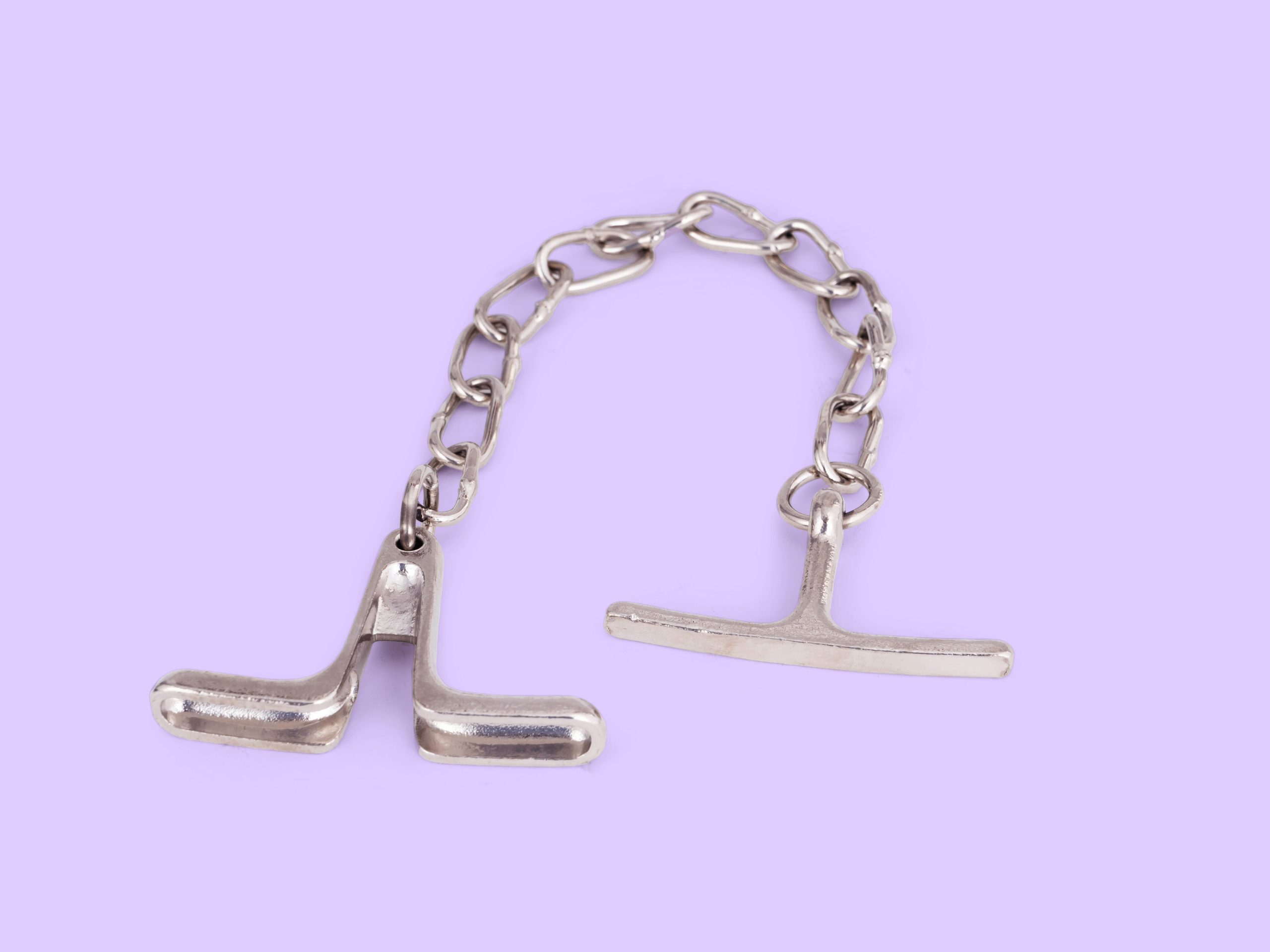
Deploying surveillance and repression to quell public dissent, the Ministry for State Security – known more colloquially as the Stasi – played a significant role in maintaining the power of the SED as the ruling party of the DDR. The exhibition at the Deutschlandmuseum displays a Stasi chain nipper, used to arrest “enemies of the state”, as a symbol of East German repression.

More than an intelligence service: the Stasi as a secret police force

The Stasi had a very broad remit and performed the tasks not only of a domestic and foreign intelligence service but also of a secret police force. The police powers with which it was conferred – surveillance, investigation, search and arrest – were exercised by its Department VIII (HA VIII).

The operations of Department VIII were directed primarily against what was known as the “political underground”, a disparate collection of groupings opposed to the DDR government, and which the Stasi considered to be a threat to SED rule. In Stasi jargon, this milieu consisted of anyone classified as exhibiting a “negative-hostile attitude towards the state”. People identified as having such an attitude were subject to serious measures of surveillance and control.

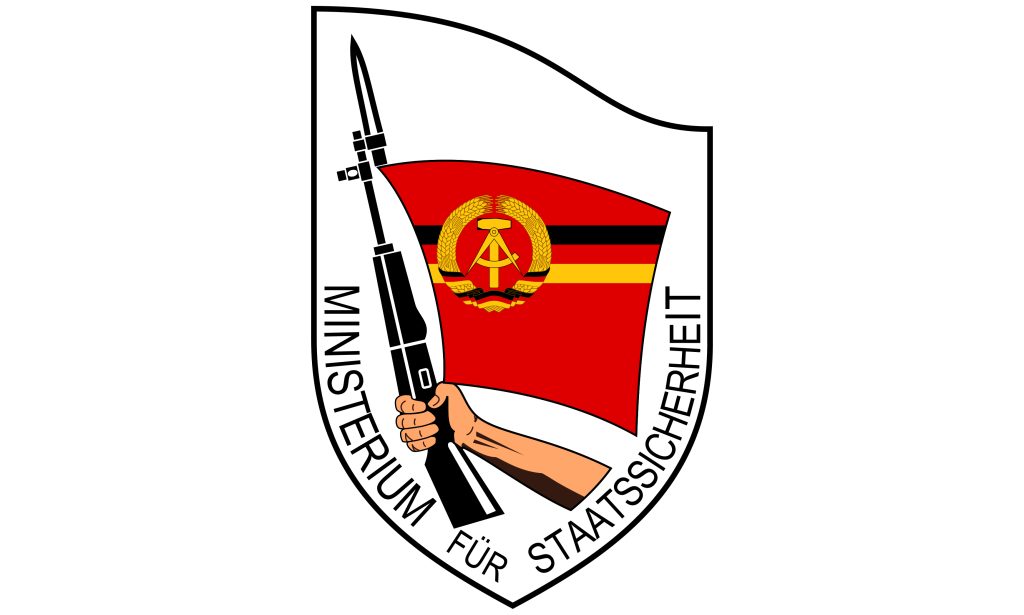
Enforcing loyalty to the state by any means: the Stasi saw itself as the shield and sword of the SED Emblem of the Stasi (source: Ministry for State Security of the DDR, public domain, via Wikimedia Commons)

Using the chain nippers

Department VIII staff often performed arrests without any formal authority or arrest warrants. Prisoners could be kept in custody for anything between a number of hours and many months or even years in a Stasi remand centre. Stasi officers often used chain nippers – sometimes called a leader chain – during both arrests and interrogations in order to control prisoners.

The chain nippers were a 35 cm metal chain made of twisted links, similar to those used by regular police forces in the 1950s and 1960s. Once it had been wrapped around the prisoner’s wrist, it was locked using the T-shaped handles. The tight fit of the chain meant that very little effort was required to inflict considerable pain. Chain nippers were a subtle instrument with a powerful effect.

Property information

Designation
Designation

Exhibit in the museum

Logo des Deutschlandmuseums

About the Deutschlandmuseum

An immersive and innovative experience museum about 2000 years of German history

Reading tips and links

Lifesaver? The German Steel Helmet in the First World War

German Tank Museum Munster

Lifesaver? The German Steel Helmet in the First World War

German Tank Museum Munster

Discover history

Visit the unique Deutschlandmuseum and experience immersive history

2000 Jahre
12 Epochen
1 Stunde