
The worst railway accident ever to befall the DDR occurs in Saxony-Anhalt
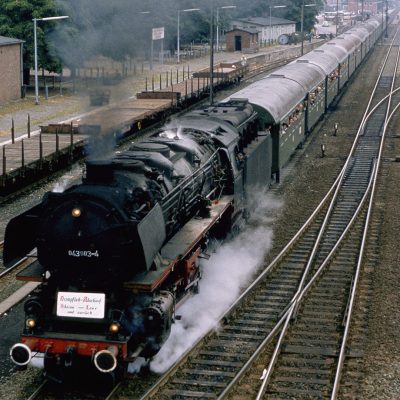
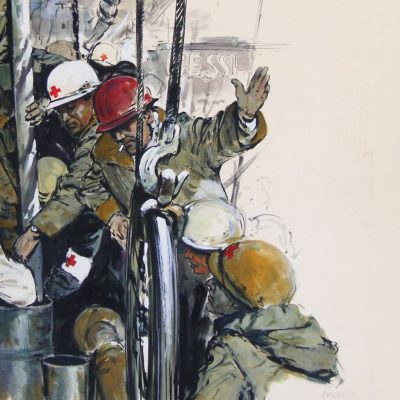
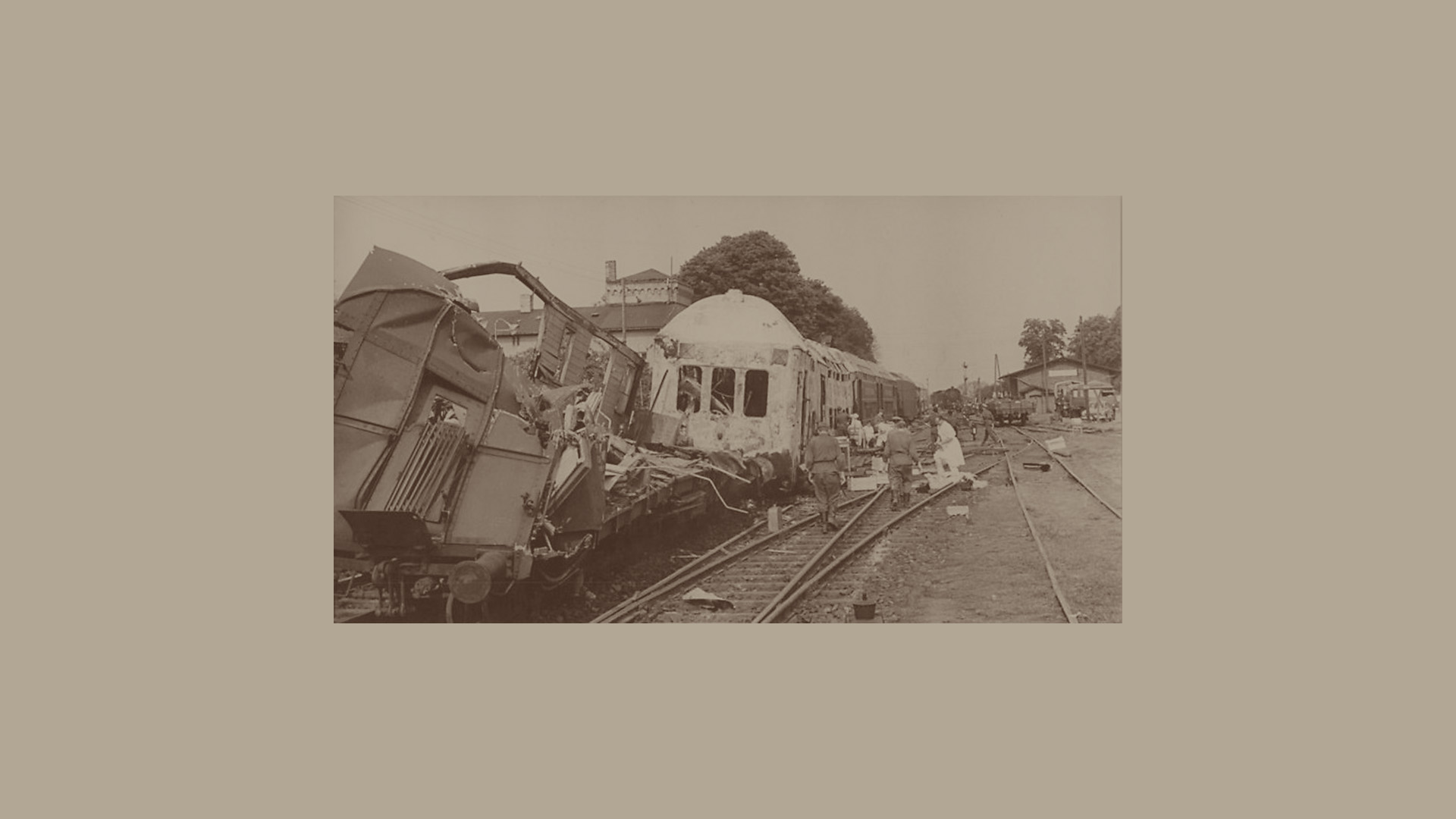
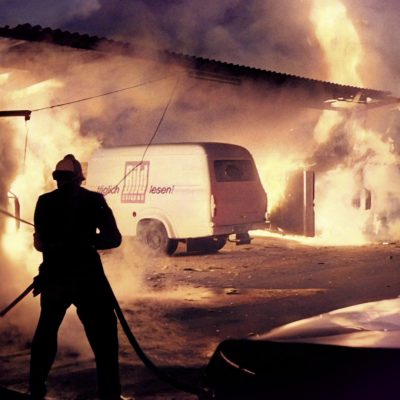
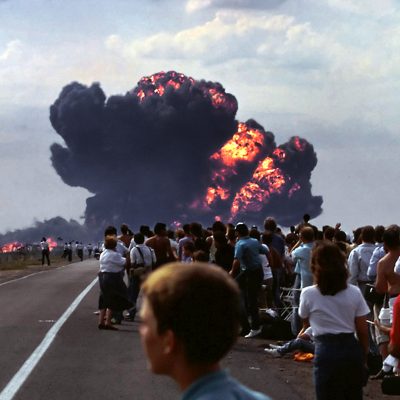
On 6 July 1967, a Deutsche Reichsbahn train collided with a tanker truck at Langenweddingen, on the railway line between Magdeburg and Thale, on the edge of the Harz Mountains. Approaching a level crossing at 85 km/h, the driver of a passenger train saw far too late that a fuel truck had started to cross the tracks. The ensuing collision caused the tanker to burst, and its contents were ignited by the coals of the steam locomotive pulling the train. With both drivers killed by the collision, the subsequent explosion and inferno killed 94 of the 250 passengers, including 44 schoolchildren on their way to a holiday camp.
The collision was caused by one of the crossing barriers becoming entangled in a freely hanging telephone cable and failing to close. The crossing attendant recognized the danger and halted the traffic from one direction, whilst he attempted to free the barrier. Failing to see the oncoming tanker coming from the opposite direction, he was however unable to prevent the unsuspecting driver from crossing the track and crashing into the train. Although the emergency services were summoned immediately, firemen first had to pump water from a nearby pond, which delayed rescue attempts. A later investigation revealed that the railway authorities had been aware of the danger presented by the dangling cable, but had failed to act.


The whole year at a glance



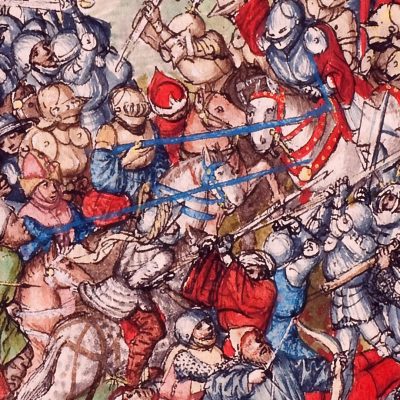
![Lithografie von Johann Nepomuk Heinemann [koloriert], nach Ölgemälde von Feodor Dietz (Foto: LABW, GLAK)](https://www.deutschlandmuseum.de/wp-content/uploads/2025/02/02031689_Zerstoerung_Heidelbergs-400x400.jpg "Lithografie von Johann Nepomuk Heinemann [koloriert], nach Ölgemälde von Feodor Dietz (Foto: LABW, GLAK)")



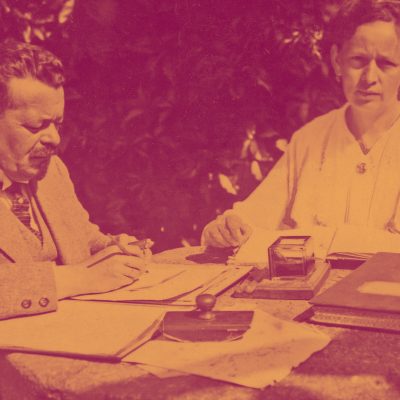
![Unter den Unterzeichnern sind die Nobelpreisträger Otto Hahn, Werner Heisenberg und Max Born [digital koloriert] (Quelle: Landesarchiv BW Staatsarchiv Freiburg, CC-BY-SA)](https://www.deutschlandmuseum.de/wp-content/uploads/2025/04/12041957_Göttinger_Erklärung-400x400.jpg "Unter den Unterzeichnern sind die Nobelpreisträger Otto Hahn, Werner Heisenberg und Max Born [digital koloriert] (Quelle: Landesarchiv BW Staatsarchiv Freiburg, CC-BY-SA)")



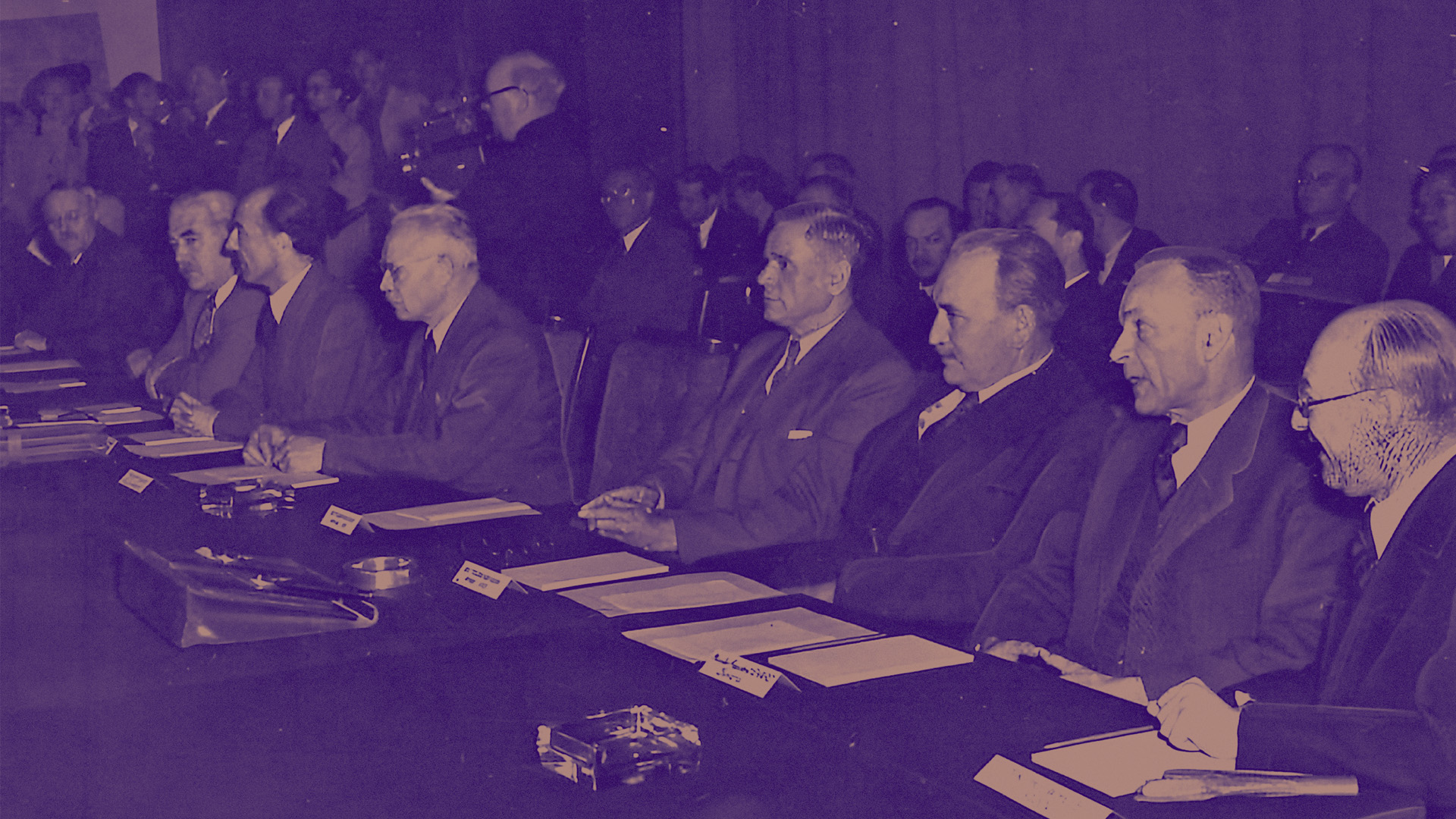
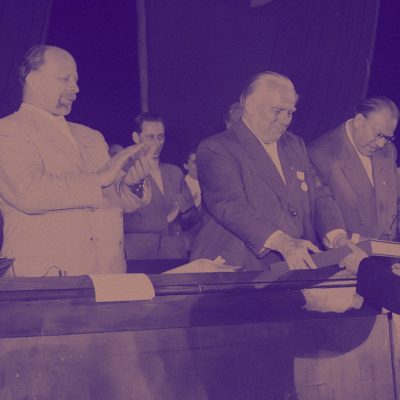
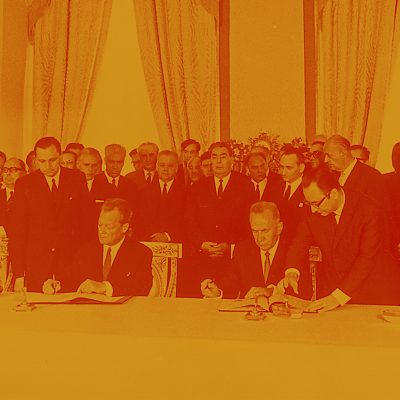
](https://www.deutschlandmuseum.de/wp-content/uploads/2025/04/21041946_SED_Gründung-1-400x400.jpg "Vereinigungsparteitag von KPD und SPD zur SED [digital koloriert](Quelle: Deutsche Fotothek, CC BY-SA 3.0 DE)")







![Alexander von Humboldt [Ausschnitt], Gemälde von Friedrich Georg Weitsch (Quelle: Alte Nationalgalerie)](https://www.deutschlandmuseum.de/wp-content/uploads/2025/09/14091769_Humboldt-400x400.jpg "Alexander von Humboldt [Ausschnitt], Gemälde von Friedrich Georg Weitsch (Quelle: Alte Nationalgalerie)")



![Albert Einstein im Patentamt Bern, 1905 [digital koloriert] (Quelle: ETH-Bibliothek Zürich)](https://www.deutschlandmuseum.de/wp-content/uploads/2025/09/26091905_Einstein_koloriert-400x400.jpg "Albert Einstein im Patentamt Bern, 1905 [digital koloriert] (Quelle: ETH-Bibliothek Zürich)")