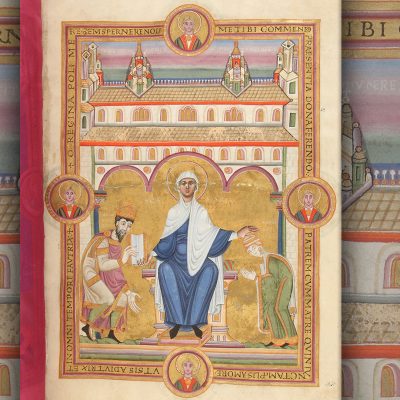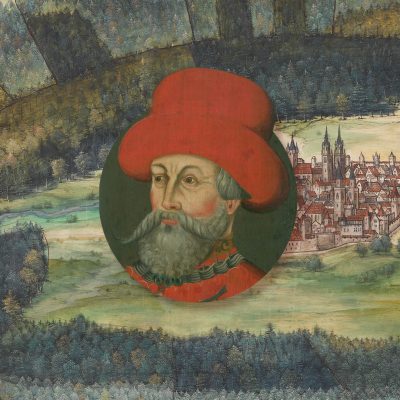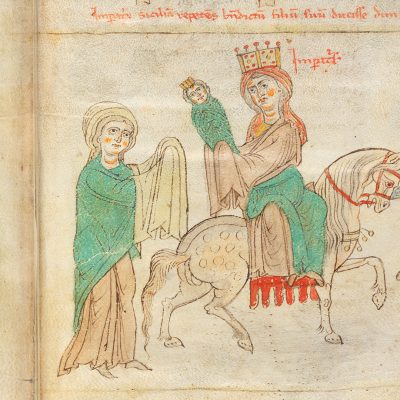
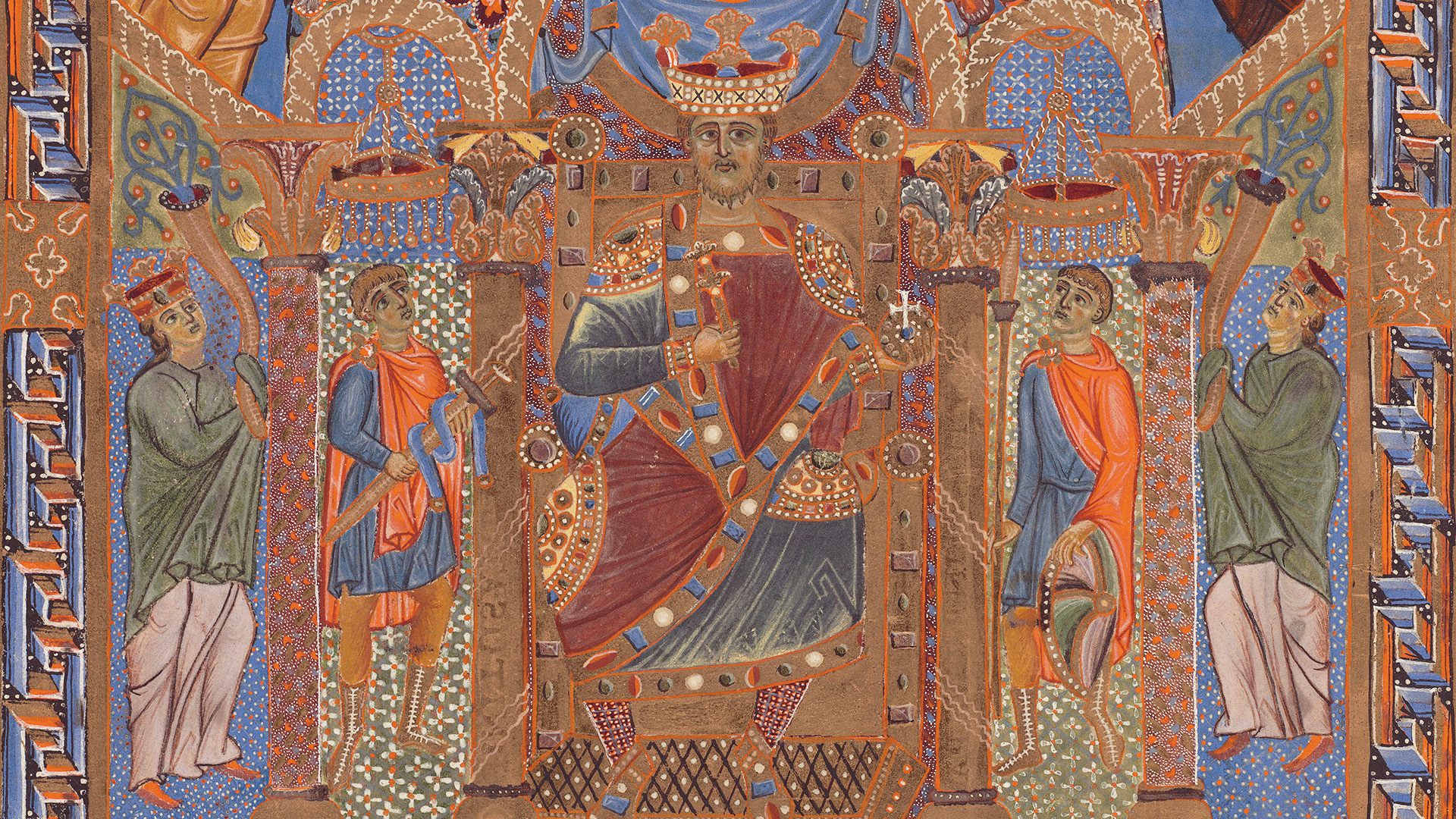

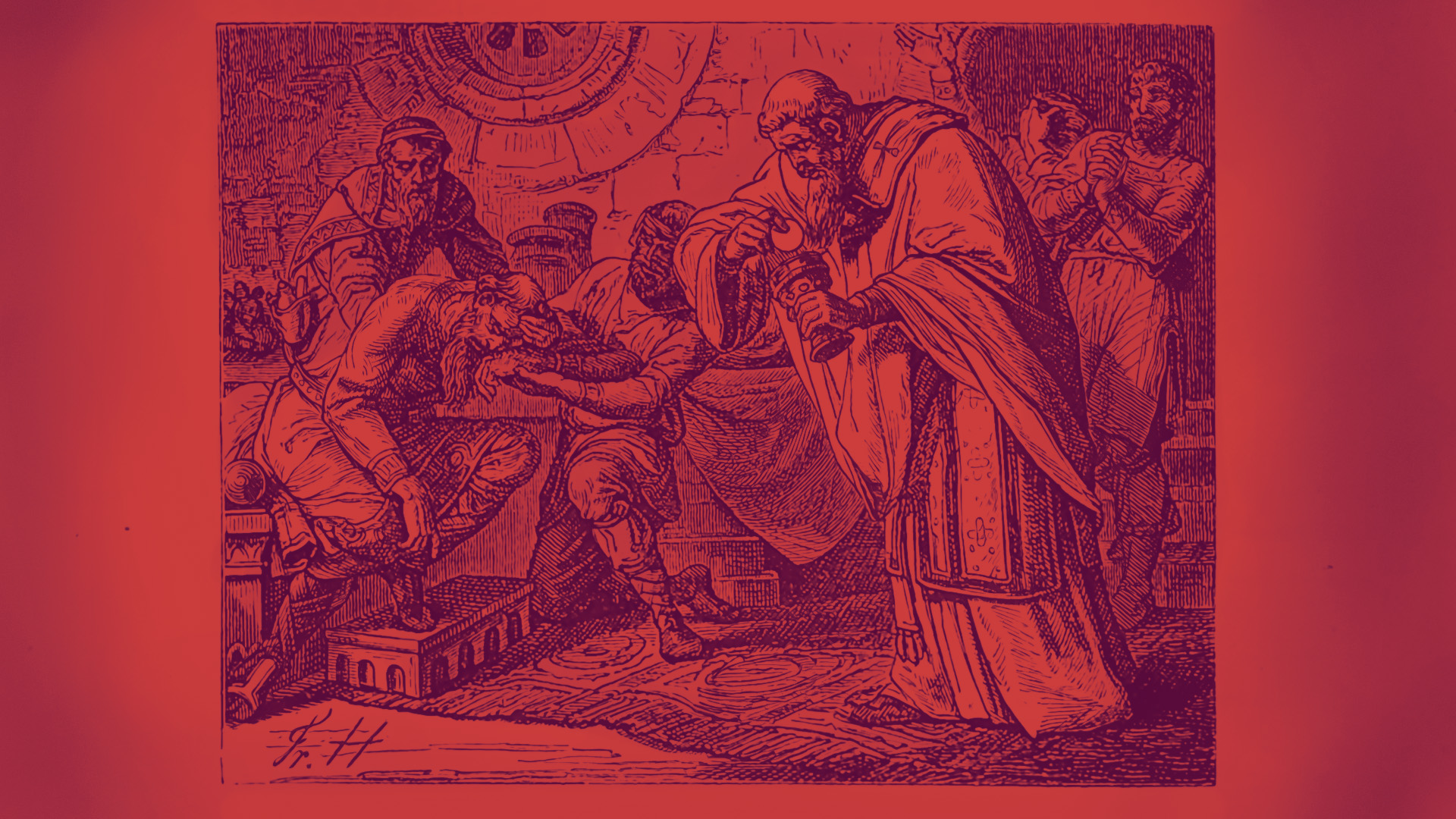
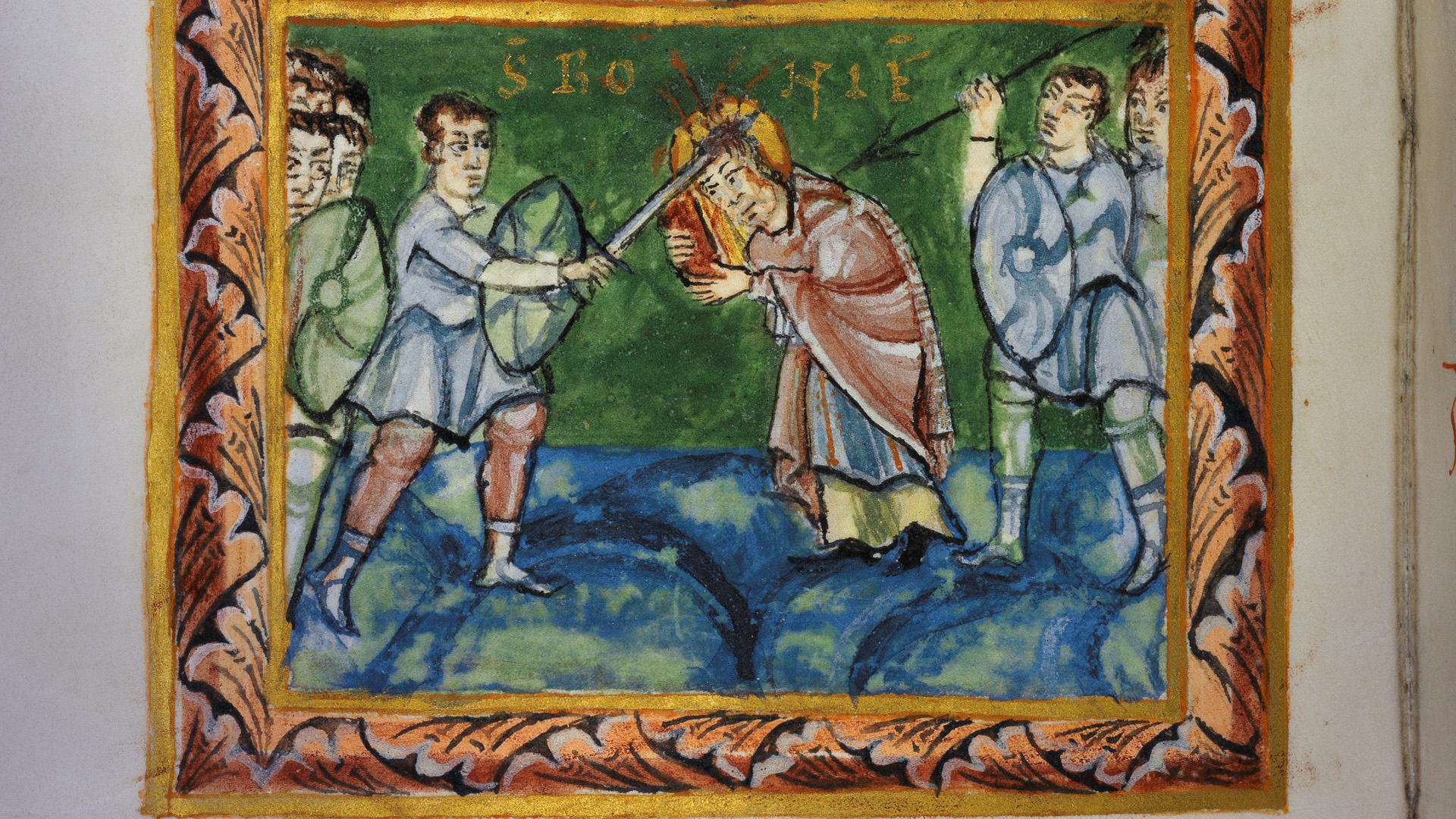
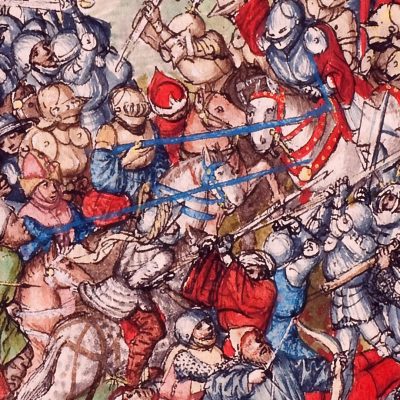
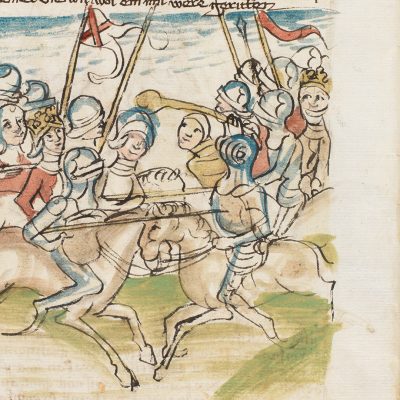
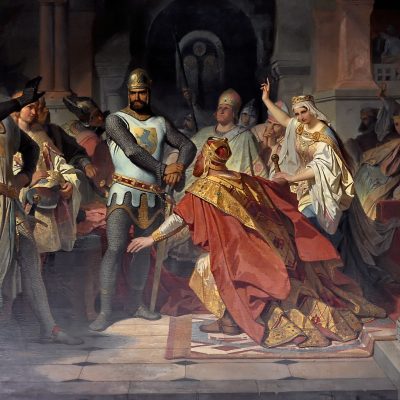
Henry II cedes Lusatia to Boleslaw of Poland during the Polish Wars
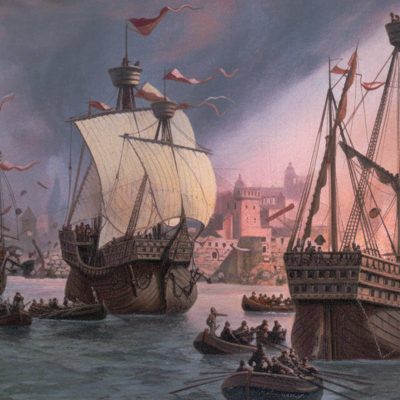
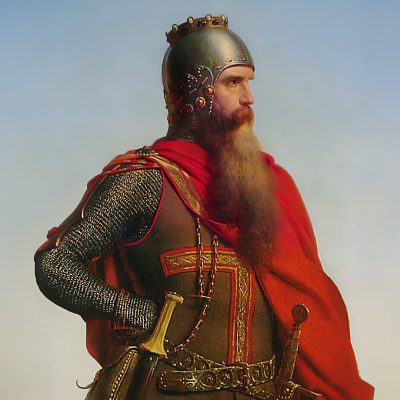
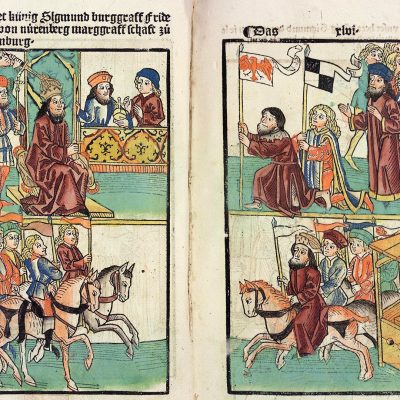
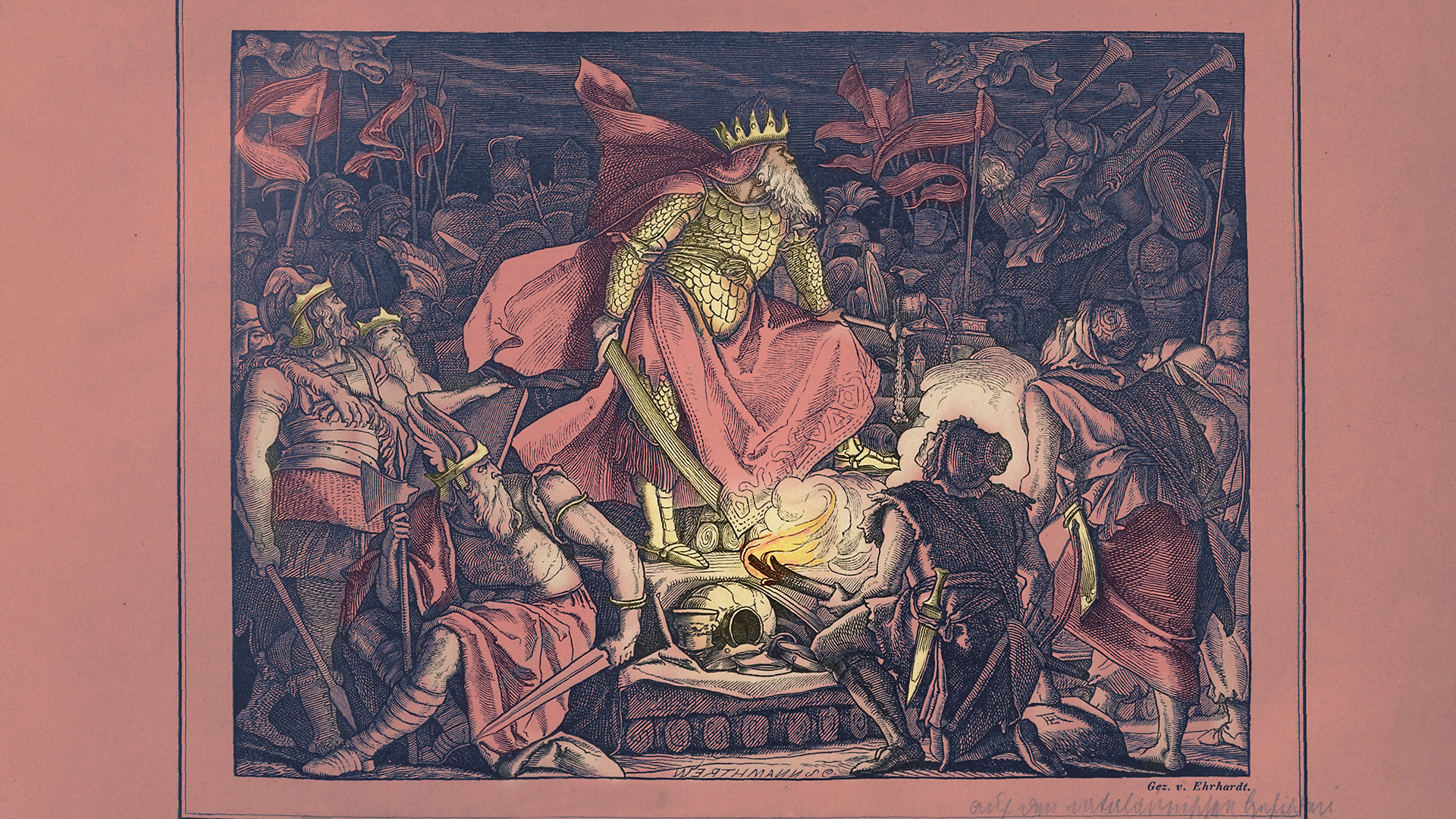
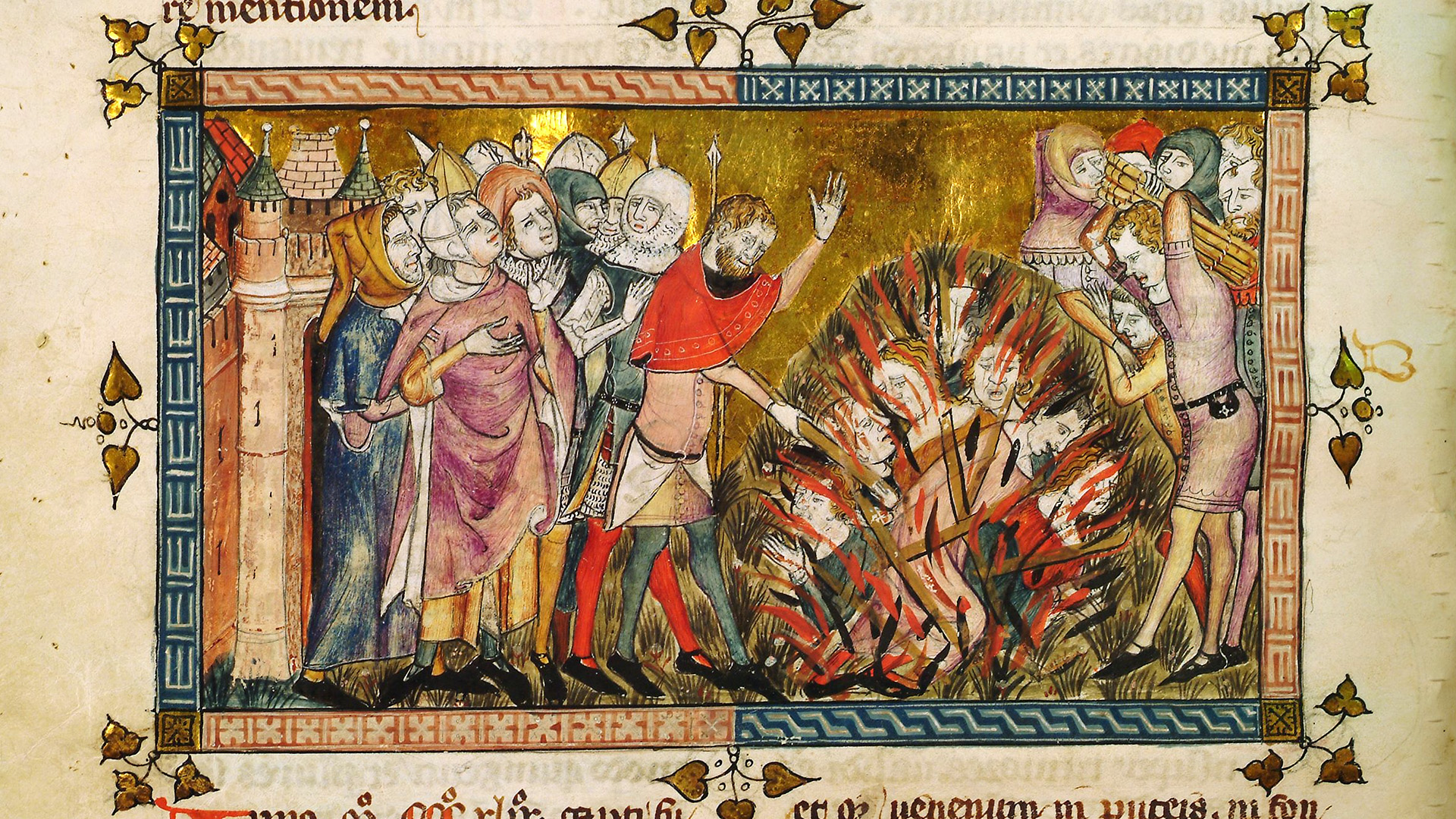
Groups of Slavs had been settling the area between the Elbe and Oder rivers since the 7th century. In response, Emperor Otto I worked to delimit political jurisdictions in this vast area, whilst also establishing the Archbishopric of Magdeburg through which to organize the Christianization of the Slavs and incorporate them into the East Frankish Empire and its Church structures. These endeavours were not entirely successful, and alliances and marriage ties soon developed between the nobility of the Border Marches and the Polish ruling dynasty east of the Oder. Shortly after 1000, the East Frankish King Henry II and the Polish ruler Boleslaw I squared off in a 15-year war to decide which ruler was senior to the other.
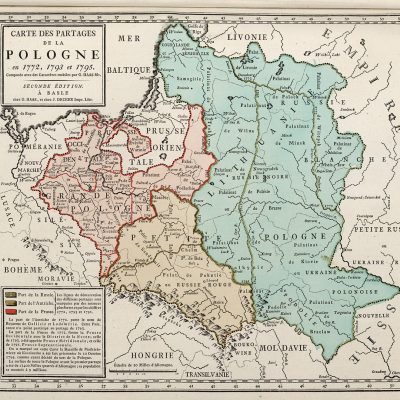
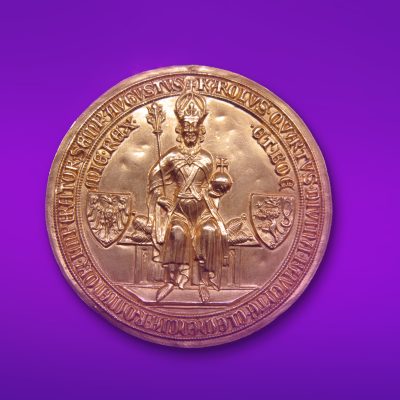
Boleslaw’s move to annex the area around the River Elbe prompted Henry to enter into an alliance with the Slavs living there in an attempt to defend it against Polish encroachment. However, Henry was unable to win a quick victory, and as he needed to travel to Rome in 1013 to receive the imperial crown from the Pope, he could not afford to have a war raging in his absence. Concluding the Peace of Merseburg with Boleslaw on 25 May 1013, Henry ceded Lusatia to his former enemy as a fief and demanded that Boleslaw swear an oath of fealty to Henry in return. Some years later, Boleslaw refused to render the military assistance that Henry required and as owed to him as his feudal overlord. The war that Henry launched to bring his insubordinate vassal to heel proved unsuccessful, and Henry was forced to make peace at Bautzen in 1018. The terms of the treaty involved Henry recognizing the equal standing of the German and Polish crown. Now freed of fealty to the German Empire, Poland was able to forge an independent path alongside the East Frankish or Holy Roman Empire. The campaign to Christianize the Elbe Slavs was not resumed until the 12th century.


The whole year at a glance


![Lithografie von Johann Nepomuk Heinemann [koloriert], nach Ölgemälde von Feodor Dietz (Foto: LABW, GLAK)](https://www.deutschlandmuseum.de/wp-content/uploads/2025/02/02031689_Zerstoerung_Heidelbergs-400x400.jpg "Lithografie von Johann Nepomuk Heinemann [koloriert], nach Ölgemälde von Feodor Dietz (Foto: LABW, GLAK)")


![Unter den Unterzeichnern sind die Nobelpreisträger Otto Hahn, Werner Heisenberg und Max Born [digital koloriert] (Quelle: Landesarchiv BW Staatsarchiv Freiburg, CC-BY-SA)](https://www.deutschlandmuseum.de/wp-content/uploads/2025/04/12041957_Göttinger_Erklärung-400x400.jpg "Unter den Unterzeichnern sind die Nobelpreisträger Otto Hahn, Werner Heisenberg und Max Born [digital koloriert] (Quelle: Landesarchiv BW Staatsarchiv Freiburg, CC-BY-SA)")

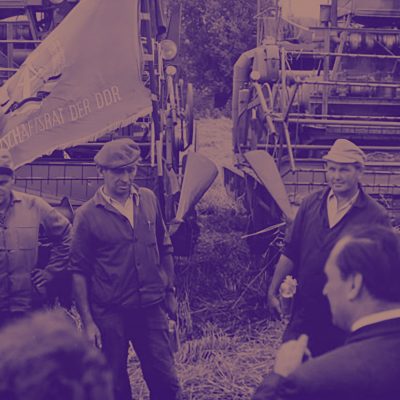


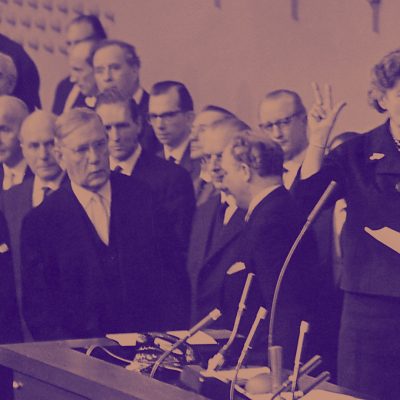
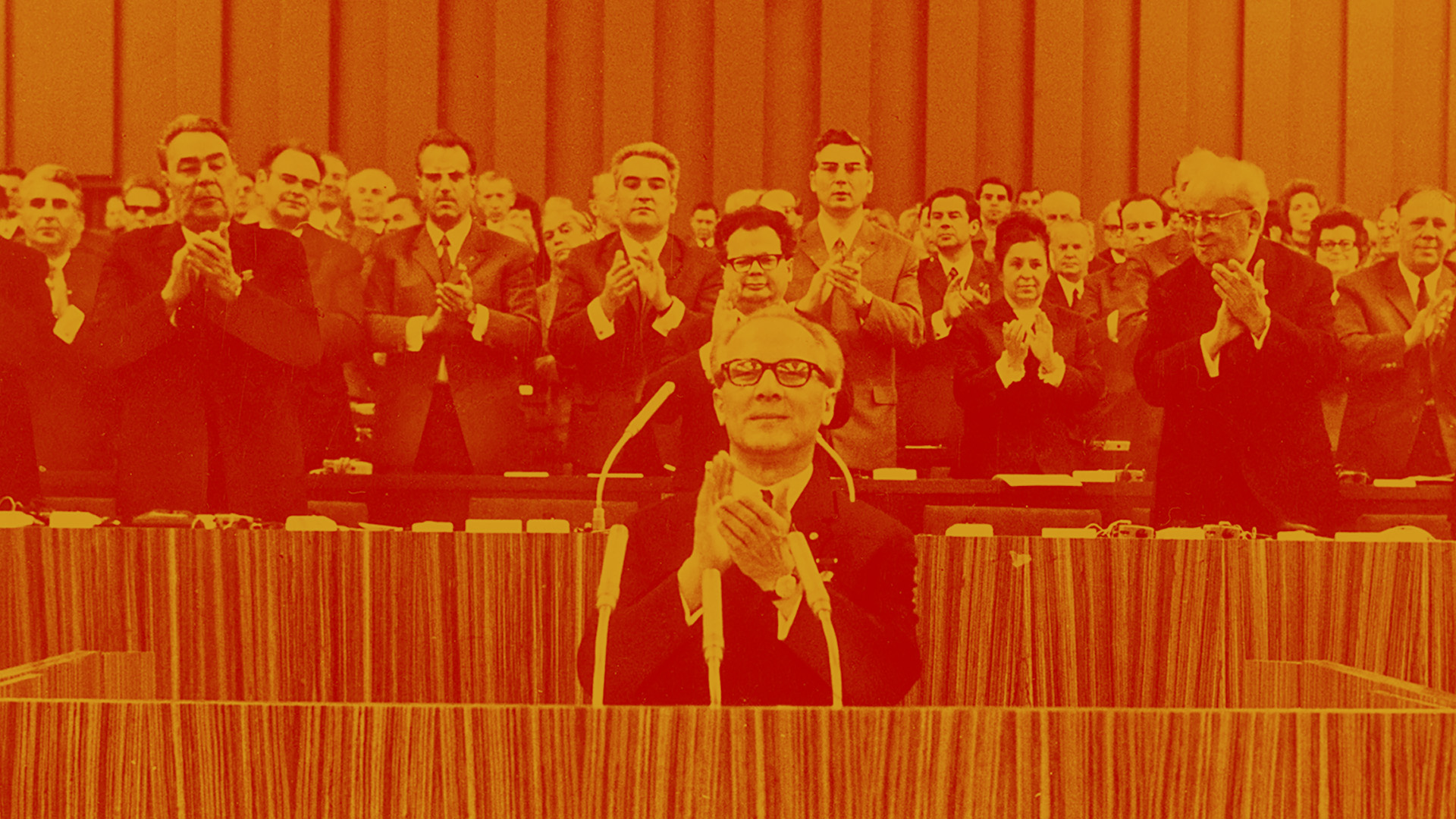
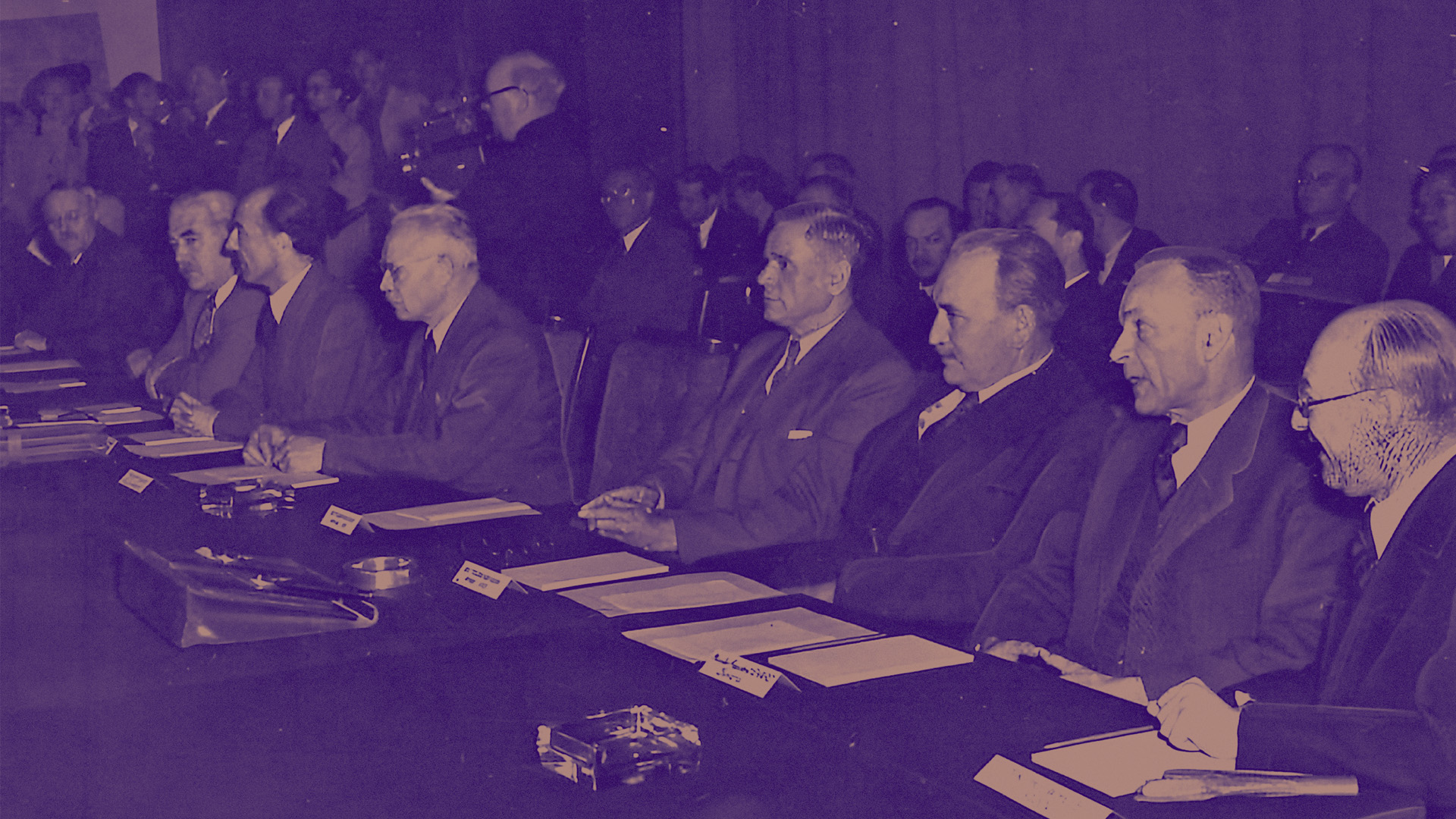
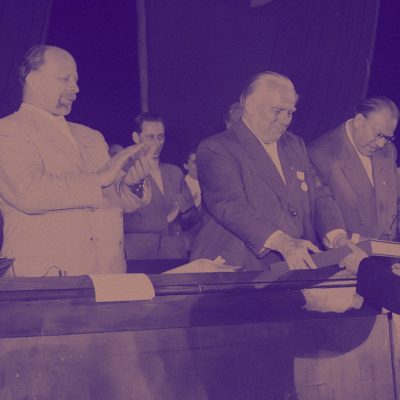
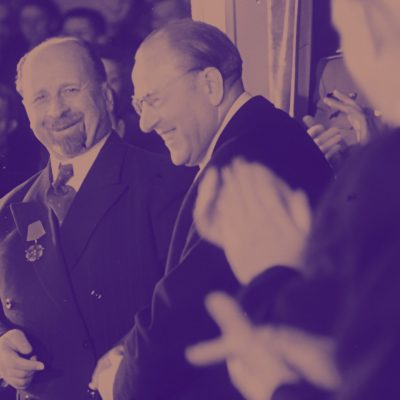
](https://www.deutschlandmuseum.de/wp-content/uploads/2025/04/21041946_SED_Gründung-1-400x400.jpg "Vereinigungsparteitag von KPD und SPD zur SED [digital koloriert](Quelle: Deutsche Fotothek, CC BY-SA 3.0 DE)")
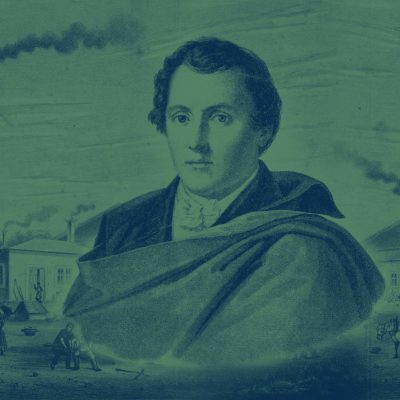








![Alexander von Humboldt [Ausschnitt], Gemälde von Friedrich Georg Weitsch (Quelle: Alte Nationalgalerie)](https://www.deutschlandmuseum.de/wp-content/uploads/2025/09/14091769_Humboldt-400x400.jpg "Alexander von Humboldt [Ausschnitt], Gemälde von Friedrich Georg Weitsch (Quelle: Alte Nationalgalerie)")



![Albert Einstein im Patentamt Bern, 1905 [digital koloriert] (Quelle: ETH-Bibliothek Zürich)](https://www.deutschlandmuseum.de/wp-content/uploads/2025/09/26091905_Einstein_koloriert-400x400.jpg "Albert Einstein im Patentamt Bern, 1905 [digital koloriert] (Quelle: ETH-Bibliothek Zürich)")