
Germany’s first women’s refuge opens its doors
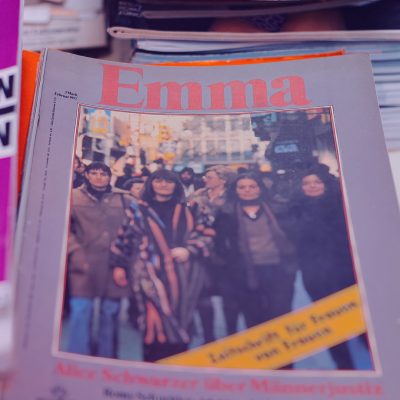
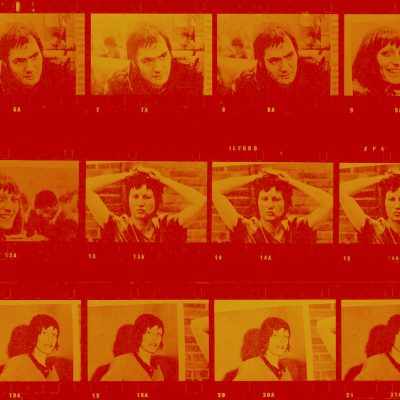
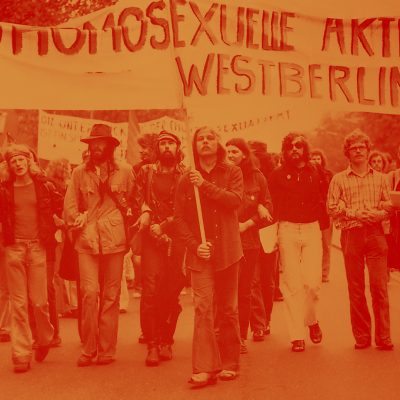
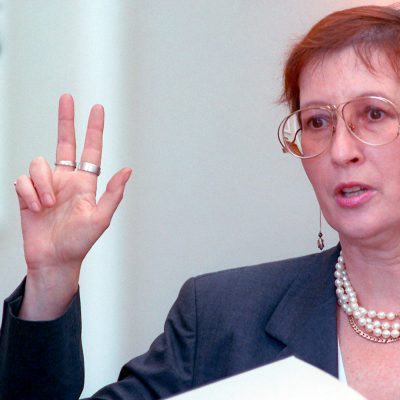
West Germans generally assumed that all marriages were happy and gave little or no thought to domestic violence. However, 21st century statistics tell a different story. Whilst one in four women experiences physical violence from a male partner at least once in their lifetime, one in twenty women will suffer ongoing violence resulting in injuries requiring medical treatment. Although many people must have known about this state of affairs, domestic violence remained taboo in West German society after 1945. After the women’s movement began to address the issue in the early 1970s, a group of West Berlin women – social workers, psychologists, doctors and lawyers – began in 1975 to plan a new type of social institution to help victims of domestic violence and their children by providing them with practical assistance, counselling and temporary accommodation. After some initial hesitation, the Federal Ministry for Youth, Family and Health in Bonn agreed to provide the necessary funding.
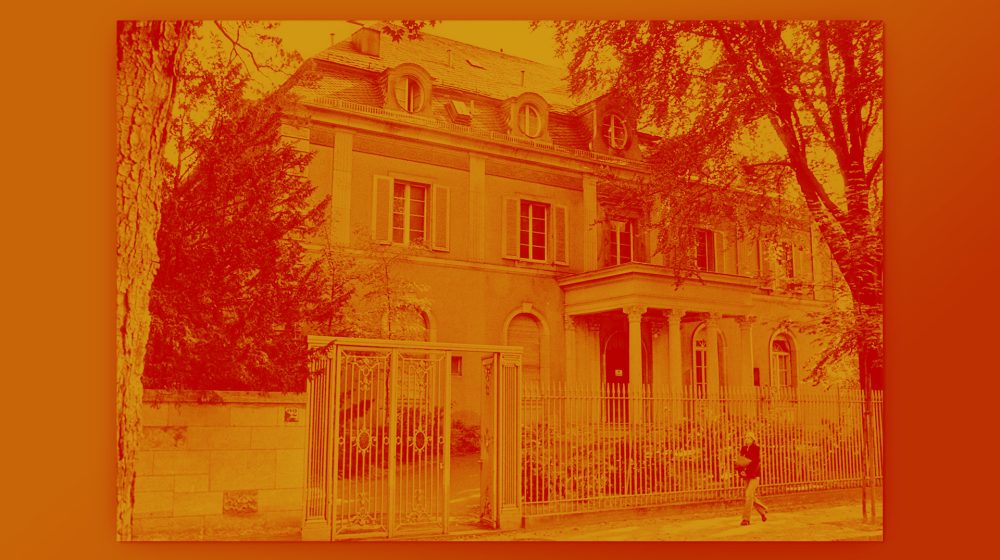
The first women’s refuge in Germany opened in West Berlin on 1 November 1976. A pilot project based on Scandinavian models, its costs were partially covered by state funding. The refuge provided help to over 600 women and 700 children in its first twelve months. Other cities took note: the first to emulate this new project was Cologne, and many other cities soon followed suit. Since the ratification of the Istanbul Convention in 2018, the German state is obliged to finance women’s shelters. Despite there being more than 400 women’s refuges in Germany, they are unfortunately still oversubscribed.


The whole year at a glance












![Lithografie von Johann Nepomuk Heinemann [koloriert], nach Ölgemälde von Feodor Dietz (Foto: LABW, GLAK)](https://www.deutschlandmuseum.de/wp-content/uploads/2025/02/02031689_Zerstoerung_Heidelbergs-400x400.jpg "Lithografie von Johann Nepomuk Heinemann [koloriert], nach Ölgemälde von Feodor Dietz (Foto: LABW, GLAK)")







![Unter den Unterzeichnern sind die Nobelpreisträger Otto Hahn, Werner Heisenberg und Max Born [digital koloriert] (Quelle: Landesarchiv BW Staatsarchiv Freiburg, CC-BY-SA)](https://www.deutschlandmuseum.de/wp-content/uploads/2025/04/12041957_Göttinger_Erklärung-400x400.jpg "Unter den Unterzeichnern sind die Nobelpreisträger Otto Hahn, Werner Heisenberg und Max Born [digital koloriert] (Quelle: Landesarchiv BW Staatsarchiv Freiburg, CC-BY-SA)")




](https://www.deutschlandmuseum.de/wp-content/uploads/2025/04/21041946_SED_Gründung-1-400x400.jpg "Vereinigungsparteitag von KPD und SPD zur SED [digital koloriert](Quelle: Deutsche Fotothek, CC BY-SA 3.0 DE)")


























![Alexander von Humboldt [Ausschnitt], Gemälde von Friedrich Georg Weitsch (Quelle: Alte Nationalgalerie)](https://www.deutschlandmuseum.de/wp-content/uploads/2025/09/14091769_Humboldt-400x400.jpg "Alexander von Humboldt [Ausschnitt], Gemälde von Friedrich Georg Weitsch (Quelle: Alte Nationalgalerie)")



![Albert Einstein im Patentamt Bern, 1905 [digital koloriert] (Quelle: ETH-Bibliothek Zürich)](https://www.deutschlandmuseum.de/wp-content/uploads/2025/09/26091905_Einstein_koloriert-400x400.jpg "Albert Einstein im Patentamt Bern, 1905 [digital koloriert] (Quelle: ETH-Bibliothek Zürich)")