
The “Imperial Cathedral” is one of the most important High Medieval buildings in Europe
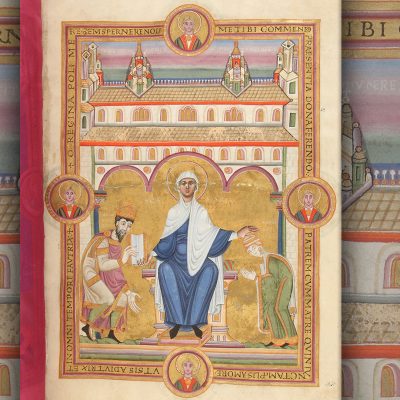
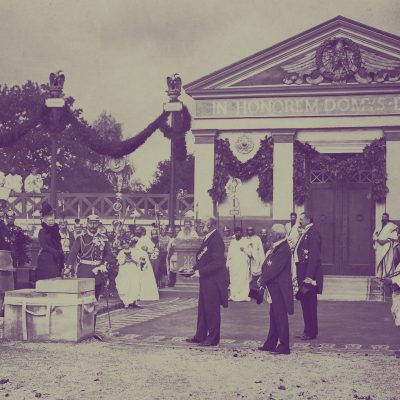
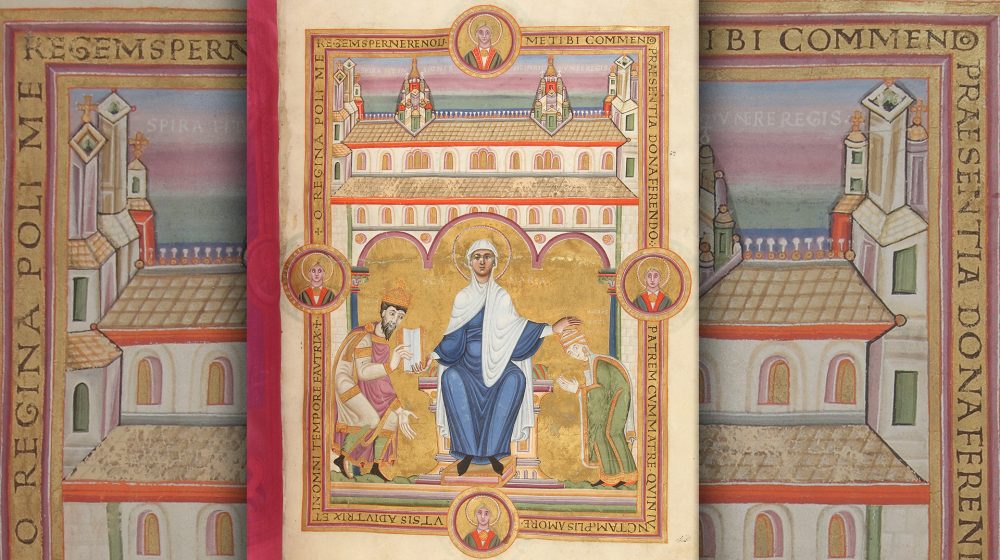
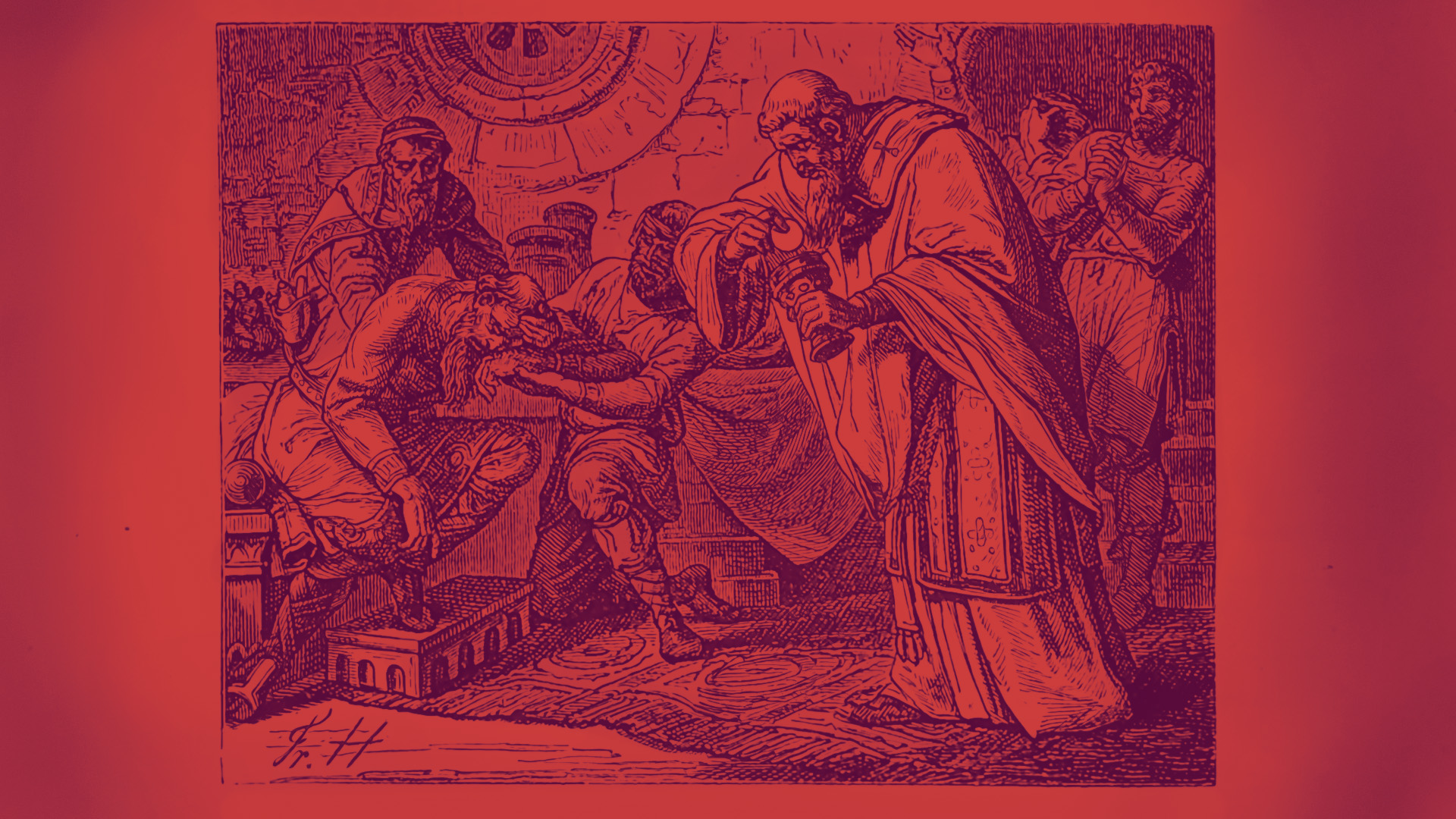
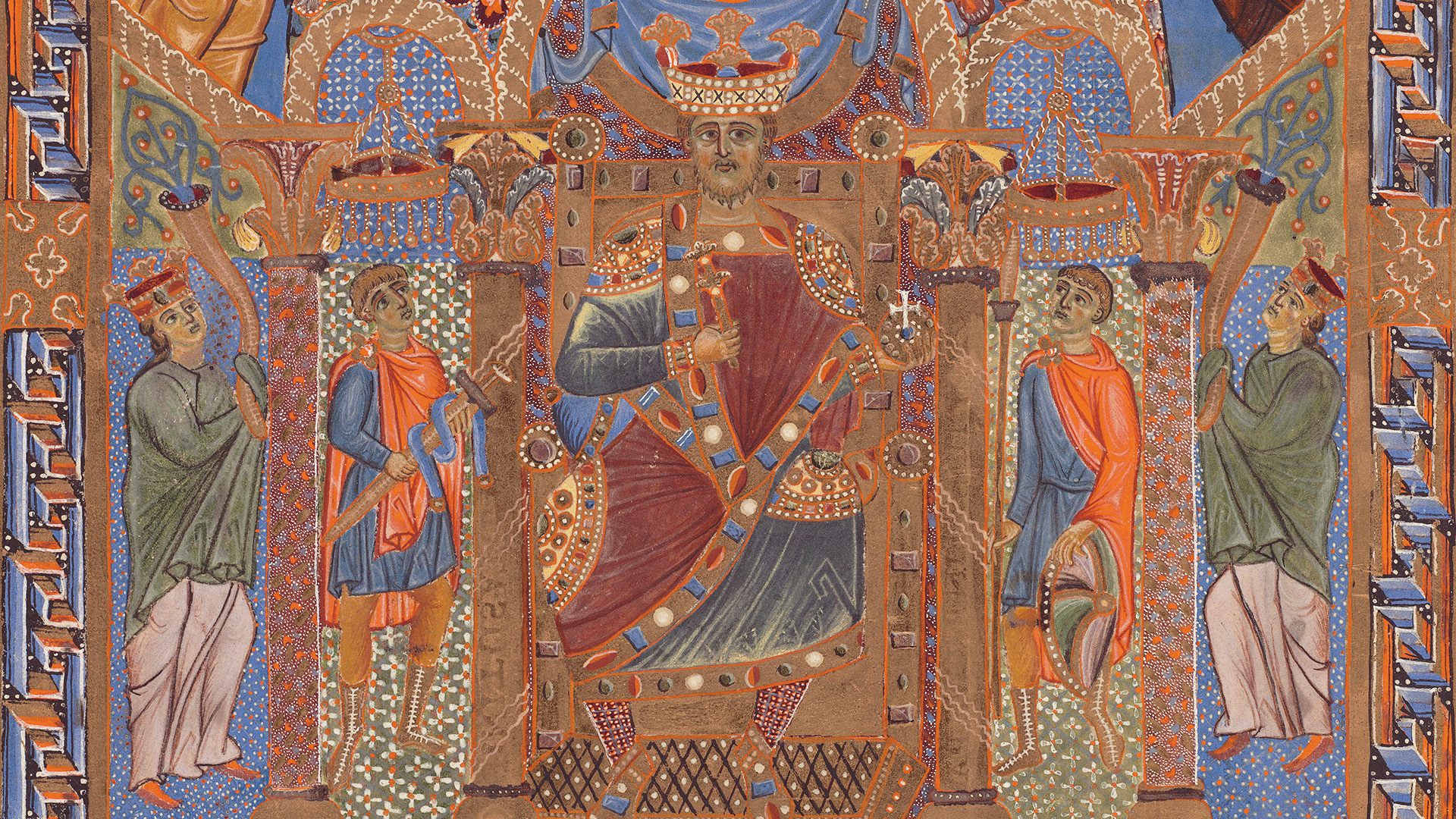
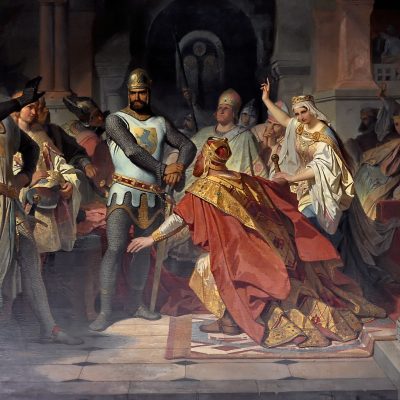
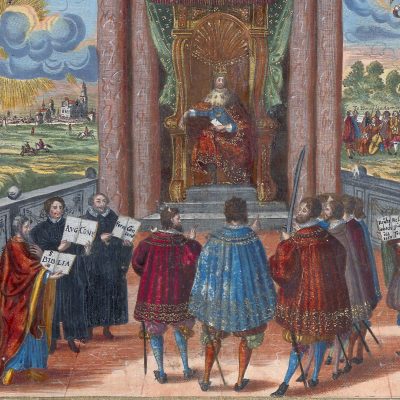
The 11th-century kings and emperors of the Holy Roman Empire considered themselves to have been appointed by God to protect and steer the Church. They even argued with the Papacy over who was closer to God. Seeking to demonstrate the holiness of the office of emperor, Conrad II, the first ruler from the new Salian dynasty, decided to build the largest church in the Western world in the small settlement of Speyer on the Upper Rhine, his family’s ancestral home. Work on the new cathedral began in 1025 and was not finished until 4 October 1061. By now, the throne was occupied by Conrad’s grandson Henry IV, who was perhaps better known for his part in an episode known as the Investiture Controversy, an argument over who had the right to appoint bishops. Although he had been forced to prostrate himself at the feet of Pope Gregory VIII, Henry still wished to exercise power in the Church and so ordered the partial demolition of the cathedral so as to be able to rebuild it on an even greater scale. The magnificent new edifice was completed in 1106 – the year of Henry’s death – and showed a King still bent on wielding influence in the Church.
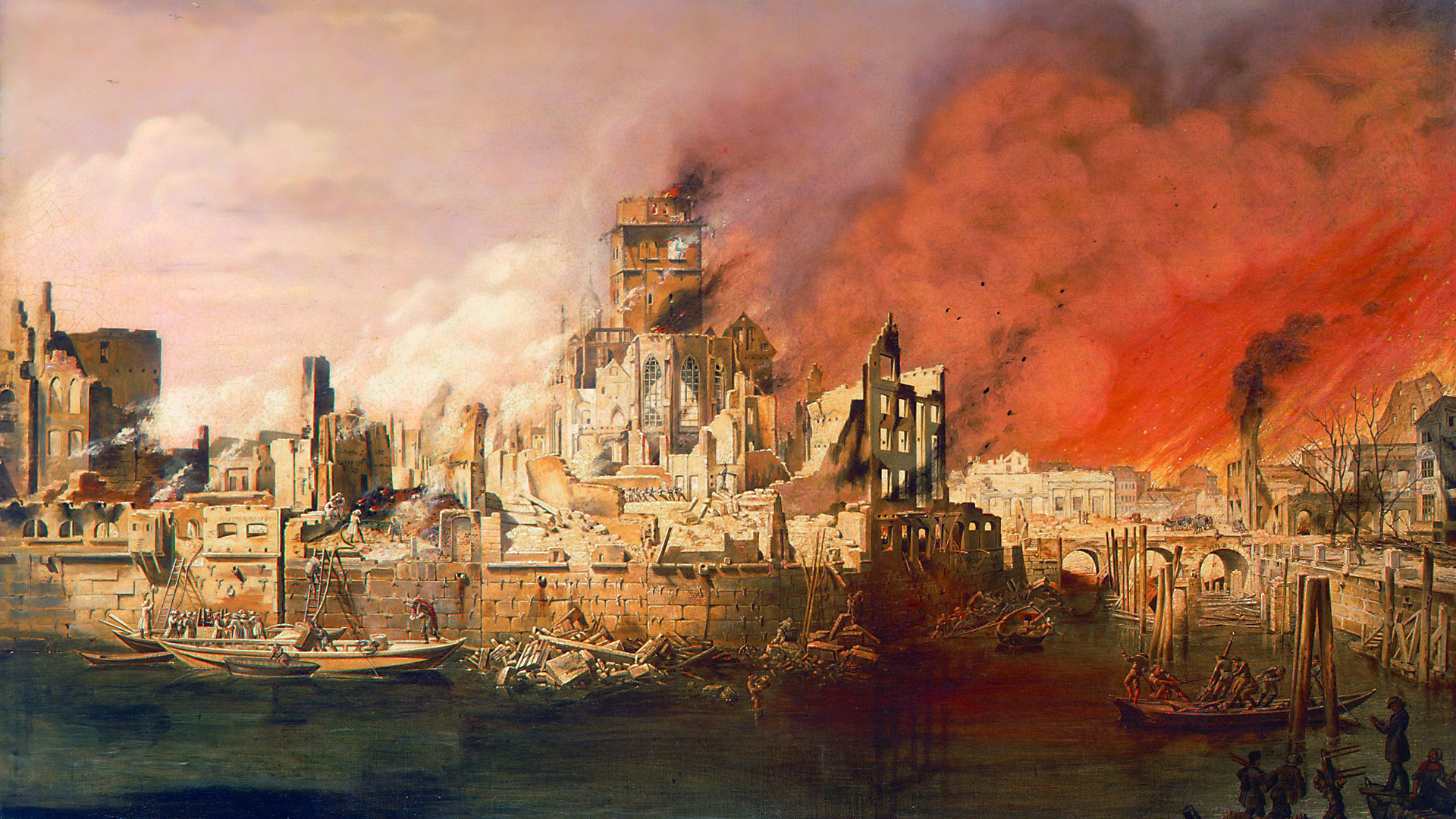
Speyer Cathedral suffered severe damage in two major fires – one caused by carelessness, the other deliberate arson by French soldiers during an invasion by Louis XIV – but was restored both times. Measuring 134 metres in length and 33 metres in width, the cathedral is the world’s largest medieval church built in the Romanesque style. Together with the cathedrals of Worms and Mainz, it is one of three “Rhineland imperial cathedrals” of Salian origin.

The whole year at a glance




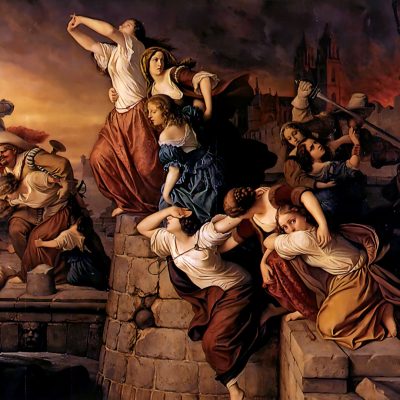
![Lithografie von Johann Nepomuk Heinemann [koloriert], nach Ölgemälde von Feodor Dietz (Foto: LABW, GLAK)](https://www.deutschlandmuseum.de/wp-content/uploads/2025/02/02031689_Zerstoerung_Heidelbergs-400x400.jpg "Lithografie von Johann Nepomuk Heinemann [koloriert], nach Ölgemälde von Feodor Dietz (Foto: LABW, GLAK)")


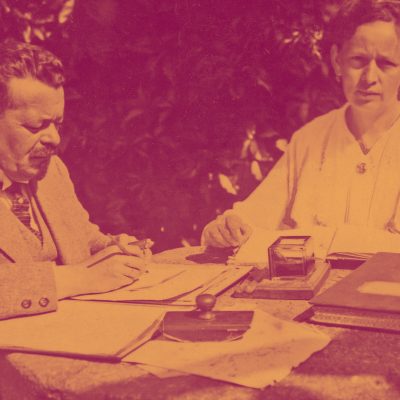
![Unter den Unterzeichnern sind die Nobelpreisträger Otto Hahn, Werner Heisenberg und Max Born [digital koloriert] (Quelle: Landesarchiv BW Staatsarchiv Freiburg, CC-BY-SA)](https://www.deutschlandmuseum.de/wp-content/uploads/2025/04/12041957_Göttinger_Erklärung-400x400.jpg "Unter den Unterzeichnern sind die Nobelpreisträger Otto Hahn, Werner Heisenberg und Max Born [digital koloriert] (Quelle: Landesarchiv BW Staatsarchiv Freiburg, CC-BY-SA)")



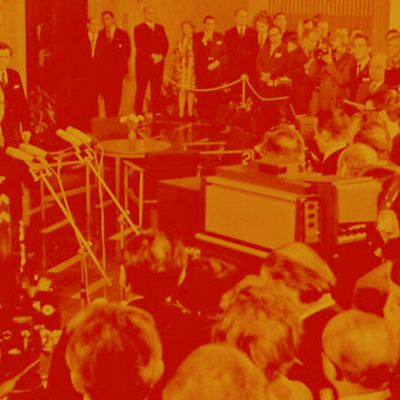
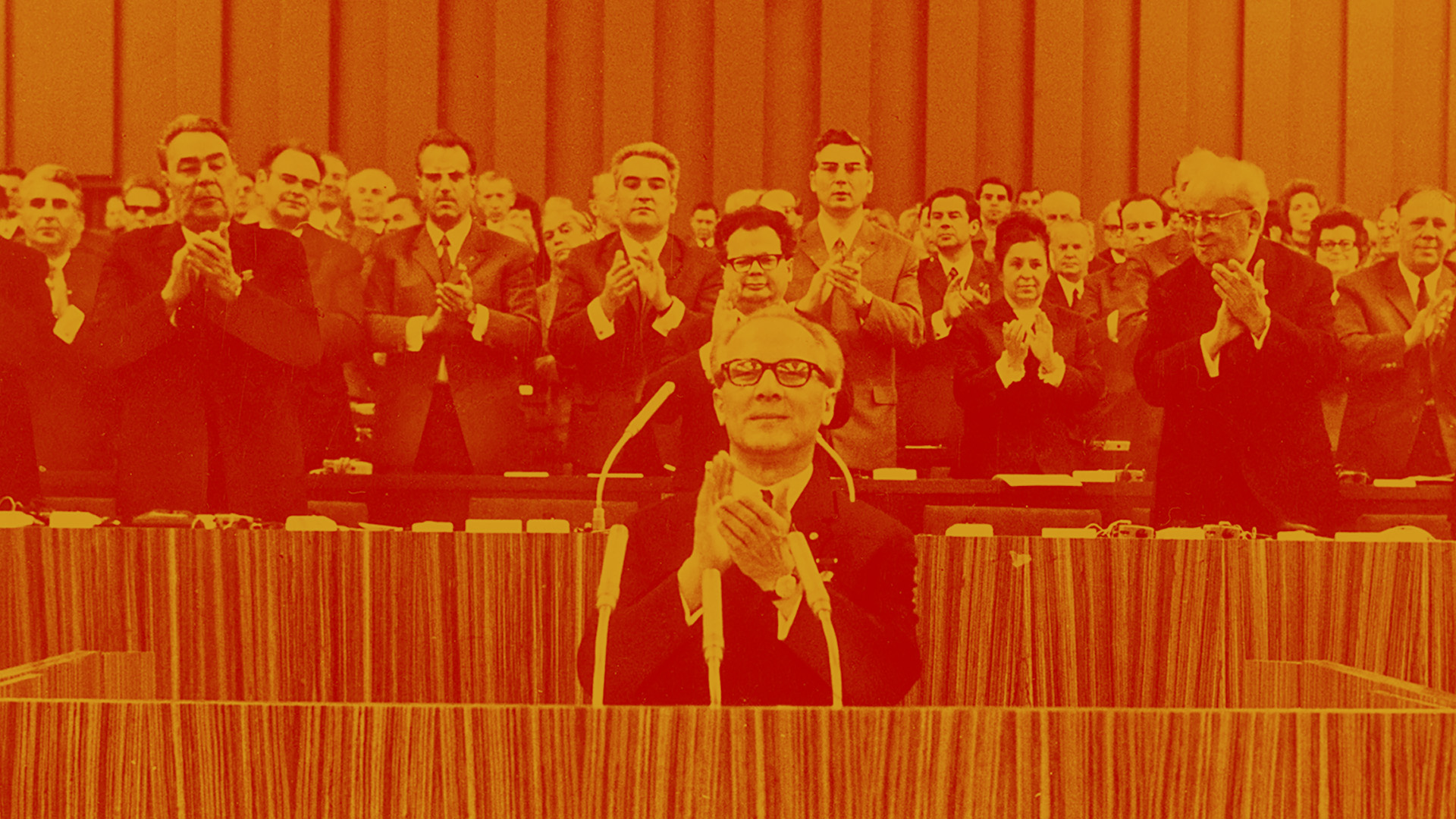
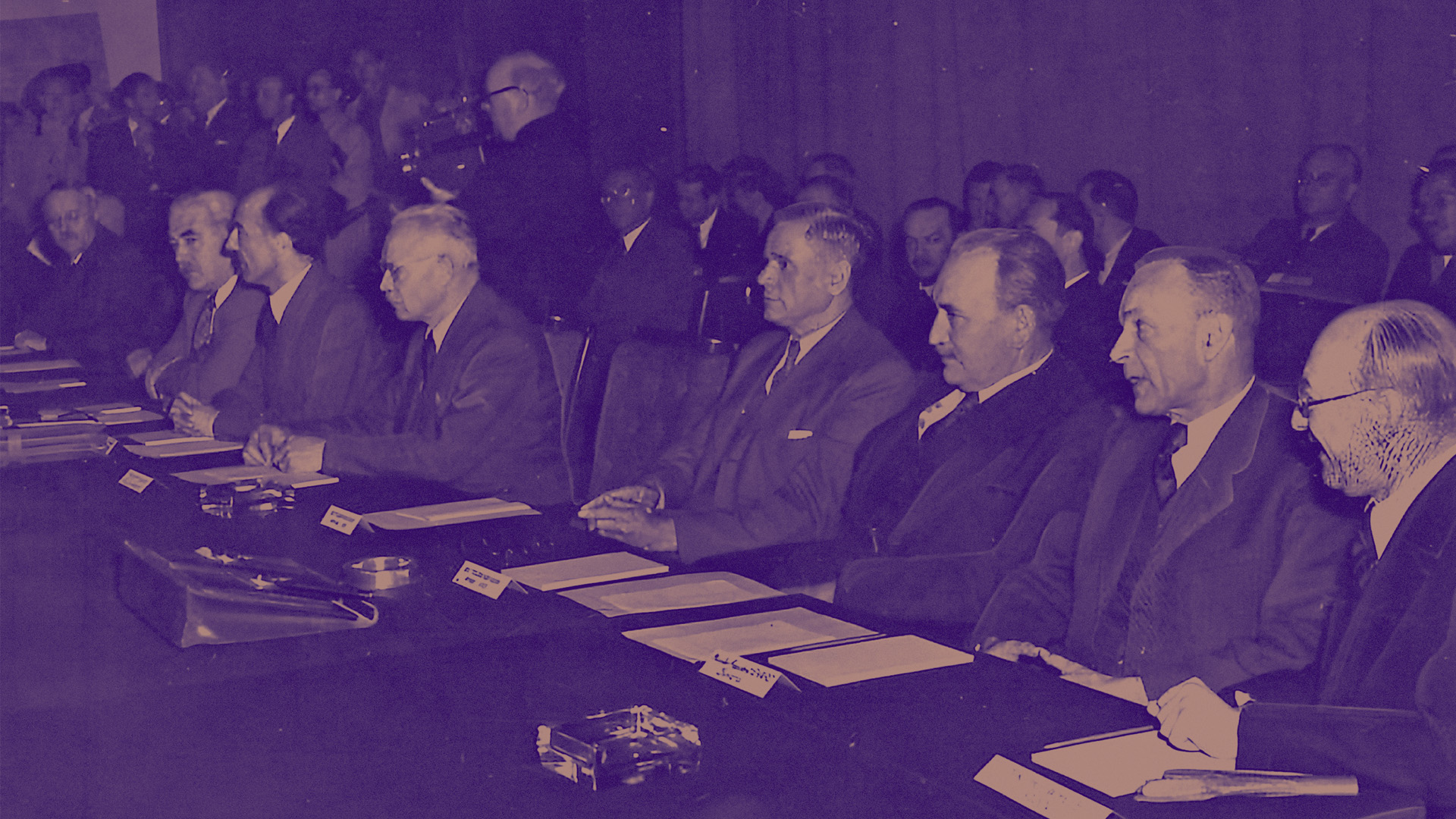
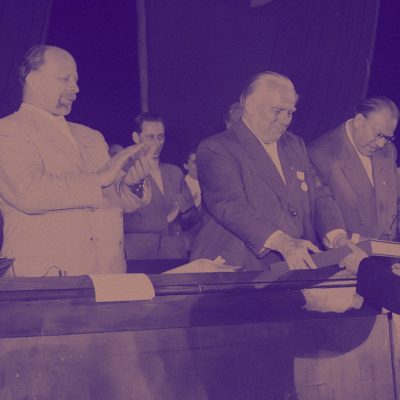
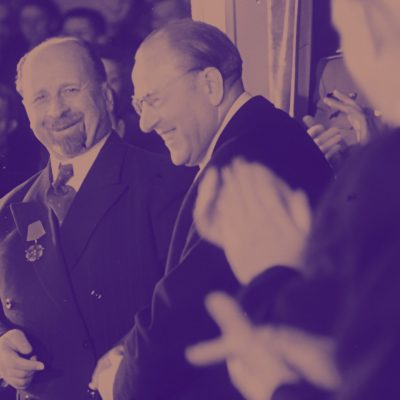
](https://www.deutschlandmuseum.de/wp-content/uploads/2025/04/21041946_SED_Gründung-1-400x400.jpg "Vereinigungsparteitag von KPD und SPD zur SED [digital koloriert](Quelle: Deutsche Fotothek, CC BY-SA 3.0 DE)")







![Alexander von Humboldt [Ausschnitt], Gemälde von Friedrich Georg Weitsch (Quelle: Alte Nationalgalerie)](https://www.deutschlandmuseum.de/wp-content/uploads/2025/09/14091769_Humboldt-400x400.jpg "Alexander von Humboldt [Ausschnitt], Gemälde von Friedrich Georg Weitsch (Quelle: Alte Nationalgalerie)")



![Albert Einstein im Patentamt Bern, 1905 [digital koloriert] (Quelle: ETH-Bibliothek Zürich)](https://www.deutschlandmuseum.de/wp-content/uploads/2025/09/26091905_Einstein_koloriert-400x400.jpg "Albert Einstein im Patentamt Bern, 1905 [digital koloriert] (Quelle: ETH-Bibliothek Zürich)")