

A labour shortage leads the Federal Republic of Germany to recruit workers from Turkey
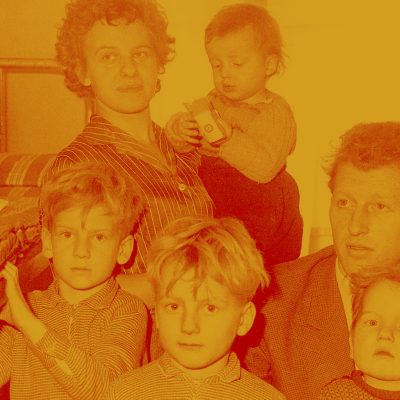
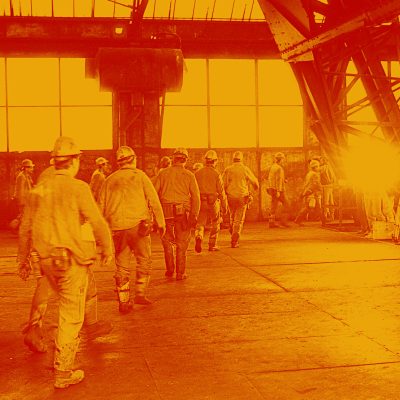
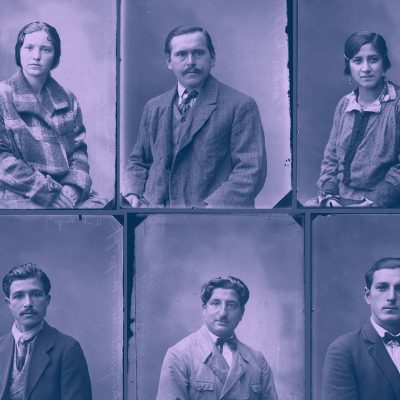
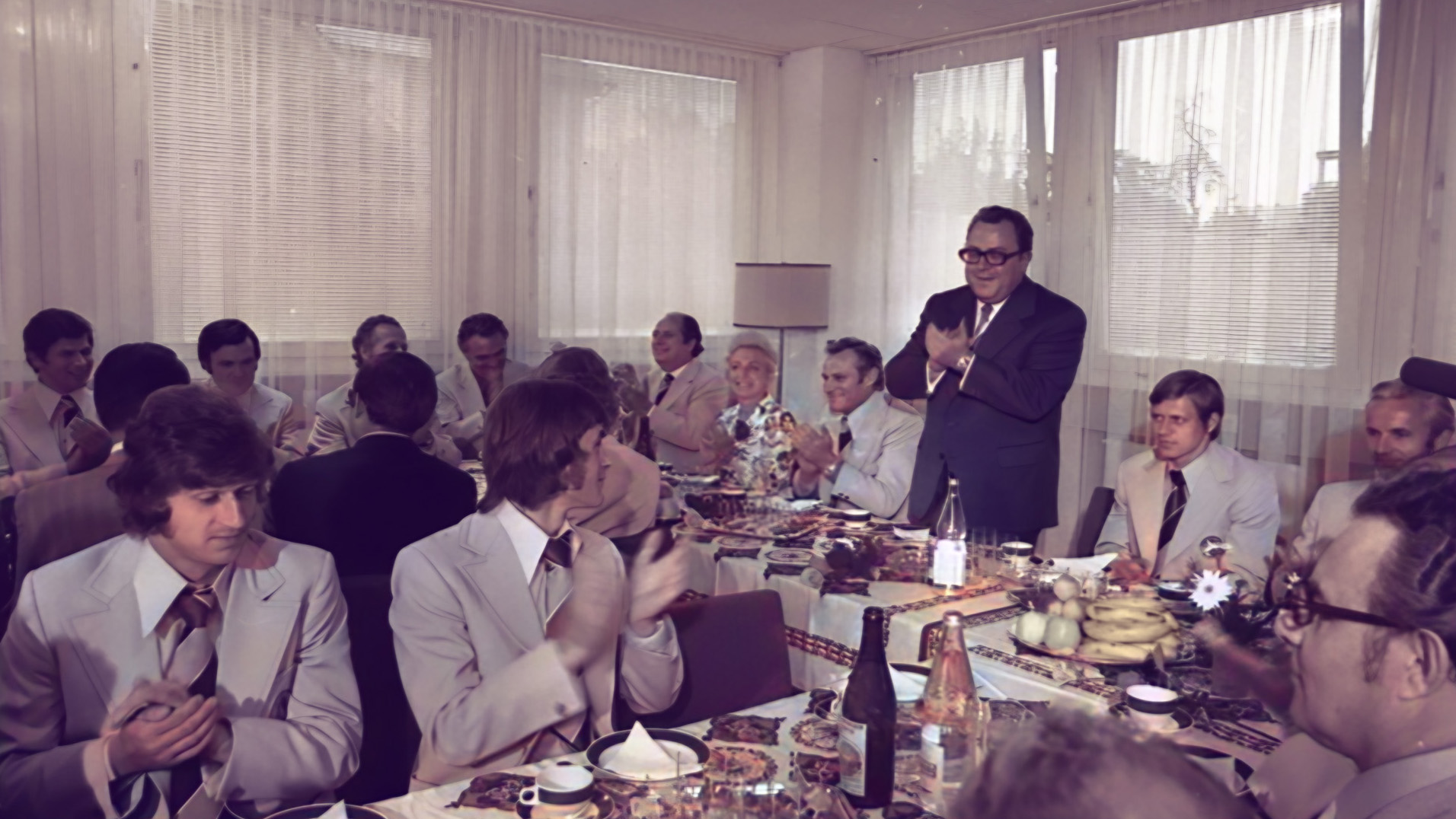
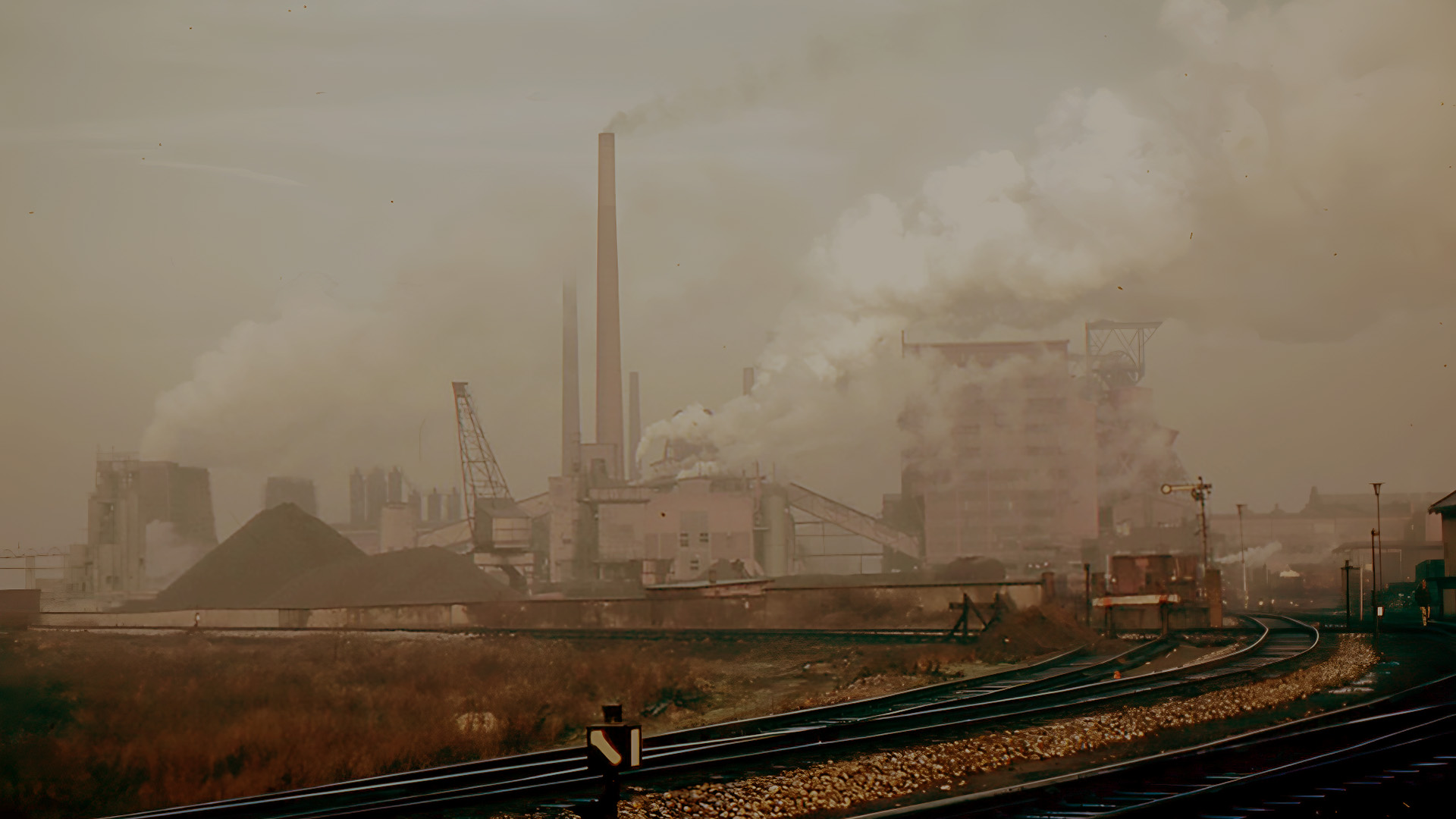
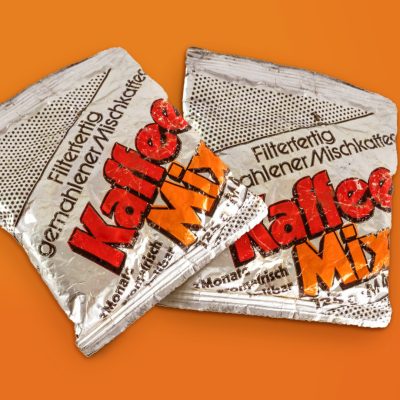
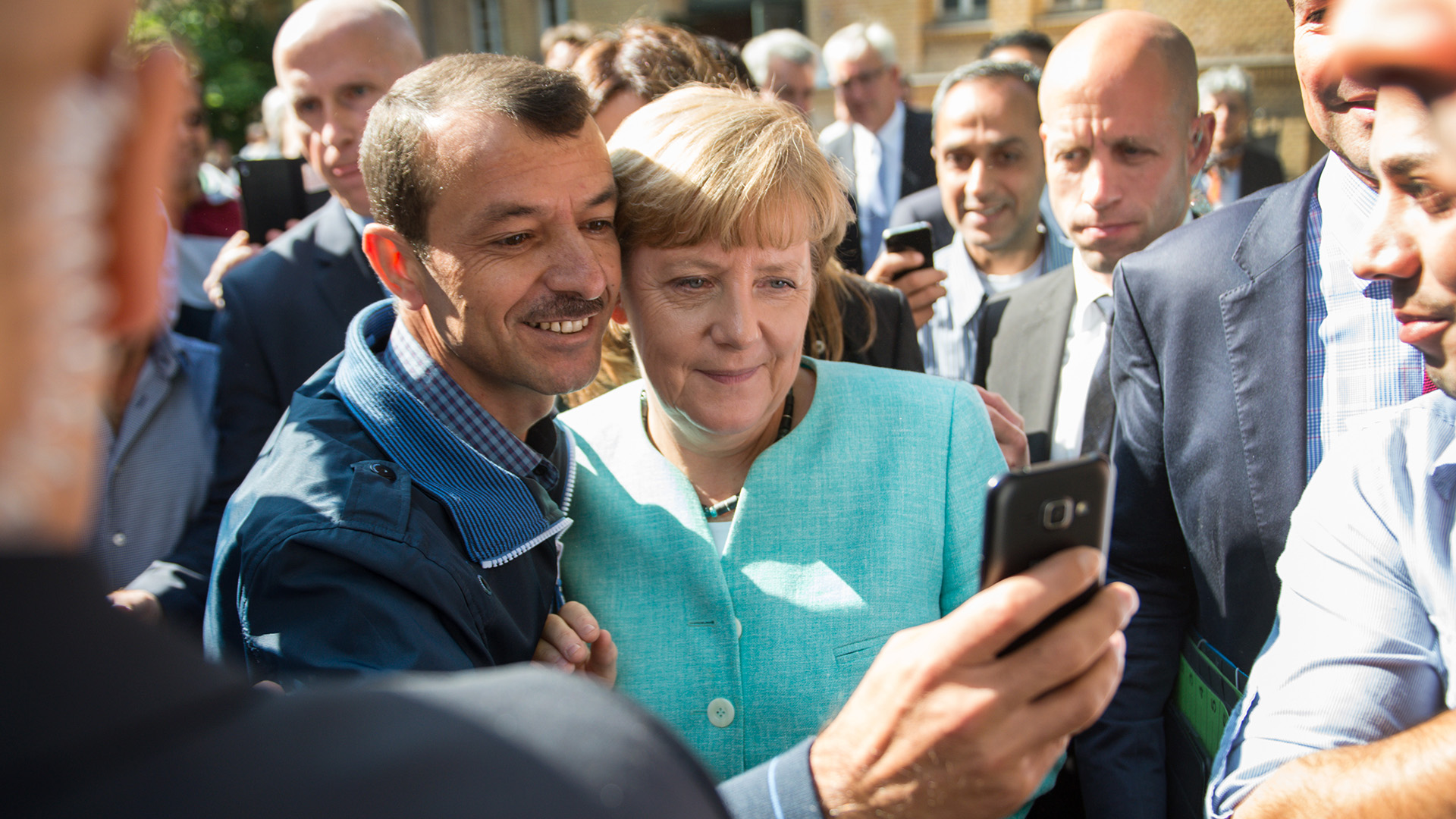
The strong economic growth of Germany’s post-1945 “economic miracle” caused a labour shortage from the mid-1950s. Full employment and the hunger for more hands caused West Germany to conclude recruitment agreements with Italy, Spain and Greece. Nevertheless, the situation did not improve: the low birth rates of the wartime generation meant fewer young people entering the workforce, whilst the retirement age was falling at the same time. Moreover, the introduction of the 40-hour week, conscription to the Bundeswehr and the end of migration from the DDR exacerbated the problem. The search for workers continued elsewhere, and government planners considered Turkey. As a NATO partner, Turkey was a strategic ally. It also had high population growth and high and rising unemployment. Demand had met with supply.
On 30 October 1961, representatives from the two states concluded a recruitment agreement establishing a rotation system. This system involved “guest workers” coming to West Germany for two years, after which they were to return home and be replaced by others. The deal turned out to be unrealistic, as companies did not want to let their workers leave immediately after their training. For this reason, the rotation principle was abandoned after a few years. When the Federal Republic of Germany imposed a general recruitment freeze during the 1973 oil crisis, most of the 600,000 Turks in Germany at that time decided to stay.

The whole year at a glance



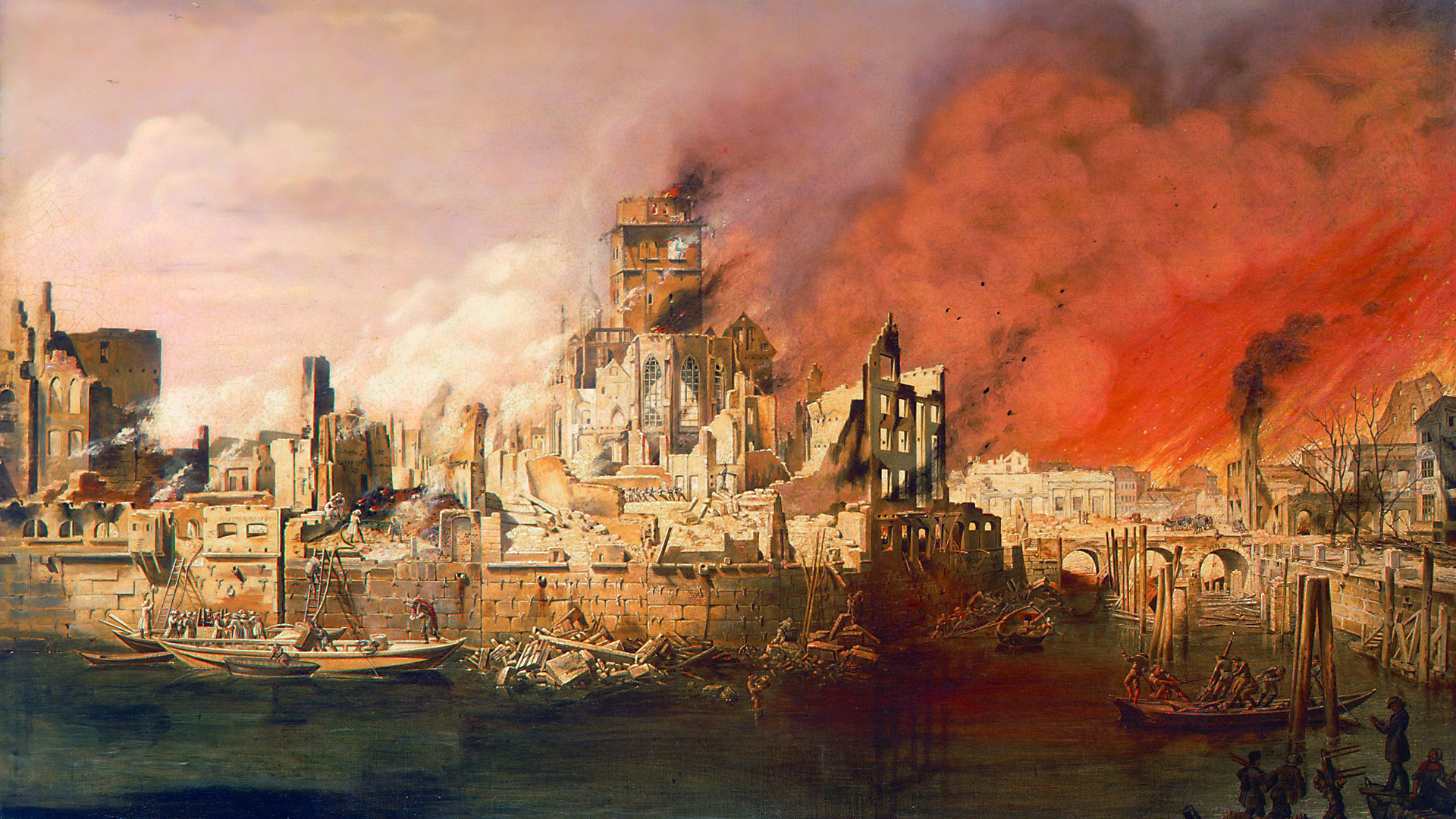
![Lithografie von Johann Nepomuk Heinemann [koloriert], nach Ölgemälde von Feodor Dietz (Foto: LABW, GLAK)](https://www.deutschlandmuseum.de/wp-content/uploads/2025/02/02031689_Zerstoerung_Heidelbergs-400x400.jpg "Lithografie von Johann Nepomuk Heinemann [koloriert], nach Ölgemälde von Feodor Dietz (Foto: LABW, GLAK)")


![Unter den Unterzeichnern sind die Nobelpreisträger Otto Hahn, Werner Heisenberg und Max Born [digital koloriert] (Quelle: Landesarchiv BW Staatsarchiv Freiburg, CC-BY-SA)](https://www.deutschlandmuseum.de/wp-content/uploads/2025/04/12041957_Göttinger_Erklärung-400x400.jpg "Unter den Unterzeichnern sind die Nobelpreisträger Otto Hahn, Werner Heisenberg und Max Born [digital koloriert] (Quelle: Landesarchiv BW Staatsarchiv Freiburg, CC-BY-SA)")

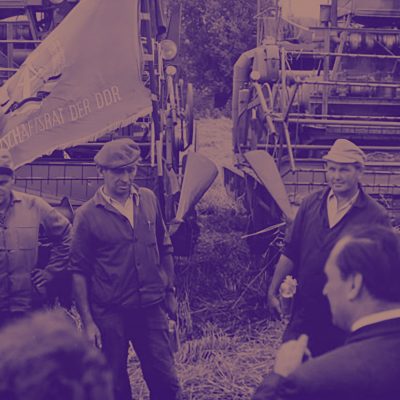


](https://www.deutschlandmuseum.de/wp-content/uploads/2025/04/21041946_SED_Gründung-1-400x400.jpg "Vereinigungsparteitag von KPD und SPD zur SED [digital koloriert](Quelle: Deutsche Fotothek, CC BY-SA 3.0 DE)")






![Alexander von Humboldt [Ausschnitt], Gemälde von Friedrich Georg Weitsch (Quelle: Alte Nationalgalerie)](https://www.deutschlandmuseum.de/wp-content/uploads/2025/09/14091769_Humboldt-400x400.jpg "Alexander von Humboldt [Ausschnitt], Gemälde von Friedrich Georg Weitsch (Quelle: Alte Nationalgalerie)")



![Albert Einstein im Patentamt Bern, 1905 [digital koloriert] (Quelle: ETH-Bibliothek Zürich)](https://www.deutschlandmuseum.de/wp-content/uploads/2025/09/26091905_Einstein_koloriert-400x400.jpg "Albert Einstein im Patentamt Bern, 1905 [digital koloriert] (Quelle: ETH-Bibliothek Zürich)")