
Members of minority confessions emigrate to the British colony of Pennsylvania
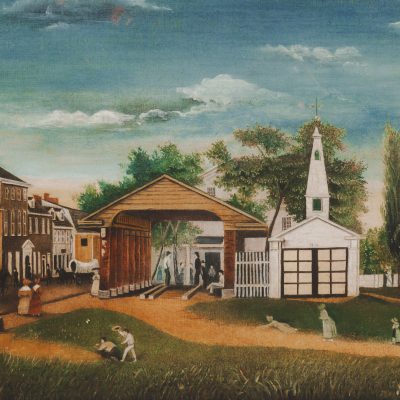
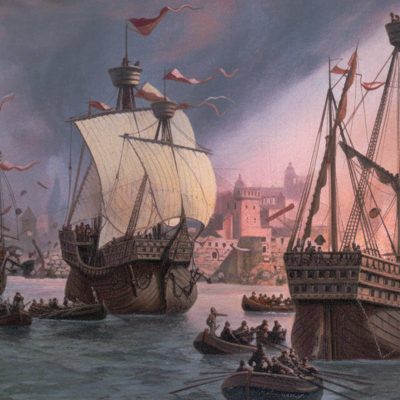
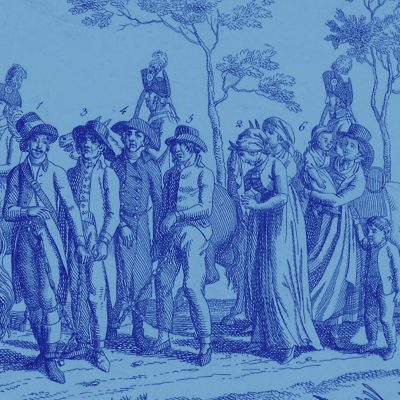
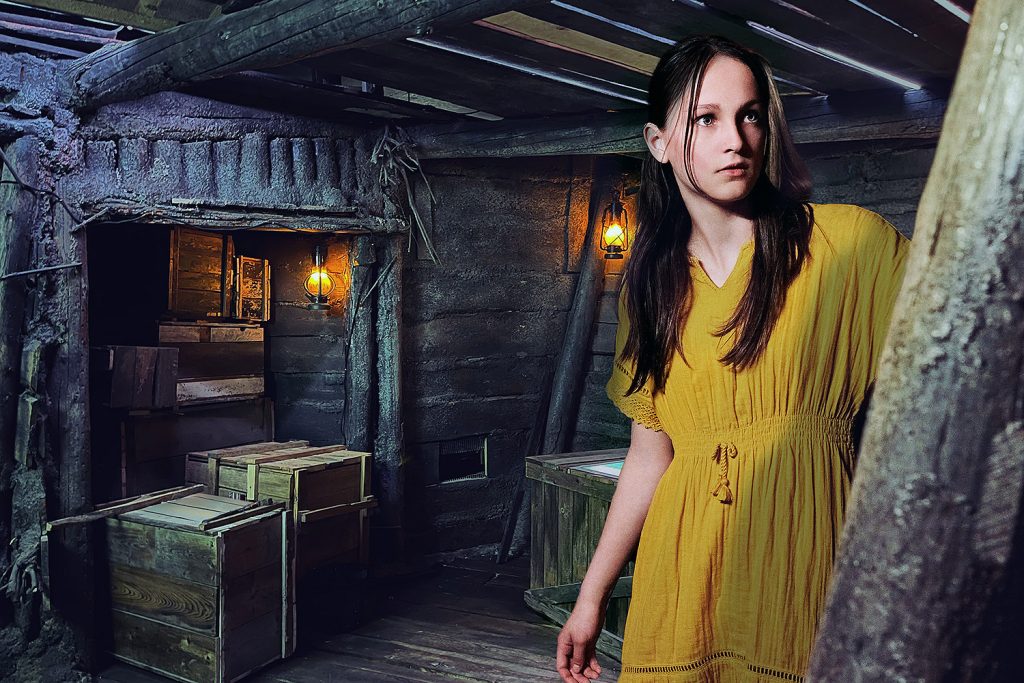
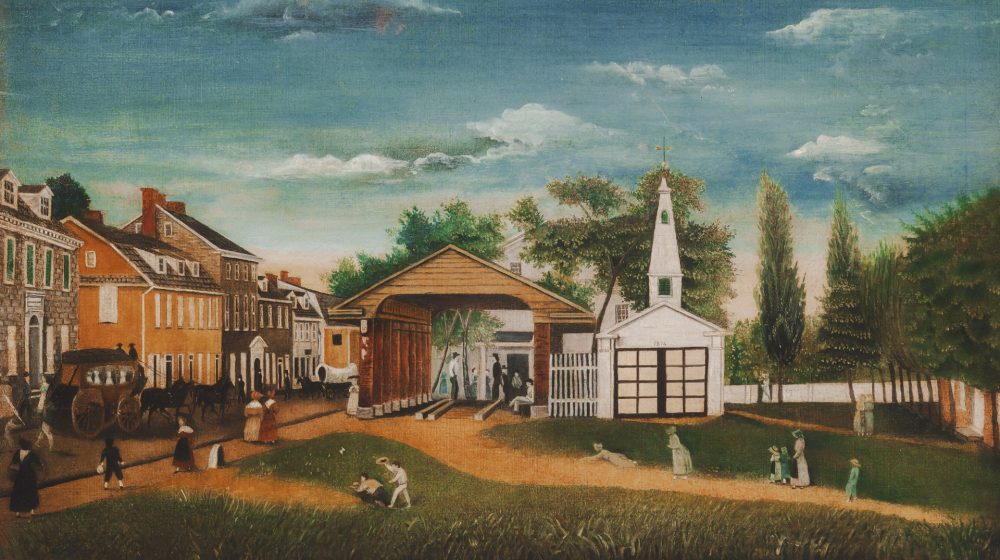
Although the Peace of Westphalia ending the Thirty Years’ War specified that Protestants and Catholics could practice their faith freely and in public, followers of smaller religious communities were only permitted to do so at home. The few territories and towns – like Krefeld in the Rhineland – that turned a blind eye whilst minority faiths were expressed in public soon attracted large numbers of religious dissidents, resulting in tensions with the local population. Upon hearing about a settlement in the New World called Pennsylvania, founded by the English Quaker William Penn and offering tolerance to all, thirteen Quaker and Mennonite families in Krefeld decided to move there permanently in search of a more tolerant environment.
After crossing the Atlantic, the religious refugees received a warm welcome and settled in the area around the newly founded settlement of Germantown. In the 18th century, they were joined by the Amish, a splinter group of the Mennonites. By 1800, 40% of the population of Germantown were descended from German immigrants, and many contemporary Mennonites and Amish still speak Pennsylvania German, a language derived from earlier German dialects. However, the story that German almost became the official language of Pennsylvania is a myth.
The whole year at a glance




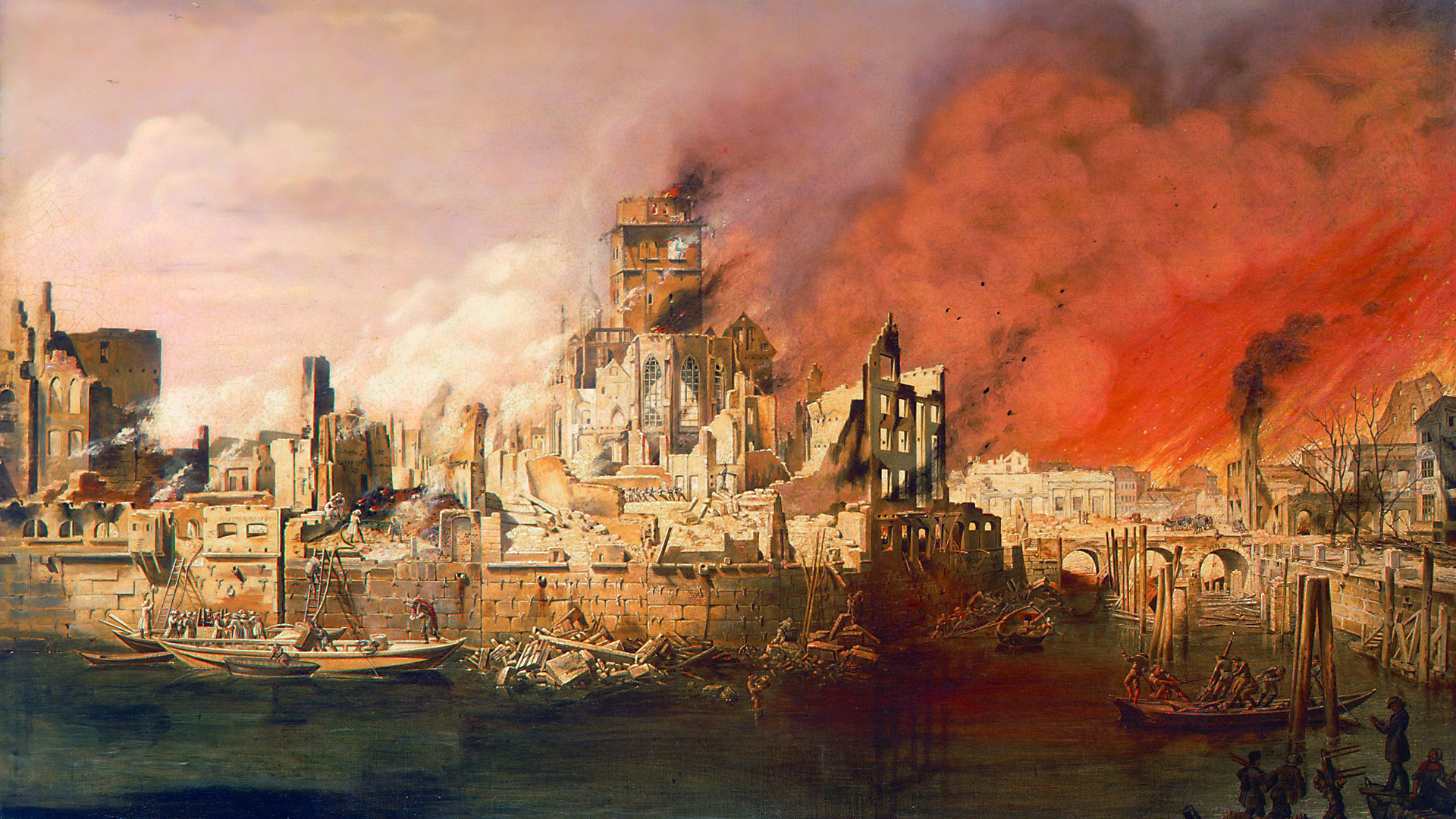
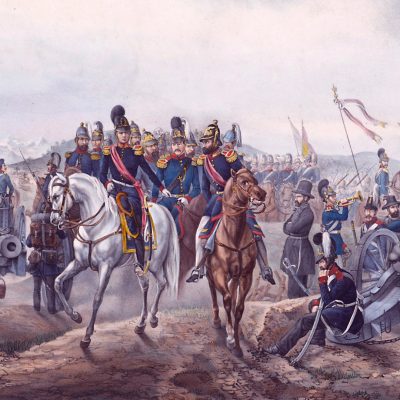
![Lithografie von Johann Nepomuk Heinemann [koloriert], nach Ölgemälde von Feodor Dietz (Foto: LABW, GLAK)](https://www.deutschlandmuseum.de/wp-content/uploads/2025/02/02031689_Zerstoerung_Heidelbergs-400x400.jpg "Lithografie von Johann Nepomuk Heinemann [koloriert], nach Ölgemälde von Feodor Dietz (Foto: LABW, GLAK)")

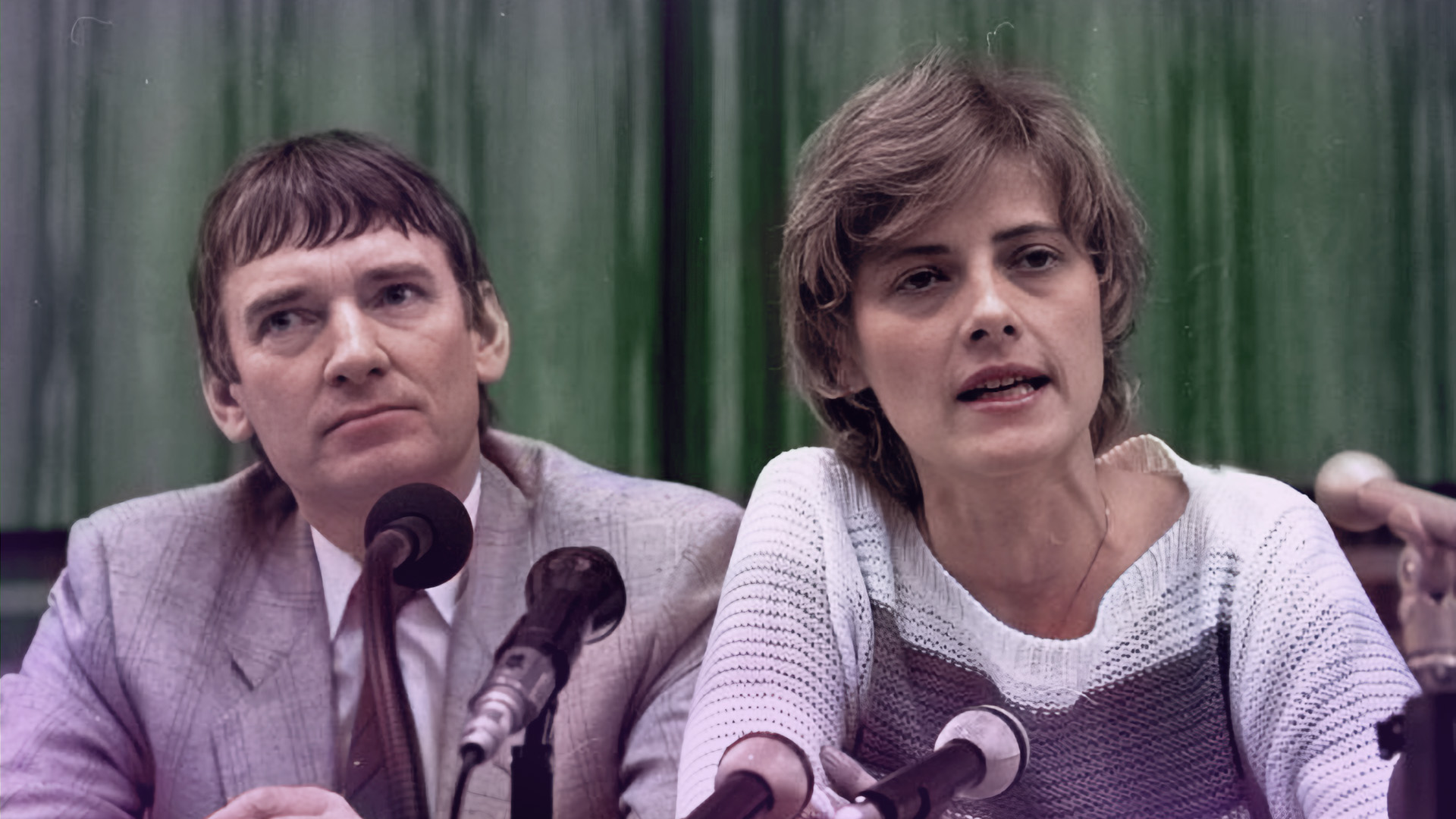


![Unter den Unterzeichnern sind die Nobelpreisträger Otto Hahn, Werner Heisenberg und Max Born [digital koloriert] (Quelle: Landesarchiv BW Staatsarchiv Freiburg, CC-BY-SA)](https://www.deutschlandmuseum.de/wp-content/uploads/2025/04/12041957_Göttinger_Erklärung-400x400.jpg "Unter den Unterzeichnern sind die Nobelpreisträger Otto Hahn, Werner Heisenberg und Max Born [digital koloriert] (Quelle: Landesarchiv BW Staatsarchiv Freiburg, CC-BY-SA)")

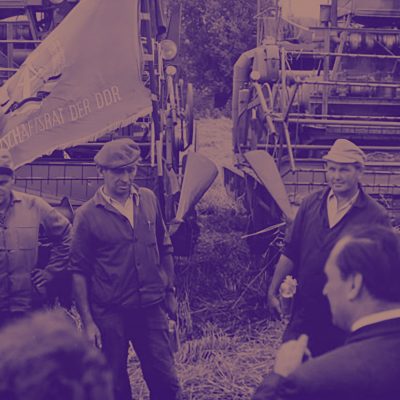


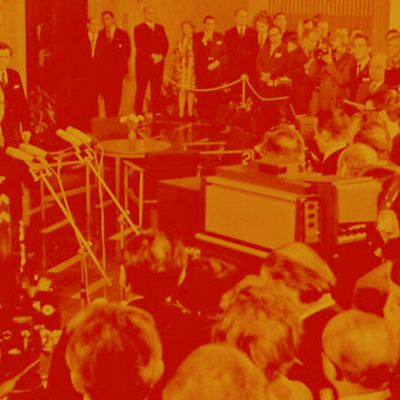
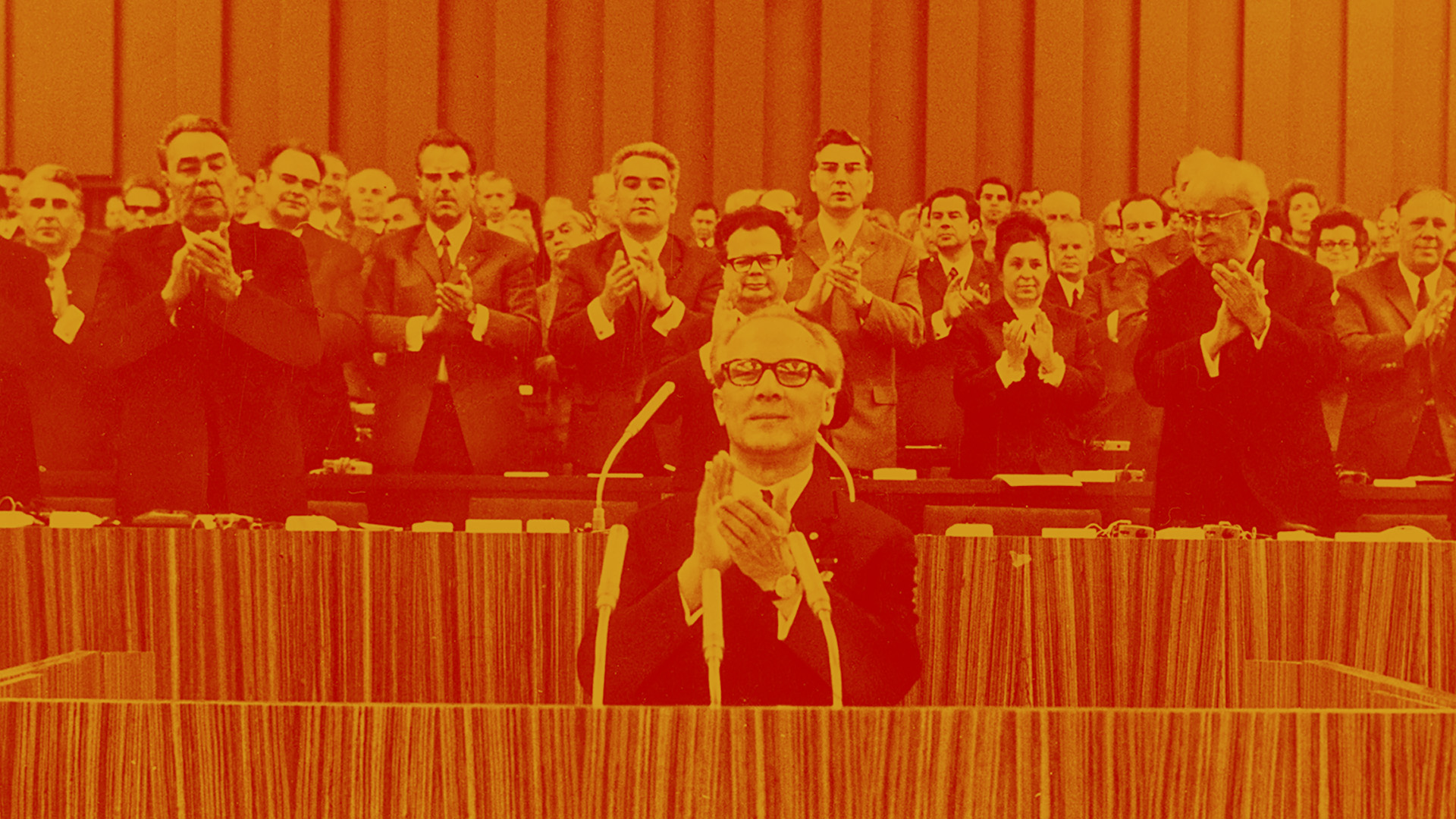
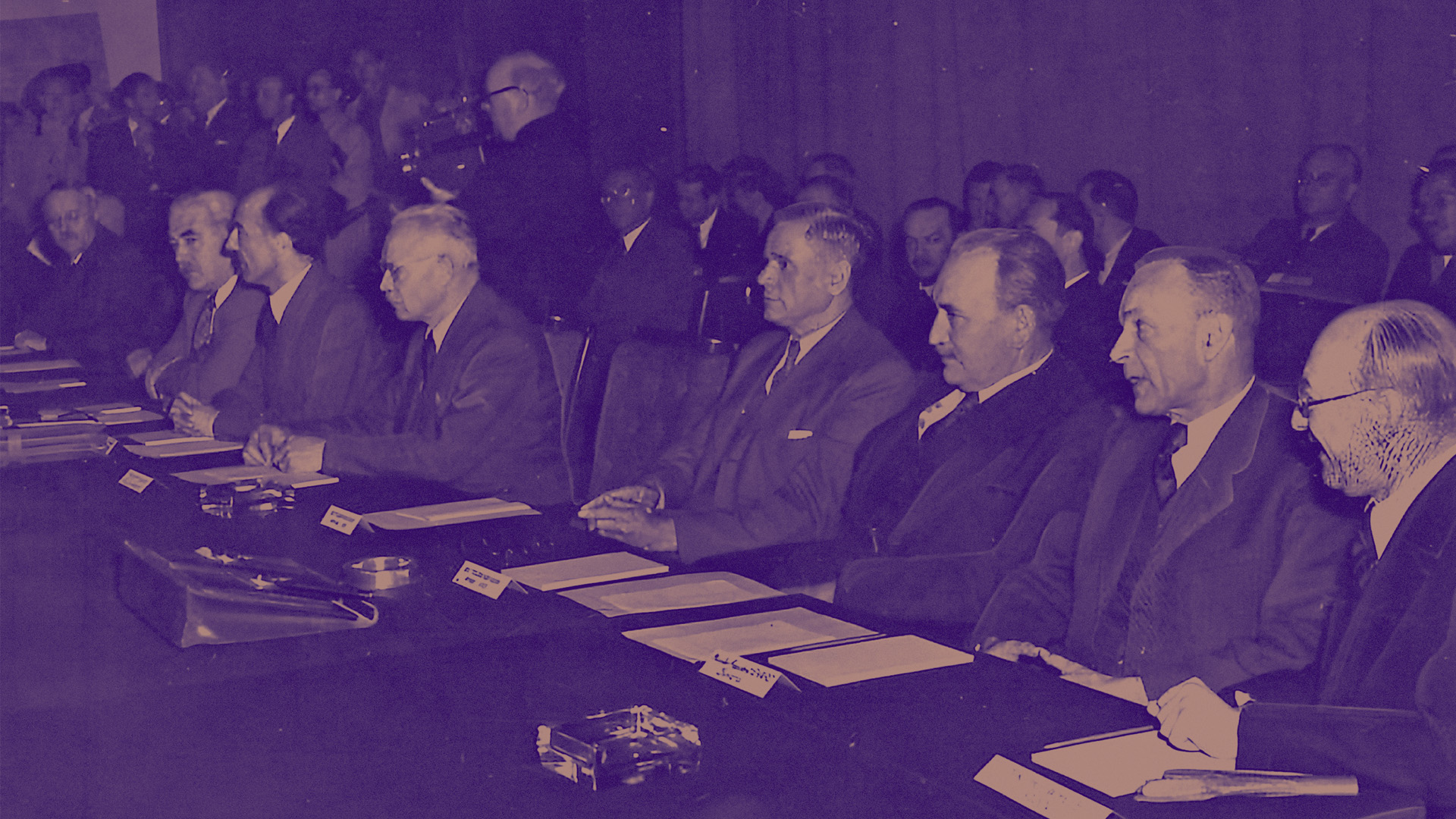
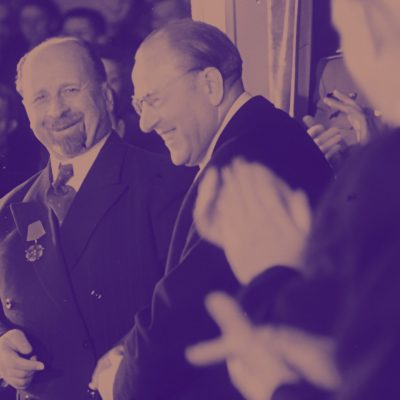
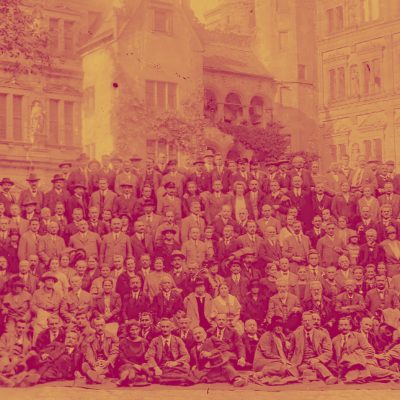
](https://www.deutschlandmuseum.de/wp-content/uploads/2025/04/21041946_SED_Gründung-1-400x400.jpg "Vereinigungsparteitag von KPD und SPD zur SED [digital koloriert](Quelle: Deutsche Fotothek, CC BY-SA 3.0 DE)")








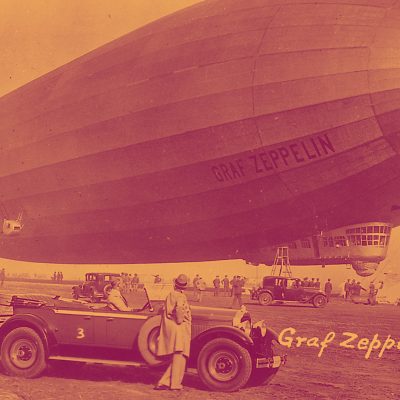
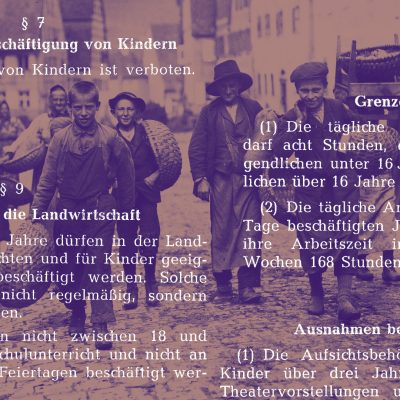
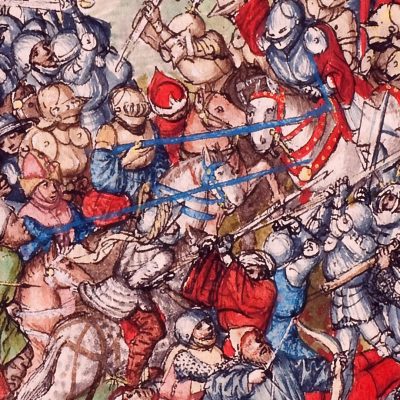
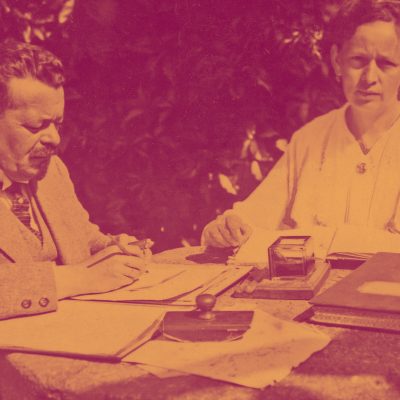

![Alexander von Humboldt [Ausschnitt], Gemälde von Friedrich Georg Weitsch (Quelle: Alte Nationalgalerie)](https://www.deutschlandmuseum.de/wp-content/uploads/2025/09/14091769_Humboldt-400x400.jpg "Alexander von Humboldt [Ausschnitt], Gemälde von Friedrich Georg Weitsch (Quelle: Alte Nationalgalerie)")



![Albert Einstein im Patentamt Bern, 1905 [digital koloriert] (Quelle: ETH-Bibliothek Zürich)](https://www.deutschlandmuseum.de/wp-content/uploads/2025/09/26091905_Einstein_koloriert-400x400.jpg "Albert Einstein im Patentamt Bern, 1905 [digital koloriert] (Quelle: ETH-Bibliothek Zürich)")