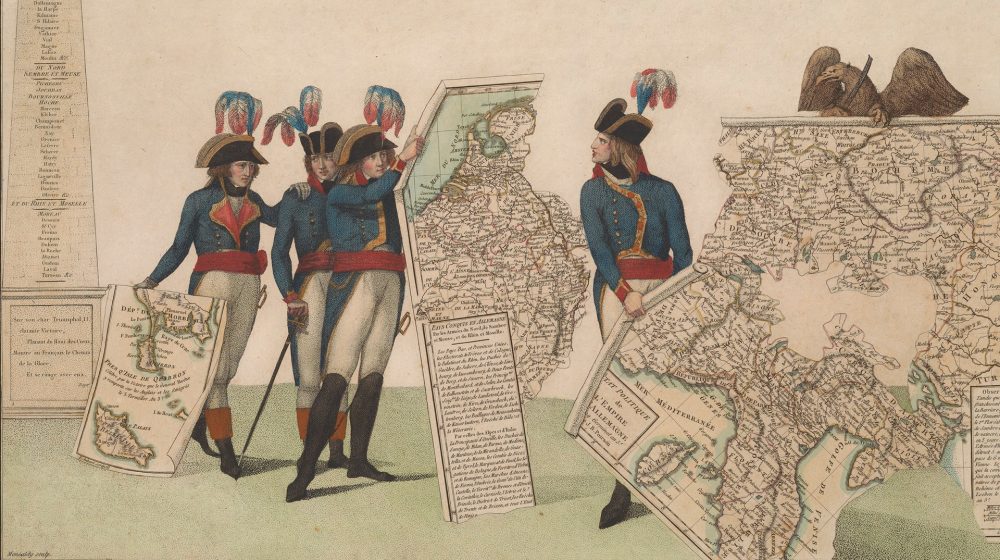

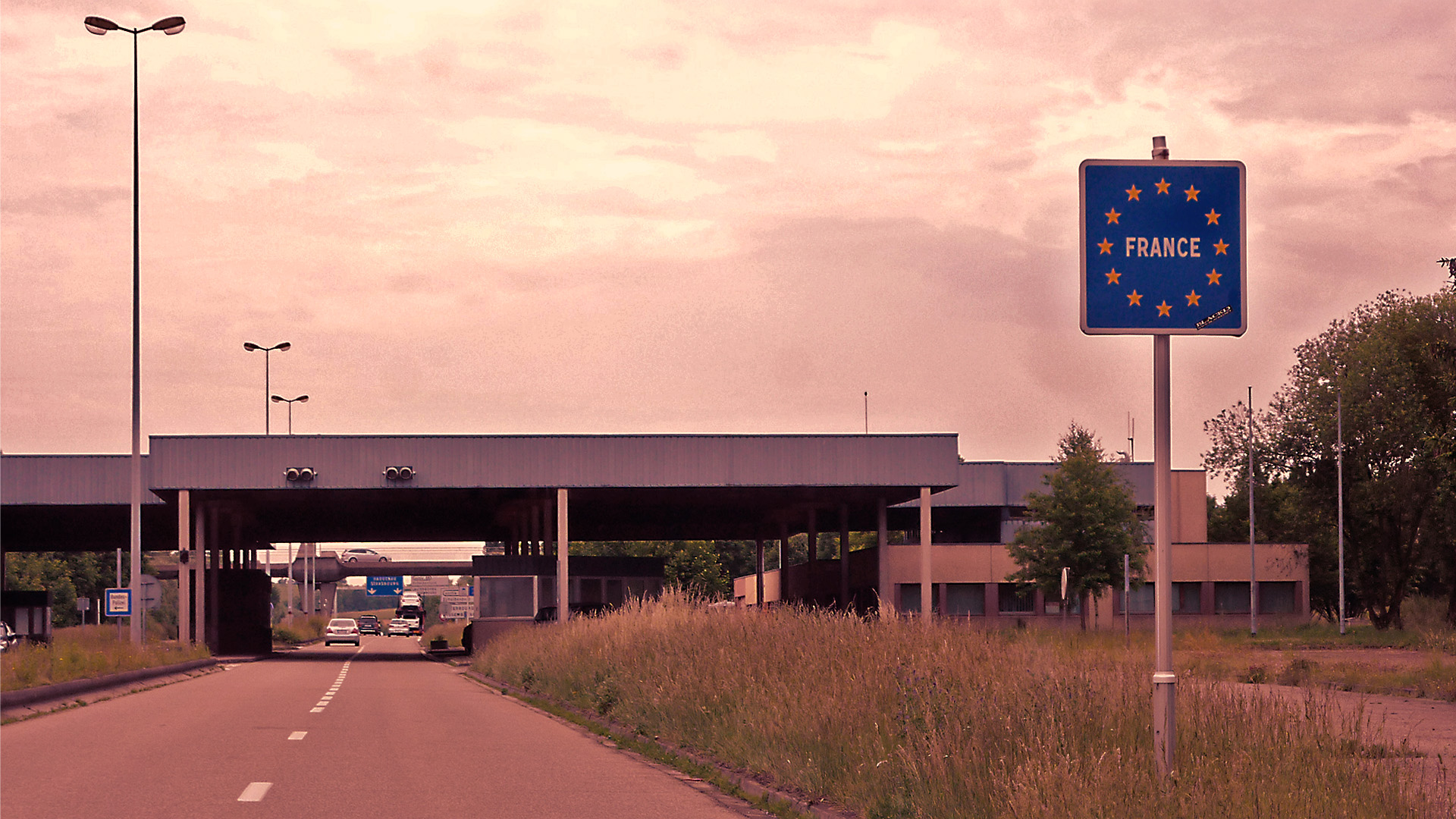
The area on the left bank of the Rhine becomes part of France
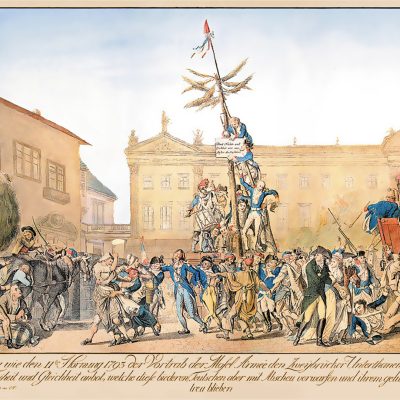
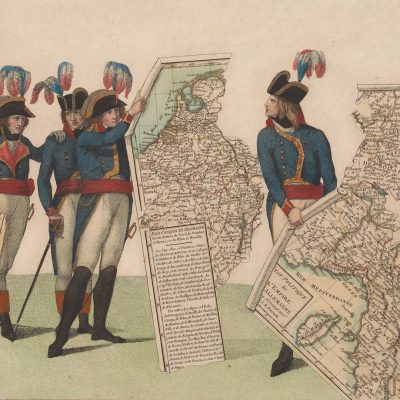
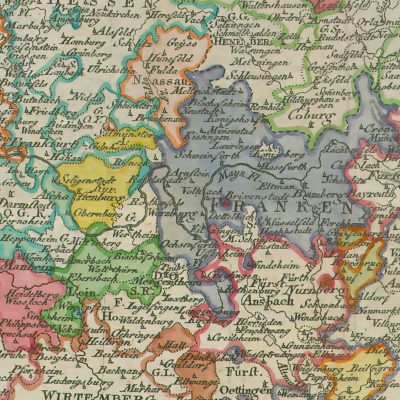
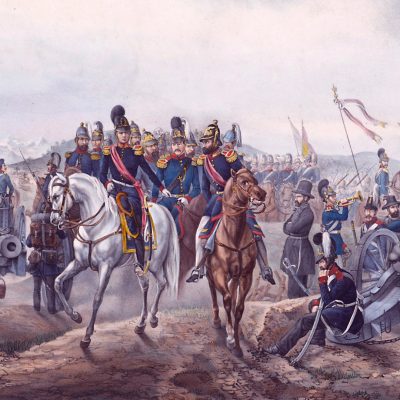
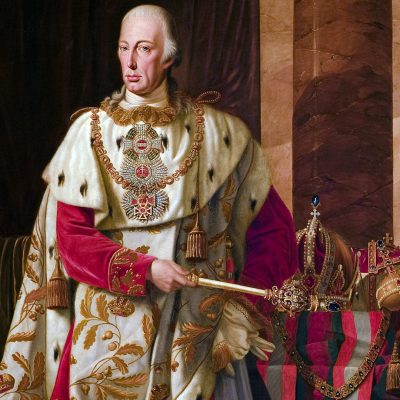
Although revolutionary France had conquered and annexed the German territories on the left bank of the Rhine during the First Coalition War of 1794, the Holy Roman Empire refused to relinquish sovereignty over these areas, as this would have violated its constitution. Nevertheless, the peace treaty that ended the war included secret provisions whereby Emperor Francis II recognized the Rhine, between Basel and Andernach, as the eastern border of France. Acting on this secret agreement on 4 November 1797, the French government moved to organize its new territories on the left bank of the Rhine into départements (districts).
While Aachen, Koblenz, Trier and Mainz were established as new administrative centres, the southern Palatinate was incorporated into the existing French department of Lower Alsace, centred on Strasbourg. The French legal system was introduced, with the abolition of class privileges, the establishment of equality before the law for all citizens, the governance of civil law by the Code civil, and the secularization or nationalization of Church property. Whilst the German population welcomed many of these reforms, compulsory military service was unpopular. The Holy Roman Empire later recognized the new territorial settlement in the Treaty of Lunéville (1801), but the Wars of Liberation and Napoleon’s downfall enabled traditionally German territory to be returned. At the Congress of Vienna in 1814/15, the areas on the left bank of the Rhine were awarded to Prussia and Bavaria and incorporated into the new German Confederation.
The whole year at a glance



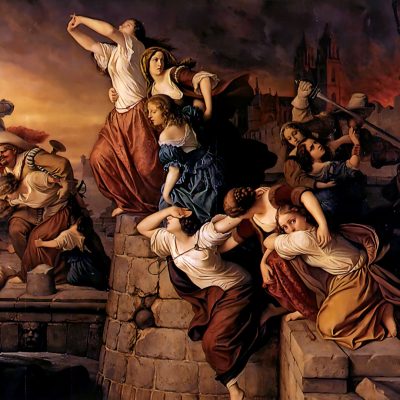
![Lithografie von Johann Nepomuk Heinemann [koloriert], nach Ölgemälde von Feodor Dietz (Foto: LABW, GLAK)](https://www.deutschlandmuseum.de/wp-content/uploads/2025/02/02031689_Zerstoerung_Heidelbergs-400x400.jpg "Lithografie von Johann Nepomuk Heinemann [koloriert], nach Ölgemälde von Feodor Dietz (Foto: LABW, GLAK)")

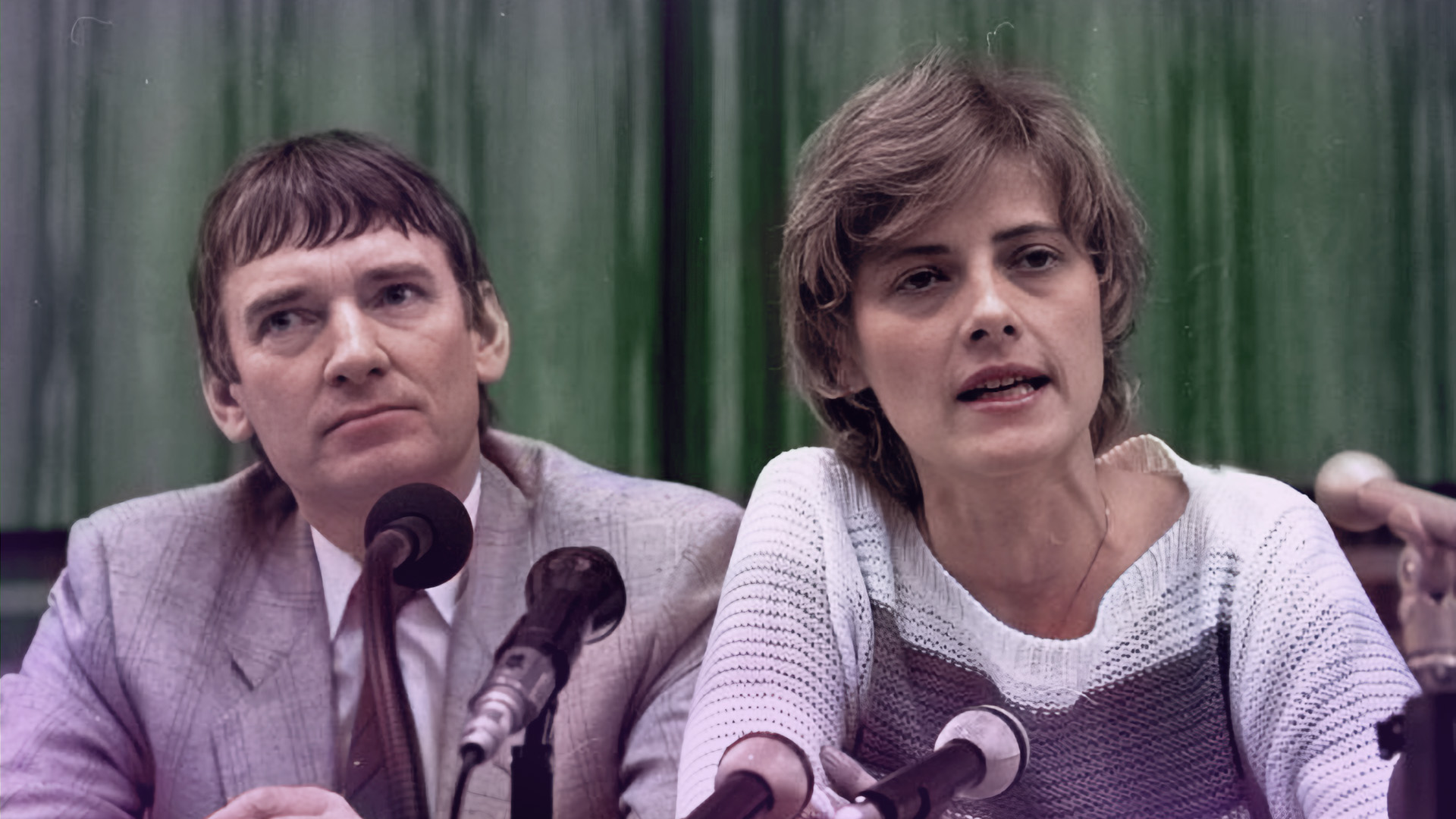

![Unter den Unterzeichnern sind die Nobelpreisträger Otto Hahn, Werner Heisenberg und Max Born [digital koloriert] (Quelle: Landesarchiv BW Staatsarchiv Freiburg, CC-BY-SA)](https://www.deutschlandmuseum.de/wp-content/uploads/2025/04/12041957_Göttinger_Erklärung-400x400.jpg "Unter den Unterzeichnern sind die Nobelpreisträger Otto Hahn, Werner Heisenberg und Max Born [digital koloriert] (Quelle: Landesarchiv BW Staatsarchiv Freiburg, CC-BY-SA)")



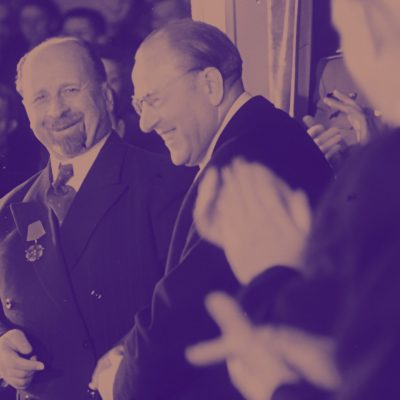
](https://www.deutschlandmuseum.de/wp-content/uploads/2025/04/21041946_SED_Gründung-1-400x400.jpg "Vereinigungsparteitag von KPD und SPD zur SED [digital koloriert](Quelle: Deutsche Fotothek, CC BY-SA 3.0 DE)")






![Alexander von Humboldt [Ausschnitt], Gemälde von Friedrich Georg Weitsch (Quelle: Alte Nationalgalerie)](https://www.deutschlandmuseum.de/wp-content/uploads/2025/09/14091769_Humboldt-400x400.jpg "Alexander von Humboldt [Ausschnitt], Gemälde von Friedrich Georg Weitsch (Quelle: Alte Nationalgalerie)")



![Albert Einstein im Patentamt Bern, 1905 [digital koloriert] (Quelle: ETH-Bibliothek Zürich)](https://www.deutschlandmuseum.de/wp-content/uploads/2025/09/26091905_Einstein_koloriert-400x400.jpg "Albert Einstein im Patentamt Bern, 1905 [digital koloriert] (Quelle: ETH-Bibliothek Zürich)")