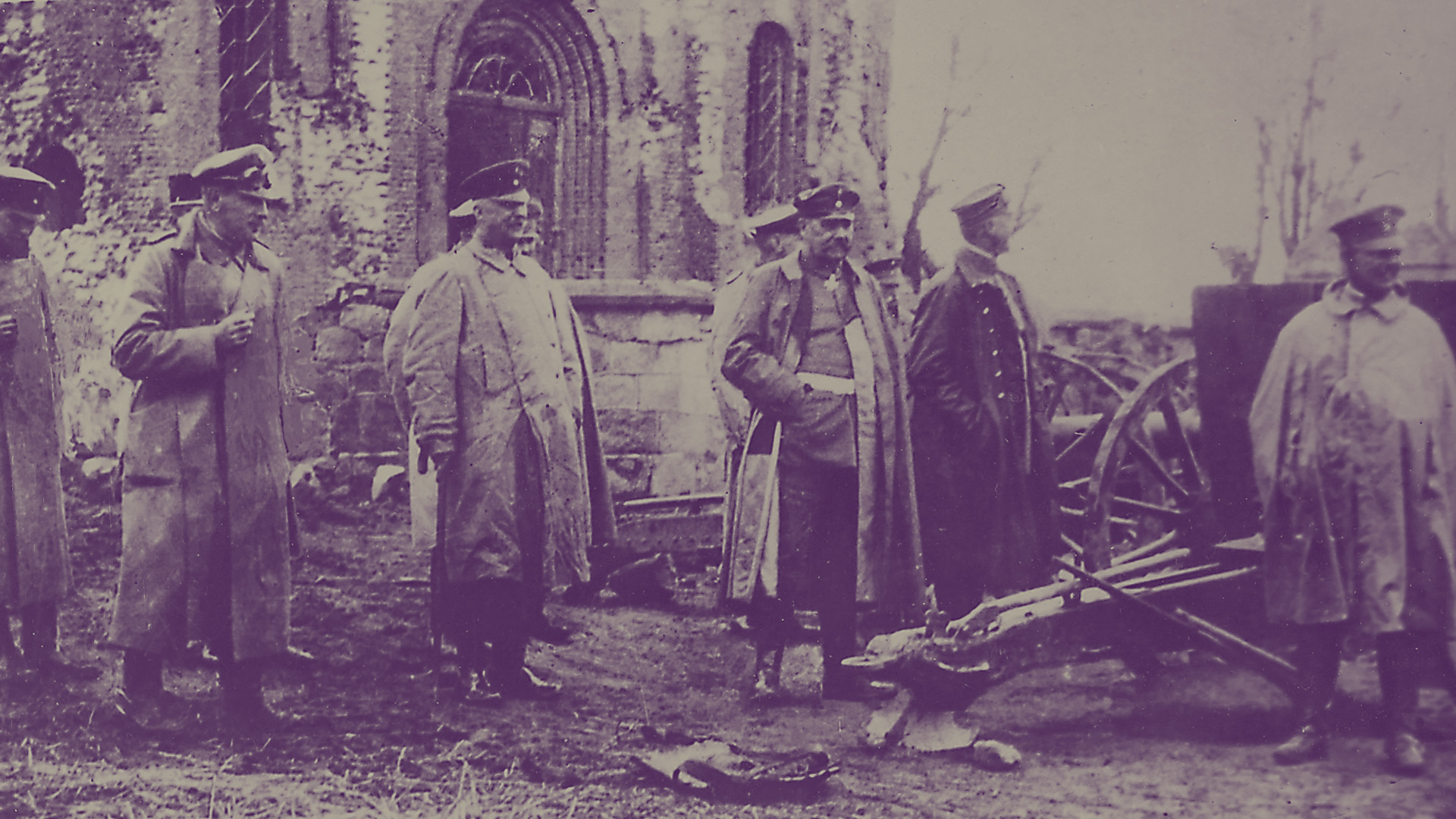

The German victory in World War I gives rise to the Hindenburg myth
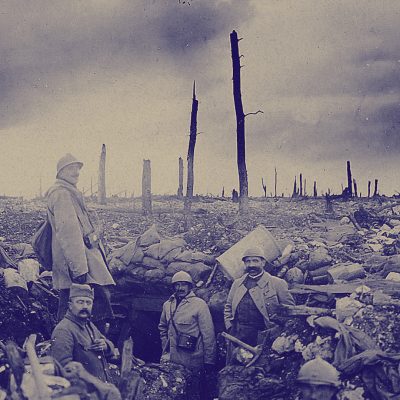
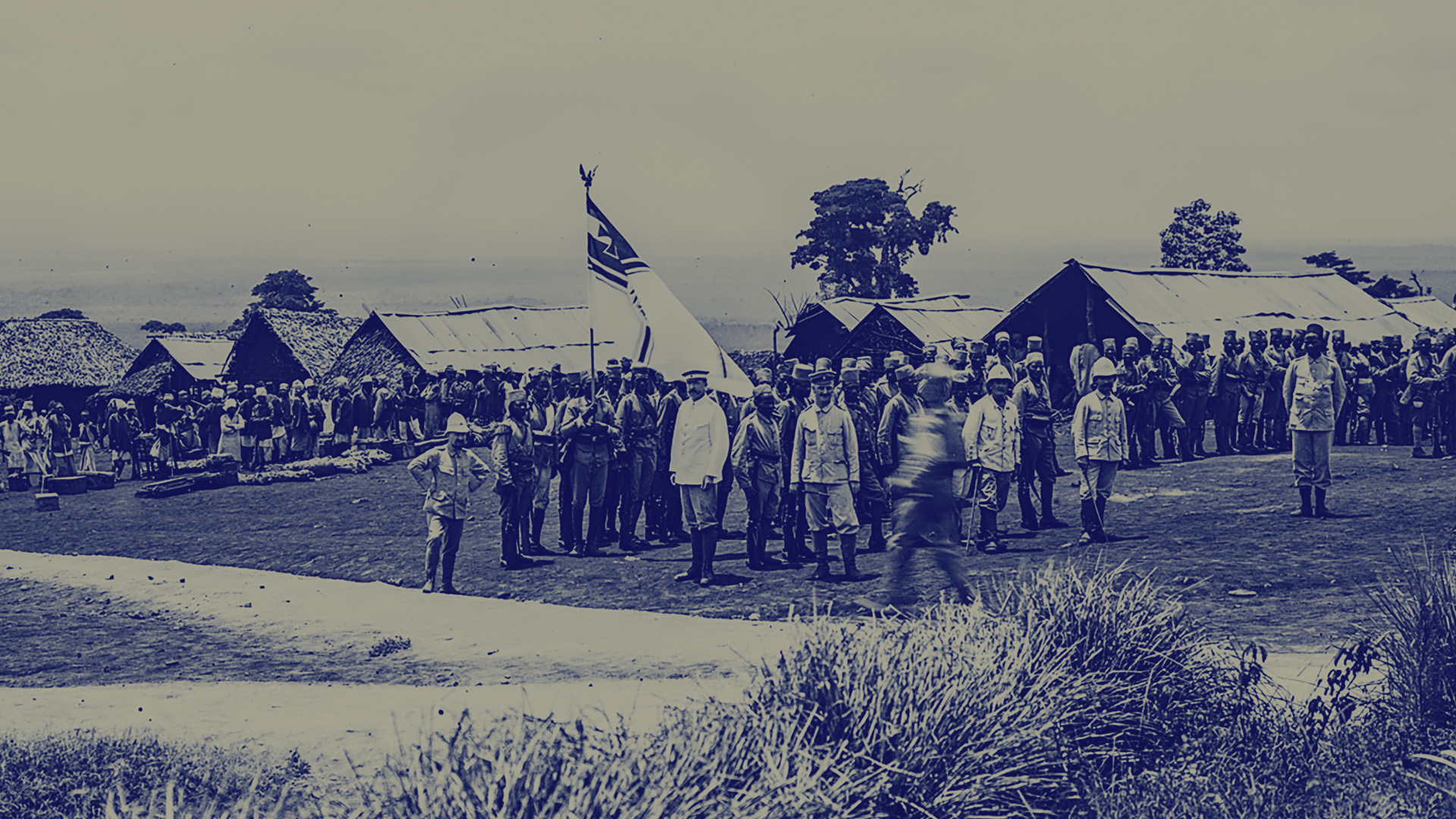
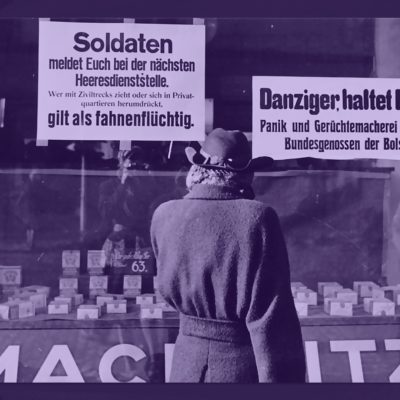
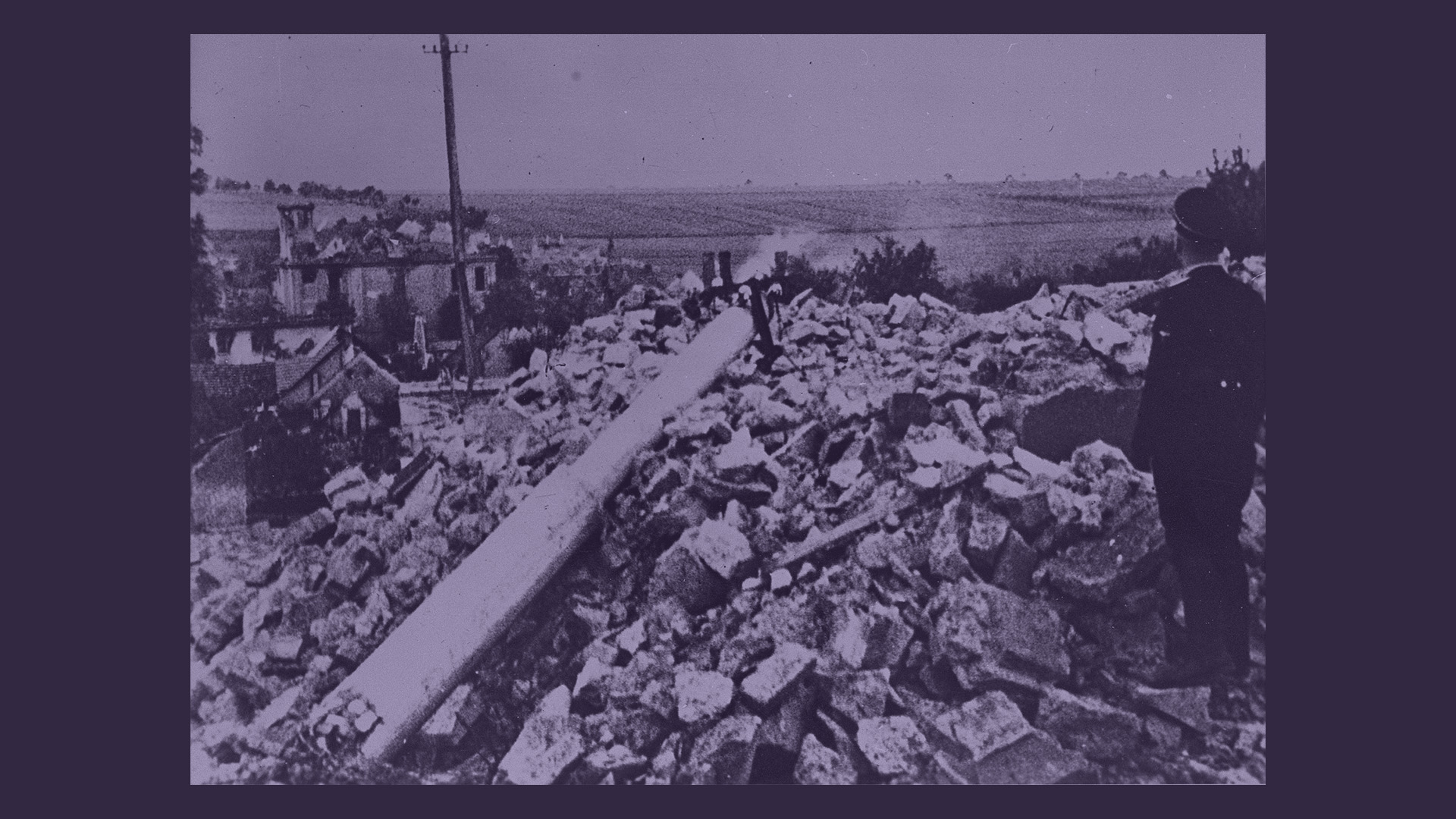
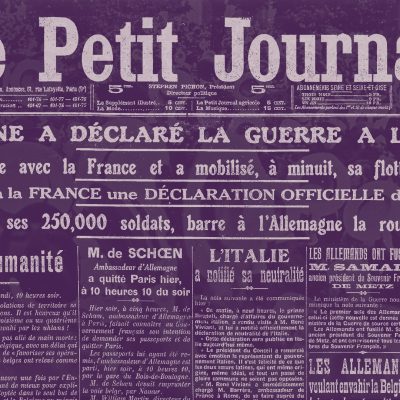
Assuming that Russia would need a long time to prepare for war, Chief of the General Staff Alfred Schlieffen devised a strategy that exploited what he saw as Russian backwardness and would enable the German army to fight and win a war on two fronts. The plan that later bore his name foresaw the German Army conducting a holding action on the Eastern Front, whilst railways transported the bulk of its troops through Belgium and into France, where they would land a swift knockout blow to the French before doubling back to the east to take on the numerically superior Russians. The problem with this strategy was that Russia knew all about it and planned accordingly. Knowing its own limitations, Russia bought itself extra time by preparing mobilization during the July crisis of 1914, when it was still unclear whether there would be a war. By the time war had been declared, Russia was ready and promptly launched an invasion of East Prussia.
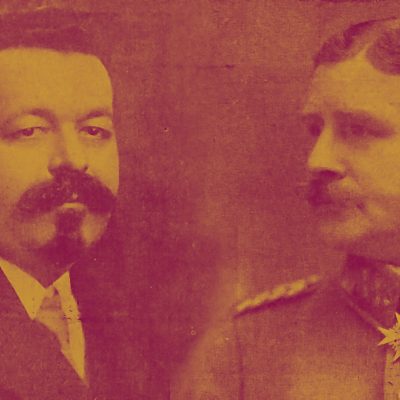
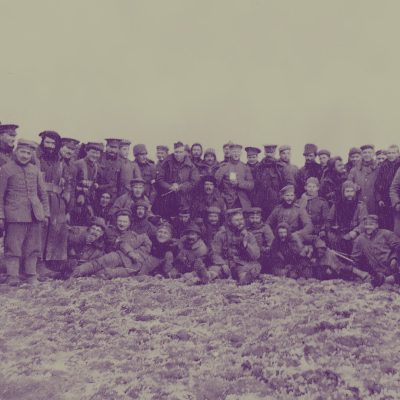
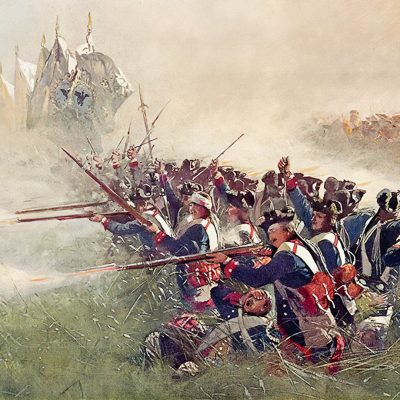
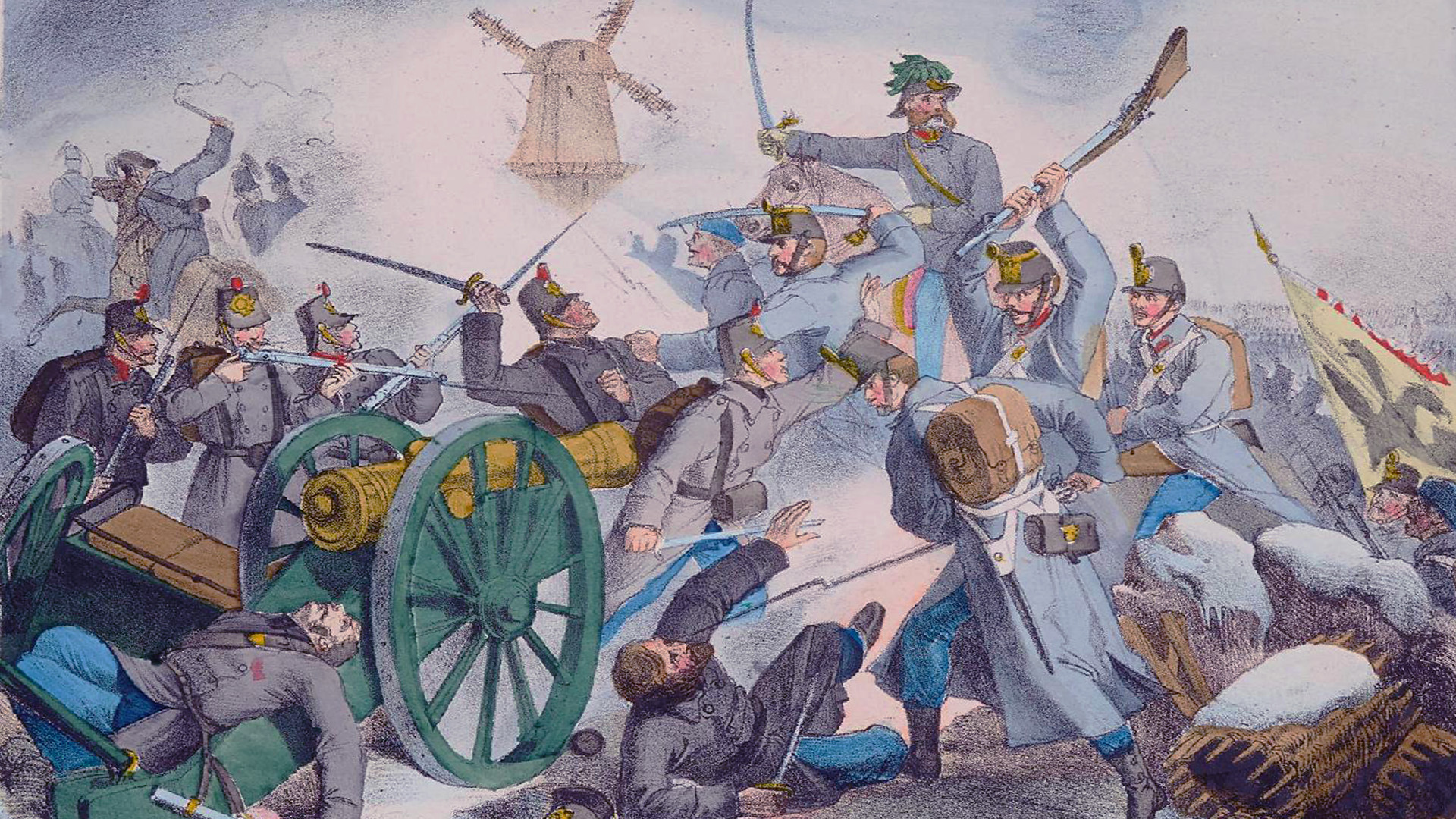
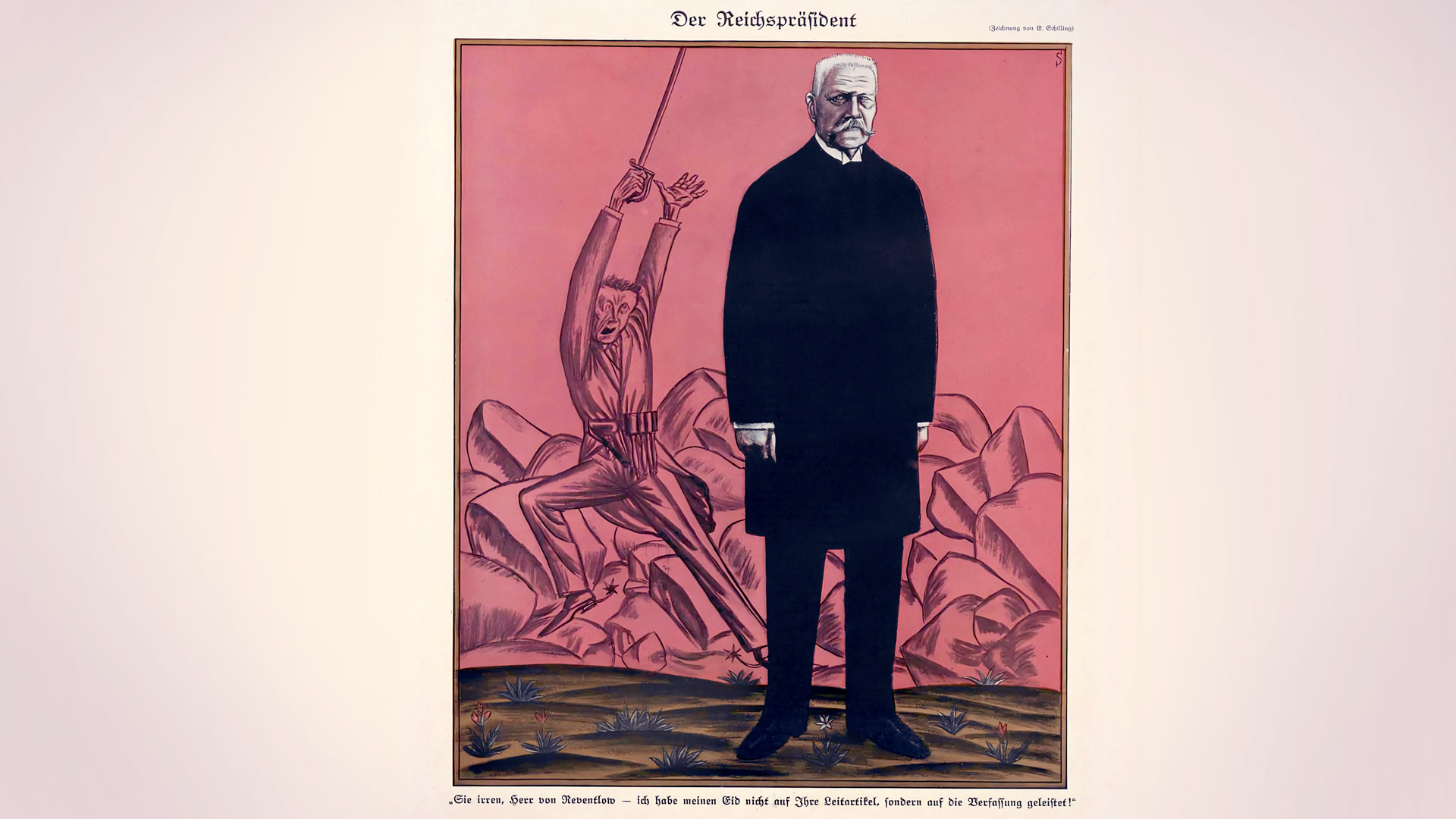
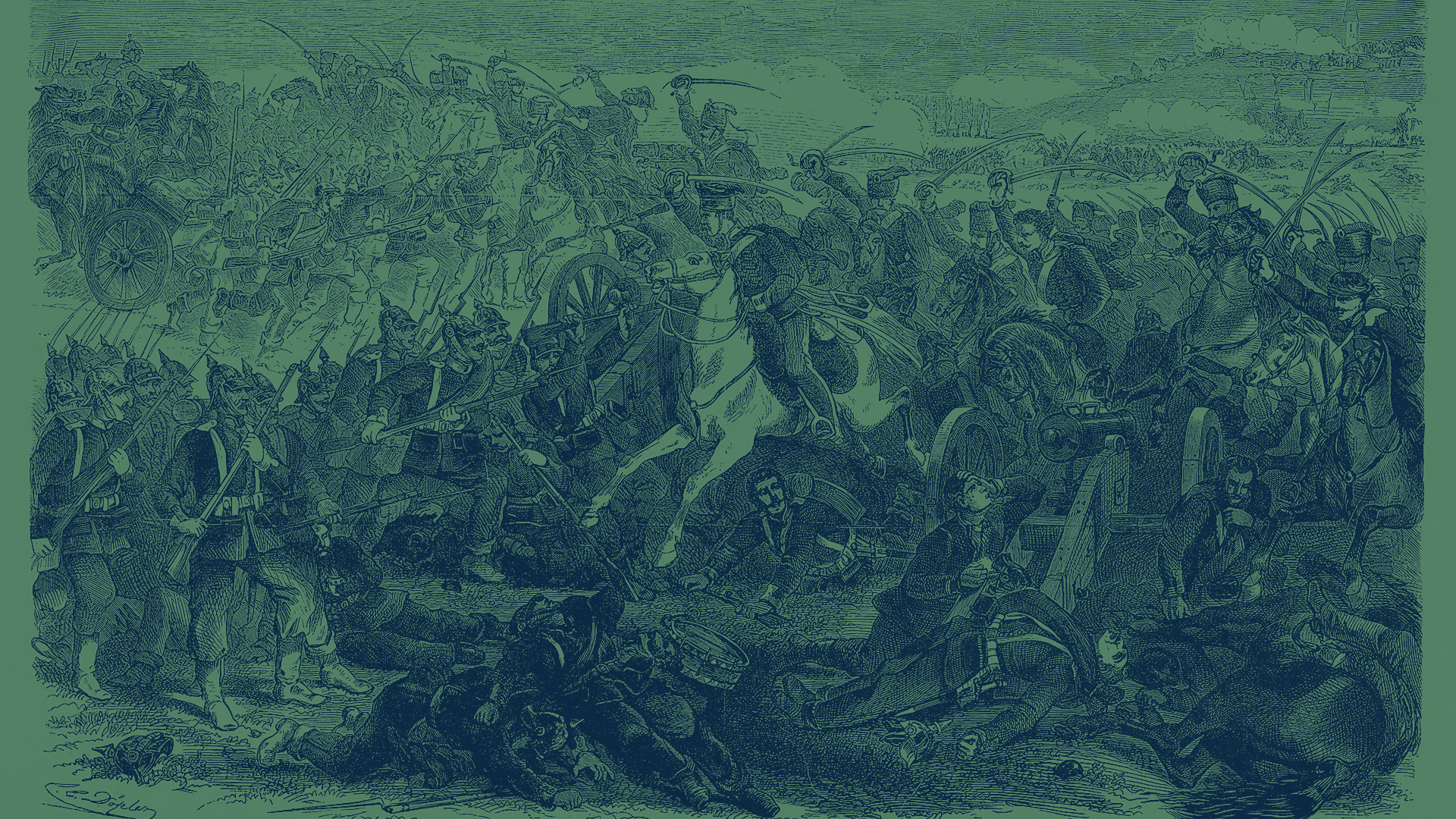
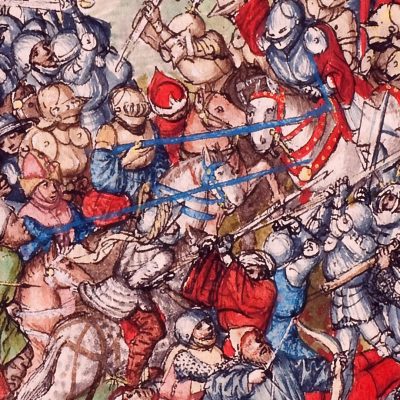
Meeting the numerically superior Russian force at Allenstein on 30 August 1914, the German Army in the east won a surprise victory. Seeking to maximize the propaganda impact of the victory, the commander of German forces in the east, Paul von Hindenburg, ordered that the battle be renamed the Battle of Tannenberg to reference the defeat of the Teutonic Order at the hands of Poland and Lithuania 500 years earlier. In this way, he hoped to show the world that Germany had paid off this historical debt. The Battle of Tannenberg was the first major German victory in the First World War and was immediately exaggerated for propaganda purposes. The victory of 1914 established Hindenburg as a wise general and war hero. Years after the war, the “Hindenburg myth” helped him win election as President of the Weimar Republic.

The whole year at a glance


![Lithografie von Johann Nepomuk Heinemann [koloriert], nach Ölgemälde von Feodor Dietz (Foto: LABW, GLAK)](https://www.deutschlandmuseum.de/wp-content/uploads/2025/02/02031689_Zerstoerung_Heidelbergs-400x400.jpg "Lithografie von Johann Nepomuk Heinemann [koloriert], nach Ölgemälde von Feodor Dietz (Foto: LABW, GLAK)")



![Unter den Unterzeichnern sind die Nobelpreisträger Otto Hahn, Werner Heisenberg und Max Born [digital koloriert] (Quelle: Landesarchiv BW Staatsarchiv Freiburg, CC-BY-SA)](https://www.deutschlandmuseum.de/wp-content/uploads/2025/04/12041957_Göttinger_Erklärung-400x400.jpg "Unter den Unterzeichnern sind die Nobelpreisträger Otto Hahn, Werner Heisenberg und Max Born [digital koloriert] (Quelle: Landesarchiv BW Staatsarchiv Freiburg, CC-BY-SA)")



](https://www.deutschlandmuseum.de/wp-content/uploads/2025/04/21041946_SED_Gründung-1-400x400.jpg "Vereinigungsparteitag von KPD und SPD zur SED [digital koloriert](Quelle: Deutsche Fotothek, CC BY-SA 3.0 DE)")








![Alexander von Humboldt [Ausschnitt], Gemälde von Friedrich Georg Weitsch (Quelle: Alte Nationalgalerie)](https://www.deutschlandmuseum.de/wp-content/uploads/2025/09/14091769_Humboldt-400x400.jpg "Alexander von Humboldt [Ausschnitt], Gemälde von Friedrich Georg Weitsch (Quelle: Alte Nationalgalerie)")



![Albert Einstein im Patentamt Bern, 1905 [digital koloriert] (Quelle: ETH-Bibliothek Zürich)](https://www.deutschlandmuseum.de/wp-content/uploads/2025/09/26091905_Einstein_koloriert-400x400.jpg "Albert Einstein im Patentamt Bern, 1905 [digital koloriert] (Quelle: ETH-Bibliothek Zürich)")