
Sailors mutiny to prevent a suicide mission
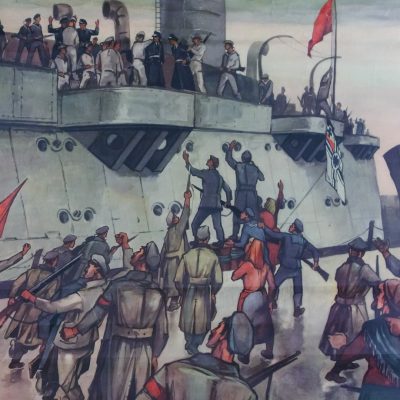
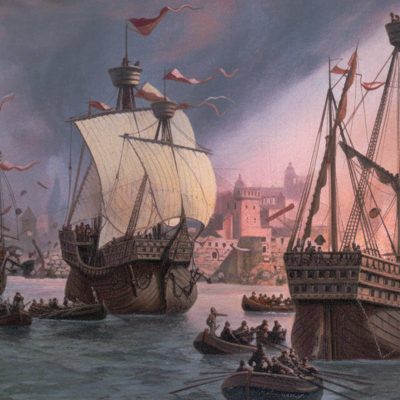
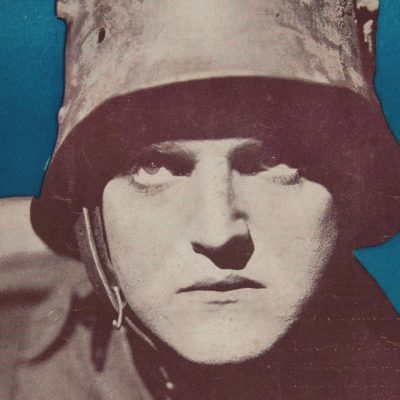
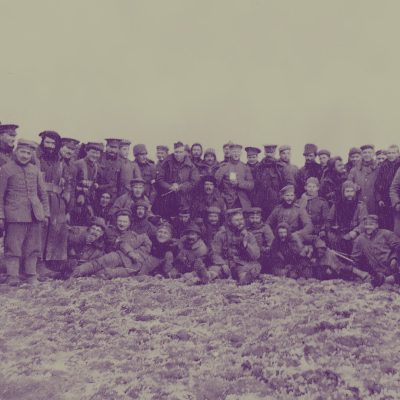
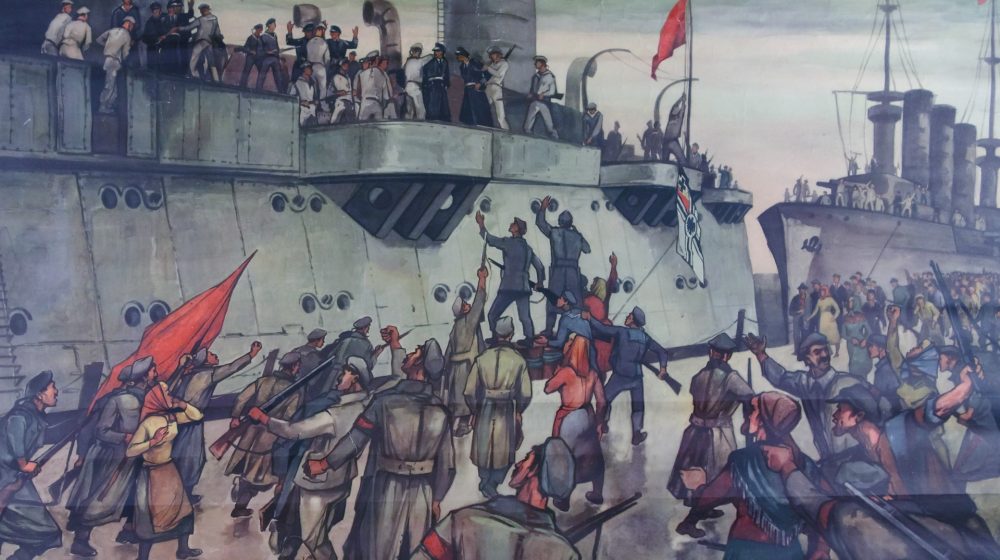
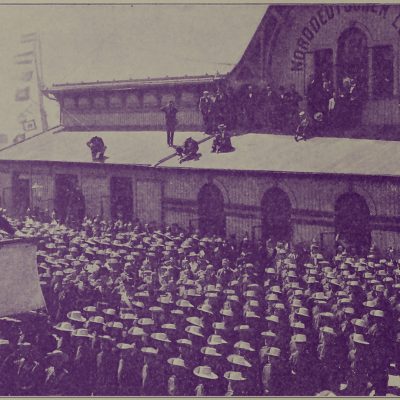
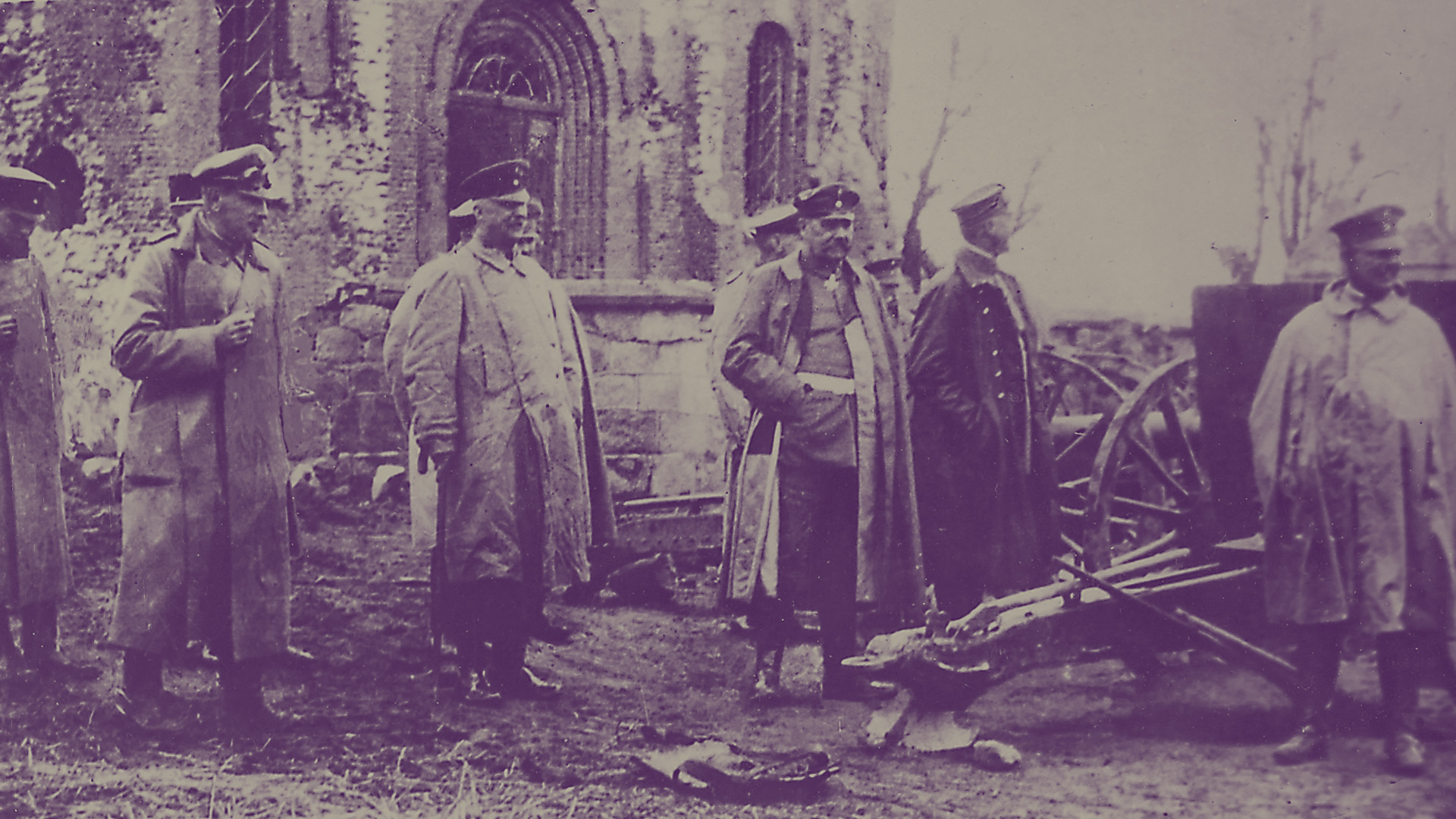
Viewing the hopeless military situation on the Western Front in the autumn of 1918, the German Supreme Army Command (OHL) demanded the installation of a new government charged with making peace. Backed by the Reichstag, this new government would appear democratic and thus gain the trust of both the German population and the Allies. The OHL calculated that this would enable Germany to achieve more favourable peace terms. However, the German admirals were unhappy with the plan; they hated the idea of a democracy and wanted the war to continue so that they could finally win a battle. The German Navy had spent most of the war laid up in port. Naval commanders came up with the idea of sending the entire High Seas Fleet into a major naval battle against the British fleet, which was twice as strong. The head of the Naval War Command argued that “it was a matter of honour for the Navy to give its utmost in a final battle”.
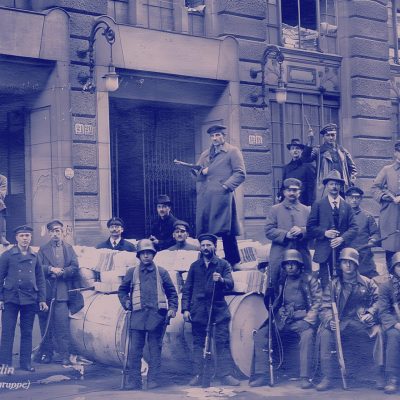
Unfortunately for the battle-hungry admirals, their sailors were reluctant to take part in what was essentially a suicide mission. The battle order issued on 29 October 1918 was met with rioting amongst the crews of the ships. Ultimately, naval commanders were forced to abandon the plan, and several ships returned to their home ports. The captain of one of these ships, on his way back to Kiel, had arrested dozens of sailors; their comrades in the harbour launched what became known as the “Kiel mutiny” to free them. The unrest spread throughout Germany and culminated in the November Revolution.


The whole year at a glance


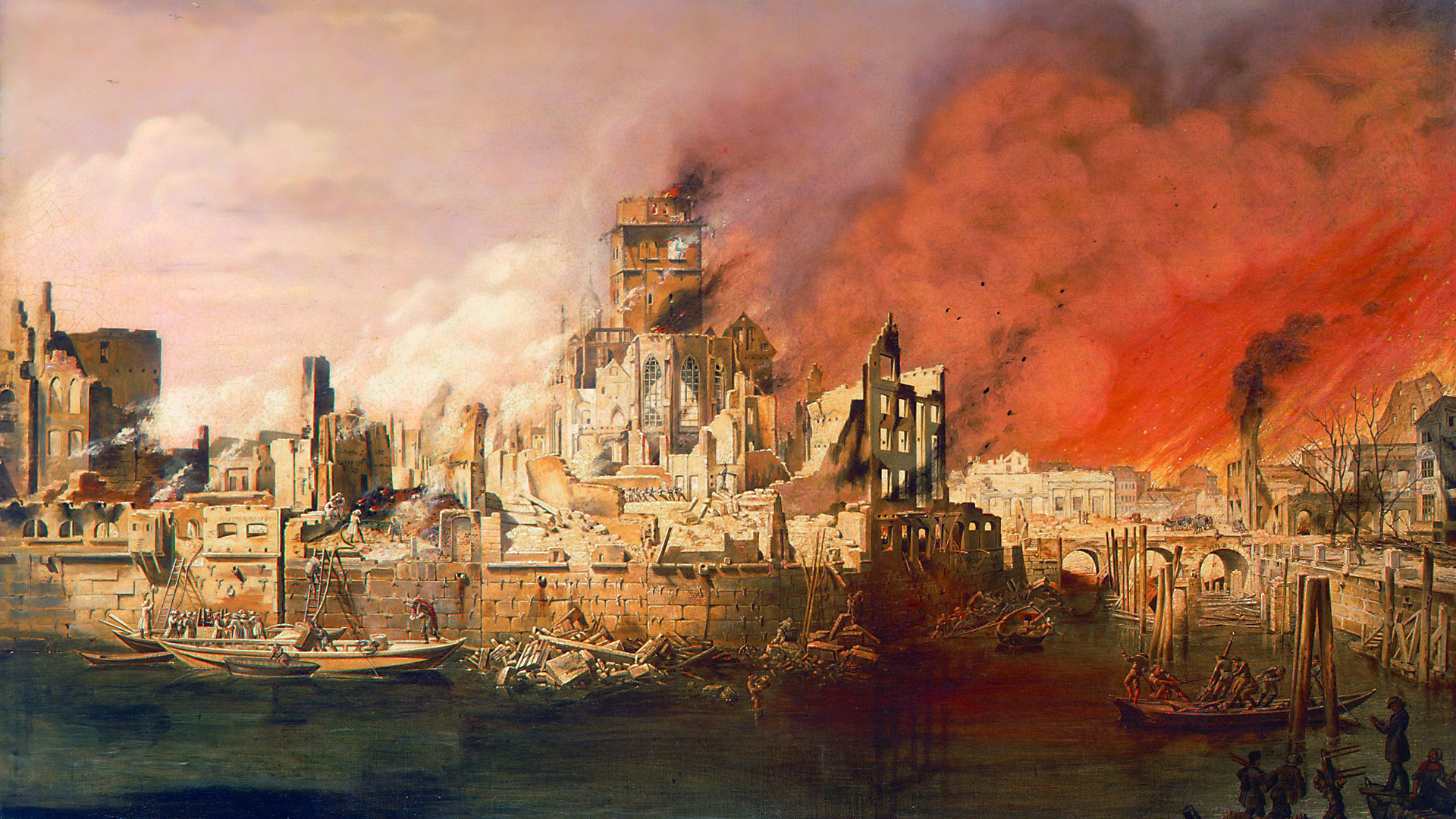
![Lithografie von Johann Nepomuk Heinemann [koloriert], nach Ölgemälde von Feodor Dietz (Foto: LABW, GLAK)](https://www.deutschlandmuseum.de/wp-content/uploads/2025/02/02031689_Zerstoerung_Heidelbergs-400x400.jpg "Lithografie von Johann Nepomuk Heinemann [koloriert], nach Ölgemälde von Feodor Dietz (Foto: LABW, GLAK)")

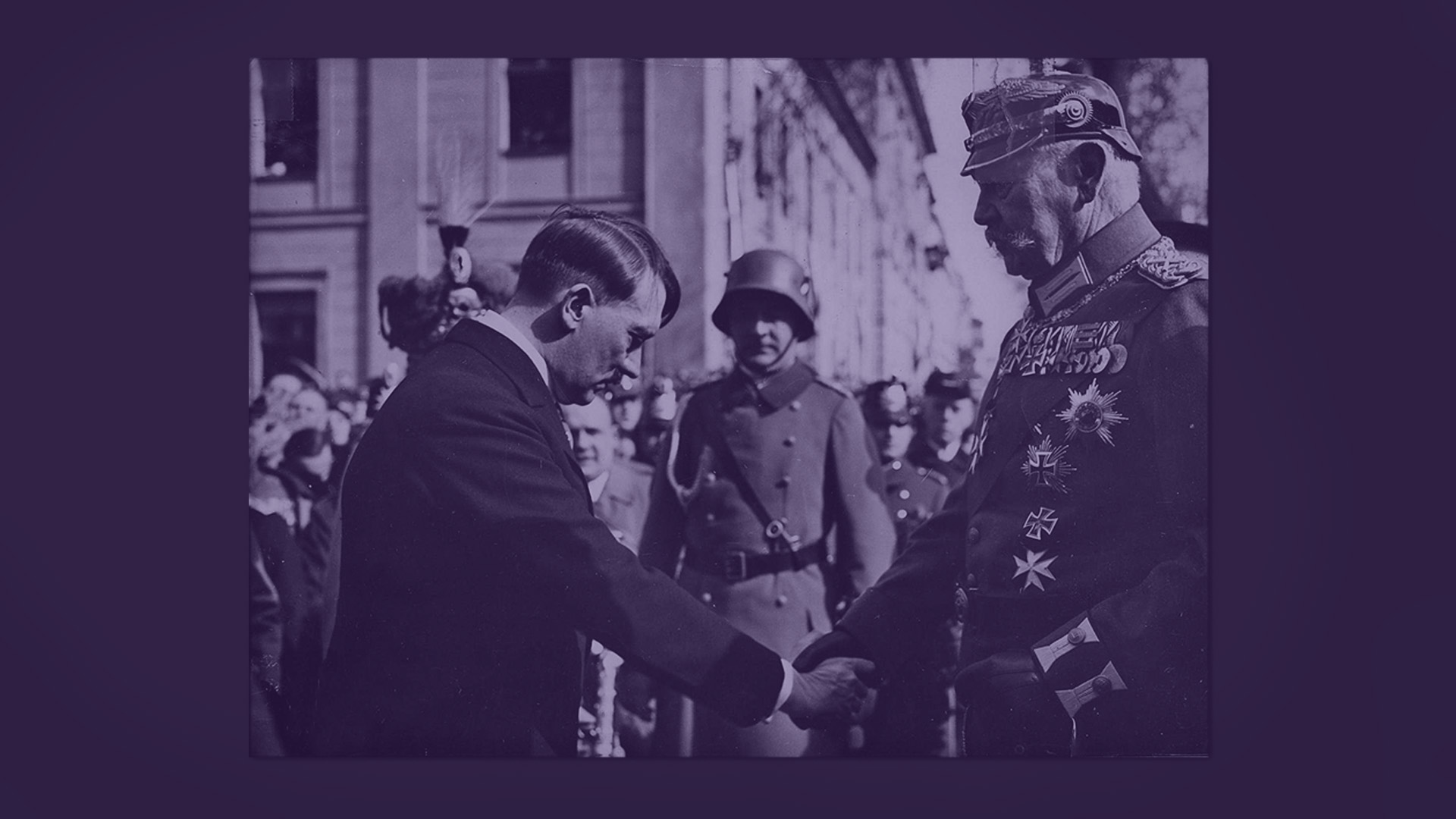
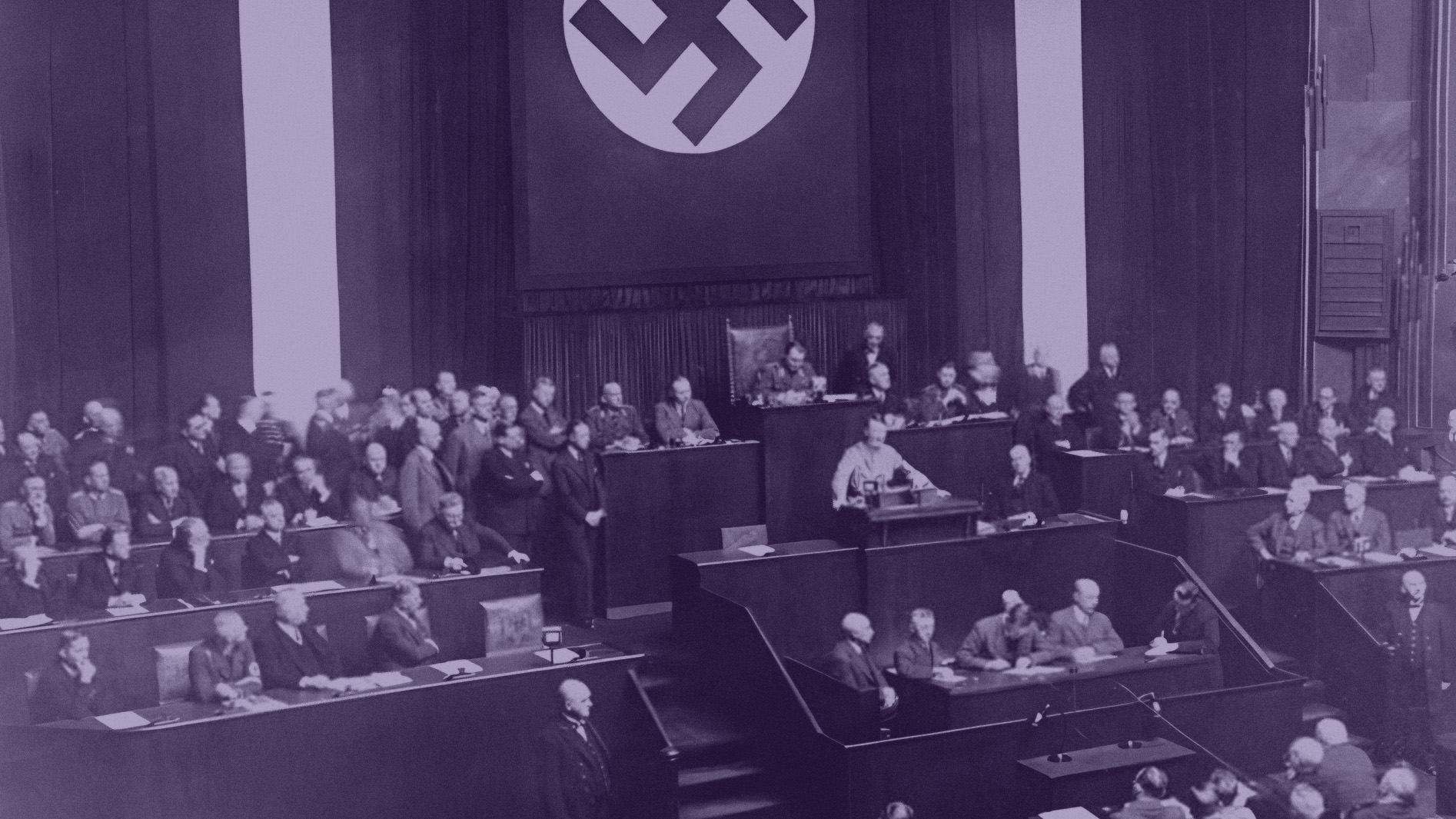
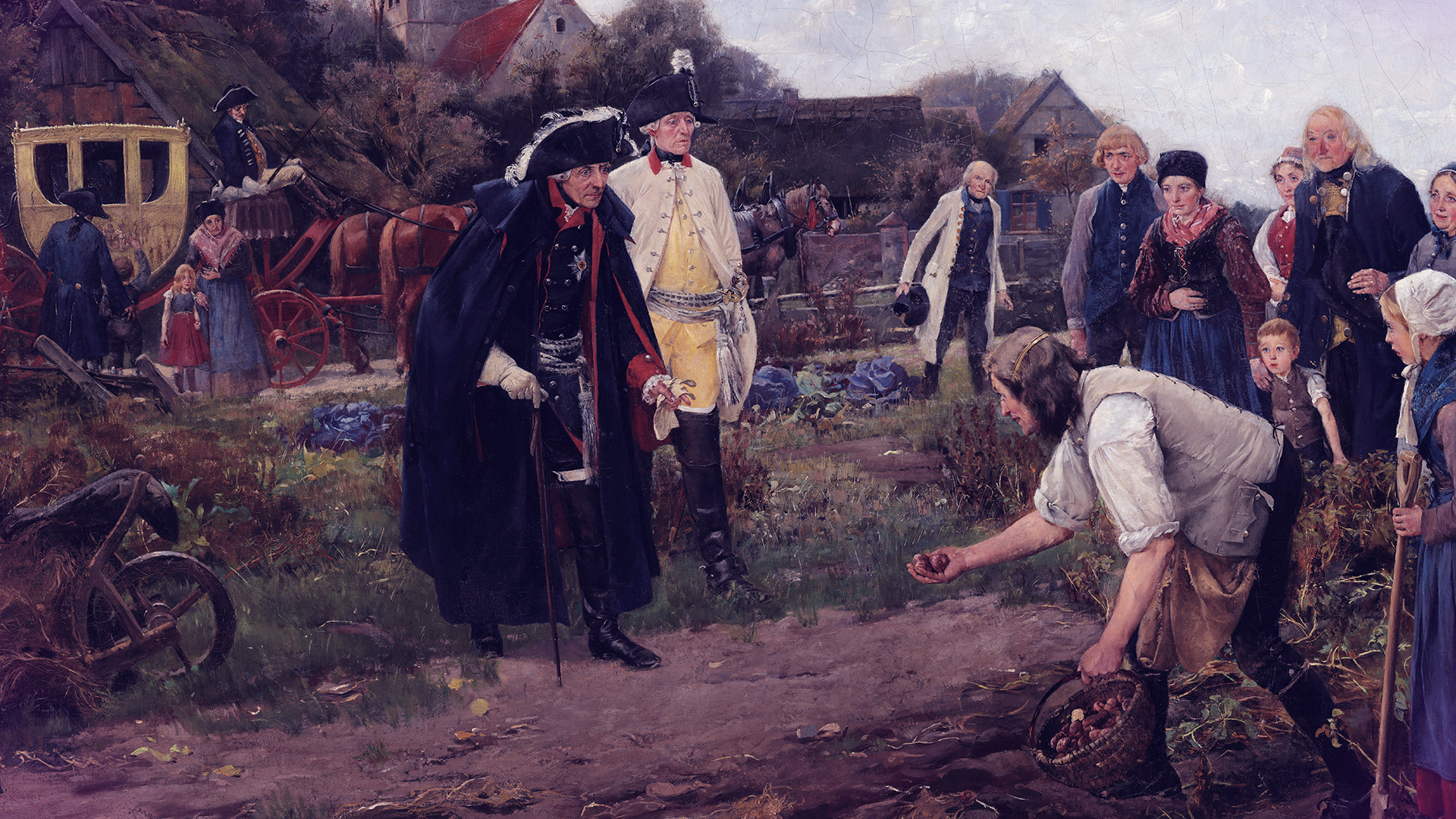

![Unter den Unterzeichnern sind die Nobelpreisträger Otto Hahn, Werner Heisenberg und Max Born [digital koloriert] (Quelle: Landesarchiv BW Staatsarchiv Freiburg, CC-BY-SA)](https://www.deutschlandmuseum.de/wp-content/uploads/2025/04/12041957_Göttinger_Erklärung-400x400.jpg "Unter den Unterzeichnern sind die Nobelpreisträger Otto Hahn, Werner Heisenberg und Max Born [digital koloriert] (Quelle: Landesarchiv BW Staatsarchiv Freiburg, CC-BY-SA)")



](https://www.deutschlandmuseum.de/wp-content/uploads/2025/04/21041946_SED_Gründung-1-400x400.jpg "Vereinigungsparteitag von KPD und SPD zur SED [digital koloriert](Quelle: Deutsche Fotothek, CC BY-SA 3.0 DE)")







![Alexander von Humboldt [Ausschnitt], Gemälde von Friedrich Georg Weitsch (Quelle: Alte Nationalgalerie)](https://www.deutschlandmuseum.de/wp-content/uploads/2025/09/14091769_Humboldt-400x400.jpg "Alexander von Humboldt [Ausschnitt], Gemälde von Friedrich Georg Weitsch (Quelle: Alte Nationalgalerie)")



![Albert Einstein im Patentamt Bern, 1905 [digital koloriert] (Quelle: ETH-Bibliothek Zürich)](https://www.deutschlandmuseum.de/wp-content/uploads/2025/09/26091905_Einstein_koloriert-400x400.jpg "Albert Einstein im Patentamt Bern, 1905 [digital koloriert] (Quelle: ETH-Bibliothek Zürich)")