
The oldest fossilized German is found in a sand pit
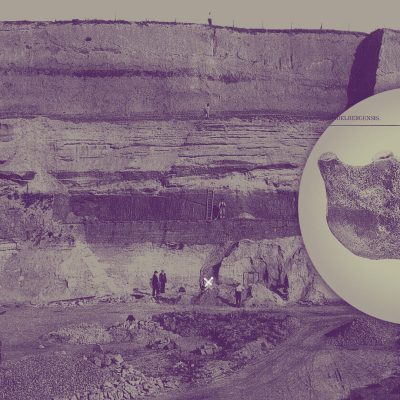
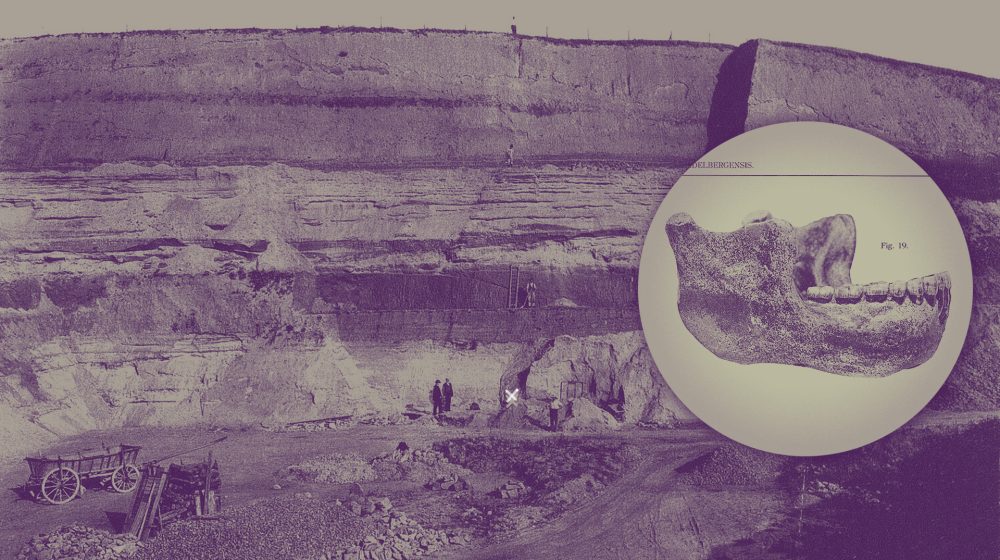
The discovery of well-preserved human remains from our ancient ancestors in Grafenrain quarry near Mauer at the end of the 19th century attracted the attention of the scholar Otto Schoetensack from the University of Heidelberg. He asked the quarrymen to keep an eye out and tell him if they found anything of interest. On 21 October 1907, Daniel Hartmann discovered a fossilized bone fragment whilst working at the pit and immediately reported the find. After a thorough examination, Schoetensack concluded that the piece of the jawbone belonged to a creature of the genus “Homo” that had lived before the Neanderthals and had been extinct for a long time. Publications of his findings made the “jawbone of Mauer” world-famous.
More recent studies have dated the bone to between 500,000 and 650,000 years old. The Homo heidelbergensis, or “Heidelberg Man”, probably evolved from Homo erectus or represents a late form of this stage. Homo erectus developed in Africa around two million years ago, and can be traced to Eurasia some time afterwards. It is believed that Heidelberg Man evolved into the Neanderthals, who appeared in Europe some 200,000 years ago. The ancestors of all humans living today, or anatomically modern humans of the species Homo sapiens, have existed in Africa for at least 300,000 years. They appeared in Europe around 50,000 years ago, before the Neanderthals died out. A “gene flow” between our ancestors and Neanderthals has since been proven, meaning that there was sexual contact between the two genera that produced offspring.


The whole year at a glance
























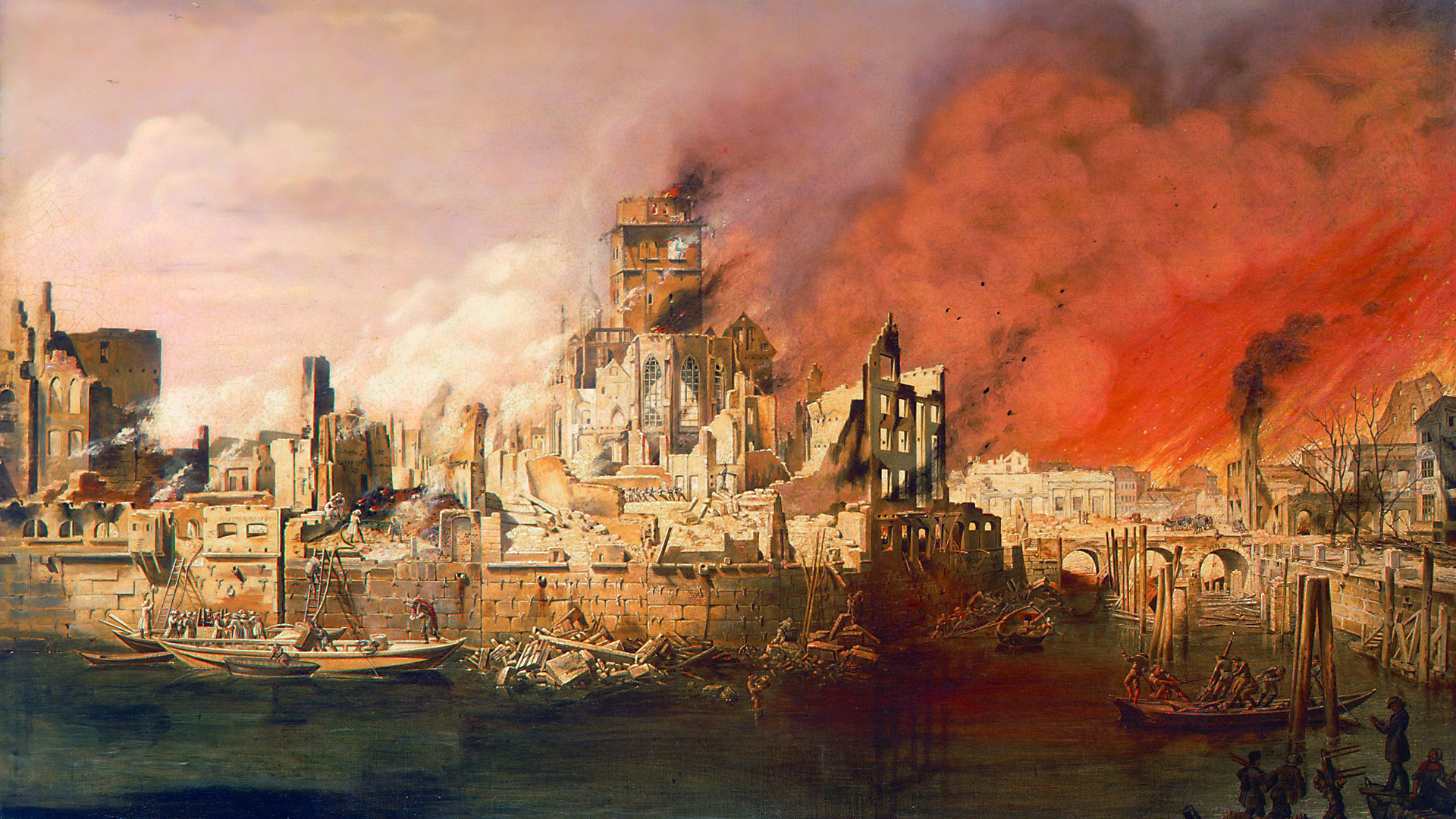
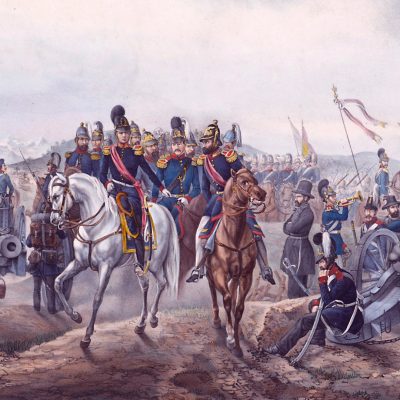
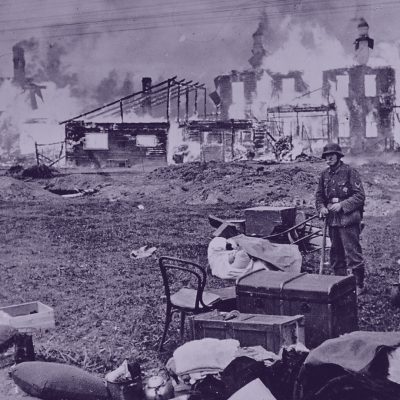
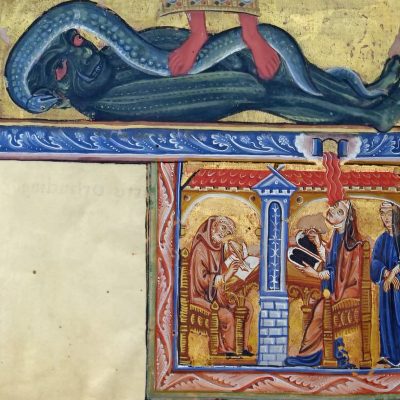
![Lithografie von Johann Nepomuk Heinemann [koloriert], nach Ölgemälde von Feodor Dietz (Foto: LABW, GLAK)](https://www.deutschlandmuseum.de/wp-content/uploads/2025/02/02031689_Zerstoerung_Heidelbergs-400x400.jpg "Lithografie von Johann Nepomuk Heinemann [koloriert], nach Ölgemälde von Feodor Dietz (Foto: LABW, GLAK)")






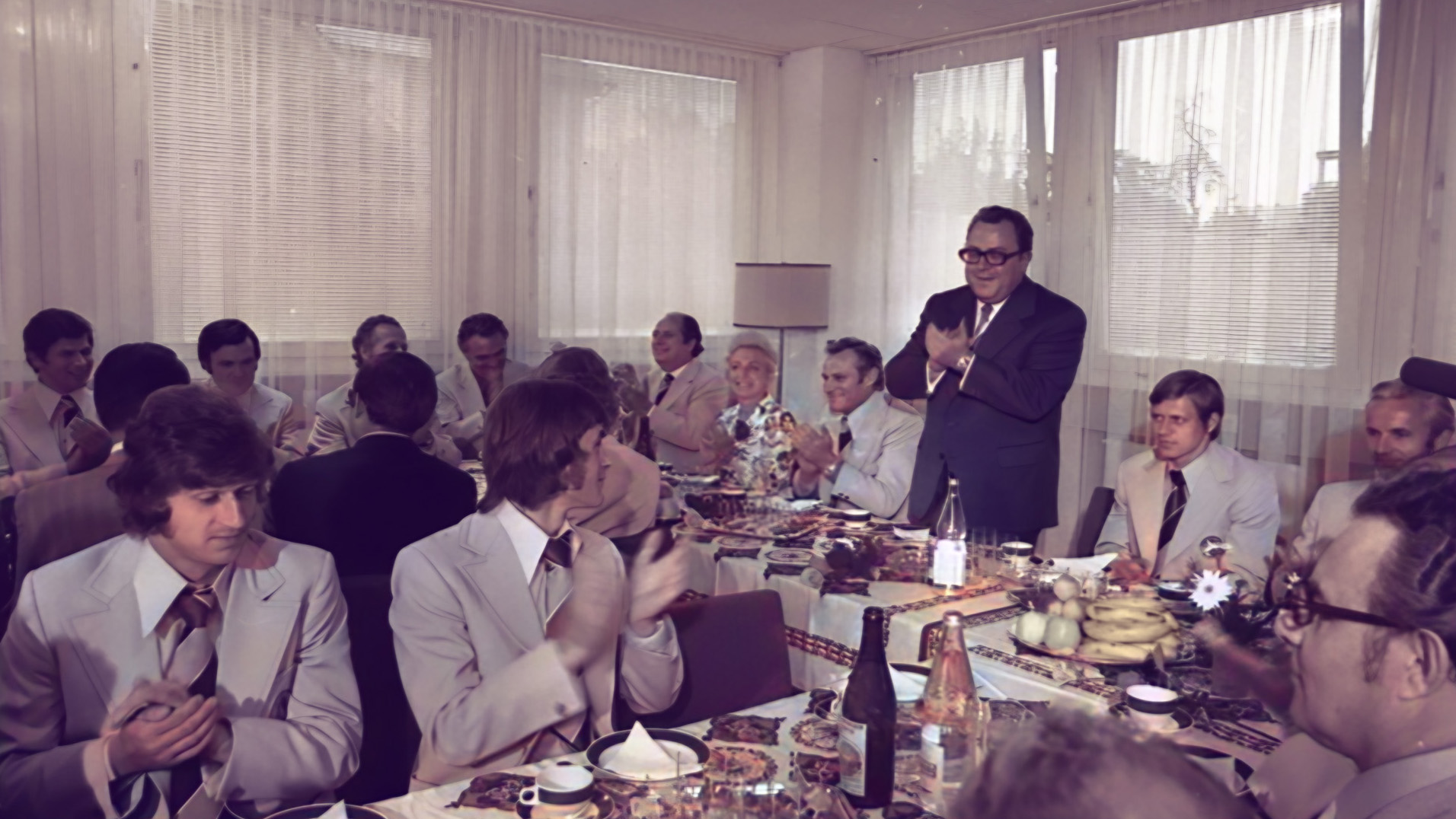










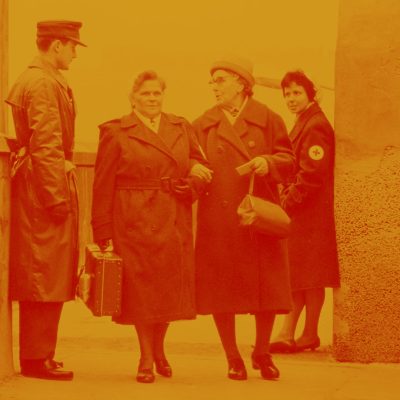
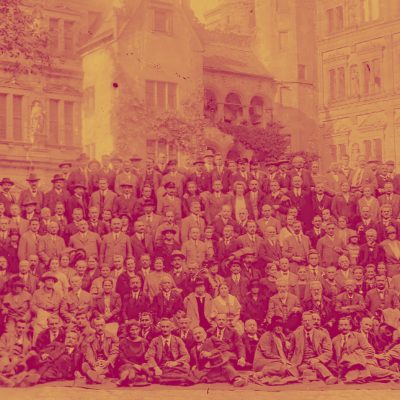
![Unter den Unterzeichnern sind die Nobelpreisträger Otto Hahn, Werner Heisenberg und Max Born [digital koloriert] (Quelle: Landesarchiv BW Staatsarchiv Freiburg, CC-BY-SA)](https://www.deutschlandmuseum.de/wp-content/uploads/2025/04/12041957_Göttinger_Erklärung-400x400.jpg "Unter den Unterzeichnern sind die Nobelpreisträger Otto Hahn, Werner Heisenberg und Max Born [digital koloriert] (Quelle: Landesarchiv BW Staatsarchiv Freiburg, CC-BY-SA)")






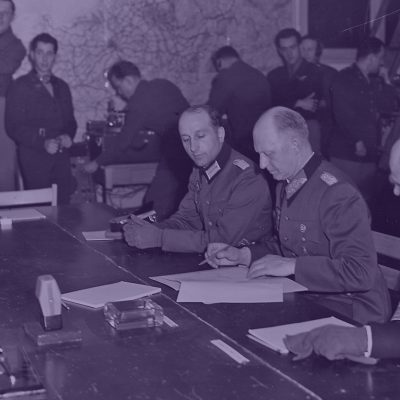
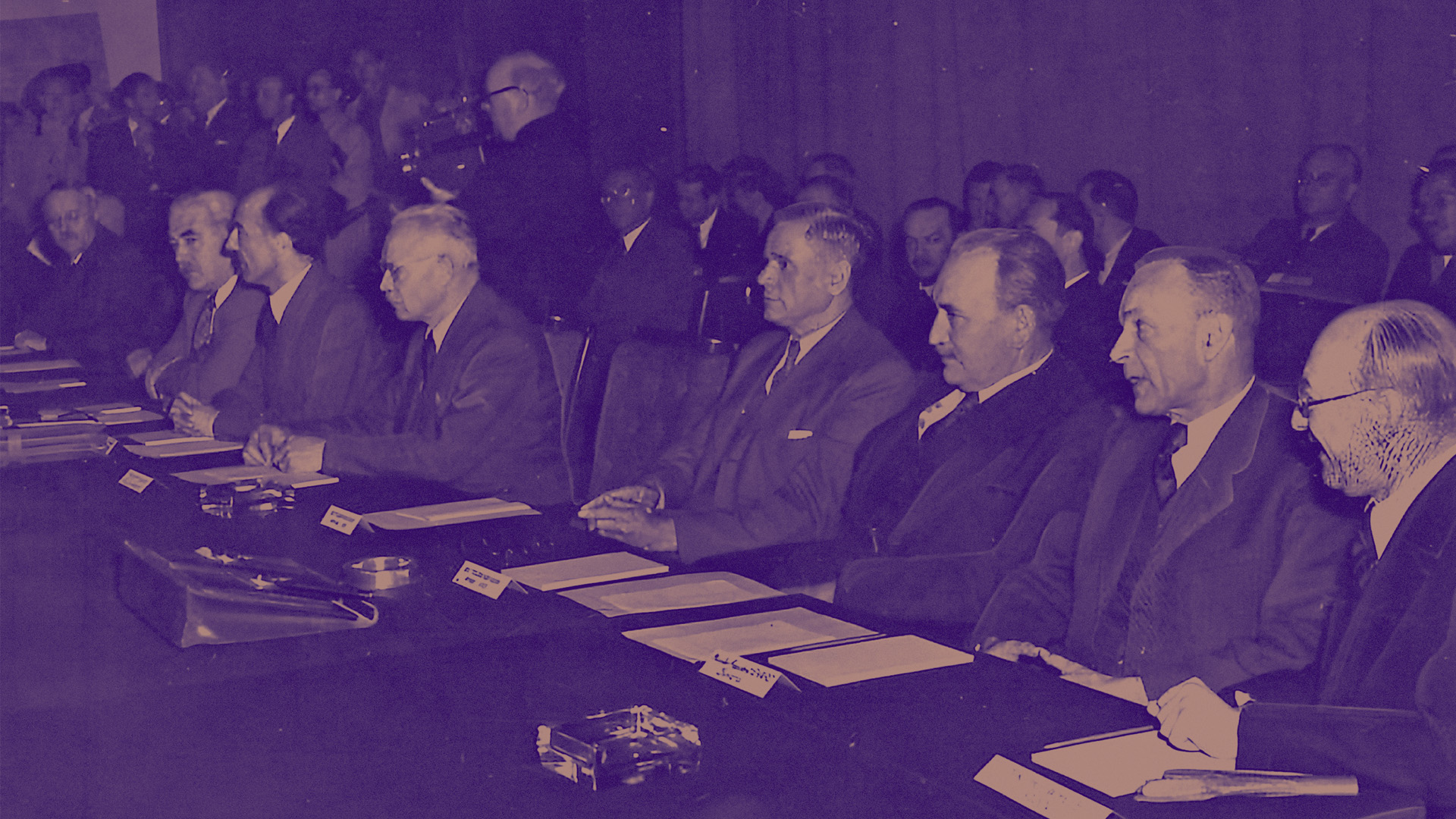
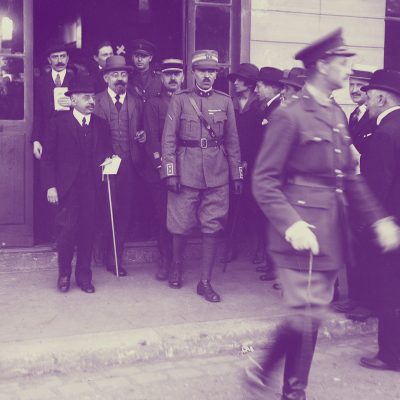
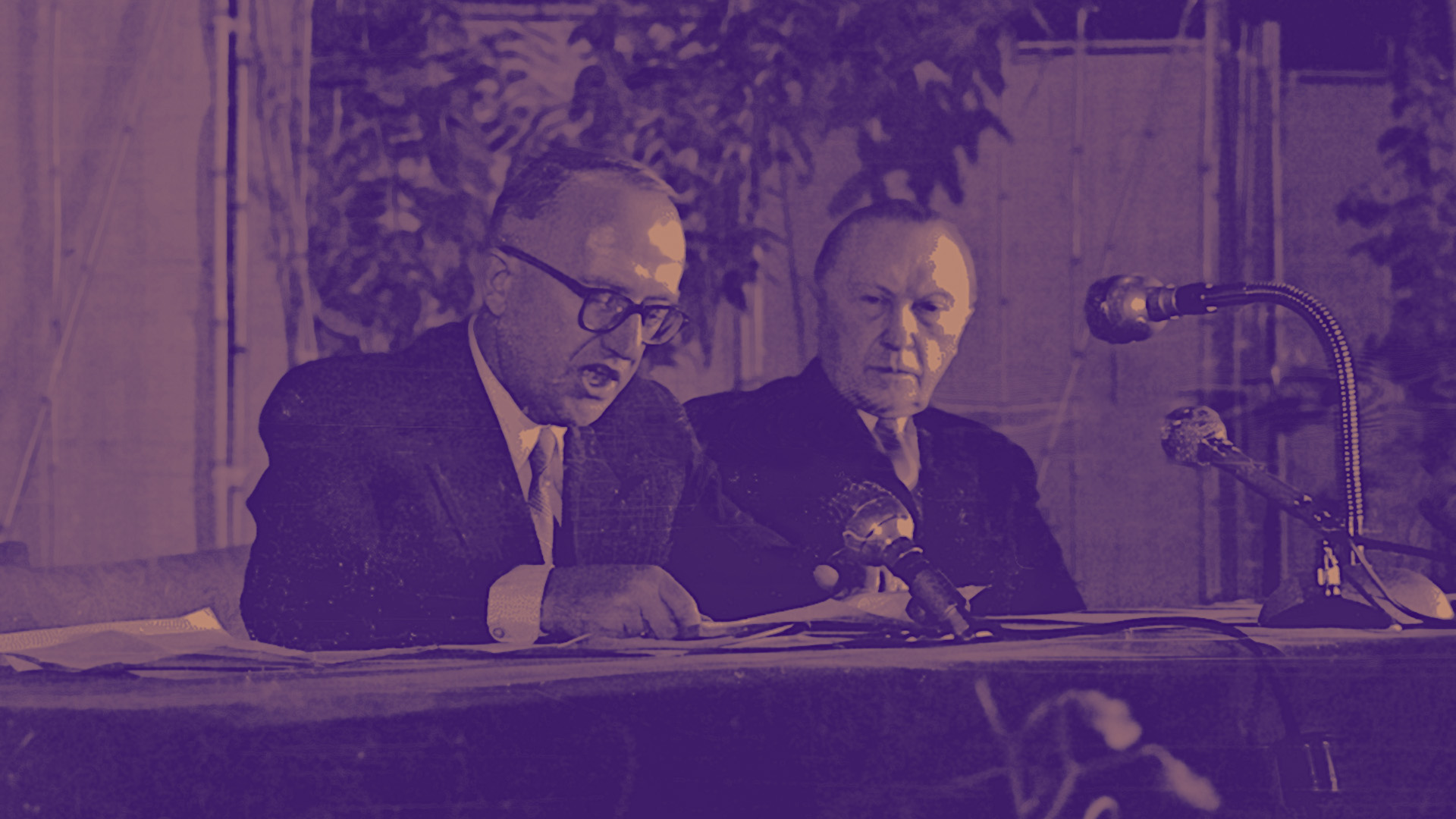
](https://www.deutschlandmuseum.de/wp-content/uploads/2025/04/21041946_SED_Gründung-1-400x400.jpg "Vereinigungsparteitag von KPD und SPD zur SED [digital koloriert](Quelle: Deutsche Fotothek, CC BY-SA 3.0 DE)")





















































![Alexander von Humboldt [Ausschnitt], Gemälde von Friedrich Georg Weitsch (Quelle: Alte Nationalgalerie)](https://www.deutschlandmuseum.de/wp-content/uploads/2025/09/14091769_Humboldt-400x400.jpg "Alexander von Humboldt [Ausschnitt], Gemälde von Friedrich Georg Weitsch (Quelle: Alte Nationalgalerie)")





![Albert Einstein im Patentamt Bern, 1905 [digital koloriert] (Quelle: ETH-Bibliothek Zürich)](https://www.deutschlandmuseum.de/wp-content/uploads/2025/09/26091905_Einstein_koloriert-400x400.jpg "Albert Einstein im Patentamt Bern, 1905 [digital koloriert] (Quelle: ETH-Bibliothek Zürich)")