February
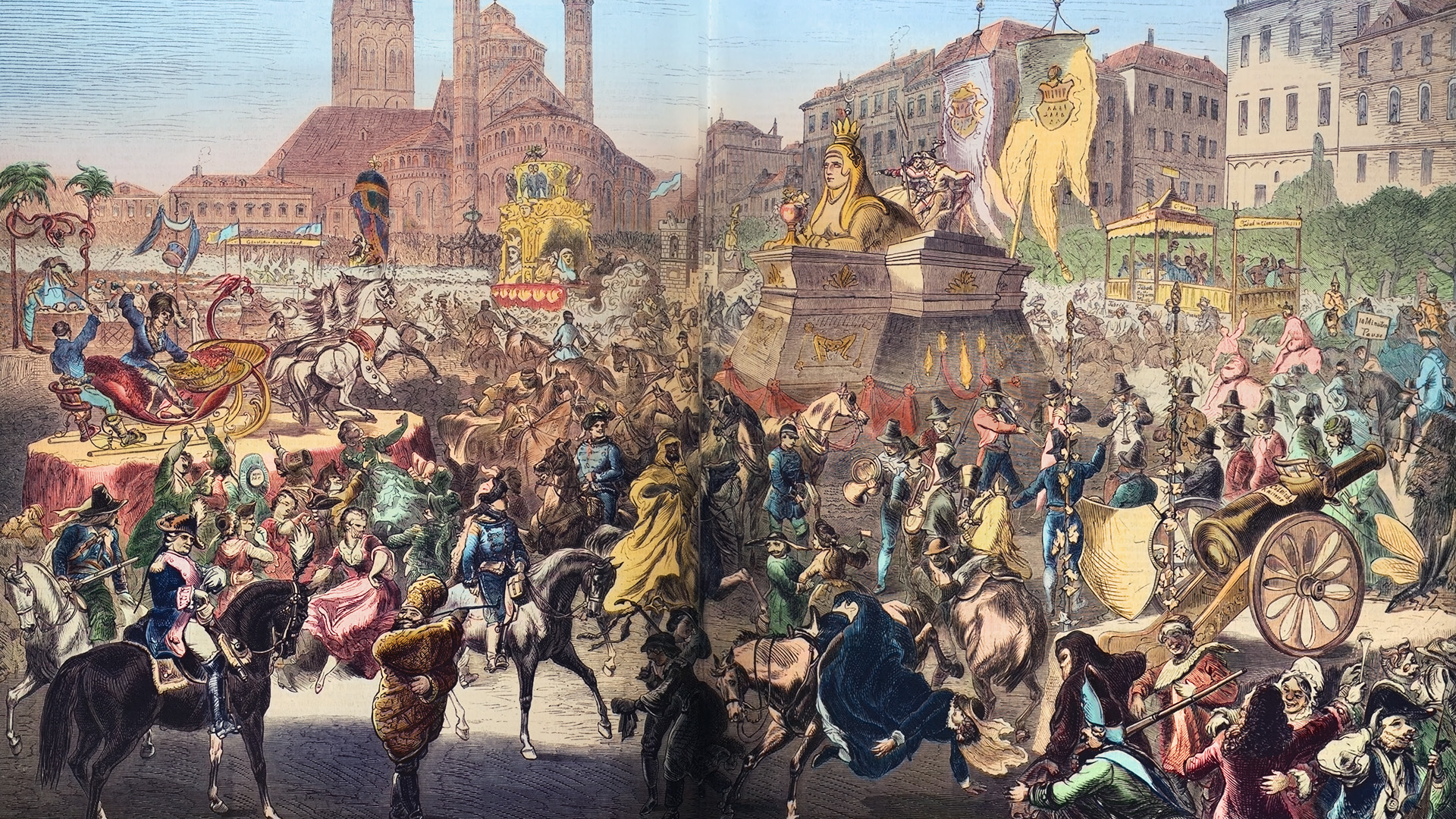

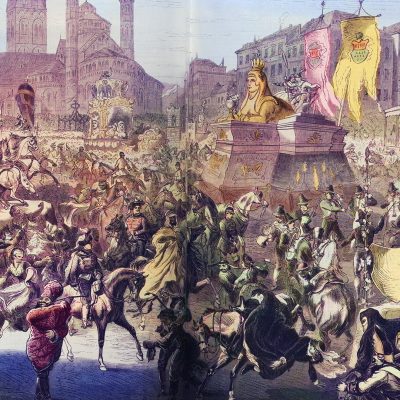
Rhinelanders used the name Spörkel or Spürkel to refer to the second month of the year until well into the 16th century. Deriving from the Latin spurcalia (“immoral revelry”), the term was coined by the Church to stigmatize popular folk rituals intended to drive out the demons of winter and the word attached to the month in which these rituals were practiced. Seeking to restrict vice, the Church ensured that these practices were confined to a few days before Lent. This was the birth of carnival, a popular festival celebrated in the Rhineland and the Netherlands.
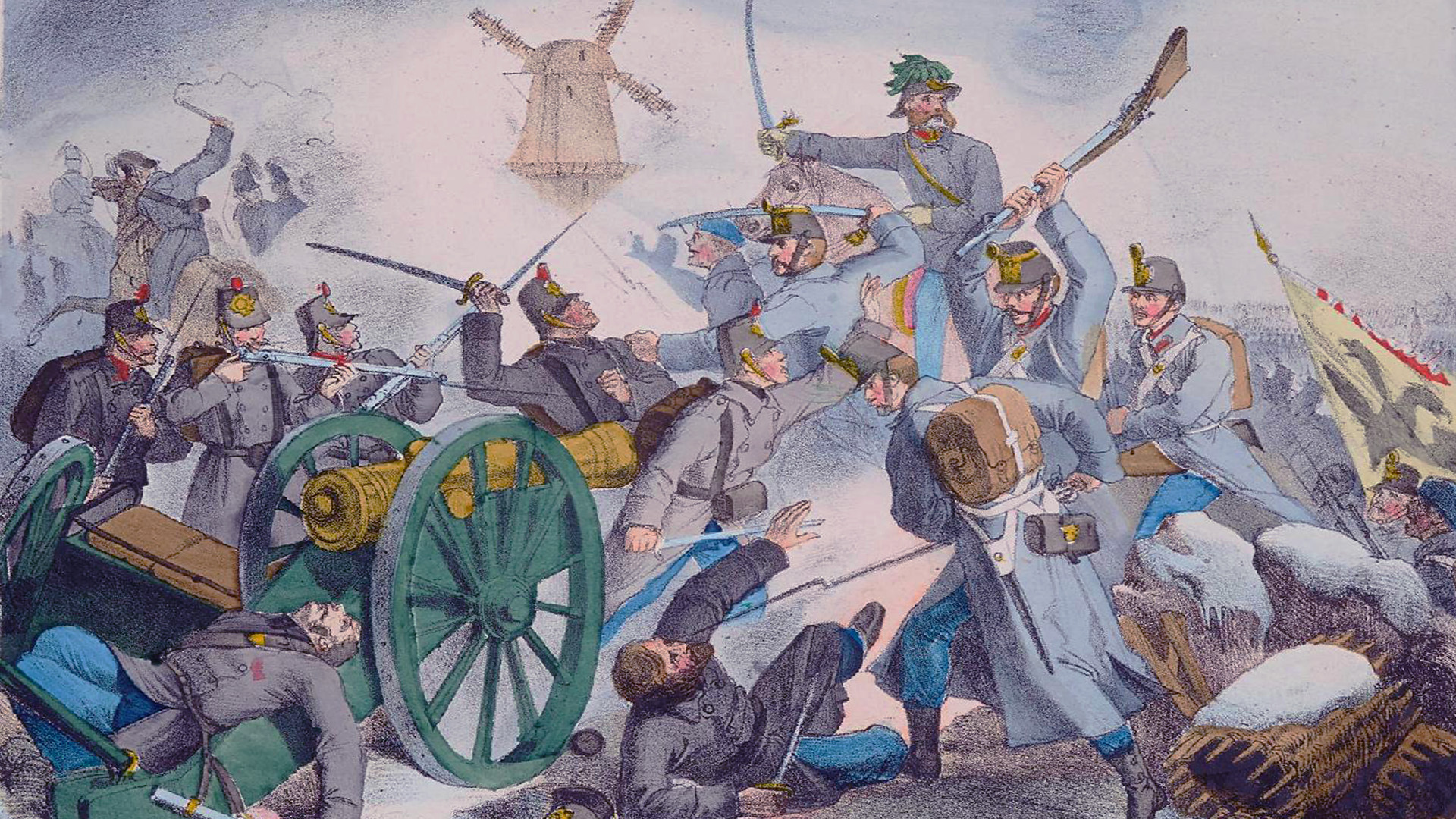
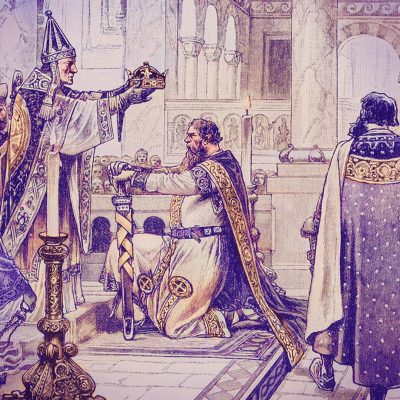
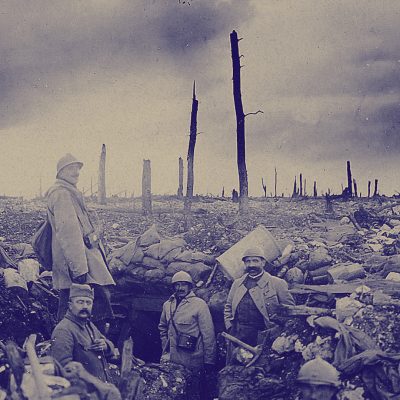
The first Rhineland carnival in its modern-day form was launched with the first Cologne Rose Monday parade held on 10 February 1823. Despite being the shortest month, February still has plenty to offer in terms of German history. For instance, 2 February 962 saw the coronation of Otto the Great as German Emperor, marking the establishment of the Holy Roman Empire, later renamed the Holy Roman Empire of the German Nation. This empire served as the sole political framework for the German nation for more than 800 years. A hundred years after its demise, hundreds of thousands of Germans and Frenchmen died in the strategically inconclusive Battle of Verdun, which began on 21 February 1916 during the First World War.
February at a glance