September

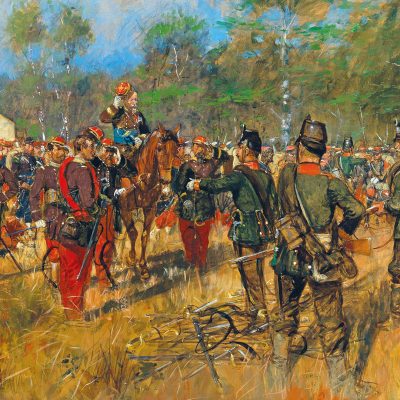
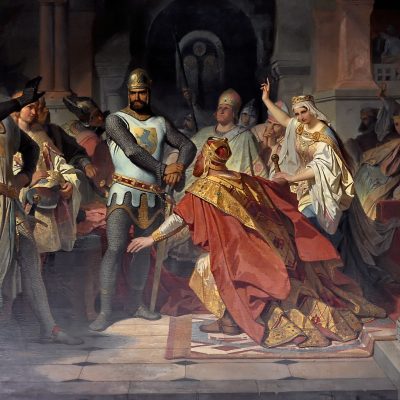
Scheiding (separation) – the old German name for this month – indicates how September marks a change from the warm to the cold months of the year. All times of transition are used to reflect on things past, which perhaps explains why Open Monuments Day – when the public can visit places of memory free-of-charge – is held on the second Sunday in September. The course of German history took some decisive turns in September. The overthrow by Emperor Frederick I Barbarossa of Henry the Lion, Duke of Saxony, on 16 September 1180 meant the disappearance of the last of the great Germanic tribal duchies.
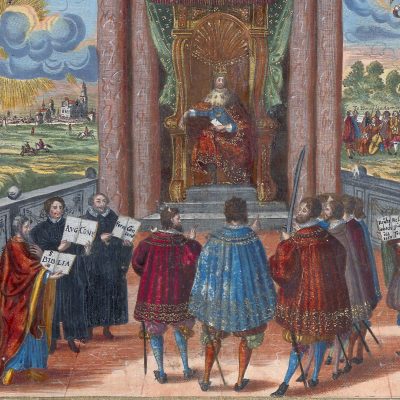
Austria was now no longer politically unified with Bavaria, and the newly emerging princely states tended to be smaller. The Peace of Augsburg agreed on 25 September 1555 ended the wrangling of the Reformation. Whilst ecclesiastical domains were required to remain Catholic, secular princes were now able to choose the religion of their subjects in accordance with the reasoning Cuius regio, eius religio – whose realm, his religion.
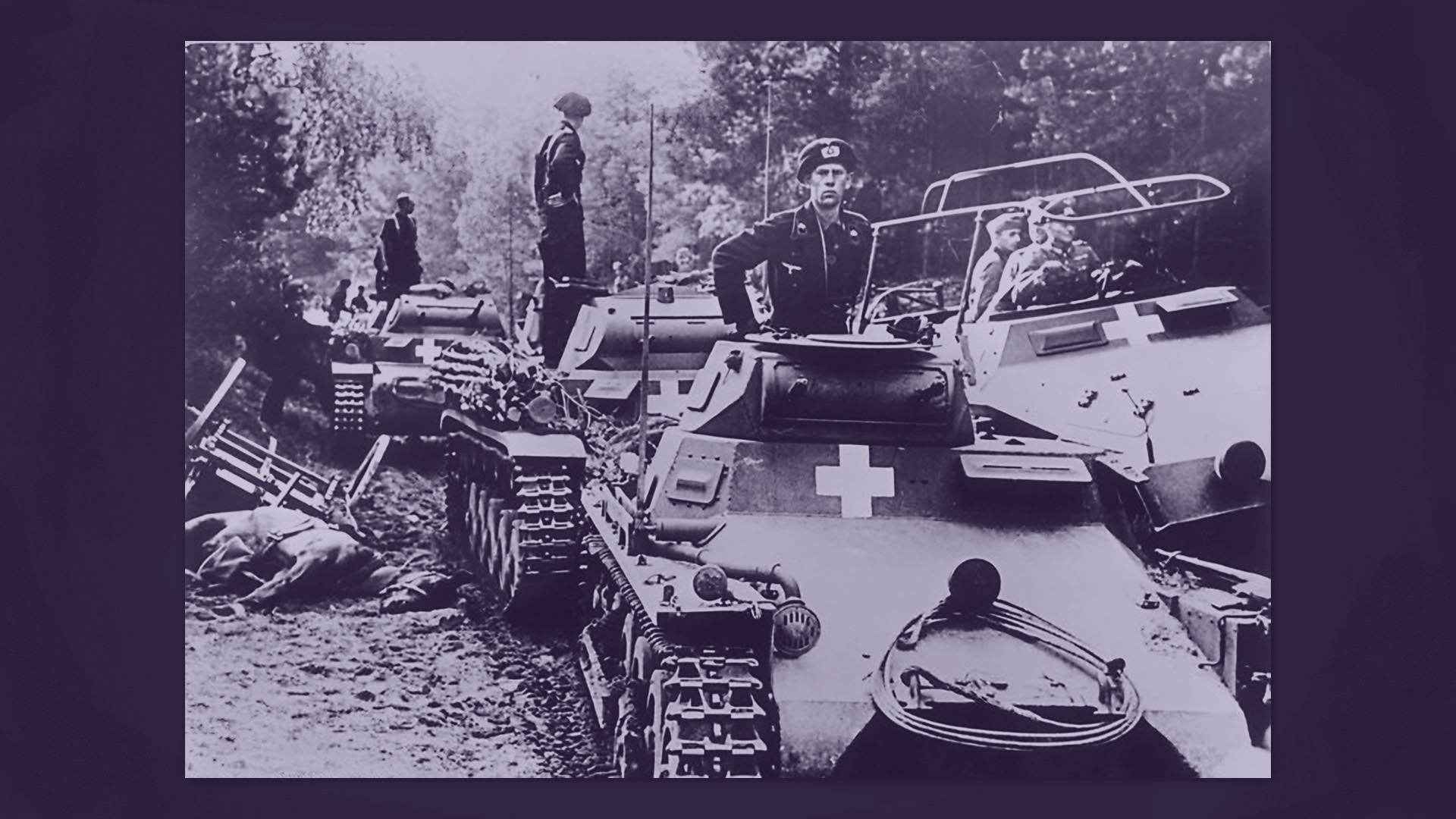
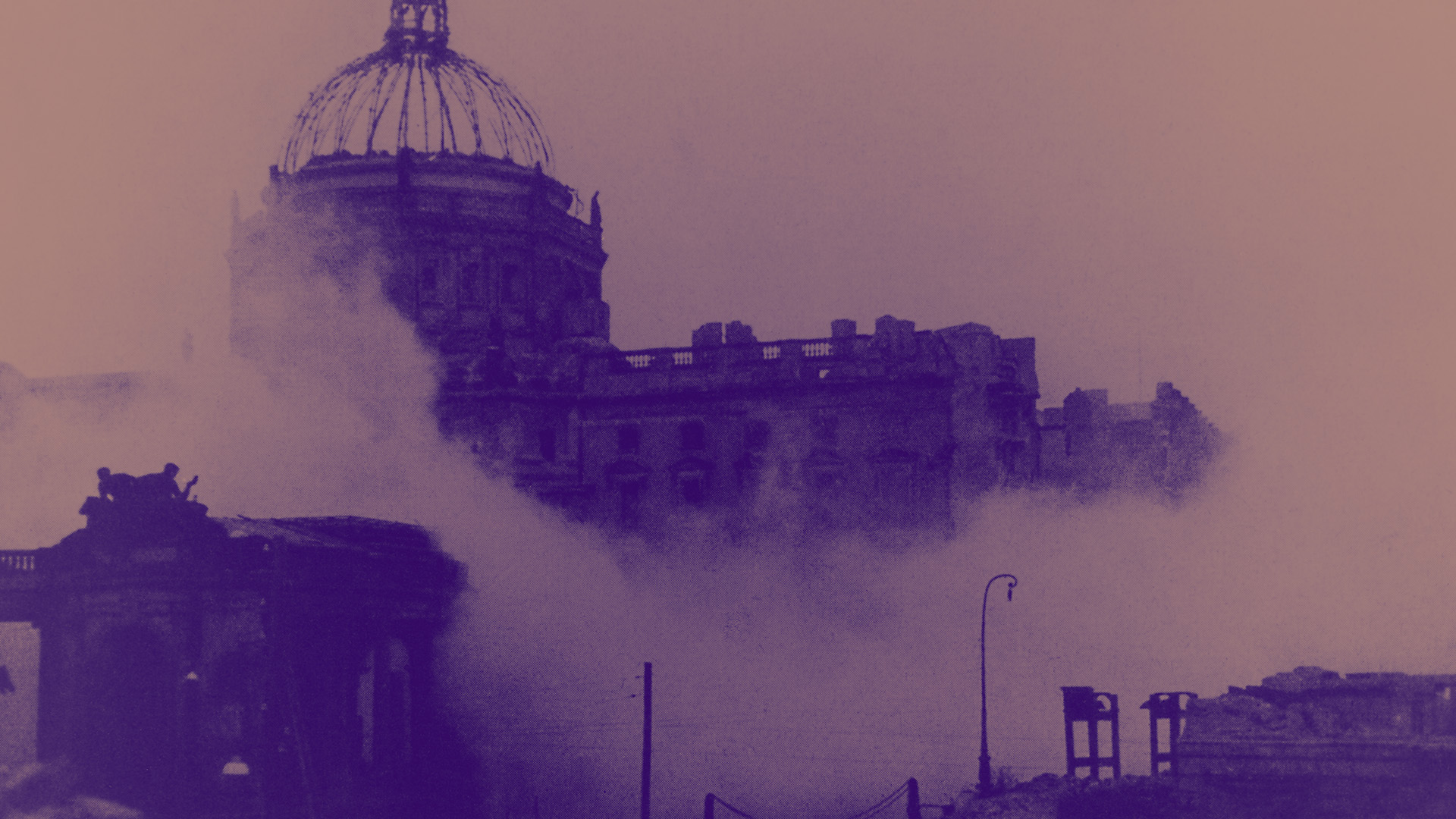
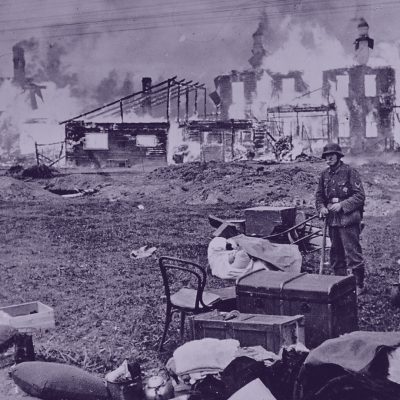
This led to considerable population flows and the development of distinct regions with different confessional identities. August 1939 saw the German dictator Adolf Hitler agree a pact with his ideological enemy, the Soviet dictator Jospeh Stalin and partition Poland. After staging several “border incidents” involving SS men disguised as Poles, Hitler then launched an unprovoked attack on the neighbouring country. This marked the beginning of the Second World War – with the catastrophic consequences that are well known to the world, Europe and Germany itself.
September at a glance
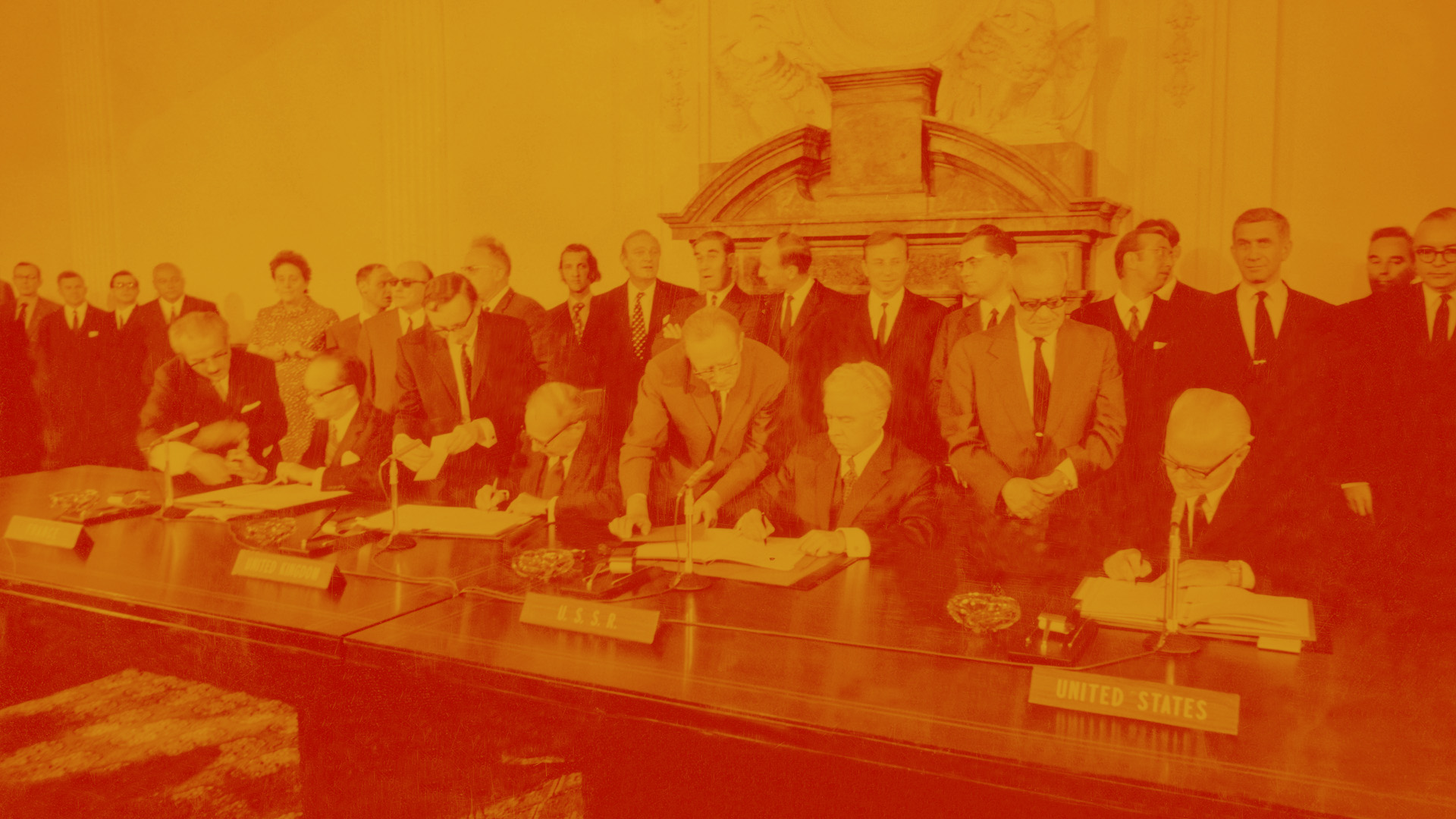
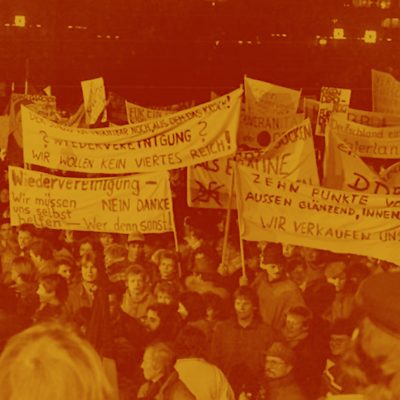
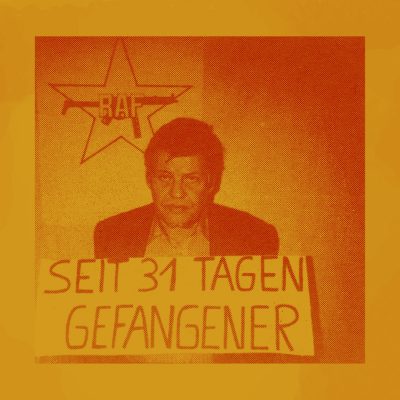
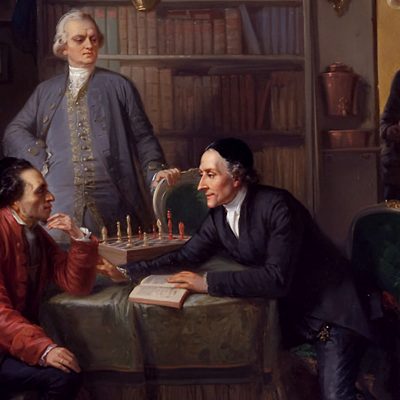
![Alexander von Humboldt [Ausschnitt], Gemälde von Friedrich Georg Weitsch (Quelle: Alte Nationalgalerie)](https://www.deutschlandmuseum.de/wp-content/uploads/2025/09/14091769_Humboldt-400x400.jpg "Alexander von Humboldt [Ausschnitt], Gemälde von Friedrich Georg Weitsch (Quelle: Alte Nationalgalerie)")




![Albert Einstein im Patentamt Bern, 1905 [digital koloriert] (Quelle: ETH-Bibliothek Zürich)](https://www.deutschlandmuseum.de/wp-content/uploads/2025/09/26091905_Einstein_koloriert-400x400.jpg "Albert Einstein im Patentamt Bern, 1905 [digital koloriert] (Quelle: ETH-Bibliothek Zürich)")