July

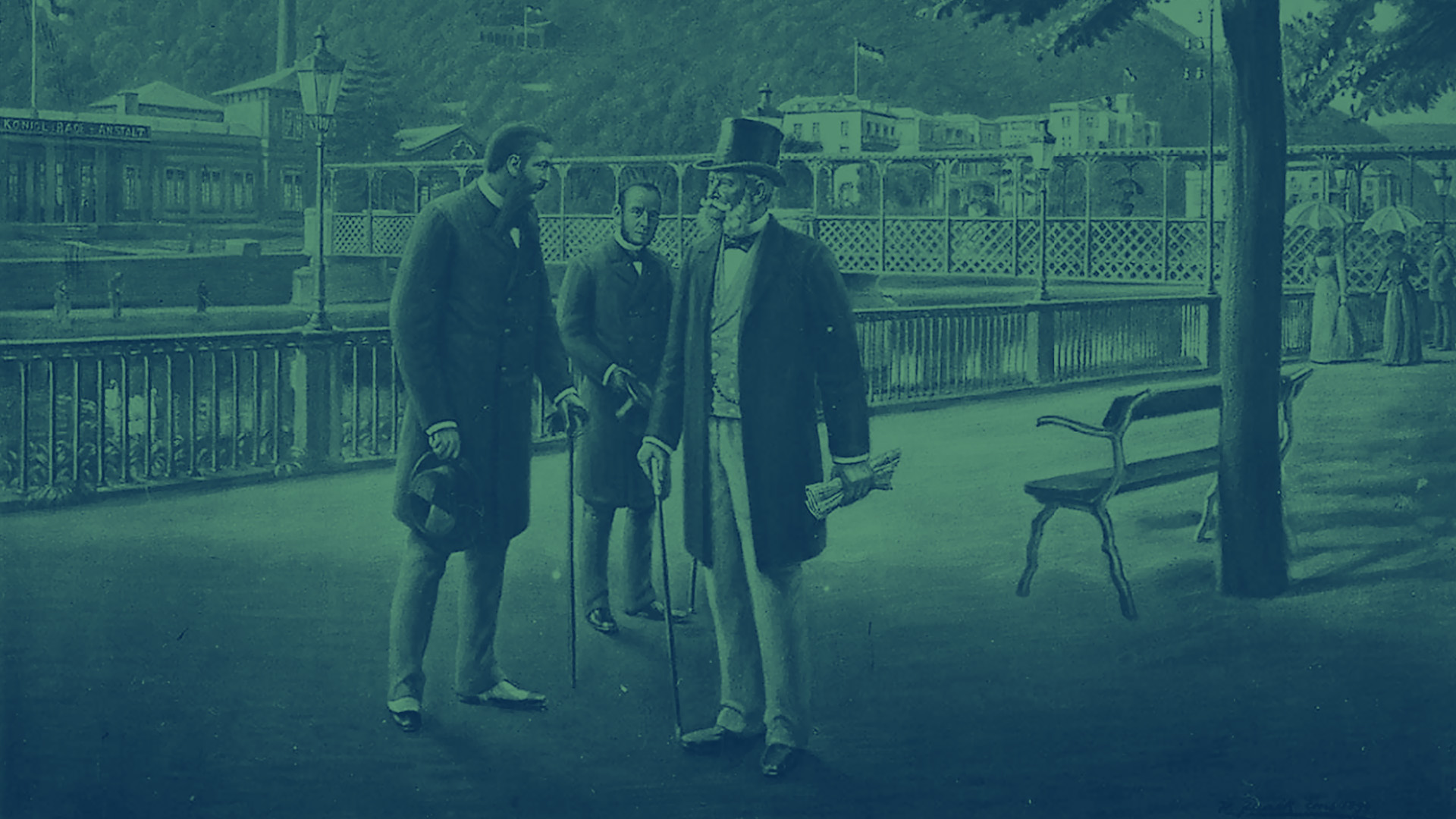
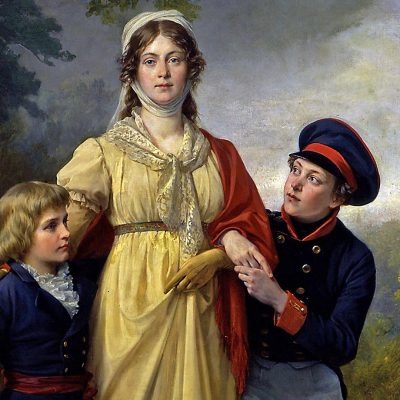
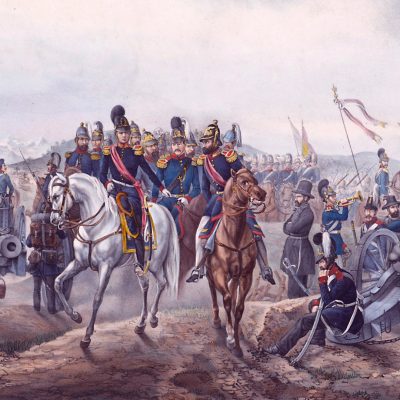
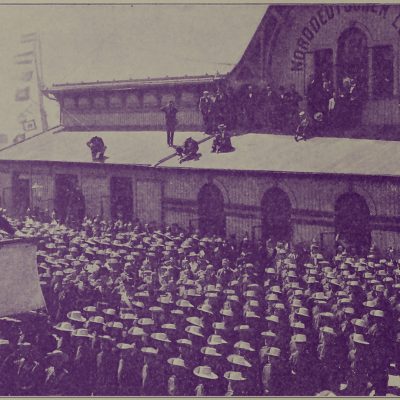
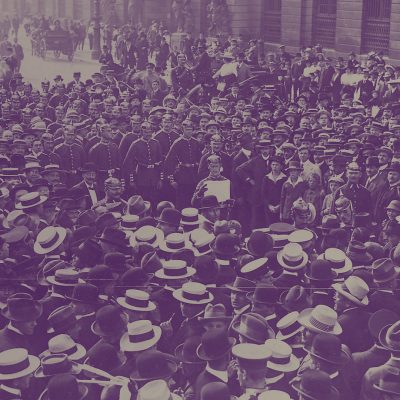
With the highest average monthly temperatures, July is the high point of the German summer. As most Germans used to be busy bringing in the first hay harvest this month, July was known accordingly as the “hay month” and very few people were able to consider taking a holiday. The first to embrace this modern practice was Emperor William II, who never missed his July holiday, not even during the height of the July Crisis of 1914, which followed the assassination of the Austrian heir to the throne. William had hoped that by taking his annual break, he would signal that all was well and calm diplomatic nerves. However, he had underestimated the situation and his empire found itself at war with three major European powers by early August.
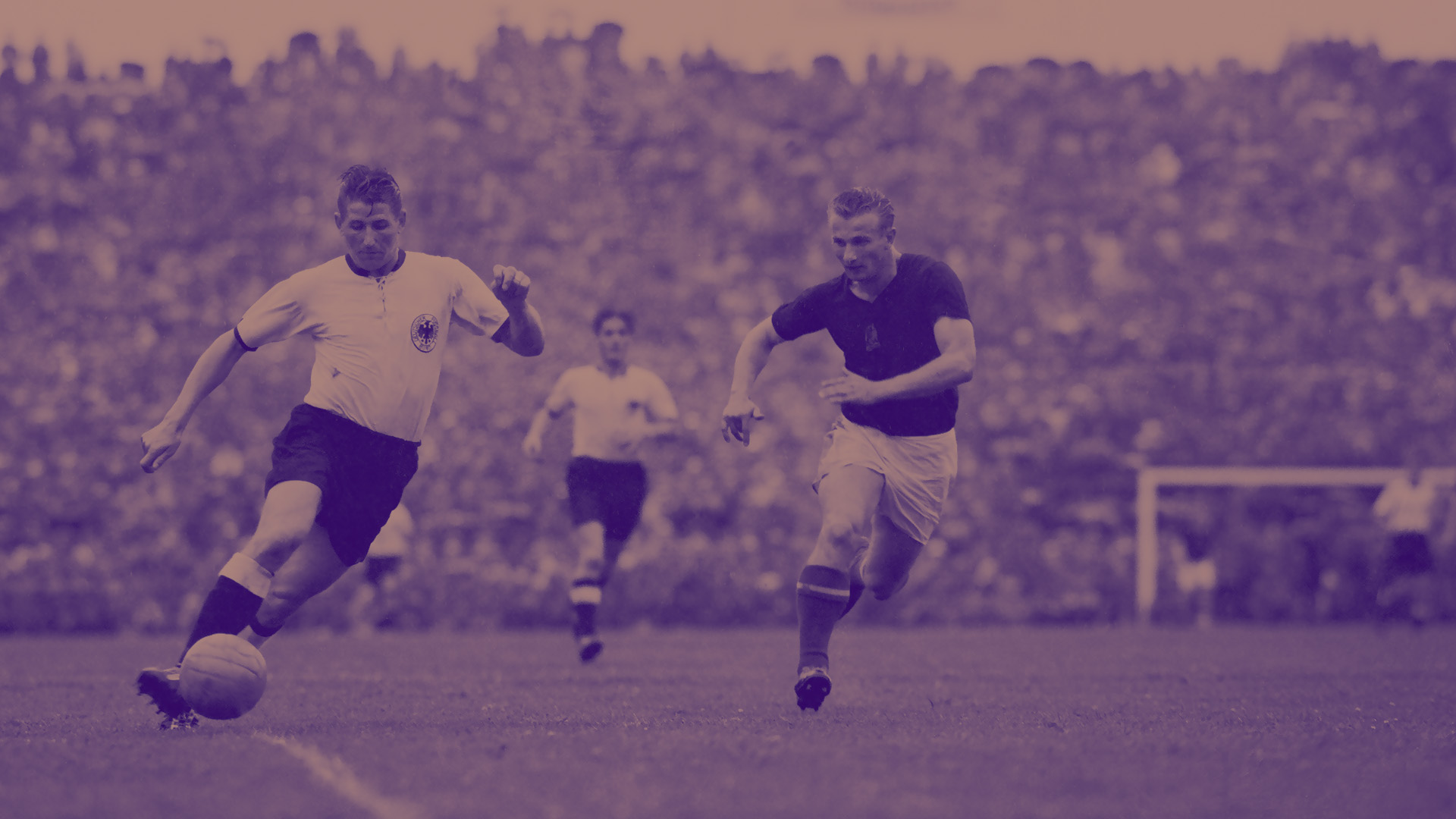
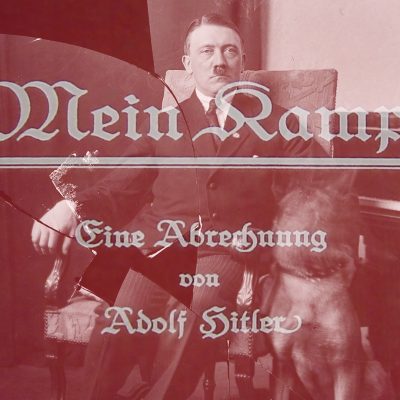
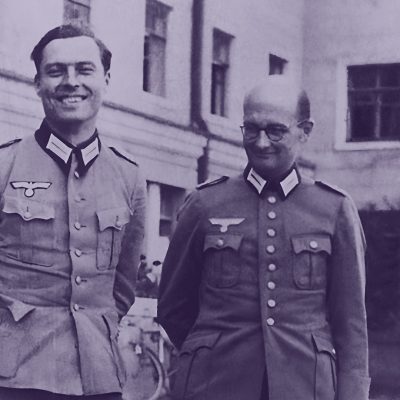
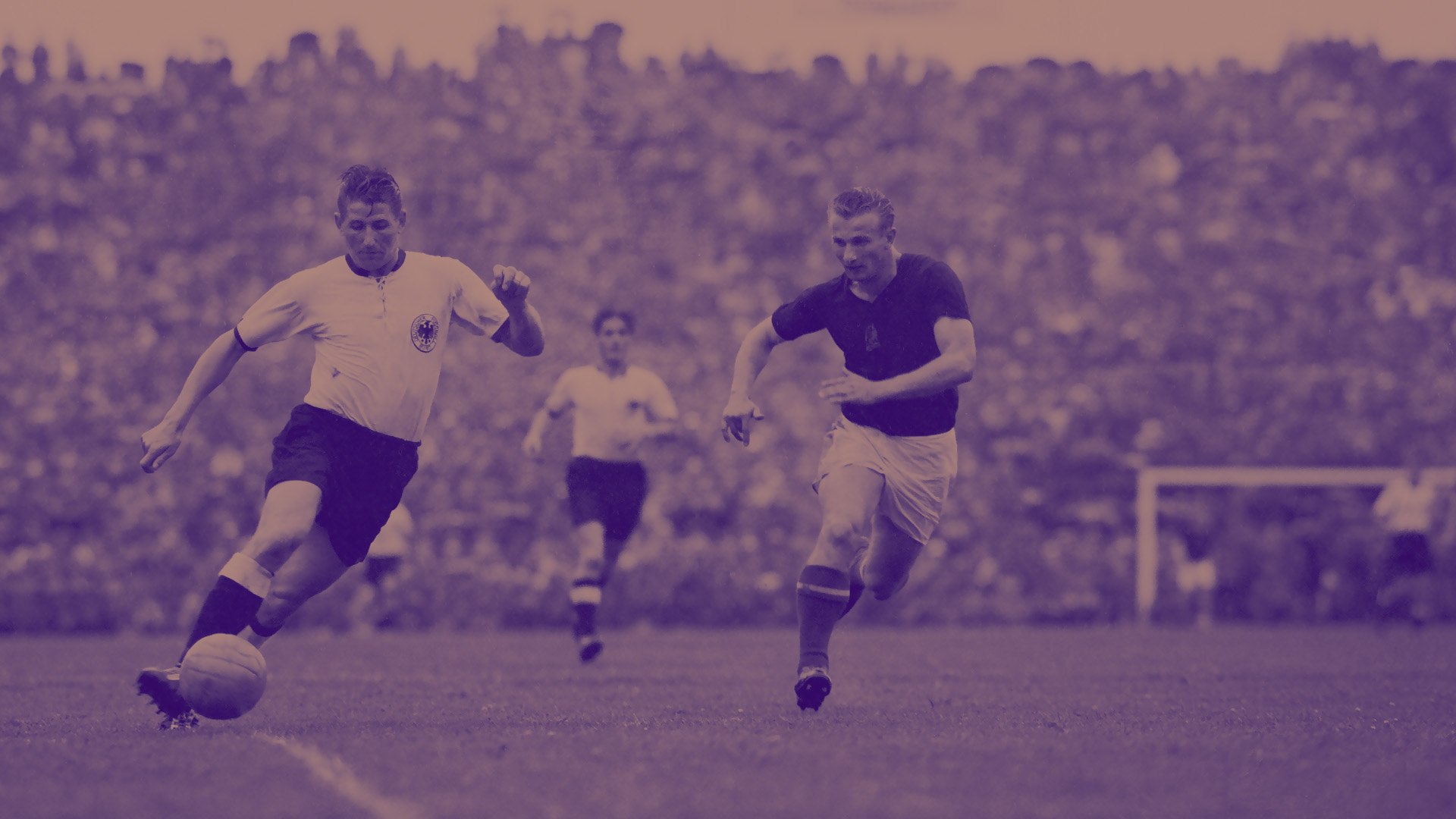
The First World War lasted four years, cost Wilhelm his throne and claimed millions of lives. On 20 July 1944, towards the end of the Second World War, a group led by Count Stauffenberg carried out the most significant German act of resistance against the Nazi dictatorship by first attempting to assassinate Adolf Hitler and then launching an abortive coup. Very few Germans could hope to go on holiday in the immediate post-war years, but all were glued to the radio on 4 July 1954 to listen to what soon became known as the “Miracle of Bern”, when the German football team surprised everyone by overcoming the mighty Hungry to lift the football world cup. All of the three other German World Cup titles were also won in July.
July at a glance