June

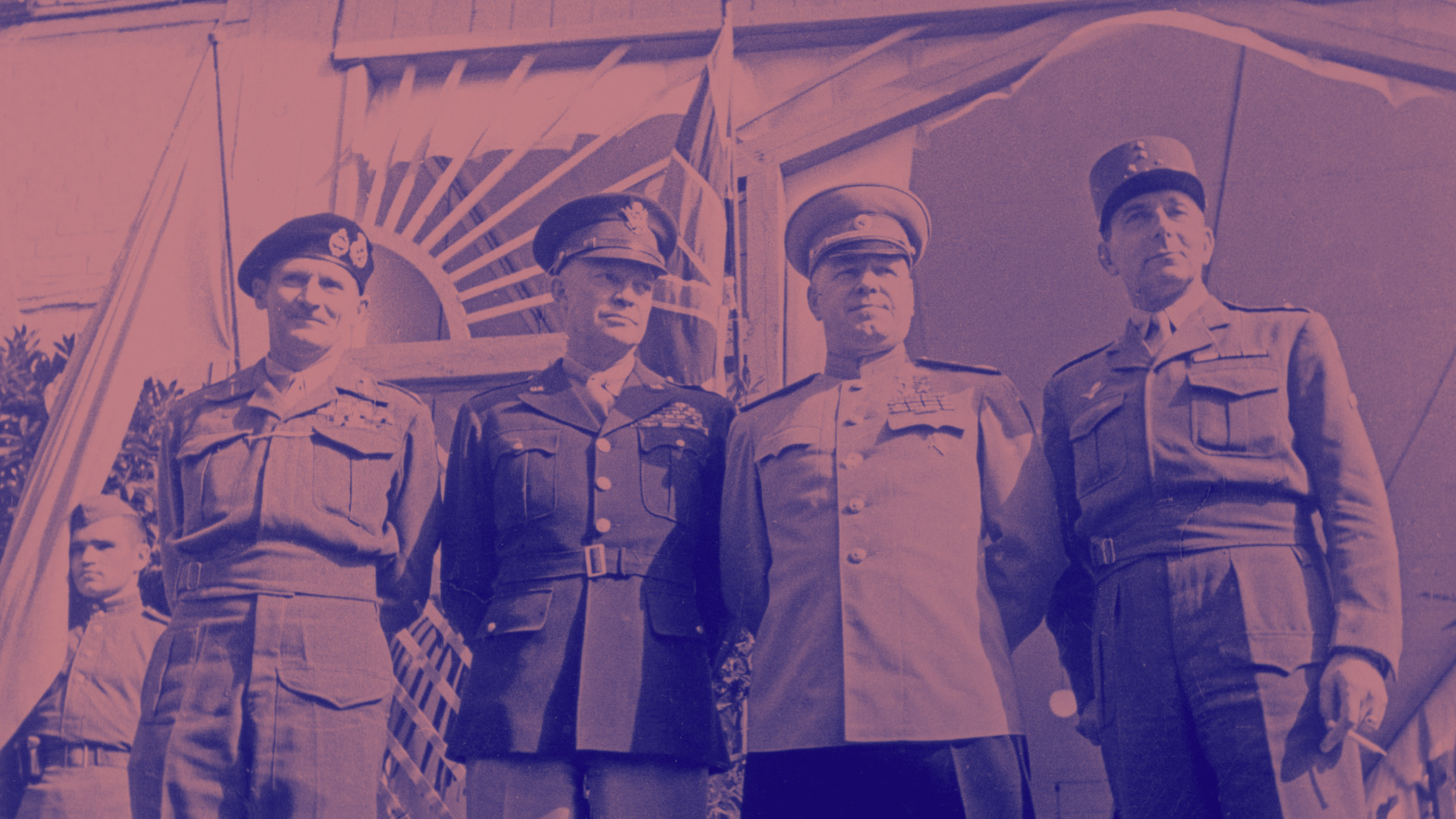
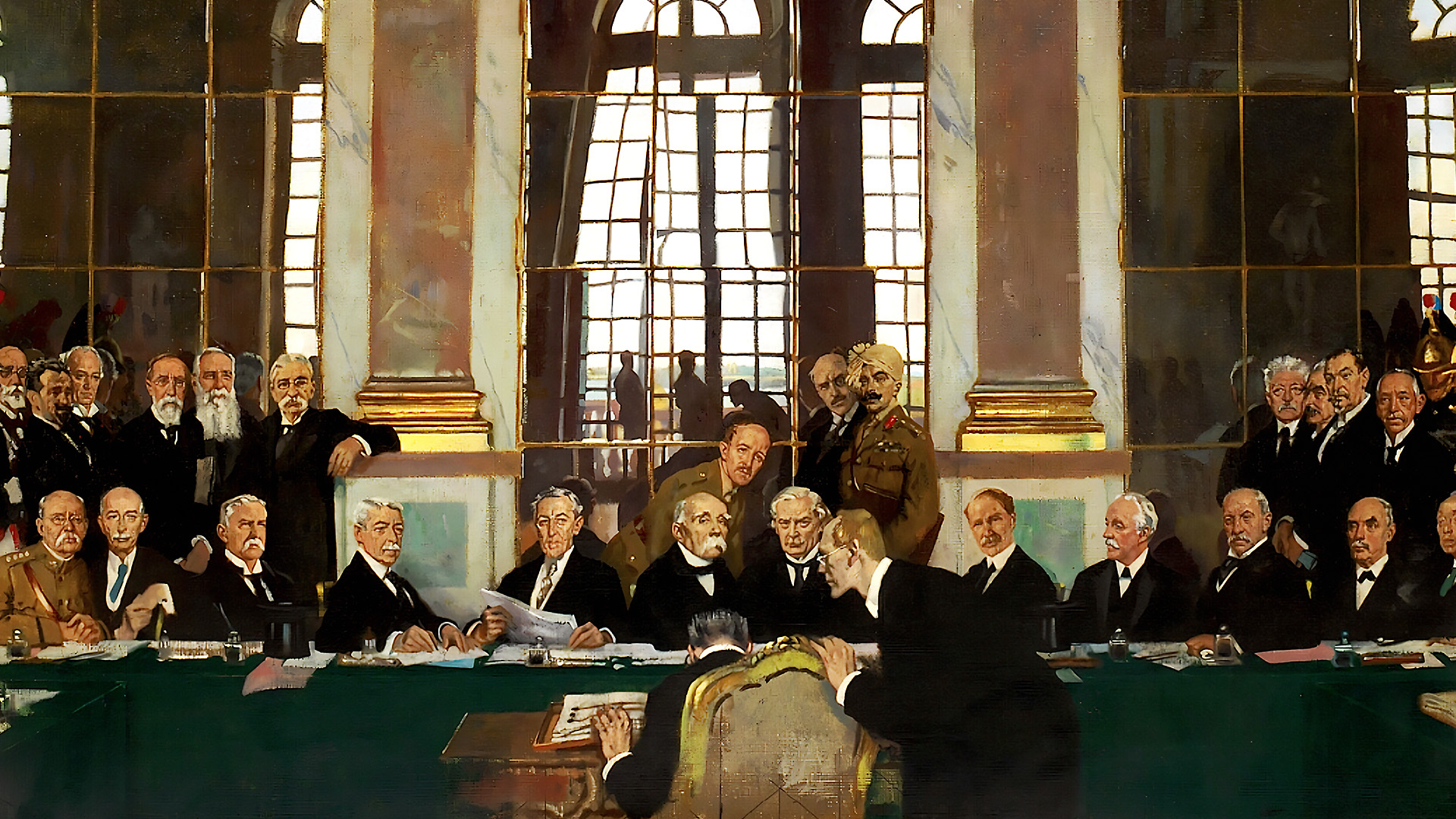
Historically often referred to as the “fallow month” – agricultural land set aside for regeneration was left unplanted in June – the sixth month of the year has witnessed many significant events in German history. The Treaty of Versailles was signed on 28 June 1919 and attributed sole blame for starting the First World War to the Germans. The widespread sense of injustice that this charge provoked hampered the development of the first democracy in Germany and prepared the ground for the establishment of the dictatorship of the Third Reich.
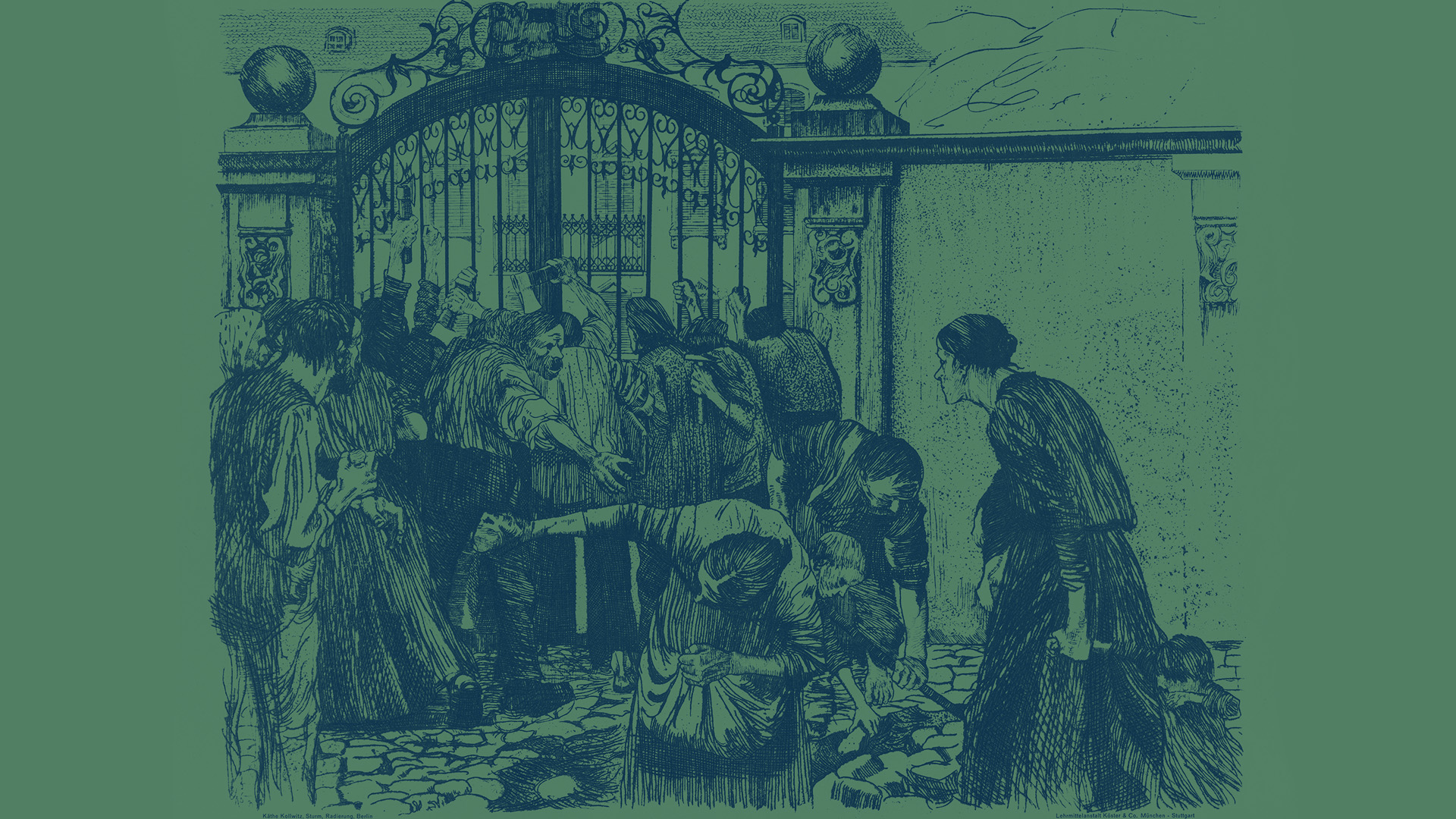
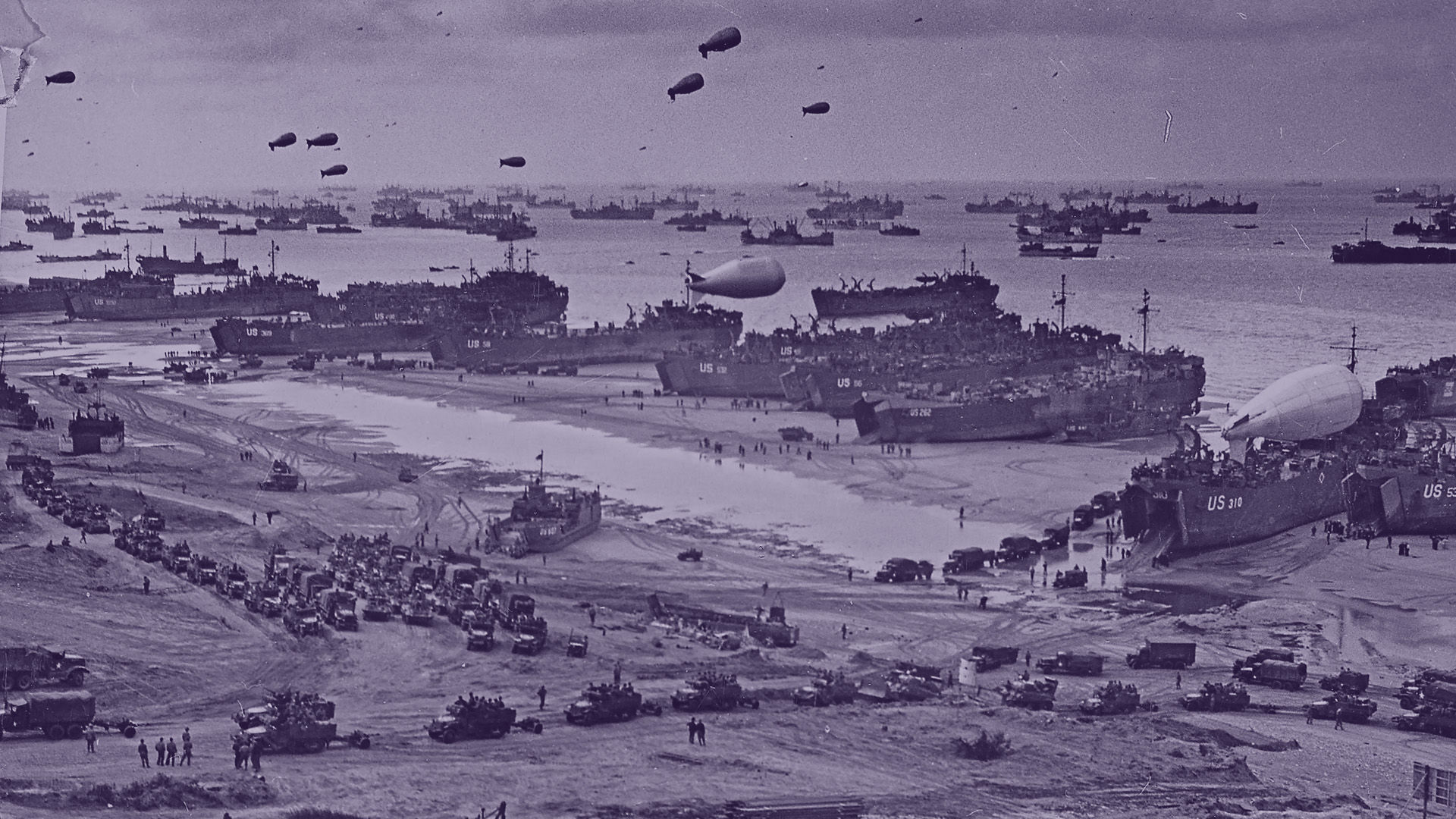
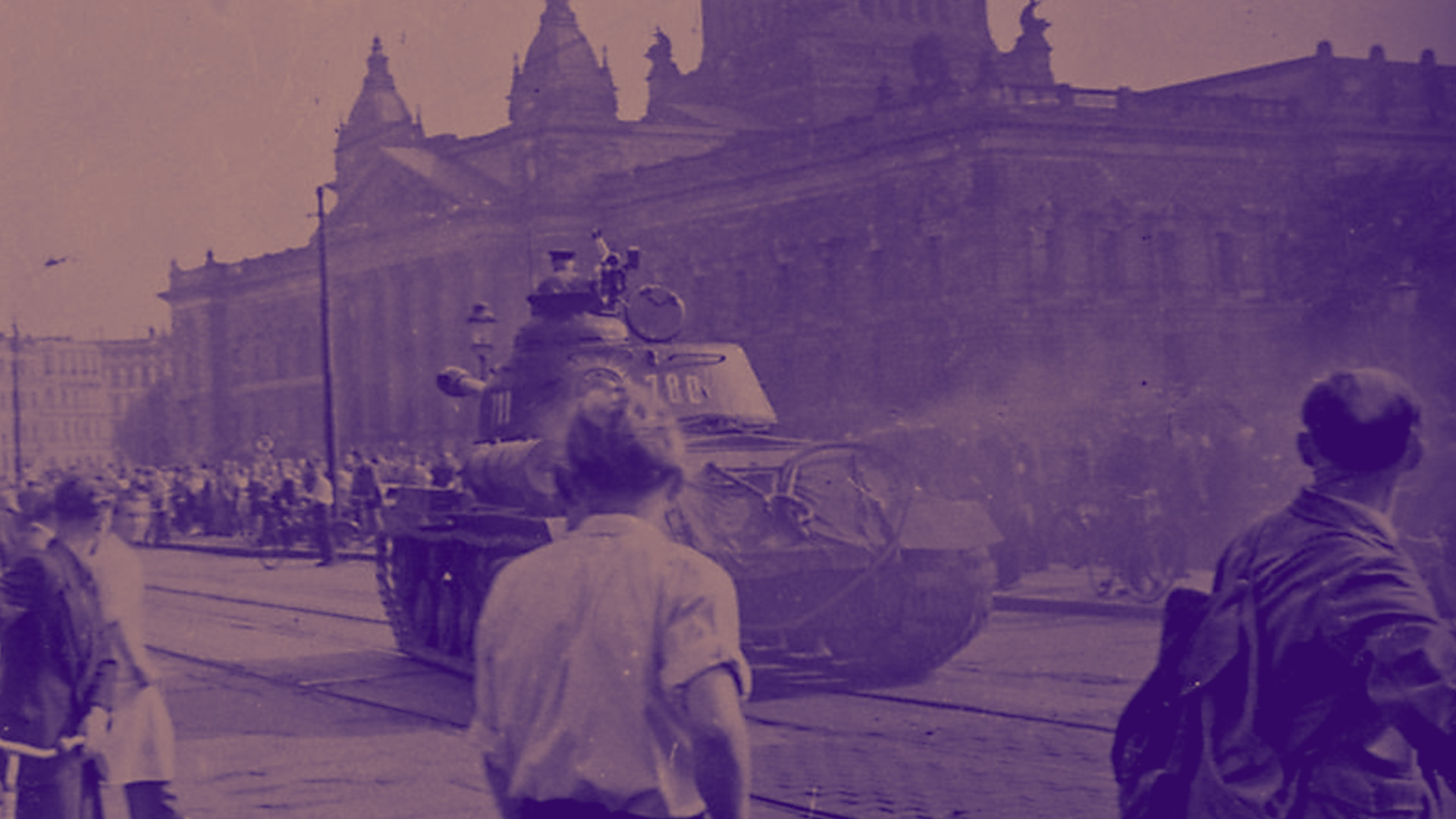
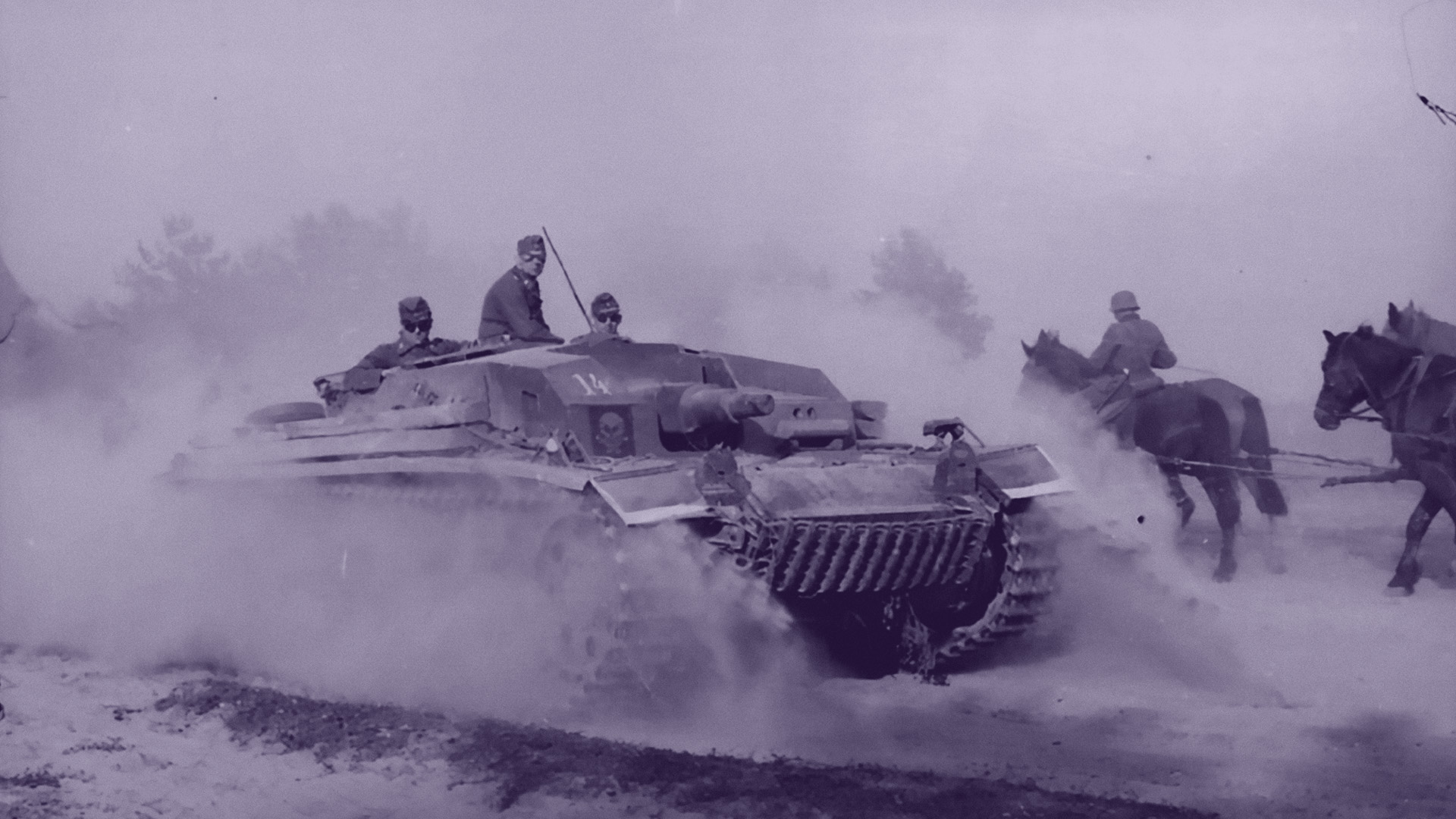
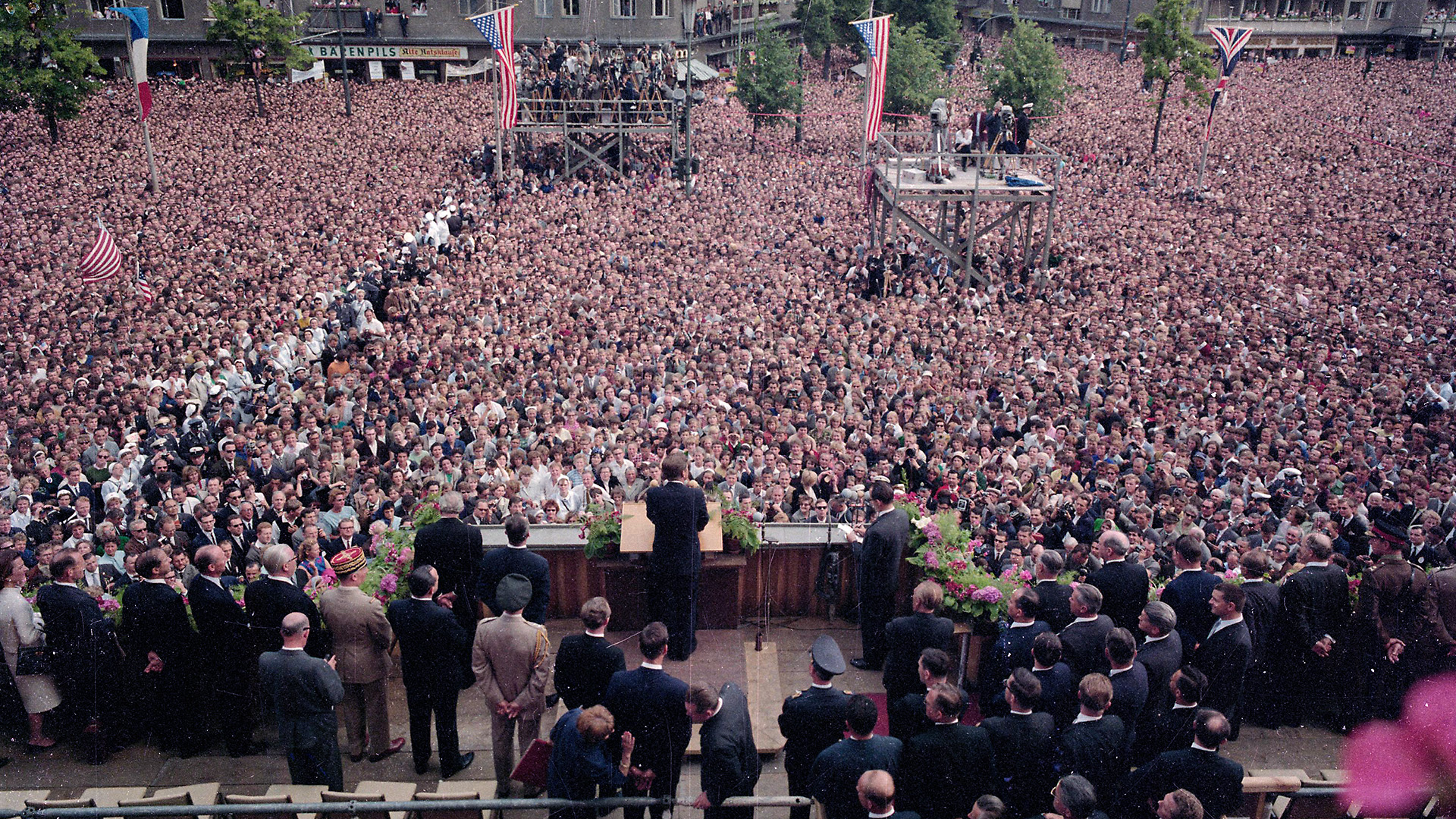
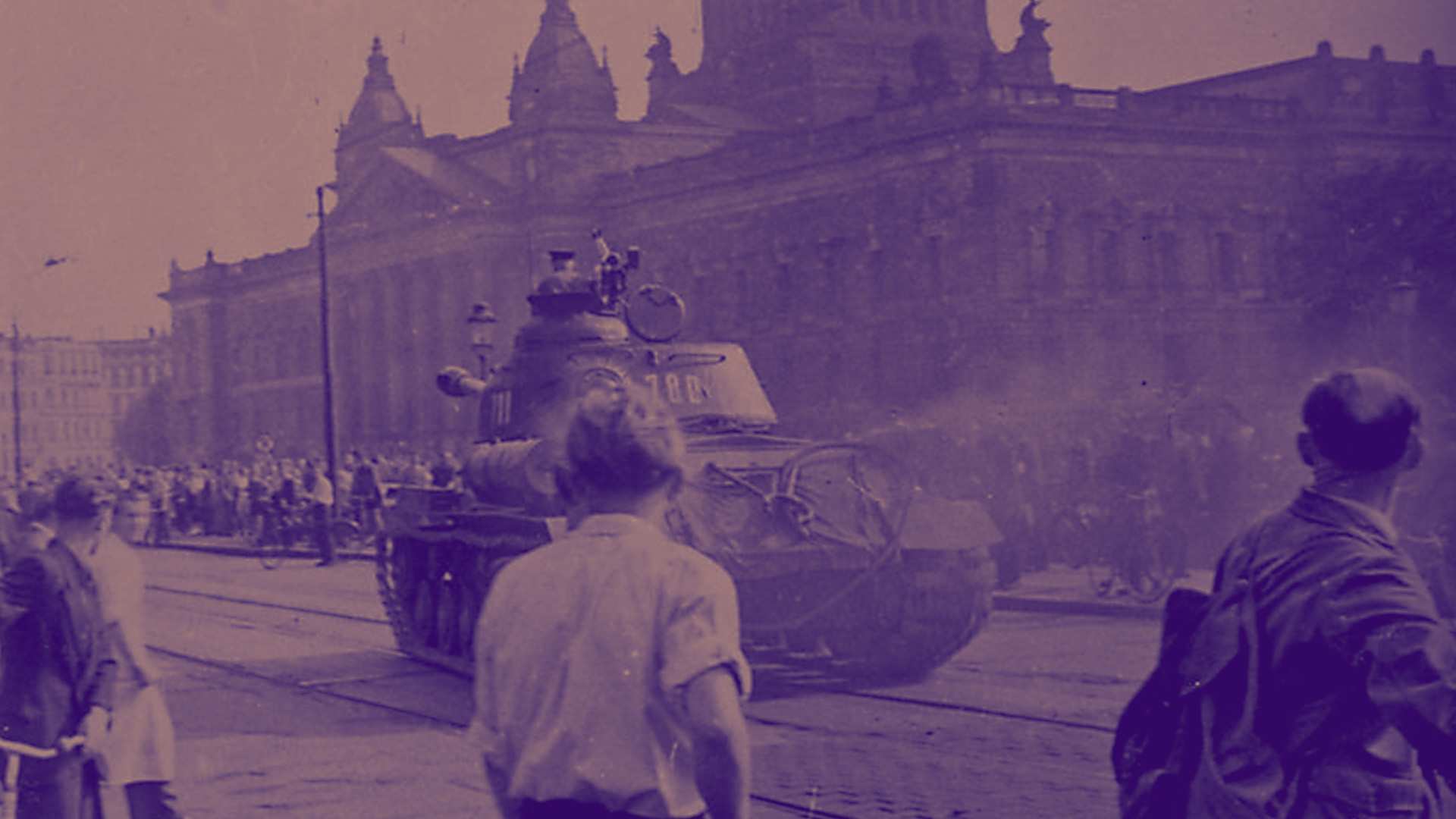
Other events that took place in June included Operation Barbarossa – Adolf Hitler’s invasion of the Soviet Union – which was launched on 22 June 1941 and the Allied landings in Normandy, which took place on D-Day, 6 June 1944. Both were important milestones in the Second World War. On 17 June 1953, East Germans took to the street in an uprising in the GDR, the brutal suppression of which marked a significant turning point in a divided Germany. With his famous words “Ich bin ein Berliner!” (“I am a Berliner!”), spoken whilst visiting Berlin on 25 June 1962, John F. Kennedy underscored the United States’ support for West Berliners during the Cold War.
June at a glance