April

The first recorded April Fools’ joke was played in Germany in the early 17th century. Whilst most people called April the Easter Month, its capricious weather made it unpopular with farmers, who grumbled about a month that was unable to make up its mind. This fluctuating weather pattern has been mirrored by significant developments in German history that are viewed as either excellent or terrible, depending on your point of view.
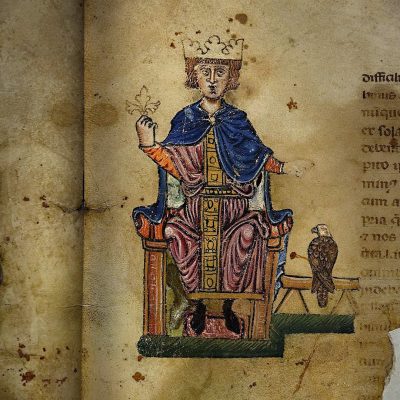
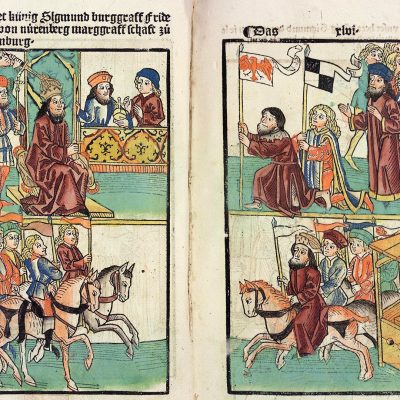
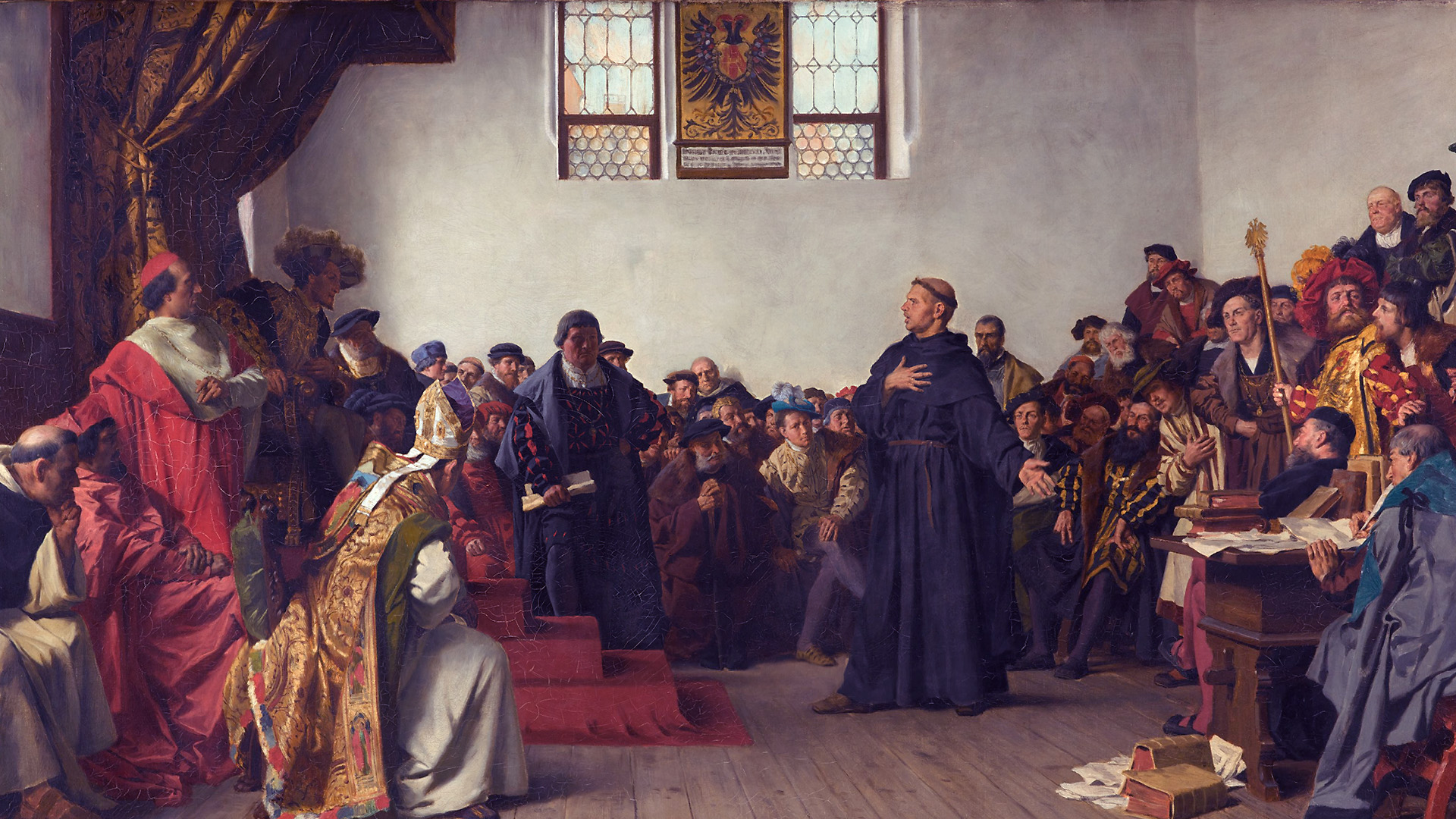
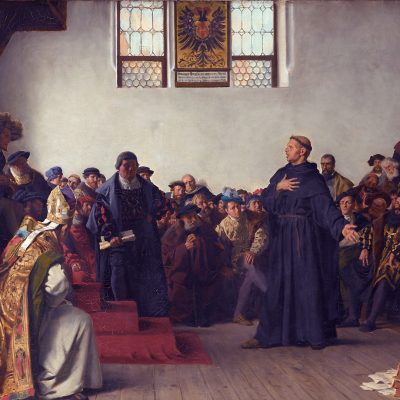
In the High Middle Ages, the Staufen emperor Frederick II entered an alliance with the princes of the Church on 26 April 1220. Granting them a number of political rights that he later extended to secular princes, this move established a level of stability in Germany that enabled Frederick to pursue his interests in Italy. Some regard this as fatal step that cemented disunity and prevented the necessary development of a strong centralized state; others praise Frederick for strengthening regional identity and the federal principle. As the modern era was dawning, at the Diet of Worms on 18 April 1521, Emperor Charles V sought to preserve the religious unity of his empire by forcing the reform-minded monk Martin Luther to retract his incendiary teachings. Allegedly uttering the words “Here I stand.
I can do no other. God help me, Amen”, Luther refused to recant, thereby causing a schism in the Church. Half a millennium later, in 1948, the Soviet dictator Joseph Stalin attempted to bring West Berlin under his control with the launch of the Berlin Blockade. The Western Allies responded with the Berlin Airlift, supplying its half of the city from the air for over a year. The gratitude of the Berliners facilitated the integration of the Federal Republic of Germany into the political system of the capitalist West, whilst East Germans were forced to continue living within the Soviet sphere of influence. The division of Germany lasted until 1990.
April at a glance
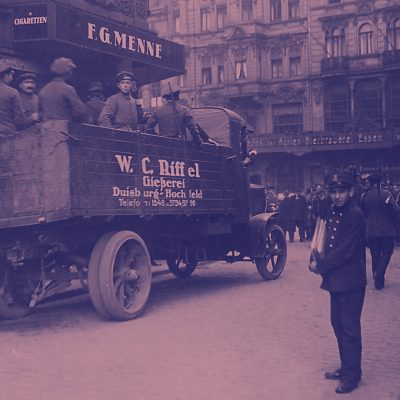
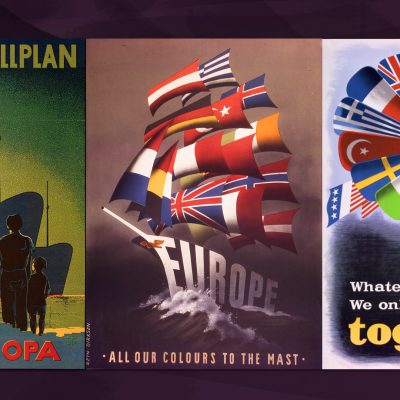

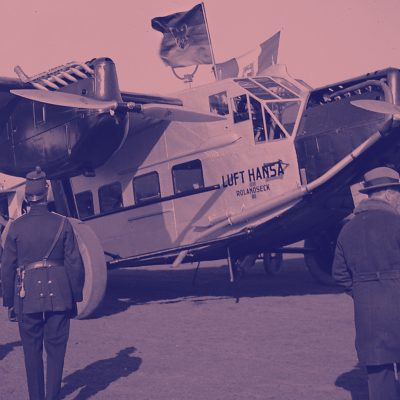
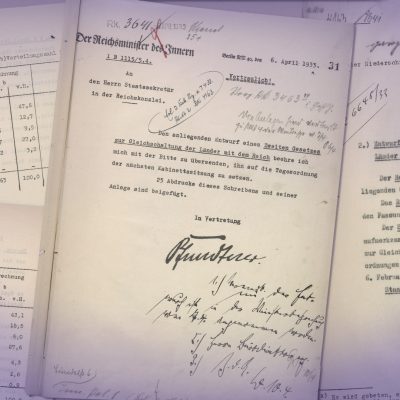
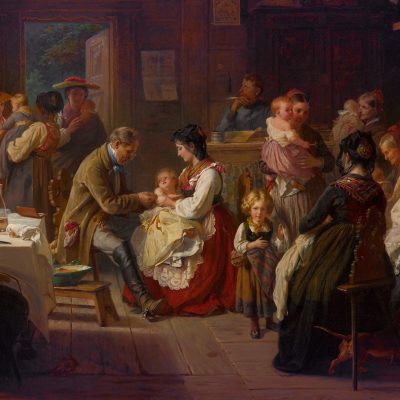

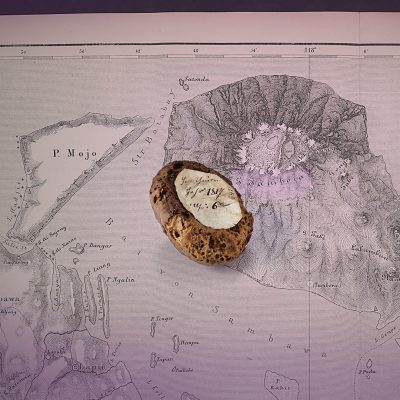
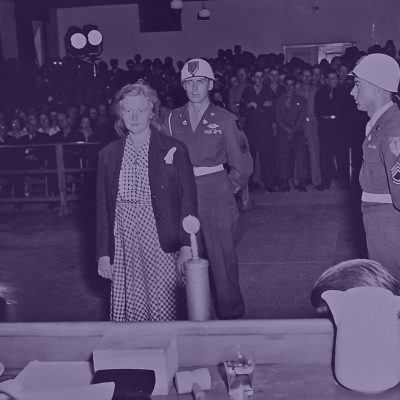
![Unter den Unterzeichnern sind die Nobelpreisträger Otto Hahn, Werner Heisenberg und Max Born [digital koloriert] (Quelle: Landesarchiv BW Staatsarchiv Freiburg, CC-BY-SA)](https://www.deutschlandmuseum.de/wp-content/uploads/2025/04/12041957_Göttinger_Erklärung-400x400.jpg "Unter den Unterzeichnern sind die Nobelpreisträger Otto Hahn, Werner Heisenberg und Max Born [digital koloriert] (Quelle: Landesarchiv BW Staatsarchiv Freiburg, CC-BY-SA)")




](https://www.deutschlandmuseum.de/wp-content/uploads/2025/04/21041946_SED_Gründung-1-400x400.jpg "Vereinigungsparteitag von KPD und SPD zur SED [digital koloriert](Quelle: Deutsche Fotothek, CC BY-SA 3.0 DE)")