November

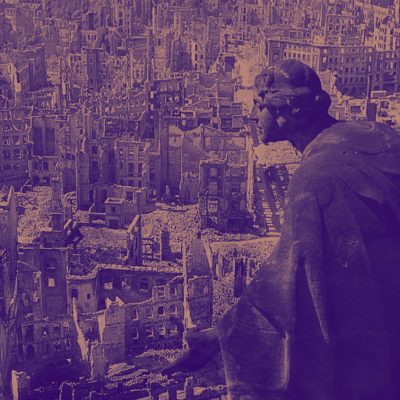
November has traditionally been a month of remembrance. The Catholic Church designated two of days of mourning – All Saints’ Day and All Souls’ Day – as well as a day of celebration: St Martin’s Day. A secular addition to this culture of commemoration came in 1919: Remembrance Sunday was introduced two weeks before Advent Sunday to commemorate the German war dead of the Great War of 1914-1918 and then later of the Second World War. A week later, Protestant’s mark Totensonntag to commemorate the faithful departed. In what used to be known as the ecclesiastical “Month of Mourning”, modern Germans commemorate several events that have left a deep imprint on their collective memory.
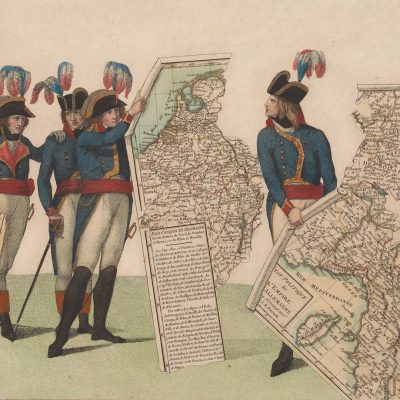
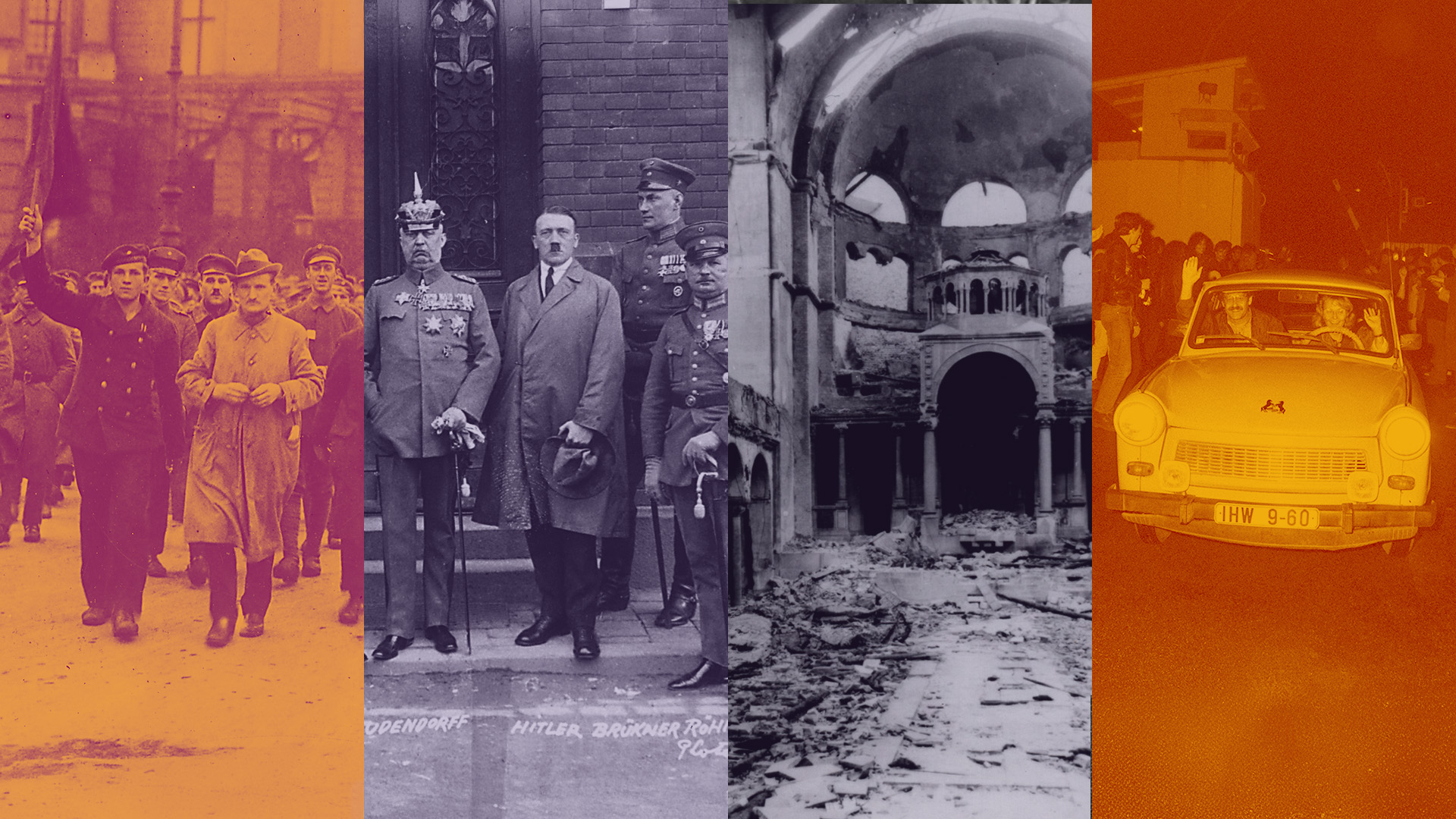
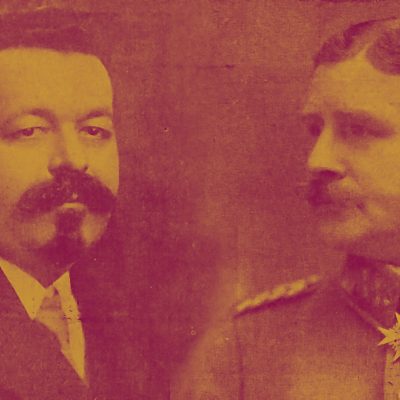
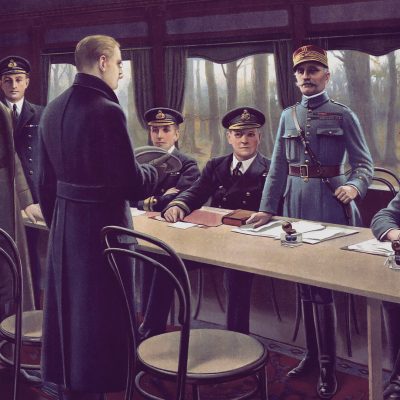
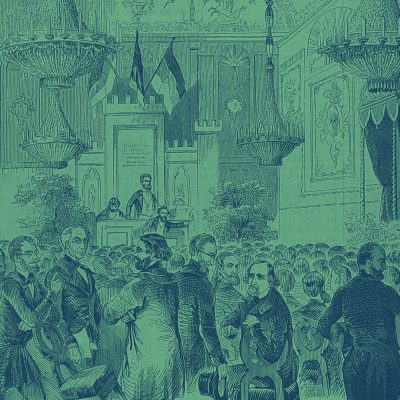
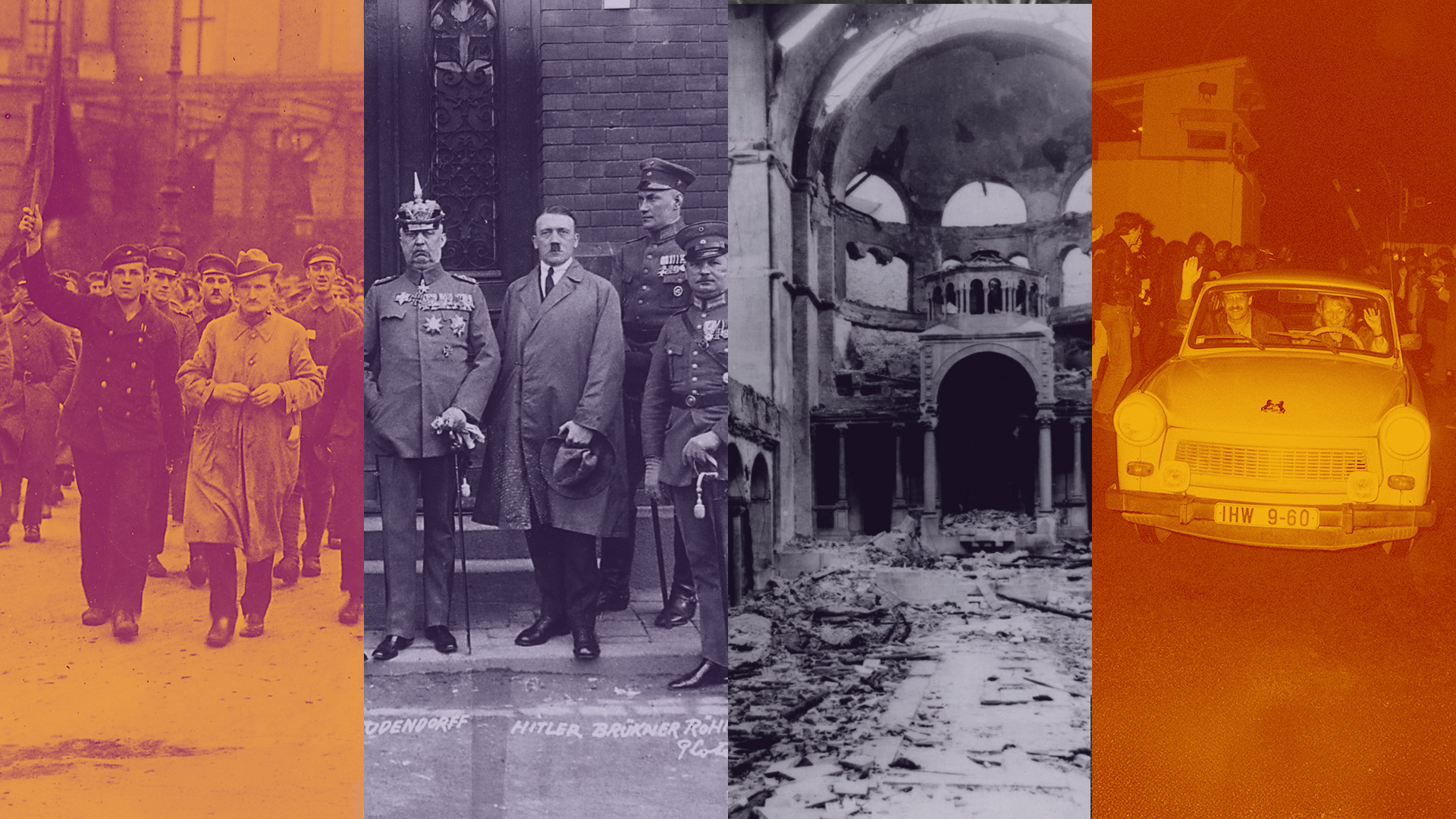
The annexation of the area west of the Rhine by France on 4 November 1797 established France as Germany’s “hereditary enemy”, an enmity that was not overcome until after the Second World War. 9 November is often regarded as the “fateful day” of German history. Whilst the November Revolution of 1918 led to the overthrow of monarchical rule and the declaration of a republic on the ninth, 9 November 1938 saw the “Night of Broken Glass” opening the curtain on a new more brutal phase of terror against German Jews.
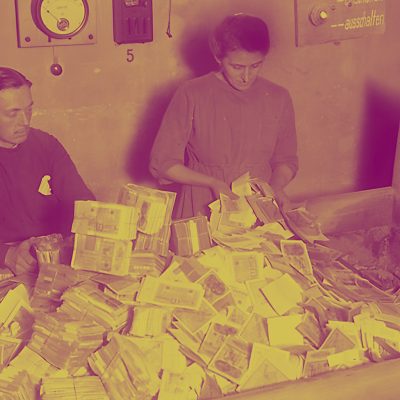
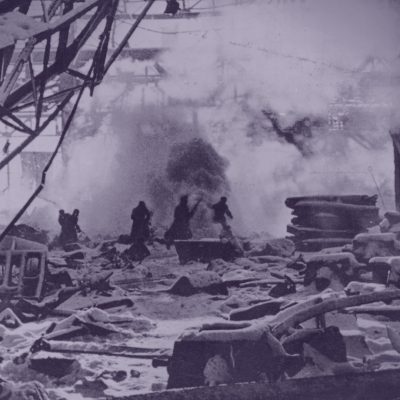
These two events were joined in 1989 by the fall of the Berlin Wall which symbolizes the end of the DDR. Other significant events that took place in November include a currency reform on 15 November 1923 that put an end to the hyperinflation of the early Weimar Republic. 23 November 1942 saw the completion of the encirclement of the German 6th Army at Stalingrad, which marked a turning point in the Second World War.
November at a glance