August
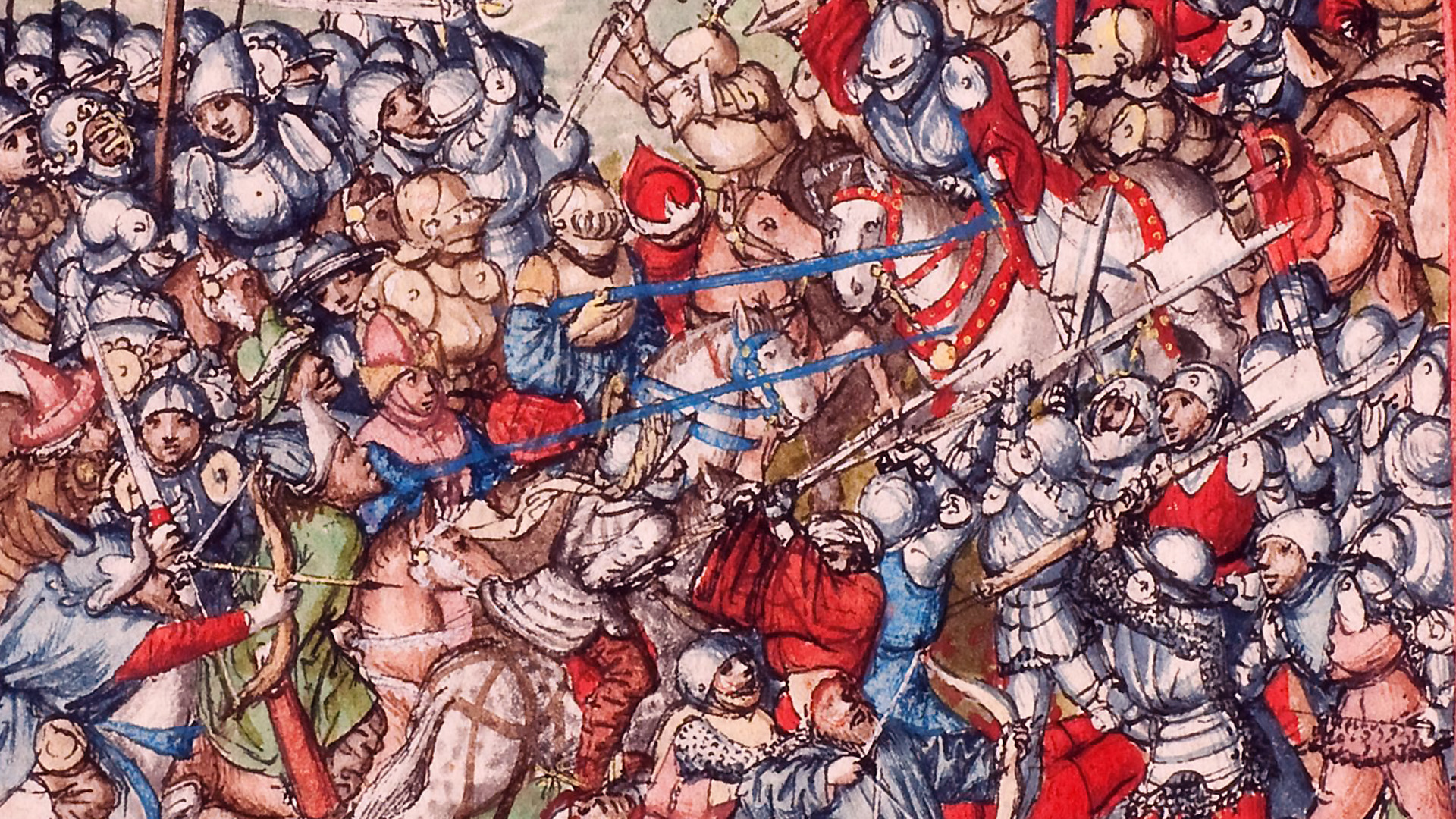

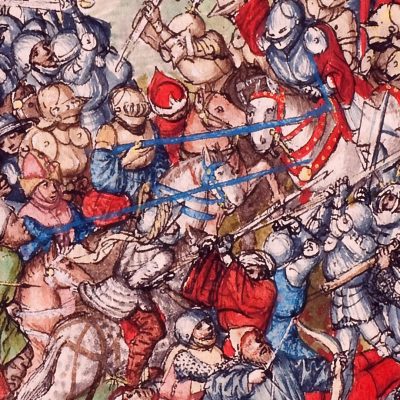
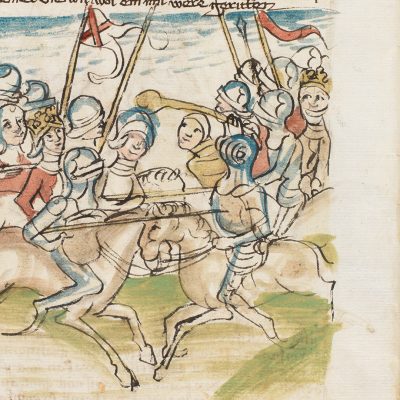
August was always the time when the rich and powerful could gauge how much richer and more powerful the harvest had made them, whilst the little people knew how hard the winter was going to be. It was in August that the powerful men made important decisions. By beating the Hungarians in the Battle of Lechfeld on 10 August 955, Otto I of East Francia laid the foundations for his subsequent coronation as Emperor.
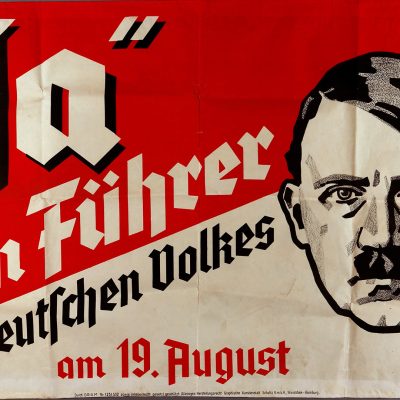
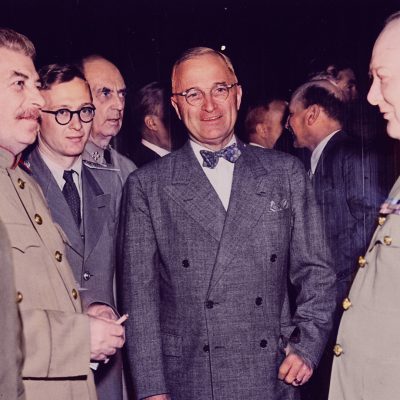
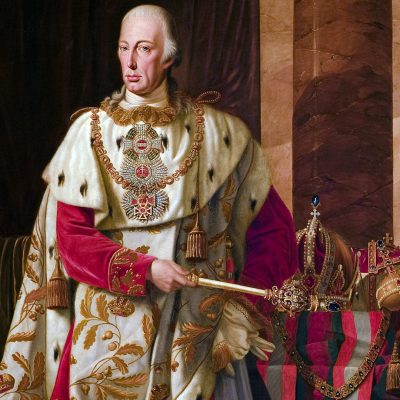
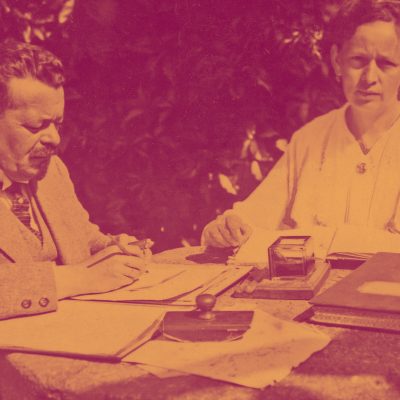
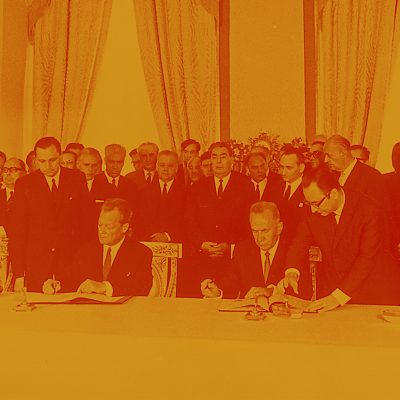
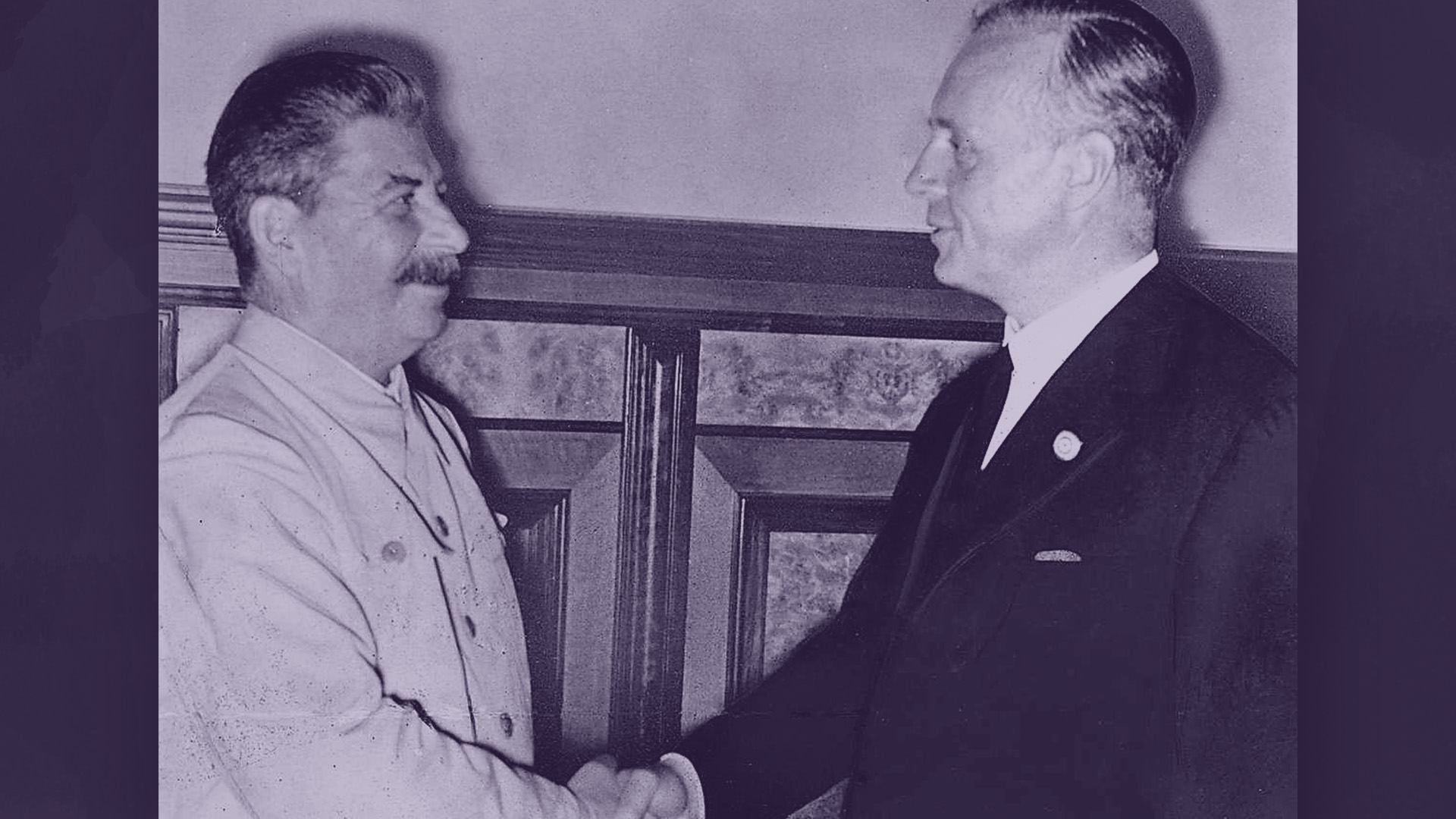
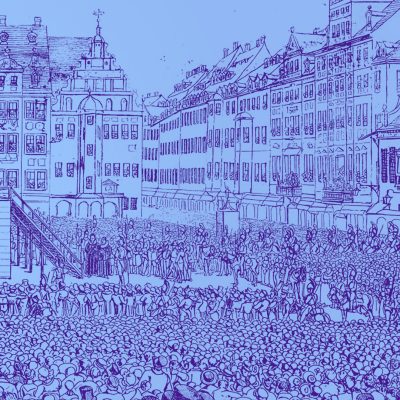
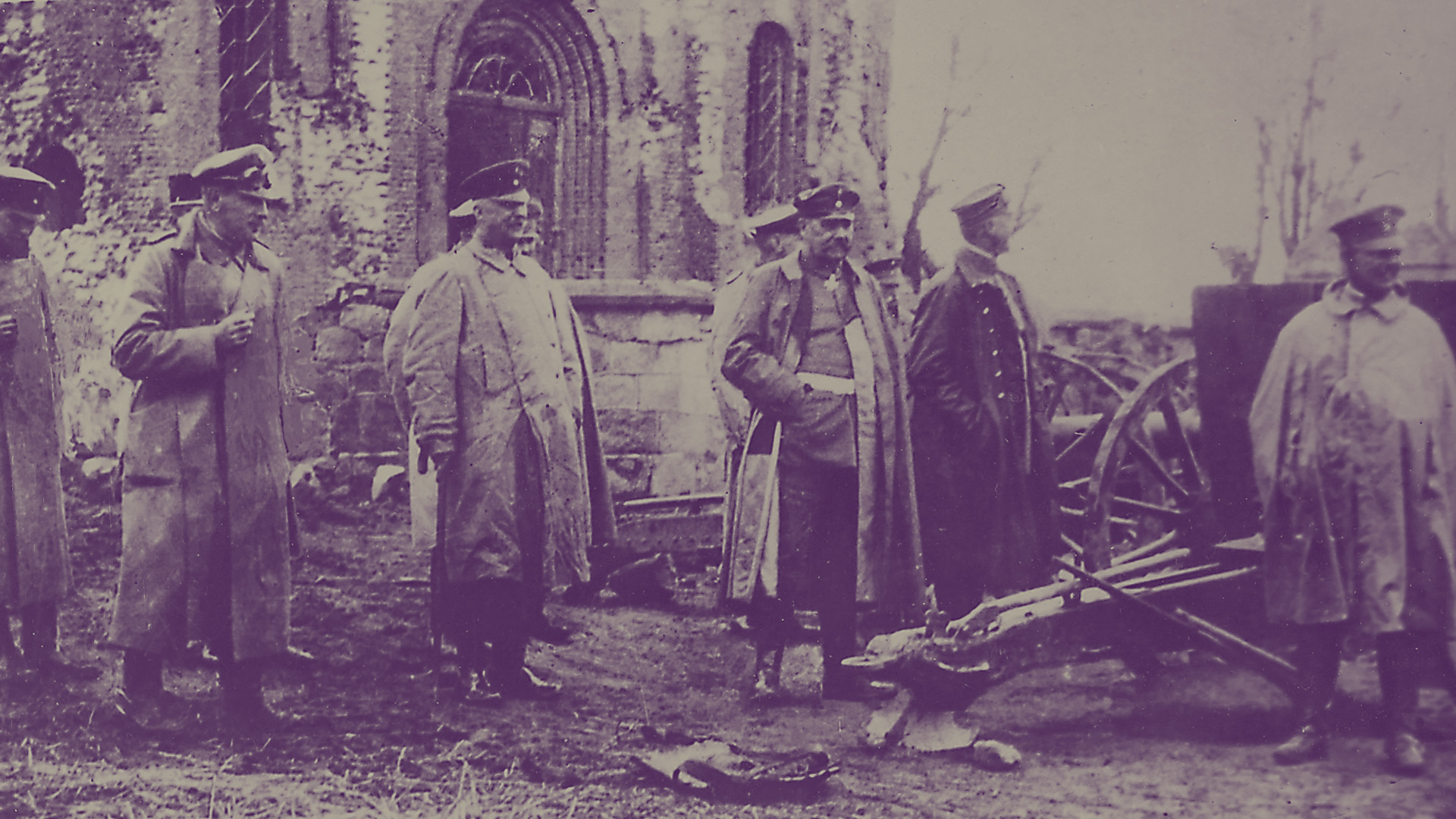
The resulting establishment of the Holy Roman Empire marked the beginning of a process that would culminate in the formation of the German nation. Centuries later, after most of the German states had allied themselves with Napoleon’s French Empire, Holy Roman Emperor Francis II decided to abdicate on 6 August 1806. This marked the end of the Holy Roman Empire of the German Nation. After exacting the unconditional surrender of the Third Reich in the Second World War, the victorious powers met at the Potsdam Conference on 2 August 1945 to decide the fate of the German nation.
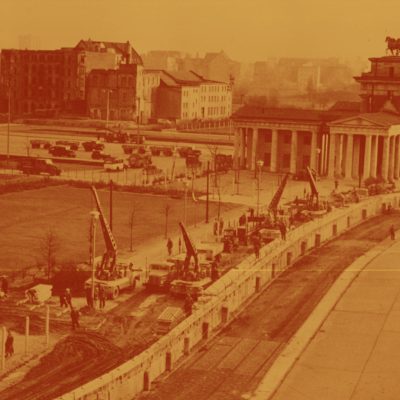
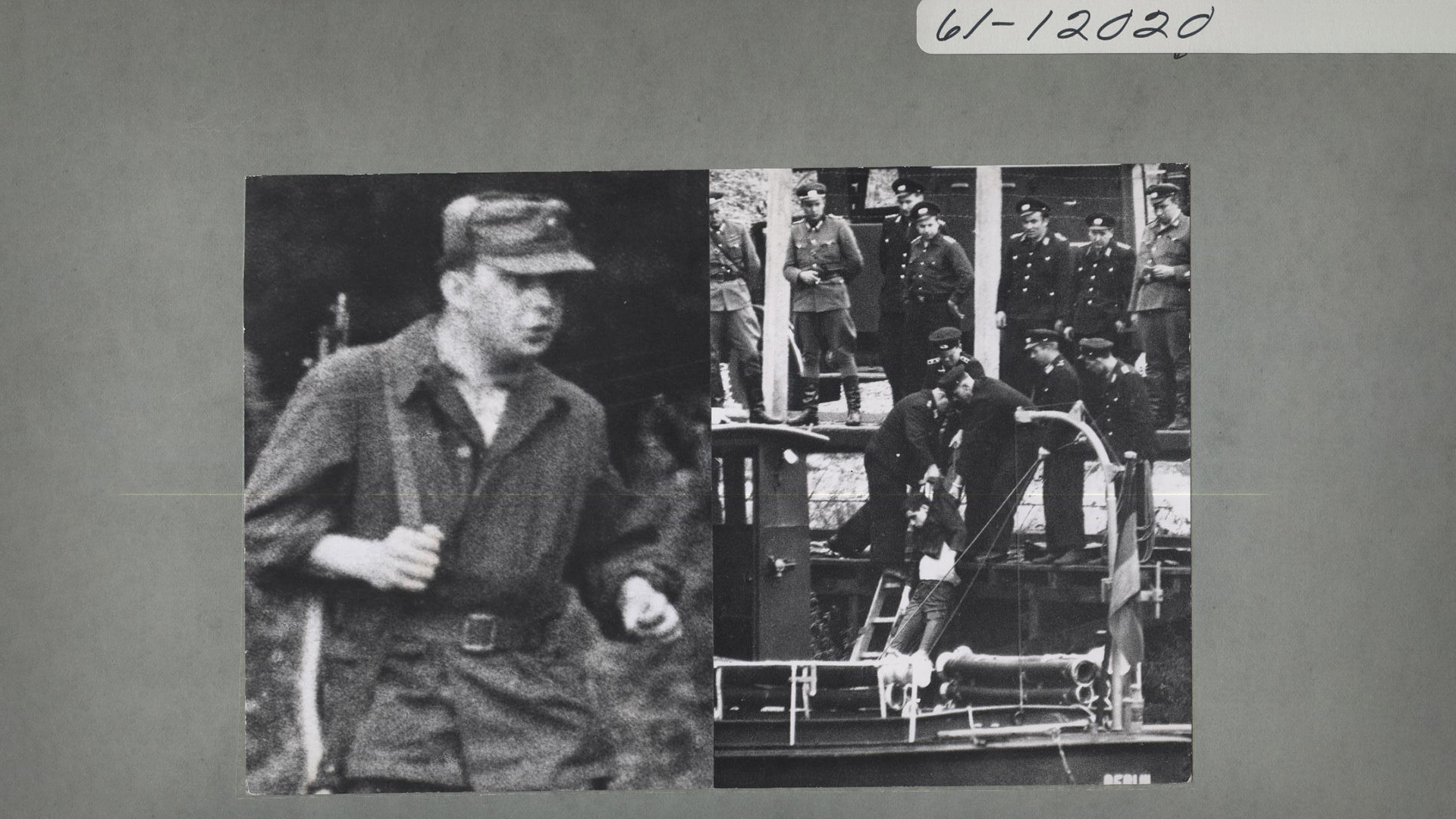
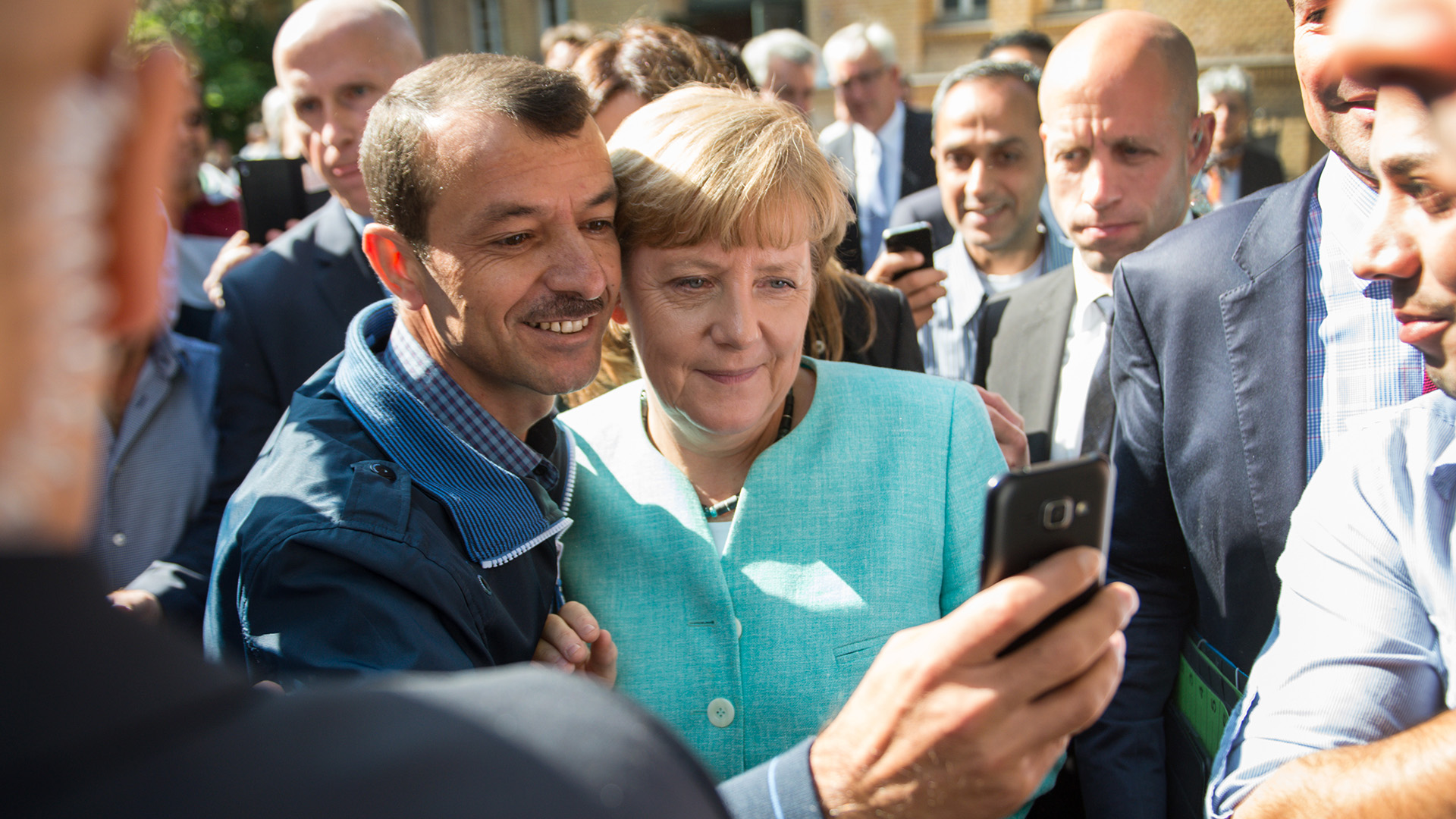
The appalling crimes of the Third Reich meant that they felt the need to cut Germany down to size and they decided to establish the Oder and Neisse rivers as the new eastern border of Germany. More than twelve million Germans were forced to leave their ancestral homes and arrived in the Allied occupation zones as refugees. 13 August 1961 saw the construction of the Berlin Wall. Erected to stop East Germans from fleeing the DDR, the Wall temporarily cemented the division of the nation.
August at a glance