

Two people die in street battles between police and students
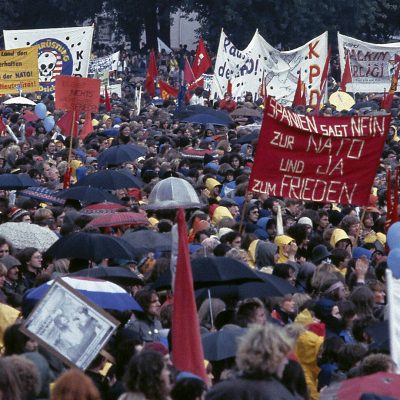
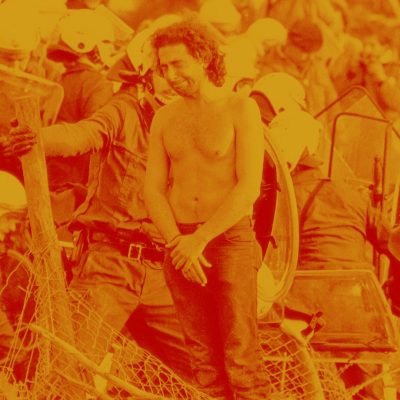
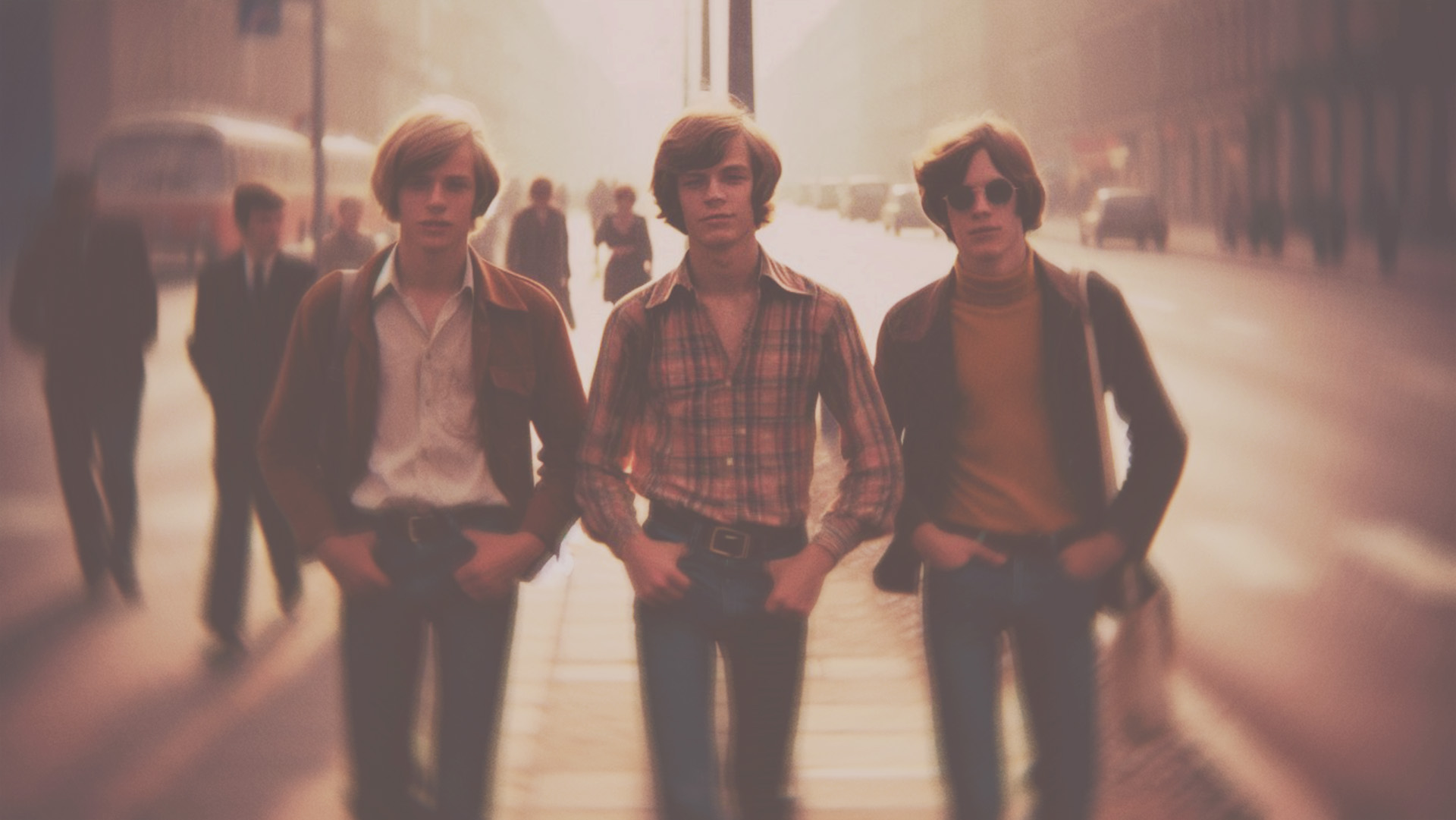
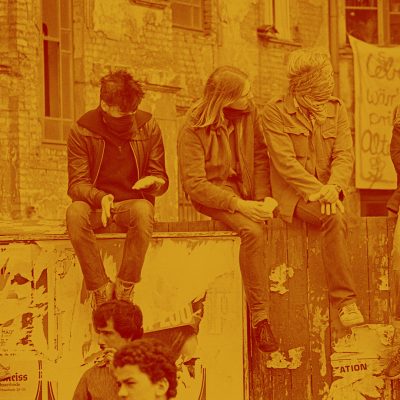
The pan-European left-wing student movement reached its high point in 1968. Whilst the youth of the world was angry with capitalism in general and the Vietnam War in particular, the German branch of the student revolt also focussed on the Nazi past of certain influential Germans and plans to enact emergency laws, which many saw as a new Enabling Act. Also campaigning for an anti-authoritarian education, the students styled themselves as the extra-parliamentary opposition (“APO”) to the ruling Grand Coalition of SPD and CDU which had been in power since 1966. After the shooting of a demonstrating student in 1967 and a failed assassination attempt on student leader Rudi Dutschke on 11 April 1968, the atmosphere at the universities became increasingly heated and tense.
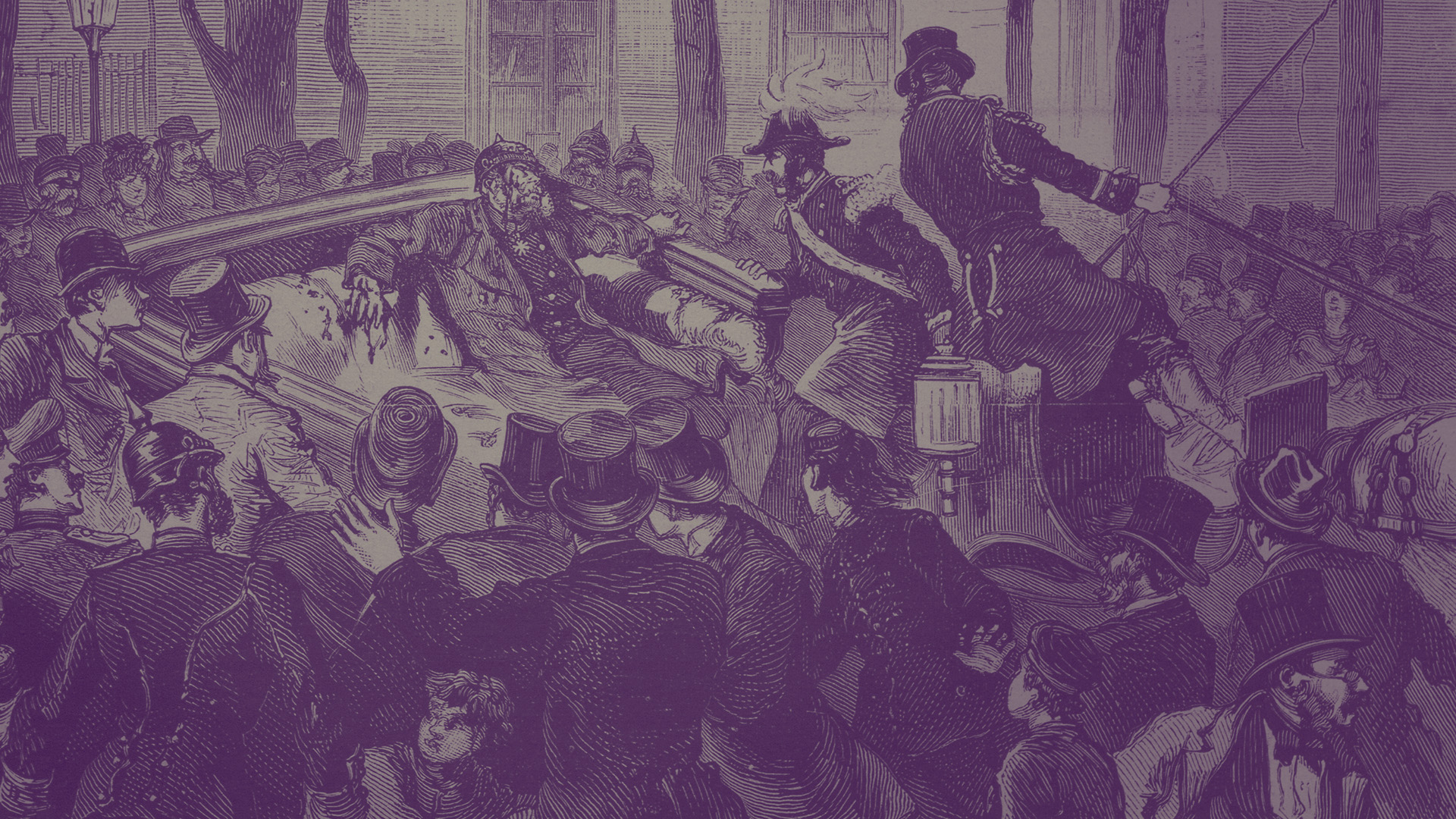
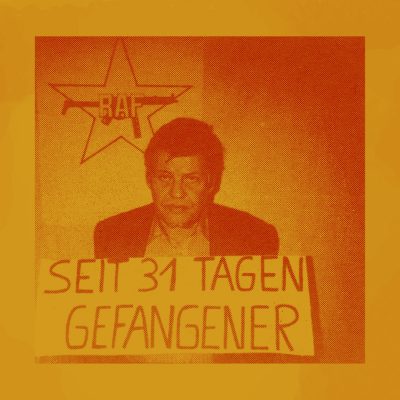
A series of riots reached their climax on Easter Monday, 15 April. During a disturbance in Munich, a photo reporter and a student were killed – either following an assault or after suffering injuries from thrown objects – and it was not possible to determine whether the perpetrators had been students or police. A few weeks later, the emergency laws were passed and the student movement split. Whilst a minority of the protesters formed the terrorist Baader-Meinhof Gang, the majority finished their studies, took up jobs and began what became known as the “long march through the institutions”.

The whole year at a glance



![Lithografie von Johann Nepomuk Heinemann [koloriert], nach Ölgemälde von Feodor Dietz (Foto: LABW, GLAK)](https://www.deutschlandmuseum.de/wp-content/uploads/2025/02/02031689_Zerstoerung_Heidelbergs-400x400.jpg "Lithografie von Johann Nepomuk Heinemann [koloriert], nach Ölgemälde von Feodor Dietz (Foto: LABW, GLAK)")


![Unter den Unterzeichnern sind die Nobelpreisträger Otto Hahn, Werner Heisenberg und Max Born [digital koloriert] (Quelle: Landesarchiv BW Staatsarchiv Freiburg, CC-BY-SA)](https://www.deutschlandmuseum.de/wp-content/uploads/2025/04/12041957_Göttinger_Erklärung-400x400.jpg "Unter den Unterzeichnern sind die Nobelpreisträger Otto Hahn, Werner Heisenberg und Max Born [digital koloriert] (Quelle: Landesarchiv BW Staatsarchiv Freiburg, CC-BY-SA)")



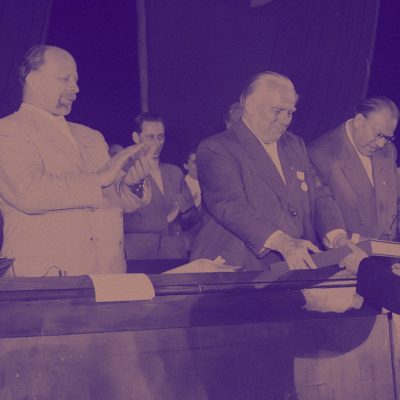
](https://www.deutschlandmuseum.de/wp-content/uploads/2025/04/21041946_SED_Gründung-1-400x400.jpg "Vereinigungsparteitag von KPD und SPD zur SED [digital koloriert](Quelle: Deutsche Fotothek, CC BY-SA 3.0 DE)")






![Alexander von Humboldt [Ausschnitt], Gemälde von Friedrich Georg Weitsch (Quelle: Alte Nationalgalerie)](https://www.deutschlandmuseum.de/wp-content/uploads/2025/09/14091769_Humboldt-400x400.jpg "Alexander von Humboldt [Ausschnitt], Gemälde von Friedrich Georg Weitsch (Quelle: Alte Nationalgalerie)")


![Albert Einstein im Patentamt Bern, 1905 [digital koloriert] (Quelle: ETH-Bibliothek Zürich)](https://www.deutschlandmuseum.de/wp-content/uploads/2025/09/26091905_Einstein_koloriert-400x400.jpg "Albert Einstein im Patentamt Bern, 1905 [digital koloriert] (Quelle: ETH-Bibliothek Zürich)")