
Bonn is named as the seat of the West German government
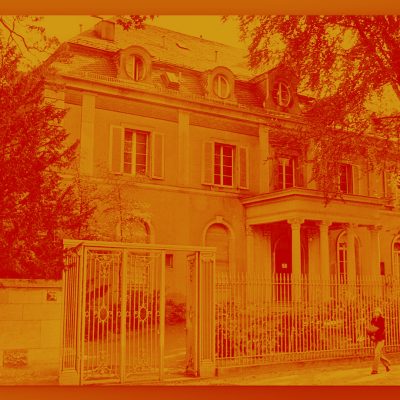
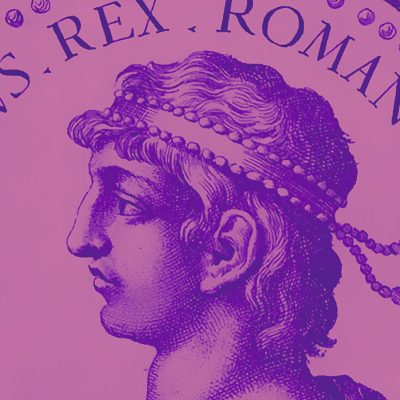
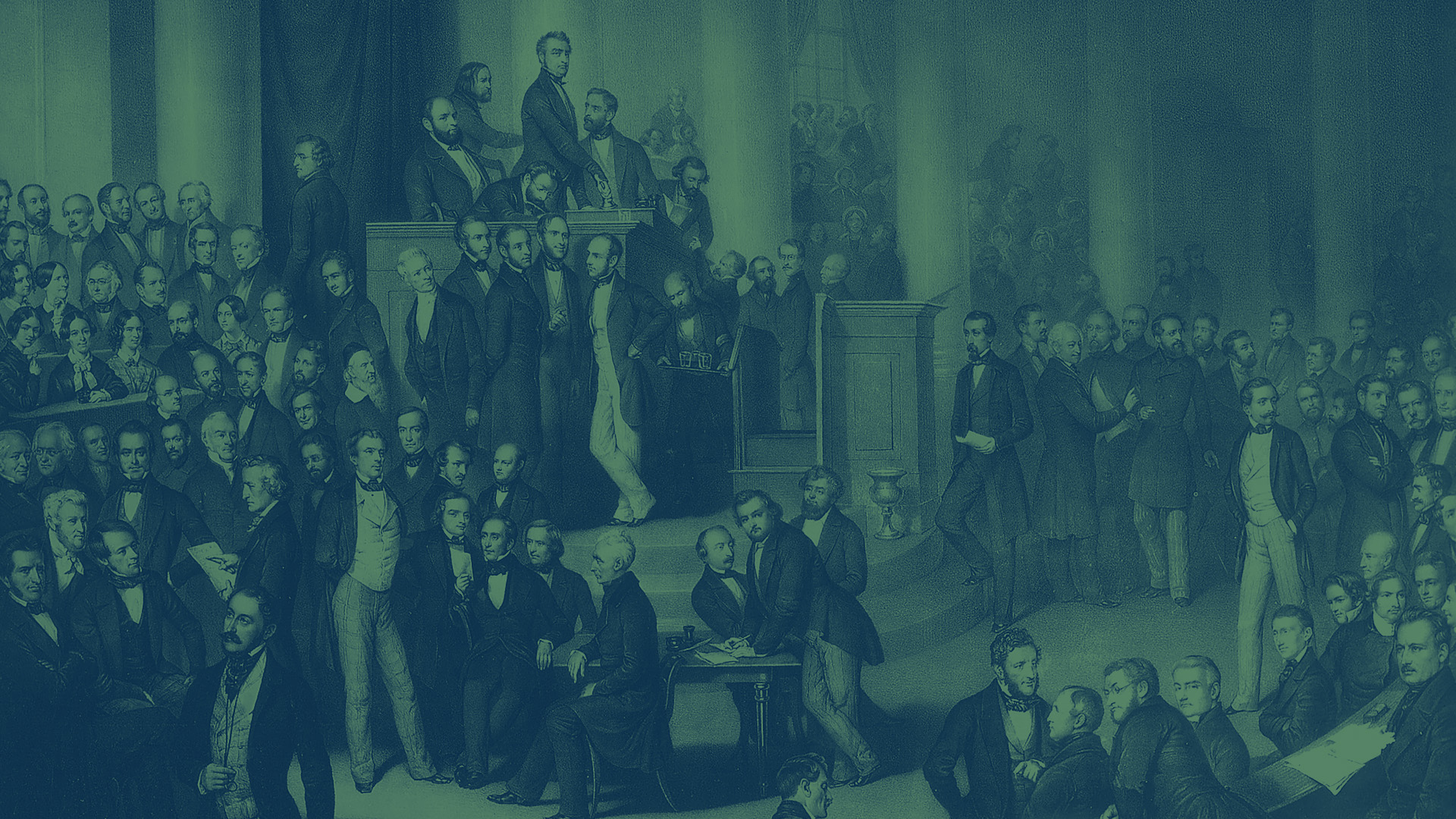
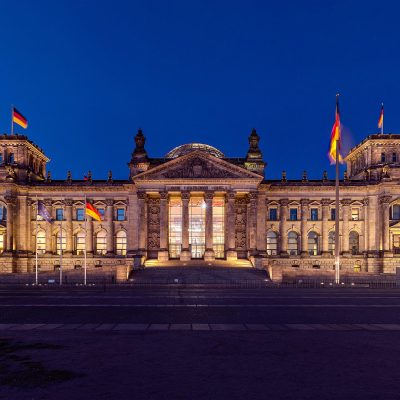
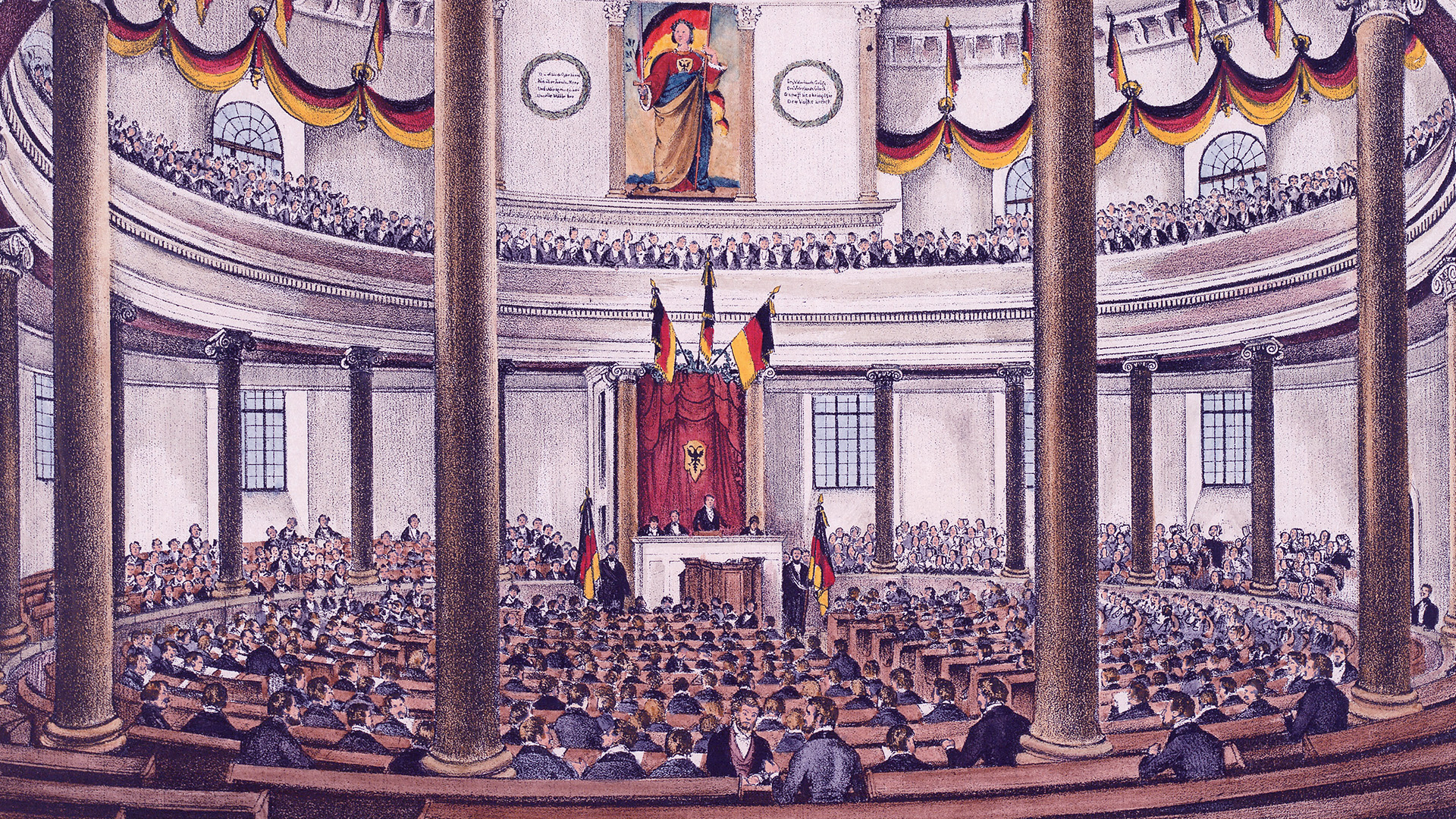
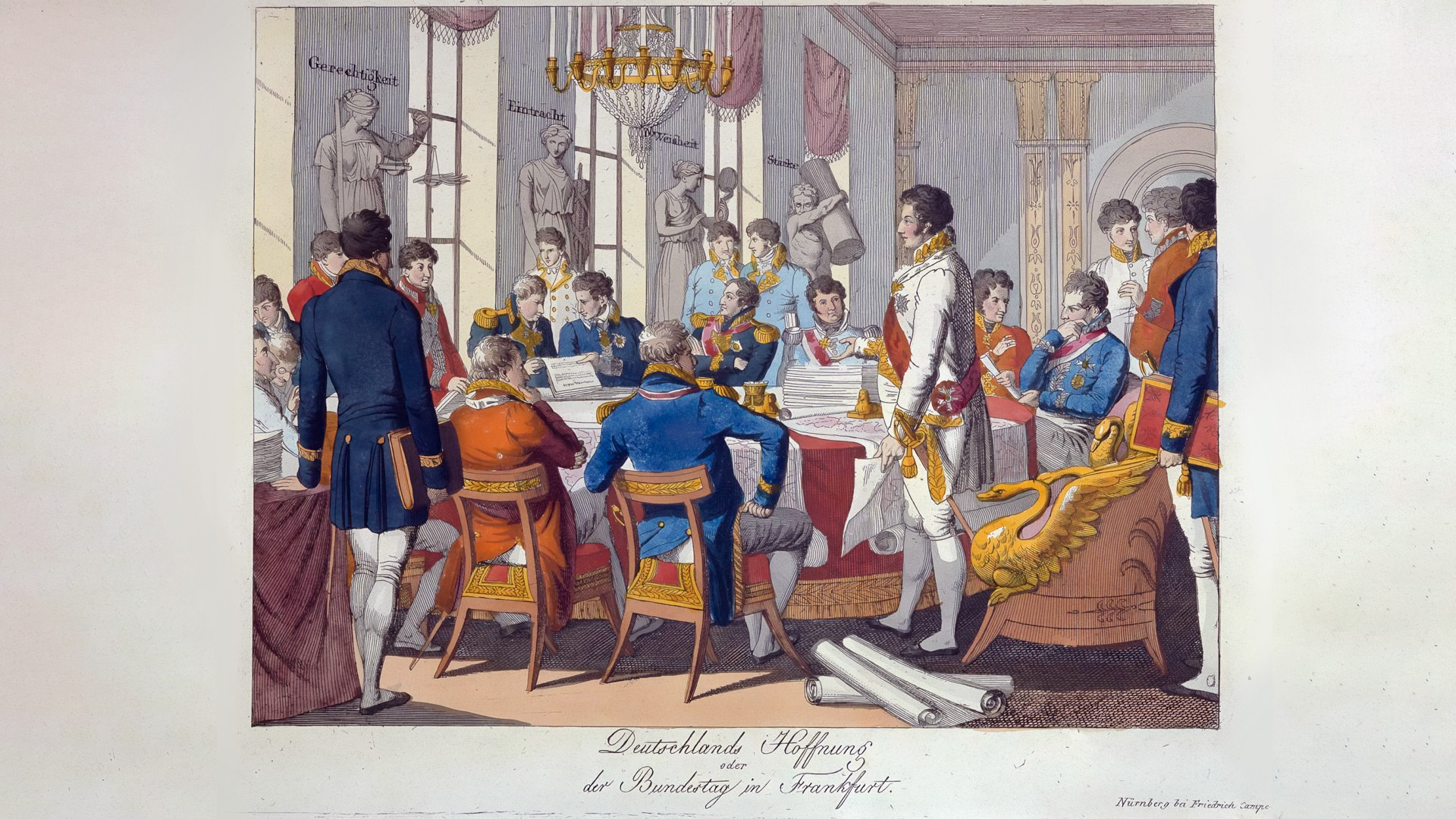
After the decision had been taken to merge the three Western zones of occupation into a single state, the Western Allies had to choose a capital city from which the new country was to be administered. Trapped as it was in the Soviet zone of occupation and administered by the four victorious powers, the old imperial capital Berlin was not a feasible option. After Kassel and Stuttgart had been ruled out, the choice fell between Frankfurt (Main) and Bonn. Frankfurt was the front runner. Its advantages were clear: the medieval Roman-German kings and emperors had been elected here; it was home to St Paul’s Church, the seat of the first freely elected all-German parliament; and it was located in the middle of Germany. It was also the location of the Economic Council of the Western zones, which already performed a range of administrative functions.
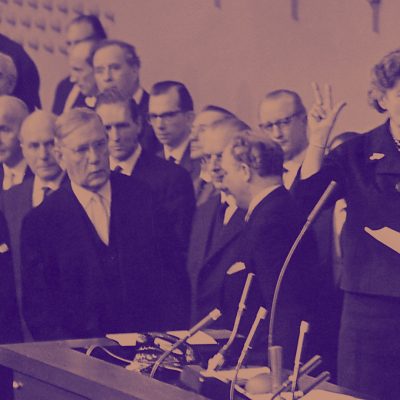
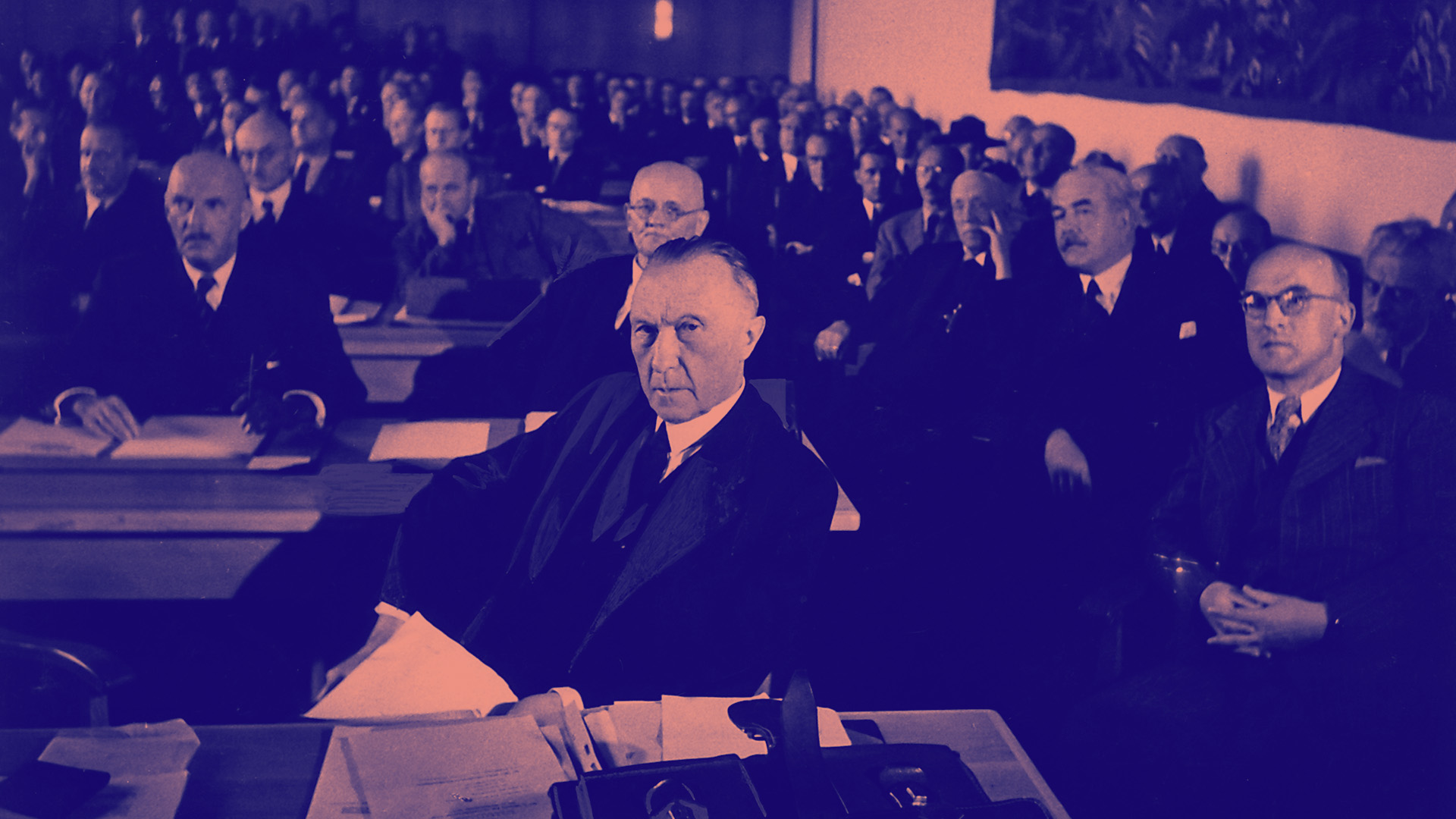
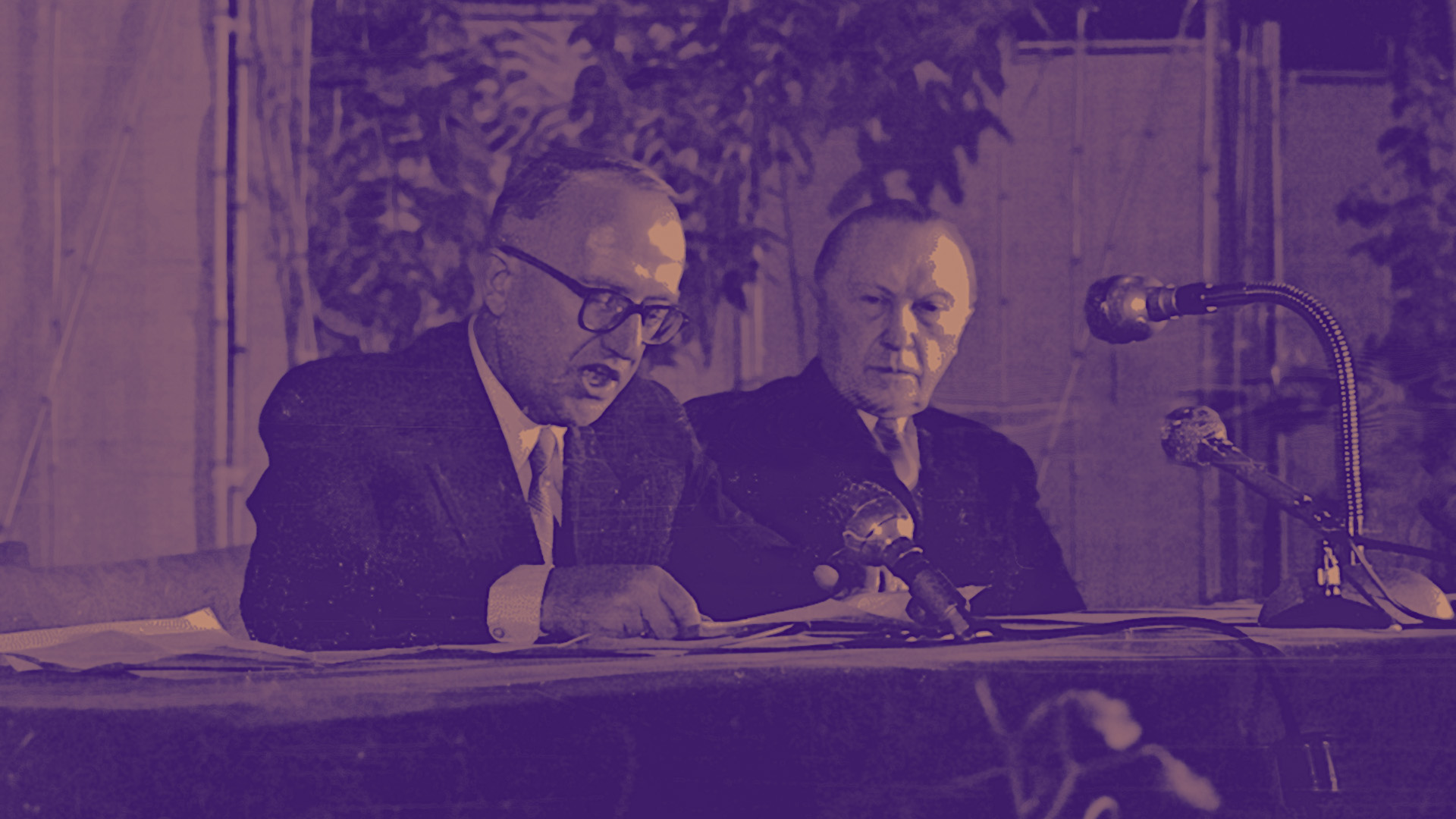
Despite all these advantages, Frankfurt eventually lost out to Bonn. The small university city on the Rhine had already prevailed over Frankfurt as the choice of venue for the Parliamentary Council. Having suffered little damage during the war, Bonn was able to provide sufficient conference and accommodation facilities. Moreover, its small size – Bonn had only a few more than 100,000 inhabitants – meant that the government would be able to “get on with its work in peace”, as one member of parliament put it. The relatively obscure nature of the Rhineland town also served to underscore the temporary nature of the measure, as the Basic Law foresaw that Berlin would again become the capital after reunification. The president of the Parliamentary Council, Konrad Adenauer, also lived near Bonn and used his influence to establish the new capital close to his home. The vote taken on 10 May 1949 was close, but chose Bonn over Frankfurt. This decision was confirmed in the Bundestag on 3 November.

The whole year at a glance



![Lithografie von Johann Nepomuk Heinemann [koloriert], nach Ölgemälde von Feodor Dietz (Foto: LABW, GLAK)](https://www.deutschlandmuseum.de/wp-content/uploads/2025/02/02031689_Zerstoerung_Heidelbergs-400x400.jpg "Lithografie von Johann Nepomuk Heinemann [koloriert], nach Ölgemälde von Feodor Dietz (Foto: LABW, GLAK)")


![Unter den Unterzeichnern sind die Nobelpreisträger Otto Hahn, Werner Heisenberg und Max Born [digital koloriert] (Quelle: Landesarchiv BW Staatsarchiv Freiburg, CC-BY-SA)](https://www.deutschlandmuseum.de/wp-content/uploads/2025/04/12041957_Göttinger_Erklärung-400x400.jpg "Unter den Unterzeichnern sind die Nobelpreisträger Otto Hahn, Werner Heisenberg und Max Born [digital koloriert] (Quelle: Landesarchiv BW Staatsarchiv Freiburg, CC-BY-SA)")


](https://www.deutschlandmuseum.de/wp-content/uploads/2025/04/21041946_SED_Gründung-1-400x400.jpg "Vereinigungsparteitag von KPD und SPD zur SED [digital koloriert](Quelle: Deutsche Fotothek, CC BY-SA 3.0 DE)")





![Alexander von Humboldt [Ausschnitt], Gemälde von Friedrich Georg Weitsch (Quelle: Alte Nationalgalerie)](https://www.deutschlandmuseum.de/wp-content/uploads/2025/09/14091769_Humboldt-400x400.jpg "Alexander von Humboldt [Ausschnitt], Gemälde von Friedrich Georg Weitsch (Quelle: Alte Nationalgalerie)")


![Albert Einstein im Patentamt Bern, 1905 [digital koloriert] (Quelle: ETH-Bibliothek Zürich)](https://www.deutschlandmuseum.de/wp-content/uploads/2025/09/26091905_Einstein_koloriert-400x400.jpg "Albert Einstein im Patentamt Bern, 1905 [digital koloriert] (Quelle: ETH-Bibliothek Zürich)")