
Catholic Munich changes radically during the 19th century
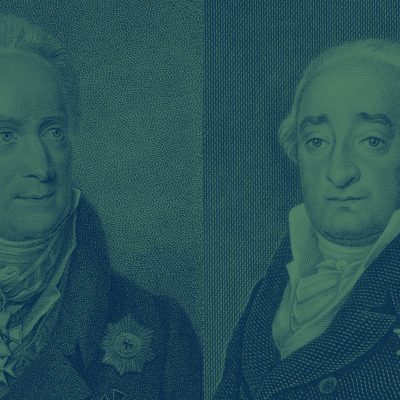
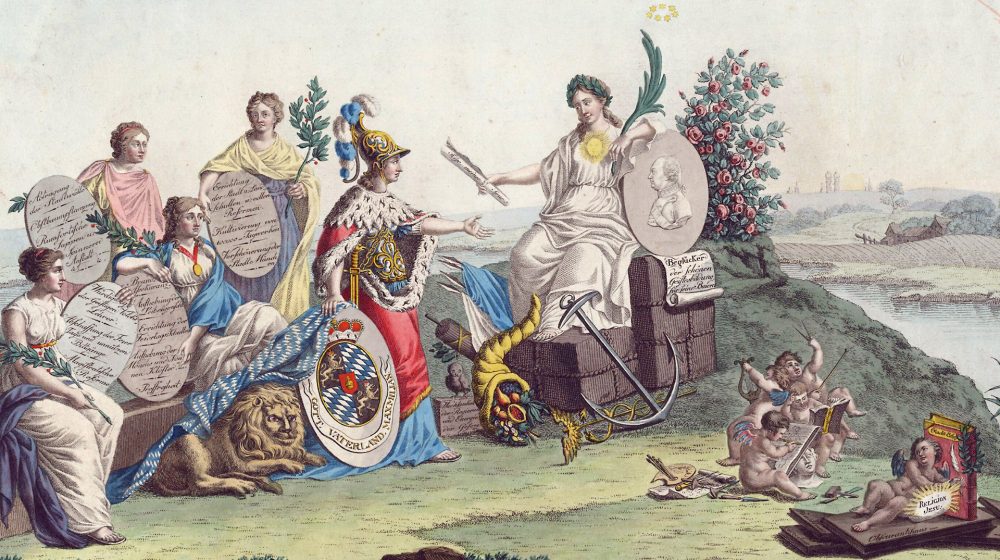
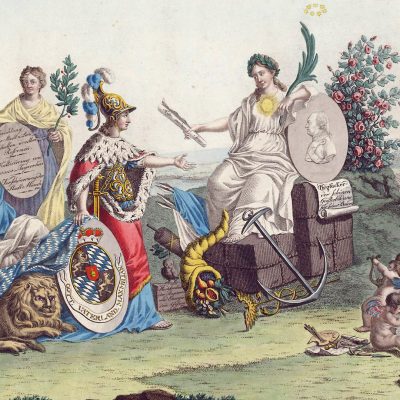
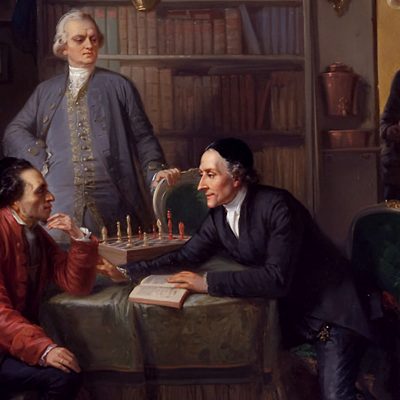
Signed in 1555, the Peace of Augsburg established the right of secular rulers to determine the religious choices of their subjects. As a result, everyone living in Bavaria and its capital Munich would have to be Roman Catholic or leave. The situation changed in 1777 when a new branch of the ruling Wittelsbach dynasty assumed power in the southern German kingdom. The new King Max Joseph was more open to Protestantism and had married a Lutheran princess from Baden. Her marriage contract stipulated that she could retain her confessional identity, and she kept a Lutheran preacher and some Lutheran servants. Some years later, a Protestant merchant called Michel, whom Max Joseph possibly knew from his days in Mannheim, wanted to take on citizenship in Munich, but his application was rejected by the city authorities on the grounds that he was not a Catholic. Max Joseph threatened the town council with consequences if they did not comply, and Michel was officially the first Protestant citizen of Munich.
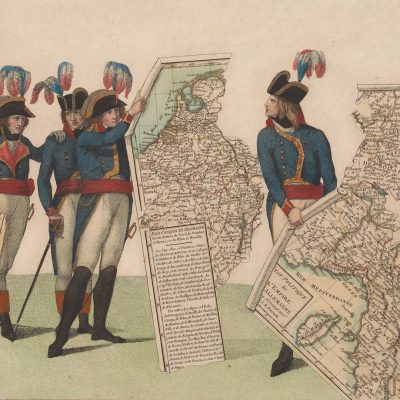
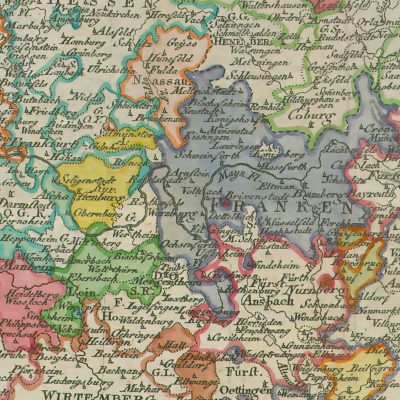
Michel was not to be the only Lutheran commoner to live in Bavaria. When Napoleon reorganized Germany, granting parts of Franconia and Swabia – which were home to a number of Protestants – to the Bavarians in 1803, the Bavarian government granted Lutheran and Reformed Christians the same rights as Catholics. Soon there were 800 Protestants in Munich (out of a total population of 45,000), and they set about building their own school and parish church.

The whole year at a glance








![Lithografie von Johann Nepomuk Heinemann [koloriert], nach Ölgemälde von Feodor Dietz (Foto: LABW, GLAK)](https://www.deutschlandmuseum.de/wp-content/uploads/2025/02/02031689_Zerstoerung_Heidelbergs-400x400.jpg "Lithografie von Johann Nepomuk Heinemann [koloriert], nach Ölgemälde von Feodor Dietz (Foto: LABW, GLAK)")




![Unter den Unterzeichnern sind die Nobelpreisträger Otto Hahn, Werner Heisenberg und Max Born [digital koloriert] (Quelle: Landesarchiv BW Staatsarchiv Freiburg, CC-BY-SA)](https://www.deutschlandmuseum.de/wp-content/uploads/2025/04/12041957_Göttinger_Erklärung-400x400.jpg "Unter den Unterzeichnern sind die Nobelpreisträger Otto Hahn, Werner Heisenberg und Max Born [digital koloriert] (Quelle: Landesarchiv BW Staatsarchiv Freiburg, CC-BY-SA)")




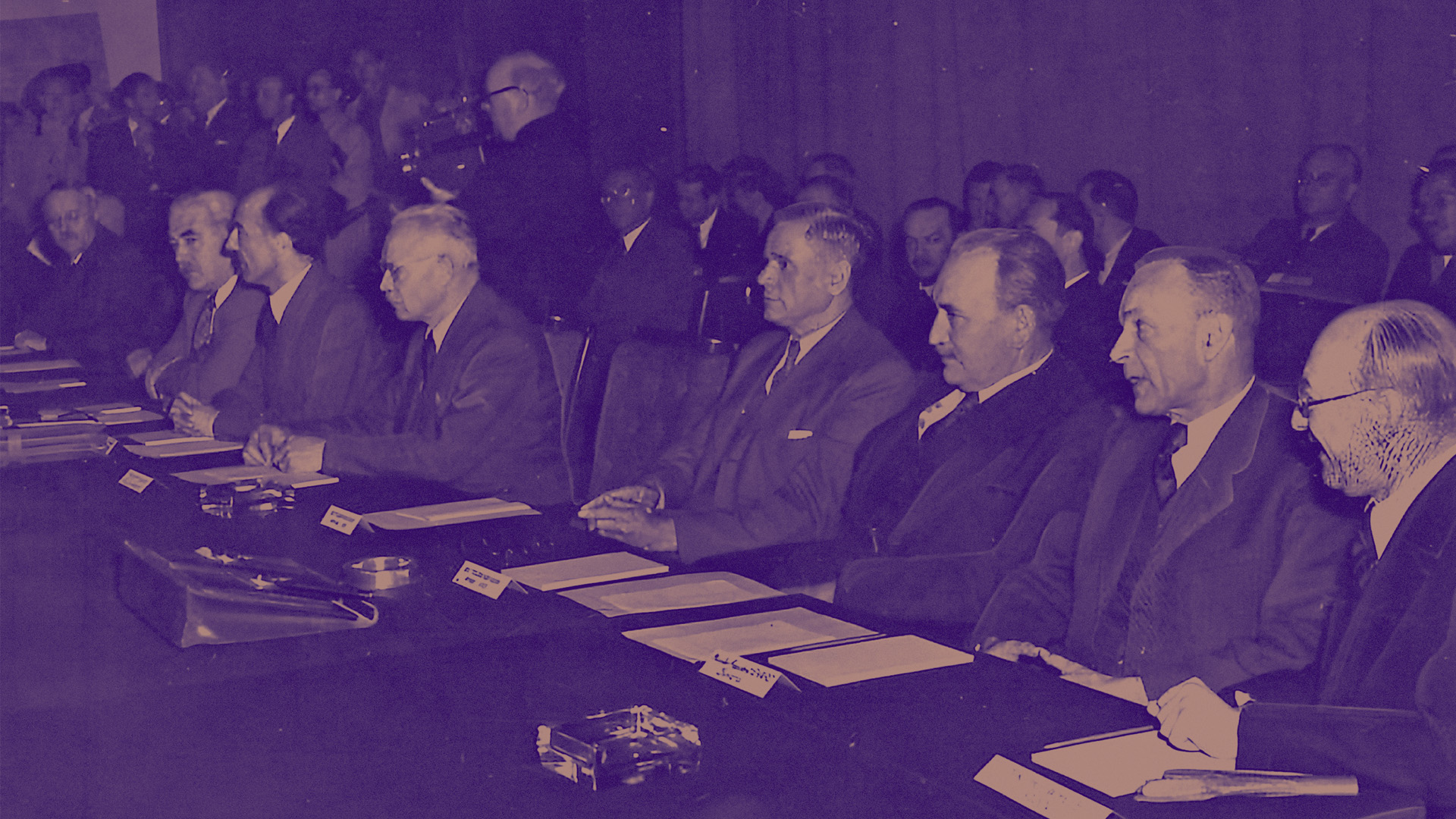
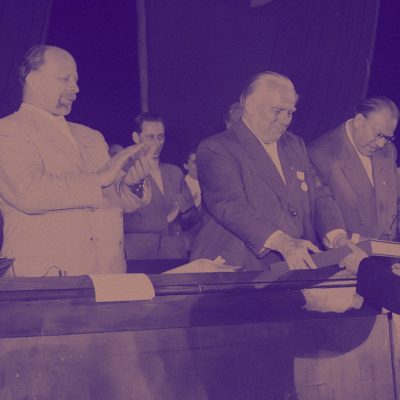
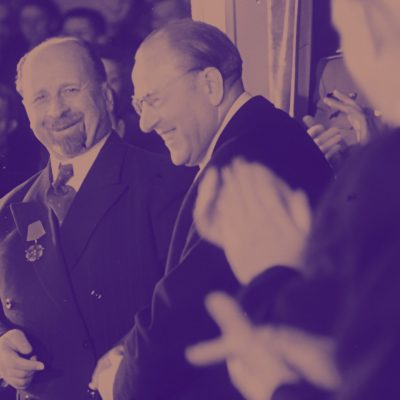
](https://www.deutschlandmuseum.de/wp-content/uploads/2025/04/21041946_SED_Gründung-1-400x400.jpg "Vereinigungsparteitag von KPD und SPD zur SED [digital koloriert](Quelle: Deutsche Fotothek, CC BY-SA 3.0 DE)")






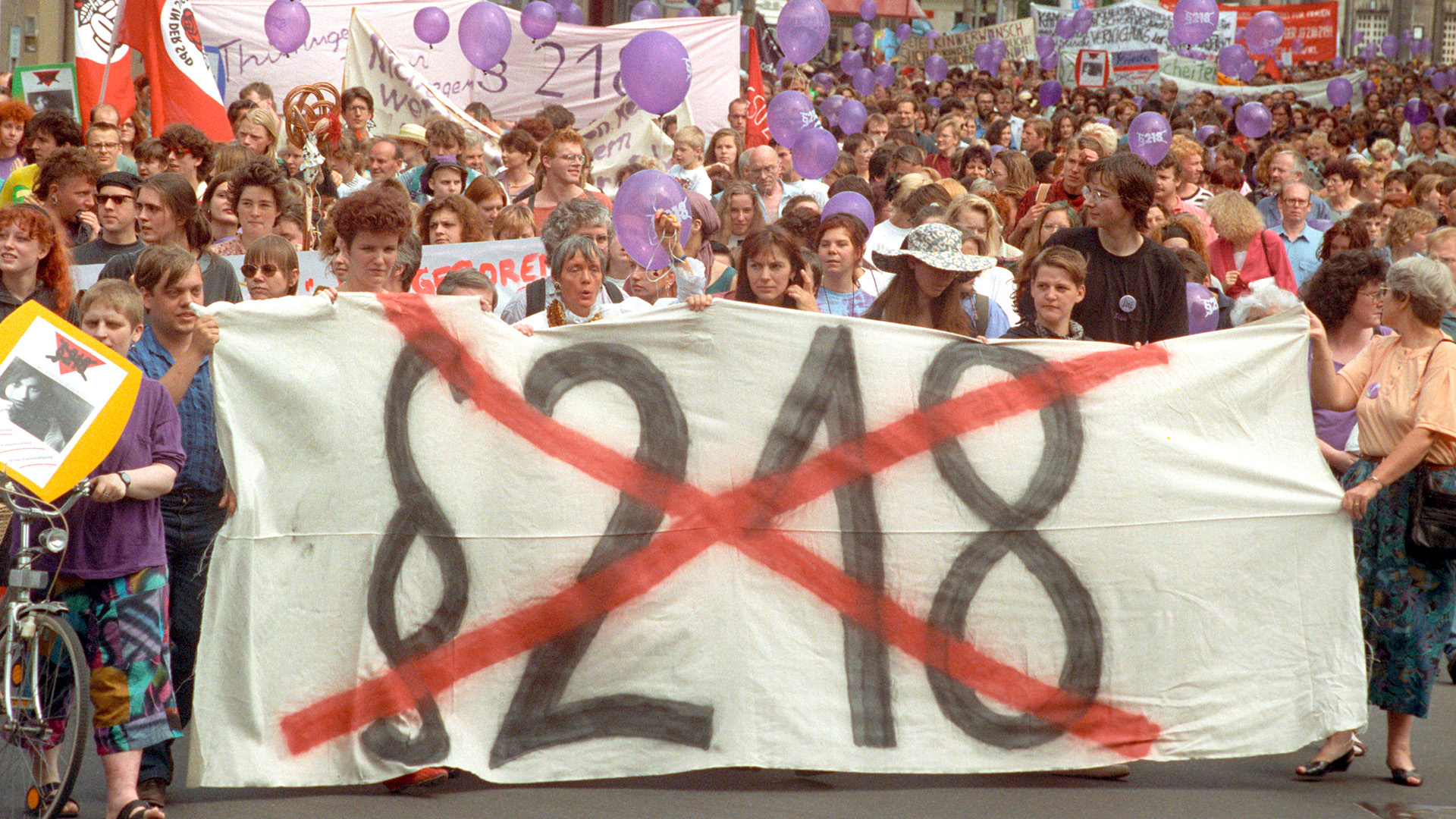

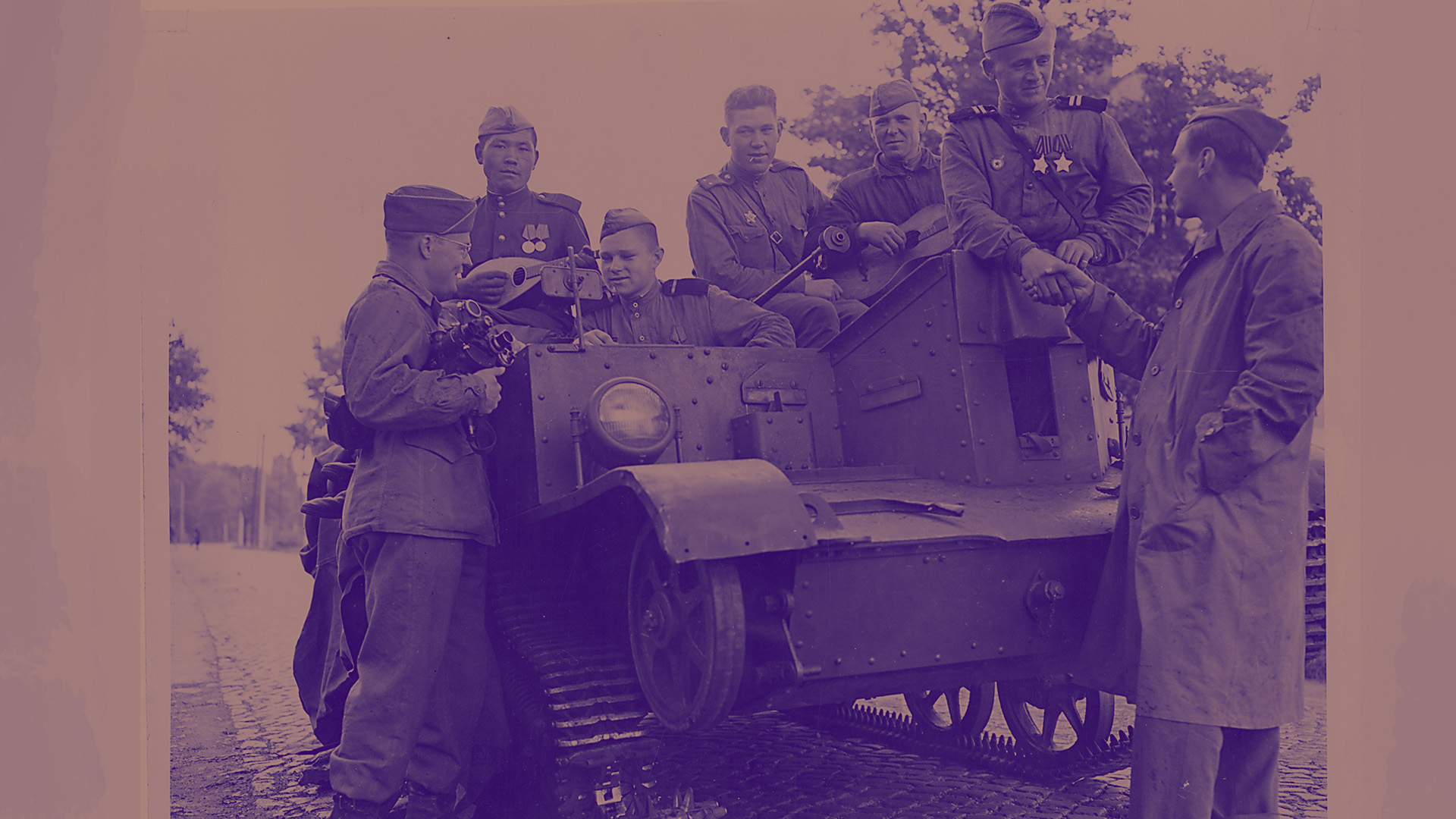


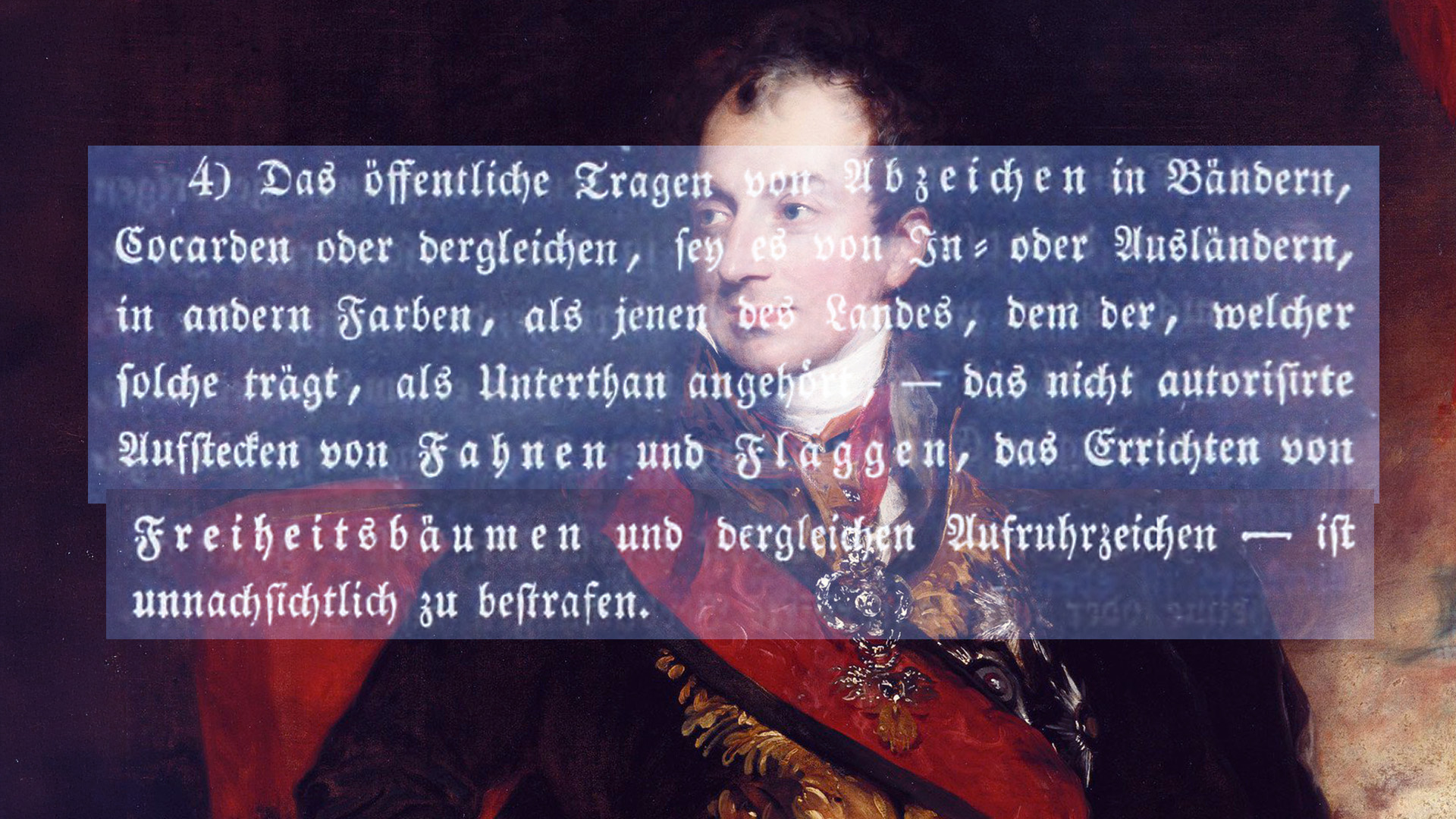






![Alexander von Humboldt [Ausschnitt], Gemälde von Friedrich Georg Weitsch (Quelle: Alte Nationalgalerie)](https://www.deutschlandmuseum.de/wp-content/uploads/2025/09/14091769_Humboldt-400x400.jpg "Alexander von Humboldt [Ausschnitt], Gemälde von Friedrich Georg Weitsch (Quelle: Alte Nationalgalerie)")



![Albert Einstein im Patentamt Bern, 1905 [digital koloriert] (Quelle: ETH-Bibliothek Zürich)](https://www.deutschlandmuseum.de/wp-content/uploads/2025/09/26091905_Einstein_koloriert-400x400.jpg "Albert Einstein im Patentamt Bern, 1905 [digital koloriert] (Quelle: ETH-Bibliothek Zürich)")