
Weekly Monday demonstrations in East German cities trigger the peaceful revolution
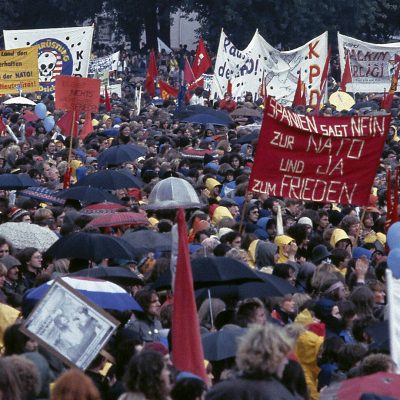
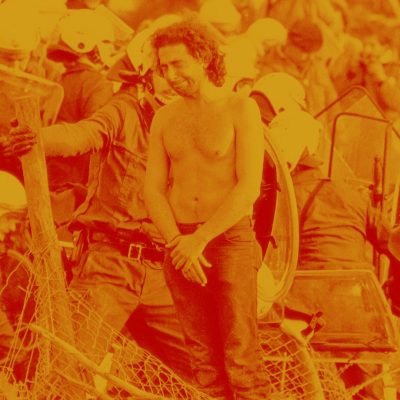
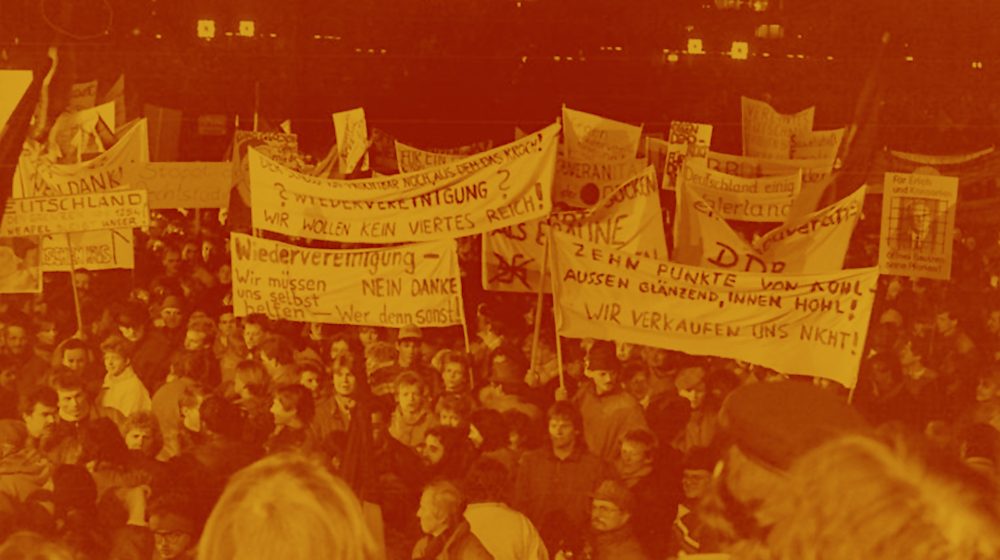
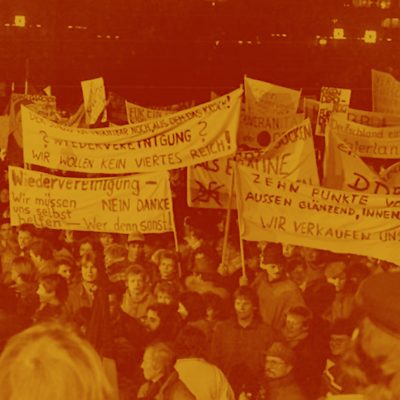
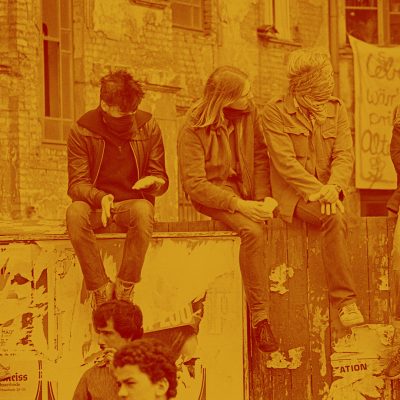
Since the early 1980s, a small congregation had met every Monday at Leipzig’s St Nicholas’ Church to pray for peace. Later, isolated street demonstrations against the arms race between West and East also began on Mondays. After a pause, civil rights activists built on these traditions and restarted the demonstrations during the escalating crisis in East Germany in the late summer of 1989. On 4 September 1989, around 1,200 people gathered at St Nicholas Church, carrying banners calling for “An open country with free people”. Stasi agents tore down the banners and attempted to disperse the crowd. A week later, the Stasi arrested many of the ever-growing number of demonstrators; early October saw the first use of violence against 10,000 protesters. It was clear that the protest movement could no longer be contained.
Mass demonstrations spread to other cities in the DDR. Whilst most were held on a Monday, others were held on different days of the week. Whether in large cities such as Dresden and Magdeburg or smaller settlements like Arnstadt, the chant was the same: “We are the people!” The demonstrators called for political change and democratic rights. Everyone agreed that they did not want to use violence. The East German government, on the other hand, saw the use of military force against the demonstrators as a viable option. Ultimately, however, the Politburo was unable to go to this extreme, partly because the security forces refused to fire on their fellow citizens. By the end of October, the number of demonstrators in Leipzig had risen to 300,000; this figure reached half a million by 6 November, three days before the fall of the Berlin Wall. The SED and the Stasi were powerless to stop events from unfolding.

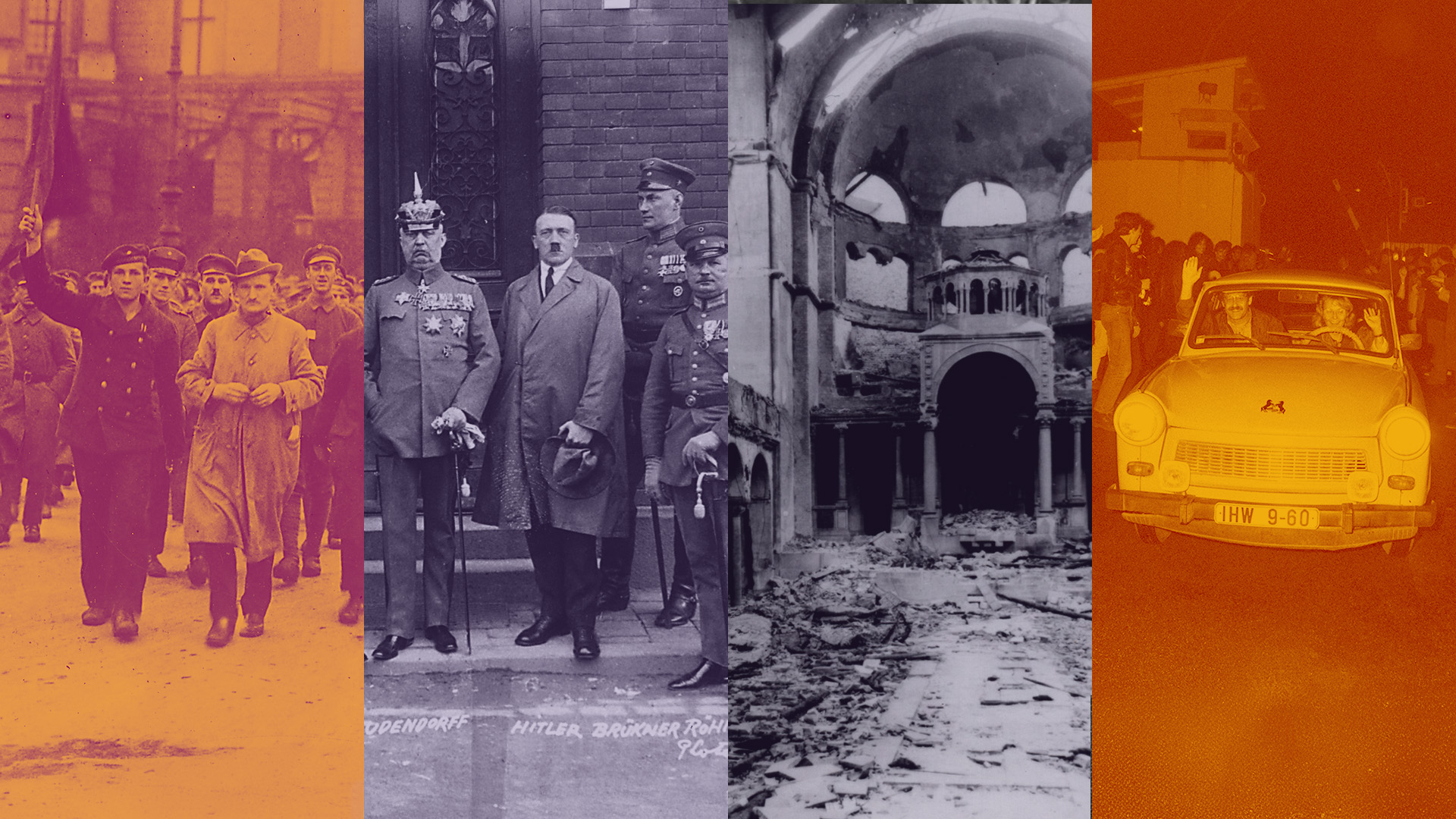
The whole year at a glance


![Lithografie von Johann Nepomuk Heinemann [koloriert], nach Ölgemälde von Feodor Dietz (Foto: LABW, GLAK)](https://www.deutschlandmuseum.de/wp-content/uploads/2025/02/02031689_Zerstoerung_Heidelbergs-400x400.jpg "Lithografie von Johann Nepomuk Heinemann [koloriert], nach Ölgemälde von Feodor Dietz (Foto: LABW, GLAK)")


![Unter den Unterzeichnern sind die Nobelpreisträger Otto Hahn, Werner Heisenberg und Max Born [digital koloriert] (Quelle: Landesarchiv BW Staatsarchiv Freiburg, CC-BY-SA)](https://www.deutschlandmuseum.de/wp-content/uploads/2025/04/12041957_Göttinger_Erklärung-400x400.jpg "Unter den Unterzeichnern sind die Nobelpreisträger Otto Hahn, Werner Heisenberg und Max Born [digital koloriert] (Quelle: Landesarchiv BW Staatsarchiv Freiburg, CC-BY-SA)")


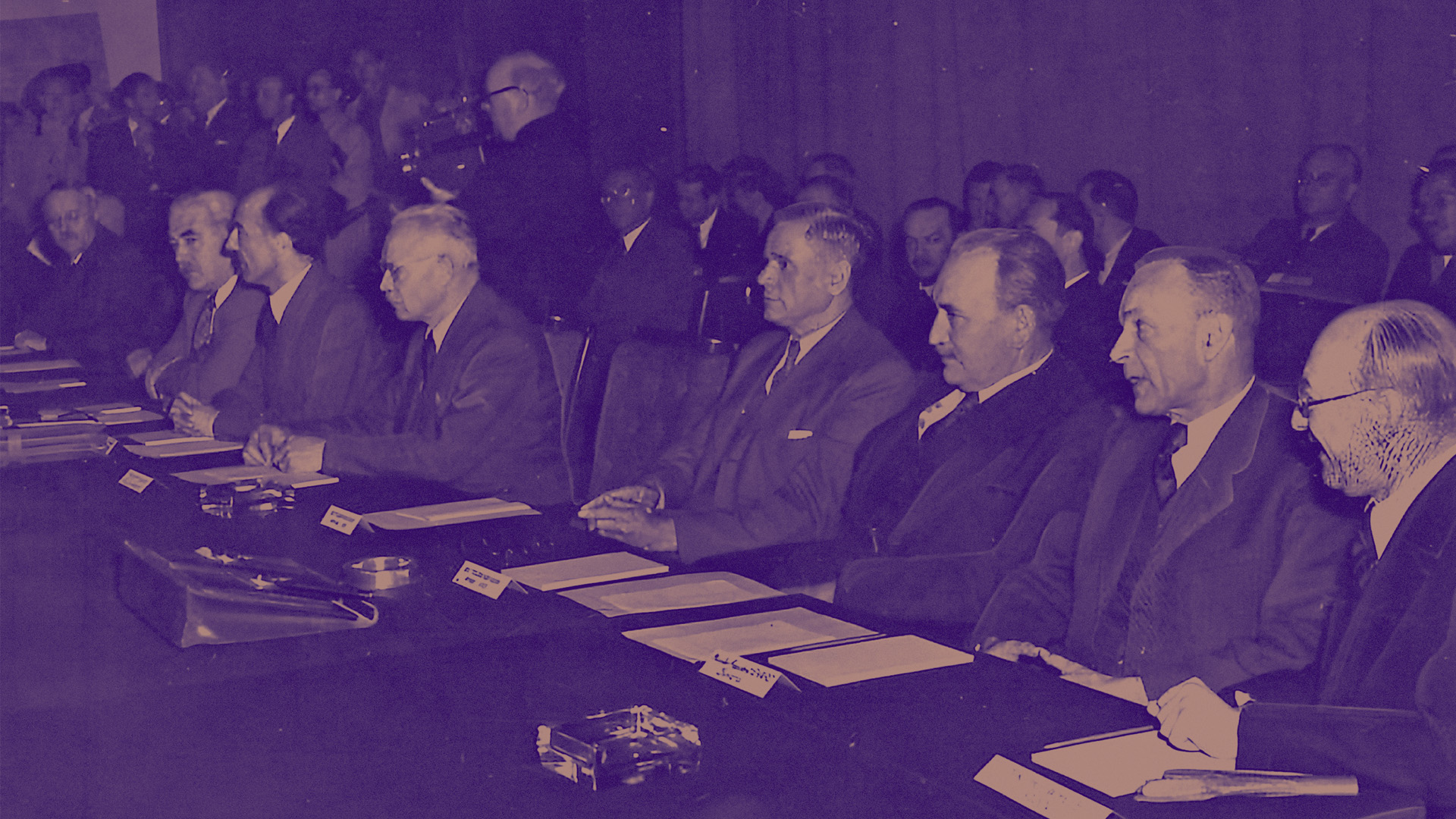
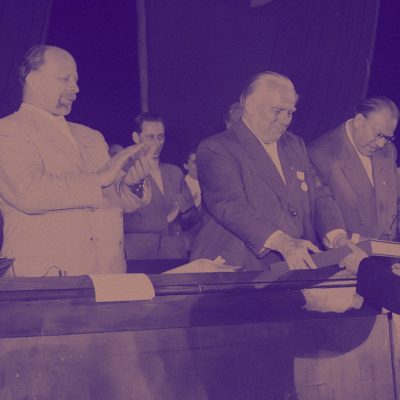
](https://www.deutschlandmuseum.de/wp-content/uploads/2025/04/21041946_SED_Gründung-1-400x400.jpg "Vereinigungsparteitag von KPD und SPD zur SED [digital koloriert](Quelle: Deutsche Fotothek, CC BY-SA 3.0 DE)")





![Alexander von Humboldt [Ausschnitt], Gemälde von Friedrich Georg Weitsch (Quelle: Alte Nationalgalerie)](https://www.deutschlandmuseum.de/wp-content/uploads/2025/09/14091769_Humboldt-400x400.jpg "Alexander von Humboldt [Ausschnitt], Gemälde von Friedrich Georg Weitsch (Quelle: Alte Nationalgalerie)")


![Albert Einstein im Patentamt Bern, 1905 [digital koloriert] (Quelle: ETH-Bibliothek Zürich)](https://www.deutschlandmuseum.de/wp-content/uploads/2025/09/26091905_Einstein_koloriert-400x400.jpg "Albert Einstein im Patentamt Bern, 1905 [digital koloriert] (Quelle: ETH-Bibliothek Zürich)")