
Establishment of the Jacobin Club in Mainz marks the birth of the democratic movement in Germany
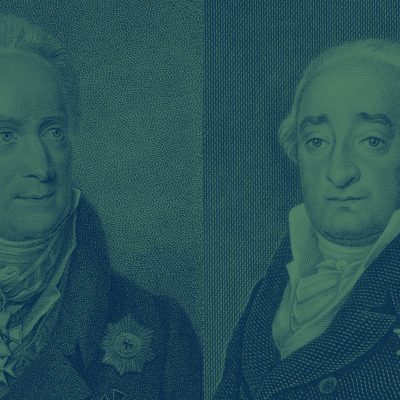
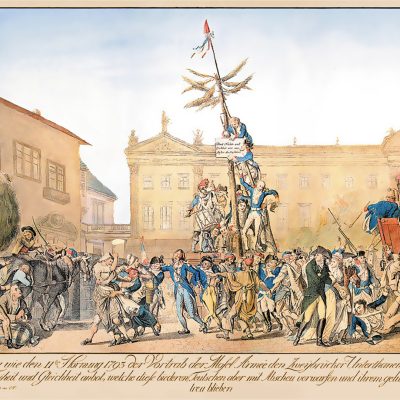
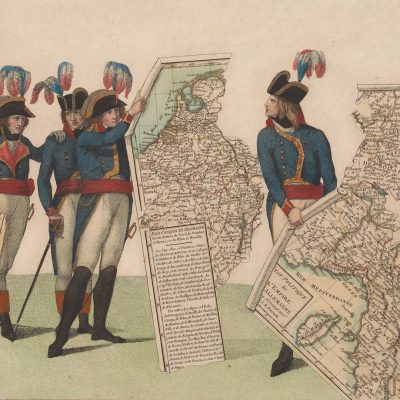
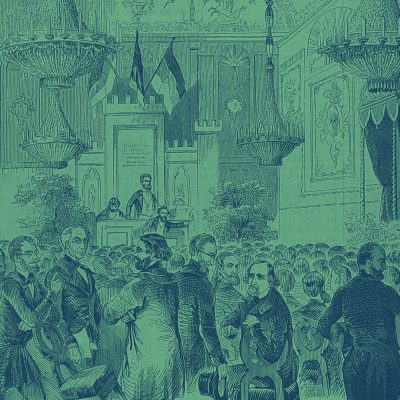
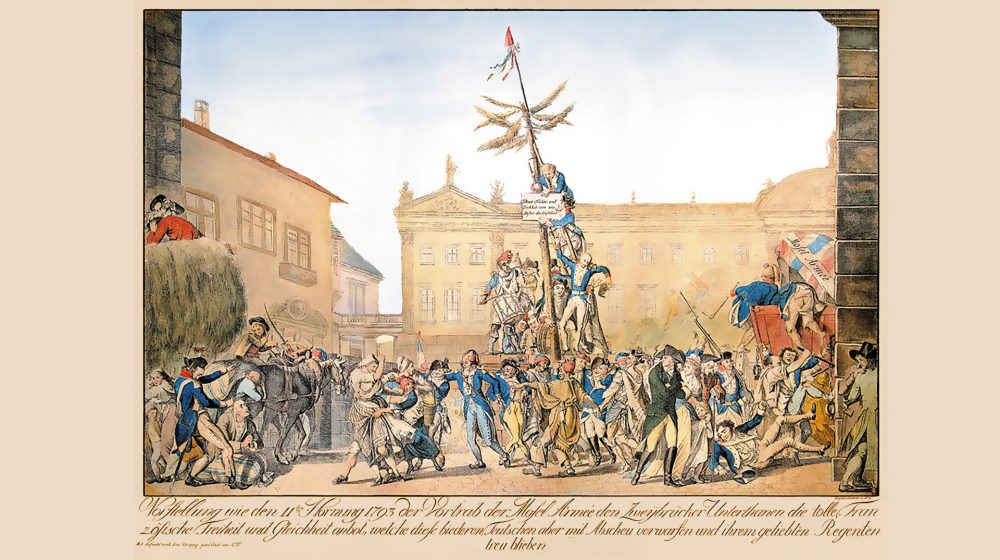
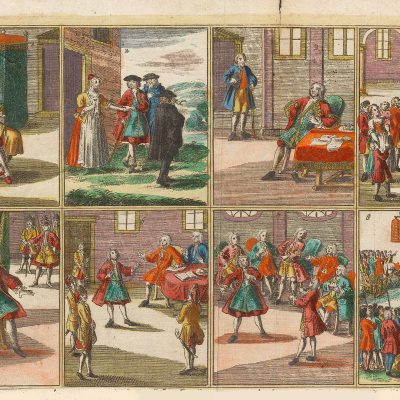
Following Prussia and Austria’s failure to suppress the French Revolution by force, French revolutionary troops launched a counterattack, advancing into Germany and occupying a number of settlements, including Mainz. A group of enlightened and liberal-minded people in the city combined on 23 October 1792 to establish the Mainz Jacobin Club. Modelled on a revolutionary group of the same name in Paris, it was the first democratic association in any of the German states. Attracting some 500 members in a matter of weeks, the society planted a “freedom tree” and displayed the “Red Book of Freedom”, in which every citizen could freely express their support for or opposition to the new ideas.
After difficulties arising from the French occupation led to the declaration of martial law, many members resigned from the Jacobin Club, which then became riven by internal disputes. The French closed the club in March 1793 and organized elections to a Rhenish-German National Convention. As the first representative parliament in Germany, it proclaimed the Mainz Republic, which some view as the first democratic decision made in Germany. However, the newly formed Free State did not last long, as Prussian troops occupied Mainz, putting an end to the republic and arresting German Jacobins.

The whole year at a glance











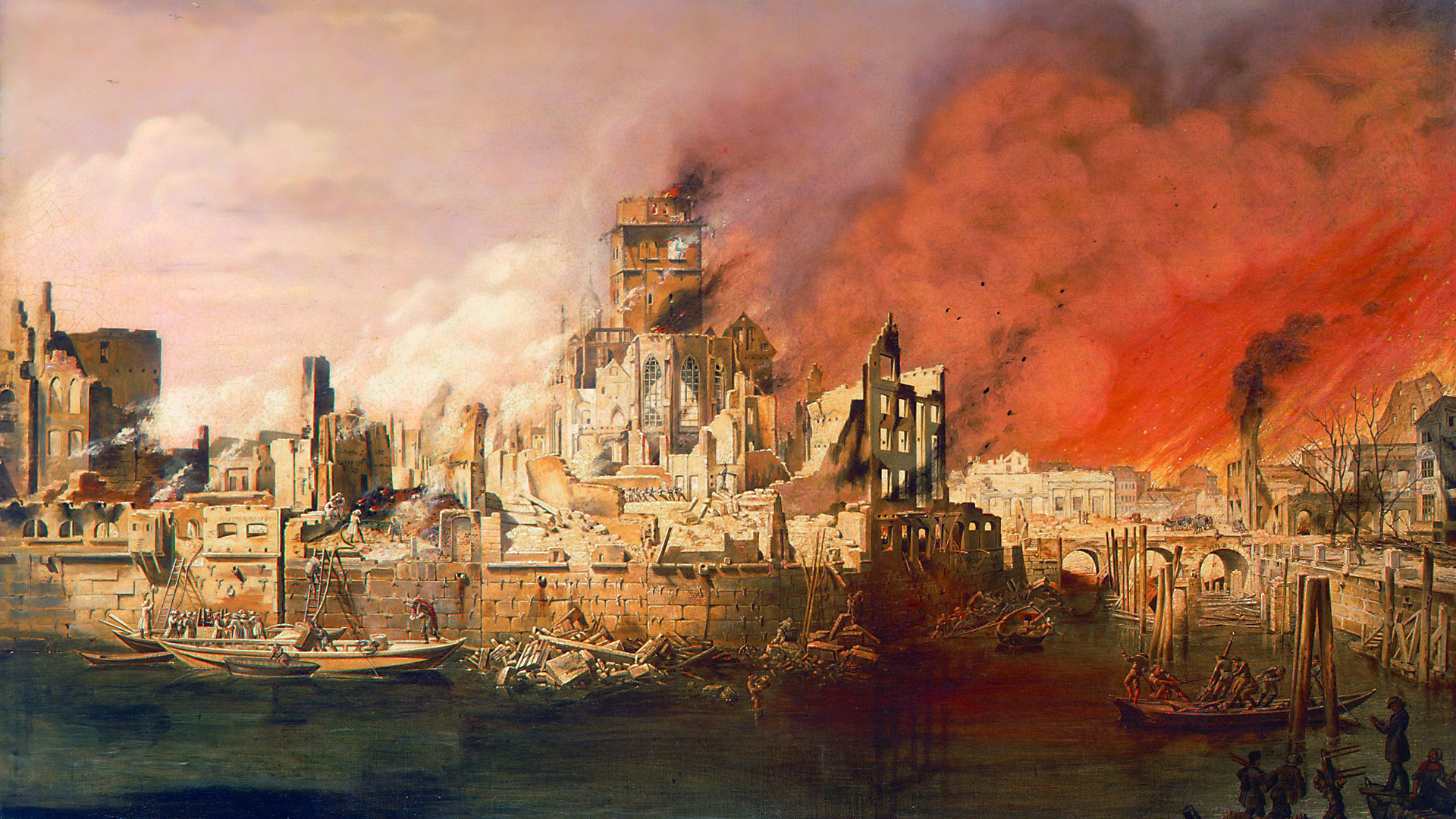
![Lithografie von Johann Nepomuk Heinemann [koloriert], nach Ölgemälde von Feodor Dietz (Foto: LABW, GLAK)](https://www.deutschlandmuseum.de/wp-content/uploads/2025/02/02031689_Zerstoerung_Heidelbergs-400x400.jpg "Lithografie von Johann Nepomuk Heinemann [koloriert], nach Ölgemälde von Feodor Dietz (Foto: LABW, GLAK)")






![Unter den Unterzeichnern sind die Nobelpreisträger Otto Hahn, Werner Heisenberg und Max Born [digital koloriert] (Quelle: Landesarchiv BW Staatsarchiv Freiburg, CC-BY-SA)](https://www.deutschlandmuseum.de/wp-content/uploads/2025/04/12041957_Göttinger_Erklärung-400x400.jpg "Unter den Unterzeichnern sind die Nobelpreisträger Otto Hahn, Werner Heisenberg und Max Born [digital koloriert] (Quelle: Landesarchiv BW Staatsarchiv Freiburg, CC-BY-SA)")




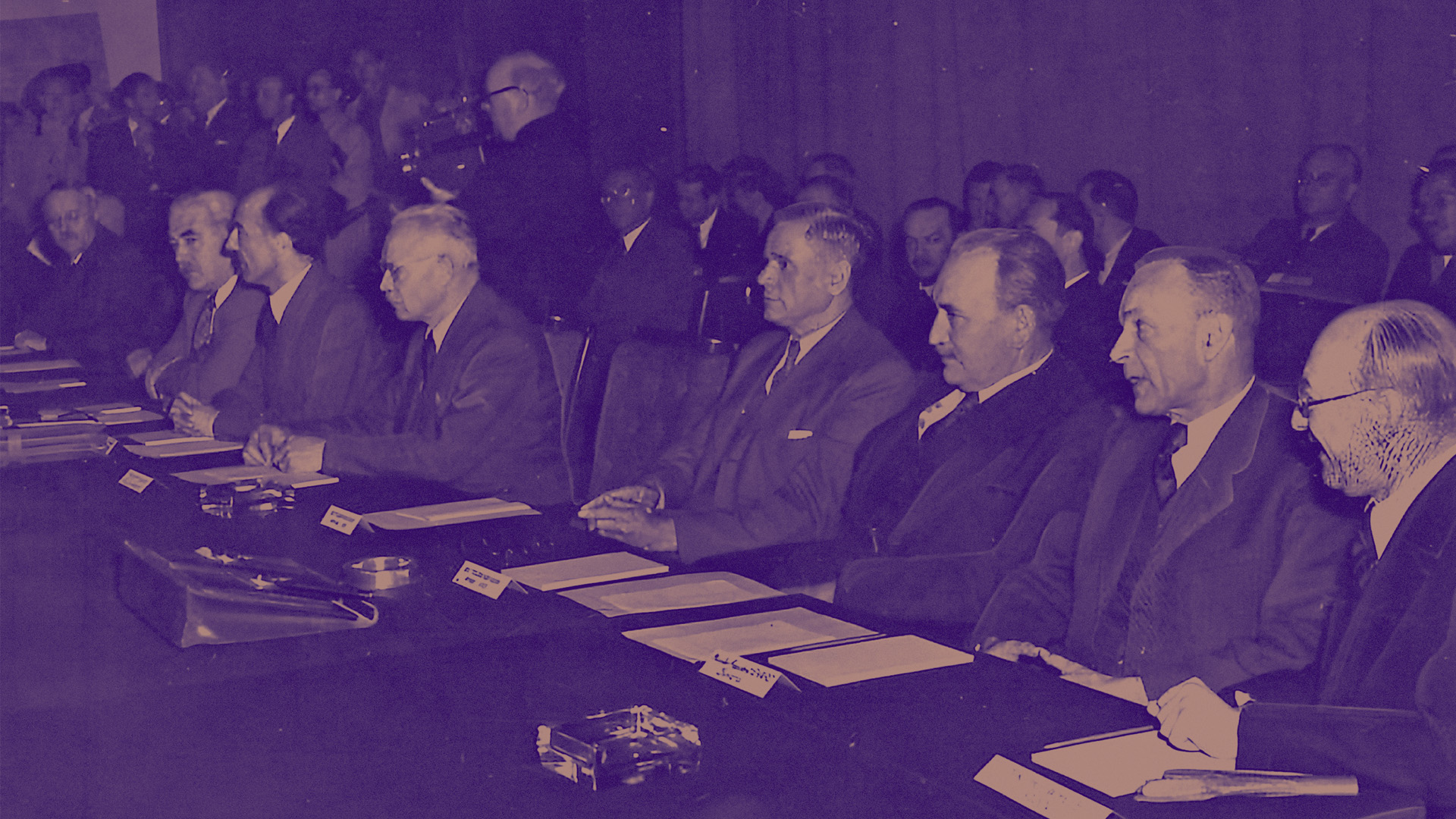
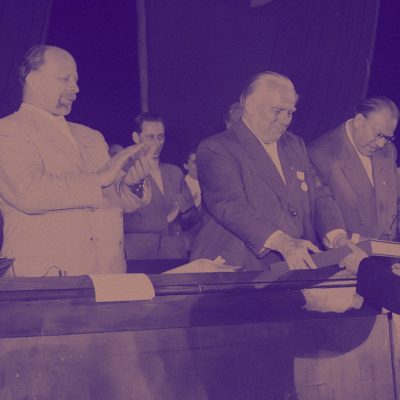
](https://www.deutschlandmuseum.de/wp-content/uploads/2025/04/21041946_SED_Gründung-1-400x400.jpg "Vereinigungsparteitag von KPD und SPD zur SED [digital koloriert](Quelle: Deutsche Fotothek, CC BY-SA 3.0 DE)")

















![Alexander von Humboldt [Ausschnitt], Gemälde von Friedrich Georg Weitsch (Quelle: Alte Nationalgalerie)](https://www.deutschlandmuseum.de/wp-content/uploads/2025/09/14091769_Humboldt-400x400.jpg "Alexander von Humboldt [Ausschnitt], Gemälde von Friedrich Georg Weitsch (Quelle: Alte Nationalgalerie)")



![Albert Einstein im Patentamt Bern, 1905 [digital koloriert] (Quelle: ETH-Bibliothek Zürich)](https://www.deutschlandmuseum.de/wp-content/uploads/2025/09/26091905_Einstein_koloriert-400x400.jpg "Albert Einstein im Patentamt Bern, 1905 [digital koloriert] (Quelle: ETH-Bibliothek Zürich)")