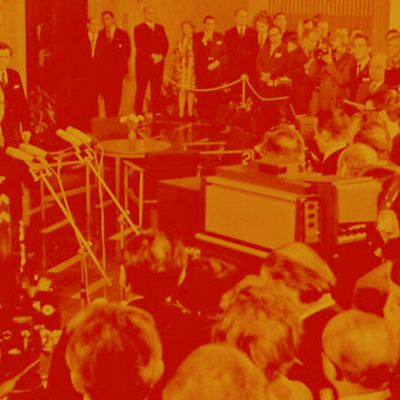


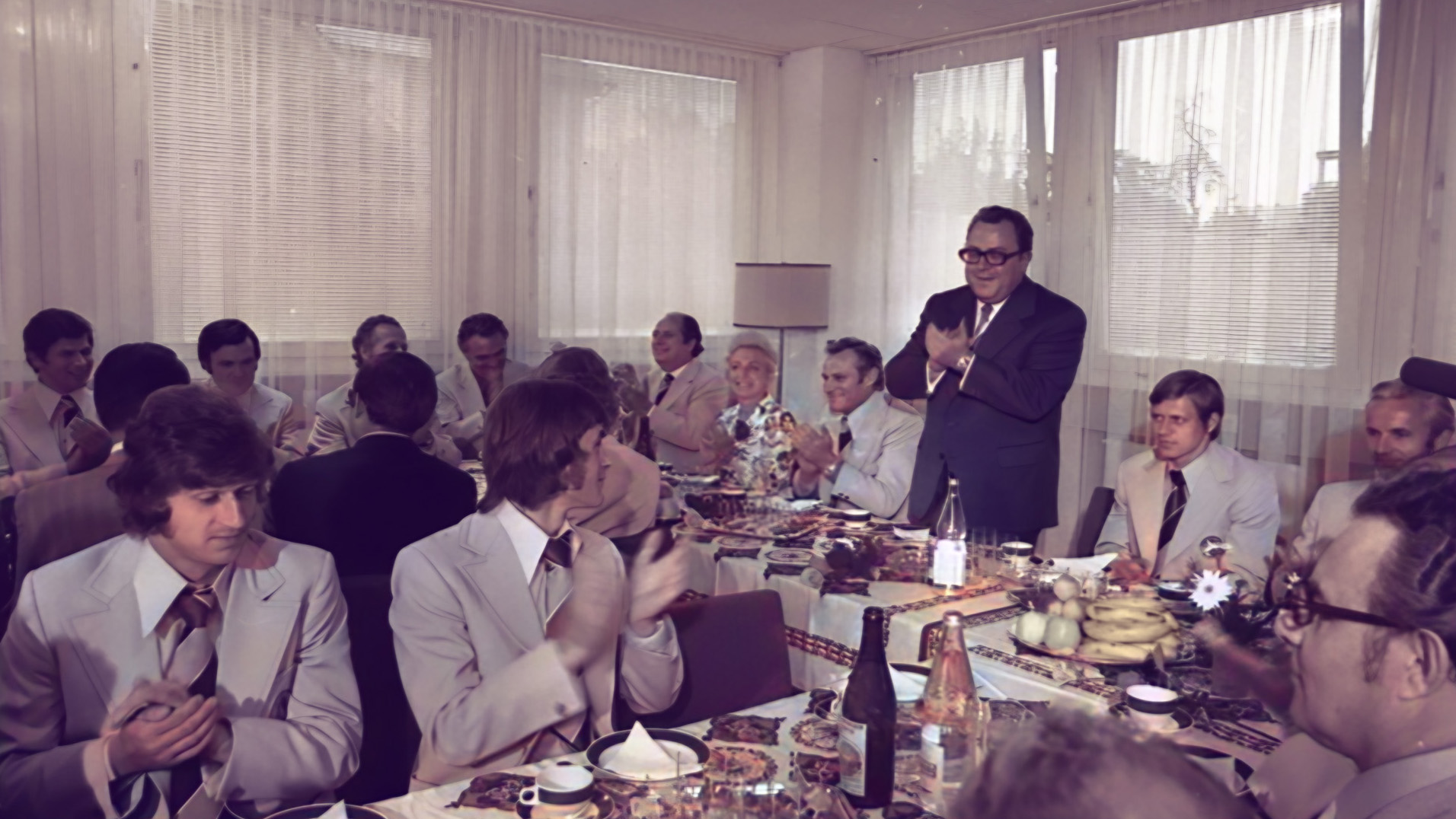
France agrees to the return of the Saarland
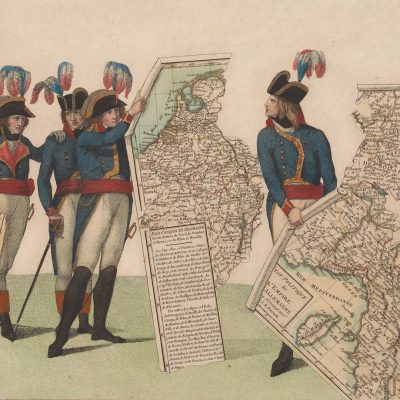
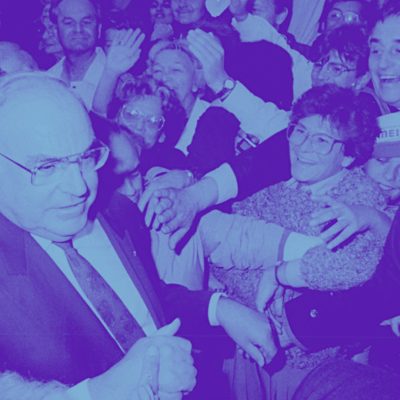
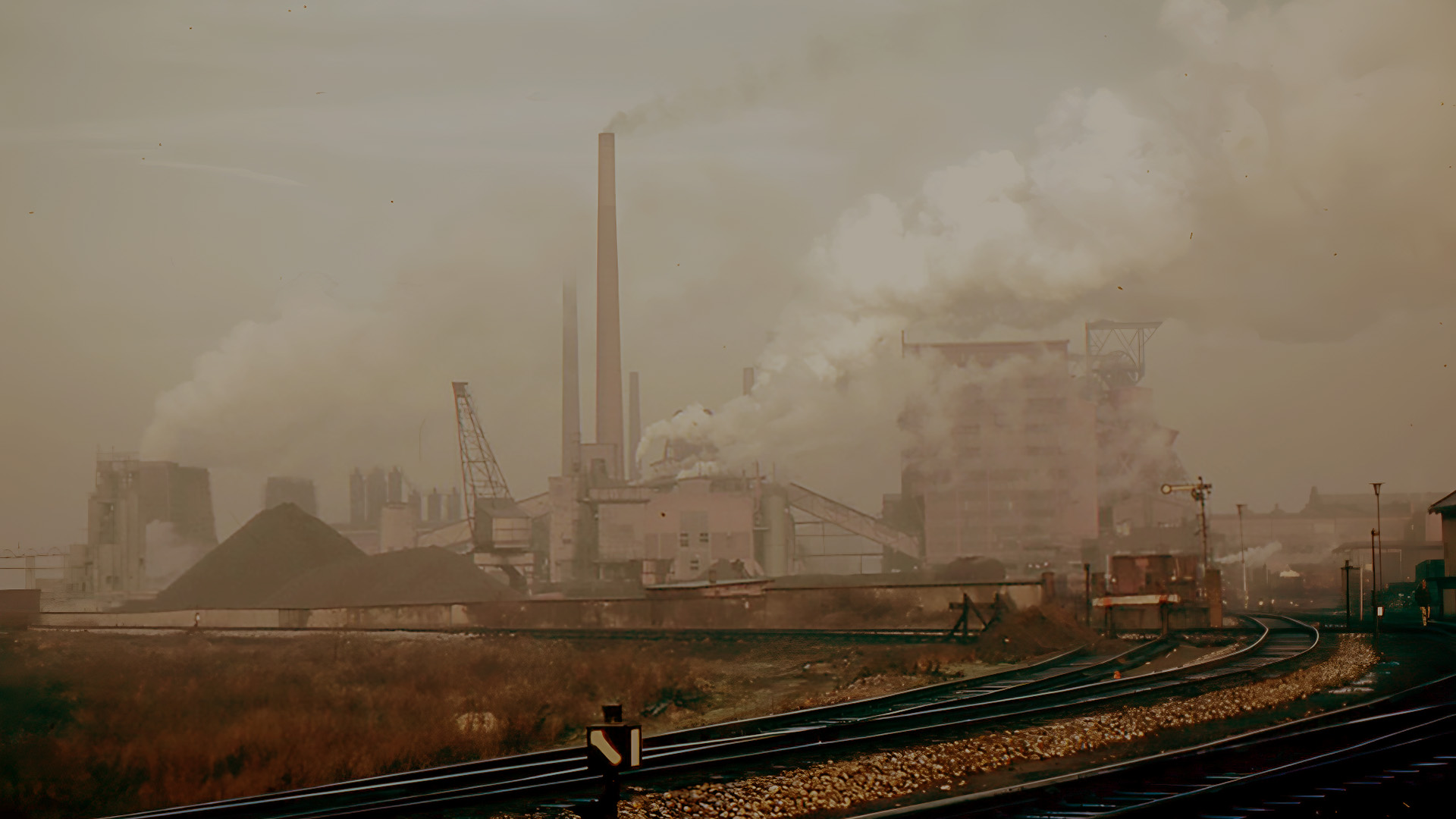
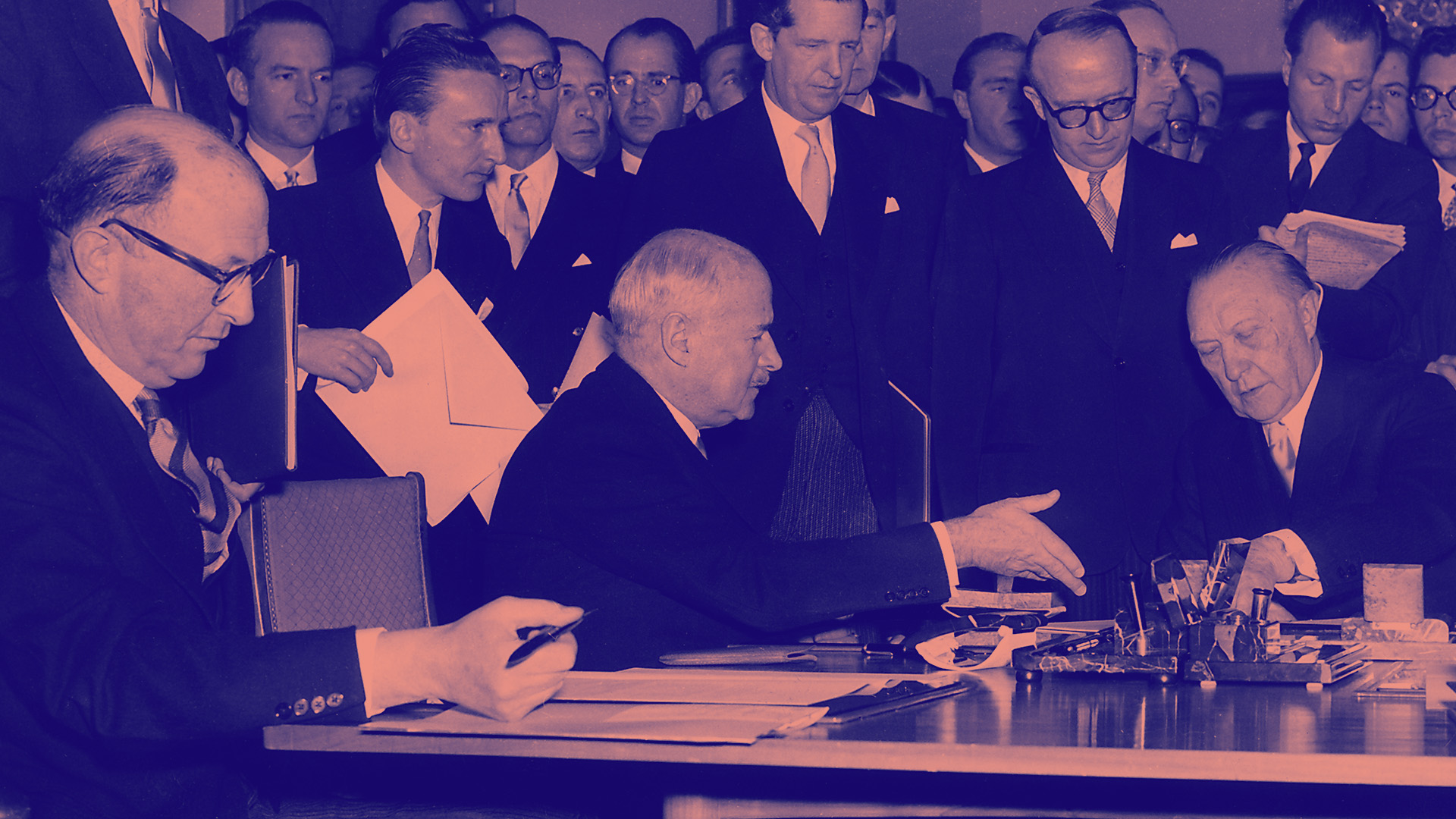
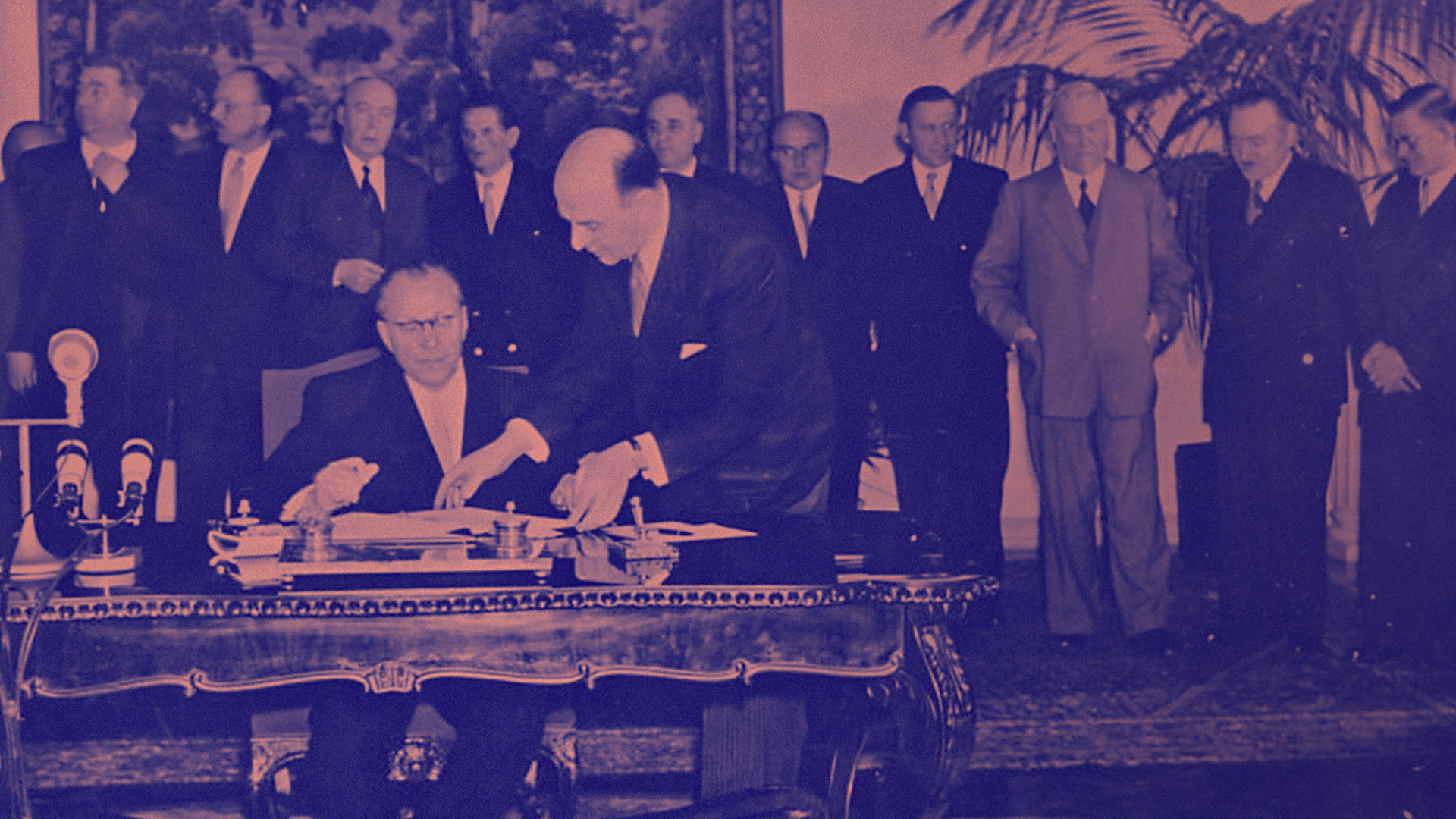
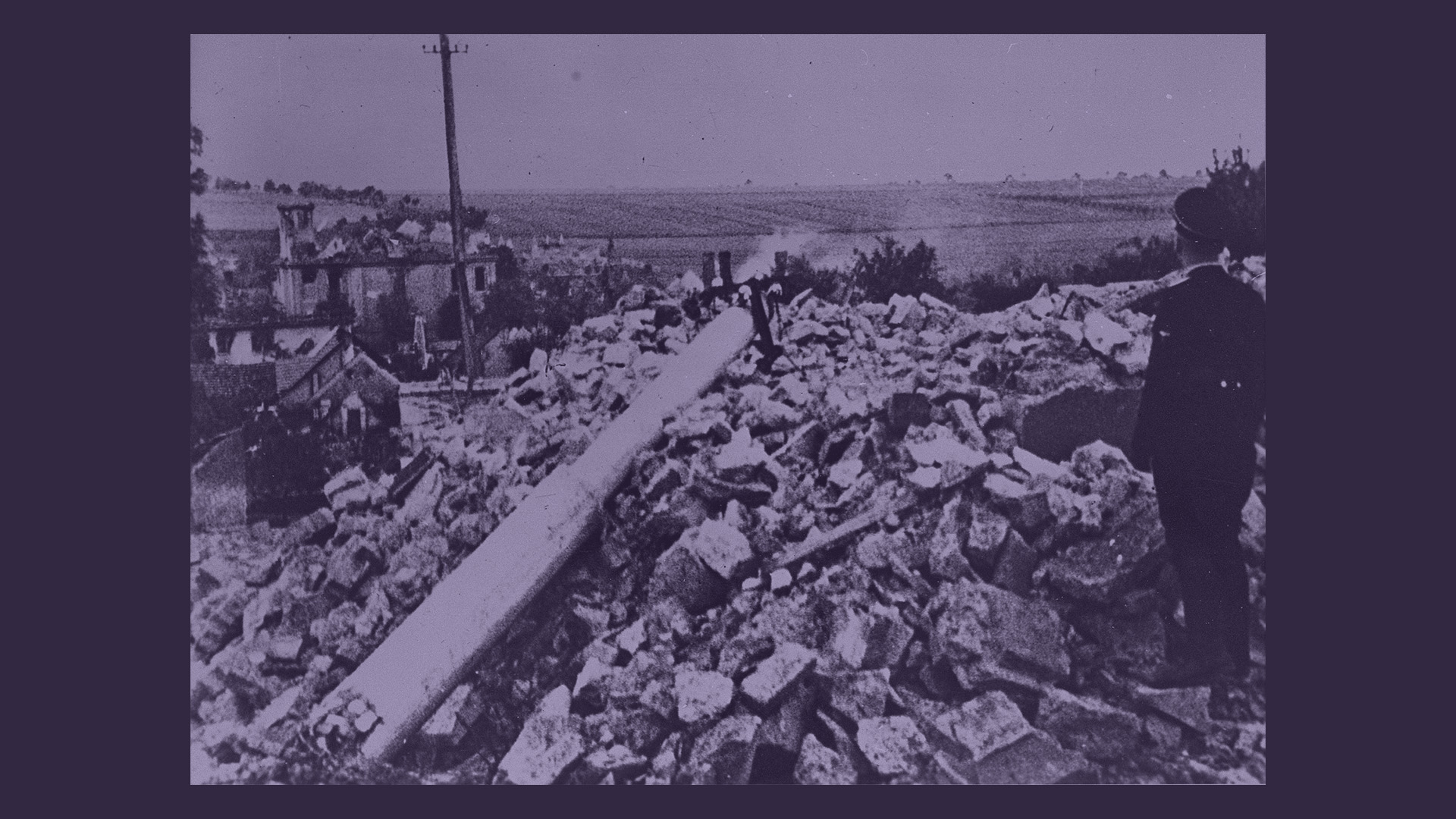
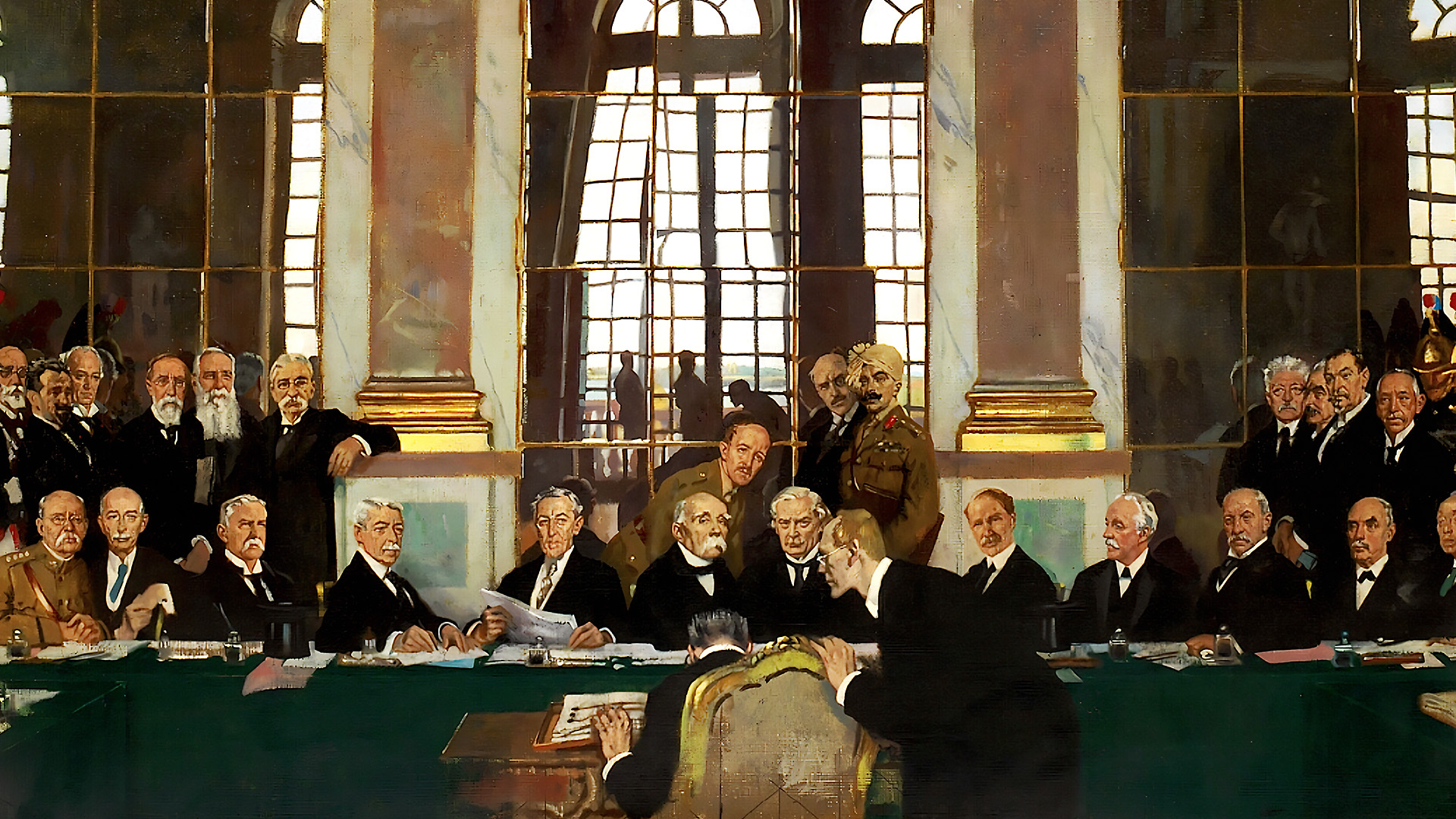
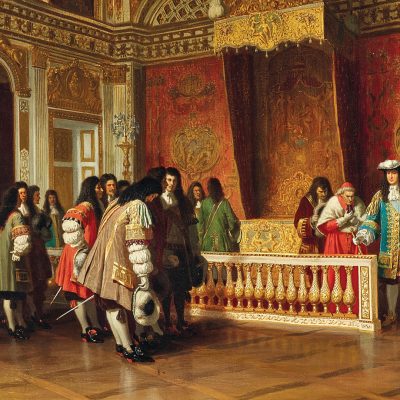
Although the territories along the Saar River had always belonged to the Holy Roman Empire, France had repeatedly attempted to annex the area since the 17th century. Both the “Sun King”, Louis XIV, and Napoleon seized and held the area for a number of years, but were then forced to relinquish it. After the First World War, the Treaty of Versailles placed the Saar region under French administration, a status that remained until 1935, when a majority voted in favour of reunification with Germany.
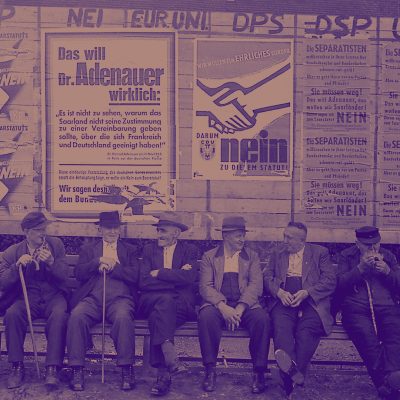
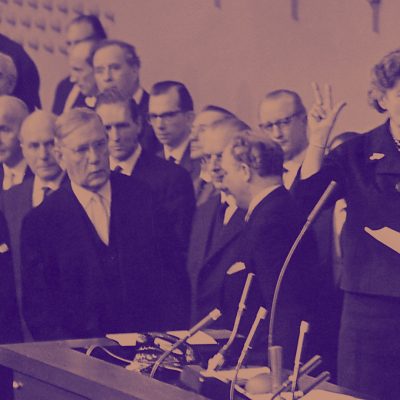
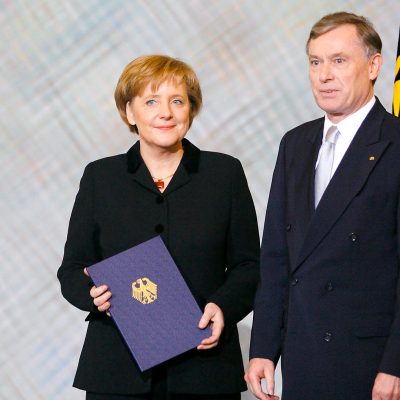
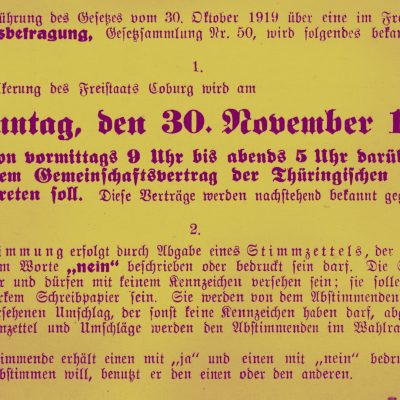
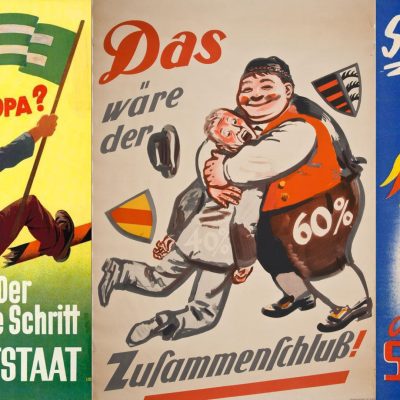
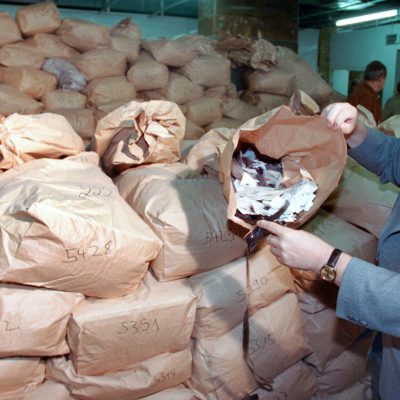
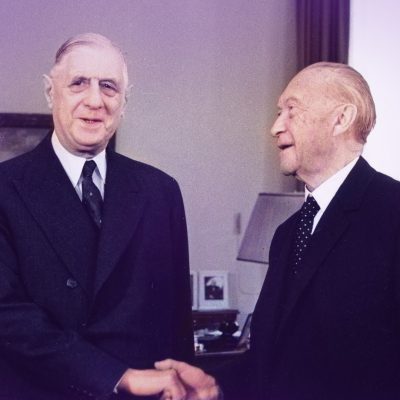
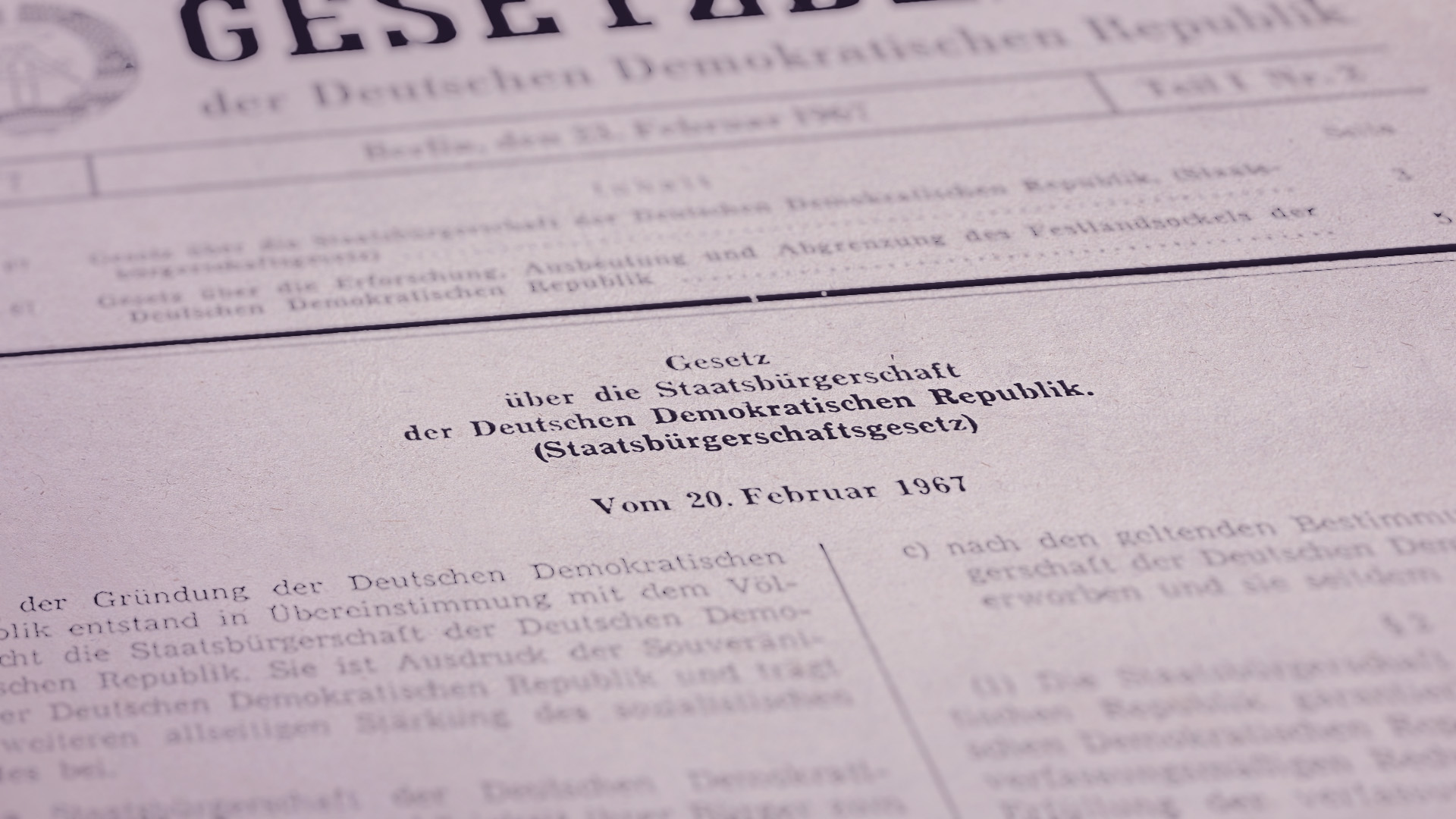
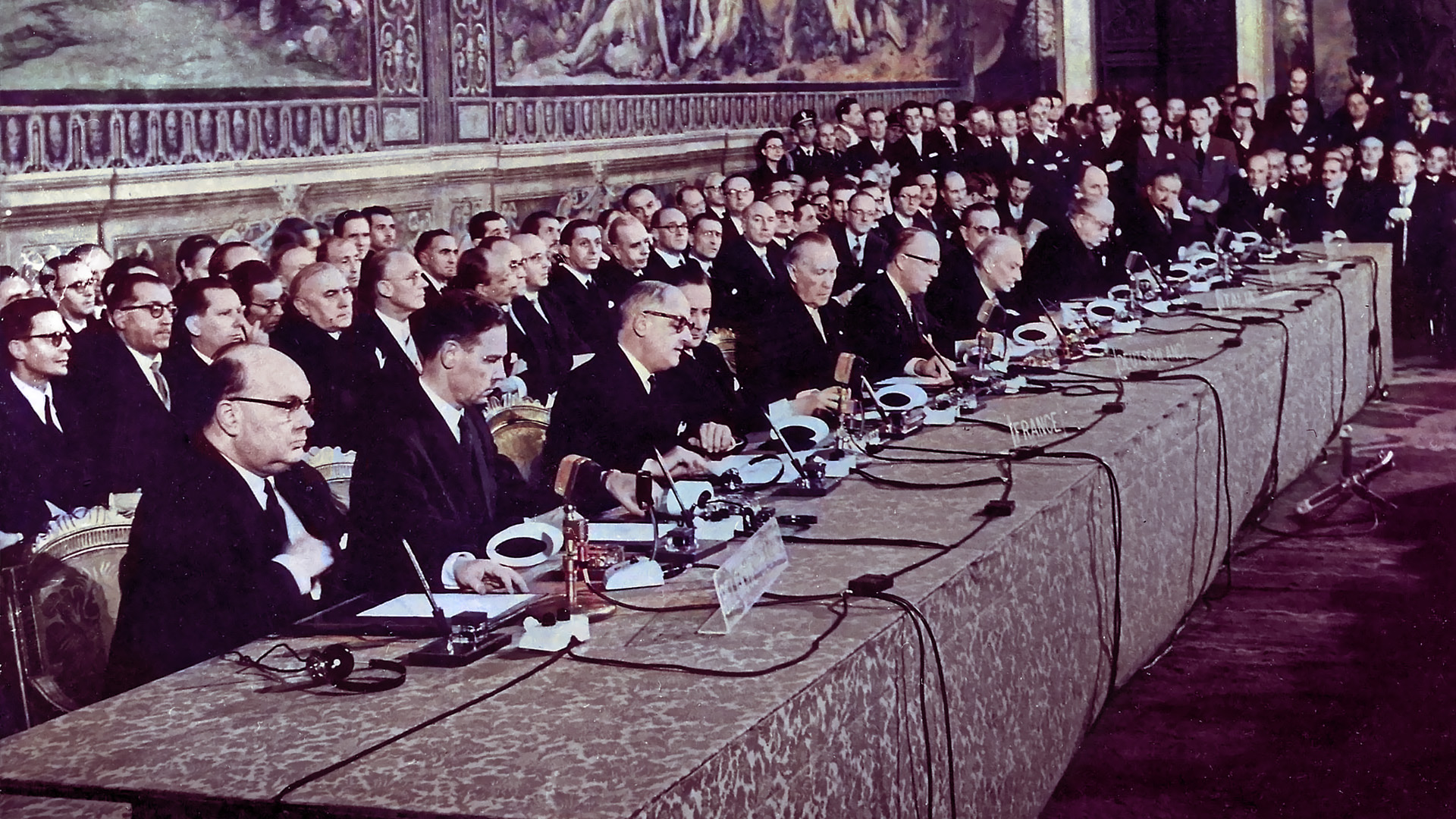
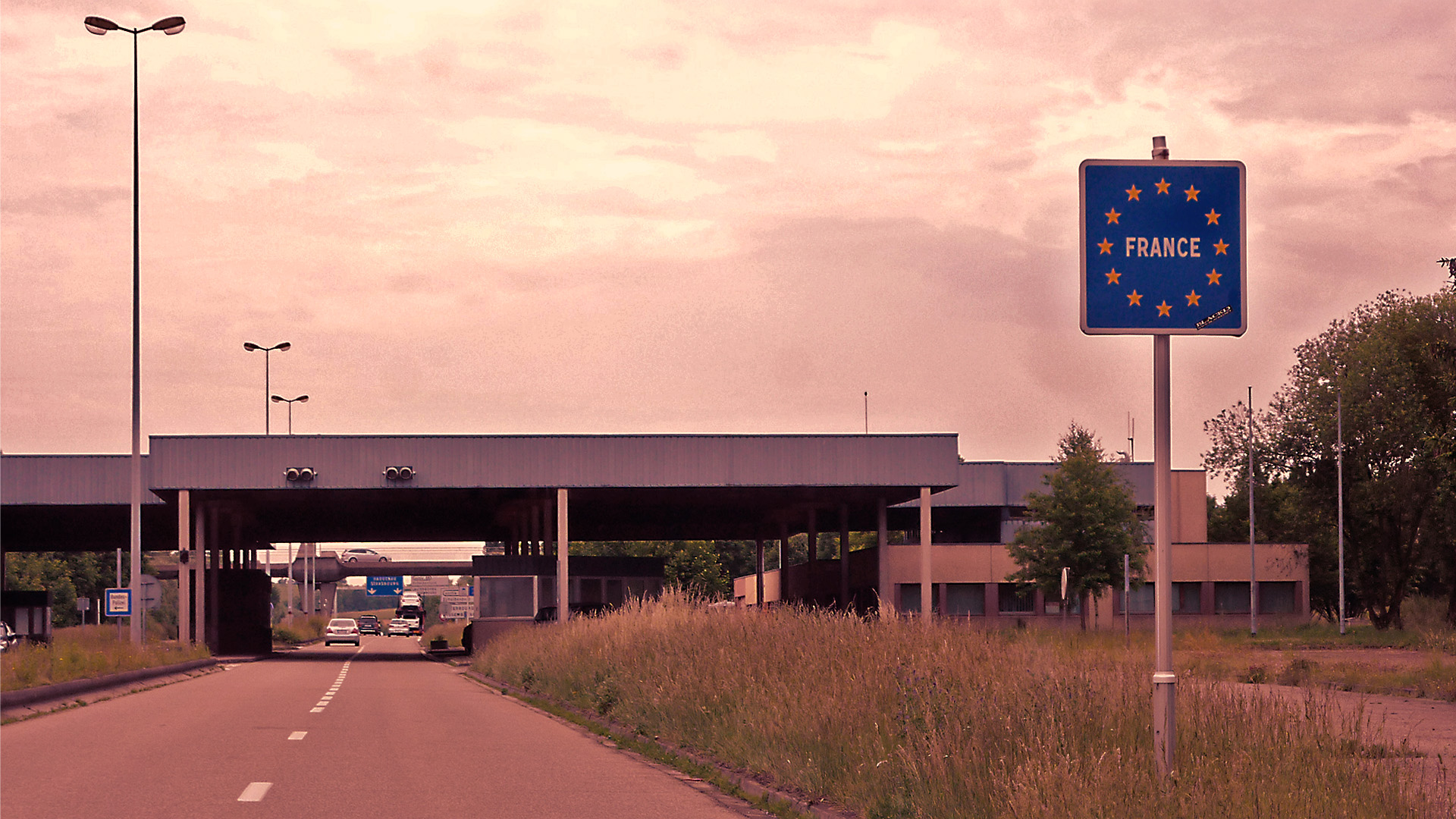
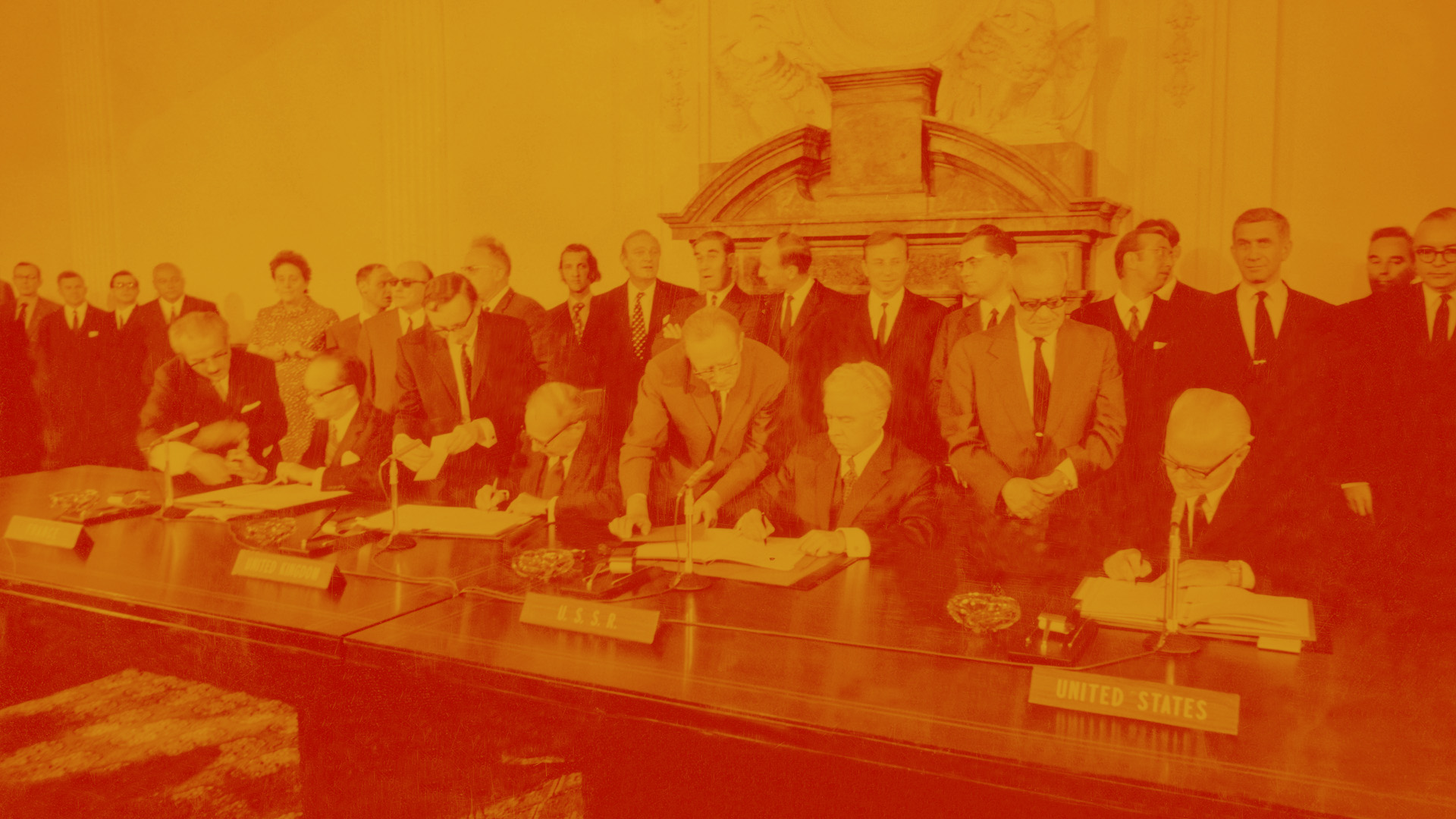
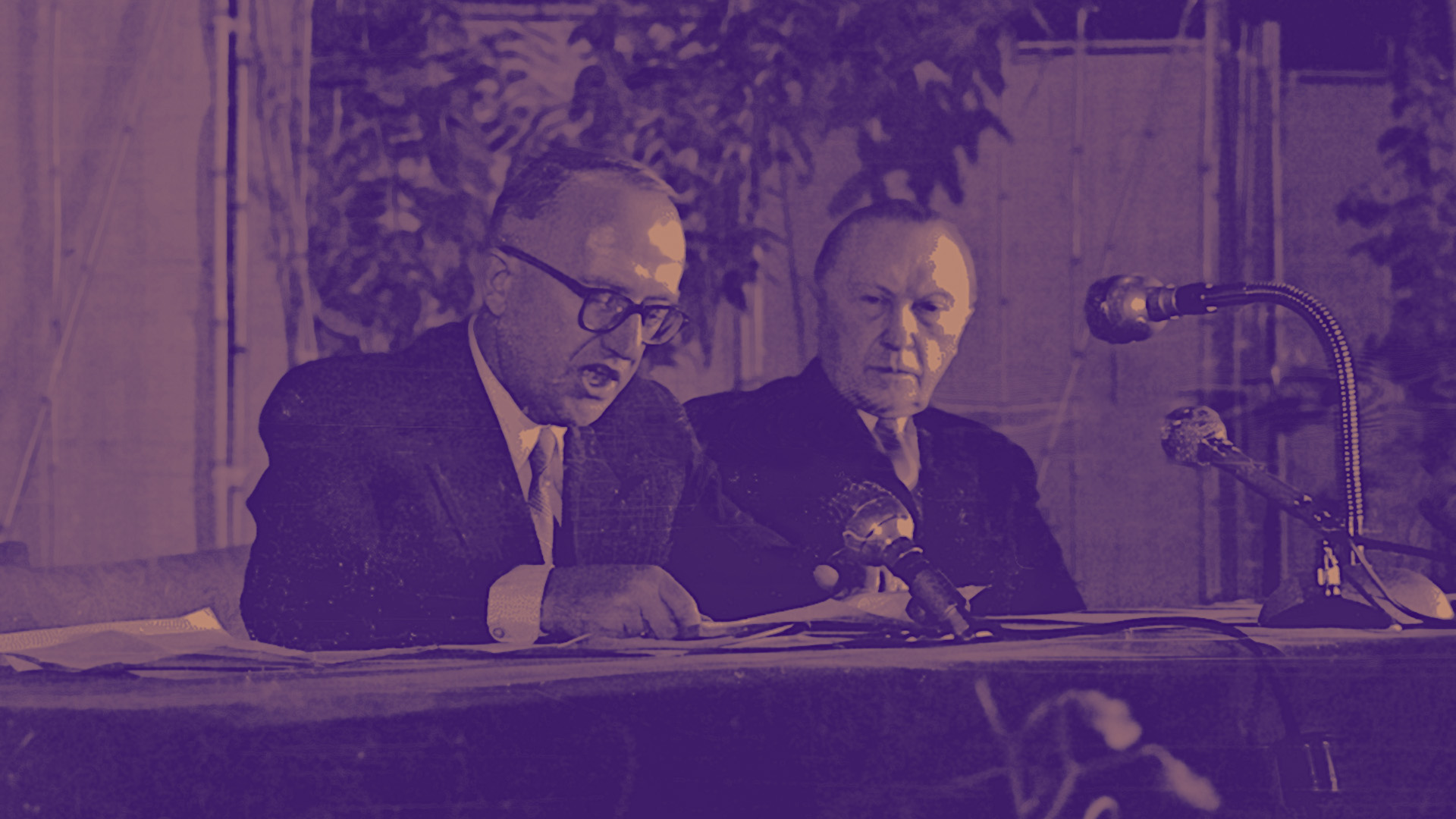
Following the Second World War, the Saarland became part of the French zone of occupation. However, it was soon established as an independent Saar State with its own constitution and citizenship. In the hope of detaching it from Germany and profiting from its rich coal reserves, France began to integrate the area into the French economy. The Franco-German rapprochement of the 1950s then led to the idea of Europeanizing the Saarland. However, the plans drawn up to this end were contingent on the approval of the Saarland population, which voted overwhelmingly against them. Confronted with a two-thirds majority in favour of reunification with Germany, the French government began negotiating the Saar Treaty with West Germany, which was signed on 27 October 1956. In early 1957, the Saarland became the tenth constituent state of the Federal Republic of Germany.

The whole year at a glance










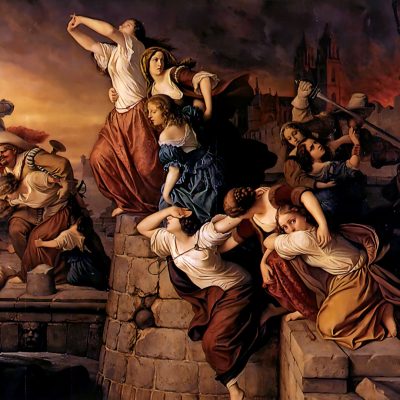
![Lithografie von Johann Nepomuk Heinemann [koloriert], nach Ölgemälde von Feodor Dietz (Foto: LABW, GLAK)](https://www.deutschlandmuseum.de/wp-content/uploads/2025/02/02031689_Zerstoerung_Heidelbergs-400x400.jpg "Lithografie von Johann Nepomuk Heinemann [koloriert], nach Ölgemälde von Feodor Dietz (Foto: LABW, GLAK)")




![Unter den Unterzeichnern sind die Nobelpreisträger Otto Hahn, Werner Heisenberg und Max Born [digital koloriert] (Quelle: Landesarchiv BW Staatsarchiv Freiburg, CC-BY-SA)](https://www.deutschlandmuseum.de/wp-content/uploads/2025/04/12041957_Göttinger_Erklärung-400x400.jpg "Unter den Unterzeichnern sind die Nobelpreisträger Otto Hahn, Werner Heisenberg und Max Born [digital koloriert] (Quelle: Landesarchiv BW Staatsarchiv Freiburg, CC-BY-SA)")




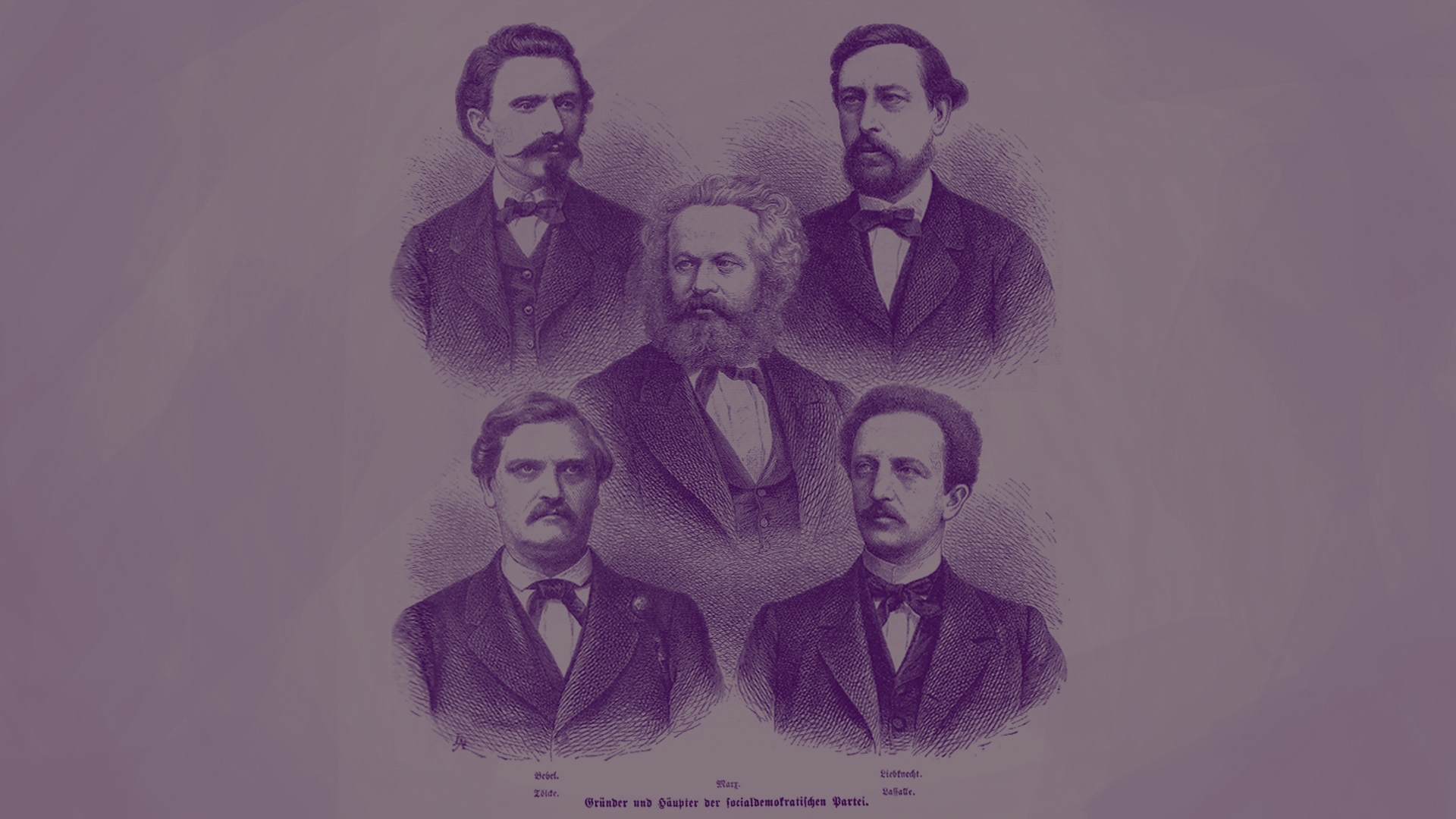
](https://www.deutschlandmuseum.de/wp-content/uploads/2025/04/21041946_SED_Gründung-1-400x400.jpg "Vereinigungsparteitag von KPD und SPD zur SED [digital koloriert](Quelle: Deutsche Fotothek, CC BY-SA 3.0 DE)")



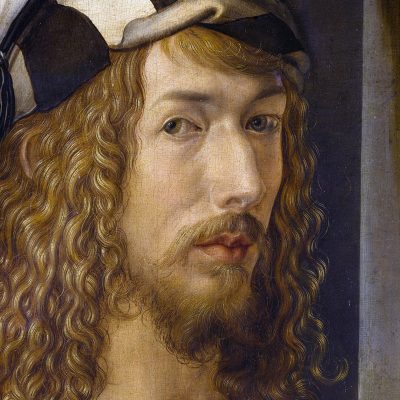







![Alexander von Humboldt [Ausschnitt], Gemälde von Friedrich Georg Weitsch (Quelle: Alte Nationalgalerie)](https://www.deutschlandmuseum.de/wp-content/uploads/2025/09/14091769_Humboldt-400x400.jpg "Alexander von Humboldt [Ausschnitt], Gemälde von Friedrich Georg Weitsch (Quelle: Alte Nationalgalerie)")



![Albert Einstein im Patentamt Bern, 1905 [digital koloriert] (Quelle: ETH-Bibliothek Zürich)](https://www.deutschlandmuseum.de/wp-content/uploads/2025/09/26091905_Einstein_koloriert-400x400.jpg "Albert Einstein im Patentamt Bern, 1905 [digital koloriert] (Quelle: ETH-Bibliothek Zürich)")