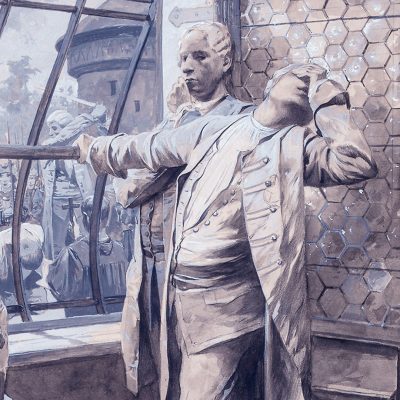
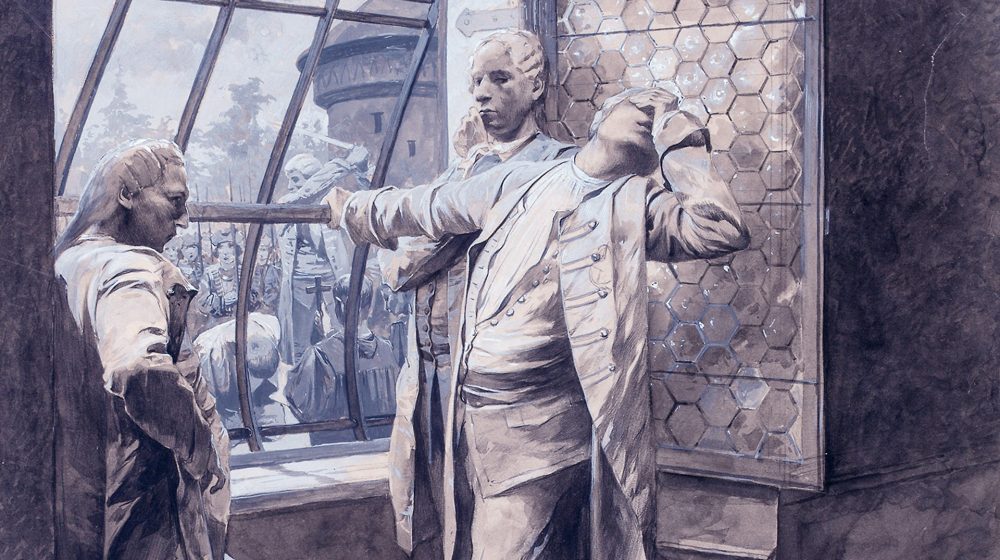

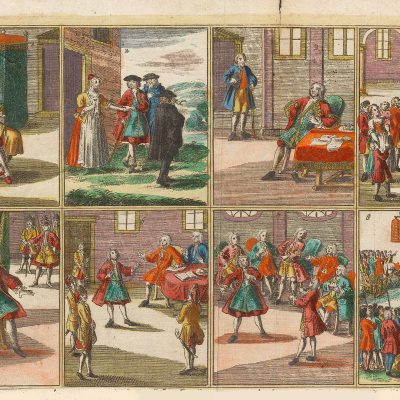
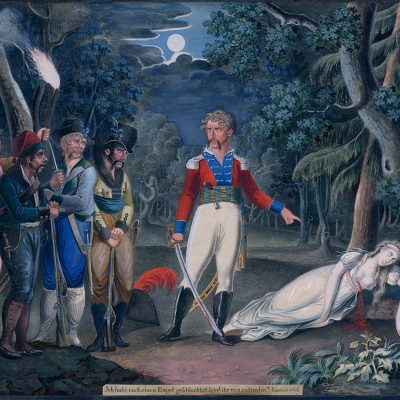
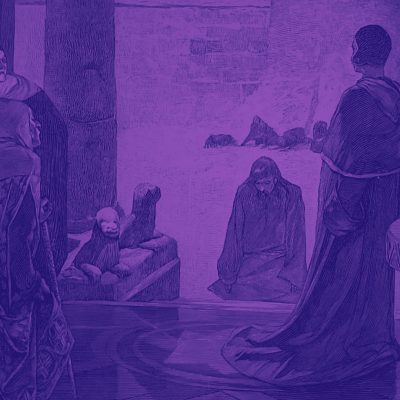
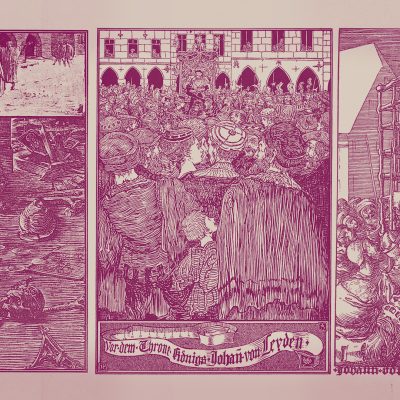
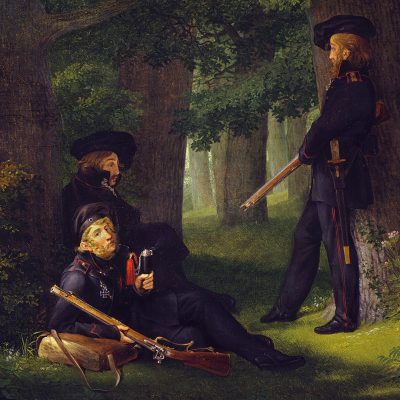
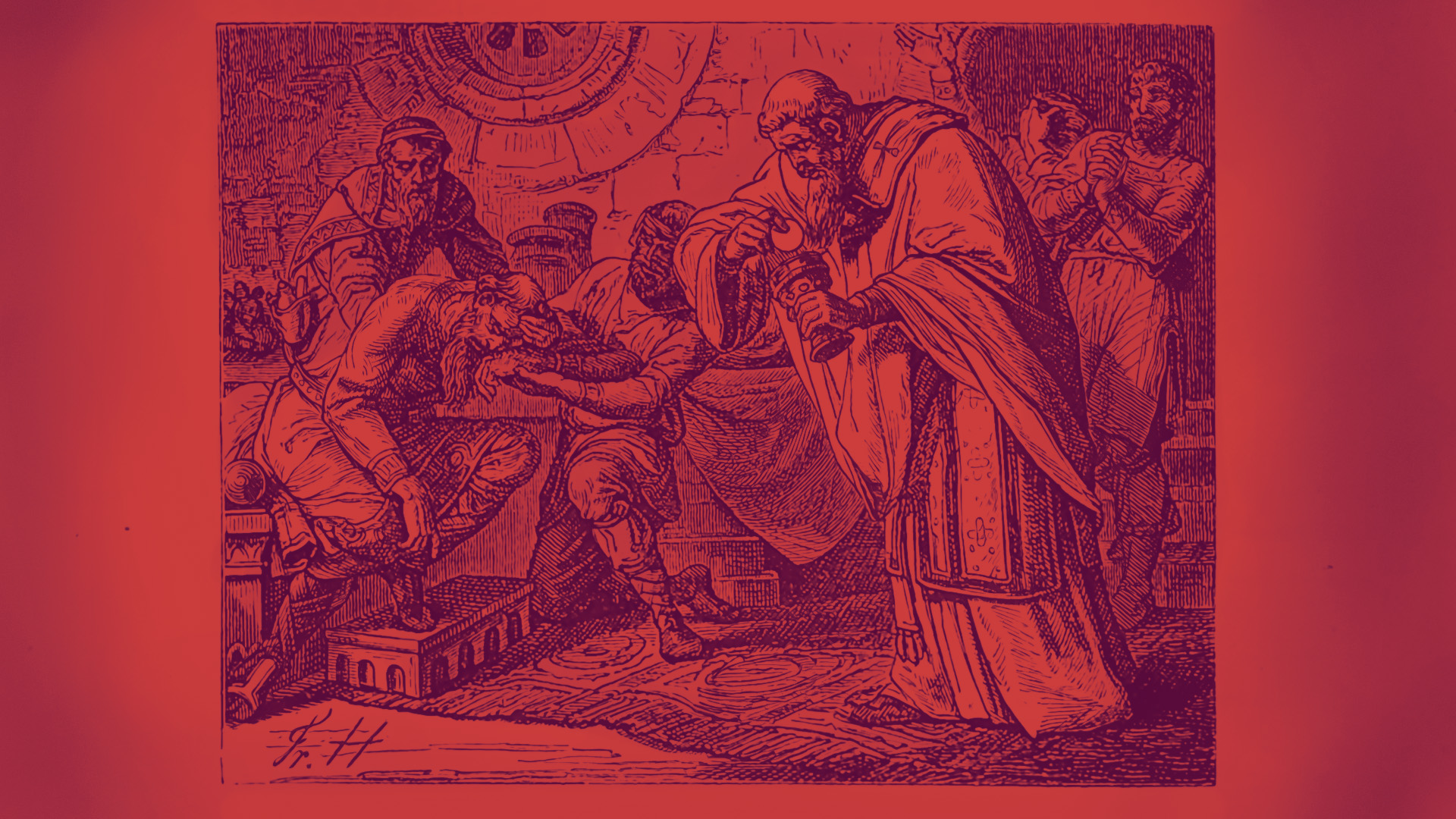
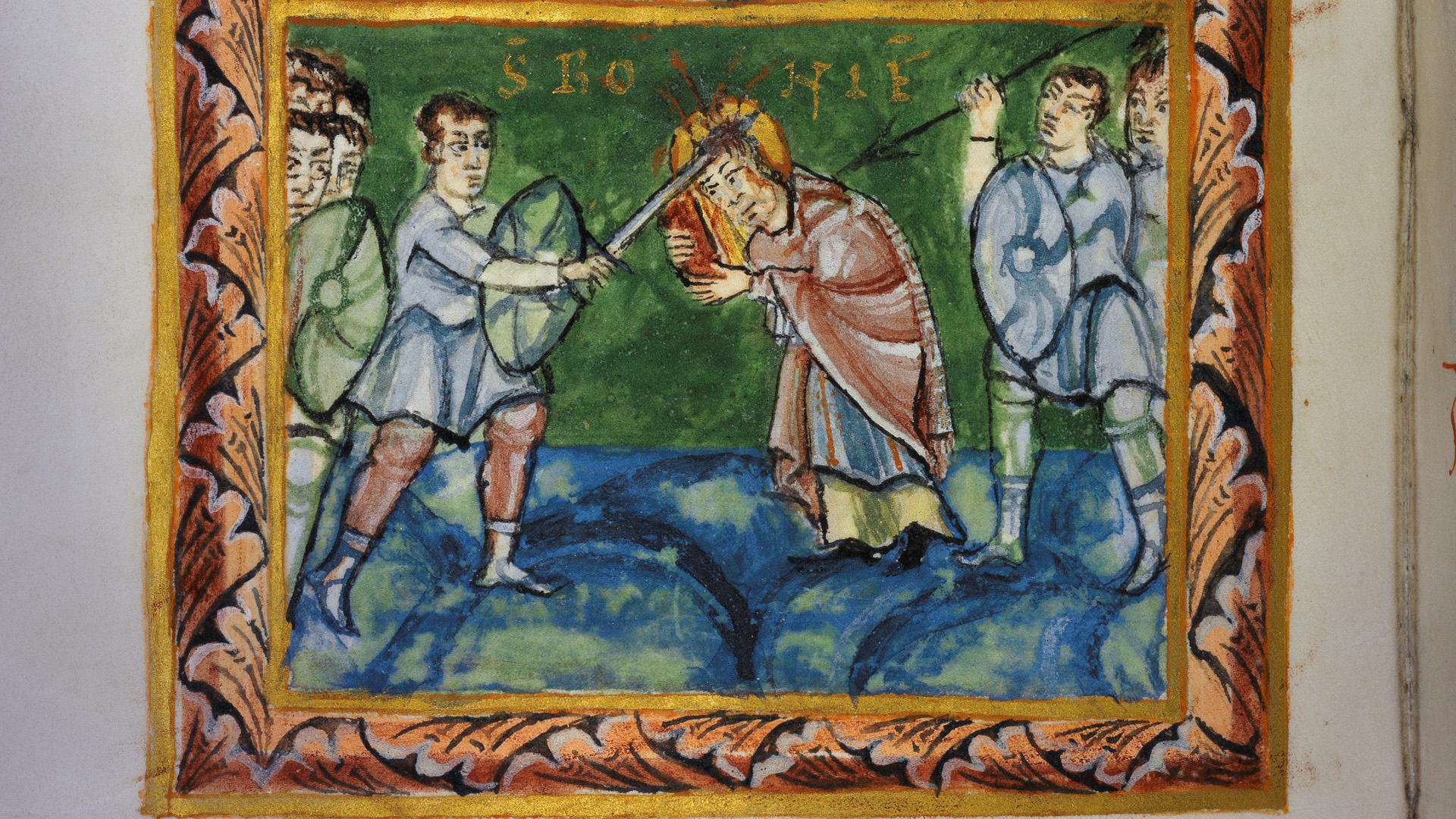
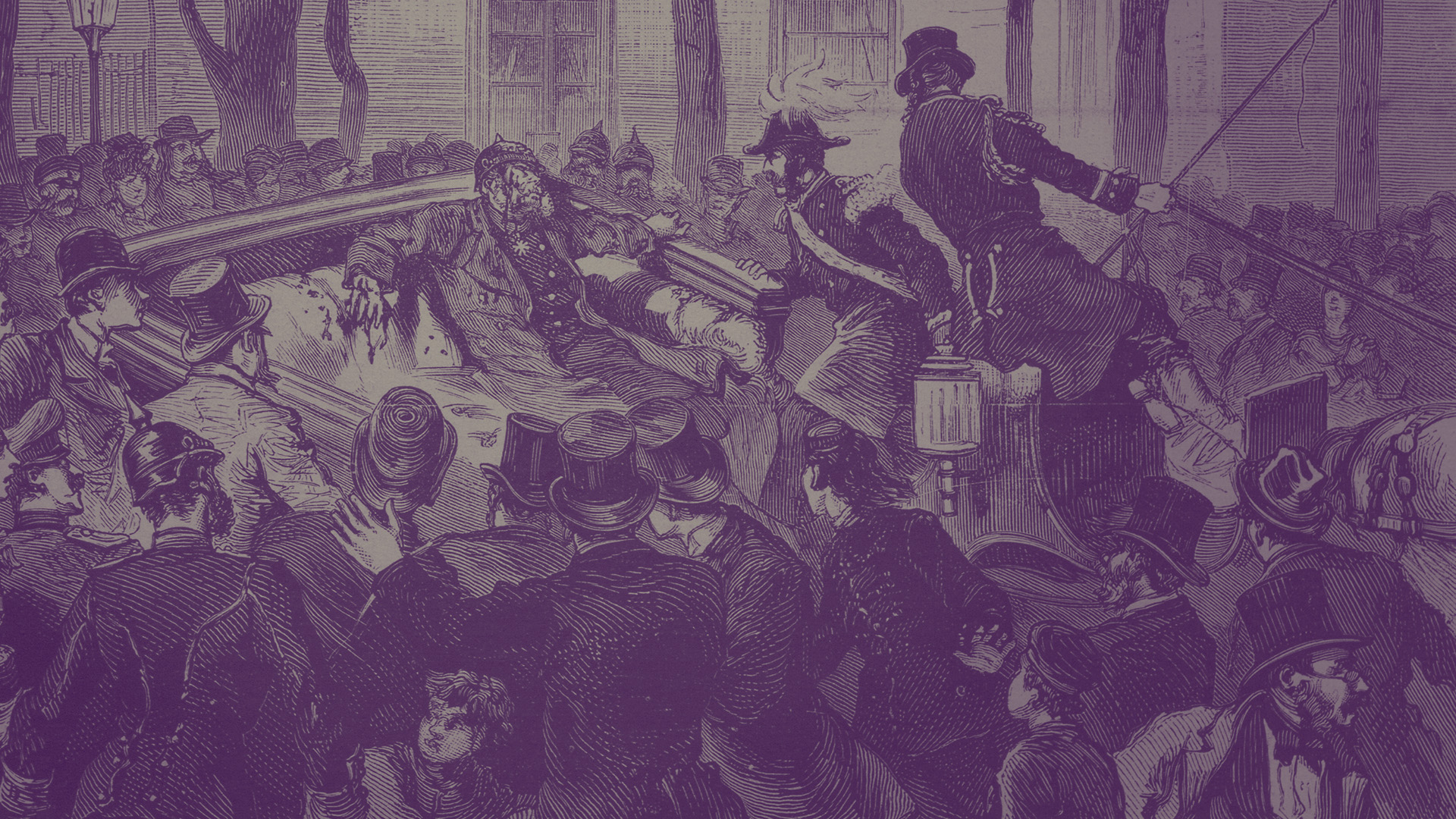
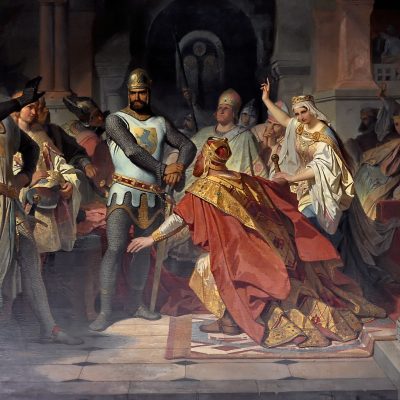
The Prussian lieutenant is beheaded before the eyes of the heir to the throne
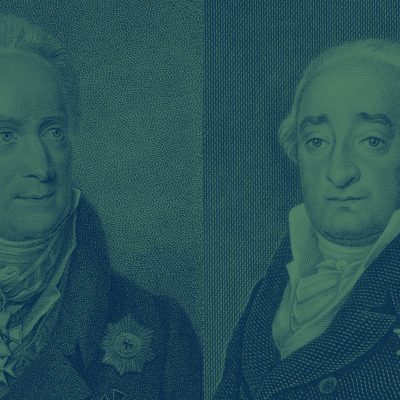
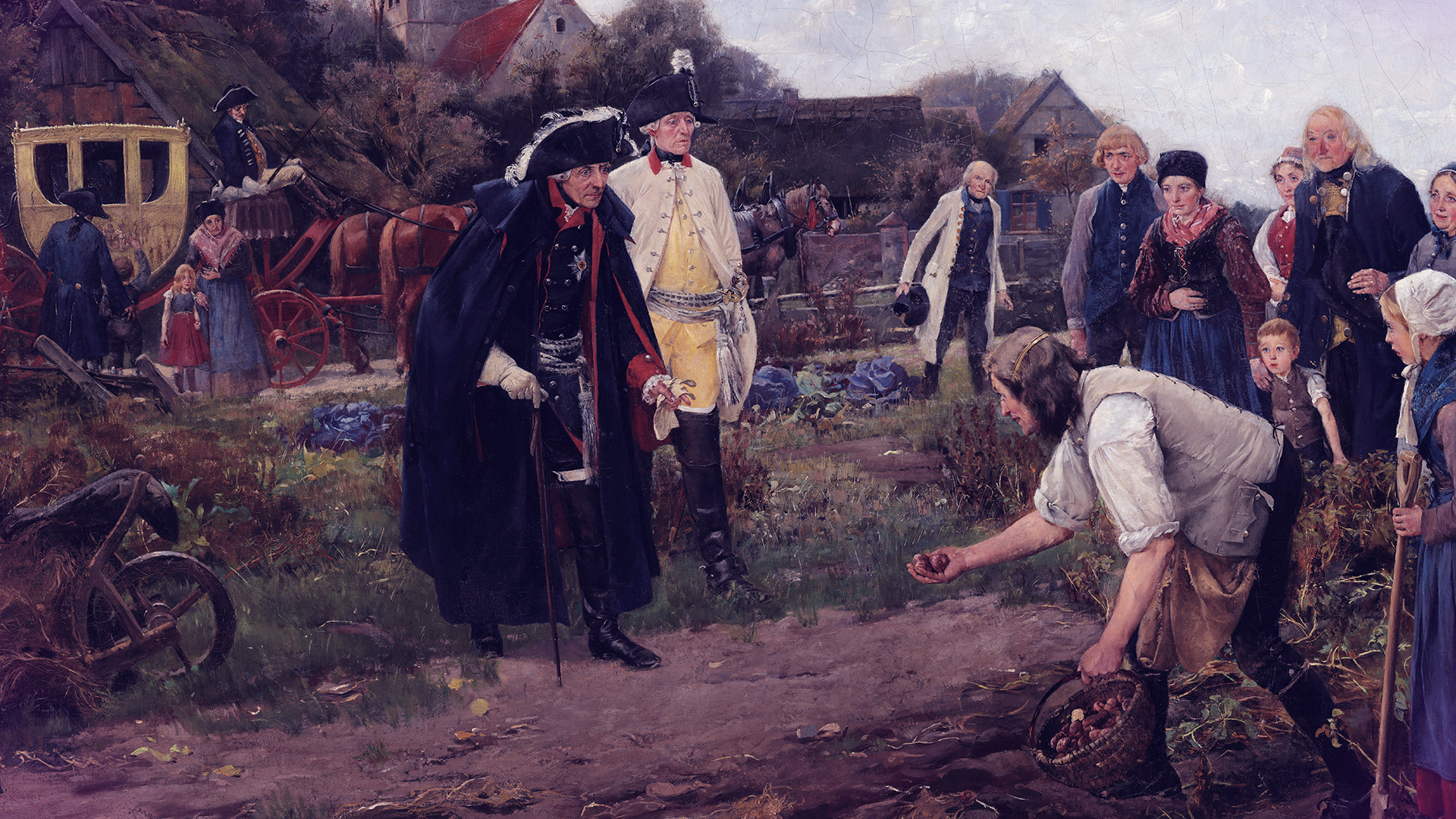
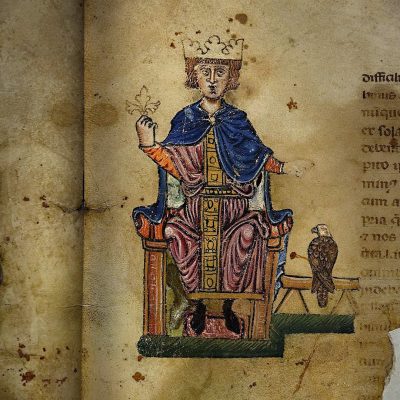
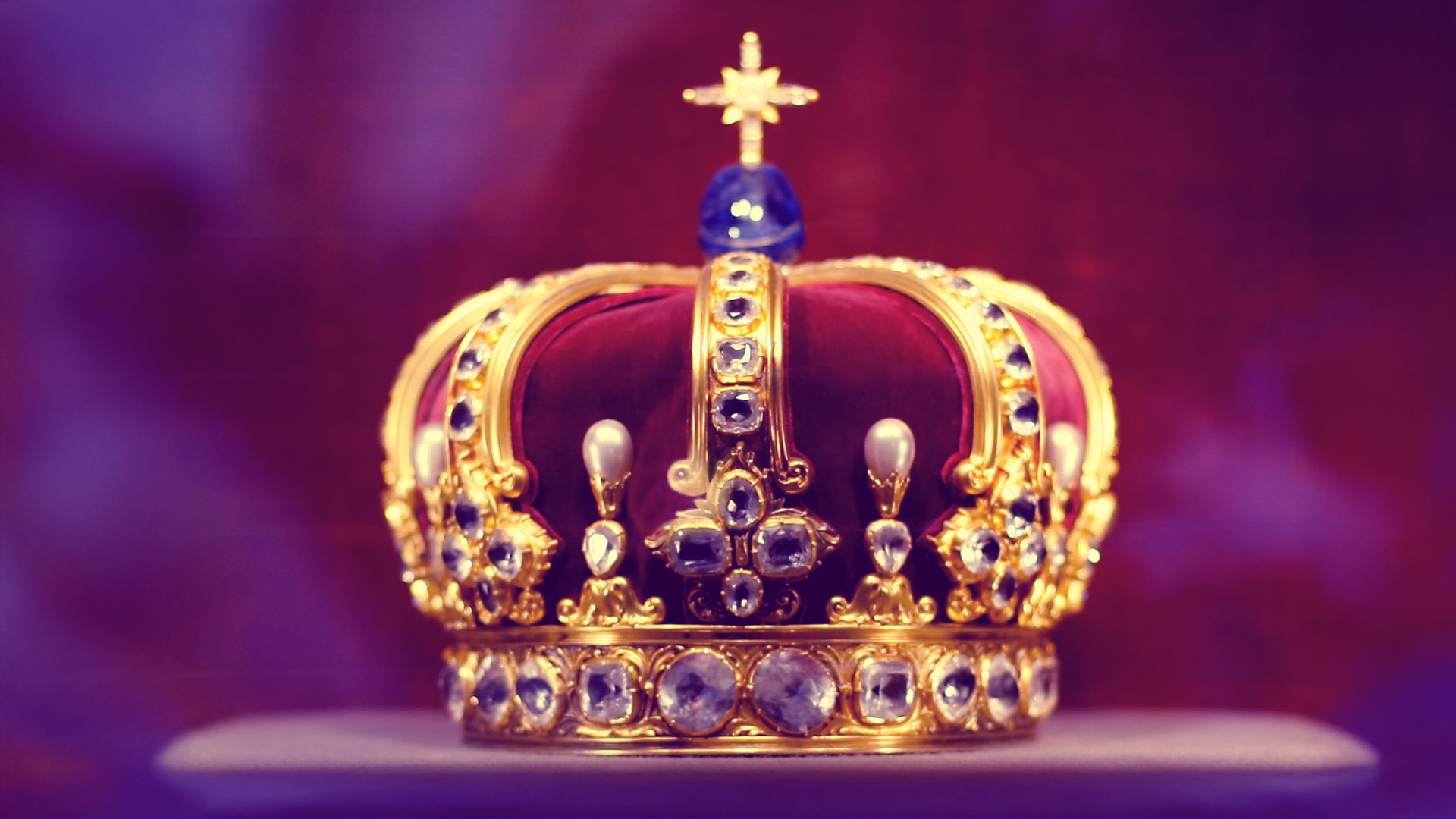
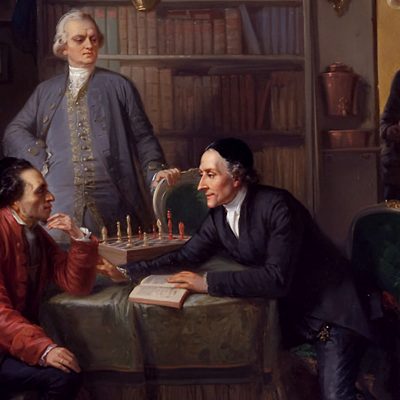
Seeking to maintain the independence of his kingdom, Frederick William I, the “Soldier King” of Prussia, doubled the size of his army, making sparsely populated Prussia the fourth largest military power in Europe. As this placed a strain on the already underpopulated country, and not wishing to introduce too many immigrants, Frederick William decreed that no one could leave Prussia without permission. Otherwise he feared for the viability of the state. In 1730, a dispute arose between the ruler and his 18-year-old son and heir to the throne Frederick, whilst they were both participating in a military exercise. After Frederick was beaten by his father in front of his entourage, he hatched a plan to flee to England in order to escape his father’s authority. He told no one except his friend Hans Hermann von Katte.
Frederick addressed a letter to Katte in Berlin whilst on a trip to southern Germany, giving instructions on what to do to aid his escape. However, the Soldier King had already suspected something was afoot and instructed a valet to keep an eye on his son. The letter fell into the king’s hands, and the escape attempt was nipped in the bud. The king ordered that his son be beaten and arrested and threatened to have him and his helper executed. A court martial twice declared itself not competent to judge the heir to the throne, but sentenced Katte to life imprisonment. As an absolutist king, Frederick William I did not accept the verdict and converted it into a death sentence for Katte. Katte and Frederick were held in Küstrin Fortress and dressed in the same clothes, so that the crown prince also expected to be executed. On 6 November 1730, Frederick was ordered to watch whilst his friend was executed, and he fainted. Frederick was forced to join the army as a private soldier and learn everything there was to know about military life. This knowledge later served him well in the many wars that he fought as king, which contributed to his historical reputation as Frederick the Great.

The whole year at a glance





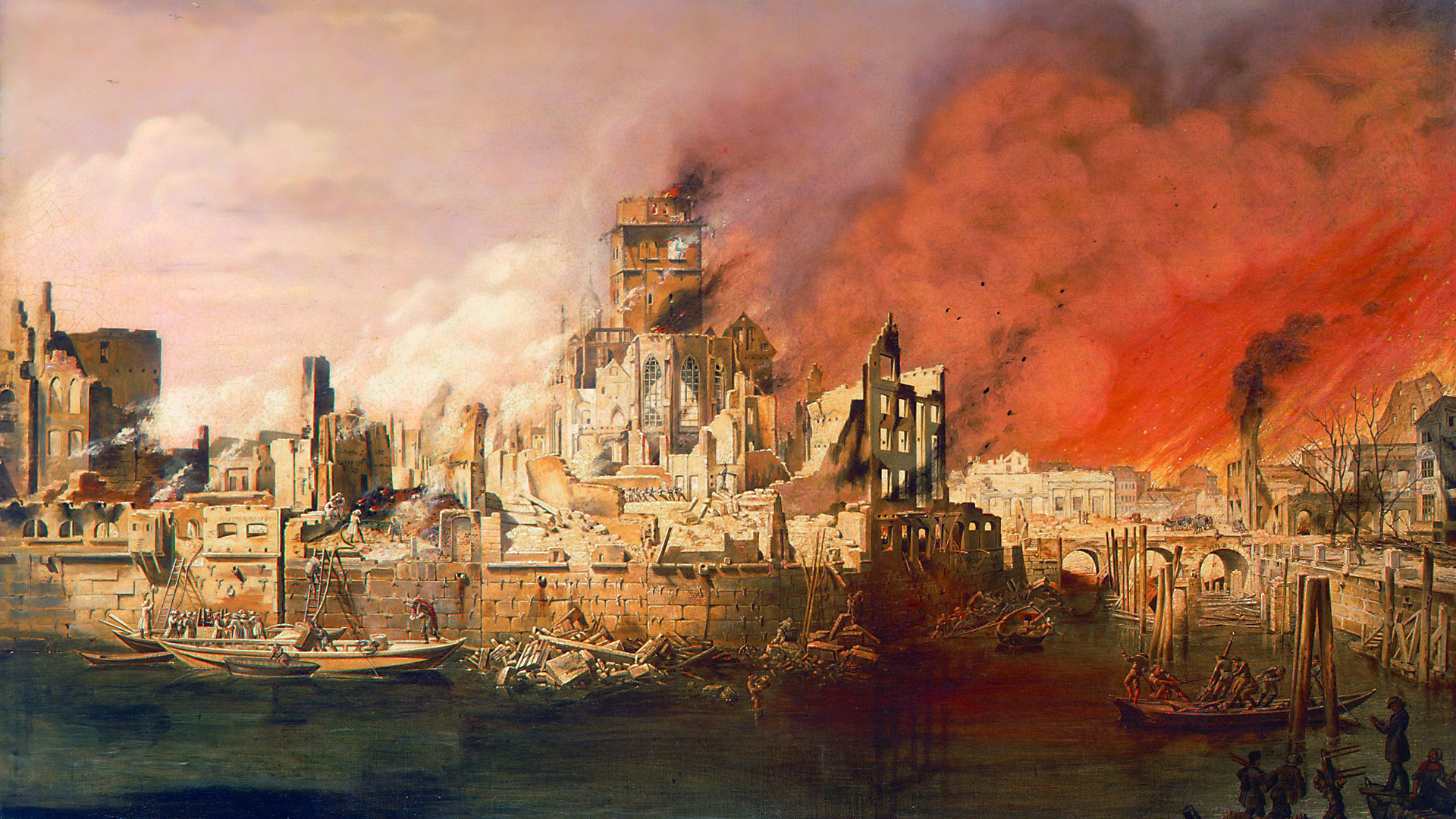
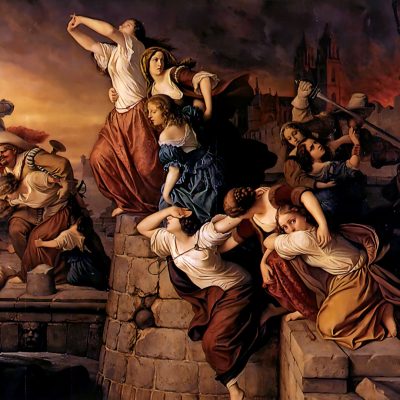
![Lithografie von Johann Nepomuk Heinemann [koloriert], nach Ölgemälde von Feodor Dietz (Foto: LABW, GLAK)](https://www.deutschlandmuseum.de/wp-content/uploads/2025/02/02031689_Zerstoerung_Heidelbergs-400x400.jpg "Lithografie von Johann Nepomuk Heinemann [koloriert], nach Ölgemälde von Feodor Dietz (Foto: LABW, GLAK)")




![Unter den Unterzeichnern sind die Nobelpreisträger Otto Hahn, Werner Heisenberg und Max Born [digital koloriert] (Quelle: Landesarchiv BW Staatsarchiv Freiburg, CC-BY-SA)](https://www.deutschlandmuseum.de/wp-content/uploads/2025/04/12041957_Göttinger_Erklärung-400x400.jpg "Unter den Unterzeichnern sind die Nobelpreisträger Otto Hahn, Werner Heisenberg und Max Born [digital koloriert] (Quelle: Landesarchiv BW Staatsarchiv Freiburg, CC-BY-SA)")




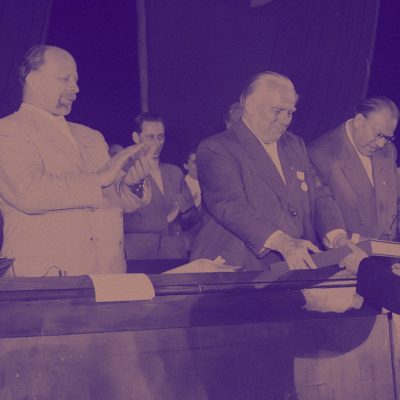
](https://www.deutschlandmuseum.de/wp-content/uploads/2025/04/21041946_SED_Gründung-1-400x400.jpg "Vereinigungsparteitag von KPD und SPD zur SED [digital koloriert](Quelle: Deutsche Fotothek, CC BY-SA 3.0 DE)")















![Alexander von Humboldt [Ausschnitt], Gemälde von Friedrich Georg Weitsch (Quelle: Alte Nationalgalerie)](https://www.deutschlandmuseum.de/wp-content/uploads/2025/09/14091769_Humboldt-400x400.jpg "Alexander von Humboldt [Ausschnitt], Gemälde von Friedrich Georg Weitsch (Quelle: Alte Nationalgalerie)")



![Albert Einstein im Patentamt Bern, 1905 [digital koloriert] (Quelle: ETH-Bibliothek Zürich)](https://www.deutschlandmuseum.de/wp-content/uploads/2025/09/26091905_Einstein_koloriert-400x400.jpg "Albert Einstein im Patentamt Bern, 1905 [digital koloriert] (Quelle: ETH-Bibliothek Zürich)")