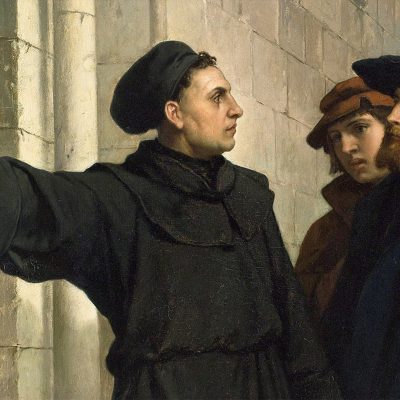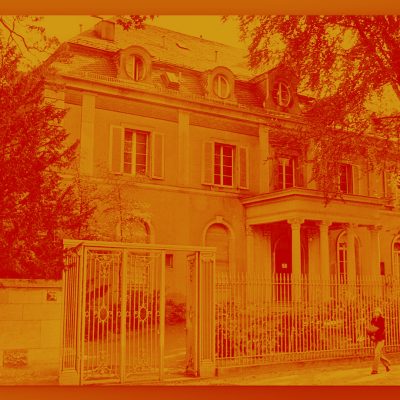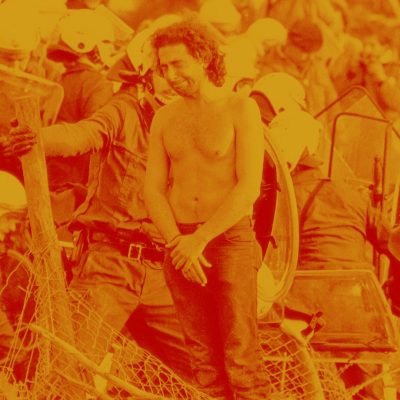
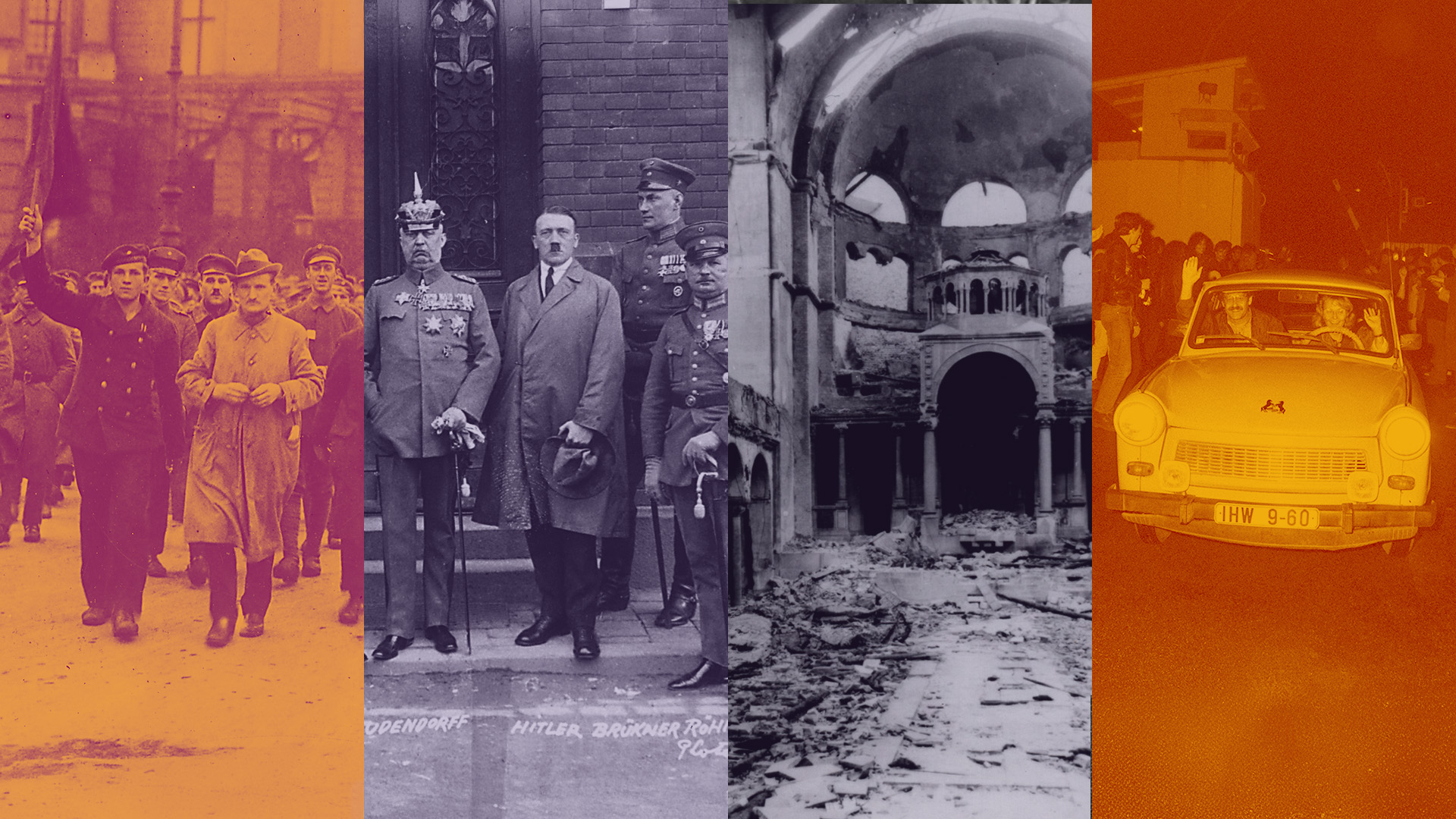

The 20th century saw several decisive events in German history
Further events of 9 November
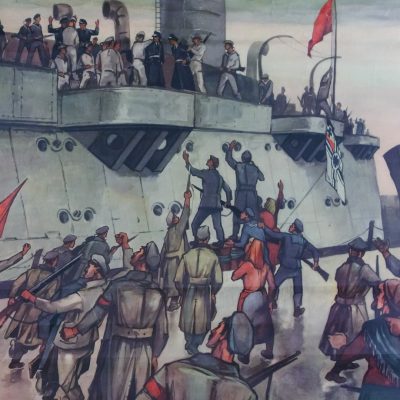
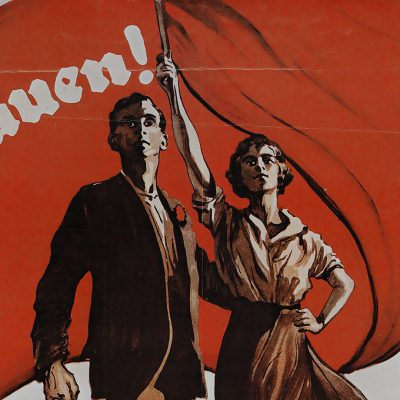
1918 November Revolution
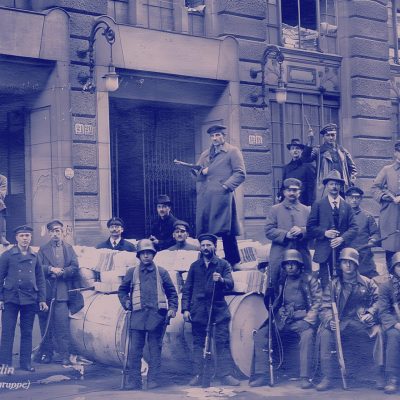
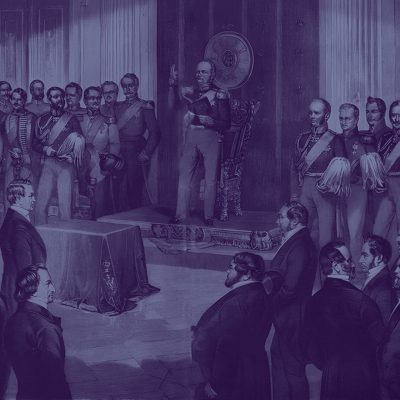
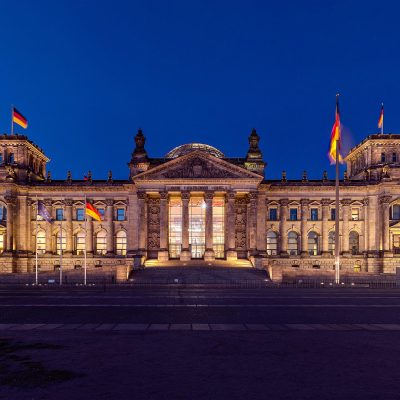
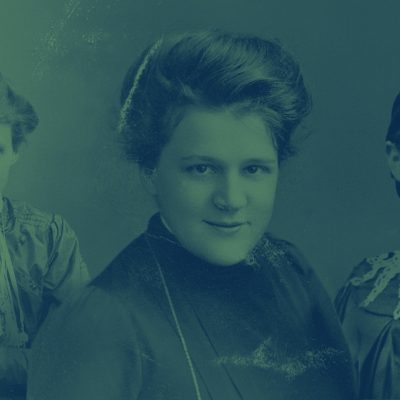
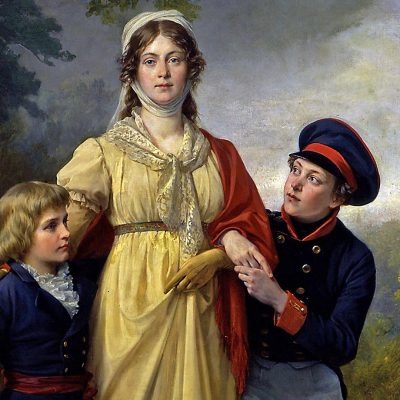
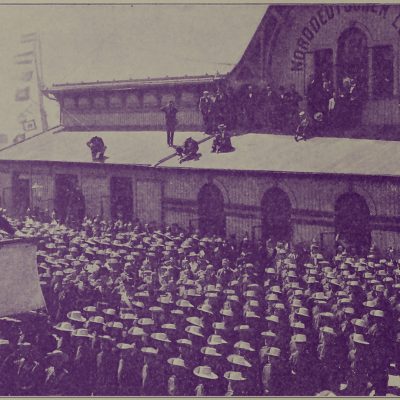
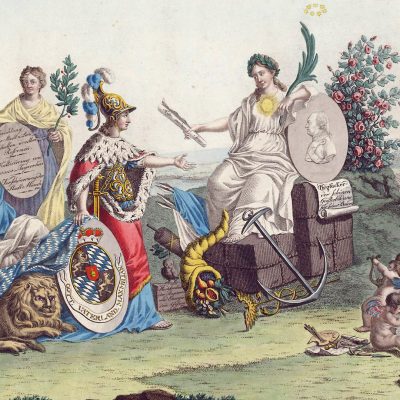
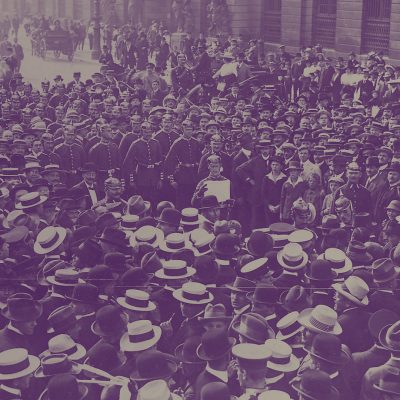
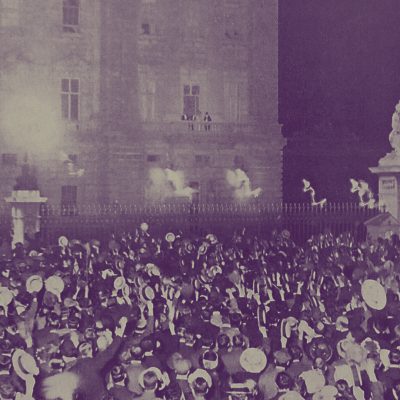
The mutiny of sailors in Kiel in late October 1918 sparked civilian strikes and protests throughout Germany, which had been radicalized by the conditions on the home front and news of the impending surrender in France. Workers’ and soldiers’ councils took power in many towns and cities in Germany. The Bavarian King Ludwig III was the first prince to be overthrown; this was followed by the abdication of the Kaiser on 9 November 1918. Addressing the crowd from a window in the Reichstag, the Social Democrat Philipp Scheidemann proclaimed a republic. Two hours later, the radical left-winger Karl Liebknecht called for this republic to become part of an international socialist revolution. A transitional government was formed between moderates and radicals in an attempt to avoid violence. The ensuing weeks saw the abdication of the remaining German princes. Historians are uncertain whether the phrase popularly attributed to the Saxon King Friedrich August III – “you are on your own now” – is authentic, but it was apposite. Germany was entering uncharted waters and there was no settled consensus regarding how to proceed.
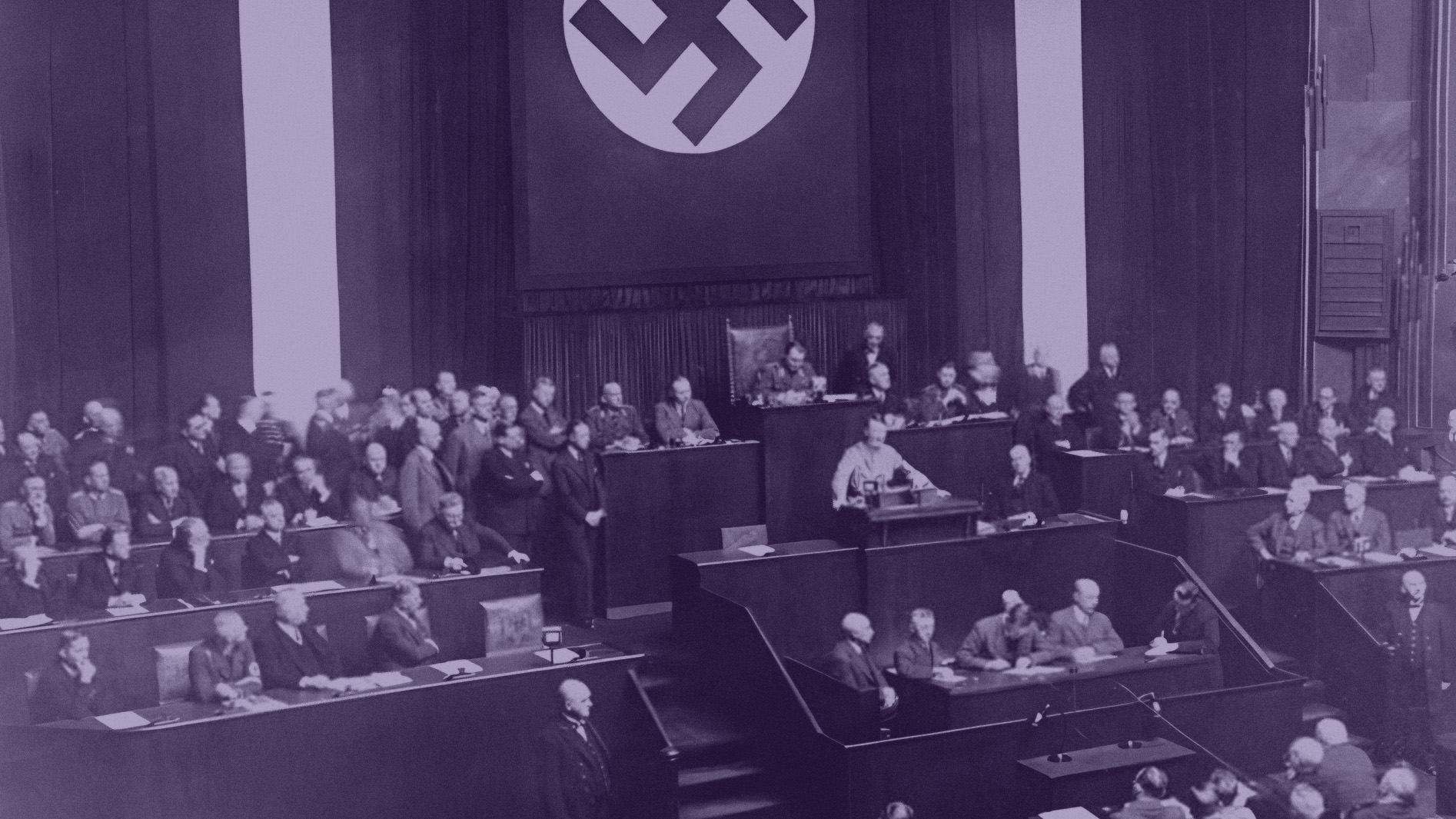
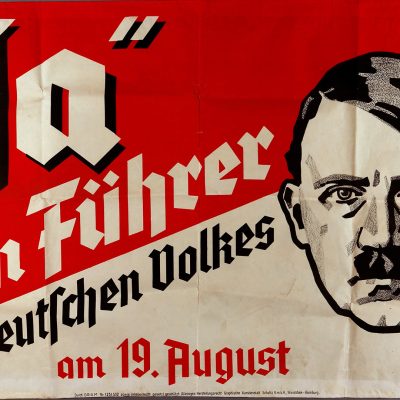
1923 The Hitler Putsch
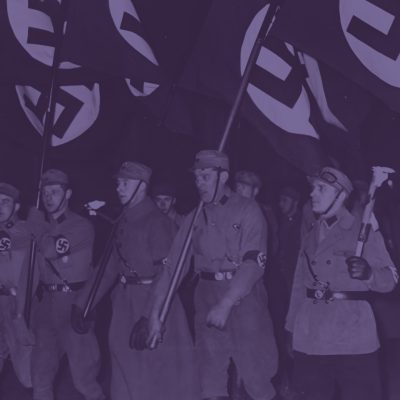
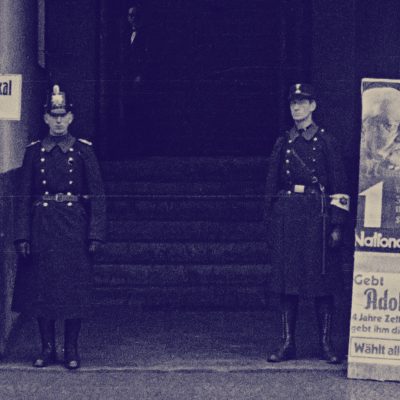
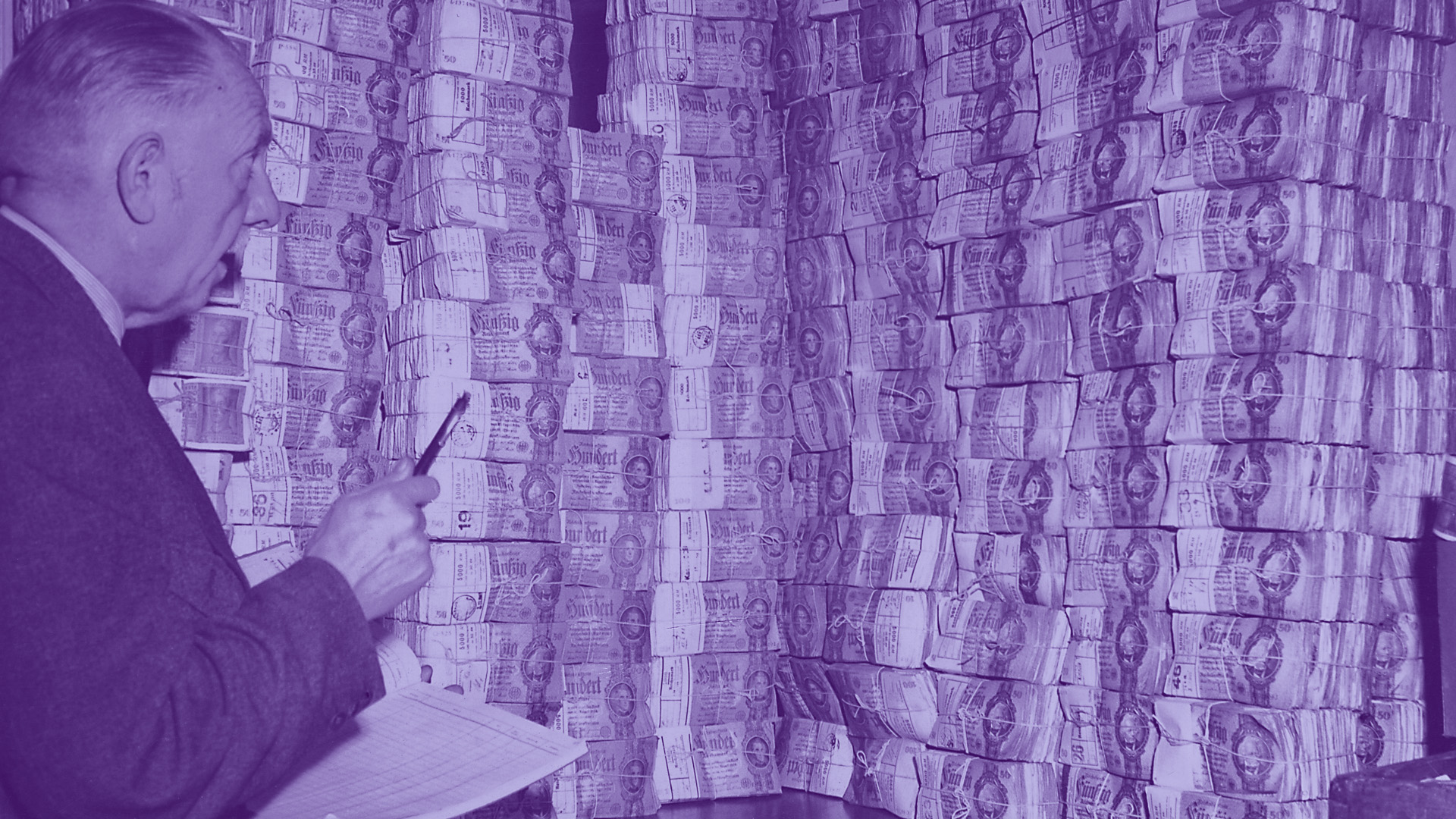
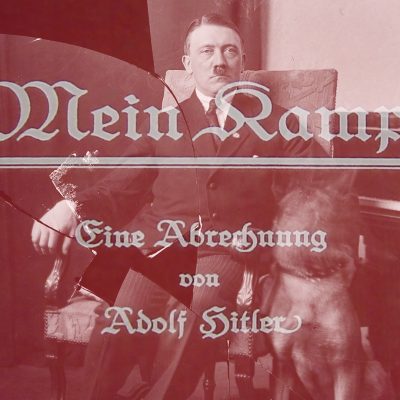
1923 saw the Weimar Republic lurch from one crisis to another: hyperinflation, economic misery, and the French occupation of the Ruhr. The latter prompted many Rhinelanders to engage in “passive resistance” to the occupiers in the form of mass strikes and civil disobedience. For many conservatives, the government’s decision to end this campaign was tantamount to treason, and the Bavarian government even went as far as to appoint the right-wing politician Gustav Ritter von Kahr as the effective dictator of the southern state. This unconstitutional move prompted President Ebert to declare a state of emergency for the whole of Germany. In Munich, other aspiring strongmen challenged von Kahr’s authority. Whilst von Kahr was giving a speech in Munich’s Bürgerbräukeller on 8 November, Adolf Hitler suddenly appeared with other National Socialists. Firing a pistol into the ceiling, he announced a “national revolution”. After some back and forth, von Kahr pledged his support, which he later revoked. Hitler had actually planned to lead a march on Berlin – modelled on Mussolini’s “March on Rome” – and seize power in the capital. However, when units of the Reichswehr and state police took up positions in the centre of Munich on the morning of 9 November 1923, the putschists, led by Hitler and the First World War hero General Ludendorff, decided first to win over Bavarian popular support with a march through Munich city centre. The police stopped the National Socialists at the Feldherrnhalle, and an exchange of fire ensued, in which four police officers, 13 putschists and a passer-by were killed. That was the end of the coup. Ludendorff and Hitler were arrested, and the NSDAP was banned.
1938 The Night of Broken Glass
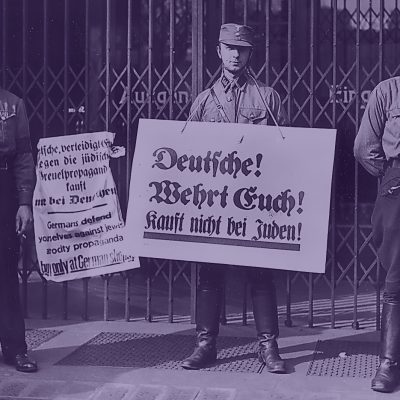
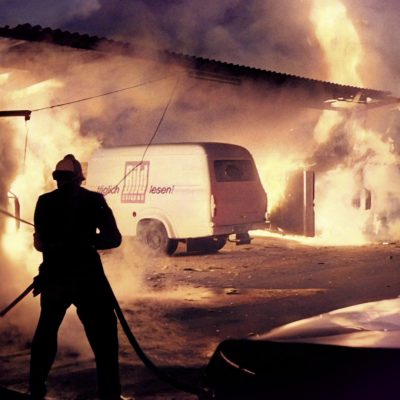
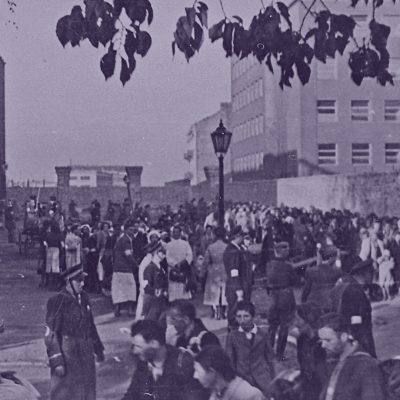
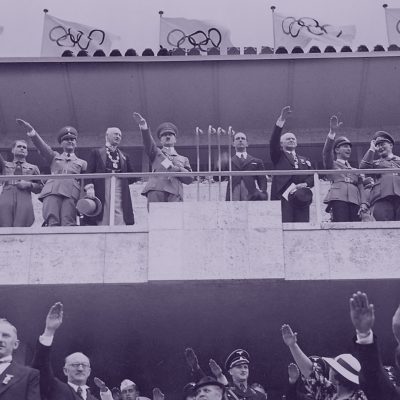
Adolf Hitler was clear that there would be no place for Jews in the Third Reich and set about drafting measures to exclude them from the life of the German nation. A boycott of Jewish businesses in April 1933 was followed by a law forcing all civil servants of “non-Aryan descent” into retirement. This “Aryan paragraph” was later extended to other professional groups, and Jews were prohibited from practising law, medicine and a range of other professions. The Nuremberg Laws of 1935 not only made Jews second-class citizens, but also prohibited them from marrying or maintaining sexual relations with non-Jews. After a quiet year in 1936 during the Olympic Games, pressure subsequently intensified. Policymakers now sought to solve the “Jewish question”, either through encouraging the emigration of Jews or expelling them. When the 17-year-old Herschel Grynszpan – who was living with his uncle in Paris – heard in the autumn of 1938 that his parents were to be expelled to Poland, he bought a revolver and shot and killed the German ambassador Ernst vom Rath. Goebbels used the incident as a pretext for a brutal attack on German Jews. In the night of 9 November 1938, units of the SA vandalized thousands of homes and businesses belonging to Jews and set hundreds of synagogues on fire. In the aftermath, tens of thousands of Jewish men were sent to concentration camps. The episode claimed at least 100 lives. Most “Aryan” civilians remained passive, neither supporting the perpetrators nor helping the victims. The Jews were later forced to pay financial compensation to cover the damage caused during Reichskristallnacht, or the Night of Broken Glass.
1989 The fall of the Berlin Wall
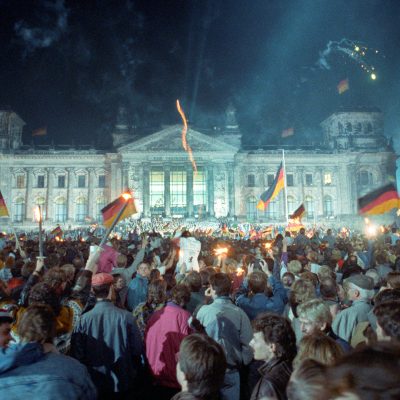
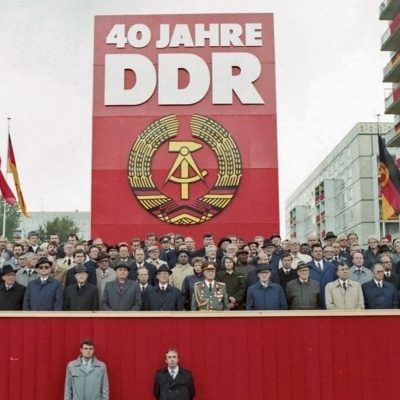
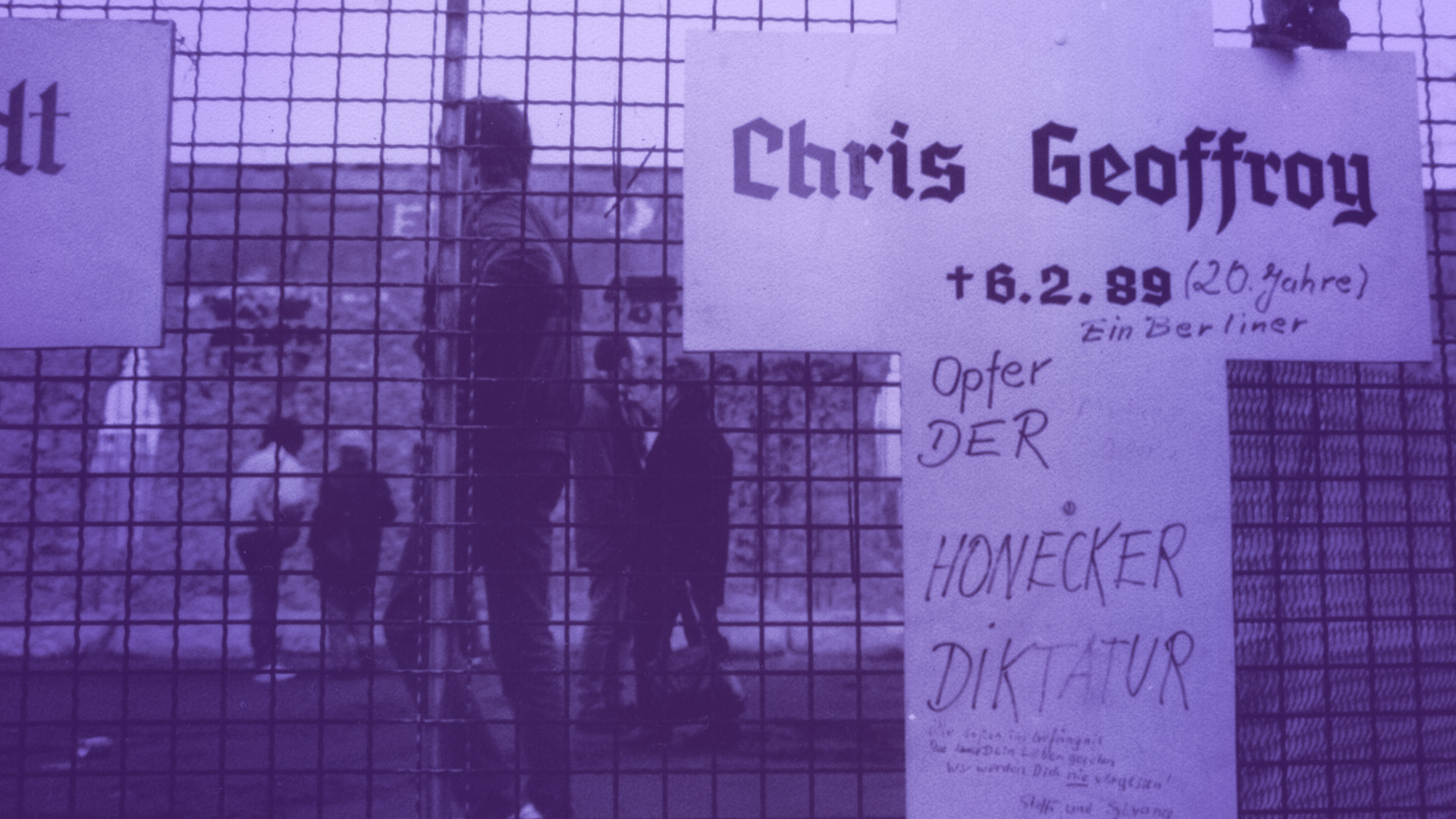
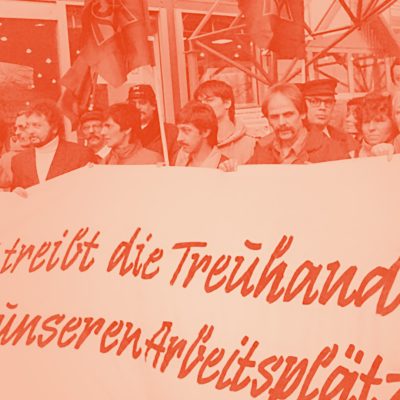
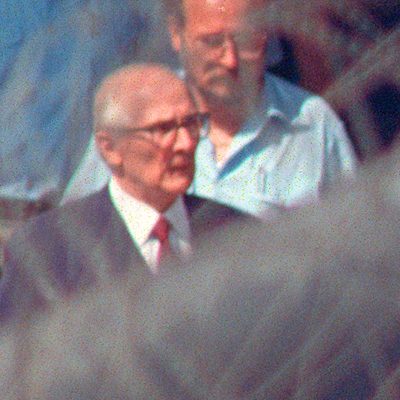
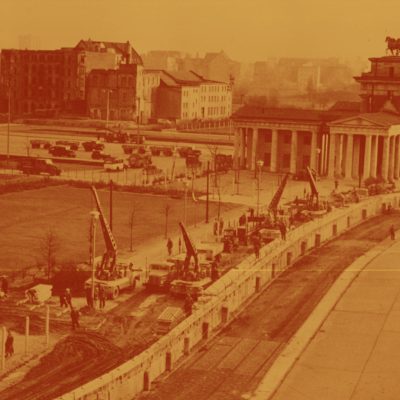
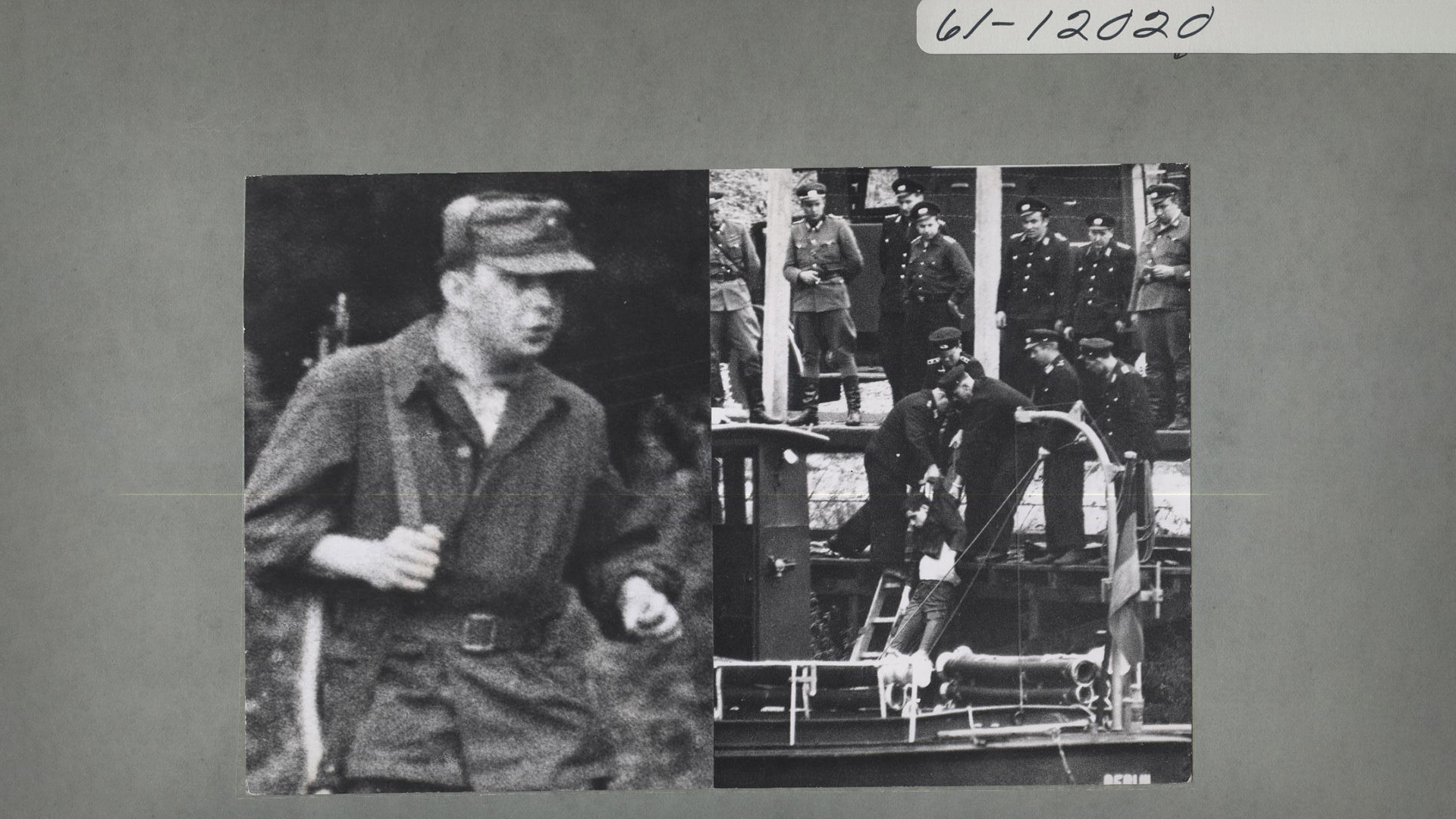
The autumn of 1989 was cold, but the political temperature was running hot. Whilst some East Germans sought to leave the republic, many of those remaining were on the streets calling for change. Simply replacing the long-serving dictator Erich Honecker with the younger Egon Krenz did little to appease the protesters, a million of whom staged the largest demonstration in the history of the DDR, on the Alexanderplatz on 4 November. After Czechoslovakia complained that so many East Germans were tramping through their country on the way to freedom, the Central Committee of the SED planned a new travel law. Although the details had not yet been finalized, it was announced on 9 November 1989 by Günter Schabowski, who had not taken part in deliberations regarding the changes and was unable to clarify the details when forced to inform the world’s press at the evening international press conference. When asked when this would take effect, he replied: “To my knowledge … immediately – without delay.” The live broadcast of the press conference triggered a mass rush to the border crossings to West Berlin. As the border guards were unable to obtain clear instructions from above, they opened the gates. Media reports fanned the flames, and millions of East Germans crossed the border into the West. Many also climbed onto the Berlin Wall, which although still standing, had effectively fallen. The “fall” of the Wall was followed shortly afterwards by the collapse of the DDR.
The whole year at a glance


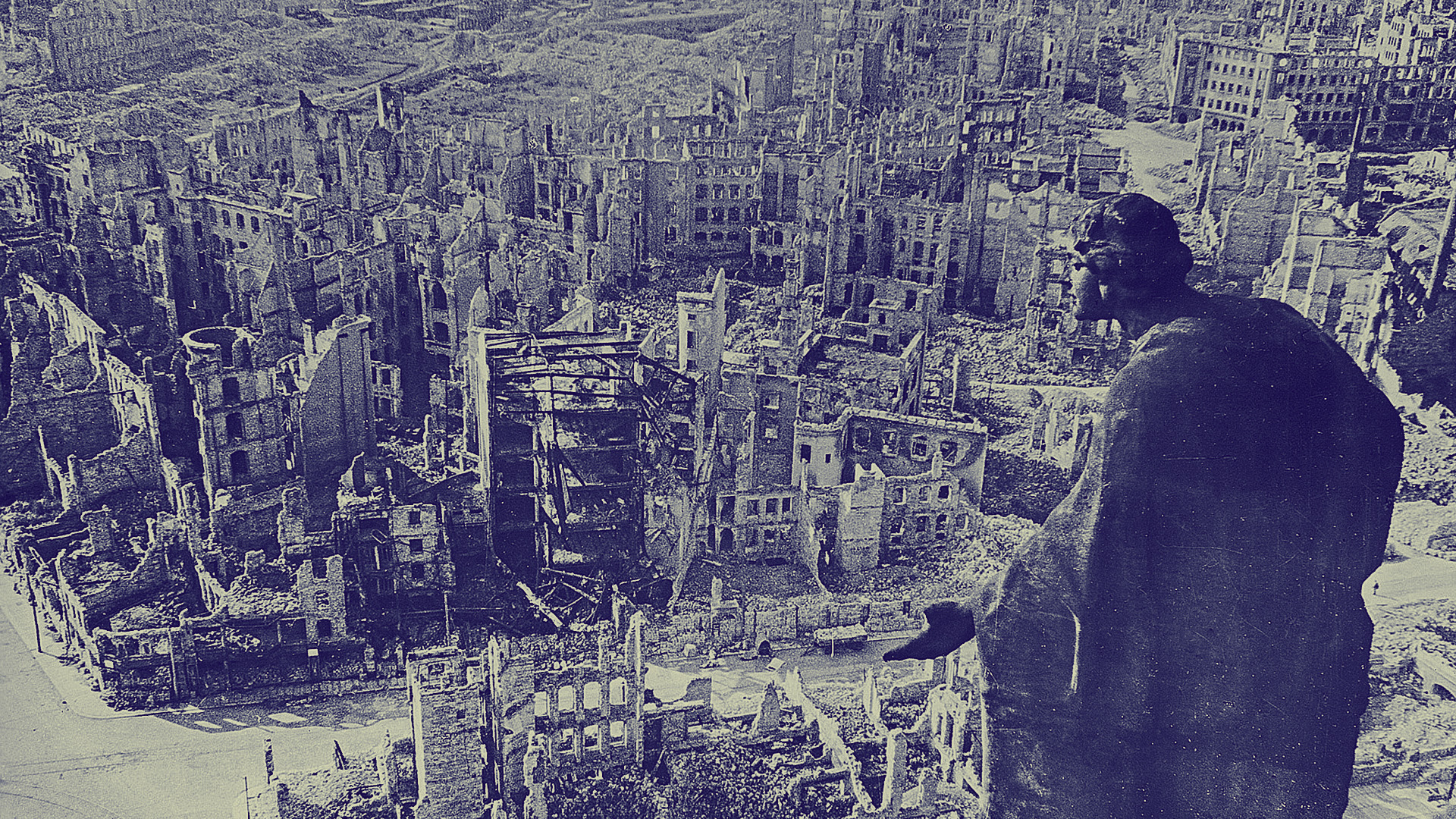
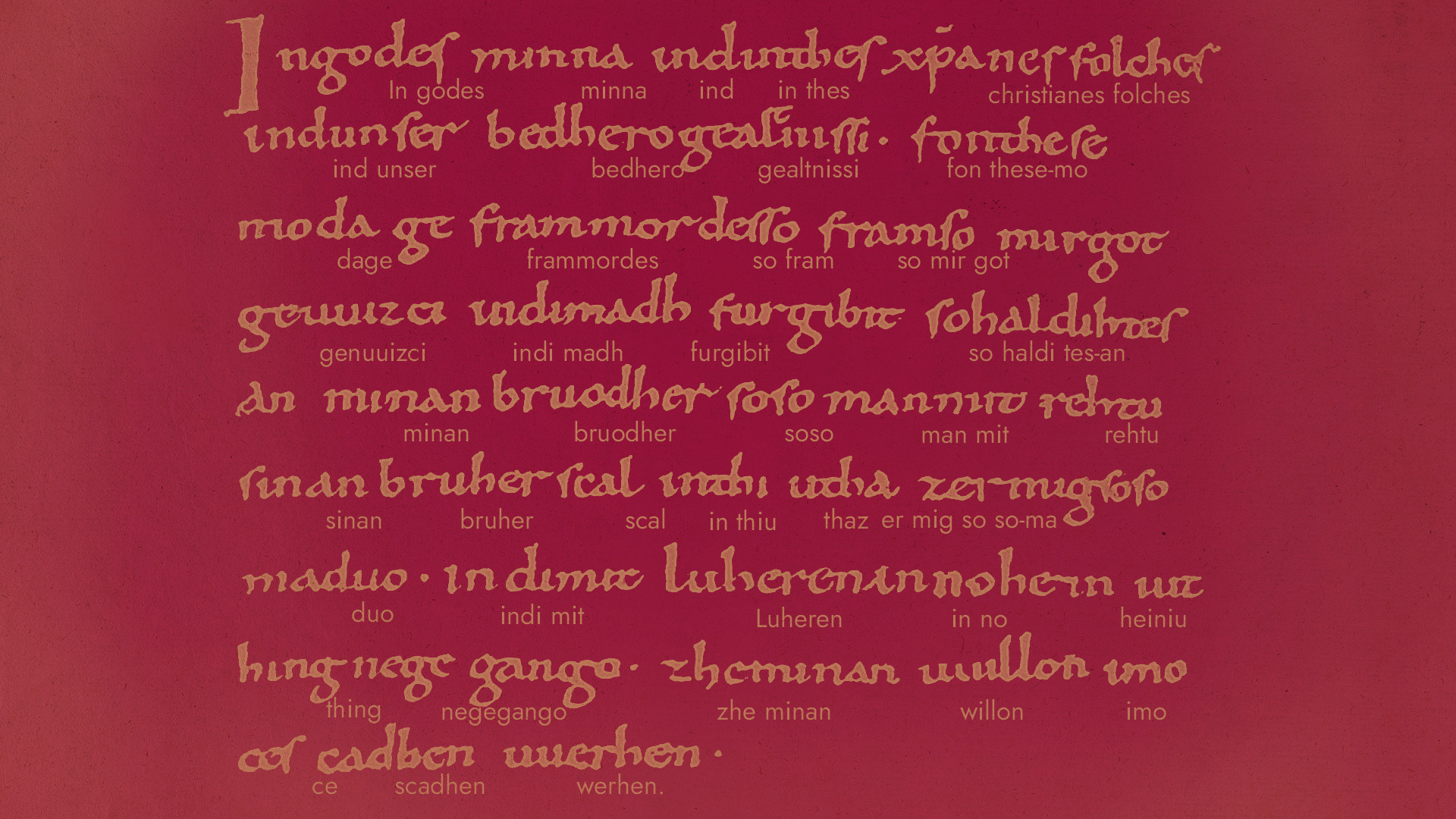
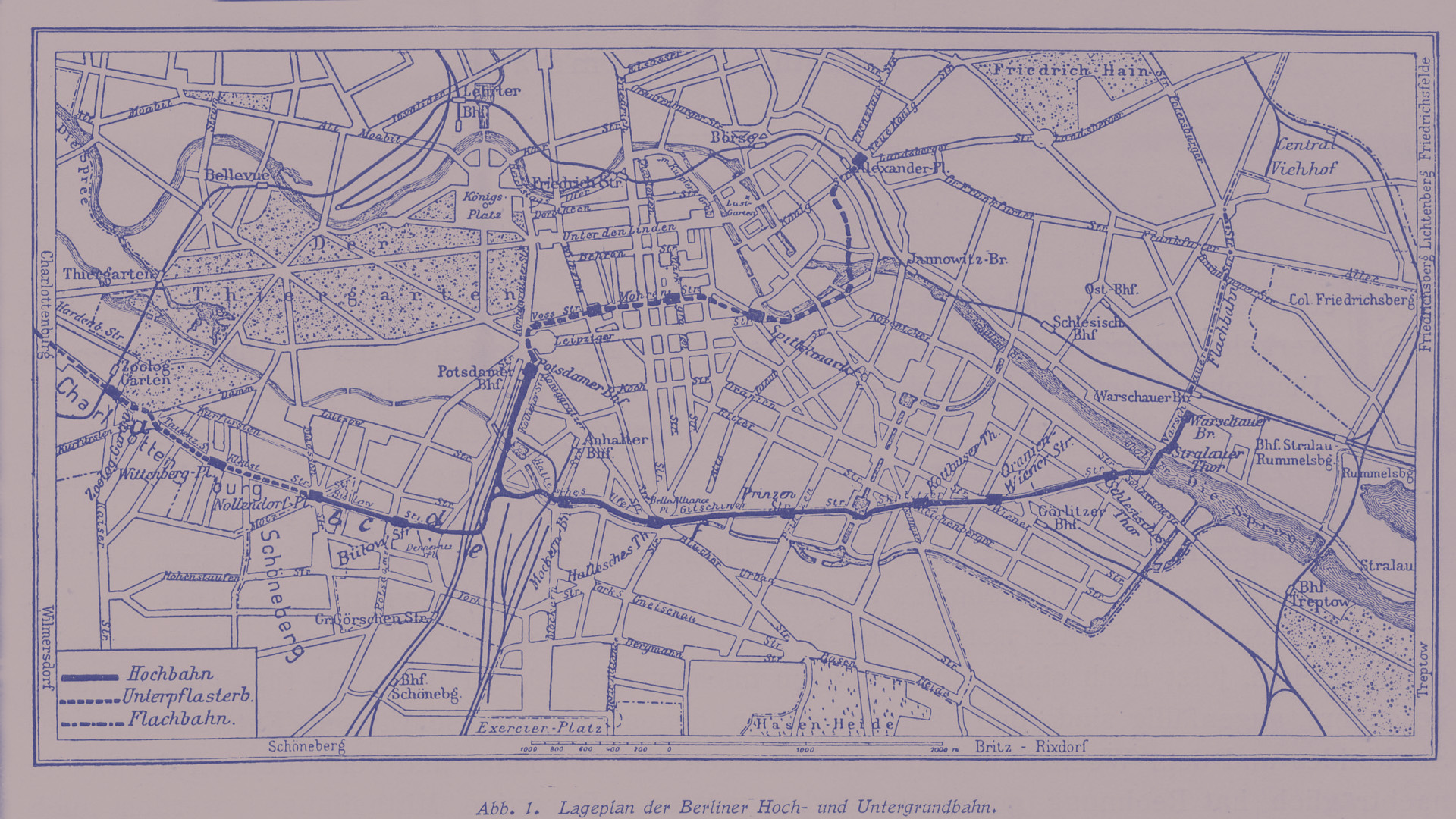
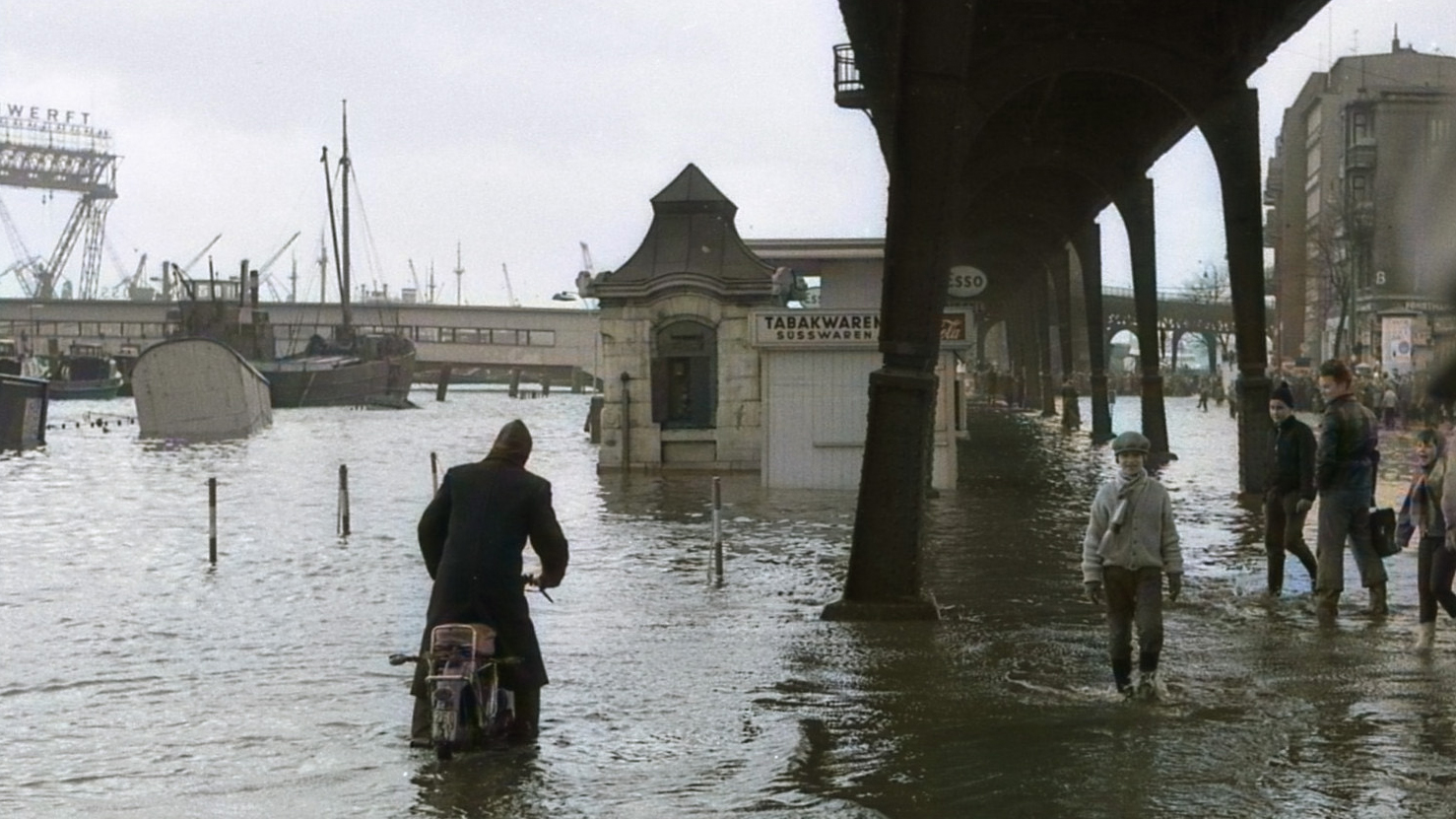
![Lithografie von Johann Nepomuk Heinemann [koloriert], nach Ölgemälde von Feodor Dietz (Foto: LABW, GLAK)](https://www.deutschlandmuseum.de/wp-content/uploads/2025/02/02031689_Zerstoerung_Heidelbergs-400x400.jpg "Lithografie von Johann Nepomuk Heinemann [koloriert], nach Ölgemälde von Feodor Dietz (Foto: LABW, GLAK)")


![Unter den Unterzeichnern sind die Nobelpreisträger Otto Hahn, Werner Heisenberg und Max Born [digital koloriert] (Quelle: Landesarchiv BW Staatsarchiv Freiburg, CC-BY-SA)](https://www.deutschlandmuseum.de/wp-content/uploads/2025/04/12041957_Göttinger_Erklärung-400x400.jpg "Unter den Unterzeichnern sind die Nobelpreisträger Otto Hahn, Werner Heisenberg und Max Born [digital koloriert] (Quelle: Landesarchiv BW Staatsarchiv Freiburg, CC-BY-SA)")


](https://www.deutschlandmuseum.de/wp-content/uploads/2025/04/21041946_SED_Gründung-1-400x400.jpg "Vereinigungsparteitag von KPD und SPD zur SED [digital koloriert](Quelle: Deutsche Fotothek, CC BY-SA 3.0 DE)")






![Alexander von Humboldt [Ausschnitt], Gemälde von Friedrich Georg Weitsch (Quelle: Alte Nationalgalerie)](https://www.deutschlandmuseum.de/wp-content/uploads/2025/09/14091769_Humboldt-400x400.jpg "Alexander von Humboldt [Ausschnitt], Gemälde von Friedrich Georg Weitsch (Quelle: Alte Nationalgalerie)")



![Albert Einstein im Patentamt Bern, 1905 [digital koloriert] (Quelle: ETH-Bibliothek Zürich)](https://www.deutschlandmuseum.de/wp-content/uploads/2025/09/26091905_Einstein_koloriert-400x400.jpg "Albert Einstein im Patentamt Bern, 1905 [digital koloriert] (Quelle: ETH-Bibliothek Zürich)")