
The events of New Year’s Eve 2015 change the attitude of many Germans towards migrants
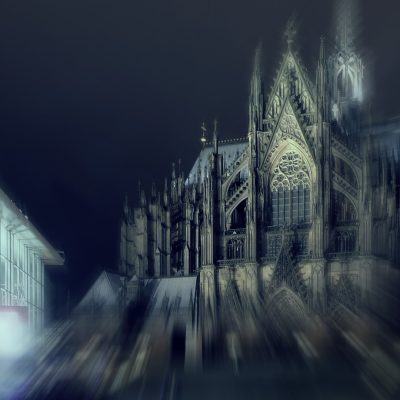
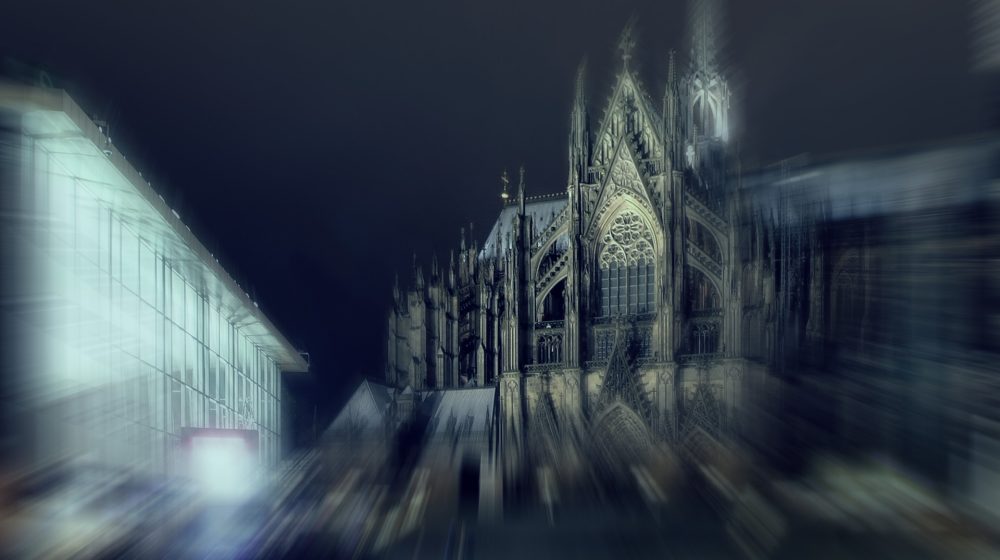
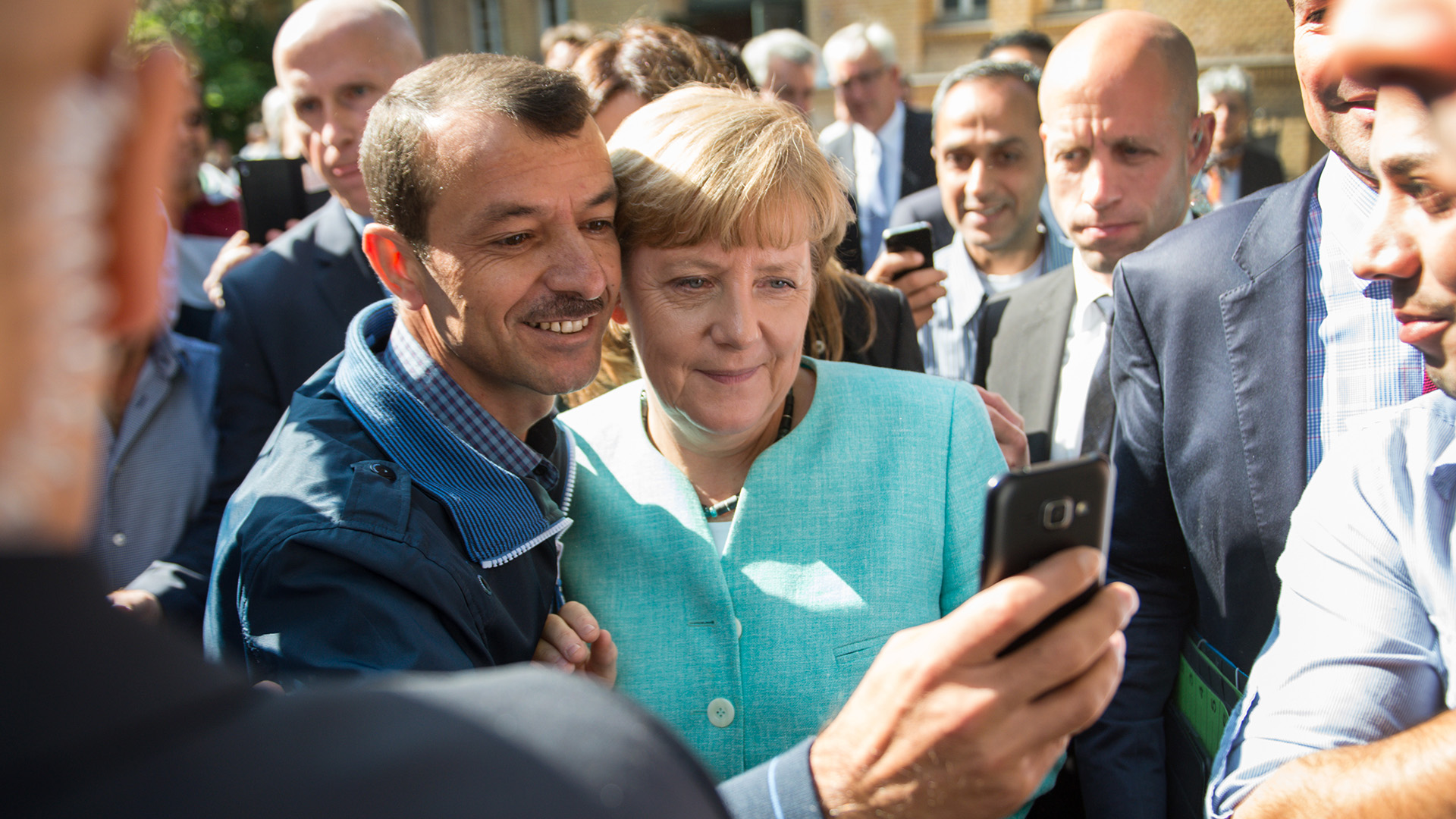
When hundreds of thousands of migrants, mostly from Syria, arrived in Germany in the summer of 2015, many Germans responded with a warm welcome and offered assistance. It is thought that around 10% of the German population participated in the 15,000 projects set up to help refugees. Chancellor Merkel’s motto, “We can do it”, seemed to herald a new era. Whilst tabloid newspapers in other European countries fuelled fears of foreign infiltration, Germany’s Bild newspaper supported the new mood of openness and tolerance with campaigns such as “We help”. However, a few weeks and several opinion polls later, Chancellor Merkel began to express herself more cautiously. Nevertheless, the heyday of the “welcome culture” was not yet over. On the evening of 31 December 2015, more than a thousand young men, mostly from North Africa and the Arab world, gathered in the area between Cologne’s central railway station and cathedral. As some of the revellers were heavily intoxicated and appeared aggressive, the police cleared the square several times. It was only after midnight that the officers realized that these young men had been surrounding young women, whom they insulted, sexually harassed, groped, robbed and physically assaulted. This apparently continued into the second half of the night. Nevertheless, the following day, the police described the atmosphere as “exuberant” and the celebrations as “largely peaceful”. It was only when more and more criminal complaints were received that the full extent of the crimes gradually came to light. Some media outlets took days to respond to the events. A total of over 1,200 criminal complaints were filed, almost half of them for sexual assault. Amongst the suspects questioned later, two-thirds were of North African origin, most of them asylum seekers. A significantly smaller number of Syrians, Germans and other nationalities were also involved.
Although the majority of refugees had nothing to do with the incidents in Cologne, the attitude of many Germans towards refugees began to harden. The international press saw New Year’s Eve in Cologne as a symbol of the failure of German refugee policy. In Germany, sales of defensive weapons such as pepper spray increased dramatically and the law around sexual assault was amended. Anti-immigrant attitudes spread, damaging the centrist parties and benefiting the partly right-wing extremist Alternative for Germany (AfD) party. At the end of 2016, Chancellor Merkel appeared chastened and stated: “A situation like that of late summer 2015 cannot, should not and must not be repeated.” Numerous acts of terrorism and violence committed in Germany in the following years by migrants with an Islamist background served to reinforce the changed popular attitude.


The whole year at a glance









![Lithografie von Johann Nepomuk Heinemann [koloriert], nach Ölgemälde von Feodor Dietz (Foto: LABW, GLAK)](https://www.deutschlandmuseum.de/wp-content/uploads/2025/02/02031689_Zerstoerung_Heidelbergs-400x400.jpg "Lithografie von Johann Nepomuk Heinemann [koloriert], nach Ölgemälde von Feodor Dietz (Foto: LABW, GLAK)")



![Unter den Unterzeichnern sind die Nobelpreisträger Otto Hahn, Werner Heisenberg und Max Born [digital koloriert] (Quelle: Landesarchiv BW Staatsarchiv Freiburg, CC-BY-SA)](https://www.deutschlandmuseum.de/wp-content/uploads/2025/04/12041957_Göttinger_Erklärung-400x400.jpg "Unter den Unterzeichnern sind die Nobelpreisträger Otto Hahn, Werner Heisenberg und Max Born [digital koloriert] (Quelle: Landesarchiv BW Staatsarchiv Freiburg, CC-BY-SA)")





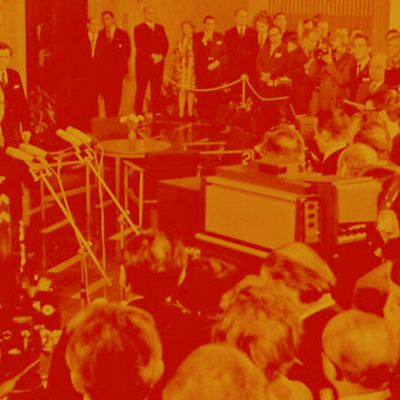
](https://www.deutschlandmuseum.de/wp-content/uploads/2025/04/21041946_SED_Gründung-1-400x400.jpg "Vereinigungsparteitag von KPD und SPD zur SED [digital koloriert](Quelle: Deutsche Fotothek, CC BY-SA 3.0 DE)")




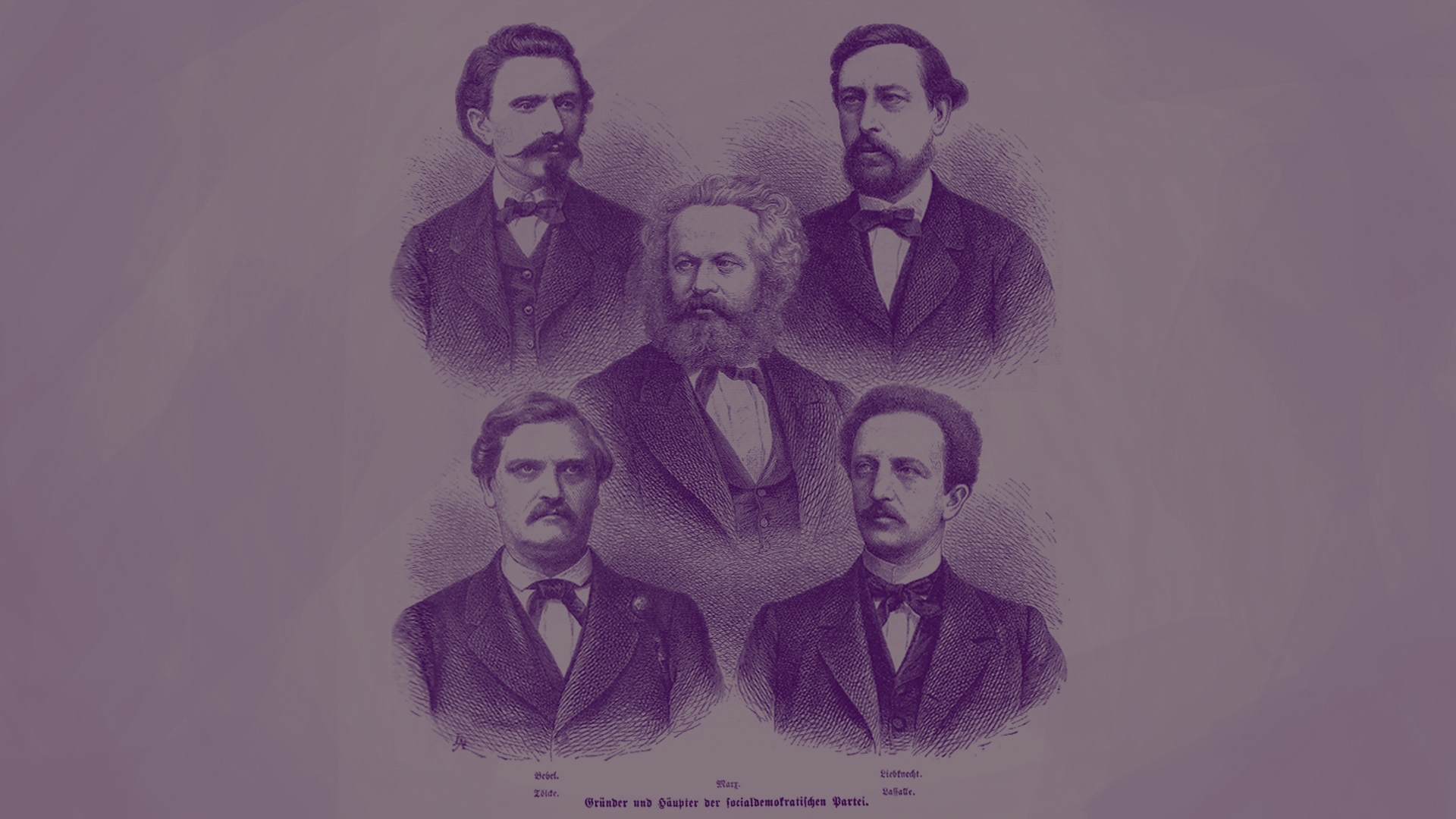
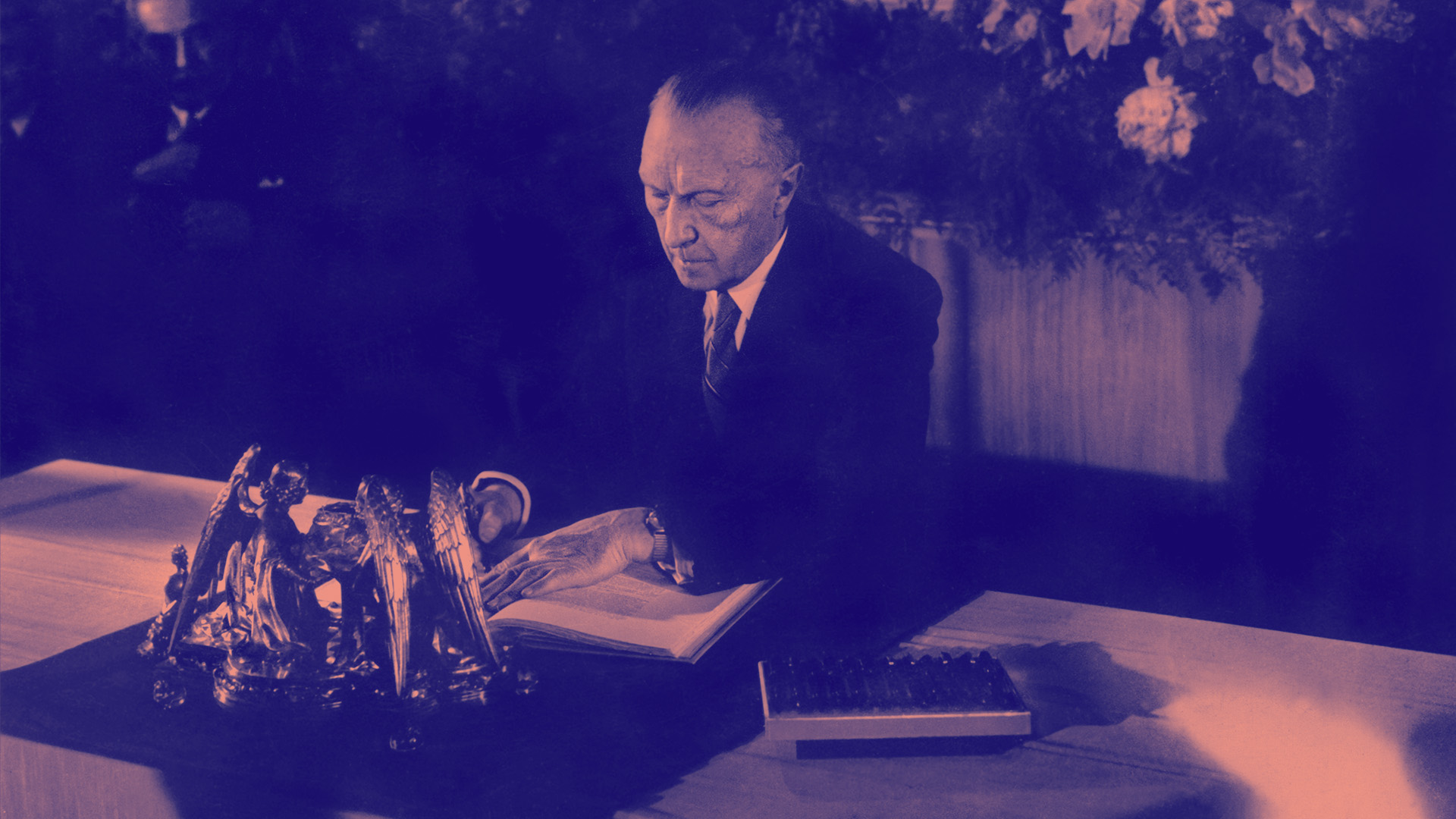
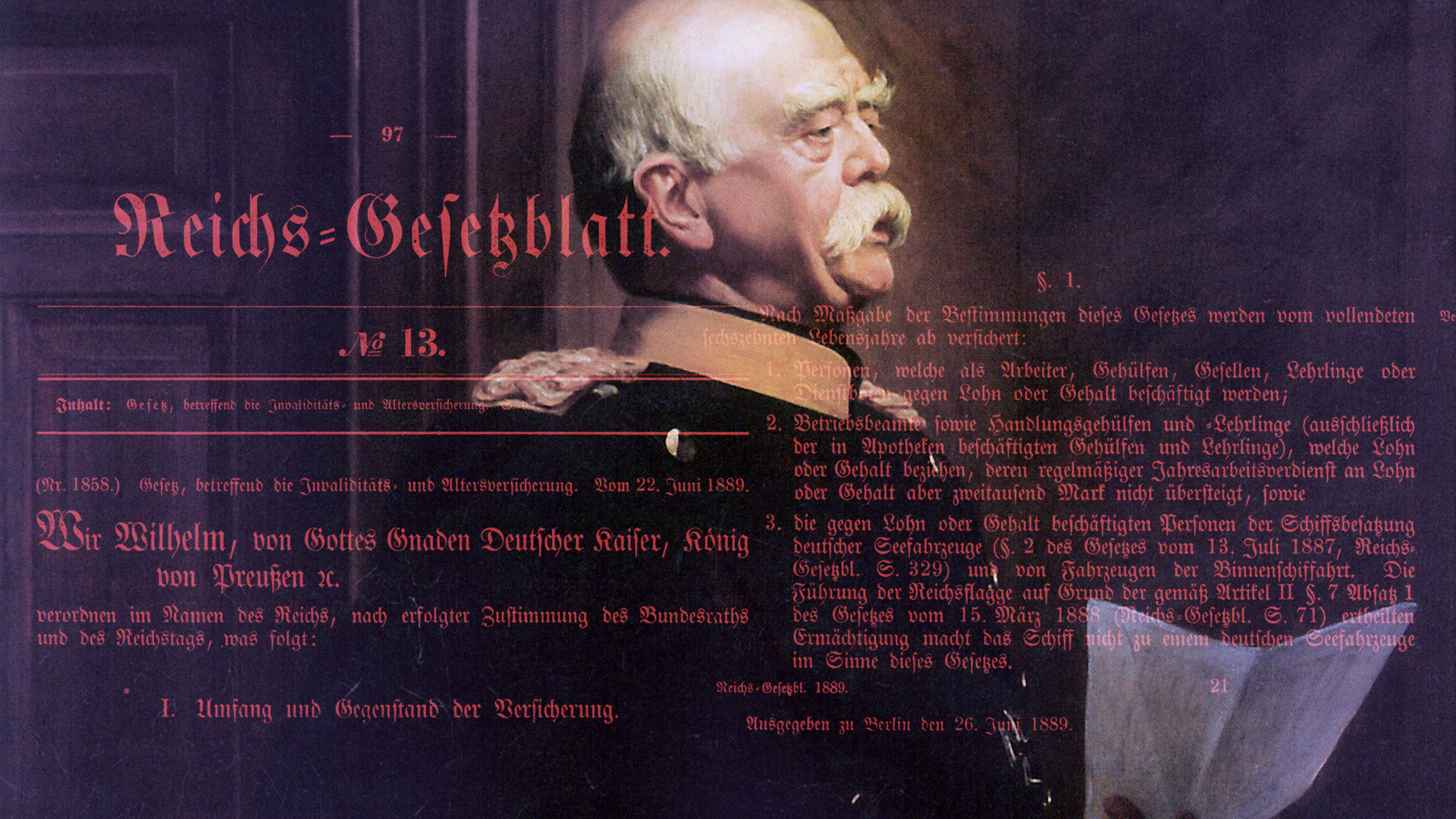
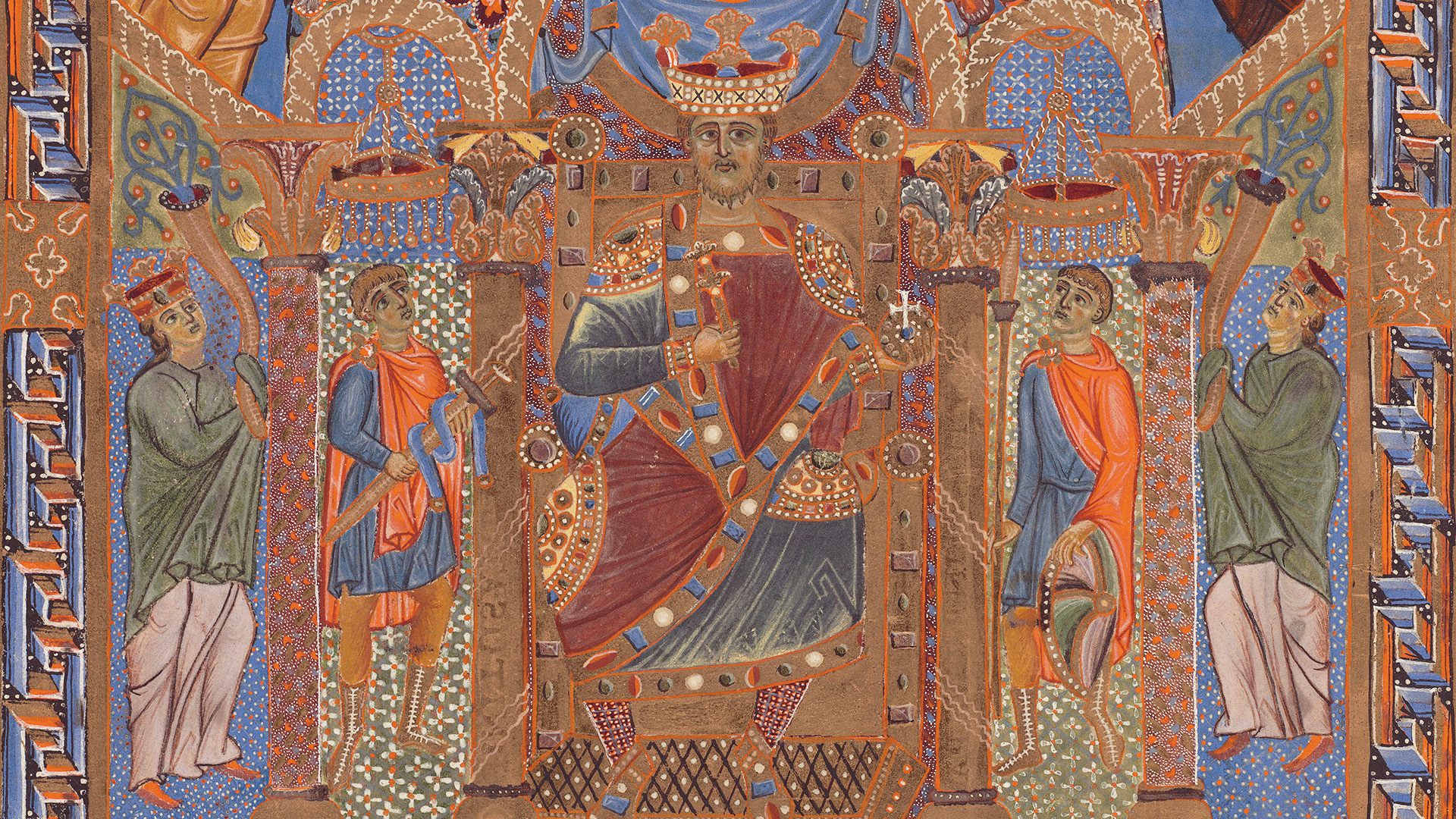







![Alexander von Humboldt [Ausschnitt], Gemälde von Friedrich Georg Weitsch (Quelle: Alte Nationalgalerie)](https://www.deutschlandmuseum.de/wp-content/uploads/2025/09/14091769_Humboldt-400x400.jpg "Alexander von Humboldt [Ausschnitt], Gemälde von Friedrich Georg Weitsch (Quelle: Alte Nationalgalerie)")



![Albert Einstein im Patentamt Bern, 1905 [digital koloriert] (Quelle: ETH-Bibliothek Zürich)](https://www.deutschlandmuseum.de/wp-content/uploads/2025/09/26091905_Einstein_koloriert-400x400.jpg "Albert Einstein im Patentamt Bern, 1905 [digital koloriert] (Quelle: ETH-Bibliothek Zürich)")