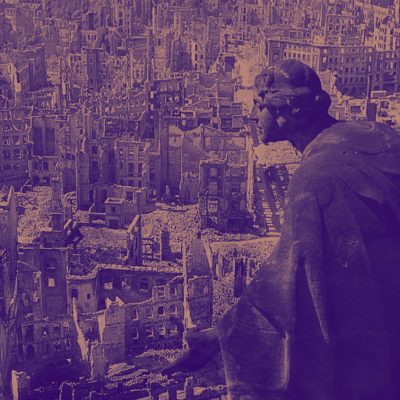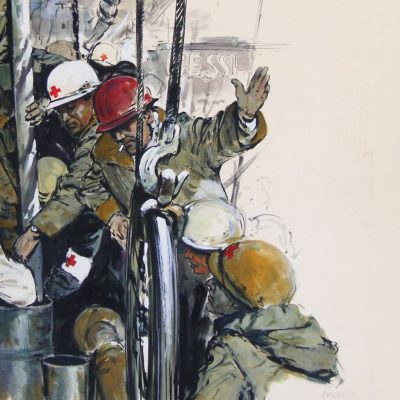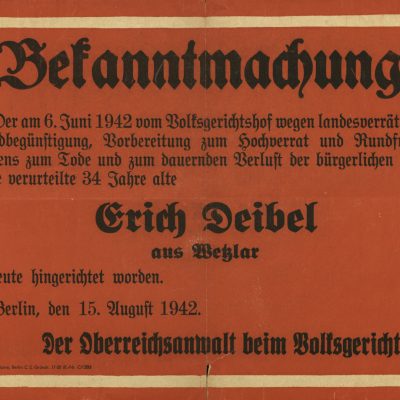

The defeat of the German Sixth Army marks the turning point in the war
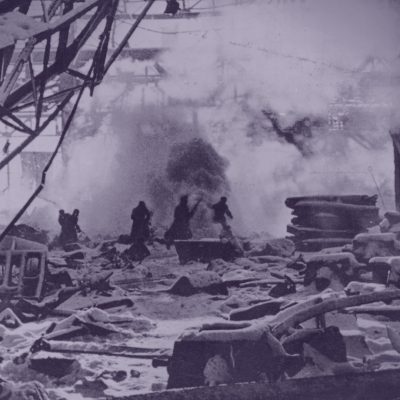
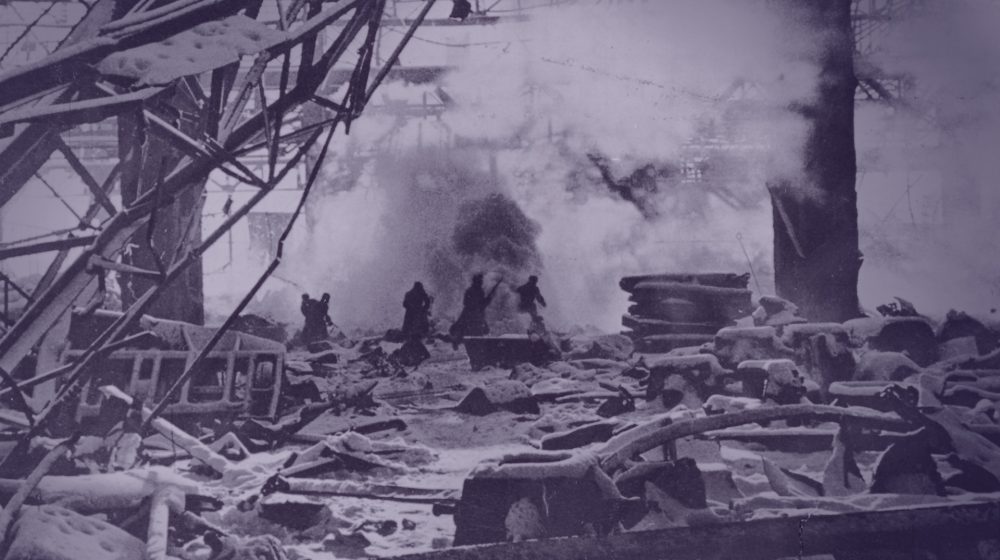
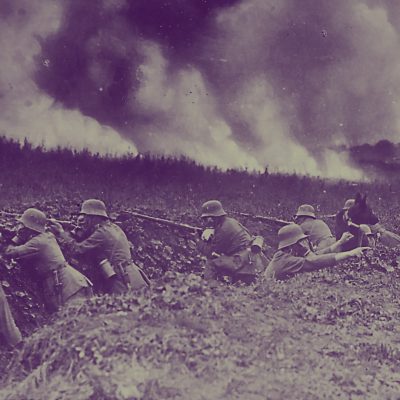
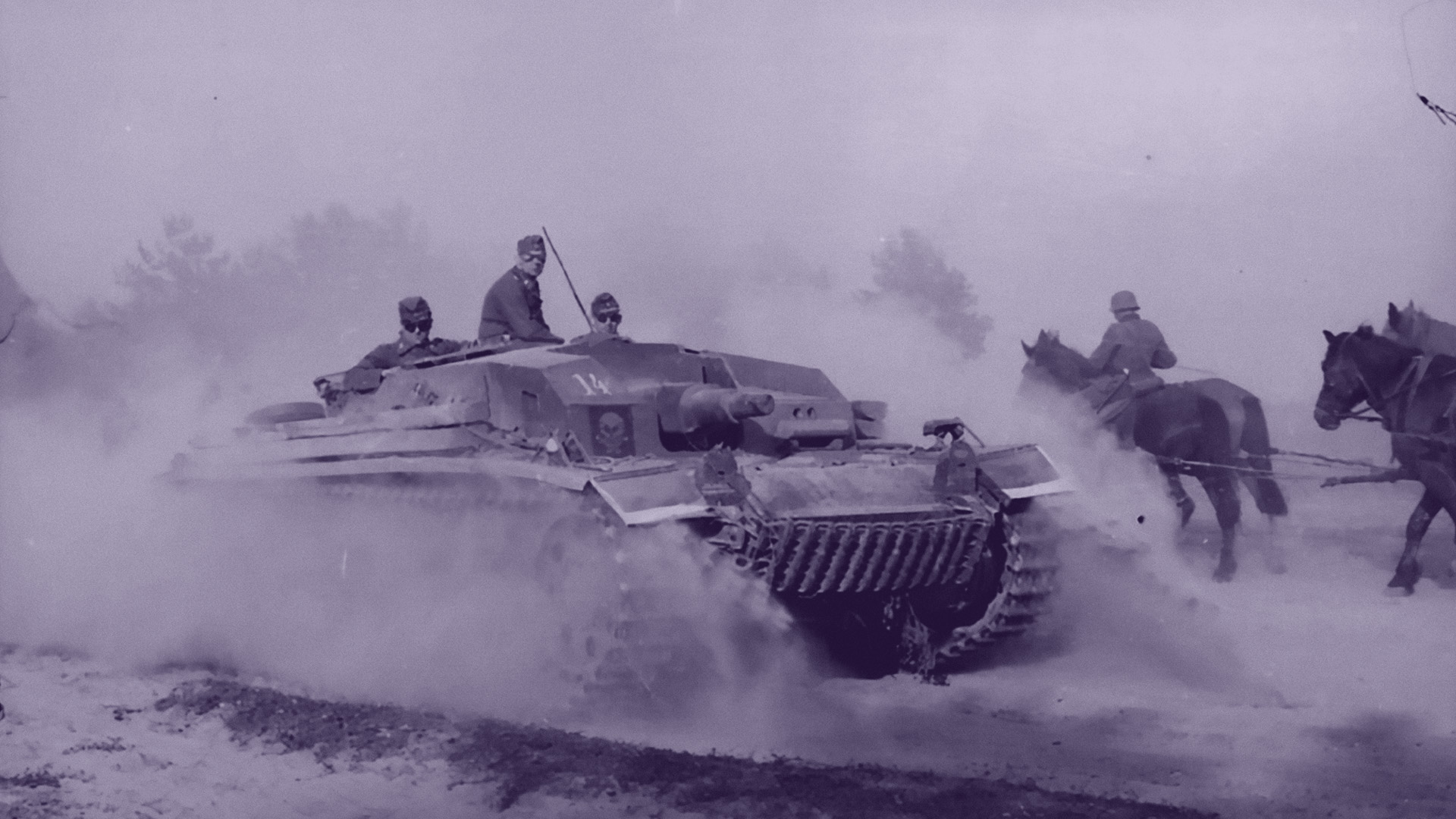
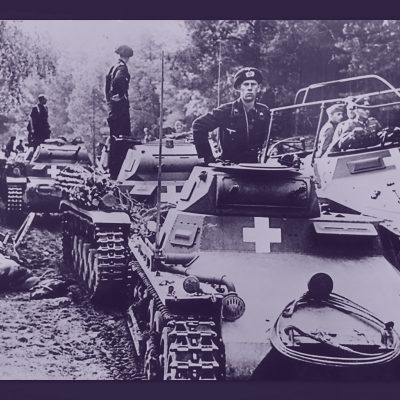
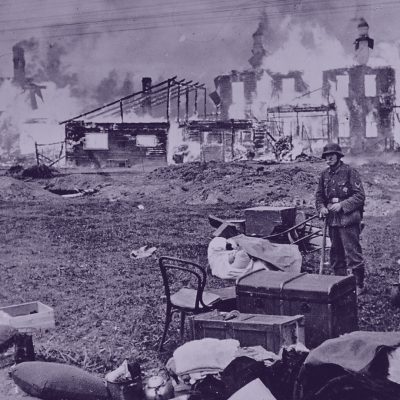
After the Wehrmacht’s attack on the Soviet Union ground to a halt outside Moscow at the end of 1941, Germany’s generals planned a new campaign for the summer of 1942, aiming to capture the Caucasus oil fields. Located on the lower Volga north of the route to the Caucasus lay the industrial centre of Stalingrad, which played a vital role as the distribution centre for American weapons delivered to the Soviet Union. Hitler’s obsession with capturing this city was due however to its being named after the Soviet dictator. Stalin himself was reluctant to lose the only city in the world named after him. Although the Wehrmacht had already suffered heavy losses in the Soviet Union and was short of manpower and equipment, Hitler ordered that the southern campaign pursue divided objectives and advance on both Stalingrad and the Caucasus at the same time. By mid-November, the German Sixth Army had conquered most of Stalingrad when the Red Army launched a major offensive and managed to encircle the invading troops in a pincer attack from two directions. On 23 November 1942, some 280,000 German and allied Romanian soldiers were cut off from contact with other units.
Hitler categorically rejected any attempt by the Sixth Army to break out of the pocket, declaring Stalingrad a symbol of Germany’s “will to victory”. Hermann Göring , the commander-in-chief of the Luftwaffe, boasted that he could supply the army by air. However, the German air force was unable to deliver the necessary supplies, leaving starving German soldiers exposed to temperatures as low as minus 40 degrees whilst wearing only their summer uniforms. Hitler ordered the Sixth Army to hold out without surrendering, essentially leaving them to die. By the end of January 1942, 150,000 soldiers had died of hunger, cold, exhaustion or in combat. Days later, the commanders surrendered. Of the 90,000 prisoners taken, only a little over 5,000 returned to Germany after the war. Third Reich propagandists had tried to present the battle for Stalingrad as a story of heroism. However, ordinary Germans knew in their hearts that this catastrophic defeat marked the beginning of the end.

The whole year at a glance






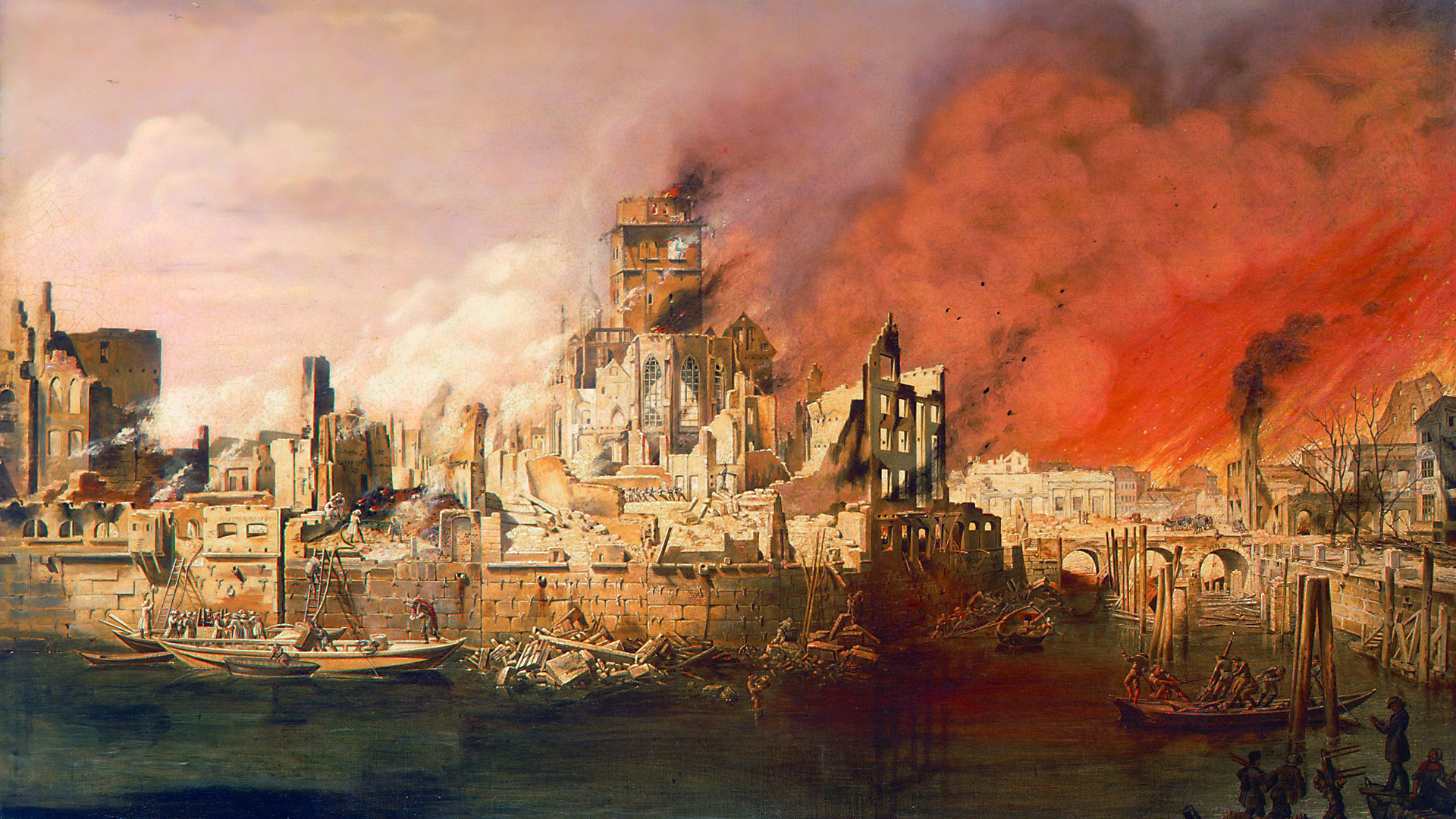
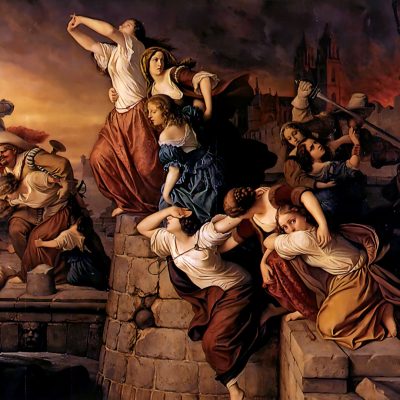
![Lithografie von Johann Nepomuk Heinemann [koloriert], nach Ölgemälde von Feodor Dietz (Foto: LABW, GLAK)](https://www.deutschlandmuseum.de/wp-content/uploads/2025/02/02031689_Zerstoerung_Heidelbergs-400x400.jpg "Lithografie von Johann Nepomuk Heinemann [koloriert], nach Ölgemälde von Feodor Dietz (Foto: LABW, GLAK)")



![Unter den Unterzeichnern sind die Nobelpreisträger Otto Hahn, Werner Heisenberg und Max Born [digital koloriert] (Quelle: Landesarchiv BW Staatsarchiv Freiburg, CC-BY-SA)](https://www.deutschlandmuseum.de/wp-content/uploads/2025/04/12041957_Göttinger_Erklärung-400x400.jpg "Unter den Unterzeichnern sind die Nobelpreisträger Otto Hahn, Werner Heisenberg und Max Born [digital koloriert] (Quelle: Landesarchiv BW Staatsarchiv Freiburg, CC-BY-SA)")


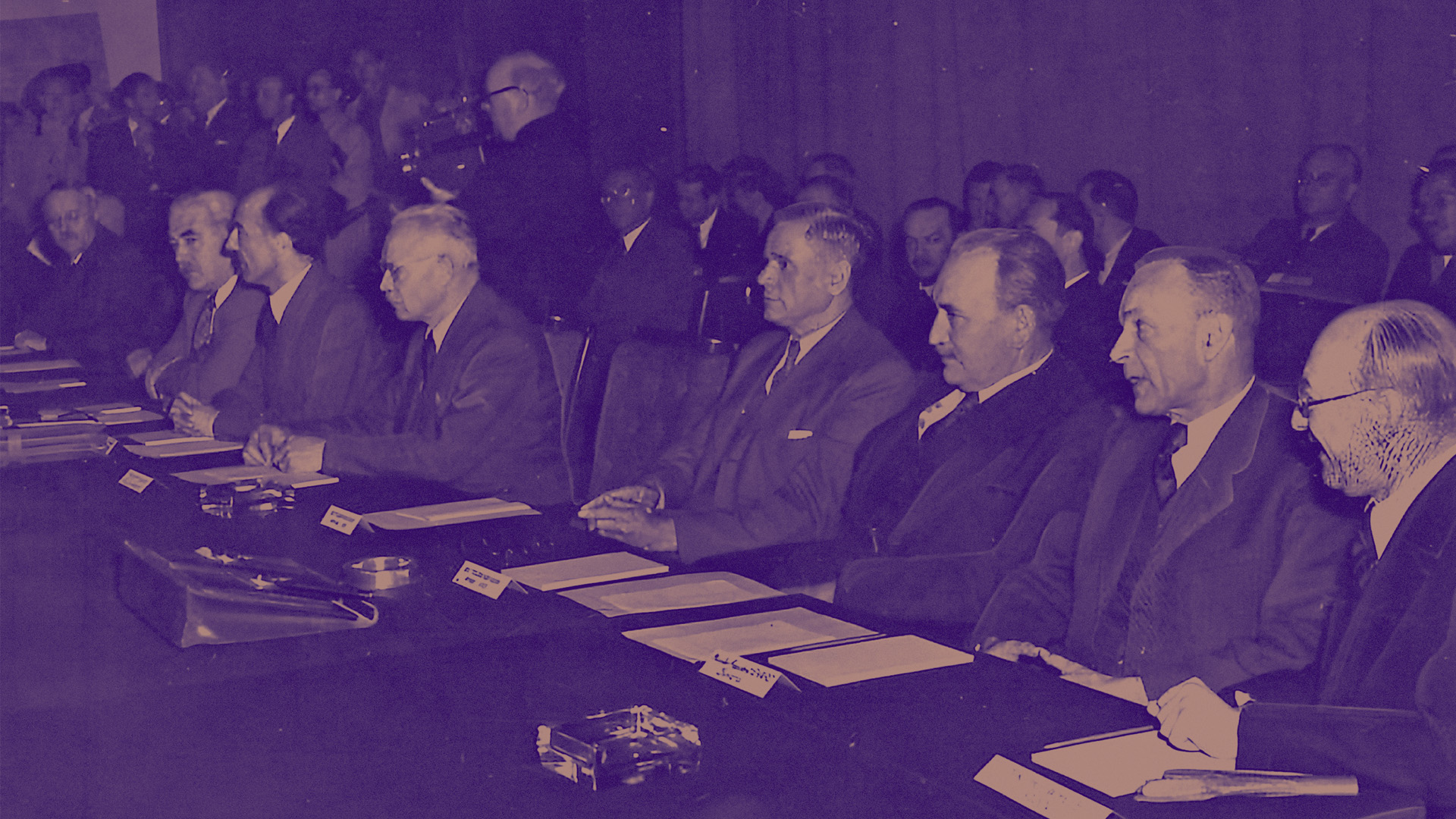
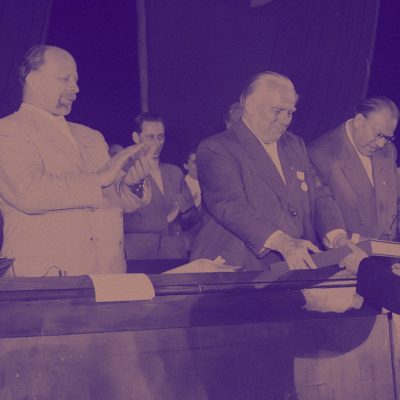
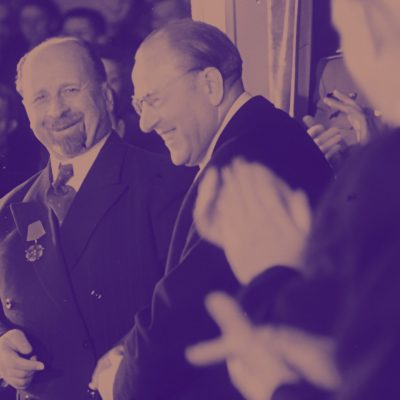
](https://www.deutschlandmuseum.de/wp-content/uploads/2025/04/21041946_SED_Gründung-1-400x400.jpg "Vereinigungsparteitag von KPD und SPD zur SED [digital koloriert](Quelle: Deutsche Fotothek, CC BY-SA 3.0 DE)")










![Alexander von Humboldt [Ausschnitt], Gemälde von Friedrich Georg Weitsch (Quelle: Alte Nationalgalerie)](https://www.deutschlandmuseum.de/wp-content/uploads/2025/09/14091769_Humboldt-400x400.jpg "Alexander von Humboldt [Ausschnitt], Gemälde von Friedrich Georg Weitsch (Quelle: Alte Nationalgalerie)")



![Albert Einstein im Patentamt Bern, 1905 [digital koloriert] (Quelle: ETH-Bibliothek Zürich)](https://www.deutschlandmuseum.de/wp-content/uploads/2025/09/26091905_Einstein_koloriert-400x400.jpg "Albert Einstein im Patentamt Bern, 1905 [digital koloriert] (Quelle: ETH-Bibliothek Zürich)")