
Prussia and Austria team up with Russia to partition Poland
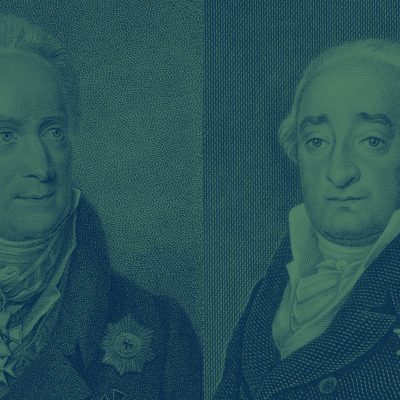
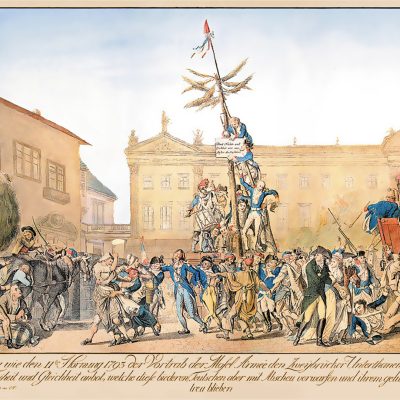
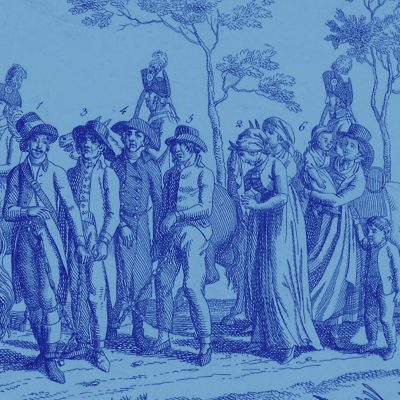
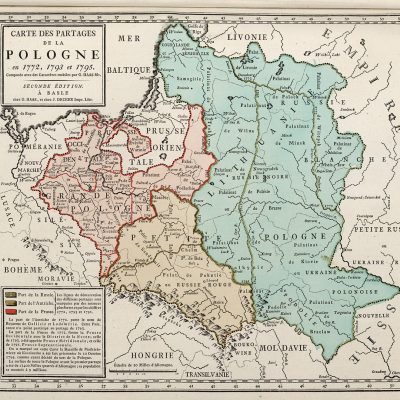
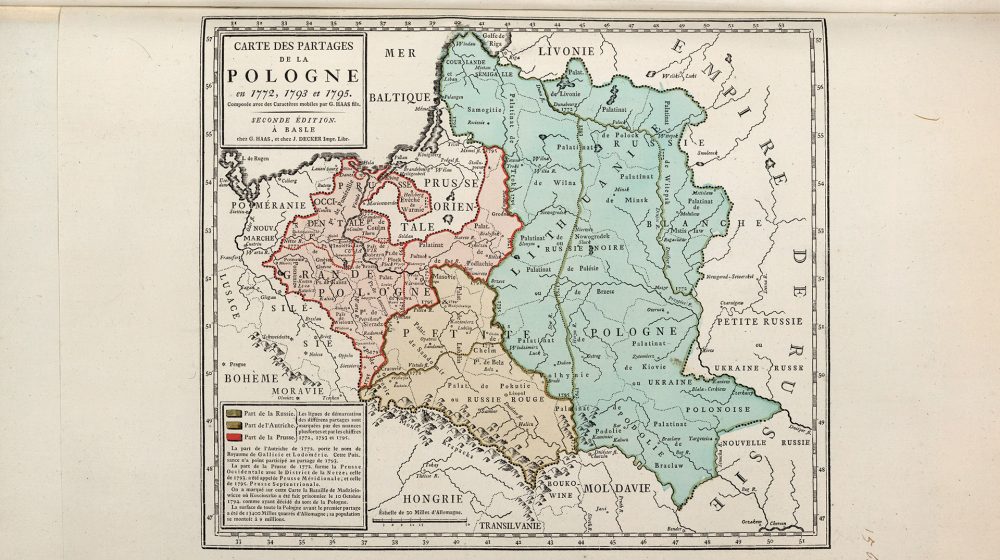
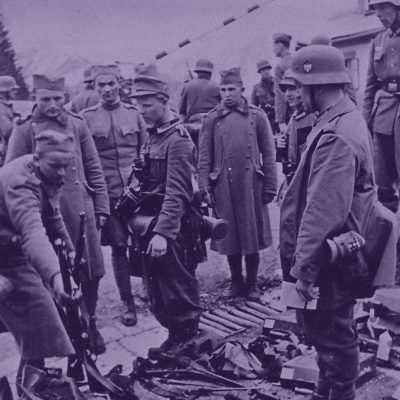
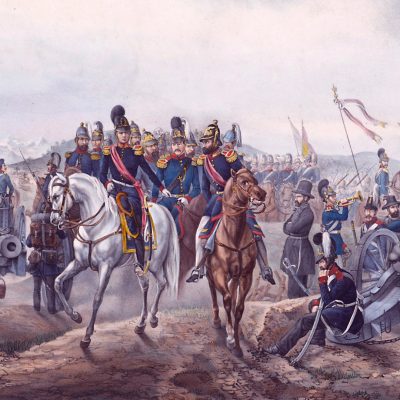
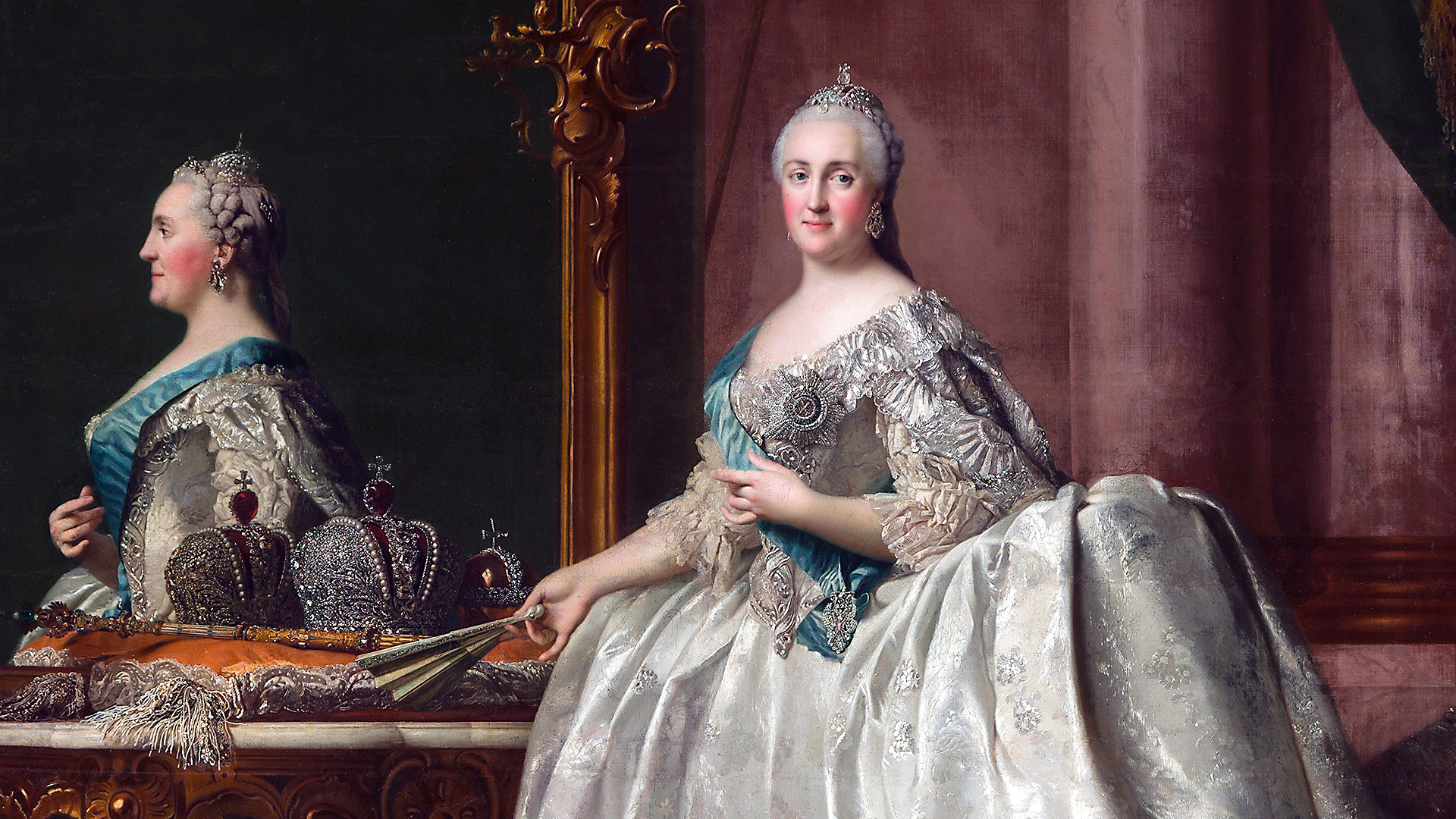
Severely weakened by wars and internal conflicts, Poland came under strong Russian influence in the late 18th century. When leading nobles launched a revolt against the Polish-Lithuanian king – they were appalled at his long affair with the future German-born Russian tsarina Catherine II and feared that he was selling them out to the Russians – Frederick II of Prussia allied himself with Russia and Austria and together the three powers invaded the distracted country in 1772. Prussia annexed the territory needed to establish a land bridge to East Prussia. In 1793, Russia felt threatened by Poland’s adoption of French revolutionary ideas and a written constitution, and so it teamed up with Prussia to launch another invasion. This time, Prussia acquired the city of Danzig and annexed a large area including the city of Posen, which became known as South Prussia.
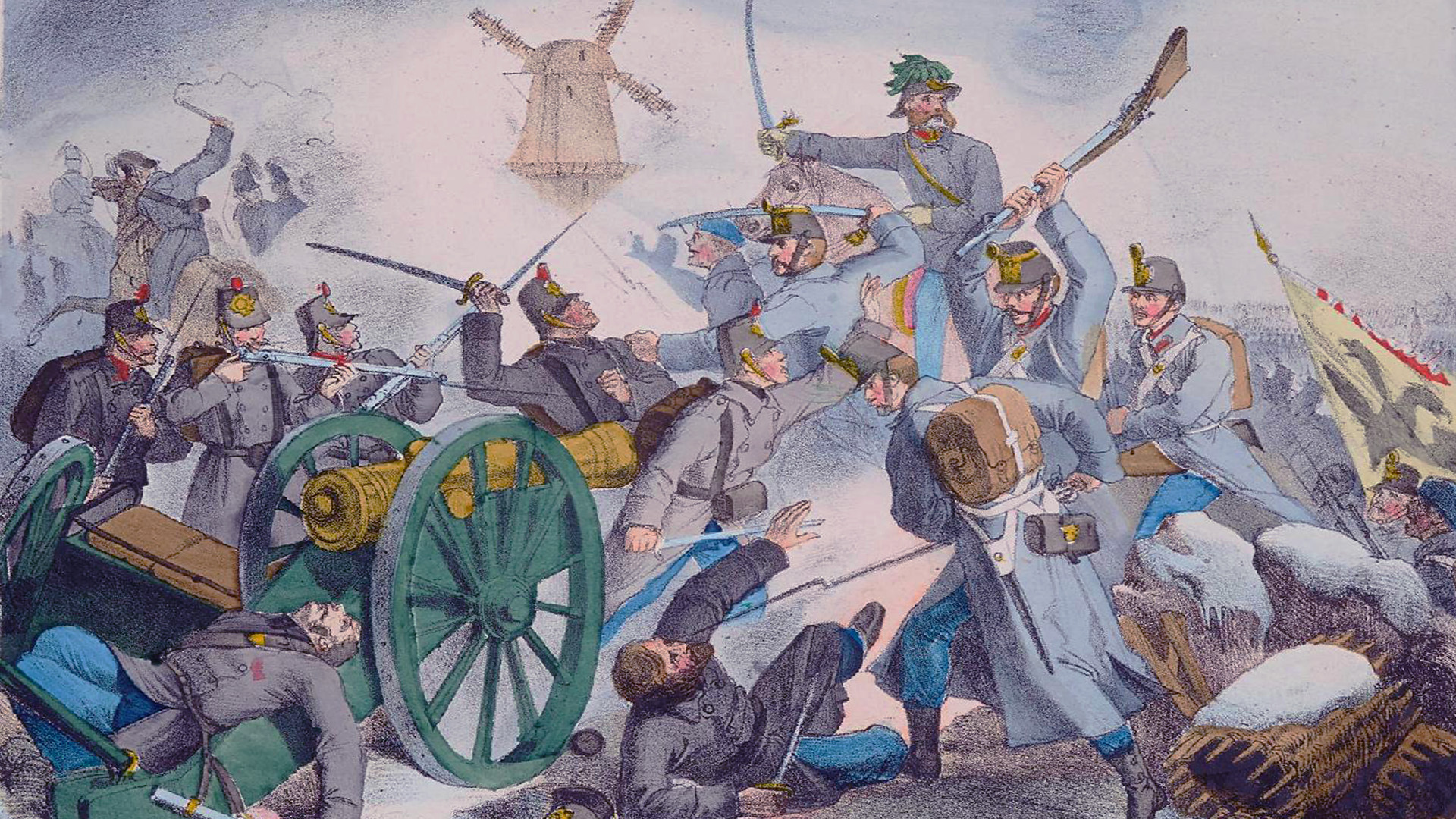
This time, the new invasion met strong resistance from the Poles, and the two invading armies were forced to destroy the Polish forces. This defeat enabled Russia and Prussia to divide the country between them and remove it from the map of Europe. Austria was also invited to take some spoils, and the Third Partition of Poland resulted in the Polish king’s abdication on 25 November 1795 and the dissolution of the Polish state. Austria secured southern Poland, including Krakow, whilst Prussia annexed an area centred on Warsaw, the Polish capital. Although thousands of German settlers were brought into the newly formed regions, the Poles never came to terms with losing their independence, which was not regained until the early 20th century.
The whole year at a glance


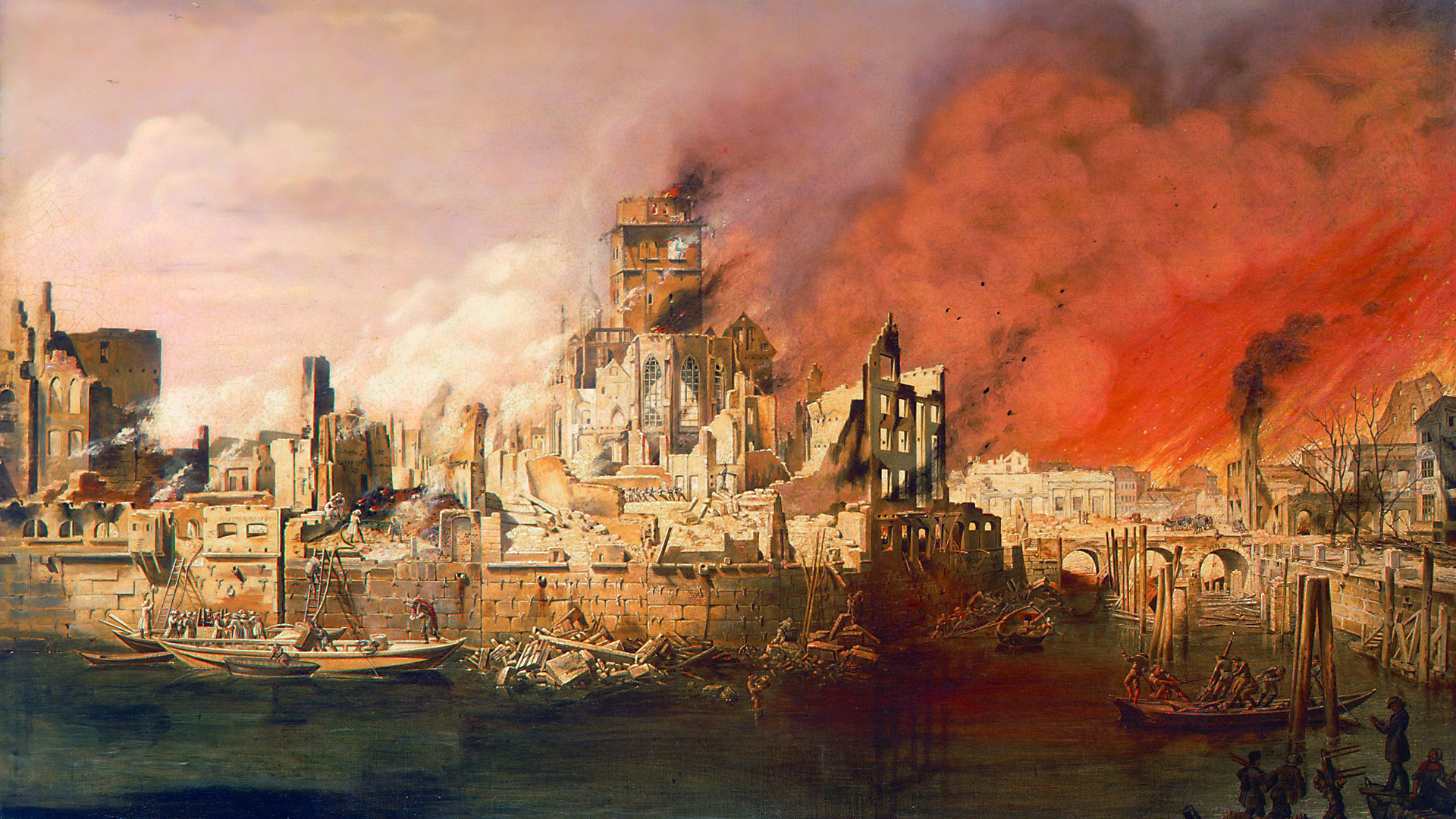
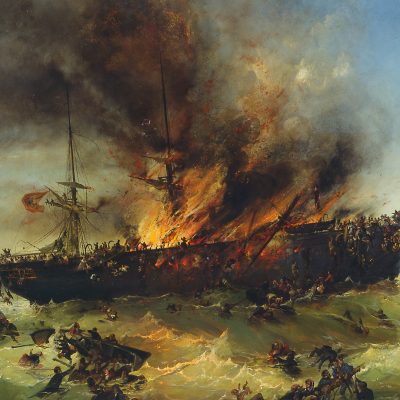
![Lithografie von Johann Nepomuk Heinemann [koloriert], nach Ölgemälde von Feodor Dietz (Foto: LABW, GLAK)](https://www.deutschlandmuseum.de/wp-content/uploads/2025/02/02031689_Zerstoerung_Heidelbergs-400x400.jpg "Lithografie von Johann Nepomuk Heinemann [koloriert], nach Ölgemälde von Feodor Dietz (Foto: LABW, GLAK)")


![Unter den Unterzeichnern sind die Nobelpreisträger Otto Hahn, Werner Heisenberg und Max Born [digital koloriert] (Quelle: Landesarchiv BW Staatsarchiv Freiburg, CC-BY-SA)](https://www.deutschlandmuseum.de/wp-content/uploads/2025/04/12041957_Göttinger_Erklärung-400x400.jpg "Unter den Unterzeichnern sind die Nobelpreisträger Otto Hahn, Werner Heisenberg und Max Born [digital koloriert] (Quelle: Landesarchiv BW Staatsarchiv Freiburg, CC-BY-SA)")



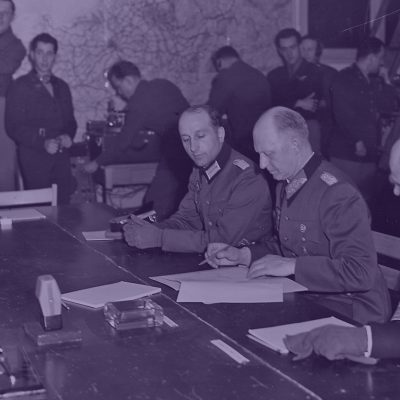
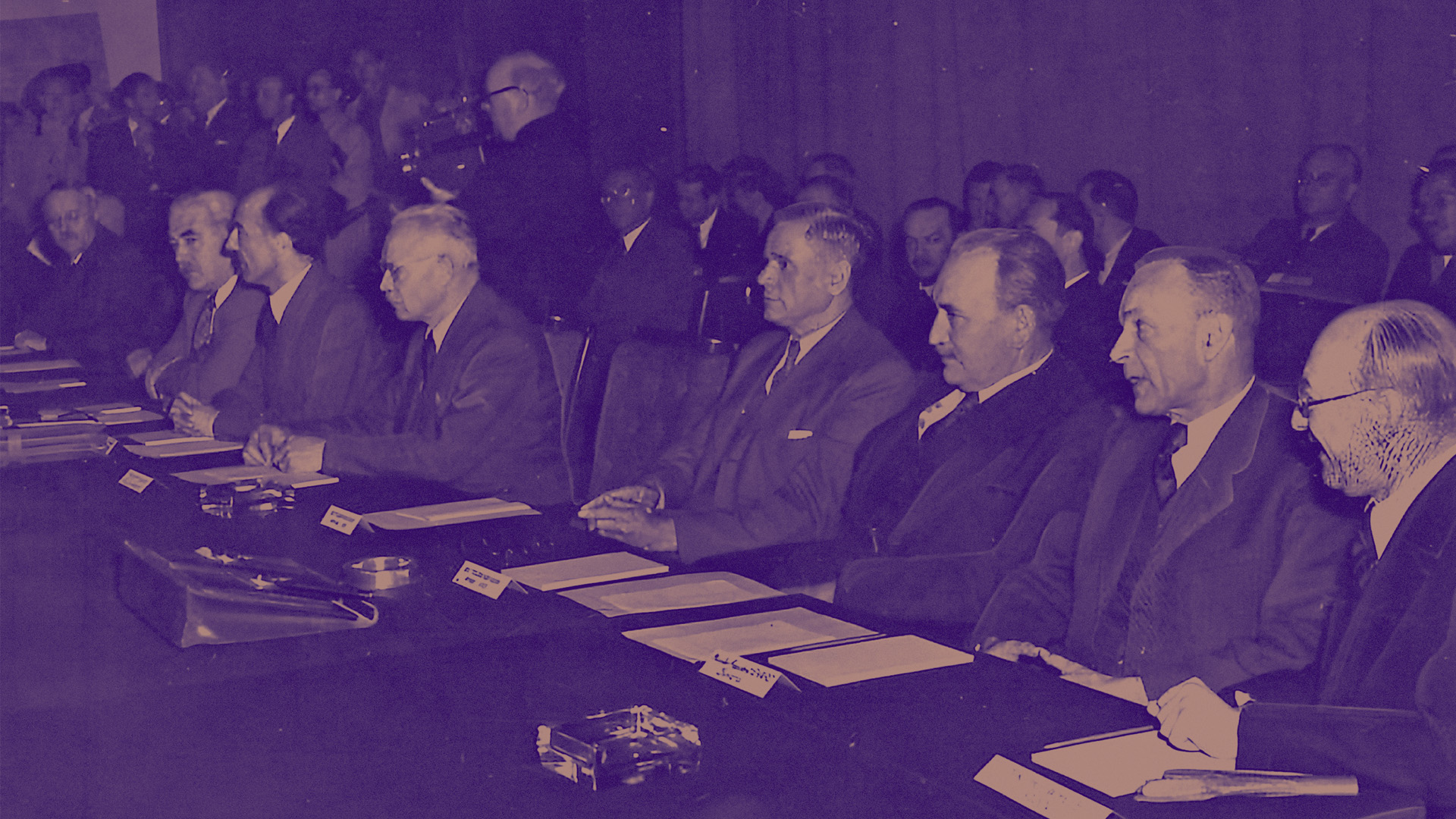
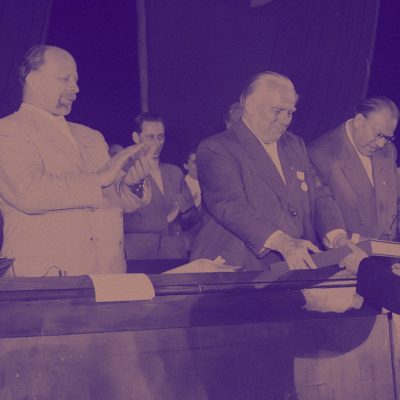
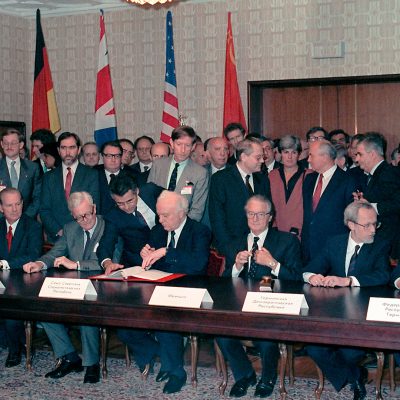
](https://www.deutschlandmuseum.de/wp-content/uploads/2025/04/21041946_SED_Gründung-1-400x400.jpg "Vereinigungsparteitag von KPD und SPD zur SED [digital koloriert](Quelle: Deutsche Fotothek, CC BY-SA 3.0 DE)")





![Alexander von Humboldt [Ausschnitt], Gemälde von Friedrich Georg Weitsch (Quelle: Alte Nationalgalerie)](https://www.deutschlandmuseum.de/wp-content/uploads/2025/09/14091769_Humboldt-400x400.jpg "Alexander von Humboldt [Ausschnitt], Gemälde von Friedrich Georg Weitsch (Quelle: Alte Nationalgalerie)")



![Albert Einstein im Patentamt Bern, 1905 [digital koloriert] (Quelle: ETH-Bibliothek Zürich)](https://www.deutschlandmuseum.de/wp-content/uploads/2025/09/26091905_Einstein_koloriert-400x400.jpg "Albert Einstein im Patentamt Bern, 1905 [digital koloriert] (Quelle: ETH-Bibliothek Zürich)")