
Bismarck establishes the world’s first national social insurance scheme
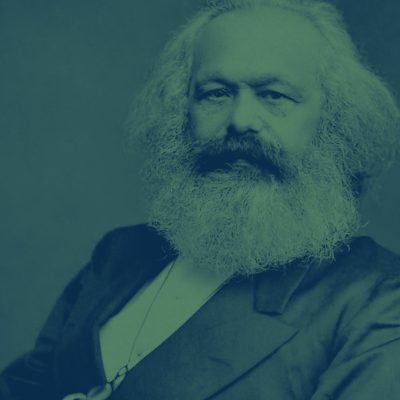
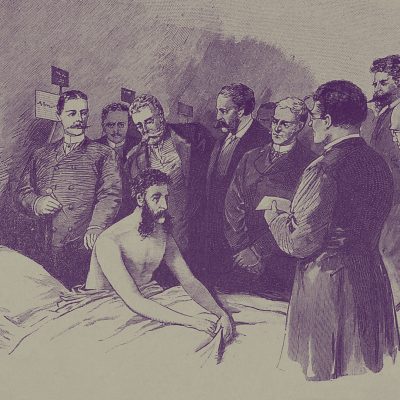
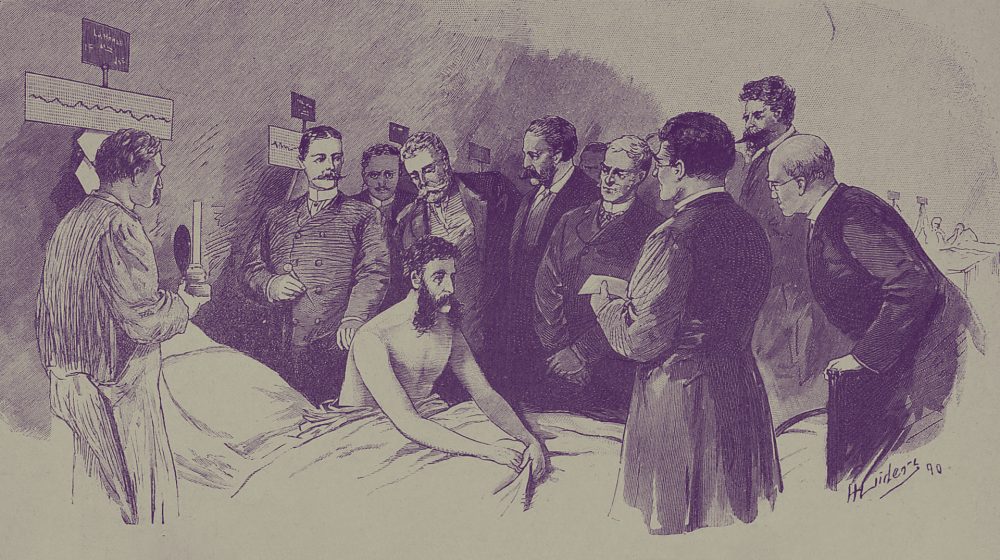
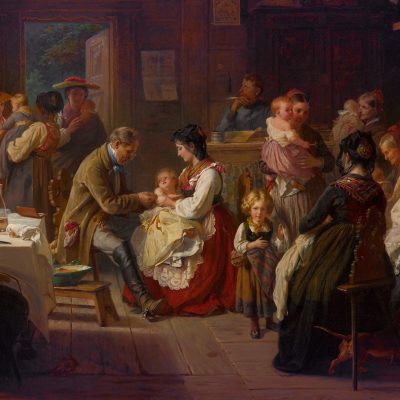
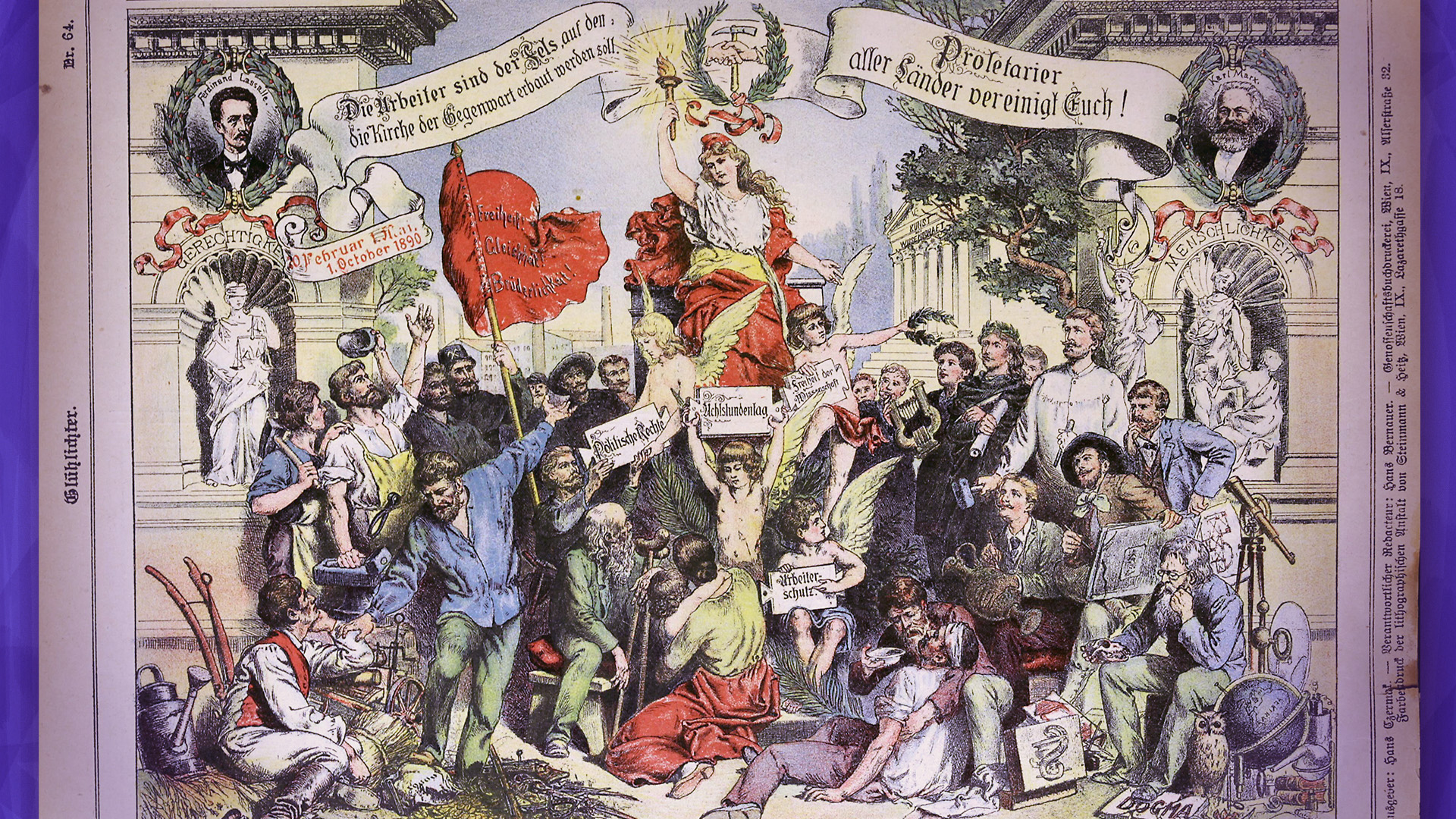
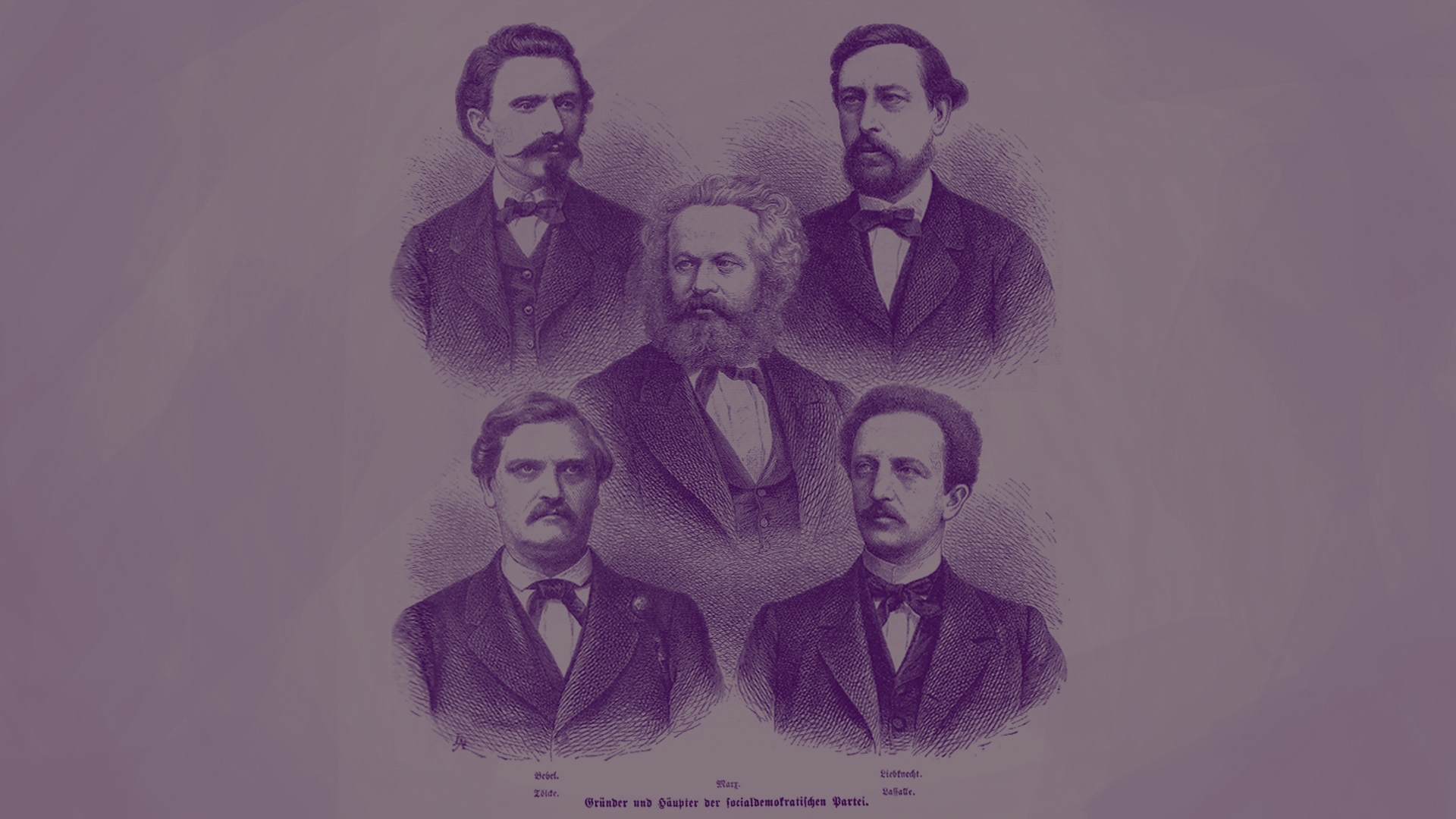
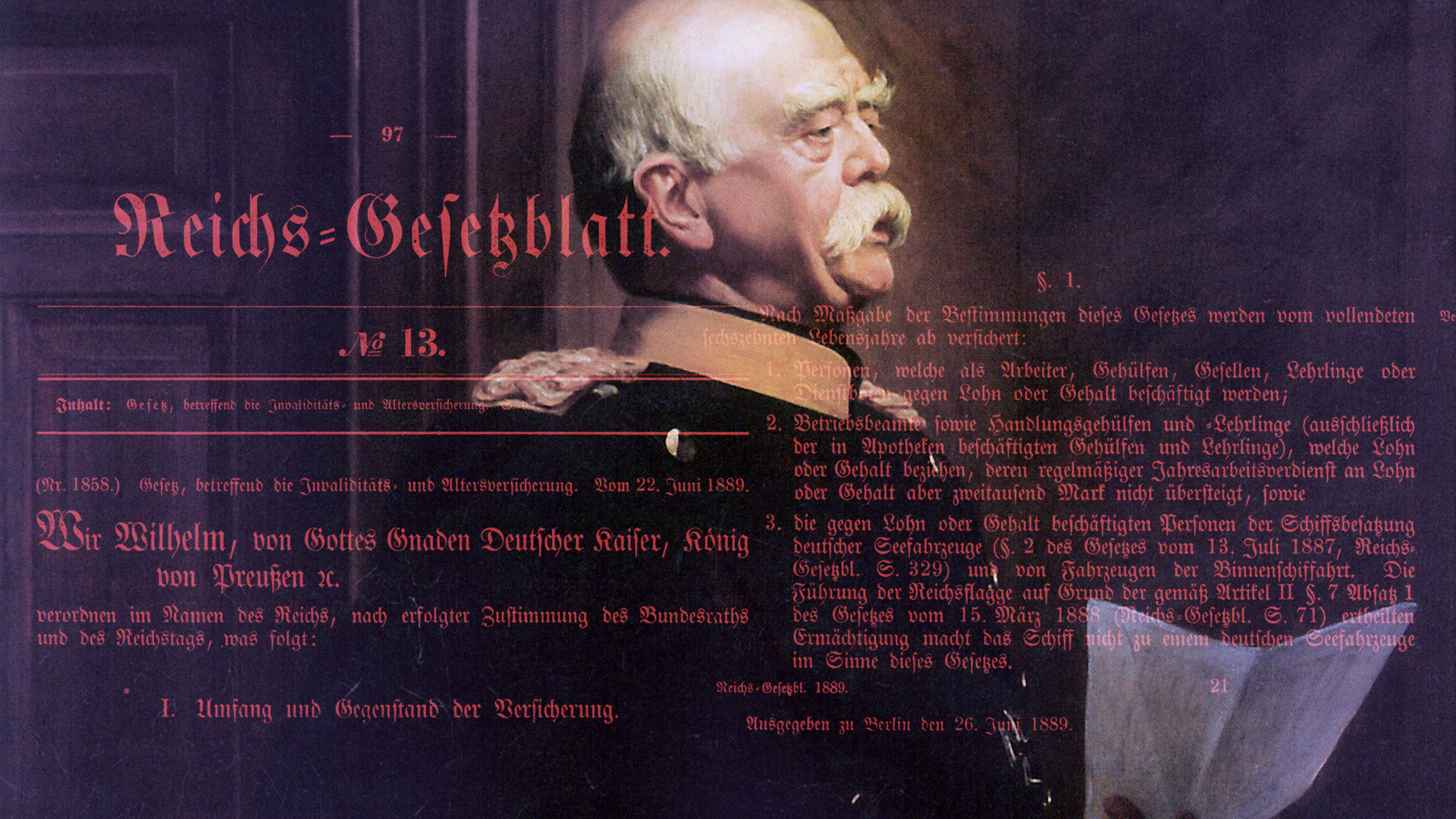
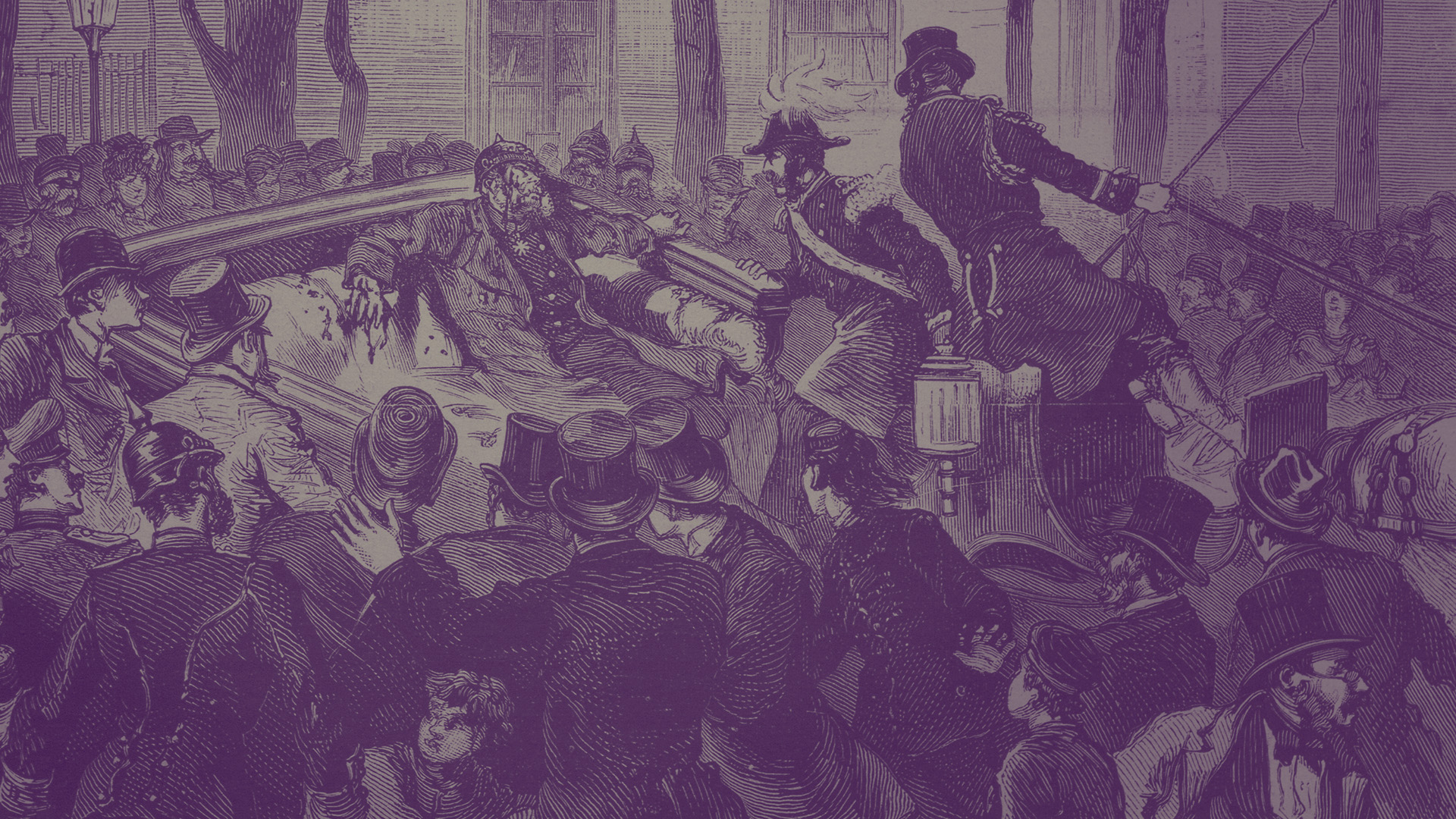
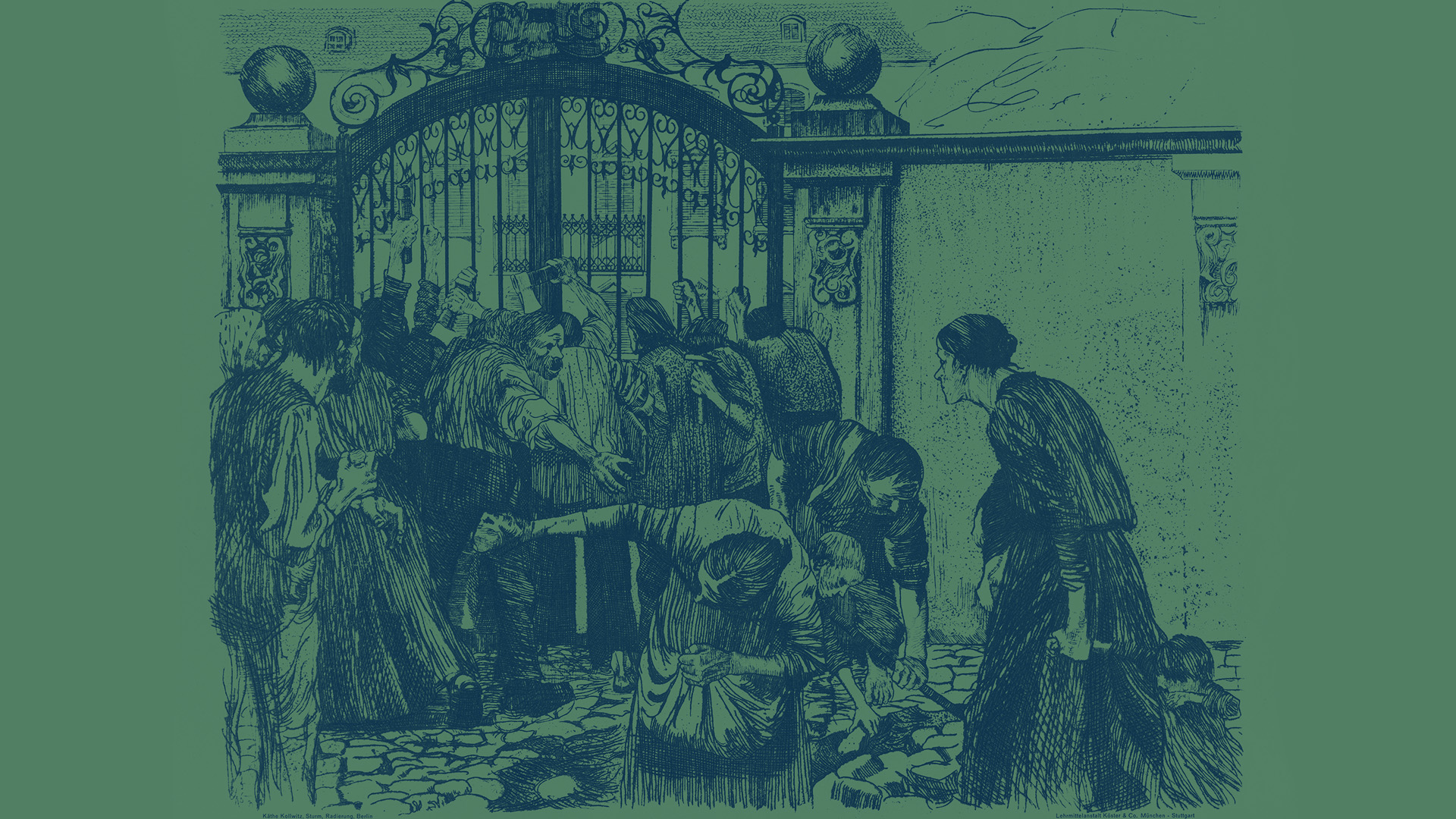
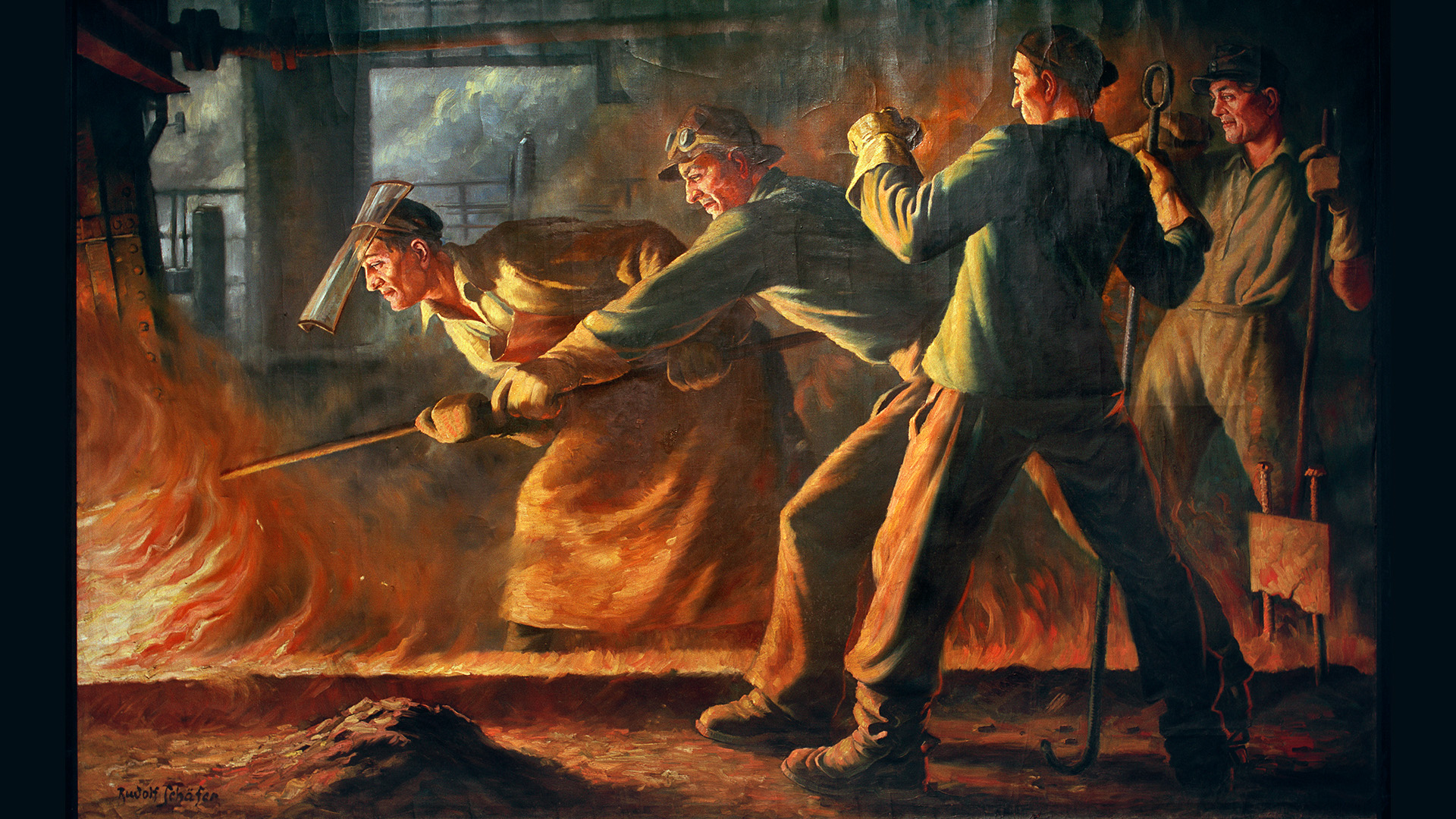
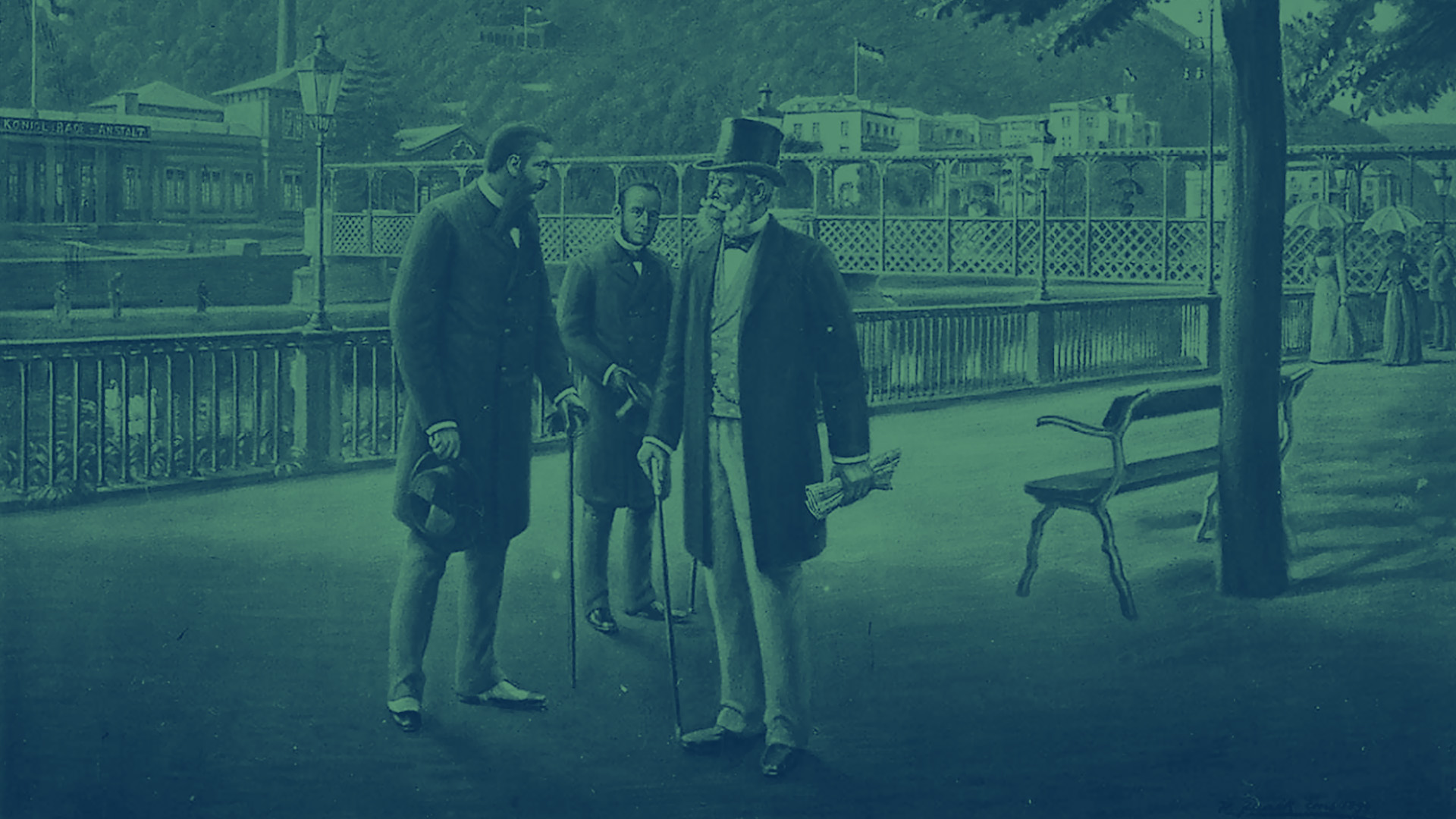
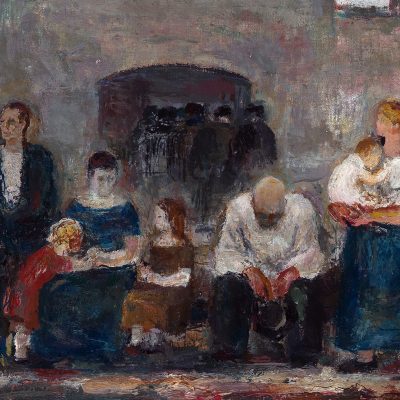
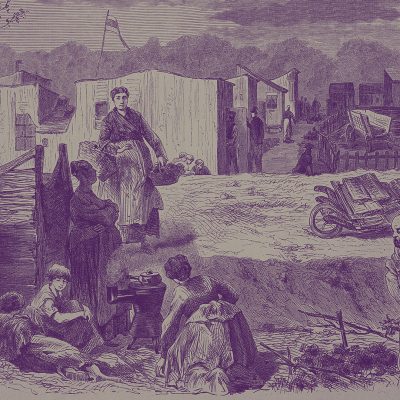
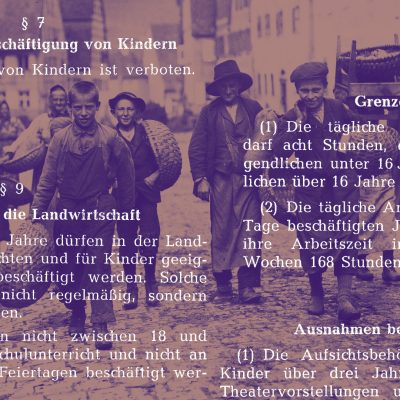
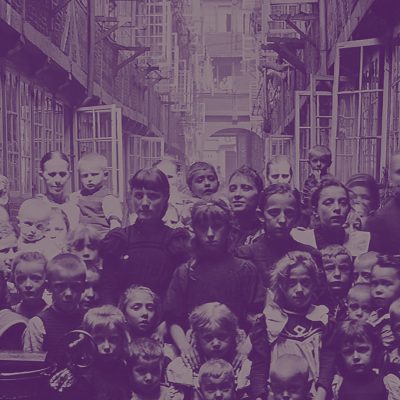
The miserable living conditions of industrial workers in the 1870s elicited a little sympathy amongst better-off Germans but a great deal more unease: they feared revolution from the Marxist workers’ movement. Chancellor Bismarck adopted a tried-and-tested approach: dangle the carrot and deploy the stick. After declaring the Social Democrats “enemies of the Reich”, he passed a law constraining their operations, whilst working to ameliorate the worst of the problems by introducing basic protection against ill health, work accidents and old age.
The carrot was deployed in a number of steps. First, the Law on Health Insurance for Workers passed on 1 December 1883 required workers on a low income to take out insurance. Whilst employees met two-thirds of the costs, their employer had to pay the rest into one of the newly established health insurance funds. In return, employees received sick pay amounting to half their normal earnings for up to thirteen weeks from the third day of illness, and medical treatment, medication and hospital care. Benefits also included a grant to dependants upon death of the breadwinner and maternity assistance for women after childbirth. Six months later, the Accident Insurance Act supplemented the coverage for certain occupations. Although Bismarck had established the world’s first statutory health insurance scheme, he was unable to prevent the rise of social democracy.


The whole year at a glance












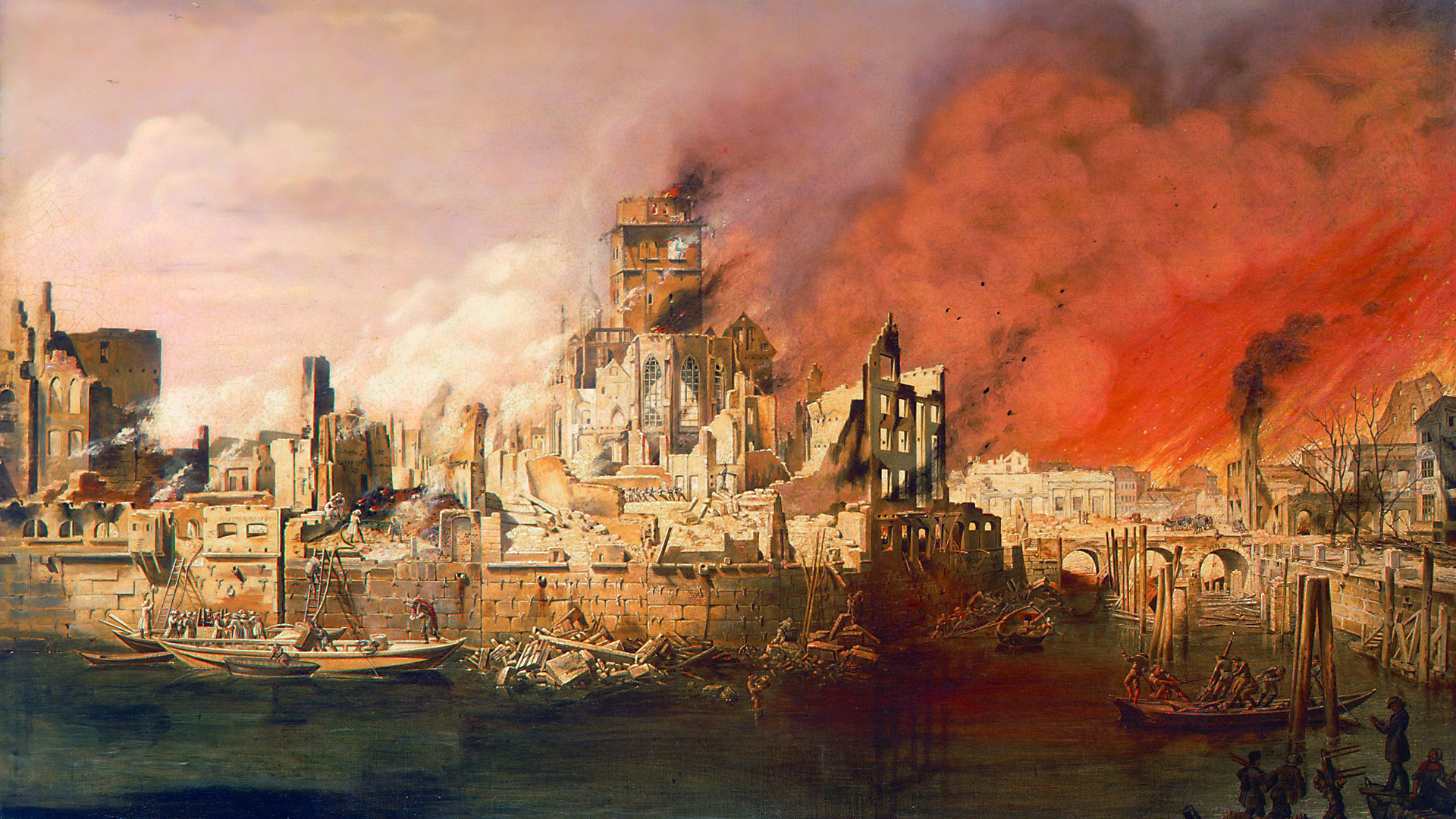
![Lithografie von Johann Nepomuk Heinemann [koloriert], nach Ölgemälde von Feodor Dietz (Foto: LABW, GLAK)](https://www.deutschlandmuseum.de/wp-content/uploads/2025/02/02031689_Zerstoerung_Heidelbergs-400x400.jpg "Lithografie von Johann Nepomuk Heinemann [koloriert], nach Ölgemälde von Feodor Dietz (Foto: LABW, GLAK)")








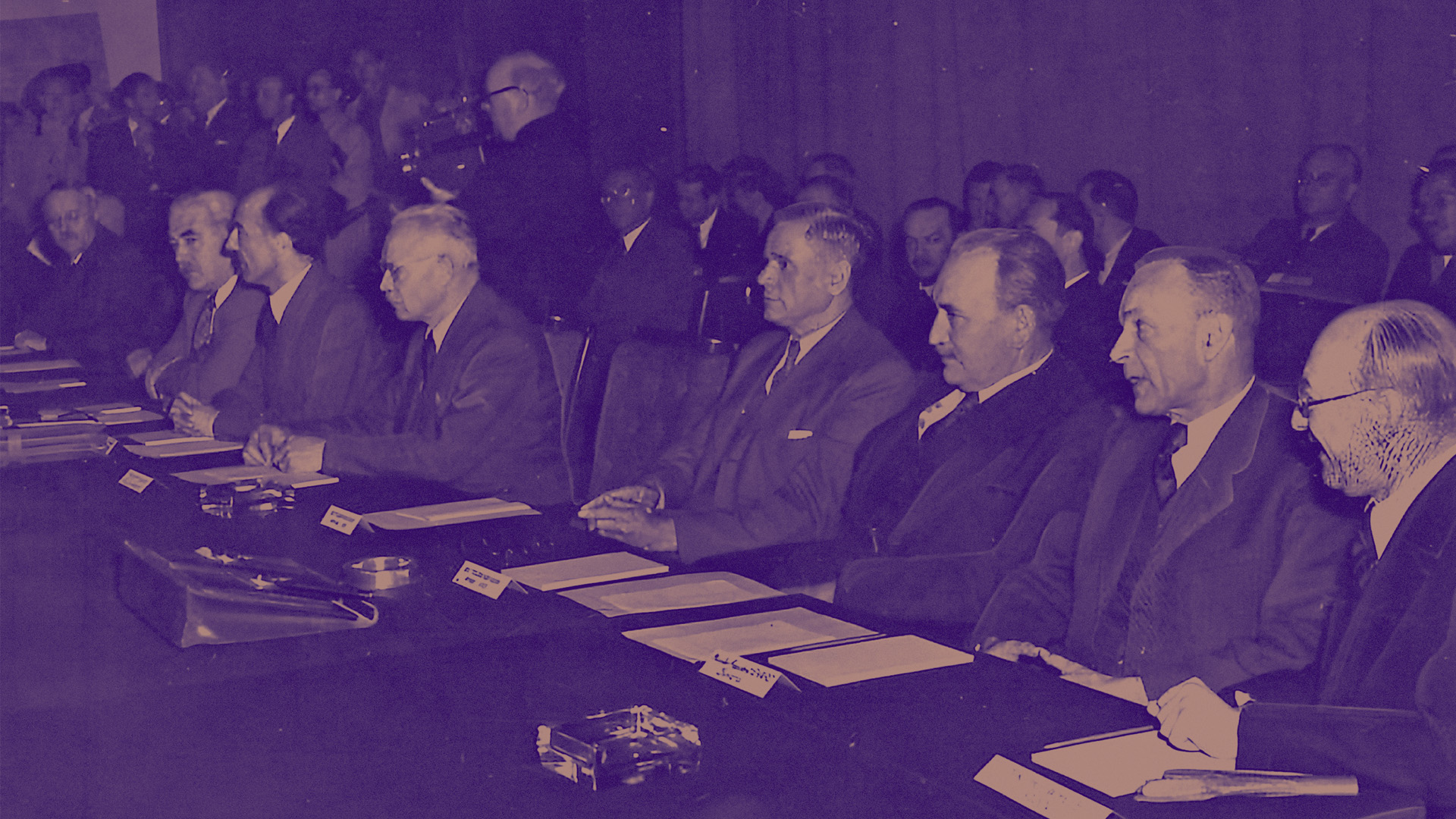
![Unter den Unterzeichnern sind die Nobelpreisträger Otto Hahn, Werner Heisenberg und Max Born [digital koloriert] (Quelle: Landesarchiv BW Staatsarchiv Freiburg, CC-BY-SA)](https://www.deutschlandmuseum.de/wp-content/uploads/2025/04/12041957_Göttinger_Erklärung-400x400.jpg "Unter den Unterzeichnern sind die Nobelpreisträger Otto Hahn, Werner Heisenberg und Max Born [digital koloriert] (Quelle: Landesarchiv BW Staatsarchiv Freiburg, CC-BY-SA)")





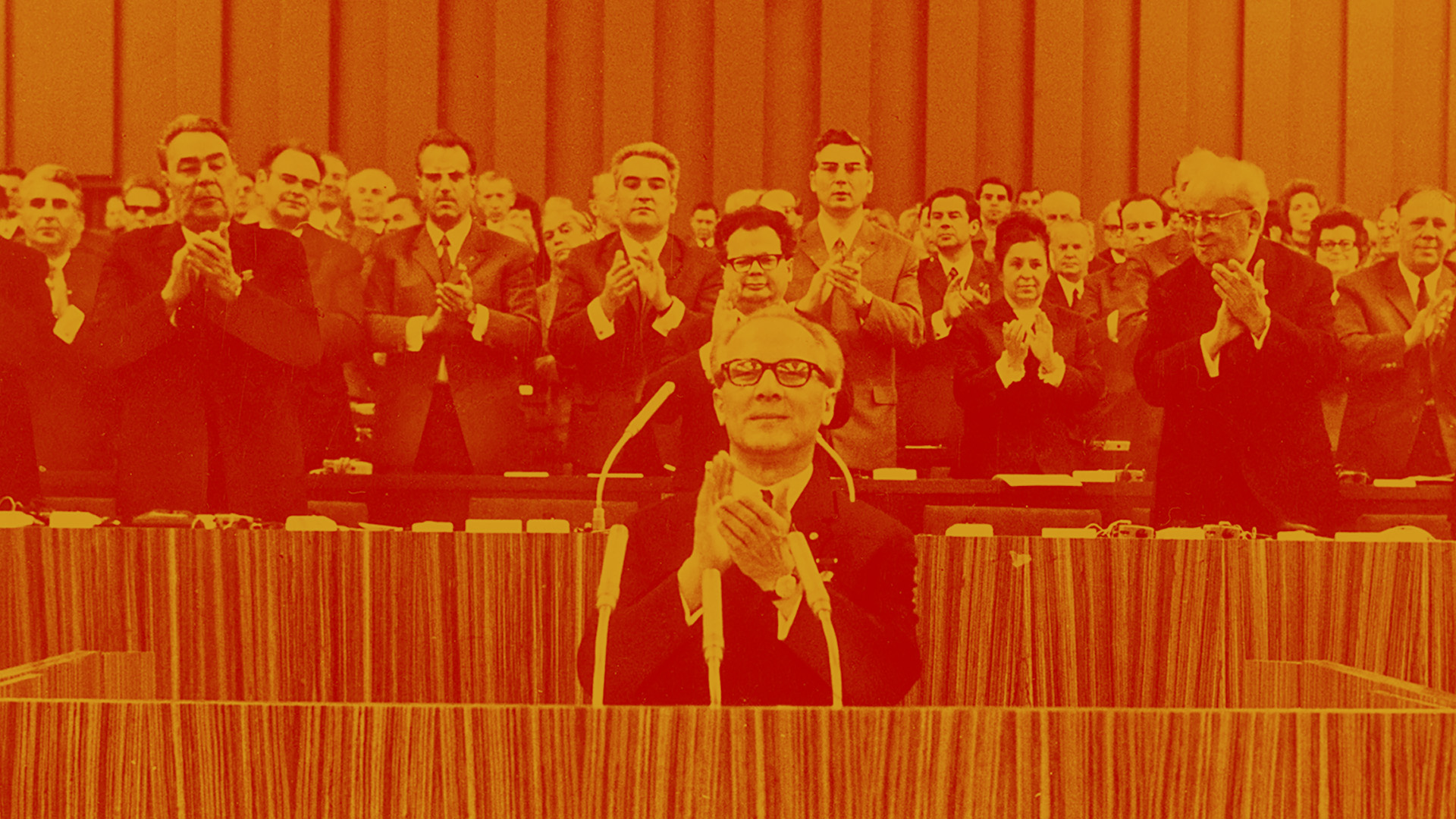
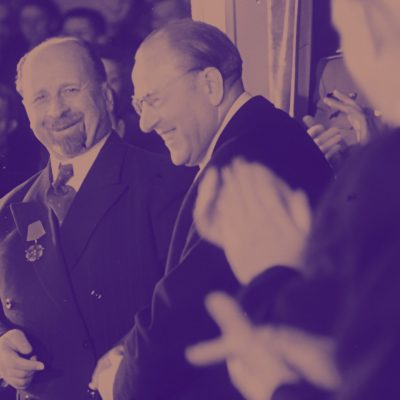
](https://www.deutschlandmuseum.de/wp-content/uploads/2025/04/21041946_SED_Gründung-1-400x400.jpg "Vereinigungsparteitag von KPD und SPD zur SED [digital koloriert](Quelle: Deutsche Fotothek, CC BY-SA 3.0 DE)")

























![Alexander von Humboldt [Ausschnitt], Gemälde von Friedrich Georg Weitsch (Quelle: Alte Nationalgalerie)](https://www.deutschlandmuseum.de/wp-content/uploads/2025/09/14091769_Humboldt-400x400.jpg "Alexander von Humboldt [Ausschnitt], Gemälde von Friedrich Georg Weitsch (Quelle: Alte Nationalgalerie)")



![Albert Einstein im Patentamt Bern, 1905 [digital koloriert] (Quelle: ETH-Bibliothek Zürich)](https://www.deutschlandmuseum.de/wp-content/uploads/2025/09/26091905_Einstein_koloriert-400x400.jpg "Albert Einstein im Patentamt Bern, 1905 [digital koloriert] (Quelle: ETH-Bibliothek Zürich)")