Full steam ahead between Nuremberg and Fürth
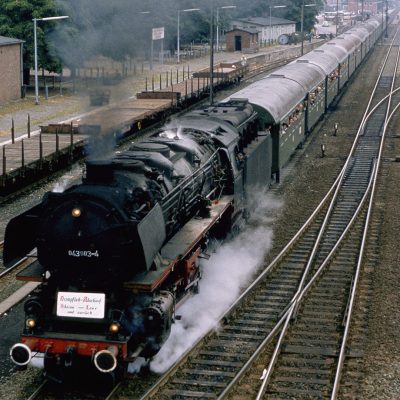
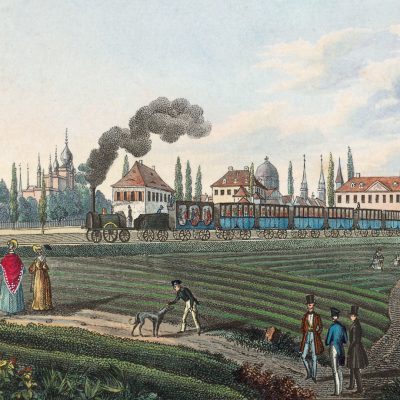
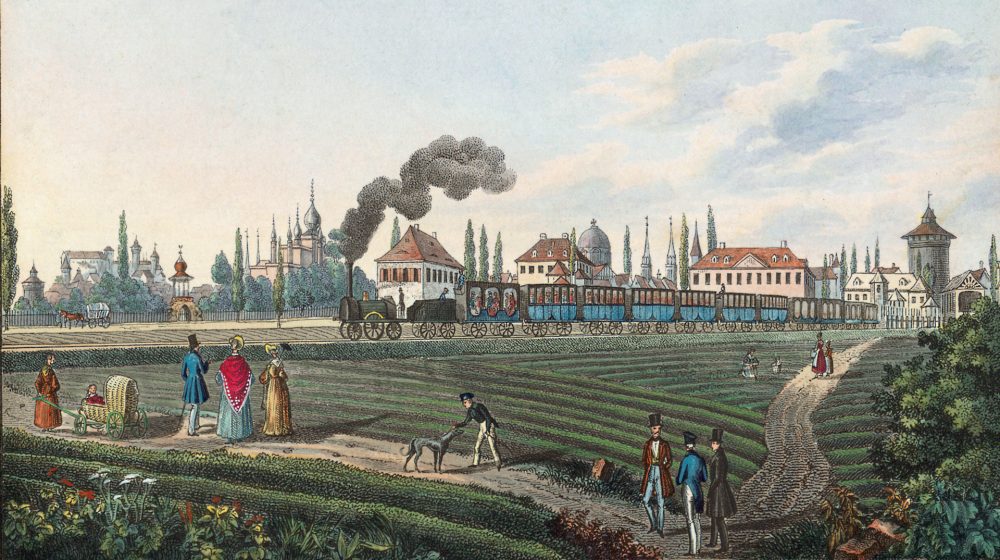
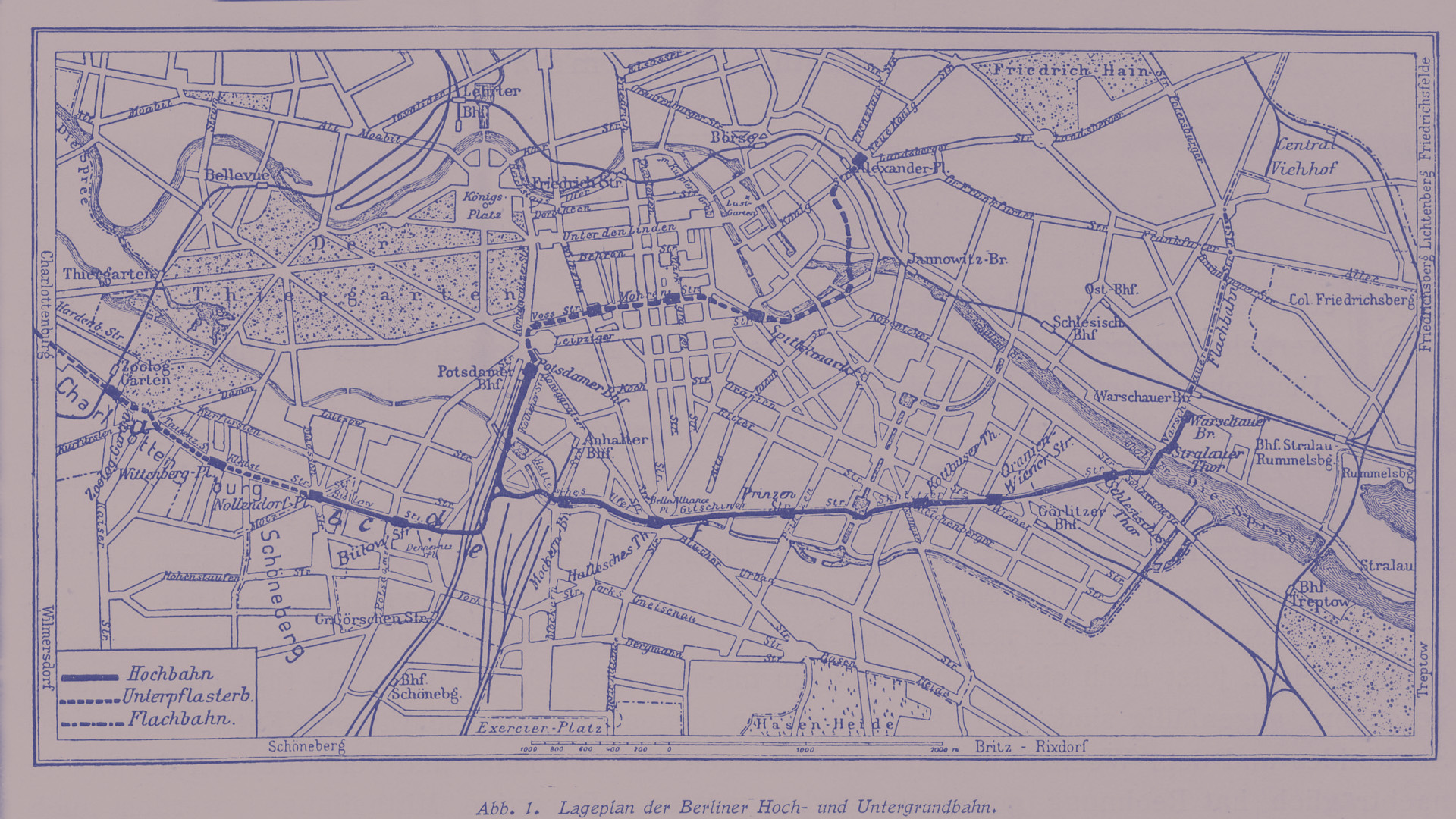
Germans had long watched with interest as the English pioneered railway travel in the 19th century. When the six-mile road between Nuremberg and Fürth became increasingly congested with industrial traffic, many saw the advantage of establishing a railway connection between the two towns. Once the necessary capital had been raised, the company established to build the railway ordered a locomotive from the leading English locomotive manufacturer. This was dismantled into individual parts, packed into crates, transported to Nuremberg and assembled under the guidance of a locomotive driver who had also been sent from England. The rails and carriages came from German manufacturers.
The grand opening on 7 December 1835 was a huge success. Numerous stalls and tents had been set up, and the entire route was lined with spectators. Setting off from the station in Nuremberg following a cannon shot and amidst general cheering, the locomotive driver – dressed in a top hat and tails – opened the regulator and set off for Fürth. When regular services began the following day, 1,200 passengers travelled on the line, and in the first year the number soon reached half a million. As coal was expensive and the steam locomotive took two hours to steam up, it was run only twice a day. Most of the trains in between were run as a horse-drawn service, which almost doubled the journey time. Although the railway was very successful for a long time, competition from first horse-drawn and later electric trams eventually rendered it unprofitable, and operations were discontinued in 1922. Today, Nuremberg and Fürth are linked by an underground railway line.
The whole year at a glance



![Lithografie von Johann Nepomuk Heinemann [koloriert], nach Ölgemälde von Feodor Dietz (Foto: LABW, GLAK)](https://www.deutschlandmuseum.de/wp-content/uploads/2025/02/02031689_Zerstoerung_Heidelbergs-400x400.jpg "Lithografie von Johann Nepomuk Heinemann [koloriert], nach Ölgemälde von Feodor Dietz (Foto: LABW, GLAK)")

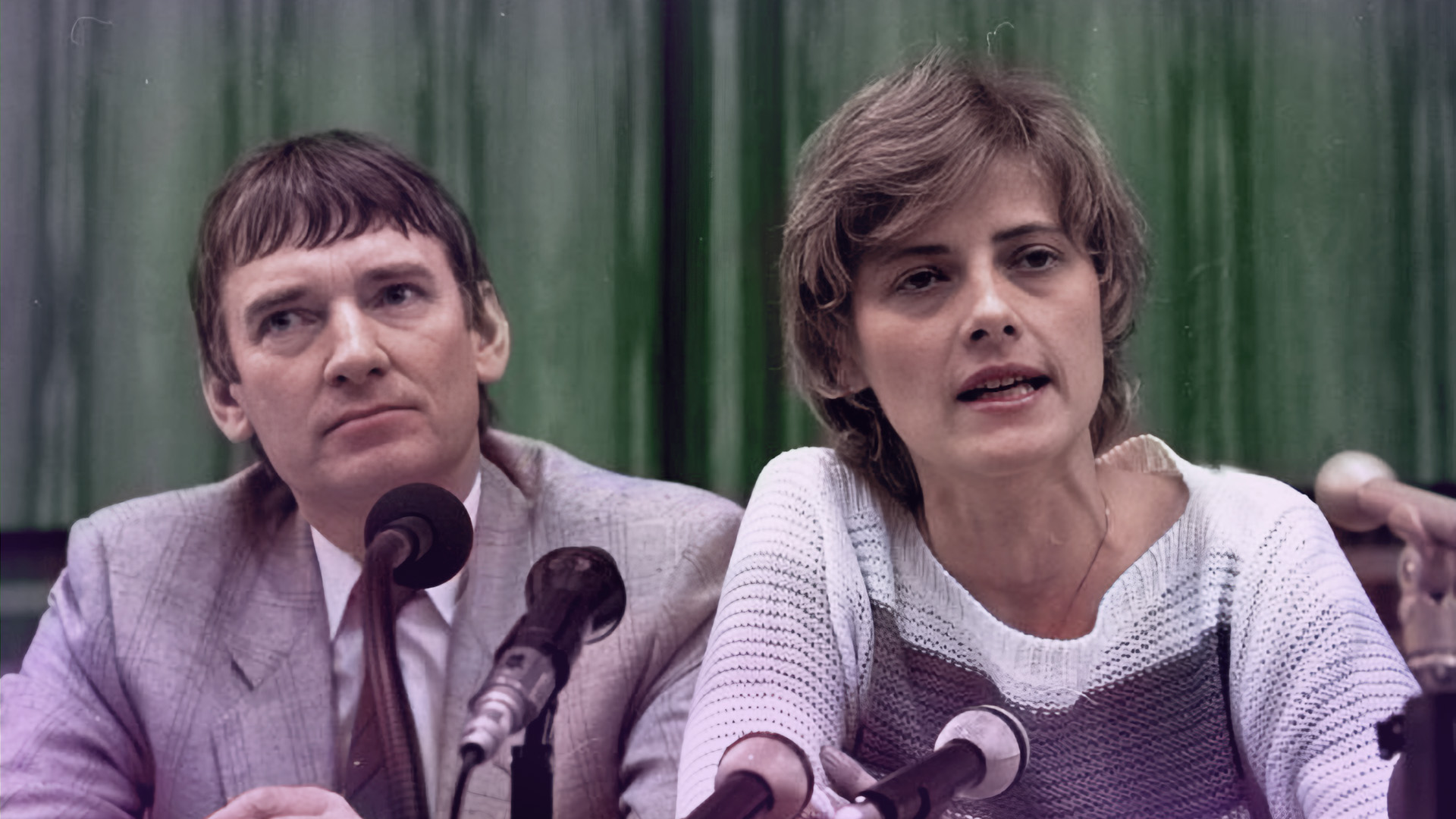

![Unter den Unterzeichnern sind die Nobelpreisträger Otto Hahn, Werner Heisenberg und Max Born [digital koloriert] (Quelle: Landesarchiv BW Staatsarchiv Freiburg, CC-BY-SA)](https://www.deutschlandmuseum.de/wp-content/uploads/2025/04/12041957_Göttinger_Erklärung-400x400.jpg "Unter den Unterzeichnern sind die Nobelpreisträger Otto Hahn, Werner Heisenberg und Max Born [digital koloriert] (Quelle: Landesarchiv BW Staatsarchiv Freiburg, CC-BY-SA)")


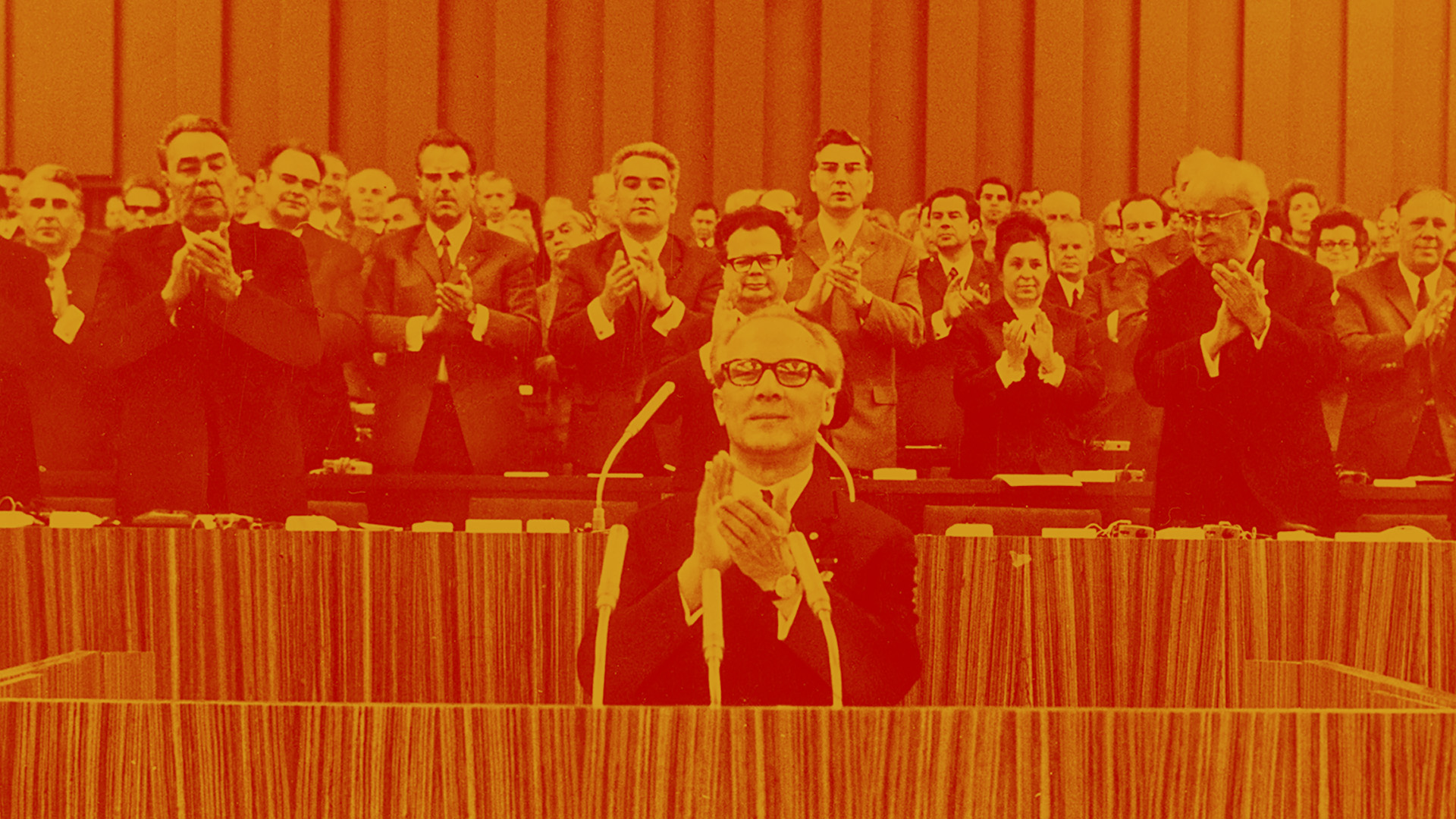
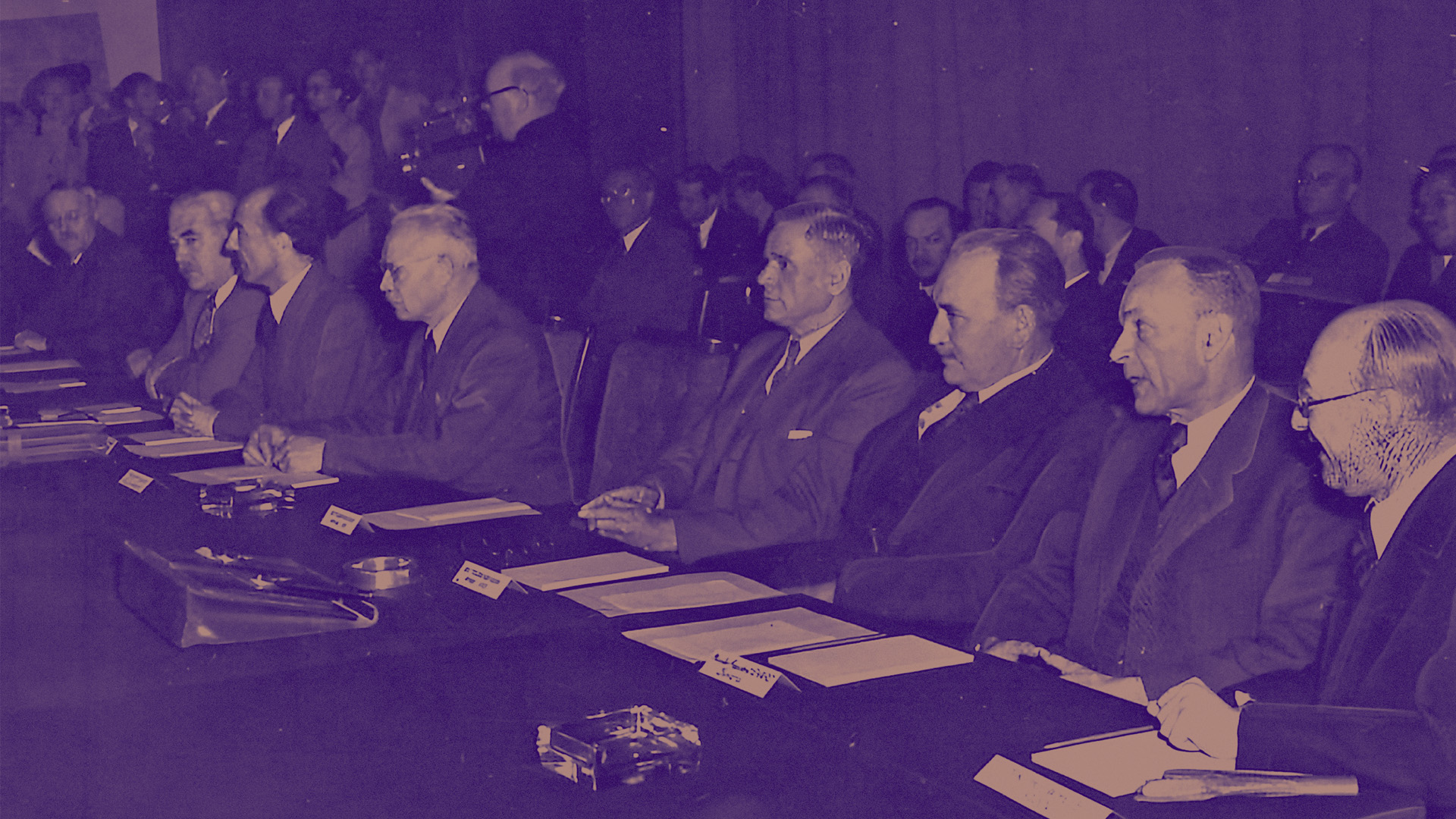
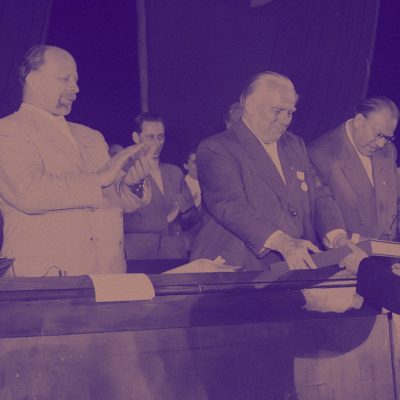
](https://www.deutschlandmuseum.de/wp-content/uploads/2025/04/21041946_SED_Gründung-1-400x400.jpg "Vereinigungsparteitag von KPD und SPD zur SED [digital koloriert](Quelle: Deutsche Fotothek, CC BY-SA 3.0 DE)")






![Alexander von Humboldt [Ausschnitt], Gemälde von Friedrich Georg Weitsch (Quelle: Alte Nationalgalerie)](https://www.deutschlandmuseum.de/wp-content/uploads/2025/09/14091769_Humboldt-400x400.jpg "Alexander von Humboldt [Ausschnitt], Gemälde von Friedrich Georg Weitsch (Quelle: Alte Nationalgalerie)")



![Albert Einstein im Patentamt Bern, 1905 [digital koloriert] (Quelle: ETH-Bibliothek Zürich)](https://www.deutschlandmuseum.de/wp-content/uploads/2025/09/26091905_Einstein_koloriert-400x400.jpg "Albert Einstein im Patentamt Bern, 1905 [digital koloriert] (Quelle: ETH-Bibliothek Zürich)")