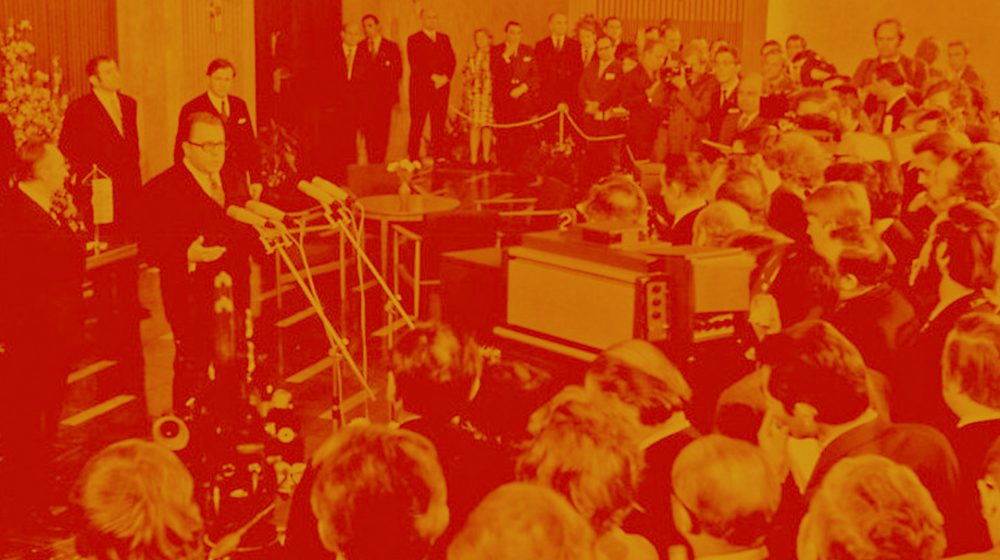

The Federal Republic of Germany and the DDR renegotiate their relationship
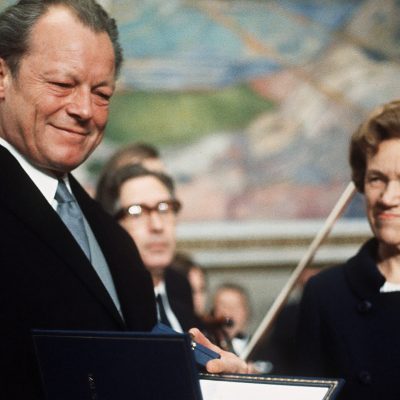
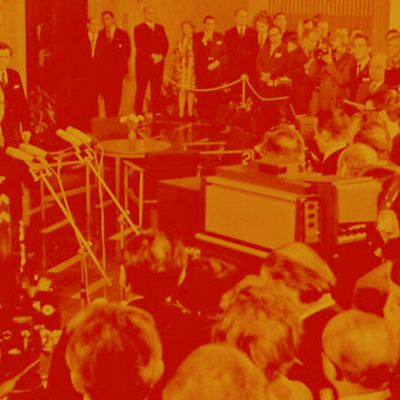
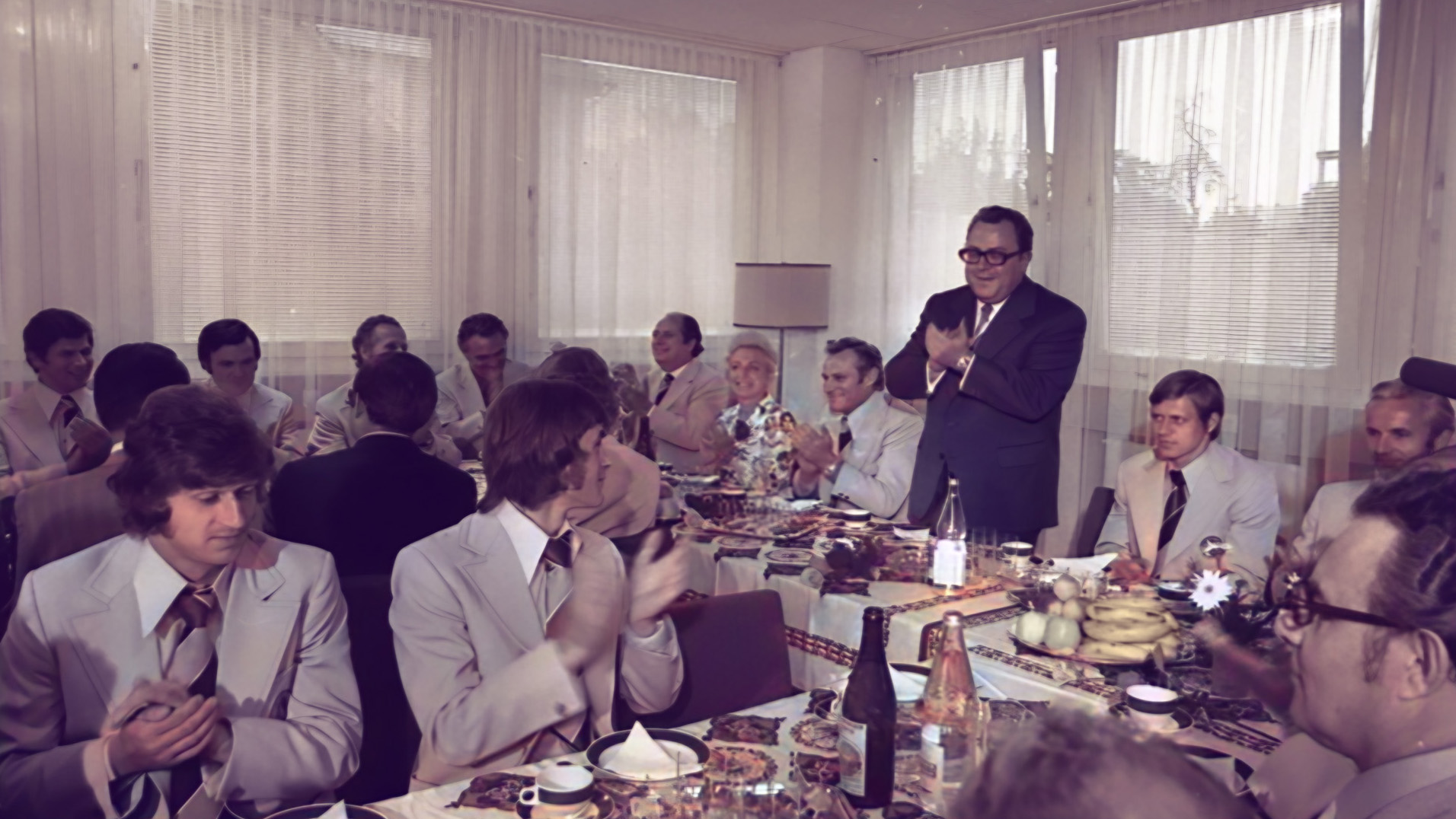
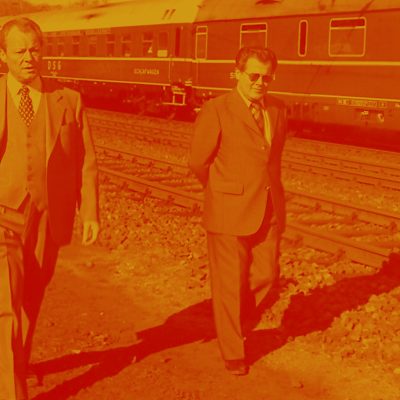
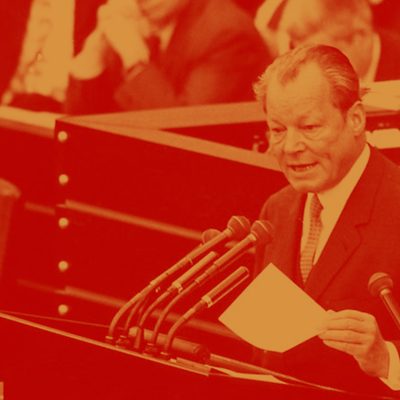
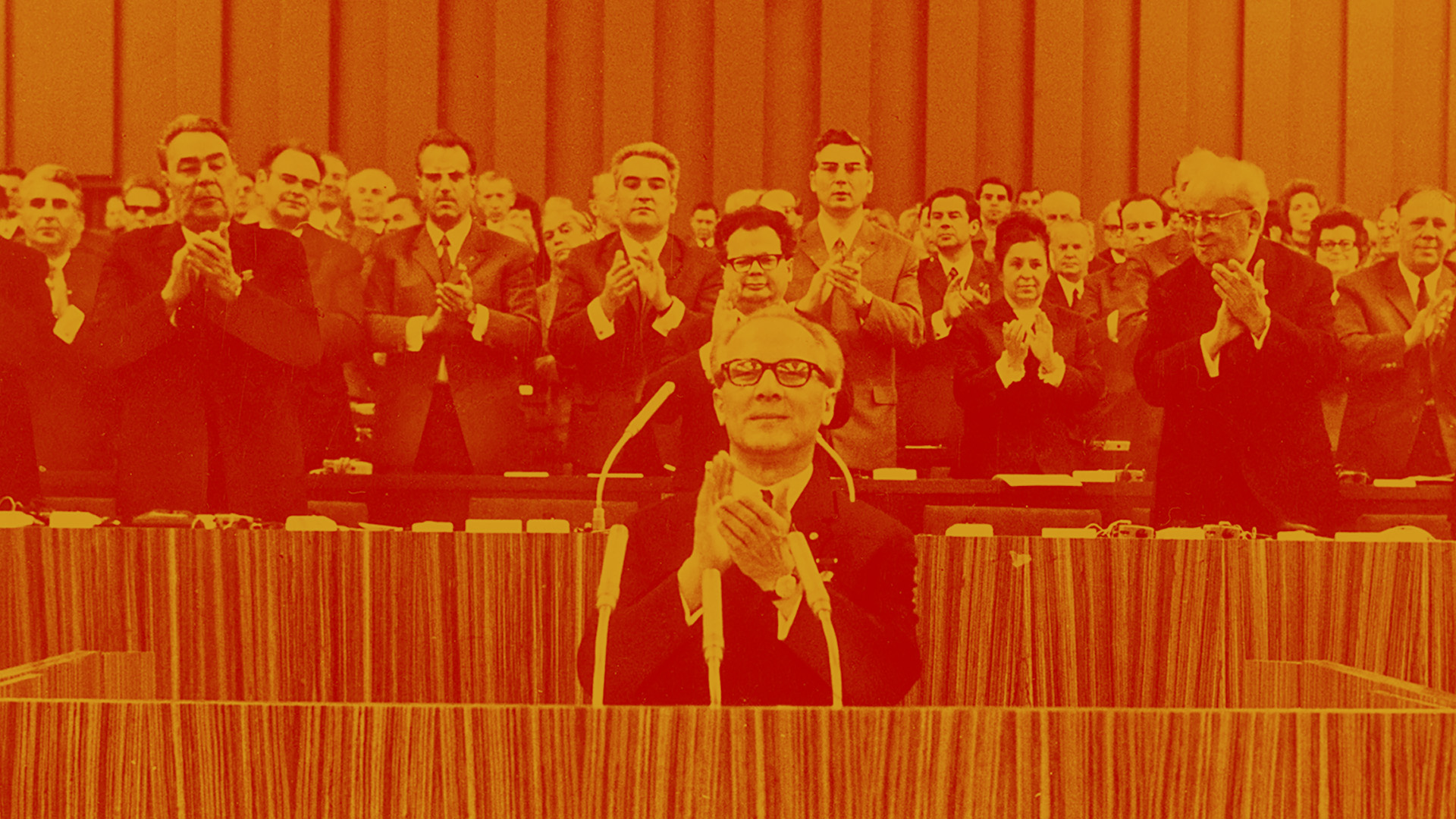
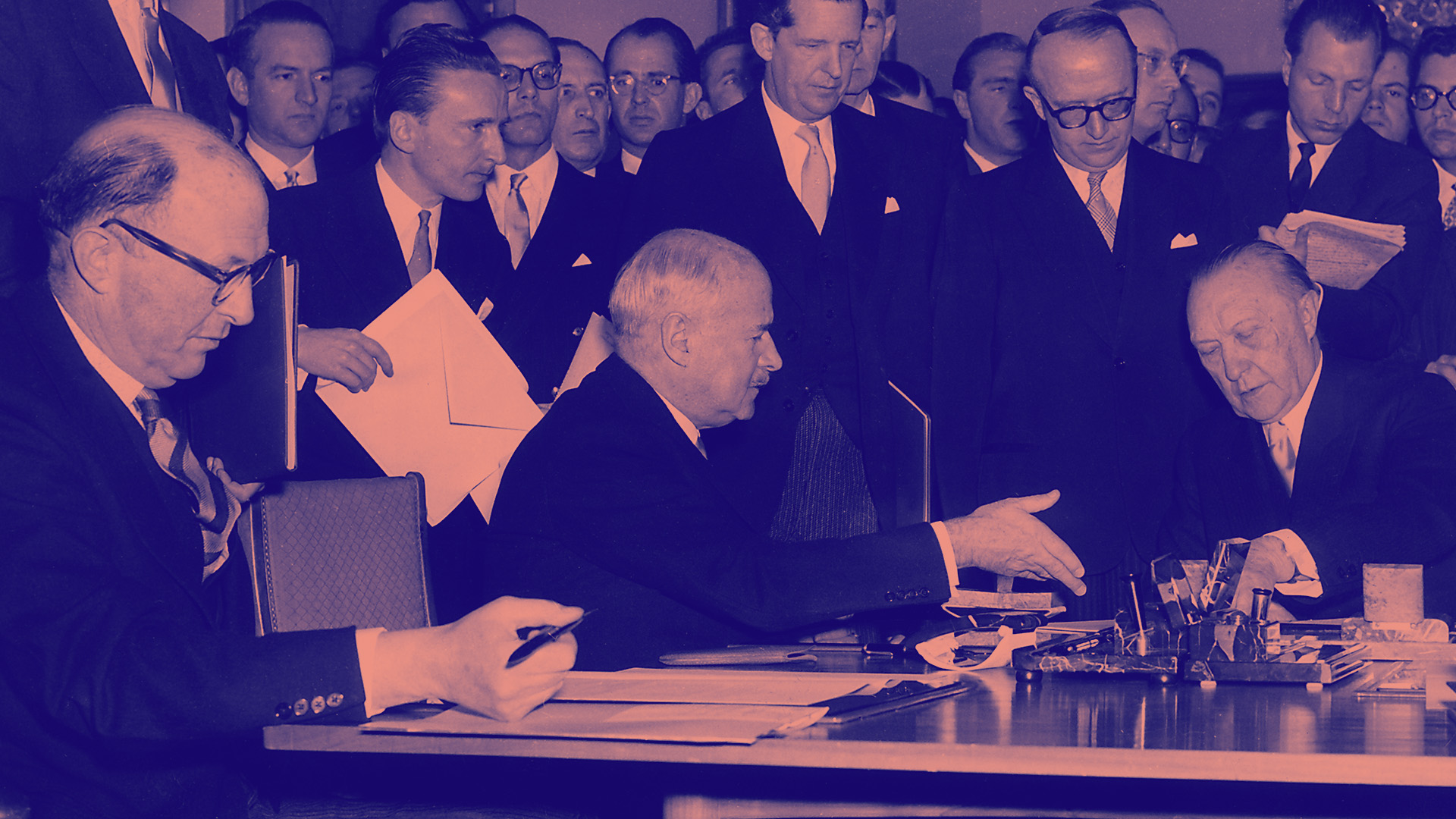
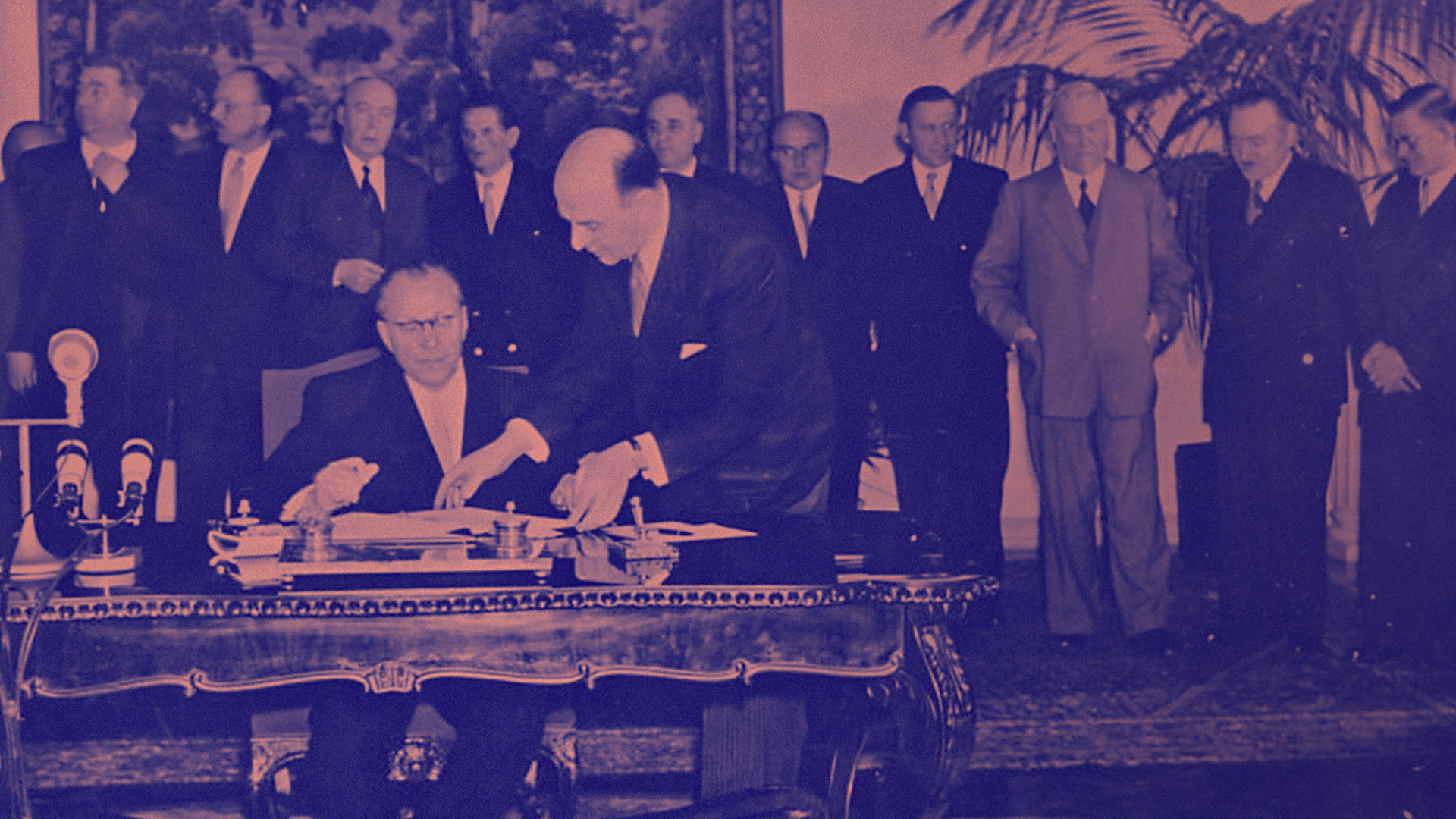
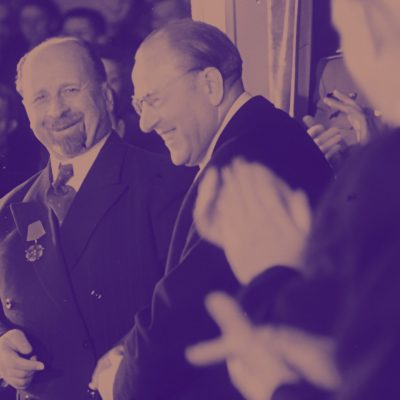
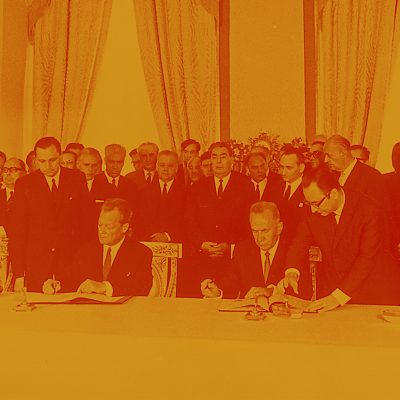
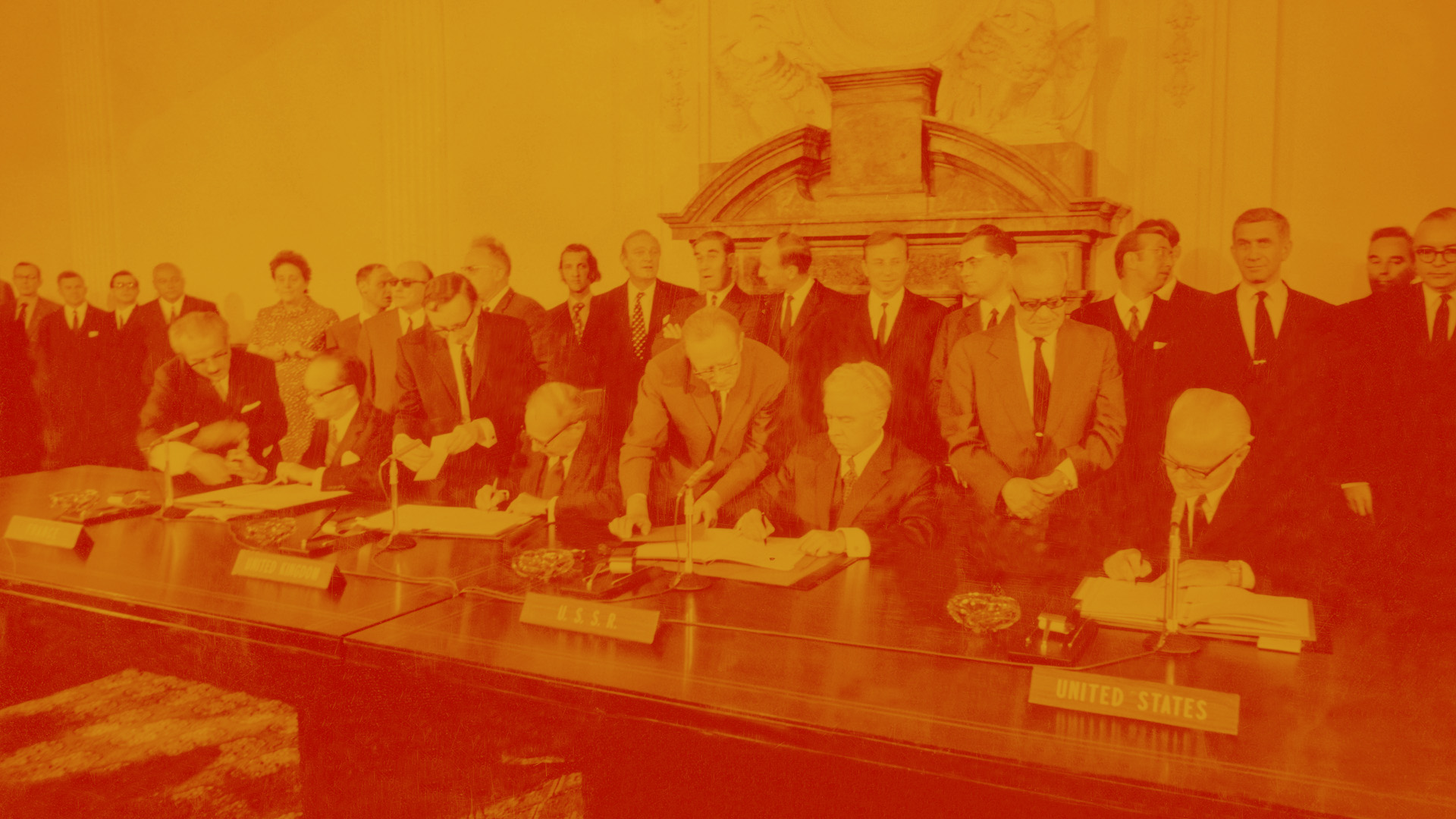
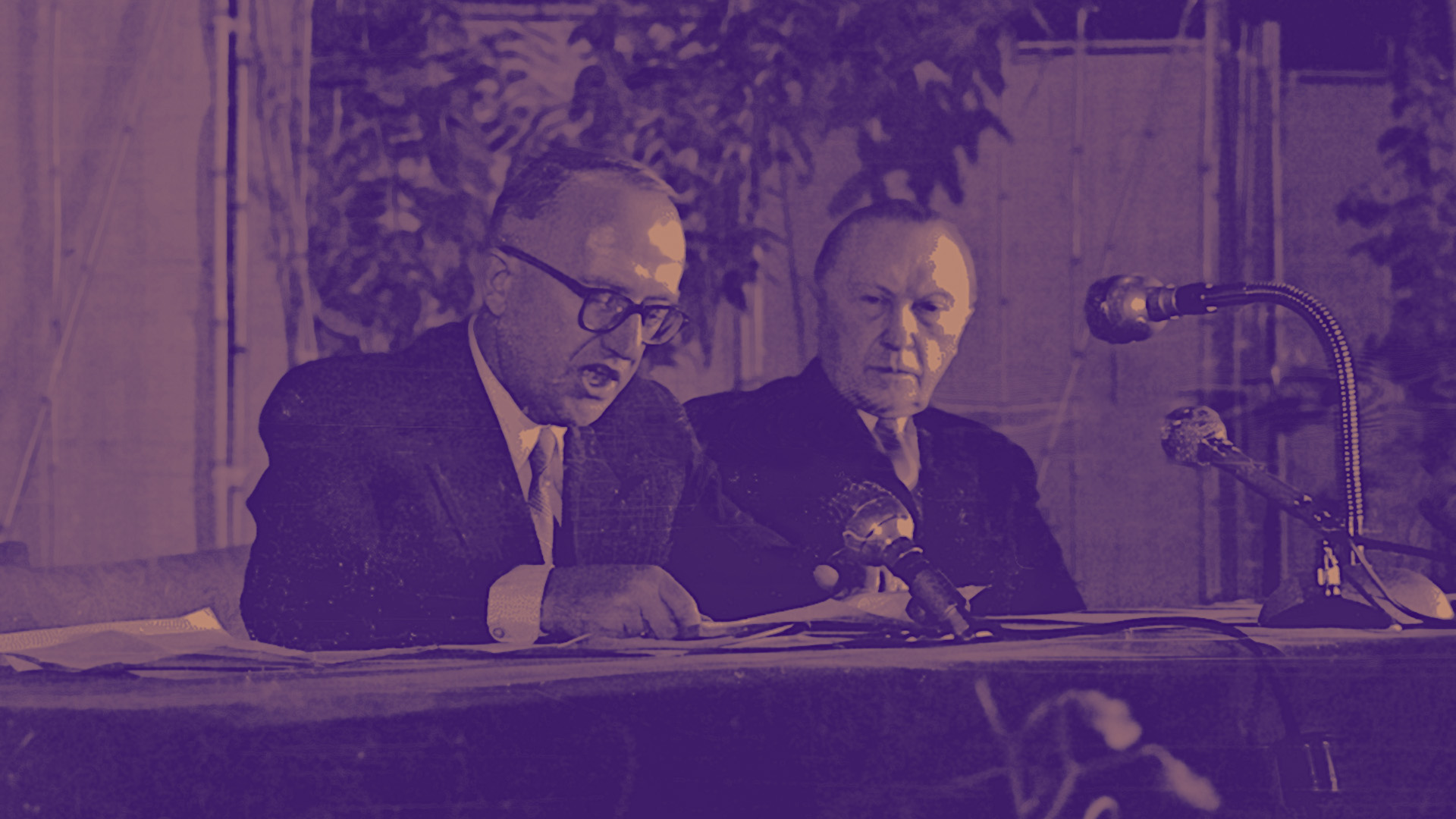
West Germany’s “New Ostpolitik”, launched by Chancellor Willy Brandt in the early 1970s, involved abandoning the Hallstein Doctrine – the Federal Republic’s claim to be the sole representative of the German nation – and accepting the DDR’s right to exist. Foreign policy now focused on achieving “change through rapprochement”, which required détente between the two German states and the normalization of relations. Following the Four-Power Agreement on Berlin and the Transit Agreement signed by the two German states, State Secretaries Egon Bahr (Bonn) and Michael Kohl (East Berlin) began negotiating the basic principles of the new relationship. Following Bahr’s presentation of a Letter on German Unity, the Treaty on the Basic Principles of Relations between the Federal Republic of Germany and the German Democratic Republic was signed on 21 December 1972. The treaty aimed to establish “good neighbourly relations” between two equal and sovereign states, whose borders each recognized as inviolable. The two states agreed to the principle of non-interference in each other’s internal affairs and decided to exchange “permanent representatives”, but not ambassadors, which were forbidden by the West German constitution. Both states also promised to cooperate in efforts towards disarmament and to achieve security and cooperation in Europe.
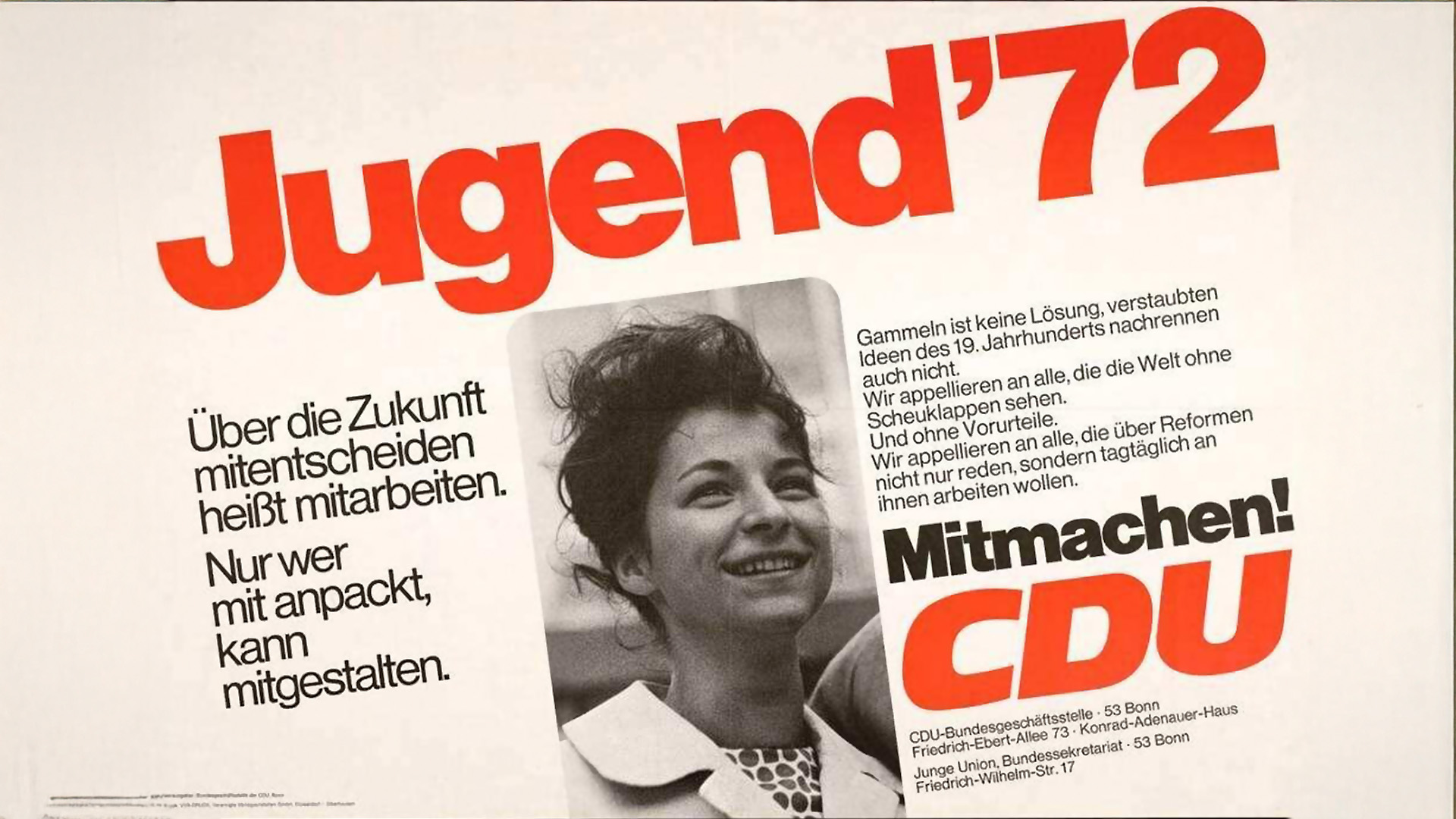
Resistance to the treaty quickly arose on both sides. The West German CDU seized on the failure to recognize the right of the German people to self-determination and argued that the treaty cemented the division of Germany. Even after the Federal Constitutional Court essentially approved the treaty, the criticism continued. In the DDR, the concessions made by the East German leadership were by no means uncontroversial within the SED. Against this backdrop, relations between East and West remained rocky. Egon Bahr had seen it coming: “Until now, we have had no relations; now we will have bad ones – and that is progress.”

The whole year at a glance



![Lithografie von Johann Nepomuk Heinemann [koloriert], nach Ölgemälde von Feodor Dietz (Foto: LABW, GLAK)](https://www.deutschlandmuseum.de/wp-content/uploads/2025/02/02031689_Zerstoerung_Heidelbergs-400x400.jpg "Lithografie von Johann Nepomuk Heinemann [koloriert], nach Ölgemälde von Feodor Dietz (Foto: LABW, GLAK)")


![Unter den Unterzeichnern sind die Nobelpreisträger Otto Hahn, Werner Heisenberg und Max Born [digital koloriert] (Quelle: Landesarchiv BW Staatsarchiv Freiburg, CC-BY-SA)](https://www.deutschlandmuseum.de/wp-content/uploads/2025/04/12041957_Göttinger_Erklärung-400x400.jpg "Unter den Unterzeichnern sind die Nobelpreisträger Otto Hahn, Werner Heisenberg und Max Born [digital koloriert] (Quelle: Landesarchiv BW Staatsarchiv Freiburg, CC-BY-SA)")




](https://www.deutschlandmuseum.de/wp-content/uploads/2025/04/21041946_SED_Gründung-1-400x400.jpg "Vereinigungsparteitag von KPD und SPD zur SED [digital koloriert](Quelle: Deutsche Fotothek, CC BY-SA 3.0 DE)")









![Alexander von Humboldt [Ausschnitt], Gemälde von Friedrich Georg Weitsch (Quelle: Alte Nationalgalerie)](https://www.deutschlandmuseum.de/wp-content/uploads/2025/09/14091769_Humboldt-400x400.jpg "Alexander von Humboldt [Ausschnitt], Gemälde von Friedrich Georg Weitsch (Quelle: Alte Nationalgalerie)")



![Albert Einstein im Patentamt Bern, 1905 [digital koloriert] (Quelle: ETH-Bibliothek Zürich)](https://www.deutschlandmuseum.de/wp-content/uploads/2025/09/26091905_Einstein_koloriert-400x400.jpg "Albert Einstein im Patentamt Bern, 1905 [digital koloriert] (Quelle: ETH-Bibliothek Zürich)")