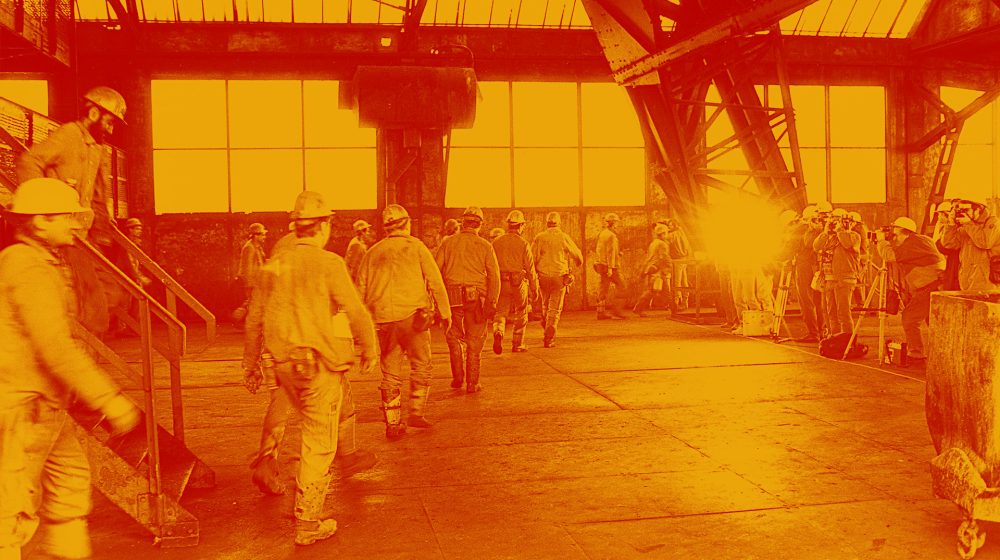

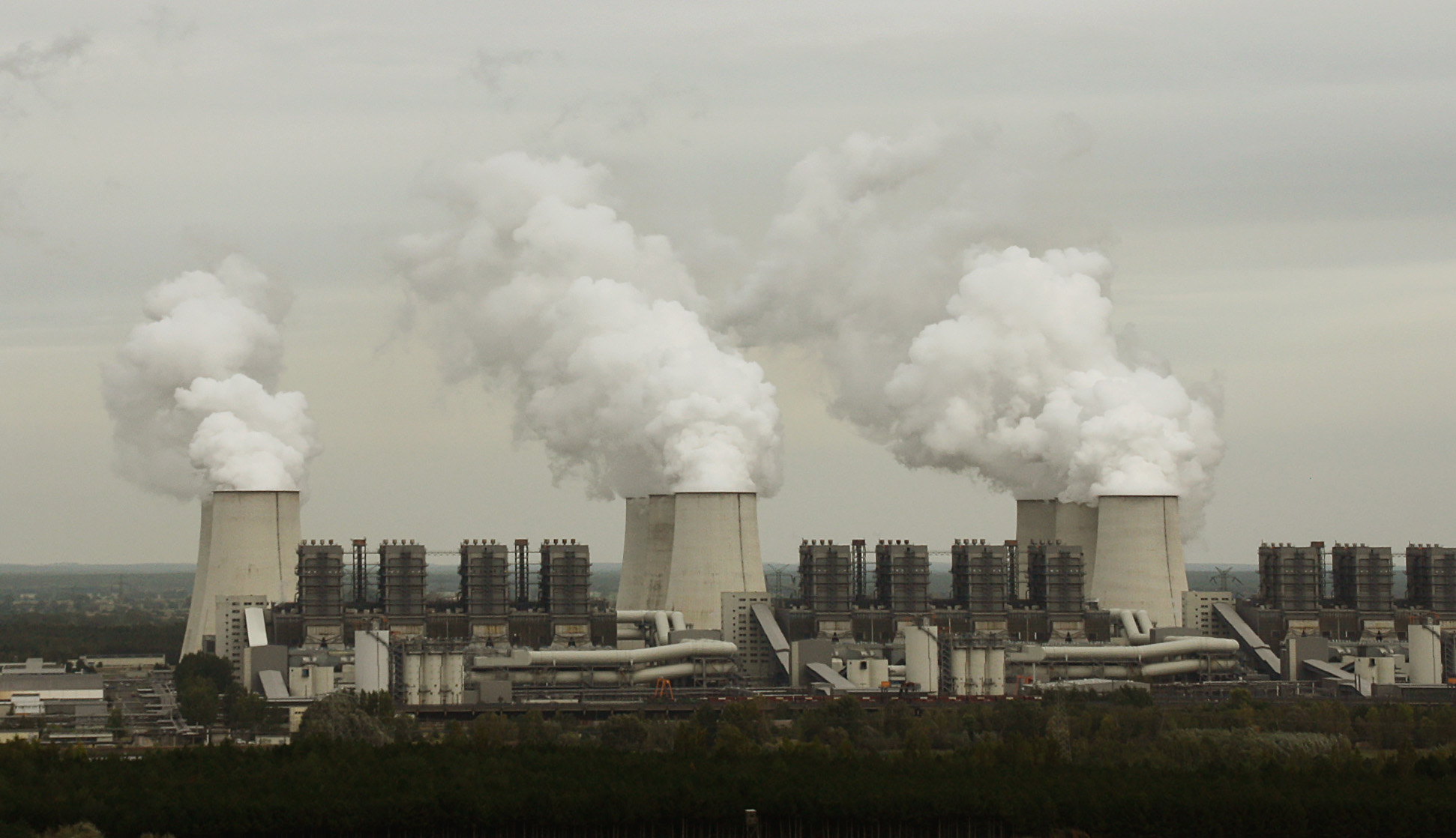
Germany’s most productive coal mine is shut down
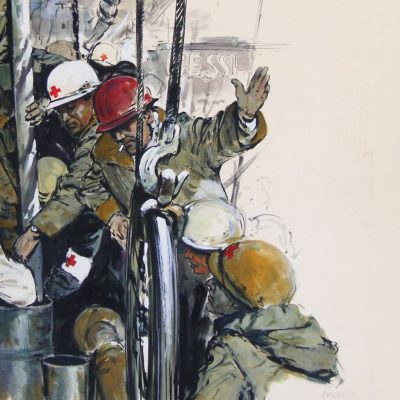
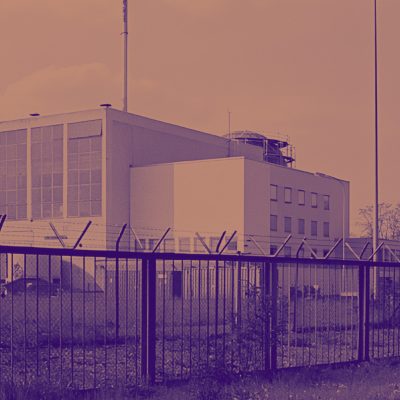
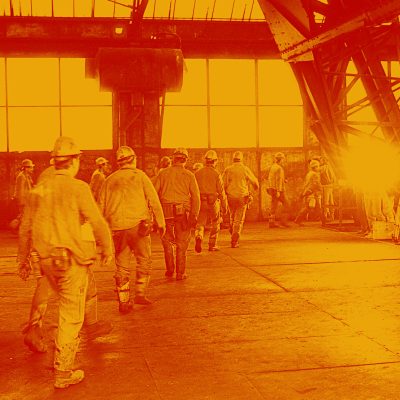
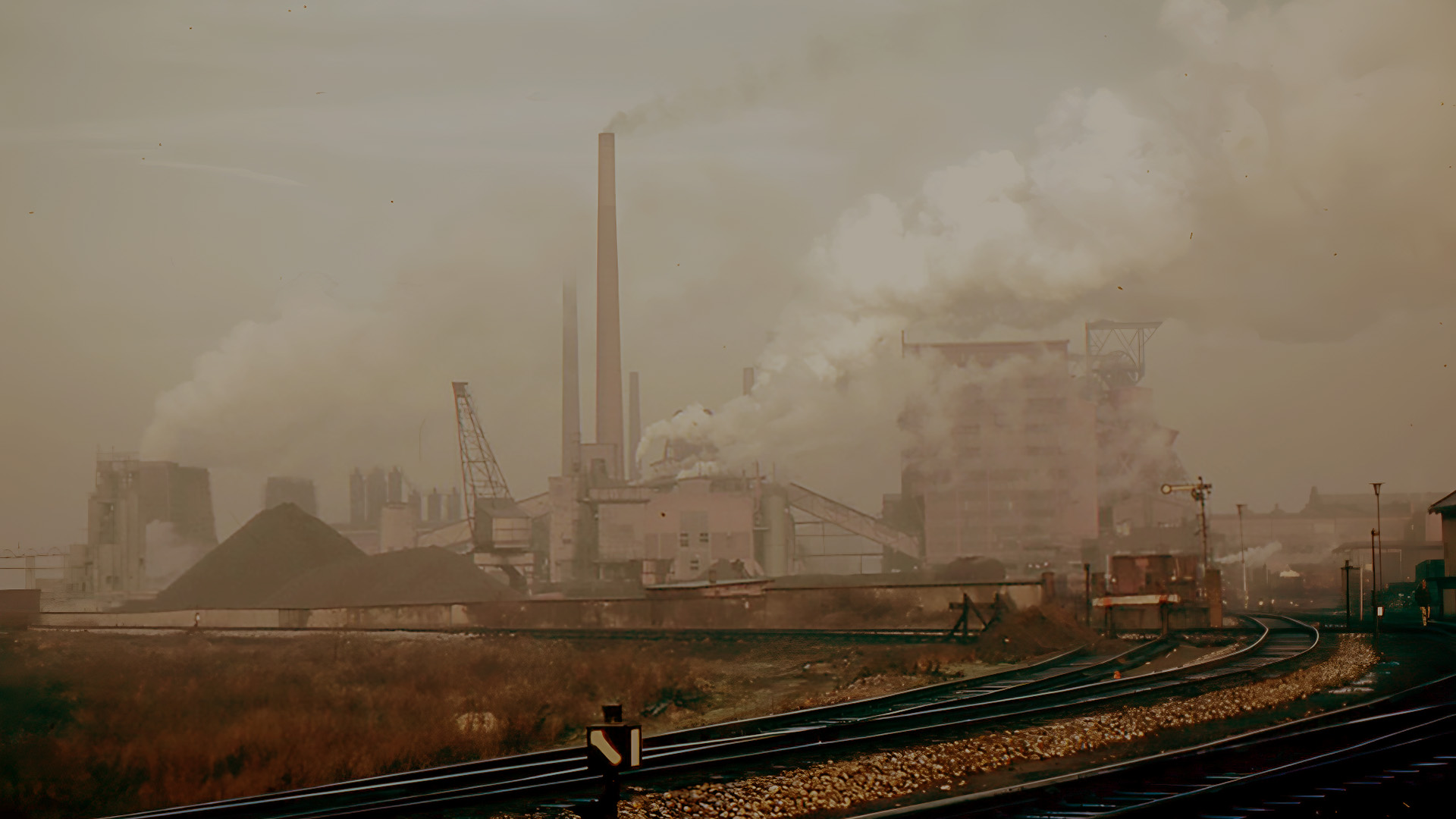
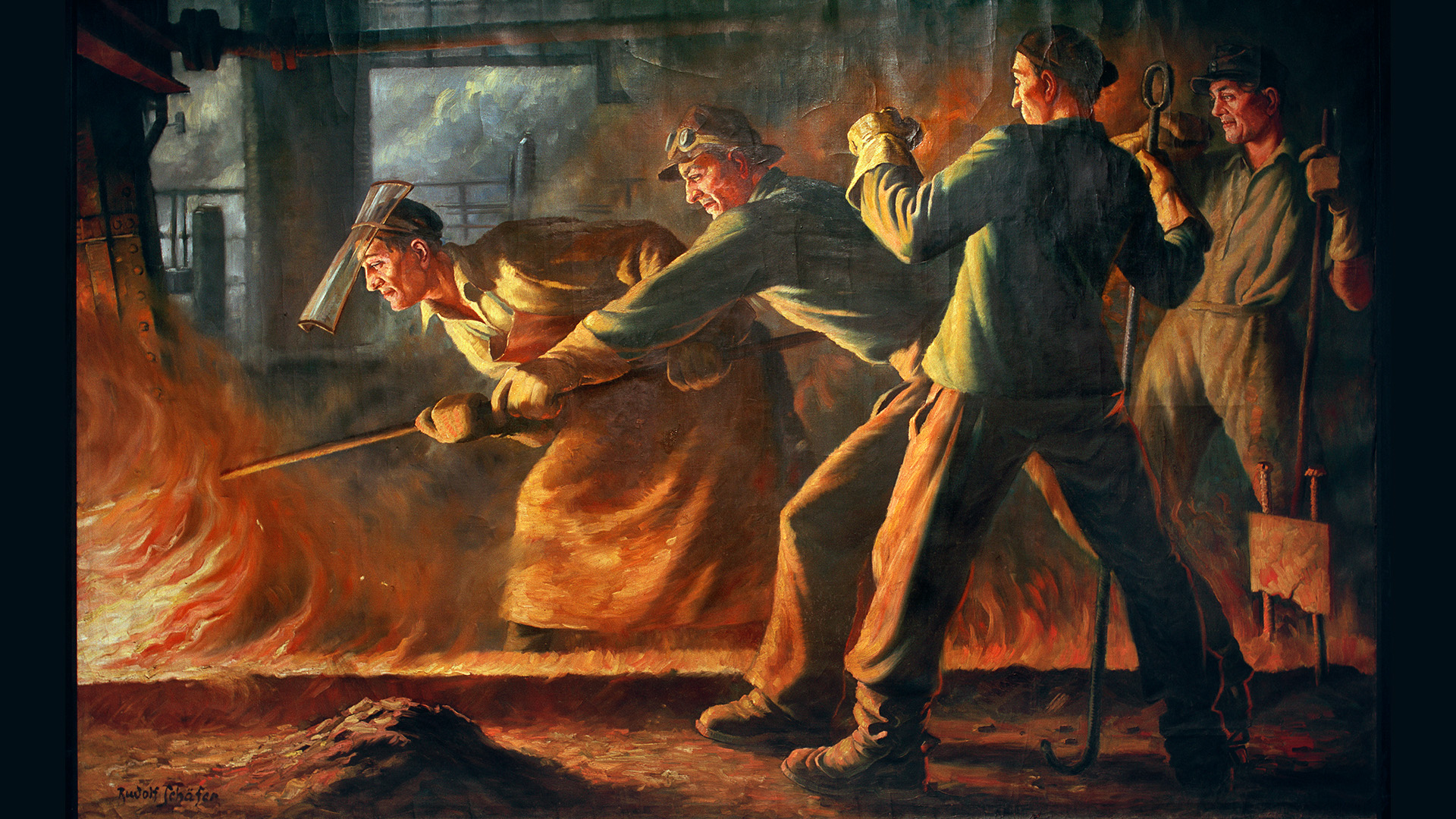
The discovery of one of the largest coal deposits in Germany in the area around Essen soon led to the establishment in 1851 of the Zollverein coal mine, named for the free trade area founded by Prussia and incorporating the states of the German Confederation. Repeated expansion of the colliery soon established it as the largest in Germany by the end of the 19th century. Eventually, it became not only one of the most efficient mining undertakings in the world, but also the most beautiful, as its architecture was far from just functional. After surviving the Second World War almost unscathed, the colliery soon regained its leading position amongst West German coal mines. However, demand for coal declined steadily, and the last shift of miners came back up to the surface on 23 December 1986.
As many of the facilities of the Zollverein coal mine were listed buildings, the state of North Rhine-Westphalia purchased the colliery and preserved much of it as an industrial monument. A visitor centre for the “Route of Industrial Heritage” and the Ruhr Museum attract many visitors and the site has been entered on the UNESCO World Heritage List.

The whole year at a glance




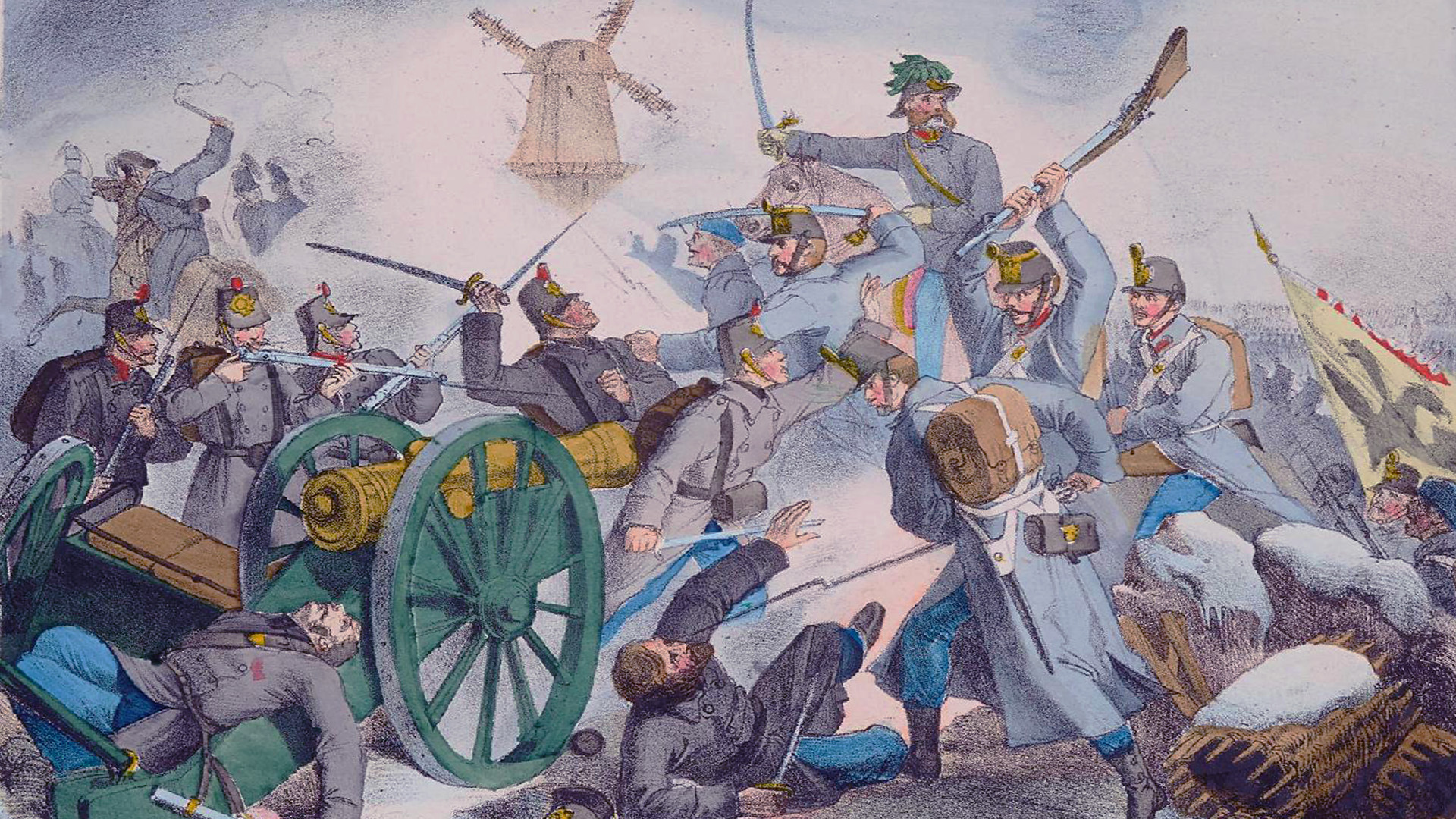

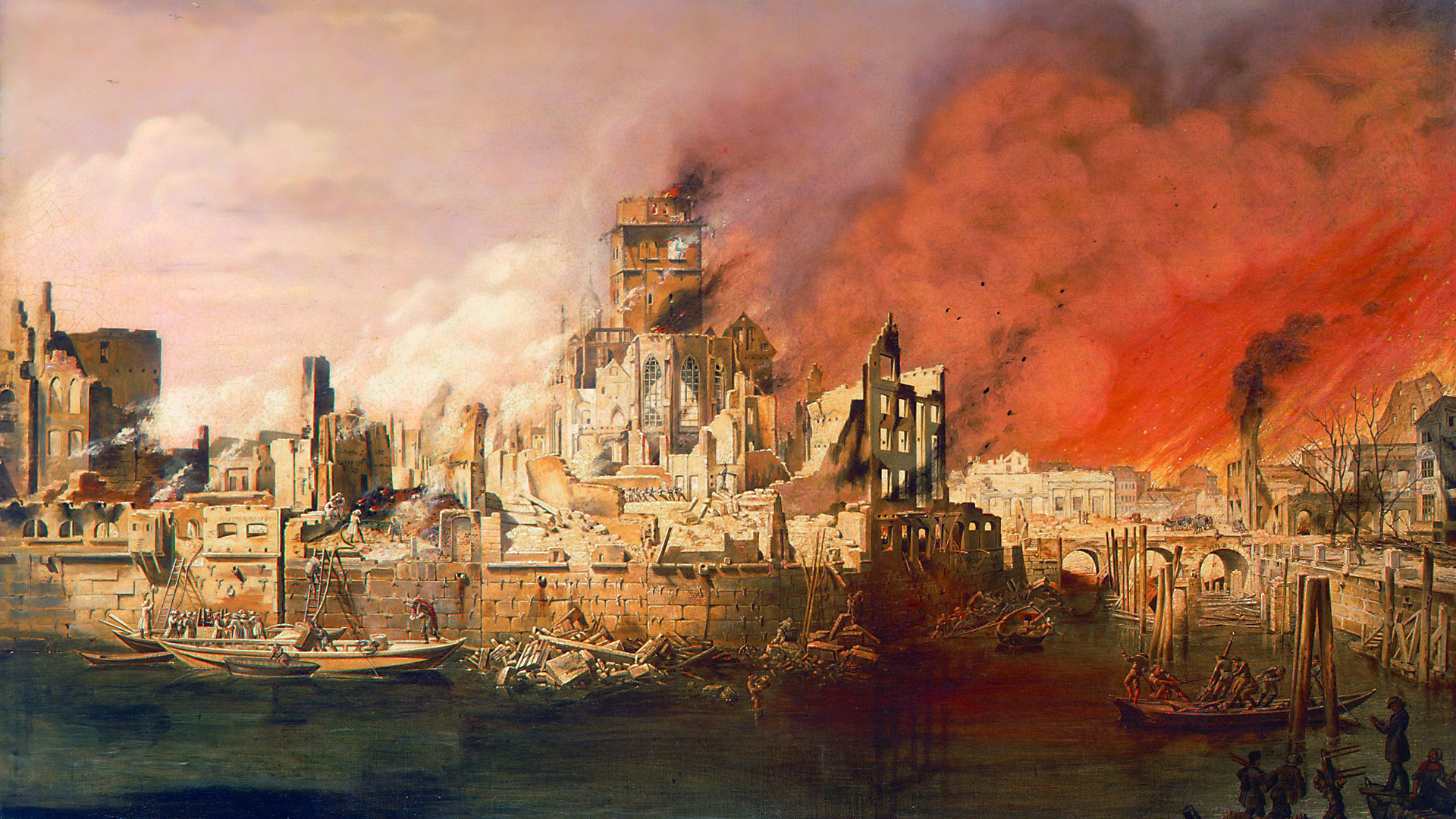
![Lithografie von Johann Nepomuk Heinemann [koloriert], nach Ölgemälde von Feodor Dietz (Foto: LABW, GLAK)](https://www.deutschlandmuseum.de/wp-content/uploads/2025/02/02031689_Zerstoerung_Heidelbergs-400x400.jpg "Lithografie von Johann Nepomuk Heinemann [koloriert], nach Ölgemälde von Feodor Dietz (Foto: LABW, GLAK)")


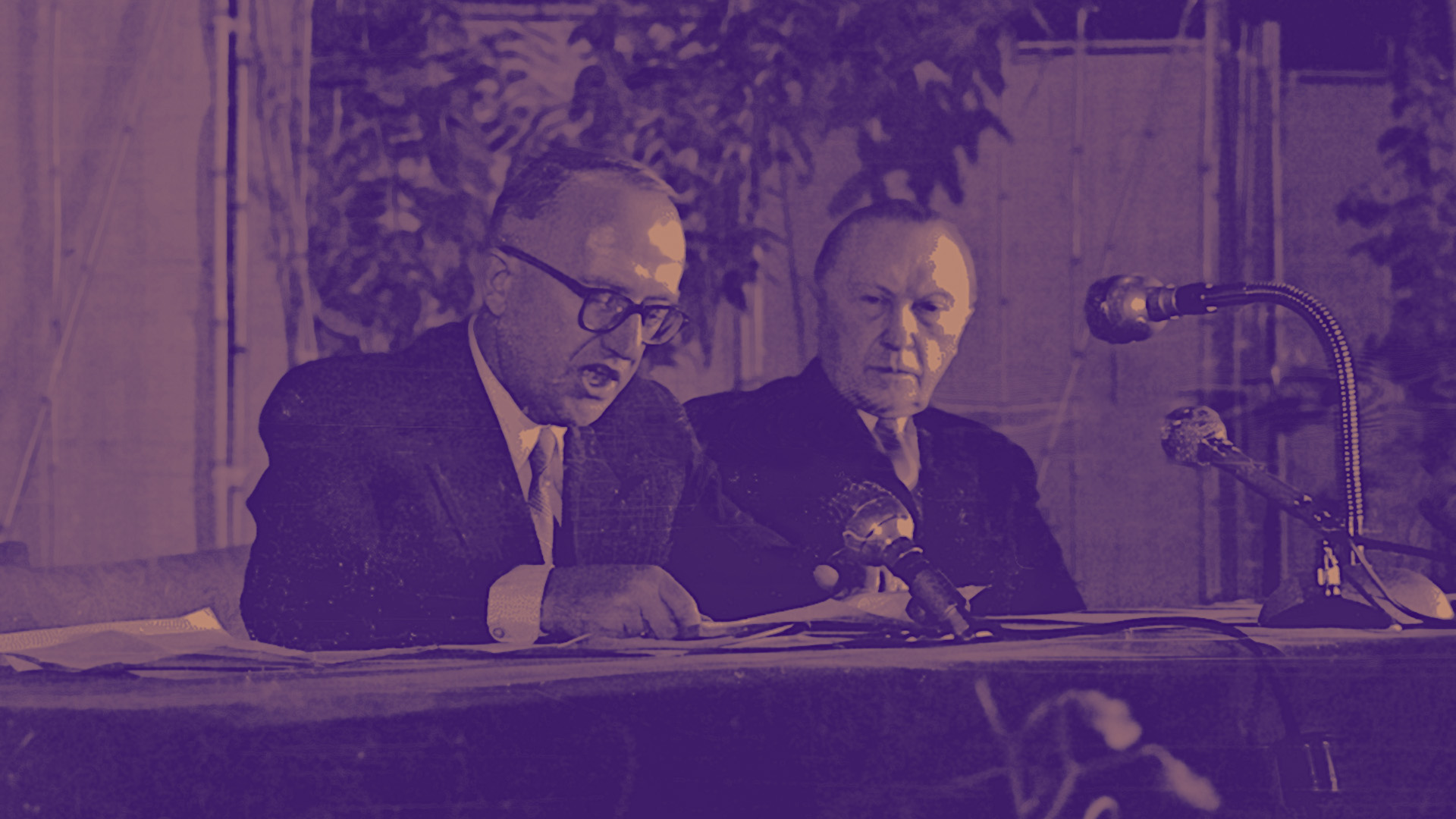
![Unter den Unterzeichnern sind die Nobelpreisträger Otto Hahn, Werner Heisenberg und Max Born [digital koloriert] (Quelle: Landesarchiv BW Staatsarchiv Freiburg, CC-BY-SA)](https://www.deutschlandmuseum.de/wp-content/uploads/2025/04/12041957_Göttinger_Erklärung-400x400.jpg "Unter den Unterzeichnern sind die Nobelpreisträger Otto Hahn, Werner Heisenberg und Max Born [digital koloriert] (Quelle: Landesarchiv BW Staatsarchiv Freiburg, CC-BY-SA)")


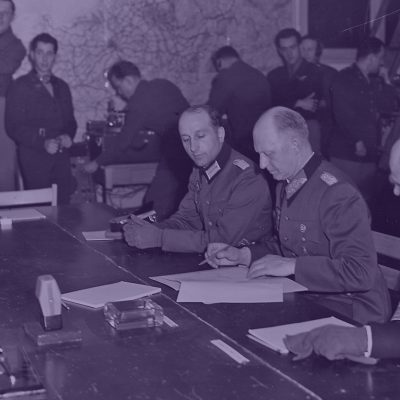
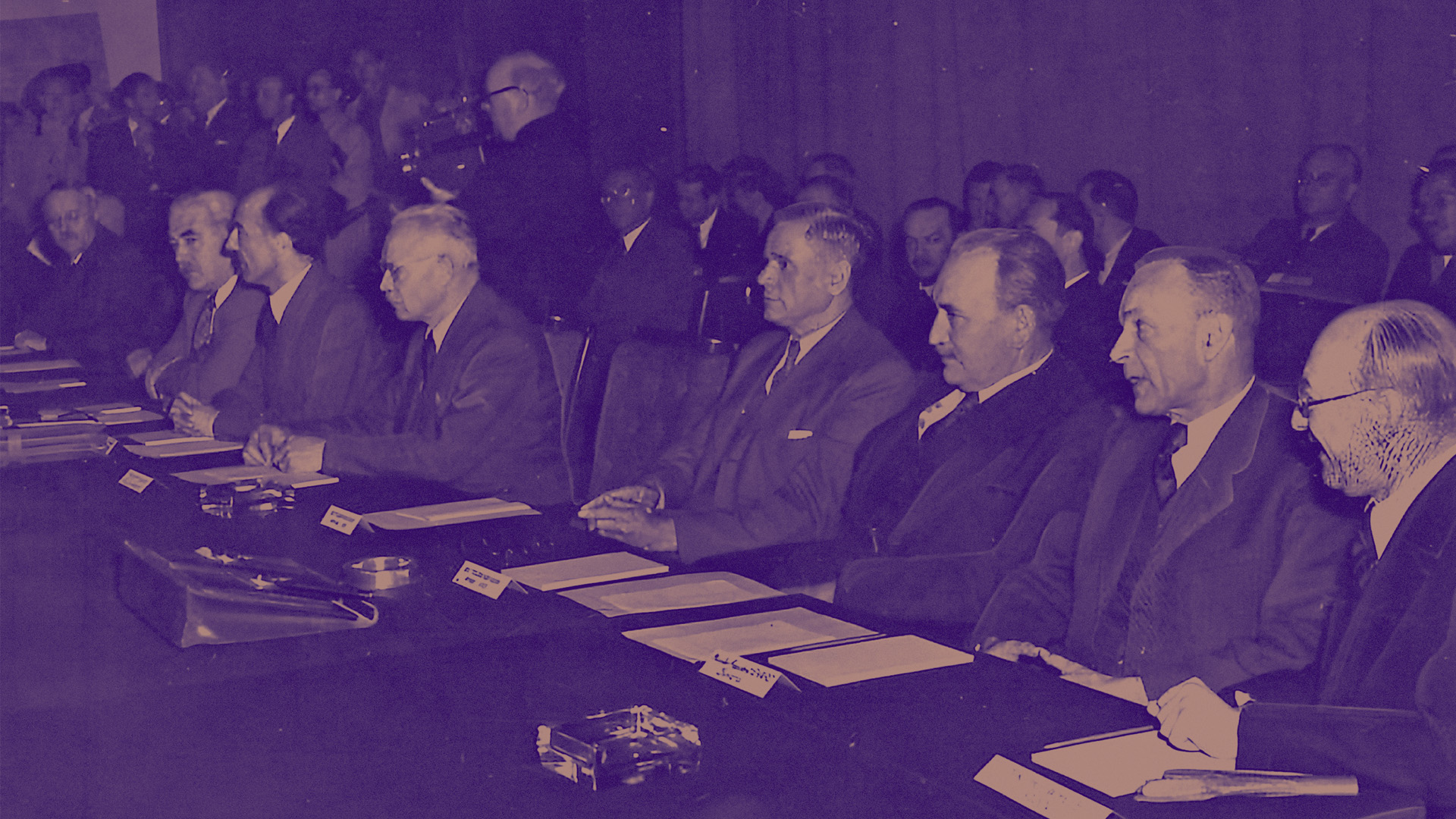
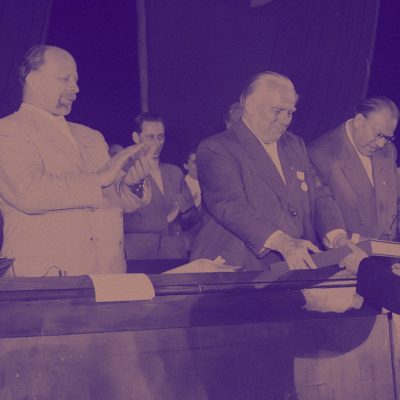
](https://www.deutschlandmuseum.de/wp-content/uploads/2025/04/21041946_SED_Gründung-1-400x400.jpg "Vereinigungsparteitag von KPD und SPD zur SED [digital koloriert](Quelle: Deutsche Fotothek, CC BY-SA 3.0 DE)")






![Alexander von Humboldt [Ausschnitt], Gemälde von Friedrich Georg Weitsch (Quelle: Alte Nationalgalerie)](https://www.deutschlandmuseum.de/wp-content/uploads/2025/09/14091769_Humboldt-400x400.jpg "Alexander von Humboldt [Ausschnitt], Gemälde von Friedrich Georg Weitsch (Quelle: Alte Nationalgalerie)")



![Albert Einstein im Patentamt Bern, 1905 [digital koloriert] (Quelle: ETH-Bibliothek Zürich)](https://www.deutschlandmuseum.de/wp-content/uploads/2025/09/26091905_Einstein_koloriert-400x400.jpg "Albert Einstein im Patentamt Bern, 1905 [digital koloriert] (Quelle: ETH-Bibliothek Zürich)")