
The most powerful ruler in Europe gains a promotion
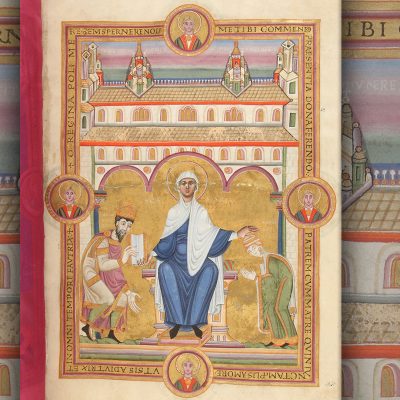
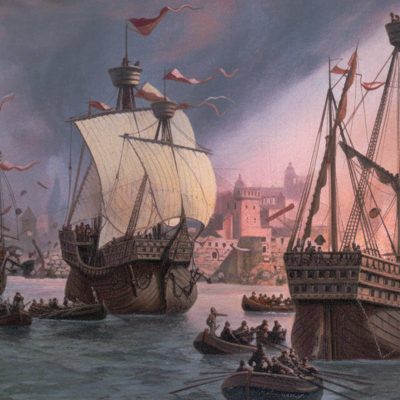
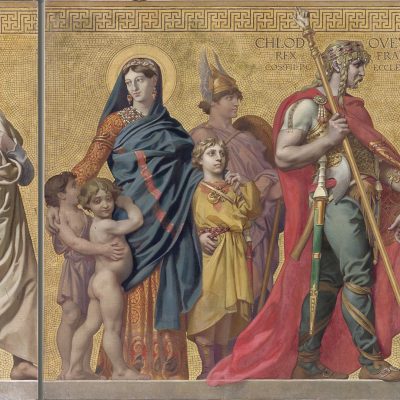
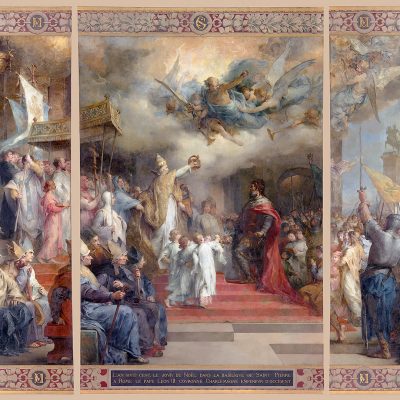
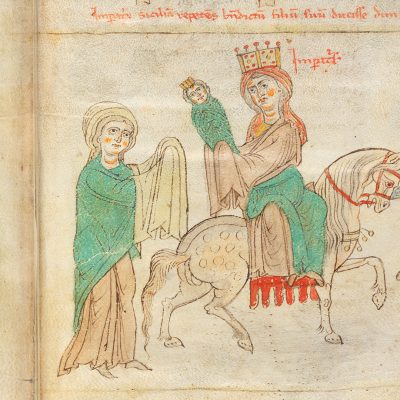
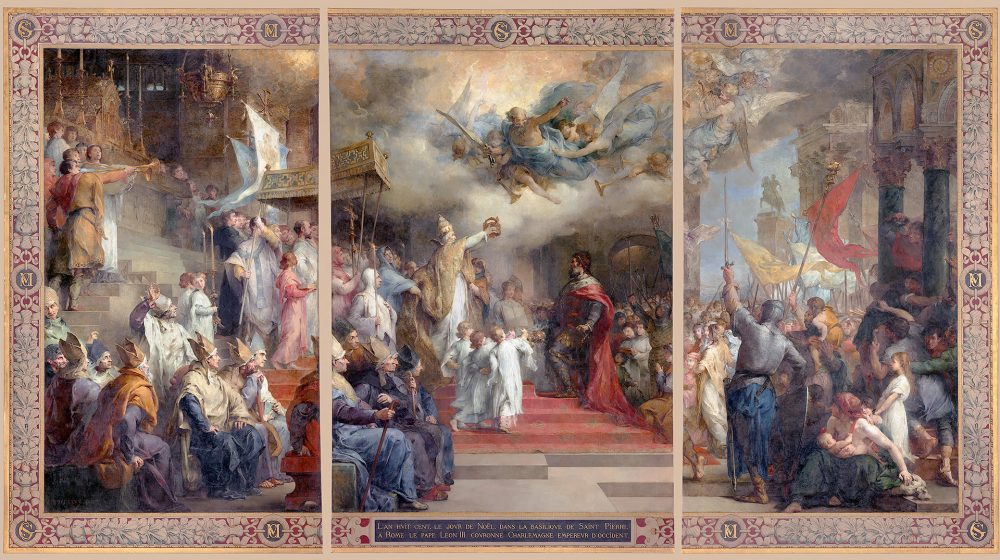
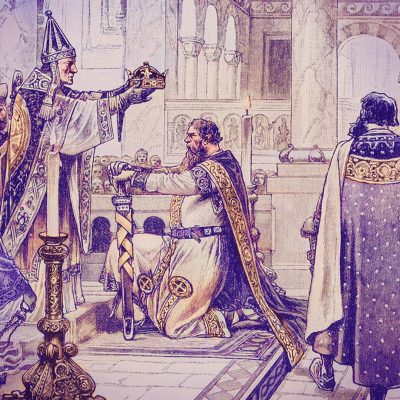
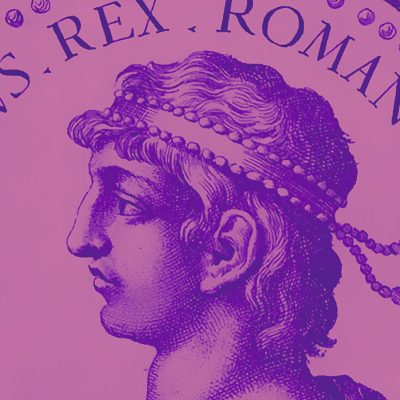
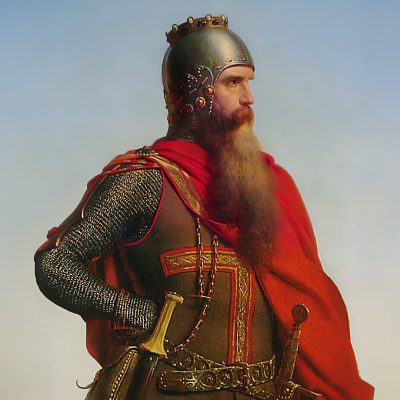
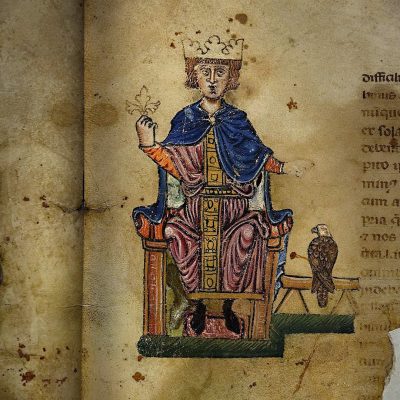
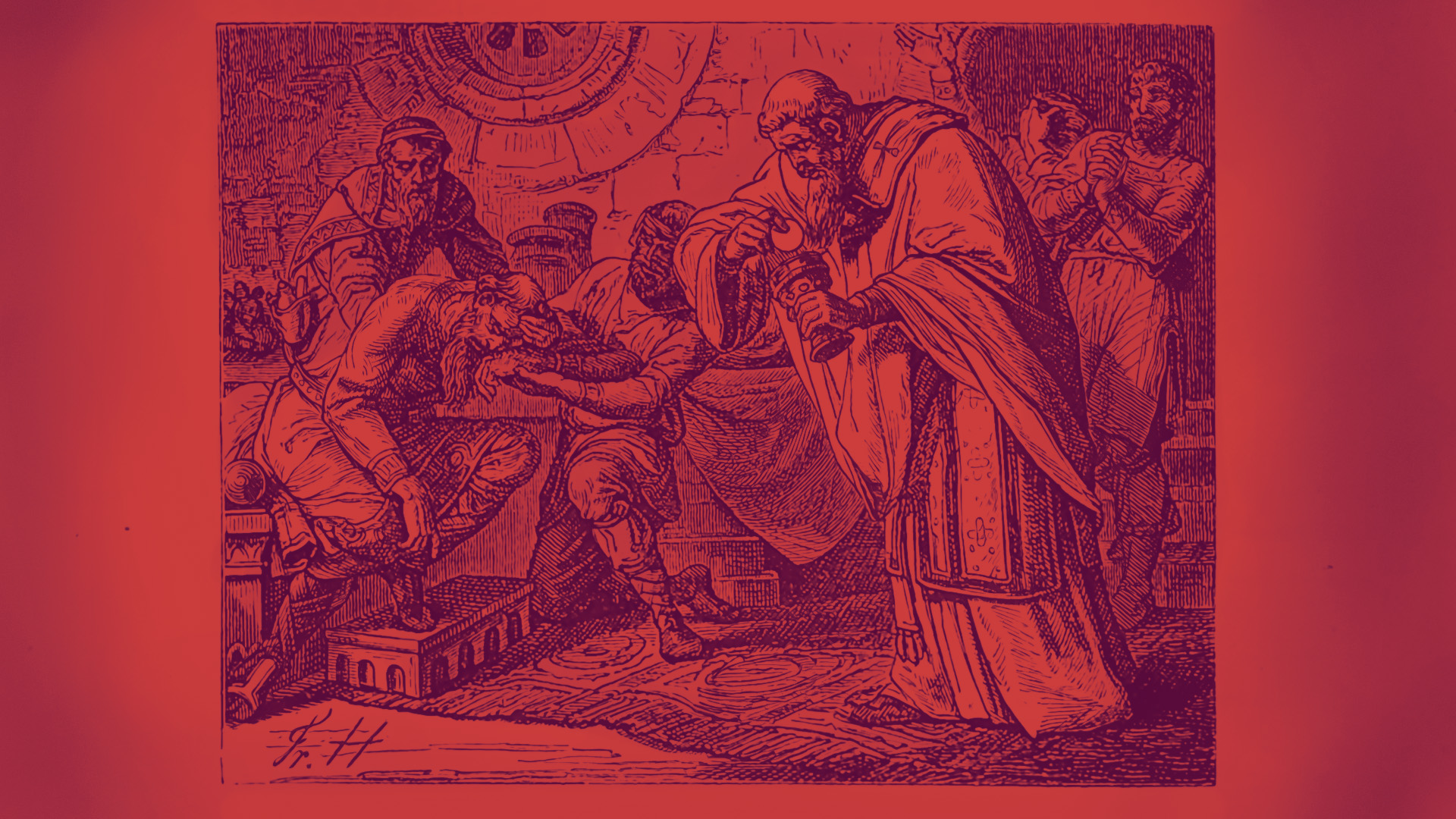
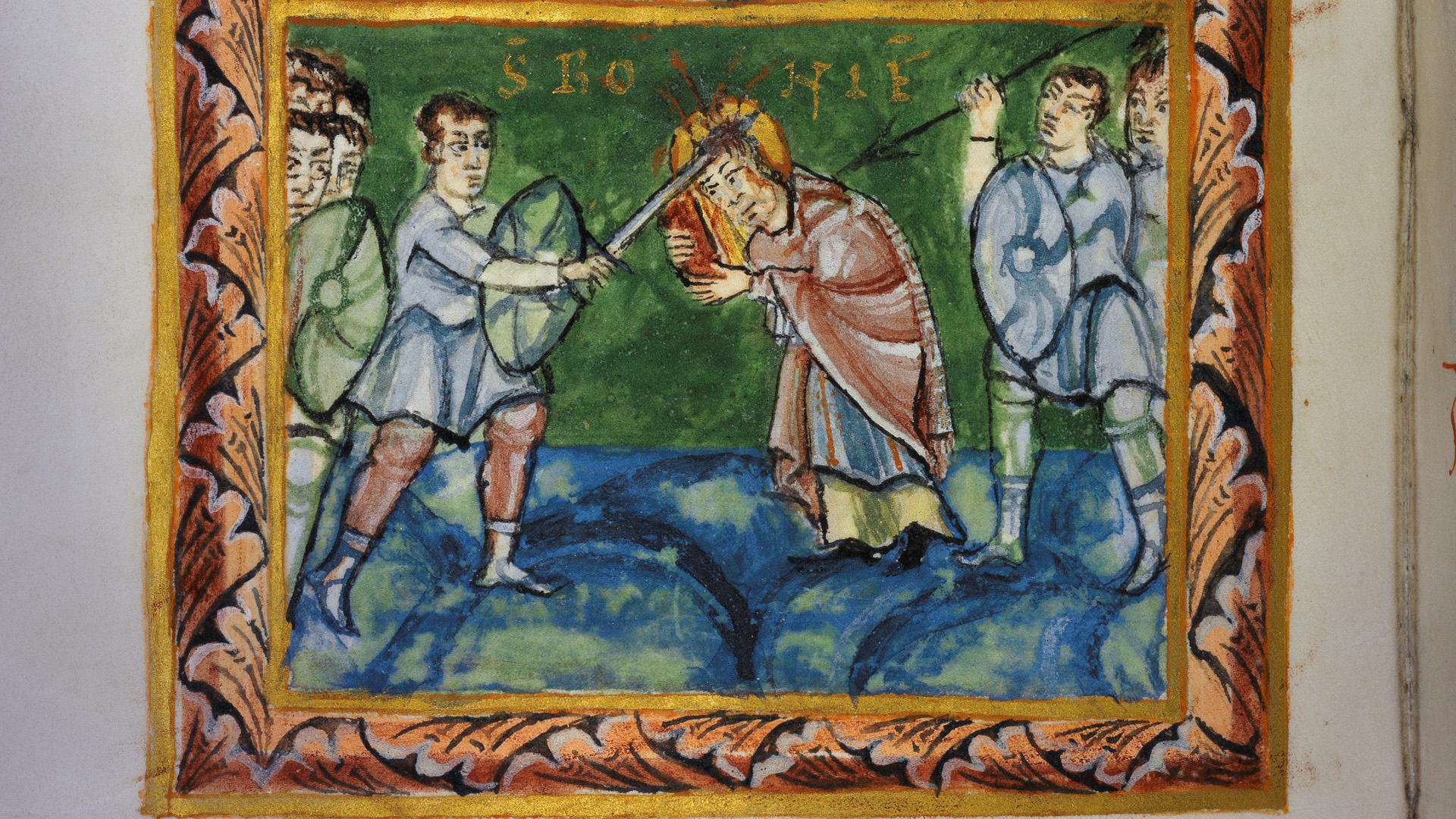
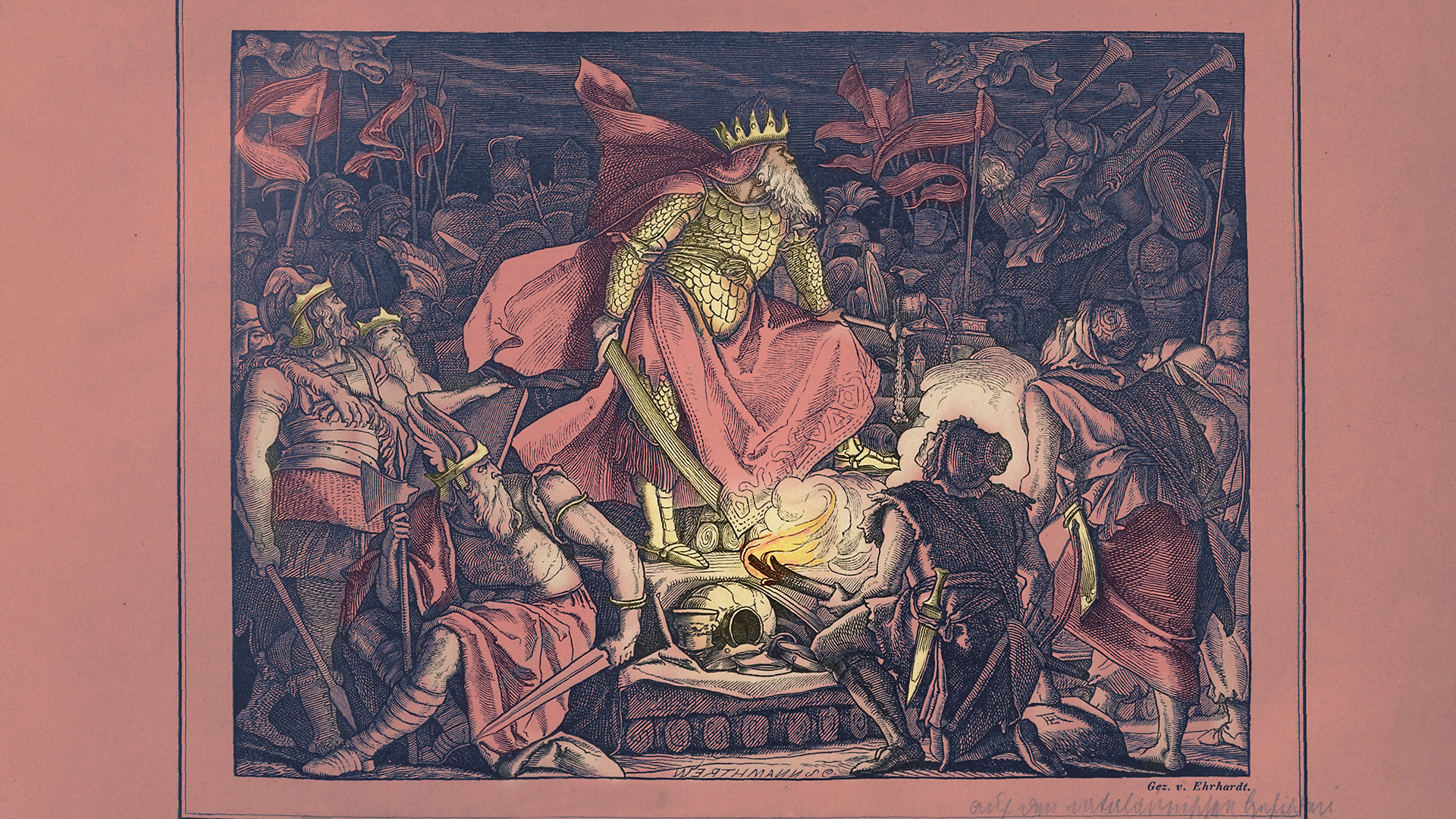
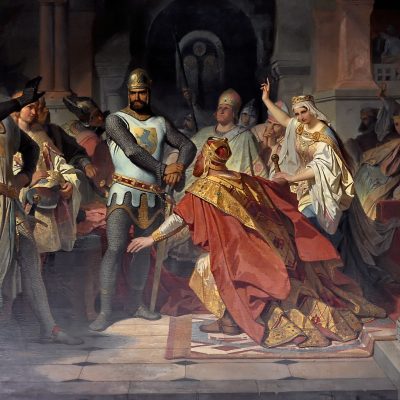
The Frankish king Charlemagne expanded his kingdom with military campaigns in Italy to the south before pushing into what is now Central Europe. The Pyrenees secured his empire in the south-west against the Moors. After becoming the sole ruler of the Frankish Empire following the death of his brother, Charlemagne established himself as the most powerful man in Europe and decided that he would like an imperial title to match. To this end, he contacted the Byzantine Empress Irene and there were rumours that they might share the imperial title or even marry. However, the Byzantine aristocracy wished to keep this interloper from the West out of their world and opposed any such plans. In Rome, Pope Leo III was having a hard time. People thought that his lifestyle was a little racy for a man of the cloth and hatched plans to have him blinded and his tongue cut out. Leo had no choice but to flee and ended up in Paderborn, where he found refuge at Charlemagne’s court. Although the sources do not tell us what the two men discussed, Leo returned to Rome under Frankish protection. A year later, Charlemagne travelled to Rome to investigate the allegations made against the Pope. Leo’s opponents were unable to produce any evidence to substantiate their claims, and Leo was cleared after taking an oath of purification. Two days later, on 25 December 800, Pope Leo III crowned Charlemagne as Roman Emperor. The claim in the sources, that Charlemagne was surprised or even angered by this, is now considered implausible.
The Byzantines found it difficult to come to terms with the new developments, but eventually accepted the existence of two empires in Christian Europe. The transfer of Roman rule first to the Frankish Empire, then to the East Frankish Empire, and finally to the Holy Roman Empire of the Roman-German emperors was of extraordinary importance for European history. Charlemagne himself was referred to as the “Father of Europe” in contemporary sources, and he still occupies a prominent position in the collective consciousness of Western Europe today.

The whole year at a glance



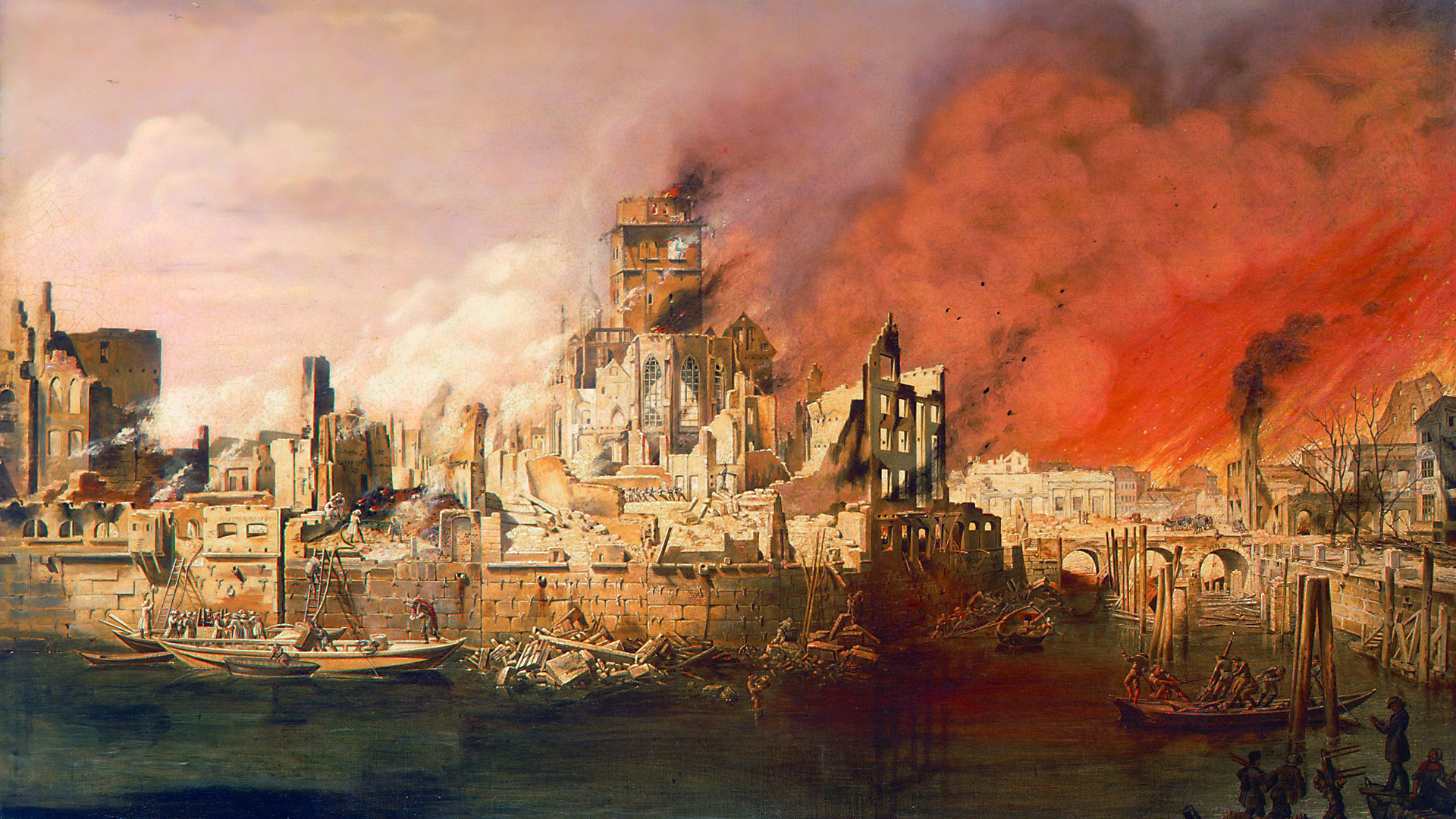
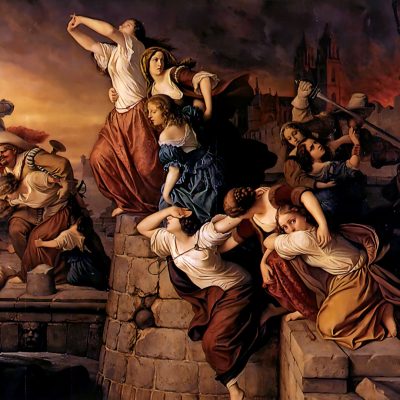
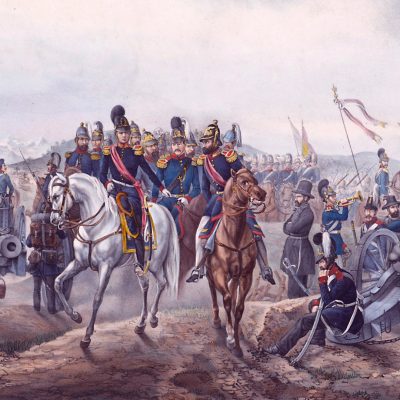
![Lithografie von Johann Nepomuk Heinemann [koloriert], nach Ölgemälde von Feodor Dietz (Foto: LABW, GLAK)](https://www.deutschlandmuseum.de/wp-content/uploads/2025/02/02031689_Zerstoerung_Heidelbergs-400x400.jpg "Lithografie von Johann Nepomuk Heinemann [koloriert], nach Ölgemälde von Feodor Dietz (Foto: LABW, GLAK)")


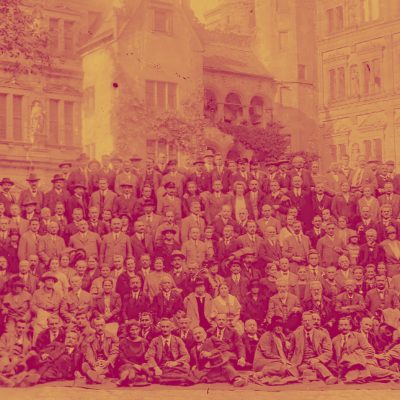
![Unter den Unterzeichnern sind die Nobelpreisträger Otto Hahn, Werner Heisenberg und Max Born [digital koloriert] (Quelle: Landesarchiv BW Staatsarchiv Freiburg, CC-BY-SA)](https://www.deutschlandmuseum.de/wp-content/uploads/2025/04/12041957_Göttinger_Erklärung-400x400.jpg "Unter den Unterzeichnern sind die Nobelpreisträger Otto Hahn, Werner Heisenberg und Max Born [digital koloriert] (Quelle: Landesarchiv BW Staatsarchiv Freiburg, CC-BY-SA)")


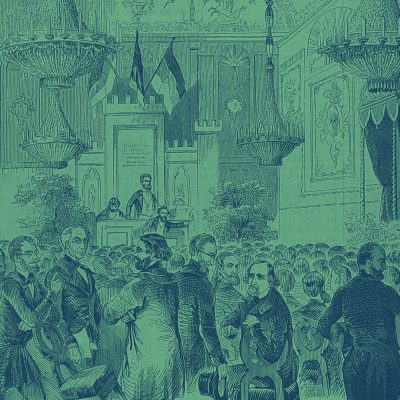
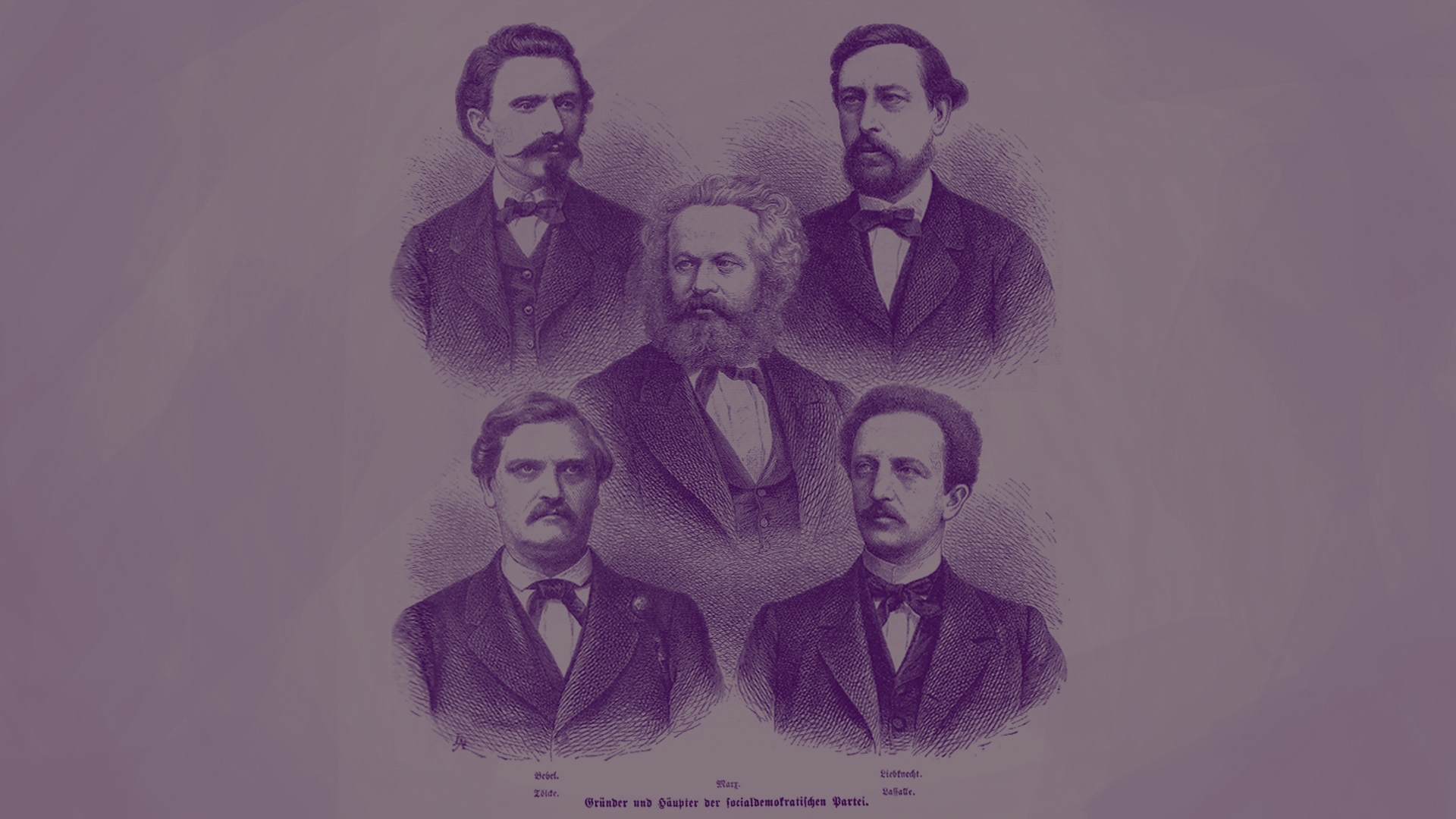
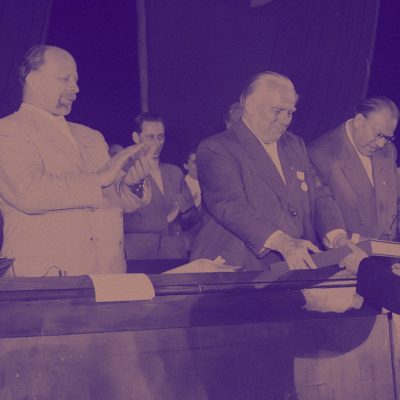
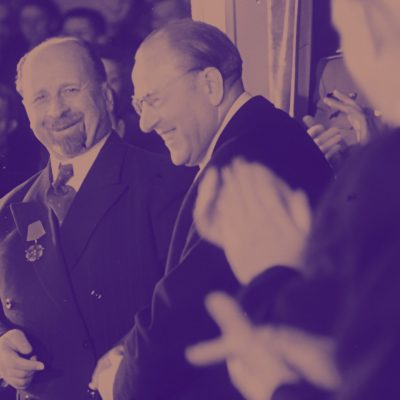
](https://www.deutschlandmuseum.de/wp-content/uploads/2025/04/21041946_SED_Gründung-1-400x400.jpg "Vereinigungsparteitag von KPD und SPD zur SED [digital koloriert](Quelle: Deutsche Fotothek, CC BY-SA 3.0 DE)")





![Alexander von Humboldt [Ausschnitt], Gemälde von Friedrich Georg Weitsch (Quelle: Alte Nationalgalerie)](https://www.deutschlandmuseum.de/wp-content/uploads/2025/09/14091769_Humboldt-400x400.jpg "Alexander von Humboldt [Ausschnitt], Gemälde von Friedrich Georg Weitsch (Quelle: Alte Nationalgalerie)")



![Albert Einstein im Patentamt Bern, 1905 [digital koloriert] (Quelle: ETH-Bibliothek Zürich)](https://www.deutschlandmuseum.de/wp-content/uploads/2025/09/26091905_Einstein_koloriert-400x400.jpg "Albert Einstein im Patentamt Bern, 1905 [digital koloriert] (Quelle: ETH-Bibliothek Zürich)")