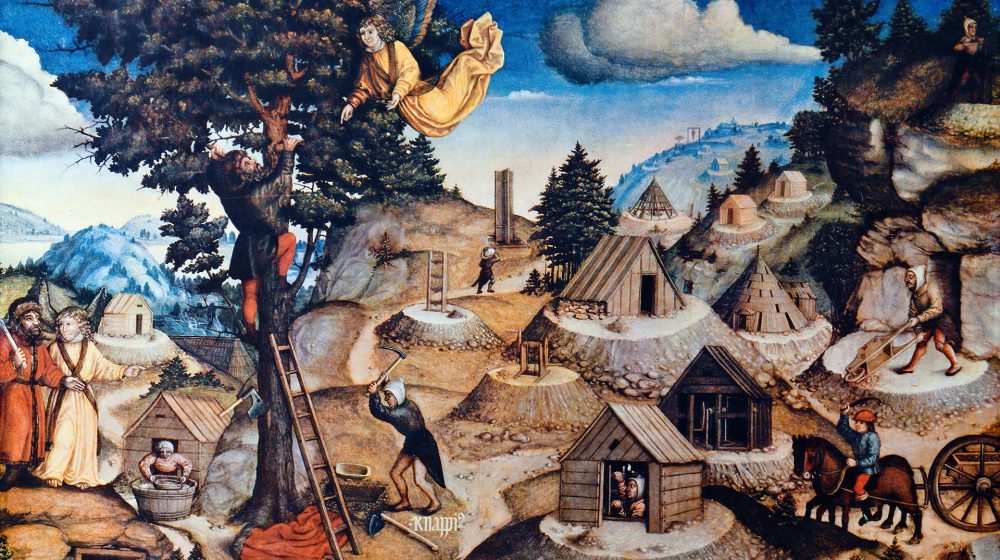

Miners establish an early social insurance scheme at Rammelsberg near Goslar in the Harz region
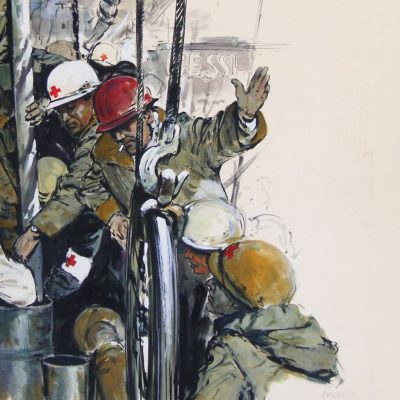
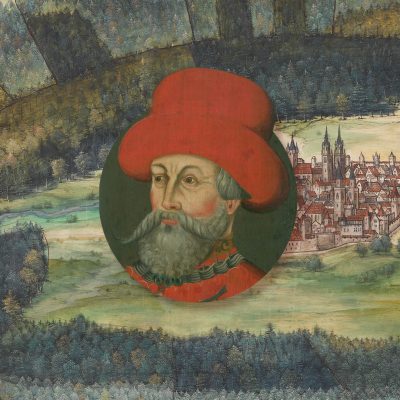
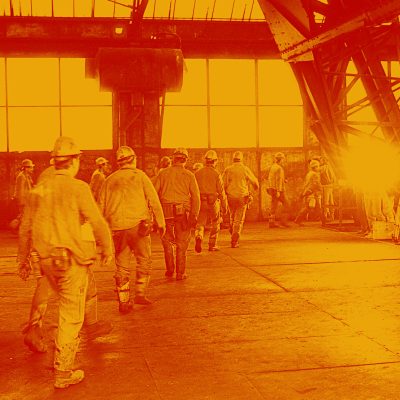
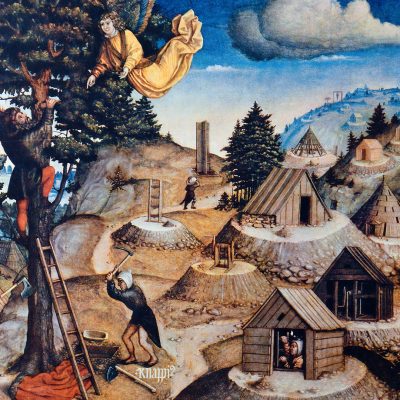
Whilst silver, copper, gold and lead ore have been extracted from the mine at Rammelsberg in the Harz Mountains since the Middle Ages, the silversmiths in nearby Goslar made the town rich. Seeing that everyone else but them was profiting from this trade, miners from a local area joined together to form associations to assert their interests through collective bargaining. These “guilds” also provided their members with a social safety net if individual members fell on hard times. Guild members elected “elders” and other leaders, who negotiated with regional authorities and eventually achieved exemption from taxation and military service. The guilds were even permitted to police the behaviour of their members. The first recorded miners’ guild in Germany was the St John’s Brotherhood in Rammelsberg. A document issued by the Bishop of Hildesheim on 28 December 1260 granted their guild his protection.
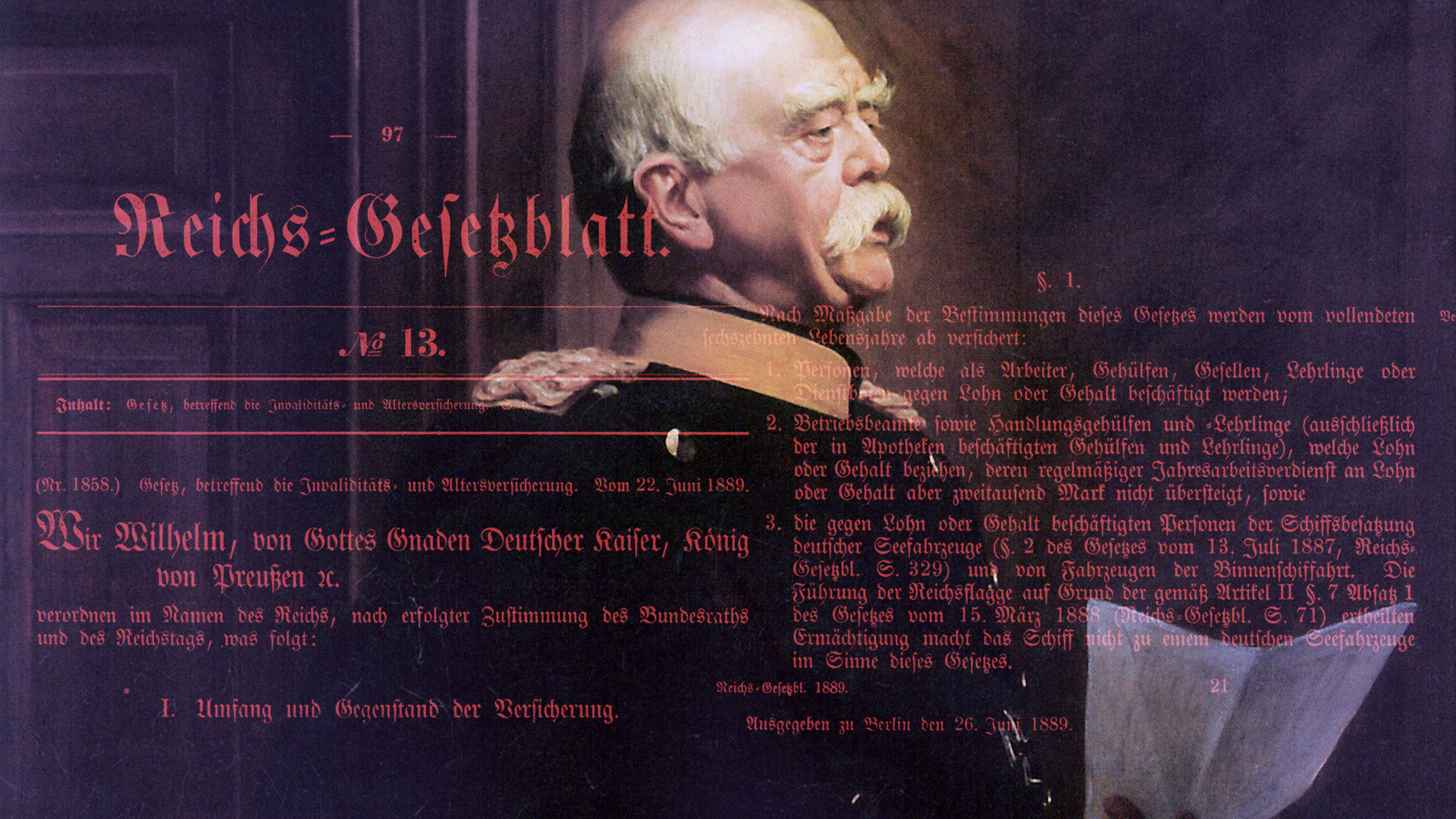
The miners’ guild is often viewed as the birthplace of German social insurance, and the St John’s Brotherhood as the world’s oldest social insurance scheme. Its goals and tasks anticipated key elements of Bismarck’s social legislation, which came into force more than 600 years later and is itself considered the oldest state social insurance scheme in the world. The Rammelsberg mine was closed in 1998 after a thousand years of almost uninterrupted operation. Today, it has been transformed into a visitor attraction.


The whole year at a glance












![Lithografie von Johann Nepomuk Heinemann [koloriert], nach Ölgemälde von Feodor Dietz (Foto: LABW, GLAK)](https://www.deutschlandmuseum.de/wp-content/uploads/2025/02/02031689_Zerstoerung_Heidelbergs-400x400.jpg "Lithografie von Johann Nepomuk Heinemann [koloriert], nach Ölgemälde von Feodor Dietz (Foto: LABW, GLAK)")









![Unter den Unterzeichnern sind die Nobelpreisträger Otto Hahn, Werner Heisenberg und Max Born [digital koloriert] (Quelle: Landesarchiv BW Staatsarchiv Freiburg, CC-BY-SA)](https://www.deutschlandmuseum.de/wp-content/uploads/2025/04/12041957_Göttinger_Erklärung-400x400.jpg "Unter den Unterzeichnern sind die Nobelpreisträger Otto Hahn, Werner Heisenberg und Max Born [digital koloriert] (Quelle: Landesarchiv BW Staatsarchiv Freiburg, CC-BY-SA)")





](https://www.deutschlandmuseum.de/wp-content/uploads/2025/04/21041946_SED_Gründung-1-400x400.jpg "Vereinigungsparteitag von KPD und SPD zur SED [digital koloriert](Quelle: Deutsche Fotothek, CC BY-SA 3.0 DE)")





























![Alexander von Humboldt [Ausschnitt], Gemälde von Friedrich Georg Weitsch (Quelle: Alte Nationalgalerie)](https://www.deutschlandmuseum.de/wp-content/uploads/2025/09/14091769_Humboldt-400x400.jpg "Alexander von Humboldt [Ausschnitt], Gemälde von Friedrich Georg Weitsch (Quelle: Alte Nationalgalerie)")




![Albert Einstein im Patentamt Bern, 1905 [digital koloriert] (Quelle: ETH-Bibliothek Zürich)](https://www.deutschlandmuseum.de/wp-content/uploads/2025/09/26091905_Einstein_koloriert-400x400.jpg "Albert Einstein im Patentamt Bern, 1905 [digital koloriert] (Quelle: ETH-Bibliothek Zürich)")