
Pioneer Peter Stromer pioneered modern forestry
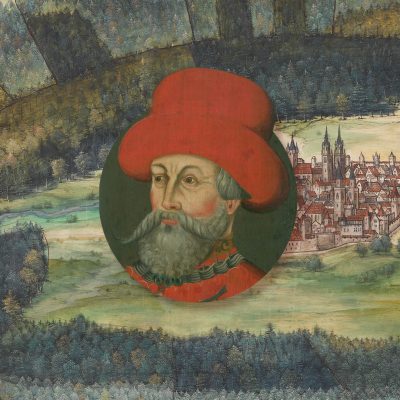
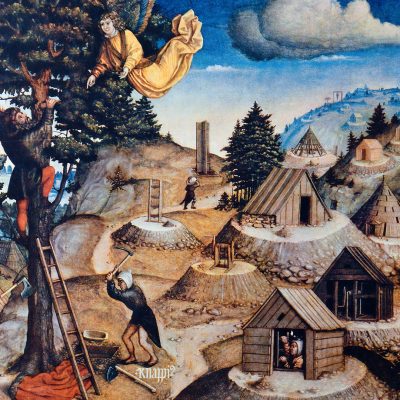
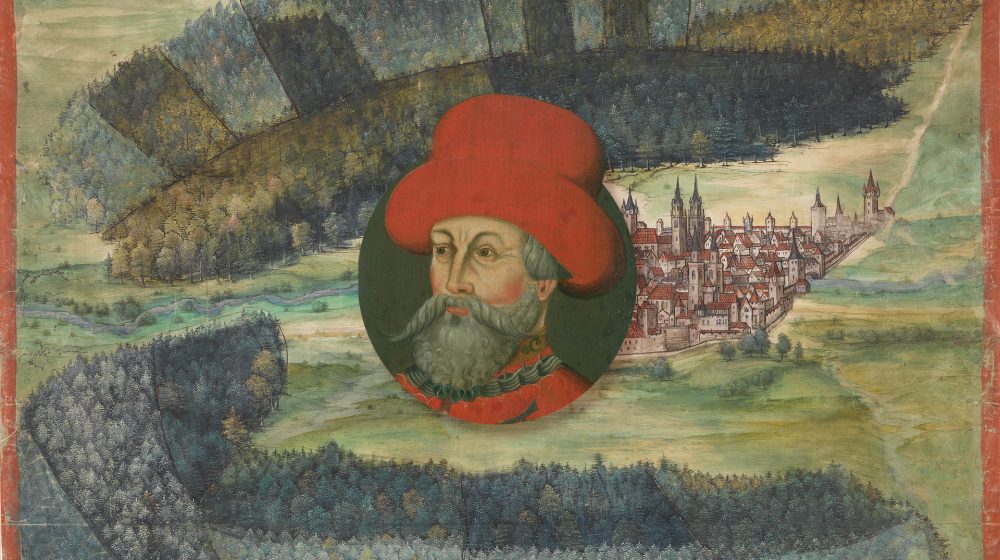
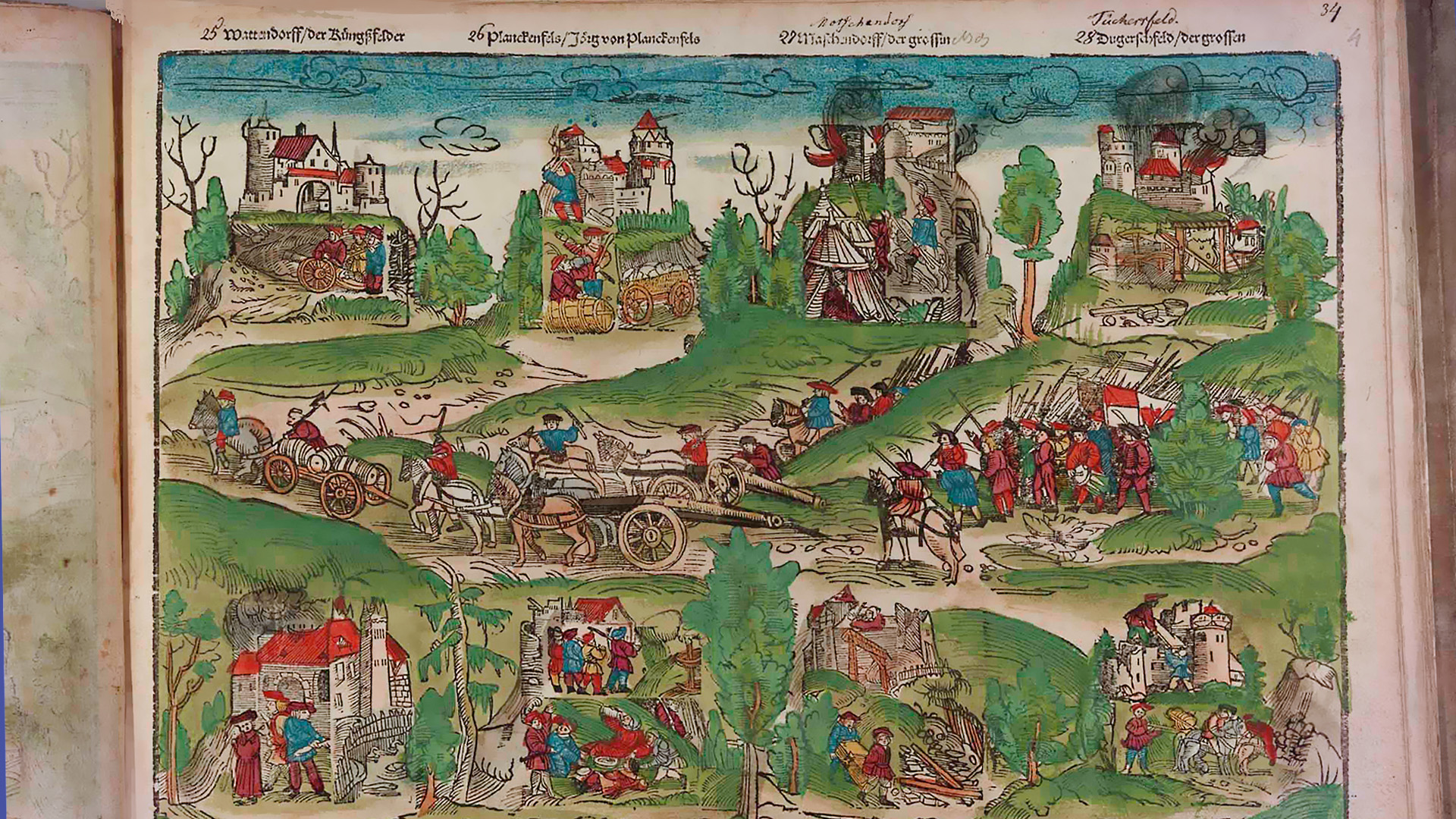
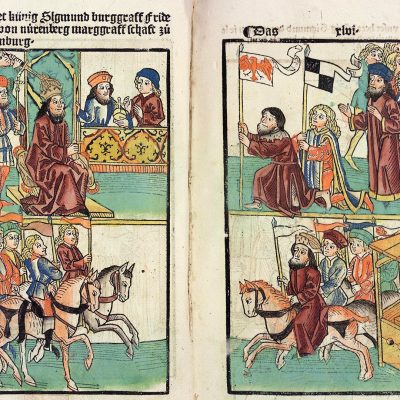
Metalworking was a key industry in late medieval Nuremberg, then one of the most important trading and commercial cities in Central Europe. The wood required by this industry was supplied from the Imperial Forest that surrounded the city in a semicircle. High demand led to over-exploitation of the forest, which resulted in large areas of wasteland. When the shortage of wood threatened the economic future of the city, the king demanded that something be done. After decades of futile efforts, Peter Stromer, a town councillor and merchant, had a lightbulb moment in the mid-14th century. He suggested that farmers sow conifer seeds in ploughed furrows to re-grow trees. Over the years, Stromer refined the treatment of the seeds, thereby achieving the systematic reforestation of large areas. Stromer conducted many experiments to perfect his technique, and the Nuremberg Imperial Forest evolved into the world’s oldest artificial forest. He had invented sustainable forestry.
The expertise developed in Nuremberg in soil management, seed treatment and tree care quickly attracted interest from elsewhere. Following Peter Stromer’s death on 3 December 1388, “fir seeders” who had been trained in the Imperial Forest travelled throughout Central Europe, tending to woodlands such as the Frankfurt city forest. The Nuremberg specialists passed on their knowledge from generation to generation, enabling the city to maintain its leading position in forest management. Gradually, these methods became part of standard forestry practice, thereby contributing to the wider adoption of sustainable forestry practices. In today’s context of global warming, Peter Stromer’s achievements appear as important as ever.

The whole year at a glance















![Lithografie von Johann Nepomuk Heinemann [koloriert], nach Ölgemälde von Feodor Dietz (Foto: LABW, GLAK)](https://www.deutschlandmuseum.de/wp-content/uploads/2025/02/02031689_Zerstoerung_Heidelbergs-400x400.jpg "Lithografie von Johann Nepomuk Heinemann [koloriert], nach Ölgemälde von Feodor Dietz (Foto: LABW, GLAK)")













![Unter den Unterzeichnern sind die Nobelpreisträger Otto Hahn, Werner Heisenberg und Max Born [digital koloriert] (Quelle: Landesarchiv BW Staatsarchiv Freiburg, CC-BY-SA)](https://www.deutschlandmuseum.de/wp-content/uploads/2025/04/12041957_Göttinger_Erklärung-400x400.jpg "Unter den Unterzeichnern sind die Nobelpreisträger Otto Hahn, Werner Heisenberg und Max Born [digital koloriert] (Quelle: Landesarchiv BW Staatsarchiv Freiburg, CC-BY-SA)")





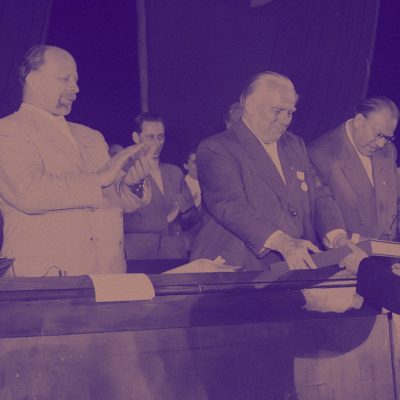
](https://www.deutschlandmuseum.de/wp-content/uploads/2025/04/21041946_SED_Gründung-1-400x400.jpg "Vereinigungsparteitag von KPD und SPD zur SED [digital koloriert](Quelle: Deutsche Fotothek, CC BY-SA 3.0 DE)")




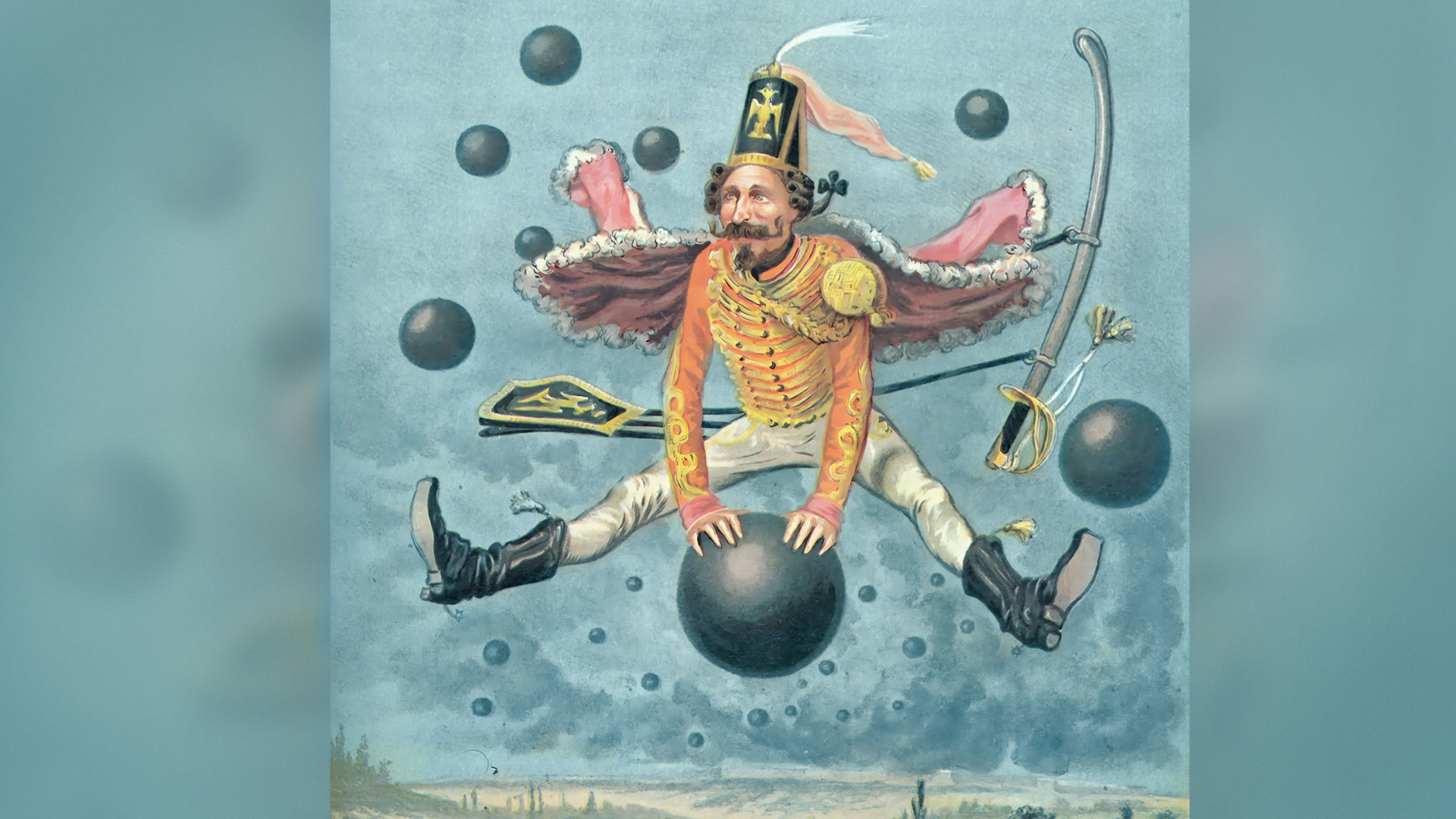
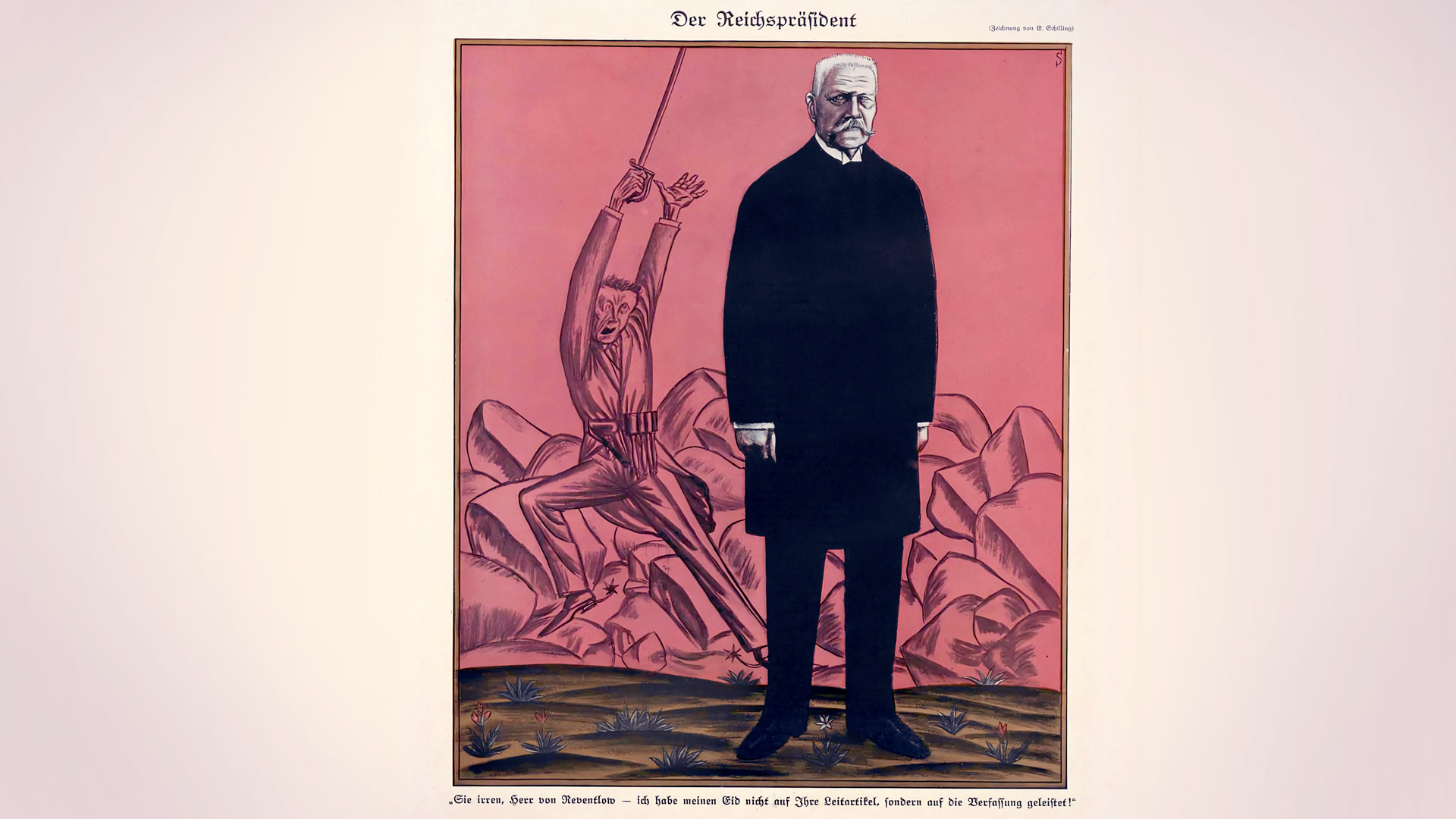
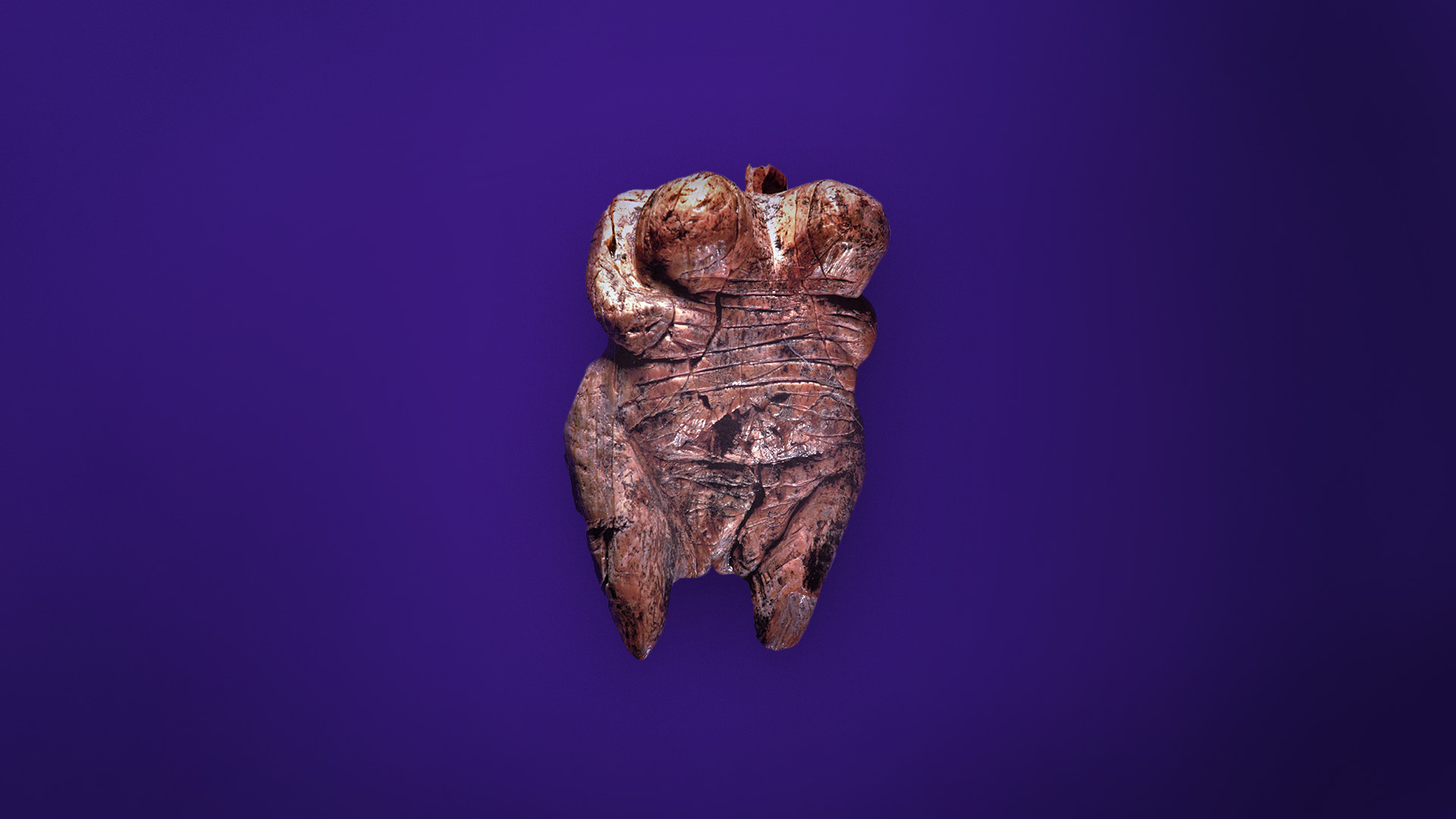

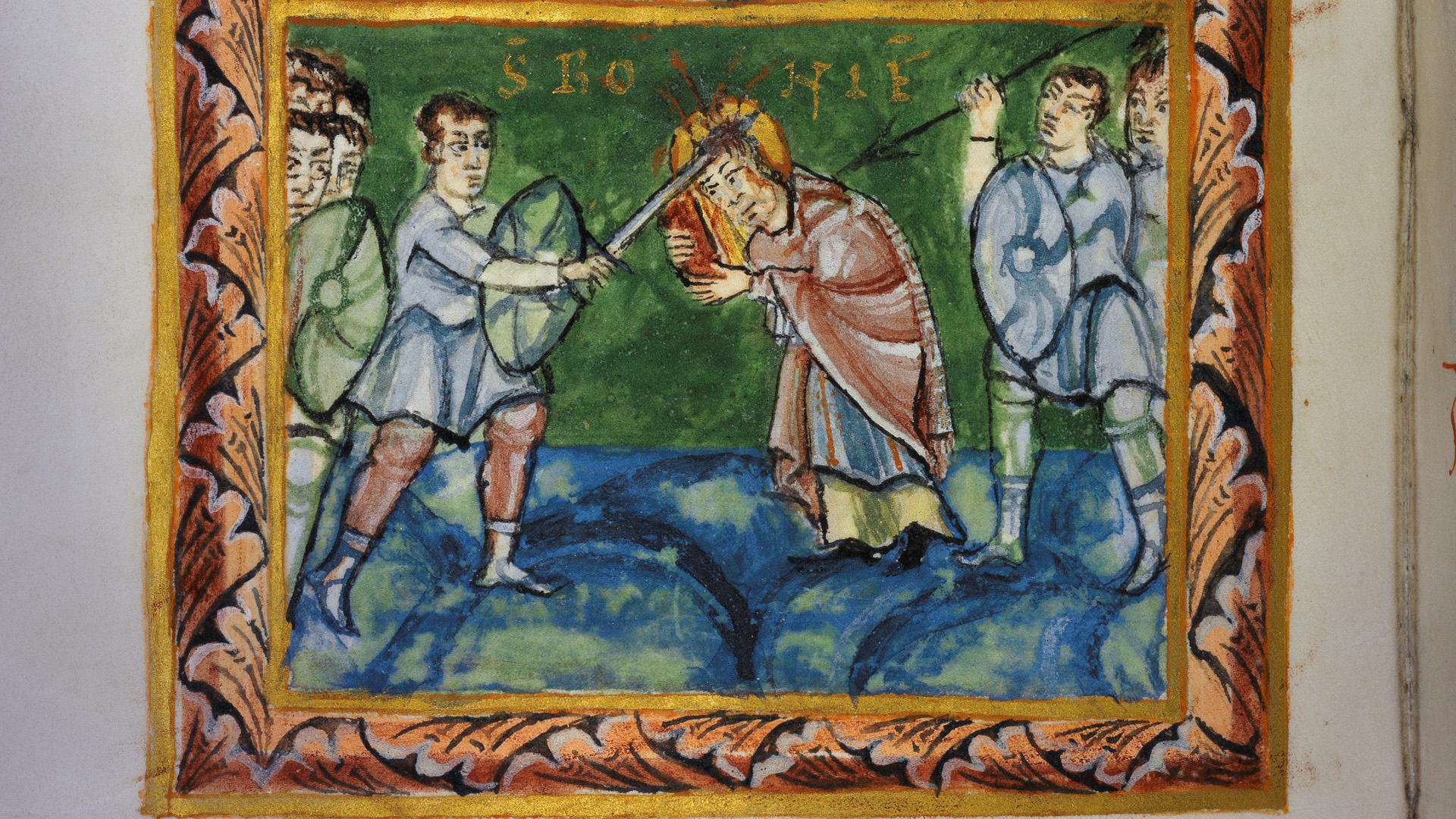

































![Alexander von Humboldt [Ausschnitt], Gemälde von Friedrich Georg Weitsch (Quelle: Alte Nationalgalerie)](https://www.deutschlandmuseum.de/wp-content/uploads/2025/09/14091769_Humboldt-400x400.jpg "Alexander von Humboldt [Ausschnitt], Gemälde von Friedrich Georg Weitsch (Quelle: Alte Nationalgalerie)")




![Albert Einstein im Patentamt Bern, 1905 [digital koloriert] (Quelle: ETH-Bibliothek Zürich)](https://www.deutschlandmuseum.de/wp-content/uploads/2025/09/26091905_Einstein_koloriert-400x400.jpg "Albert Einstein im Patentamt Bern, 1905 [digital koloriert] (Quelle: ETH-Bibliothek Zürich)")