
Peasants in Upper Swabia adopt the Twelve Articles
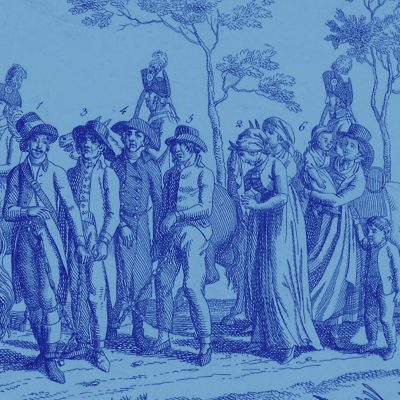
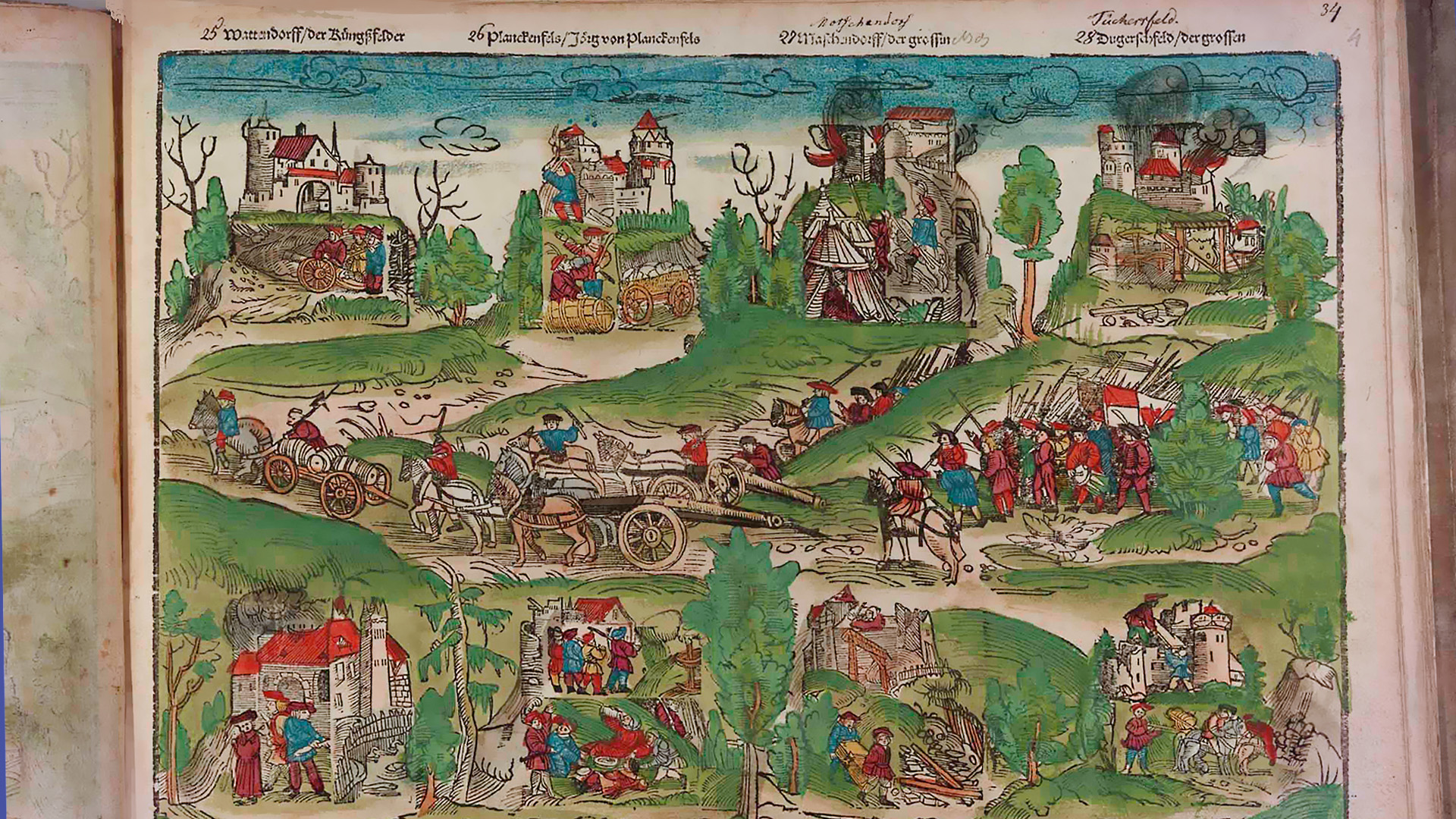
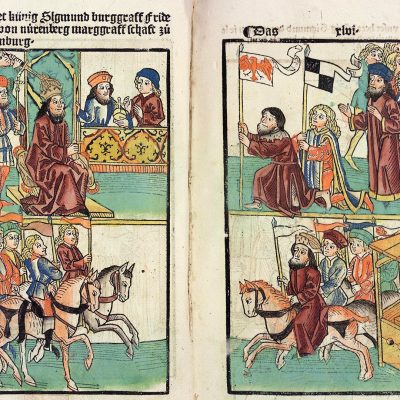
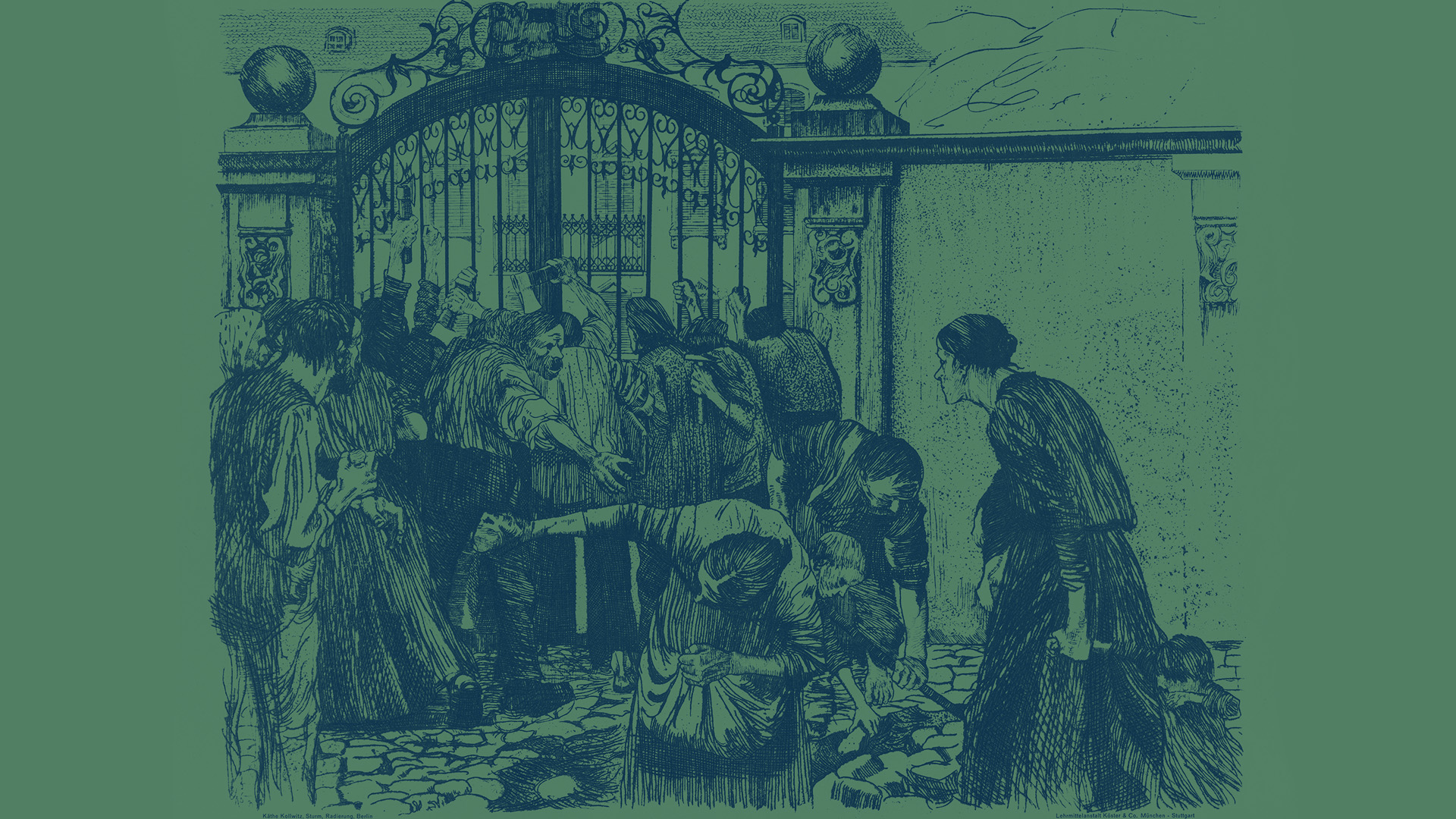
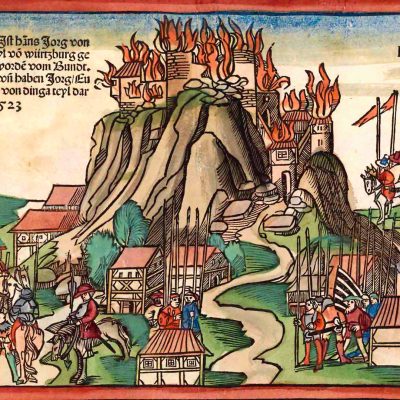
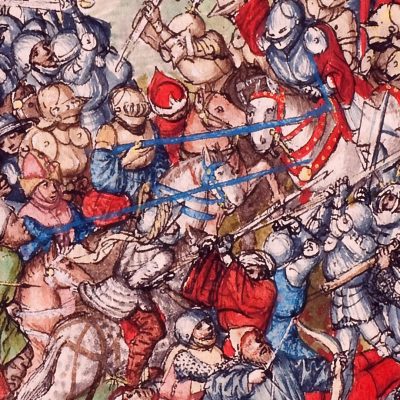
Dissatisfied with their lot in life and emboldened by the Reformation, many German peasants rose up against their feudal overlords. At the beginning of 1525, peasants in Upper Swabia joined together in three “regiments” to place demands. They were also supported by a number of burghers, clergymen and mercenaries. Representatives of the regiments met in the imperial city of Memmingen and agreed on a series of demands to be addressed to the Swabian League, an alliance of the various rulers in the region. The programme of the peasants – which became known as the Twelve Articles – focussed on abolishing serfdom, placing limits on taxes and regulating the punishments that lords could impose. They also wanted to be able to choose their own pastor.
The text of the Twelve Articles was diffused widely and rapidly, especially in southern Germany. The meetings of the regiments are widely regarded as the first constitutional assembly in Germany, producing one of the earliest written catalogues of human rights in the world.

The whole year at a glance



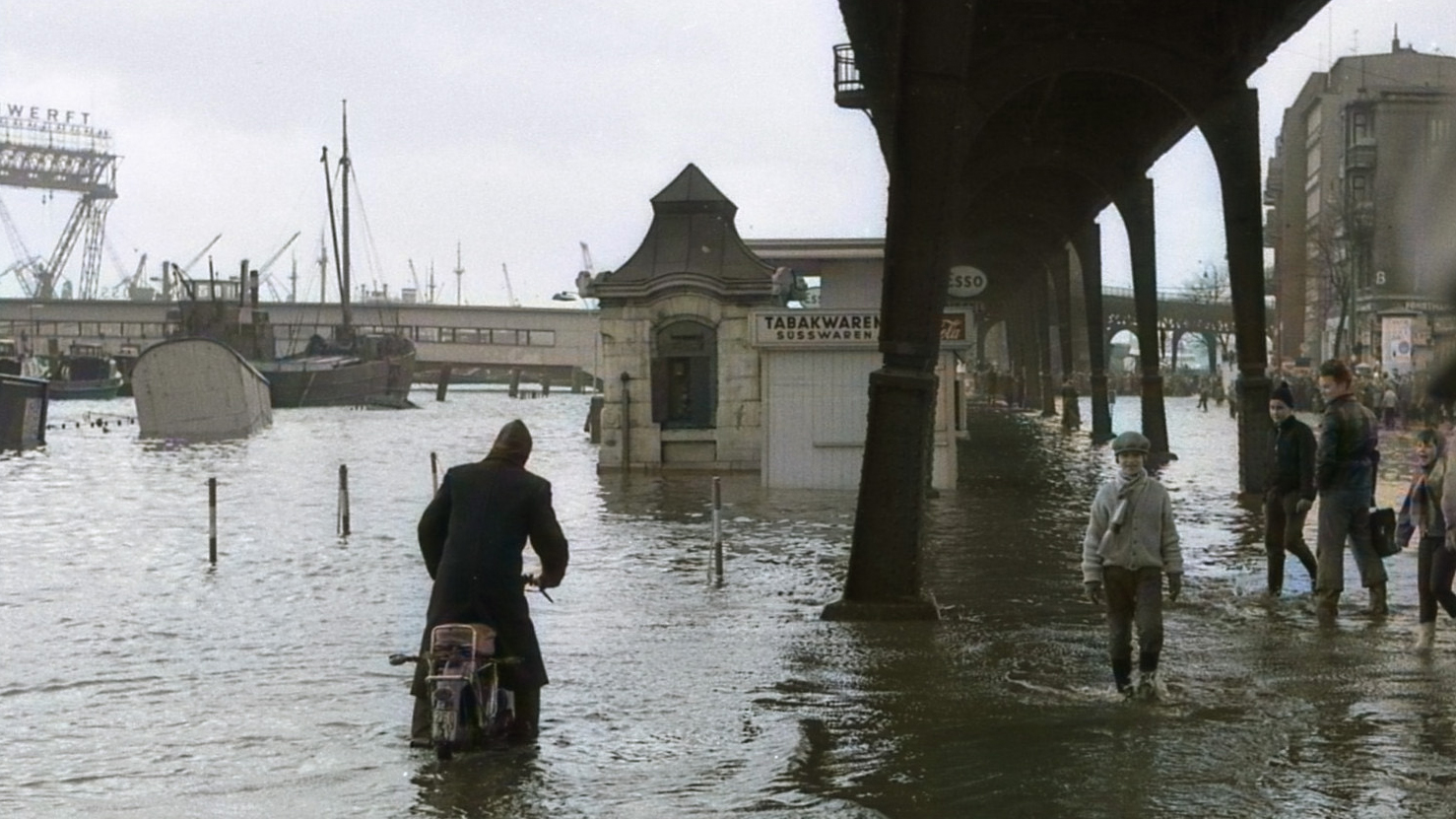
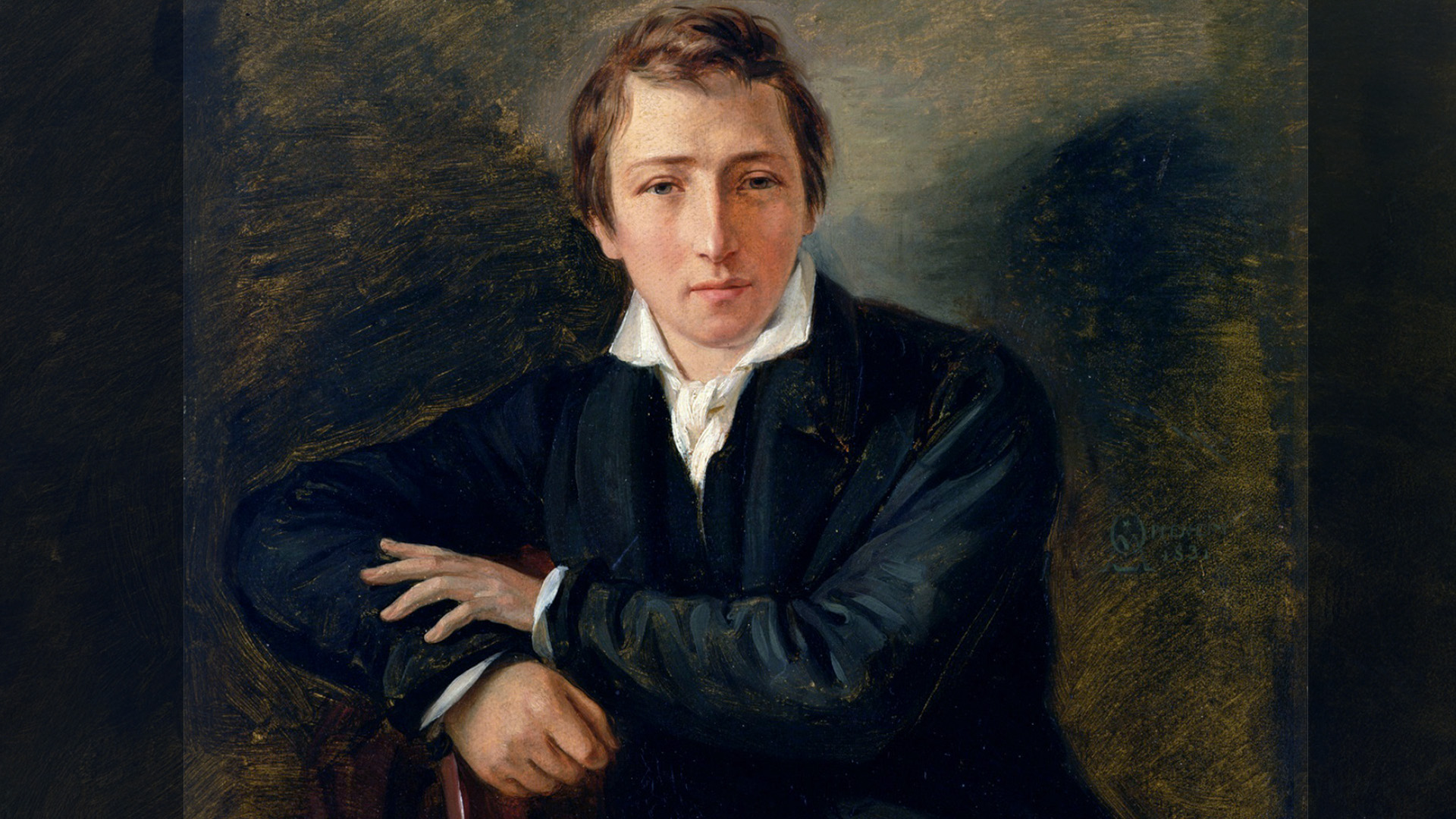
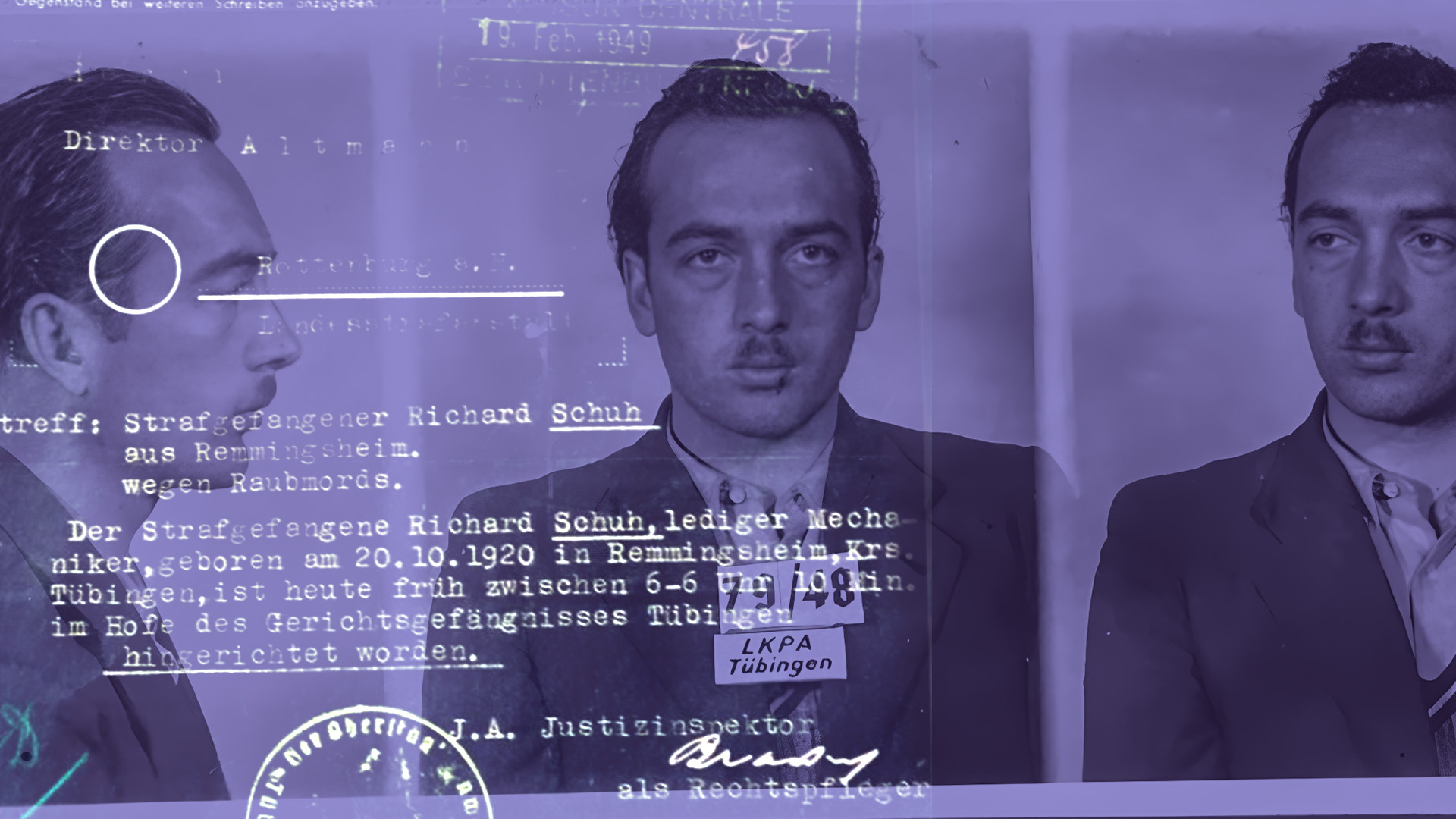
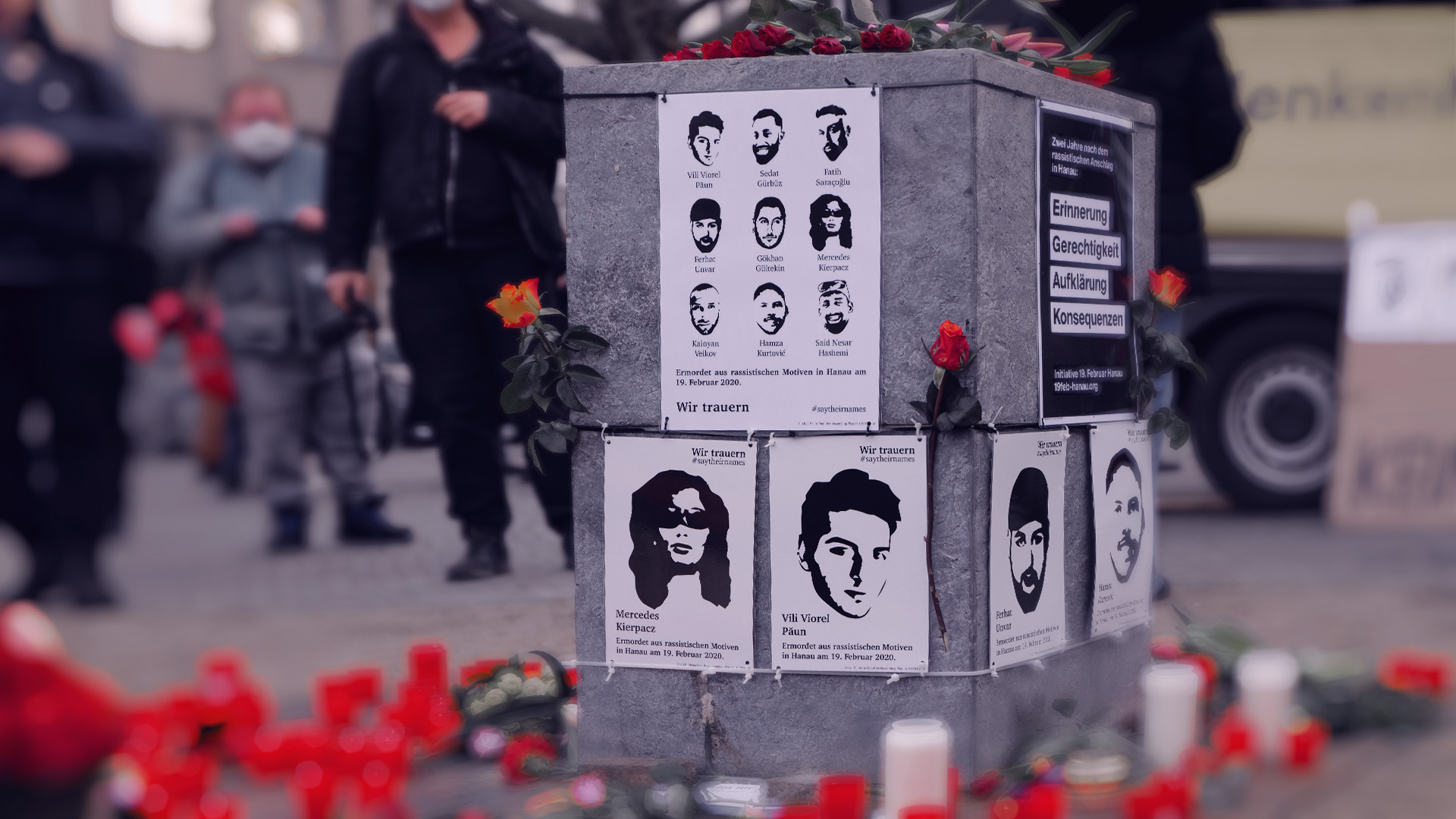
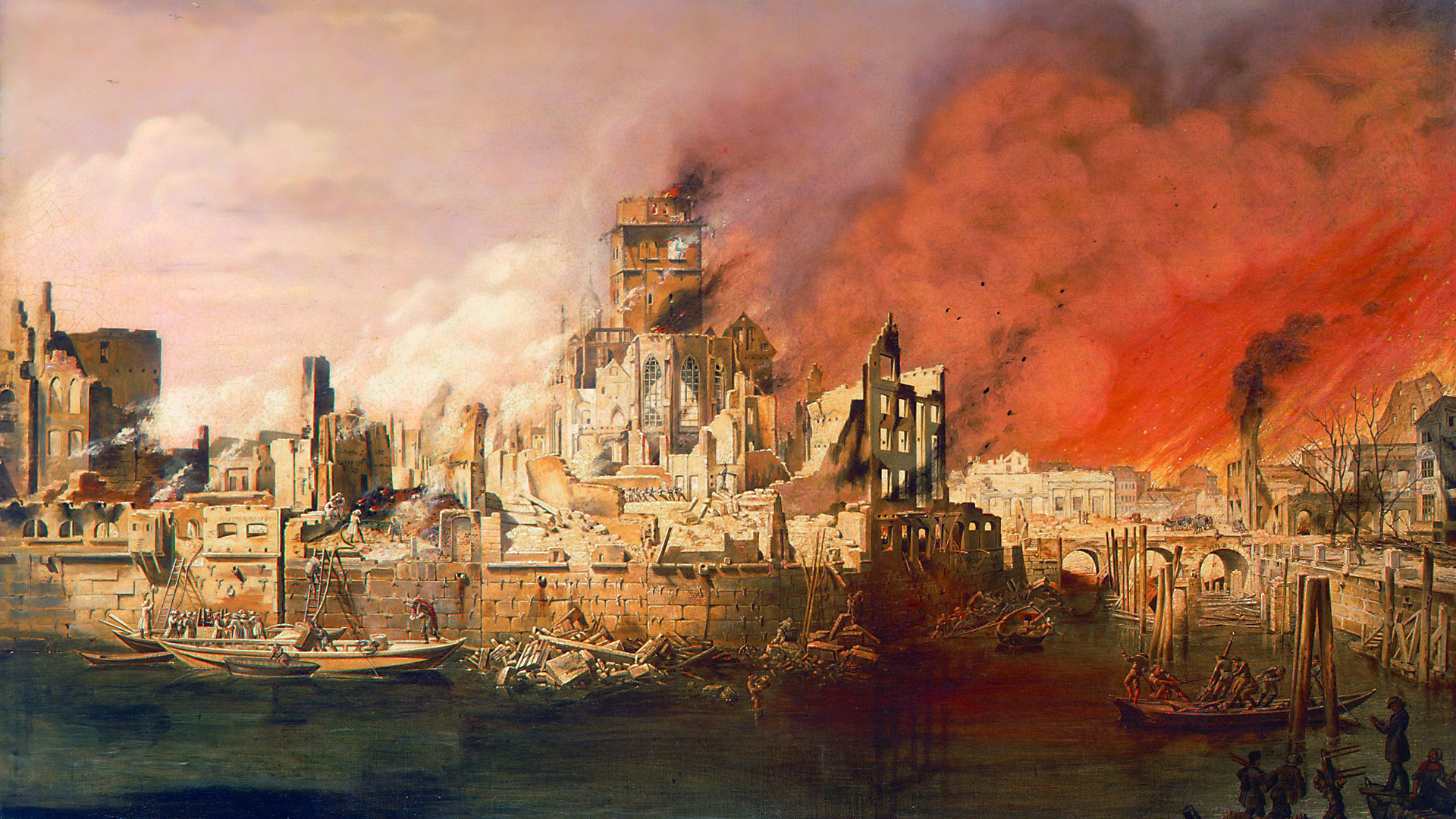
![Lithografie von Johann Nepomuk Heinemann [koloriert], nach Ölgemälde von Feodor Dietz (Foto: LABW, GLAK)](https://www.deutschlandmuseum.de/wp-content/uploads/2025/02/02031689_Zerstoerung_Heidelbergs-400x400.jpg "Lithografie von Johann Nepomuk Heinemann [koloriert], nach Ölgemälde von Feodor Dietz (Foto: LABW, GLAK)")

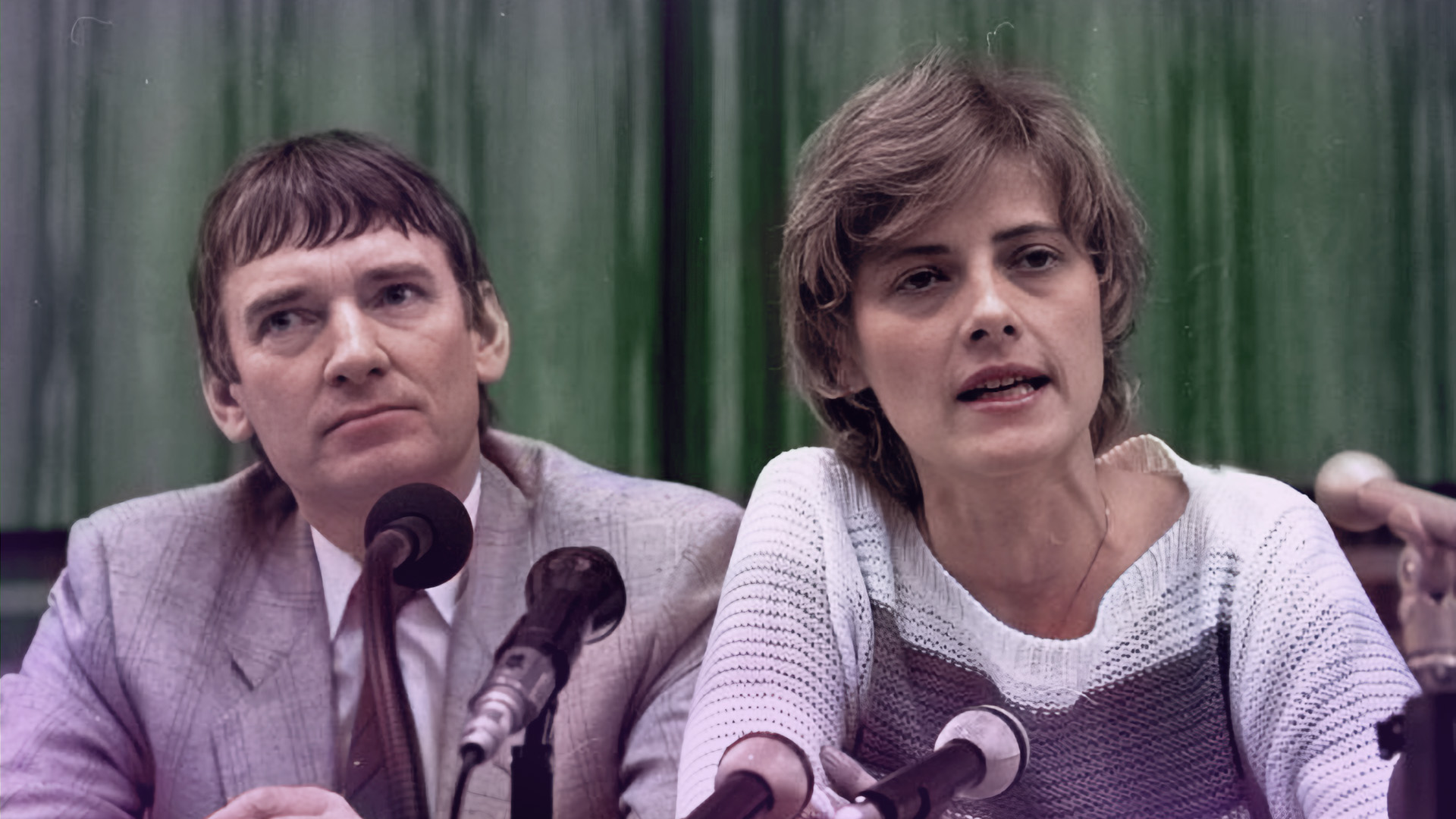


![Unter den Unterzeichnern sind die Nobelpreisträger Otto Hahn, Werner Heisenberg und Max Born [digital koloriert] (Quelle: Landesarchiv BW Staatsarchiv Freiburg, CC-BY-SA)](https://www.deutschlandmuseum.de/wp-content/uploads/2025/04/12041957_Göttinger_Erklärung-400x400.jpg "Unter den Unterzeichnern sind die Nobelpreisträger Otto Hahn, Werner Heisenberg und Max Born [digital koloriert] (Quelle: Landesarchiv BW Staatsarchiv Freiburg, CC-BY-SA)")



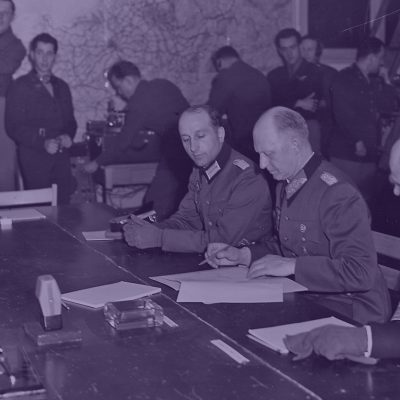
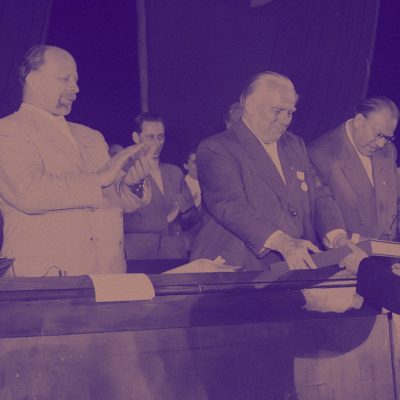
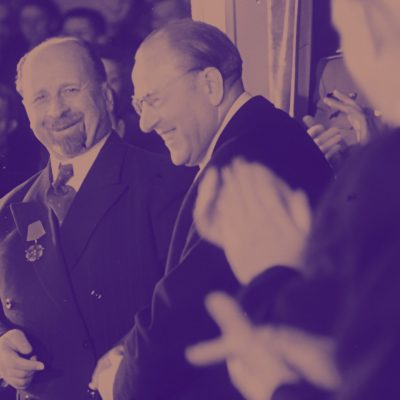
](https://www.deutschlandmuseum.de/wp-content/uploads/2025/04/21041946_SED_Gründung-1-400x400.jpg "Vereinigungsparteitag von KPD und SPD zur SED [digital koloriert](Quelle: Deutsche Fotothek, CC BY-SA 3.0 DE)")



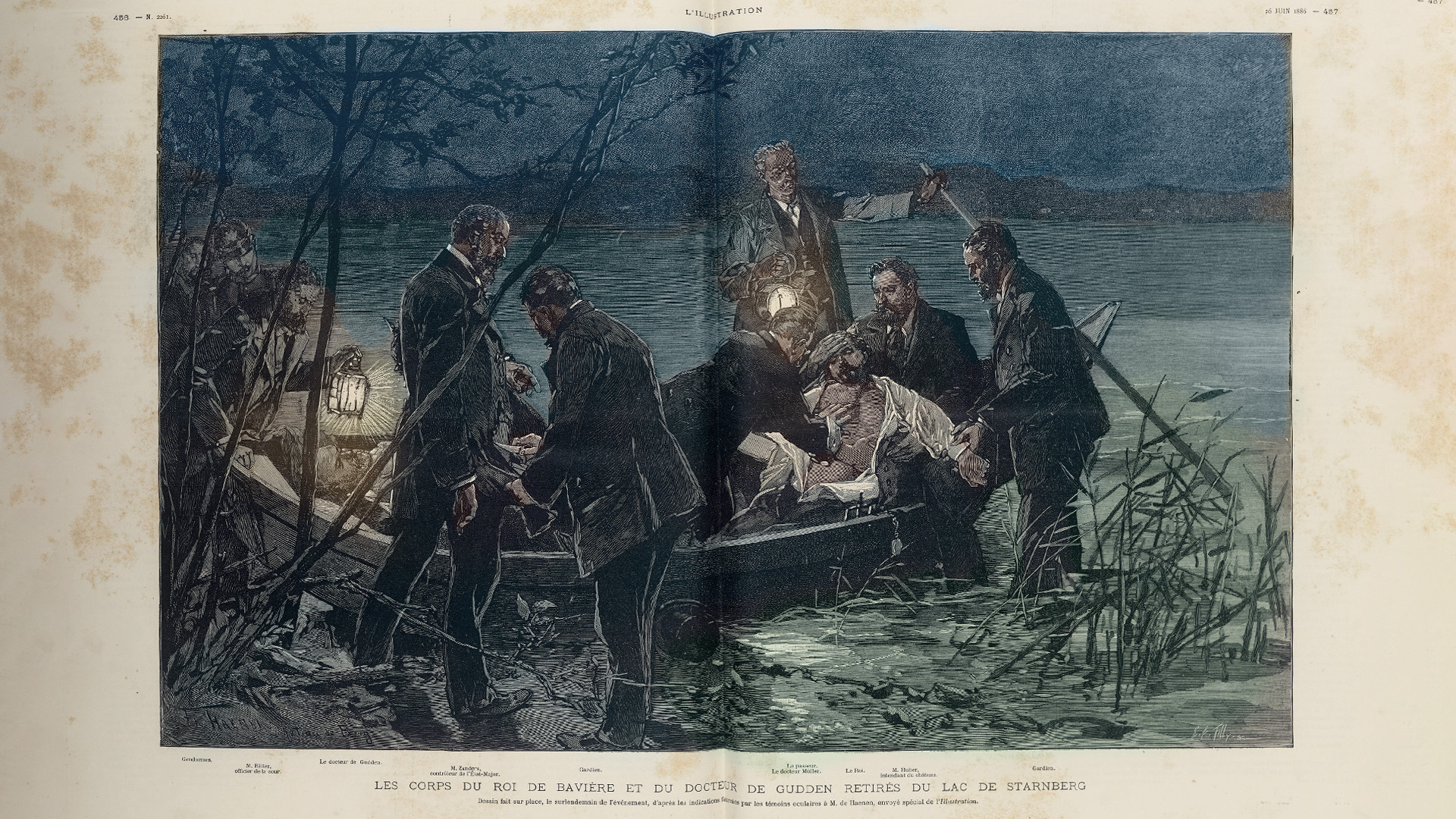
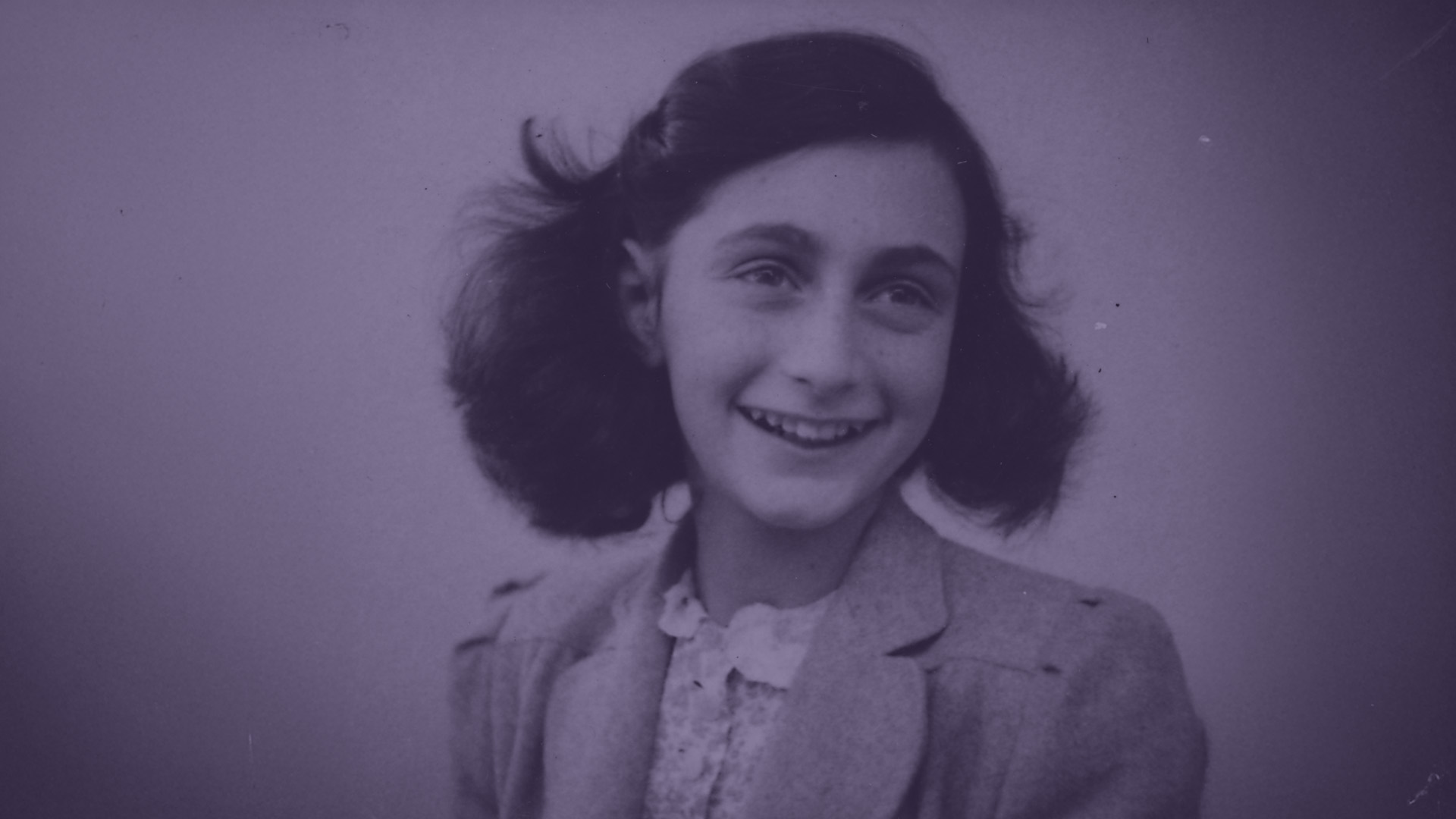
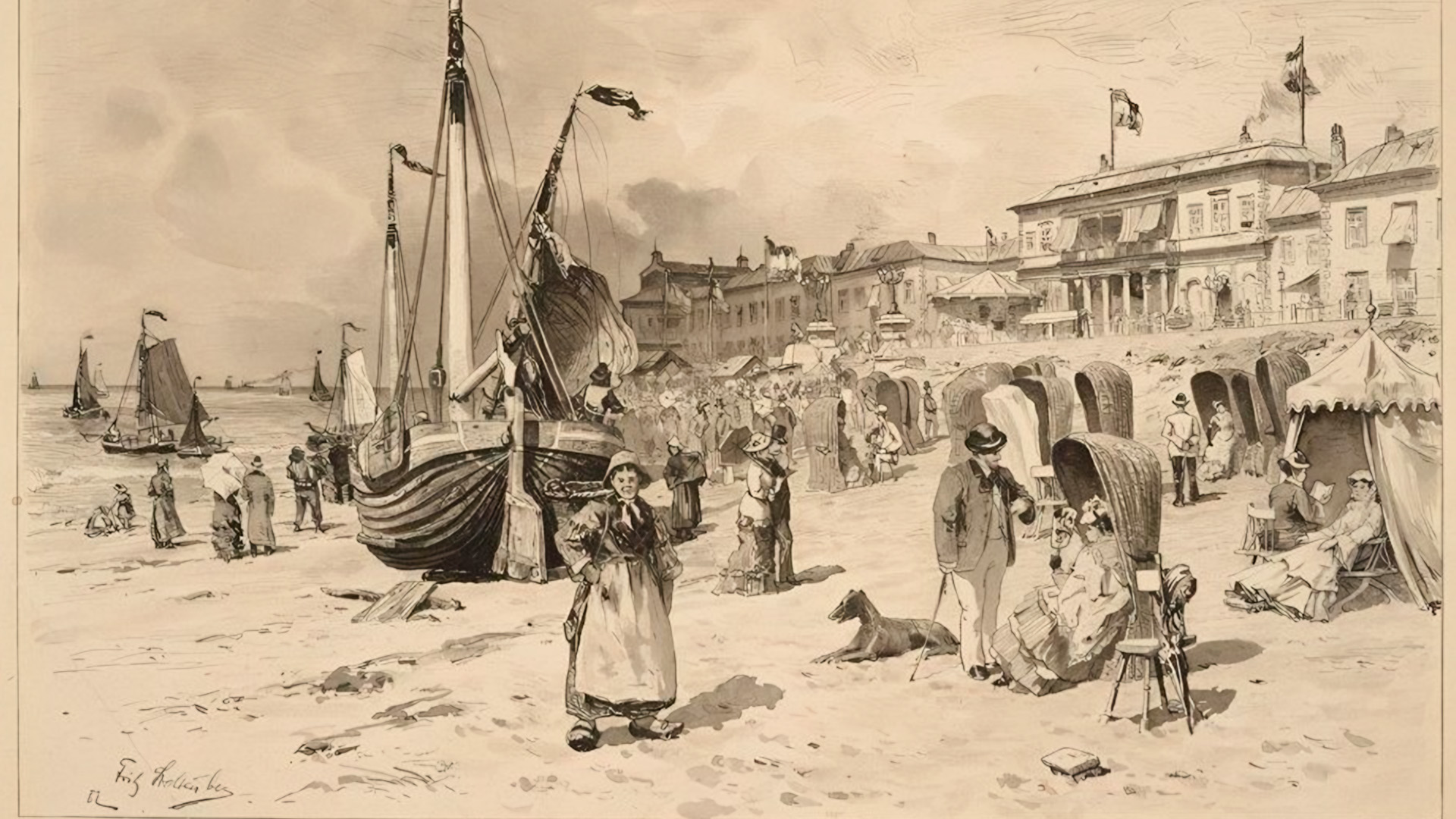
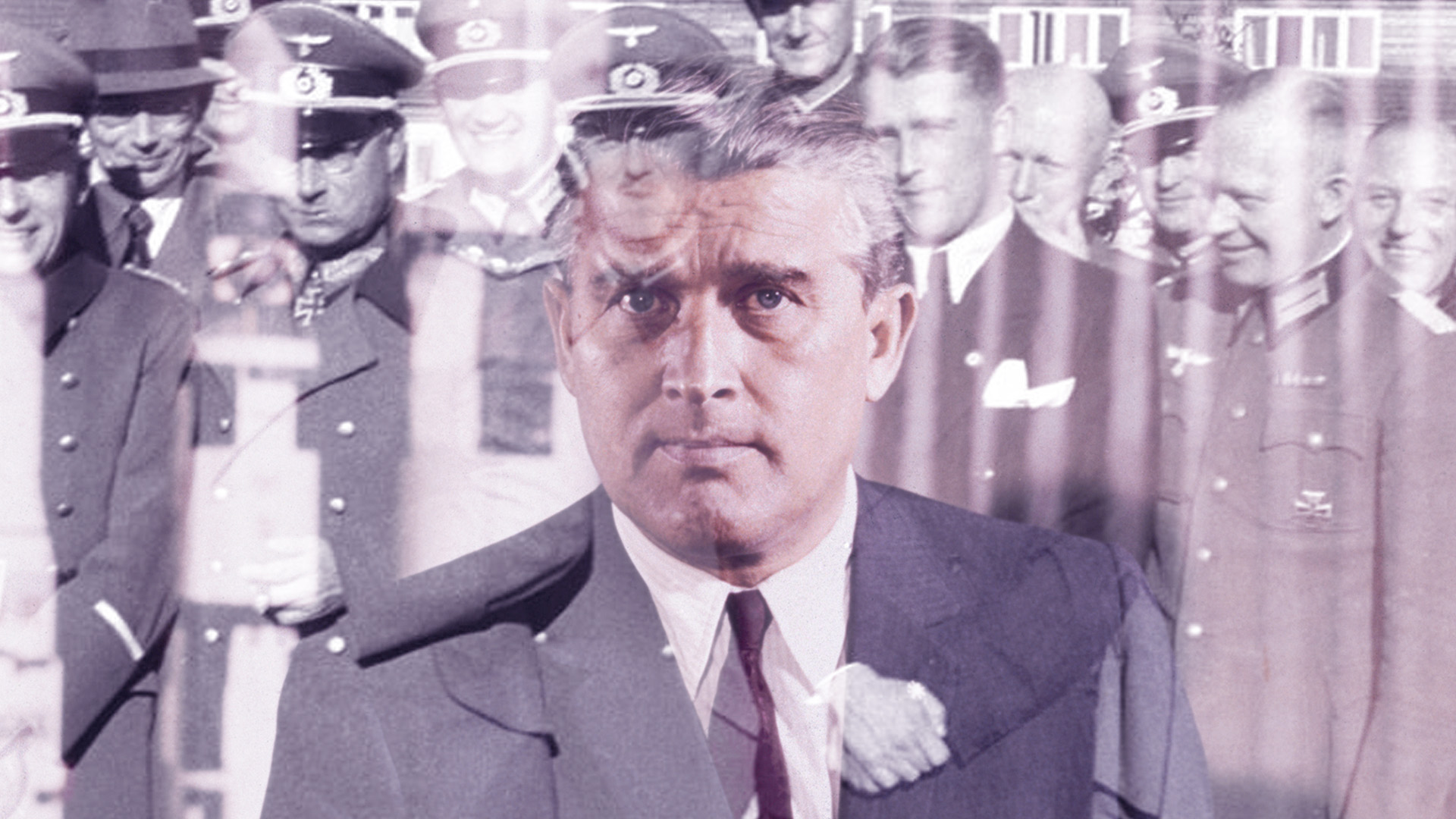




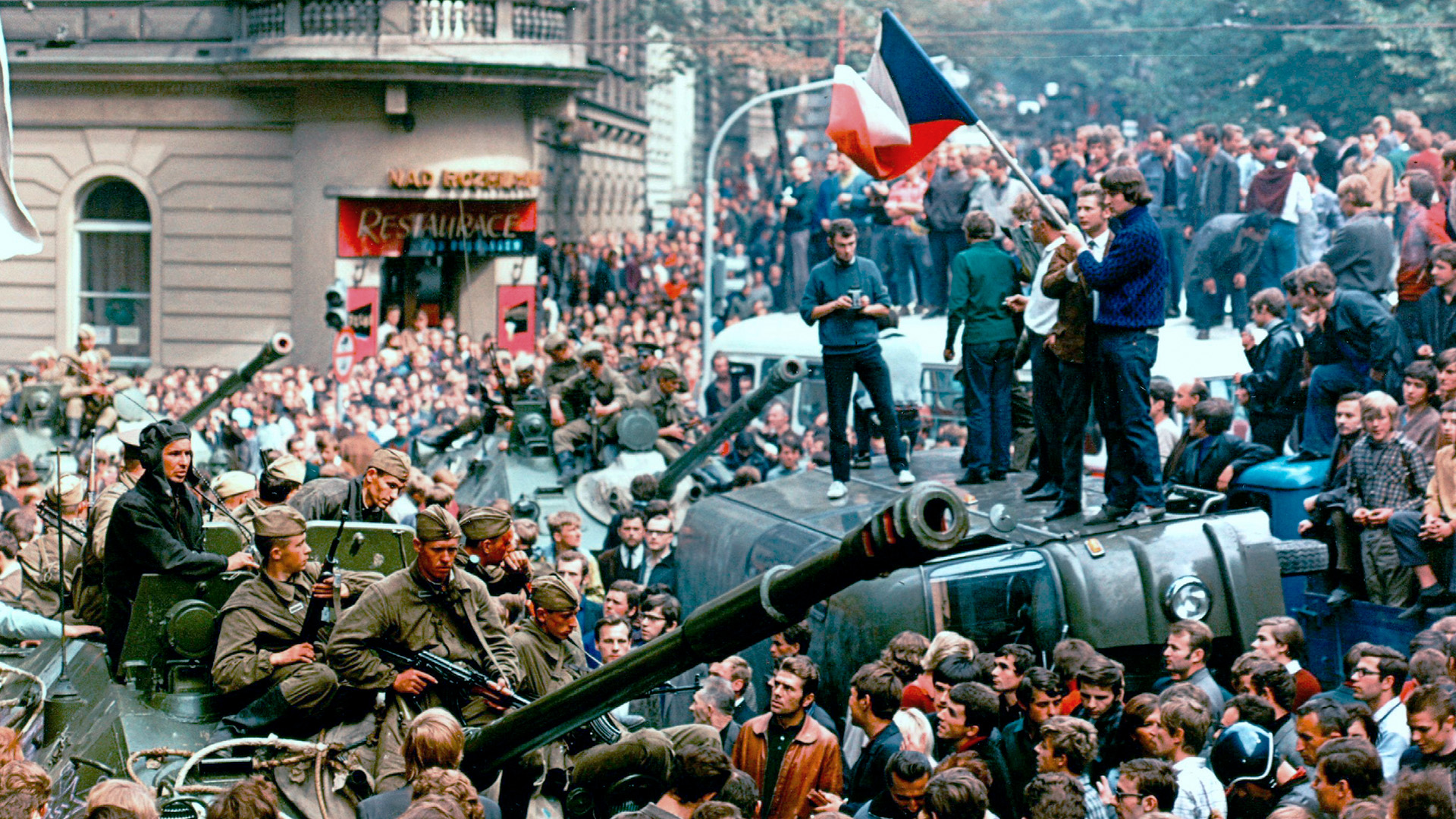
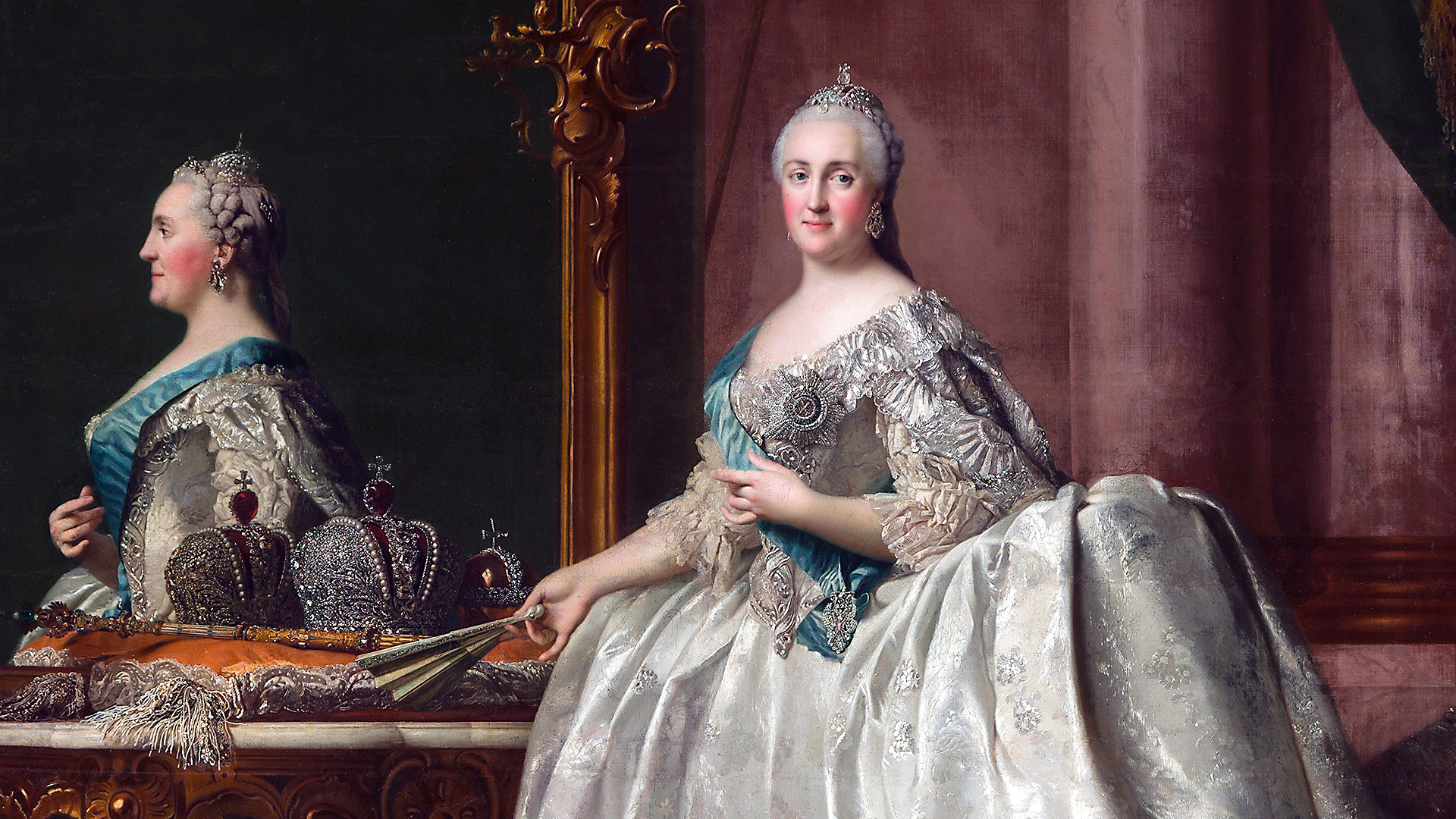
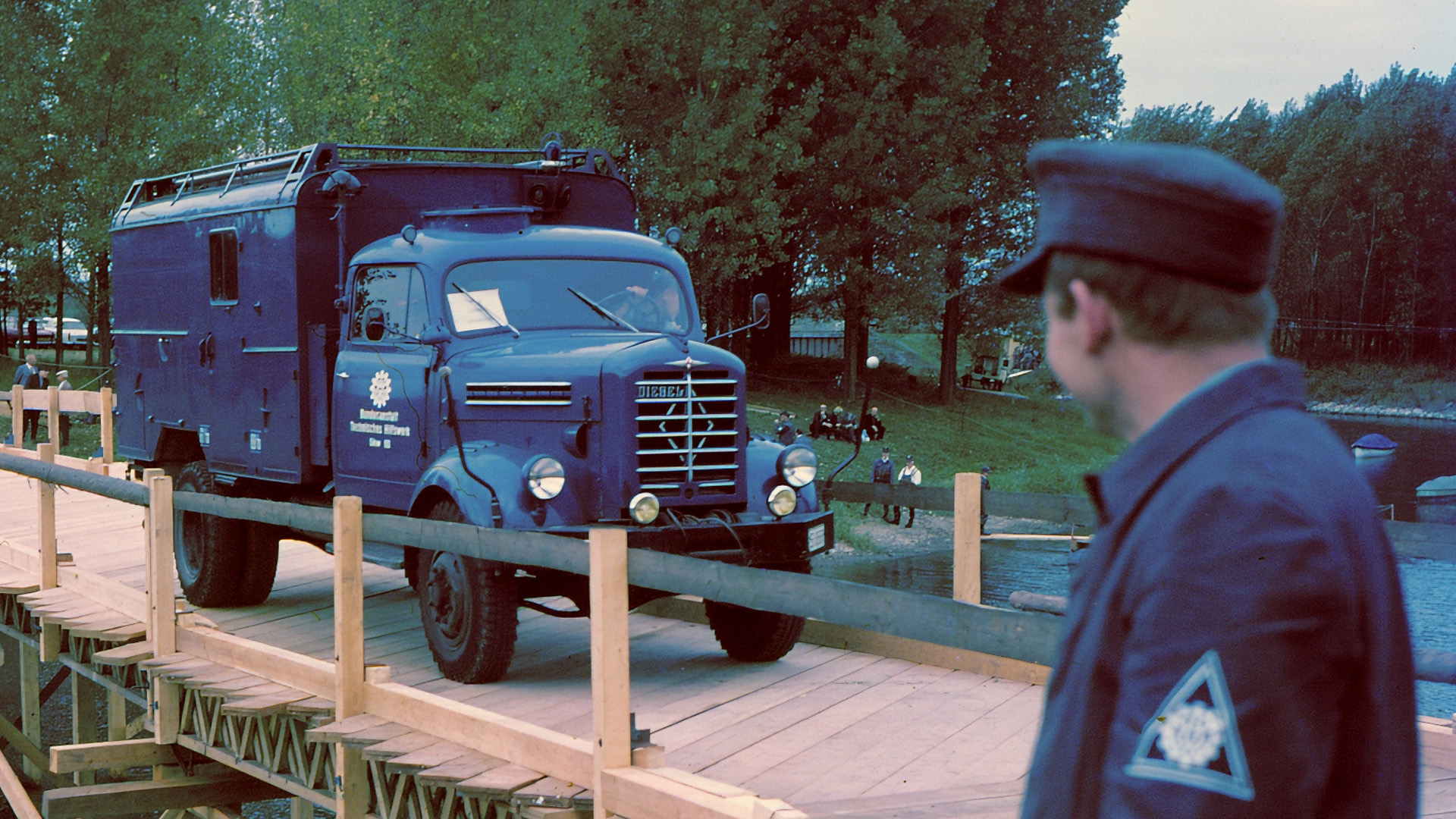
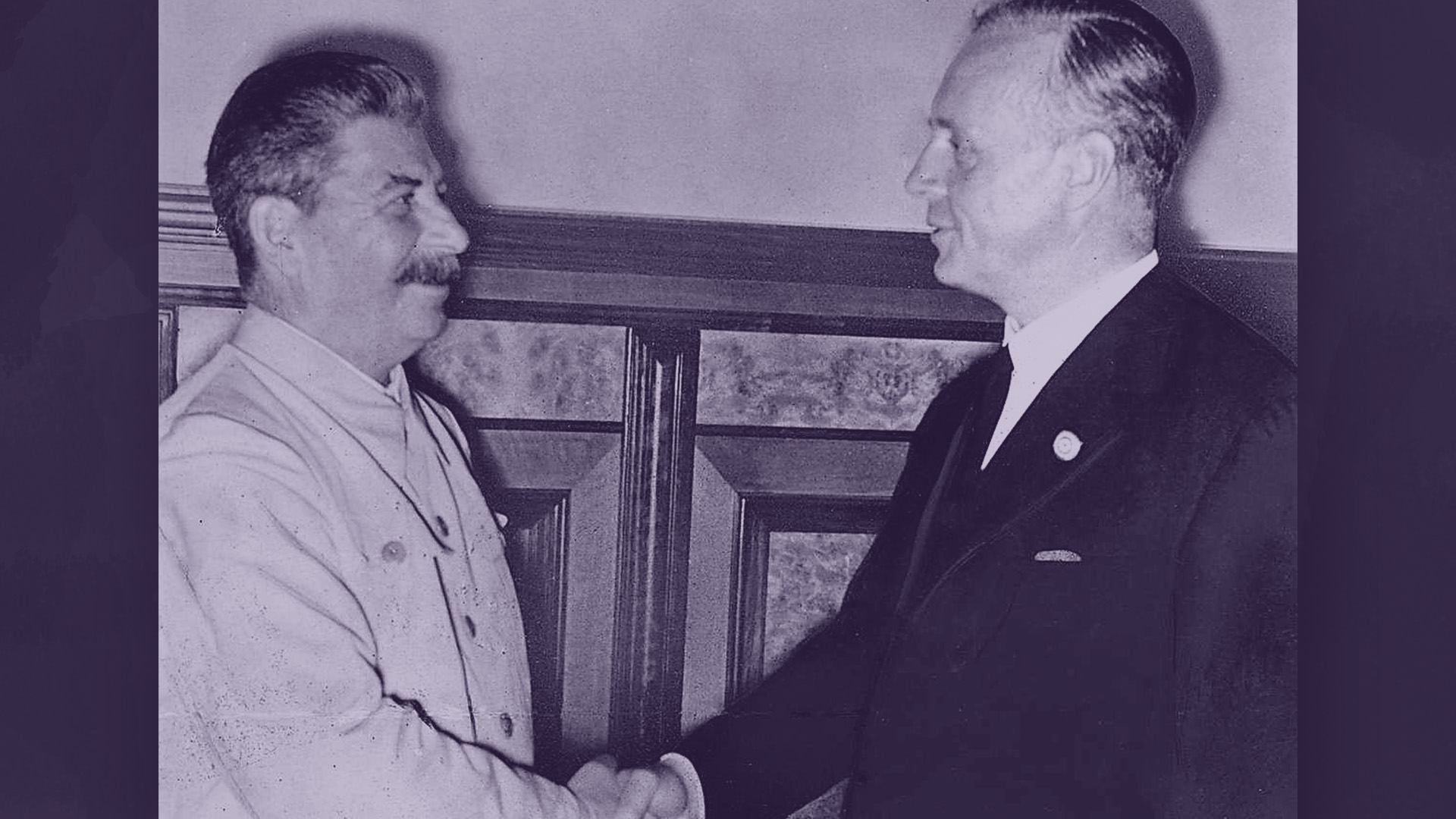
![Alexander von Humboldt [Ausschnitt], Gemälde von Friedrich Georg Weitsch (Quelle: Alte Nationalgalerie)](https://www.deutschlandmuseum.de/wp-content/uploads/2025/09/14091769_Humboldt-400x400.jpg "Alexander von Humboldt [Ausschnitt], Gemälde von Friedrich Georg Weitsch (Quelle: Alte Nationalgalerie)")



![Albert Einstein im Patentamt Bern, 1905 [digital koloriert] (Quelle: ETH-Bibliothek Zürich)](https://www.deutschlandmuseum.de/wp-content/uploads/2025/09/26091905_Einstein_koloriert-400x400.jpg "Albert Einstein im Patentamt Bern, 1905 [digital koloriert] (Quelle: ETH-Bibliothek Zürich)")