

The Treaty of Wehlau establishes the Duchy of Prussia as independent from Poland
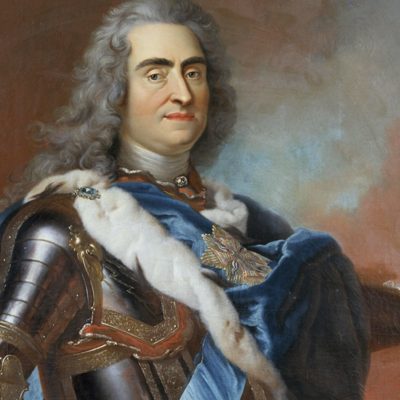
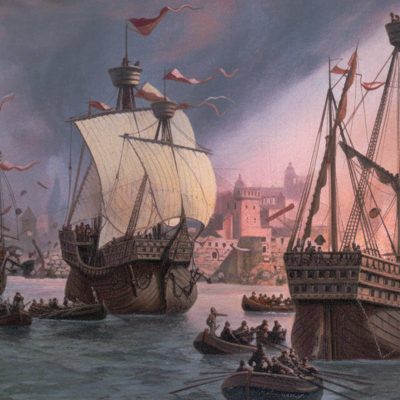
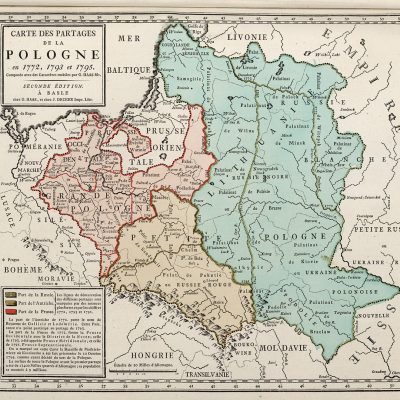
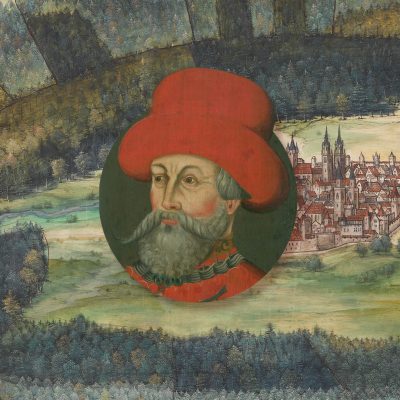
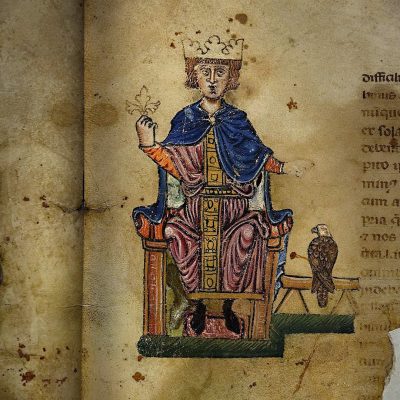
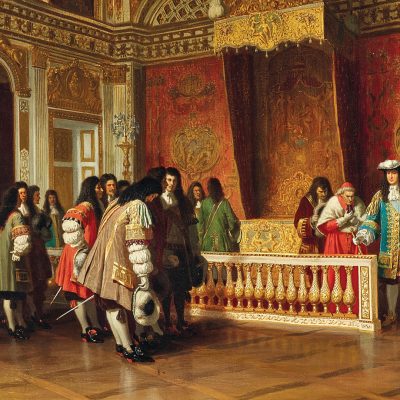
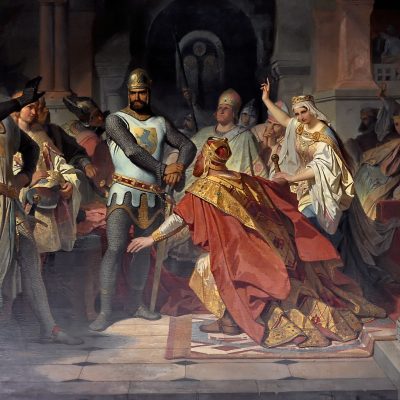
The large area around the Baltic Sea, which the Teutonic Order had conquered, Christianized and incorporated into a state structure in the 13th century, came under the control of other powers in the 15th and 16th centuries. The last Grand Master of the Teutonic Order, a Franconian Hohenzollern prince, introduced the Reformation into the region with its capital at Königsberg. This area was later reconstituted as a duchy under Polish overlordship and passed to the Hohenzollern Electors of Brandenburg. When the Great Elector Frederick William switched sides in a war between Sweden and Poland, he demanded his reward. The Treaty of Wehlau (19 September 1657) released the duchy from its feudal dependence on Poland, and the Great Elector was now the sovereign ruler in the area known as Prussia – named after a Baltic tribe of Slavs.
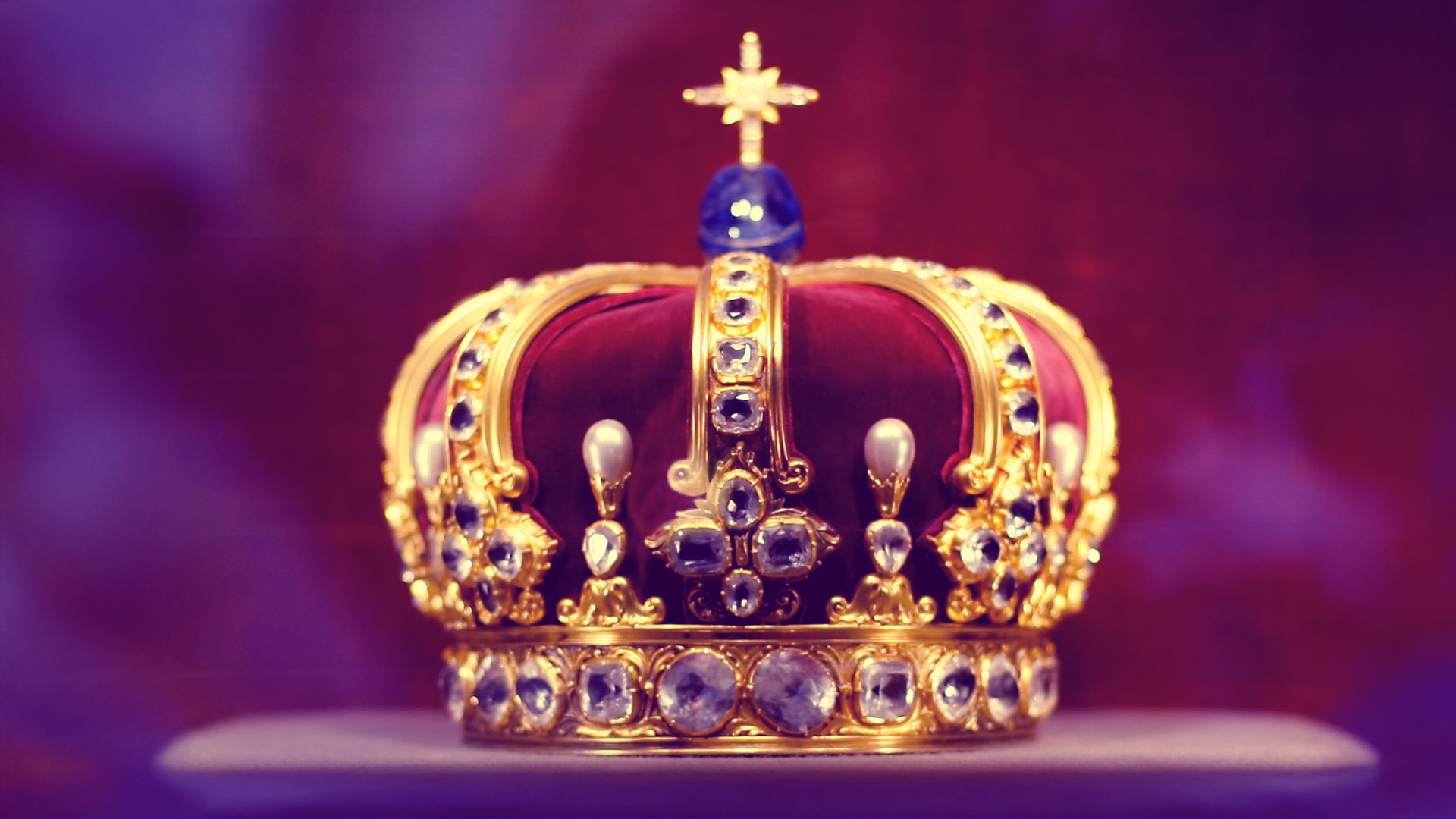
No longer subject to the authority of another power, the son of the Great Elector, Elector Frederick III of Brandenburg, was able to crown himself “King in Prussia” in Königsberg in 1701. From then on, the Brandenburg electors ruled their territories within the Holy Roman Empire as Prussian kings. Over the course of the 18th century, the name “Prussia” came to be used for all the territories of the King of Prussia.
The whole year at a glance



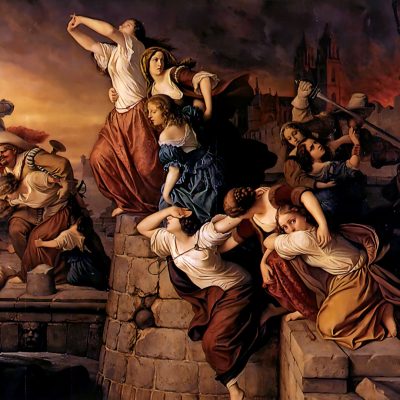
![Lithografie von Johann Nepomuk Heinemann [koloriert], nach Ölgemälde von Feodor Dietz (Foto: LABW, GLAK)](https://www.deutschlandmuseum.de/wp-content/uploads/2025/02/02031689_Zerstoerung_Heidelbergs-400x400.jpg "Lithografie von Johann Nepomuk Heinemann [koloriert], nach Ölgemälde von Feodor Dietz (Foto: LABW, GLAK)")


![Unter den Unterzeichnern sind die Nobelpreisträger Otto Hahn, Werner Heisenberg und Max Born [digital koloriert] (Quelle: Landesarchiv BW Staatsarchiv Freiburg, CC-BY-SA)](https://www.deutschlandmuseum.de/wp-content/uploads/2025/04/12041957_Göttinger_Erklärung-400x400.jpg "Unter den Unterzeichnern sind die Nobelpreisträger Otto Hahn, Werner Heisenberg und Max Born [digital koloriert] (Quelle: Landesarchiv BW Staatsarchiv Freiburg, CC-BY-SA)")



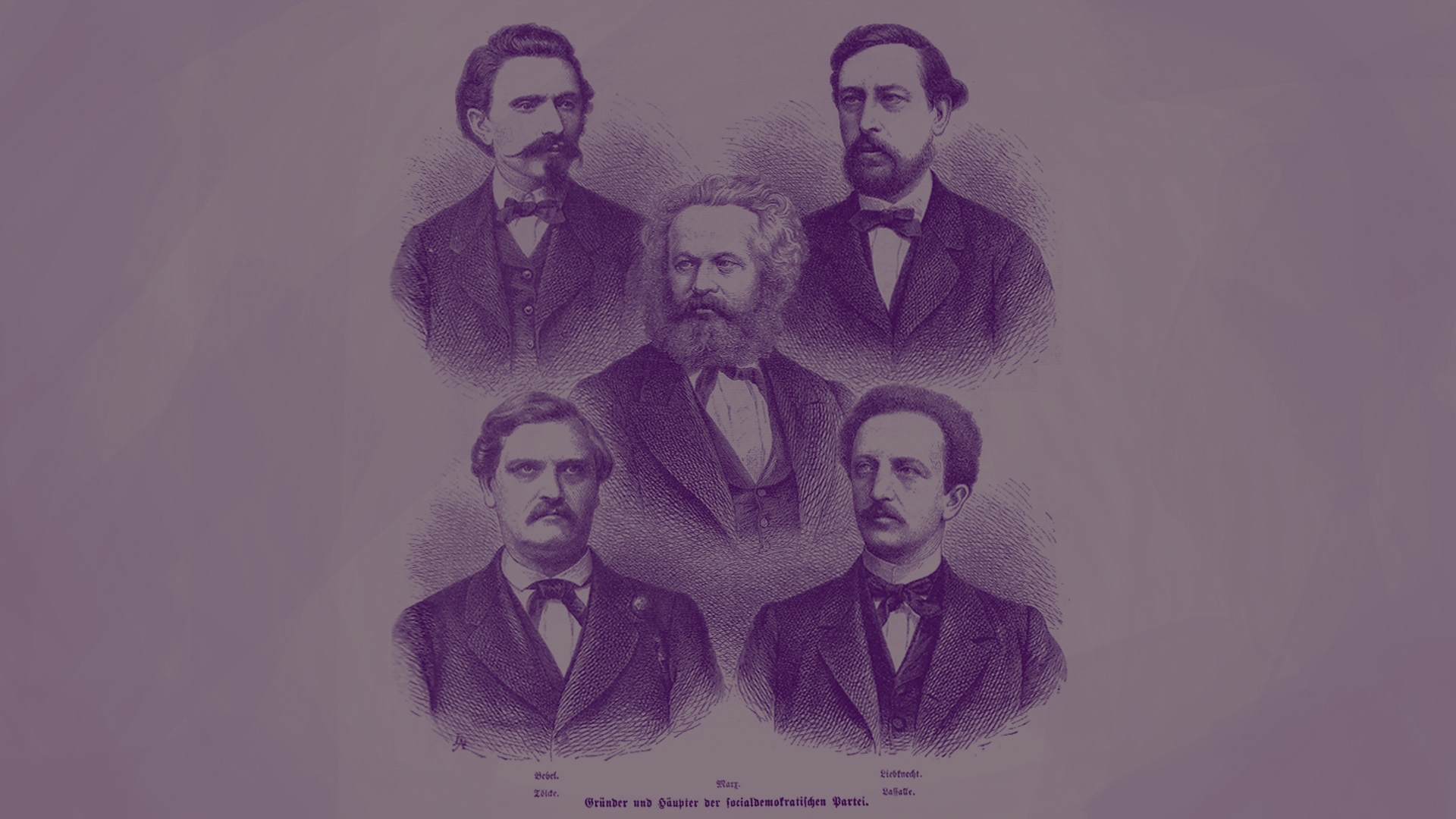
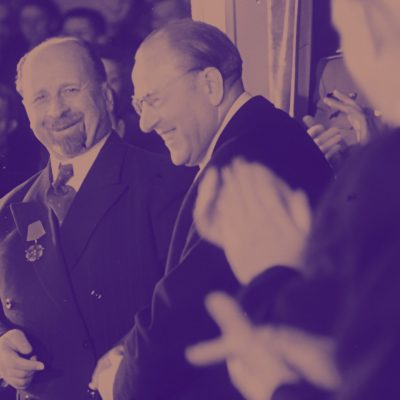
](https://www.deutschlandmuseum.de/wp-content/uploads/2025/04/21041946_SED_Gründung-1-400x400.jpg "Vereinigungsparteitag von KPD und SPD zur SED [digital koloriert](Quelle: Deutsche Fotothek, CC BY-SA 3.0 DE)")


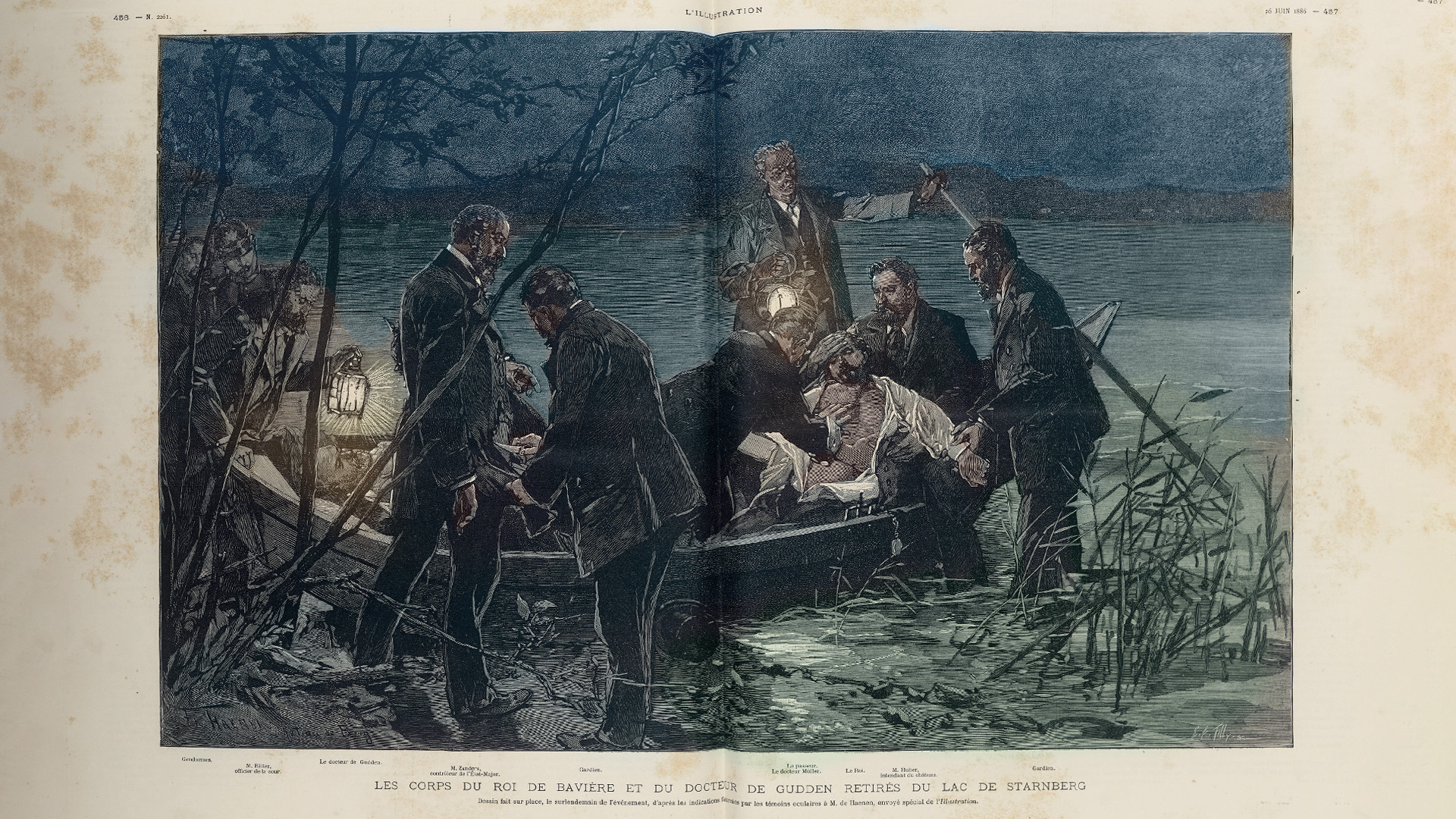
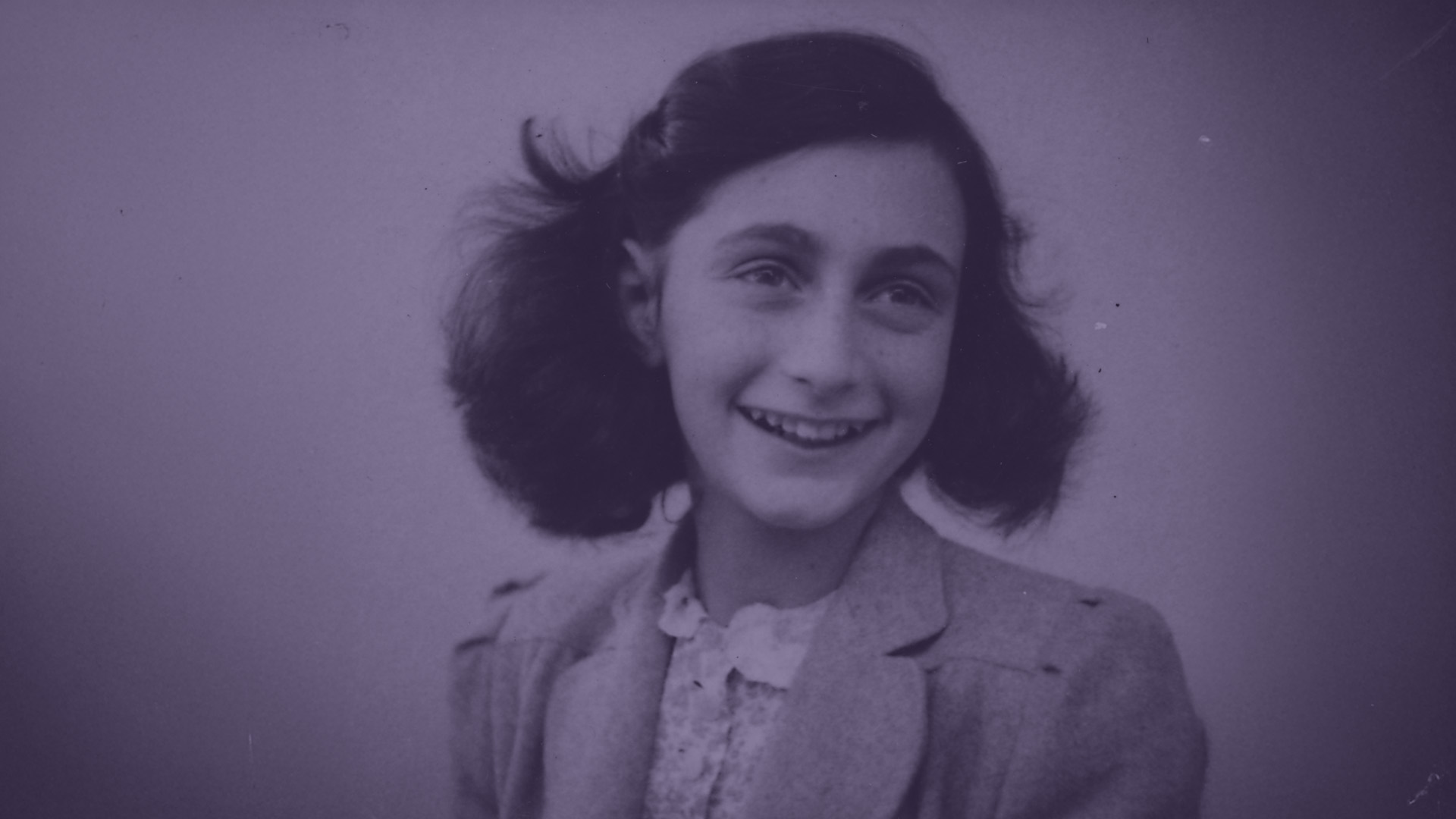
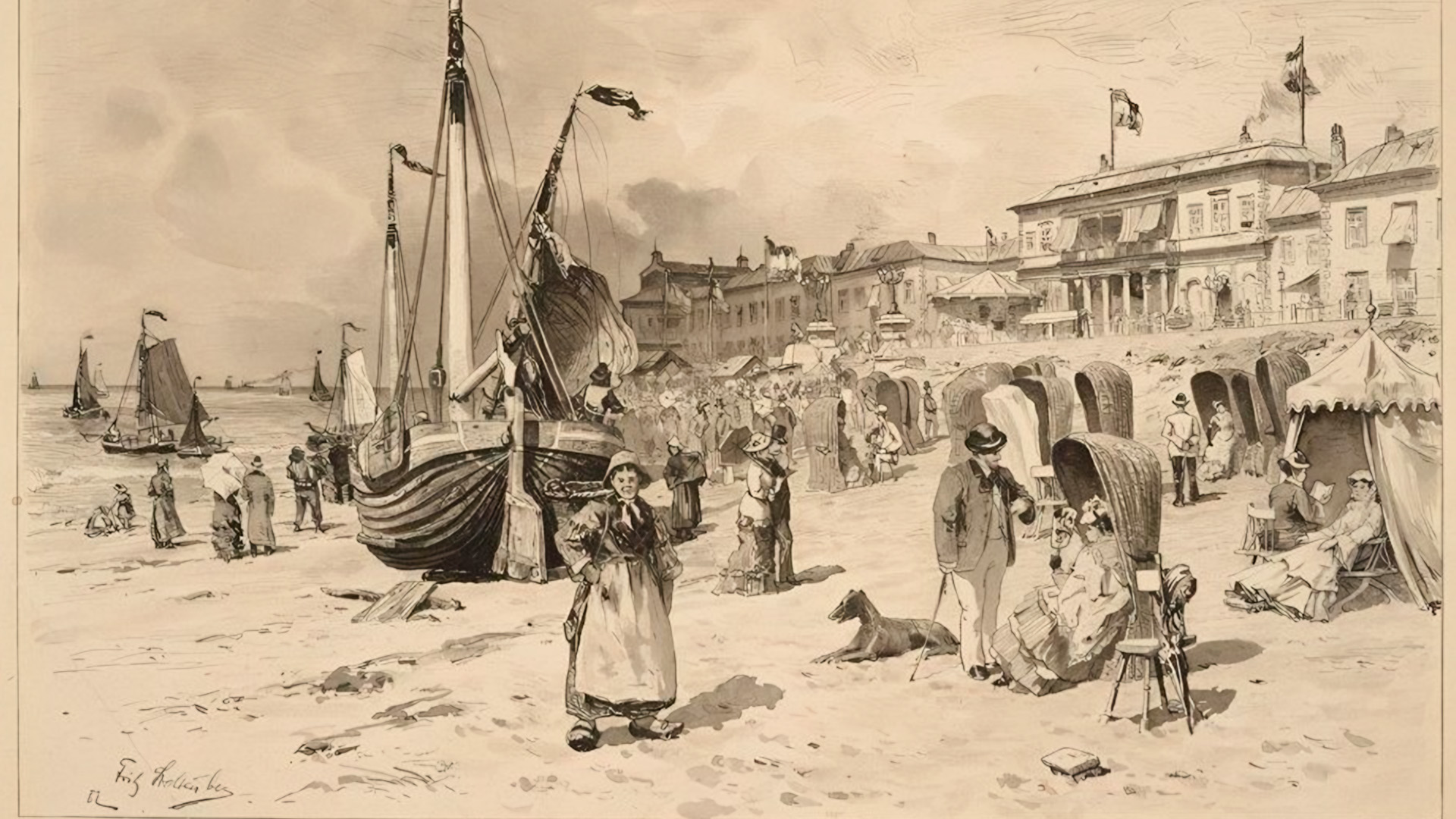
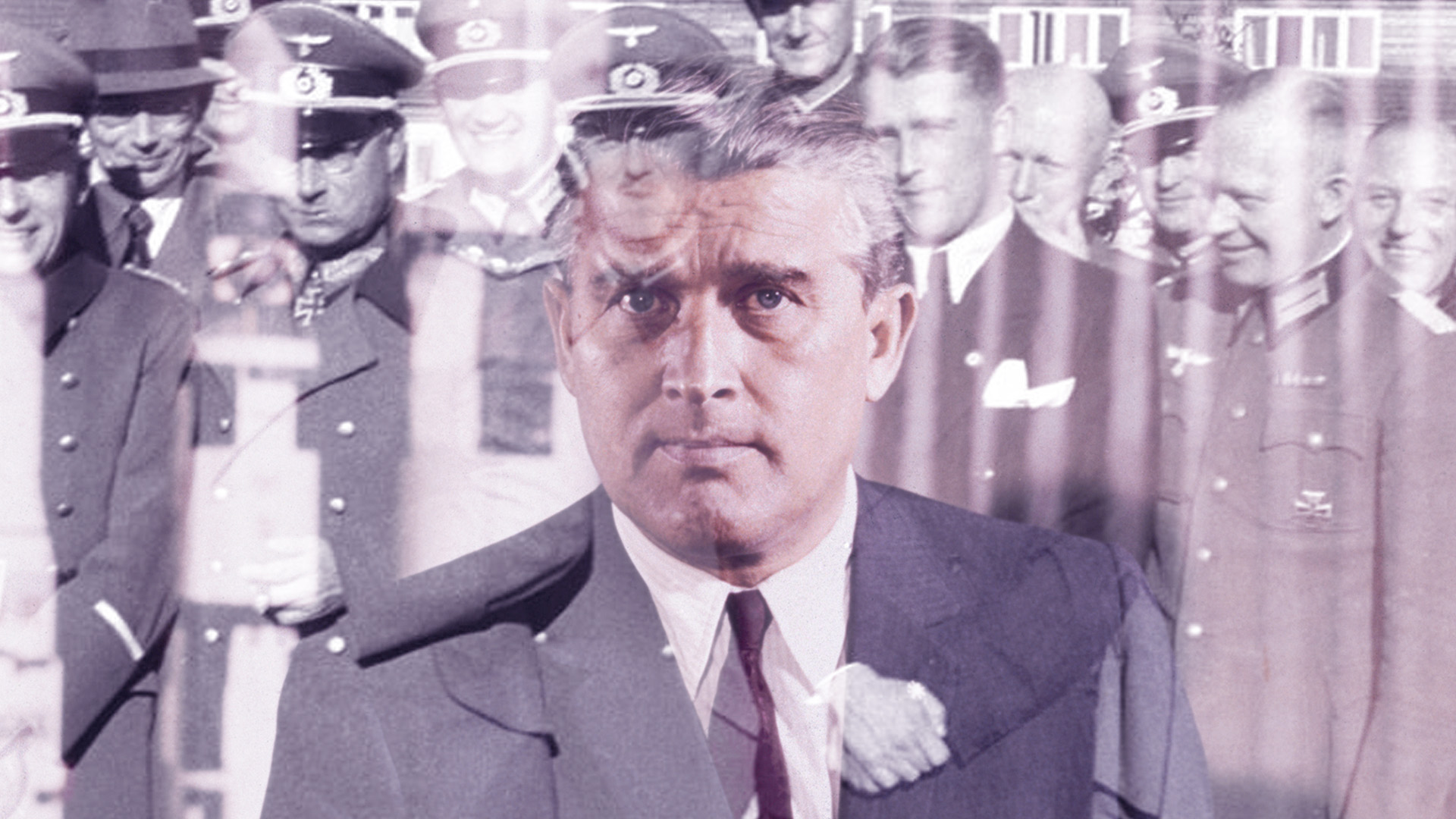



![Alexander von Humboldt [Ausschnitt], Gemälde von Friedrich Georg Weitsch (Quelle: Alte Nationalgalerie)](https://www.deutschlandmuseum.de/wp-content/uploads/2025/09/14091769_Humboldt-400x400.jpg "Alexander von Humboldt [Ausschnitt], Gemälde von Friedrich Georg Weitsch (Quelle: Alte Nationalgalerie)")



![Albert Einstein im Patentamt Bern, 1905 [digital koloriert] (Quelle: ETH-Bibliothek Zürich)](https://www.deutschlandmuseum.de/wp-content/uploads/2025/09/26091905_Einstein_koloriert-400x400.jpg "Albert Einstein im Patentamt Bern, 1905 [digital koloriert] (Quelle: ETH-Bibliothek Zürich)")