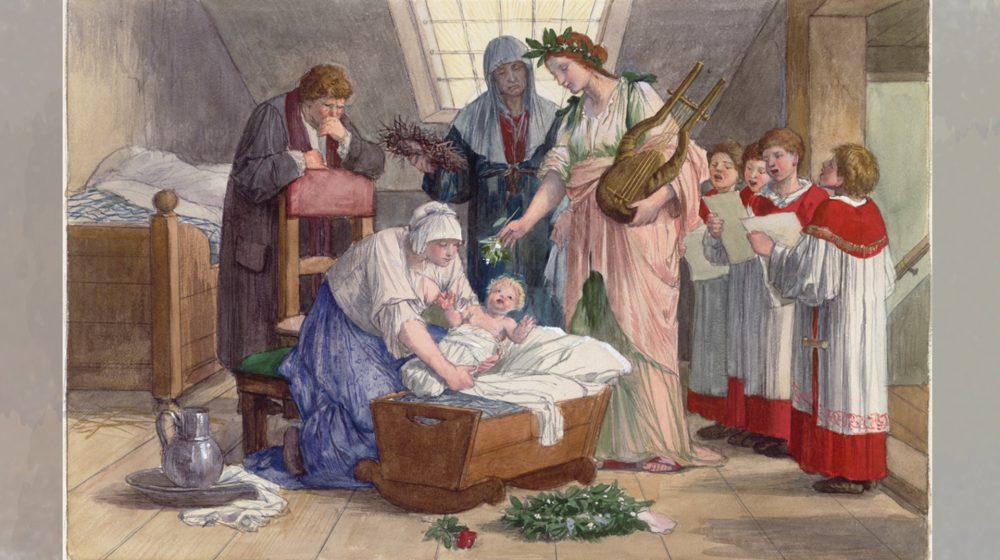

The boy grows up to become one of the most important composers in music history
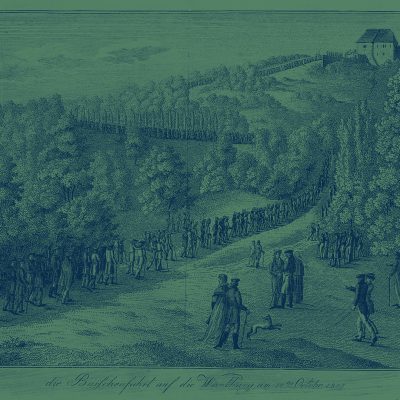
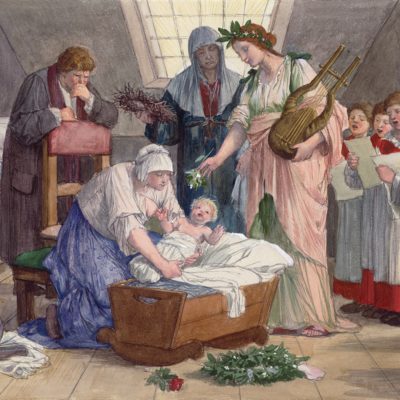
Ludwig van Beethoven was baptized on 17 December 1770 in Bonn, at that time the capital of the Electorate of Cologne. The van Beethoven family had arrived at the court in Bonn decades earlier from what is now Mechelen in Belgium, where they had worked as singers and musicians. The infant Ludwig was probably not actually a “true” Beethoven; it is believed that he was the illegitimate product of one of his father’s affairs. Whilst young Ludwig received only a limited schooling, his father encouraged him to develop his musical talents. The child was performing from the age of seven and wrote his first compositions shortly afterwards. He attained a permanent position as organist at the age of 14 and also played a number of string instruments in the princely court orchestra. The Elector, a Habsburg and admirer of Mozart, sent the 16-year-old Beethoven to Vienna to be trained by the famous composer, but circumstances intervened and Beethoven had to return home when his mother fell ill. By the time Beethoven was ready to return to Vienna, Mozart was dead, and he studied under Joseph Haydn.
Beethoven’s hearing began to deteriorate in his late twenties. Profound deafness caused a severe personal crisis, and the musician even considered suicide. Dependent on a hearing trumpet and forced to limit his work to composing, Beethoven wrote numerous works for the piano and strings and finished nine symphonies. He transcended established musical rules and by his death had opened the new musical era of Romanticism, inspired by new Enlightenment ideas. Exhaustion caused Beethoven to fall ill, whilst his consumption of lead-laced alcohol led to cirrhosis of the liver. Eventually, Beethoven developed jaundice and died at the age of 56. Twenty thousand people attended his funeral near Vienna. Beethoven is still considered as one of the greatest composers in the history of music. The “Ode to Joy” from the 9th Symphony is now the official anthem of the European Union.
The whole year at a glance



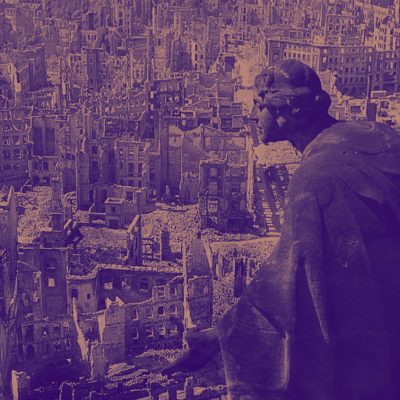
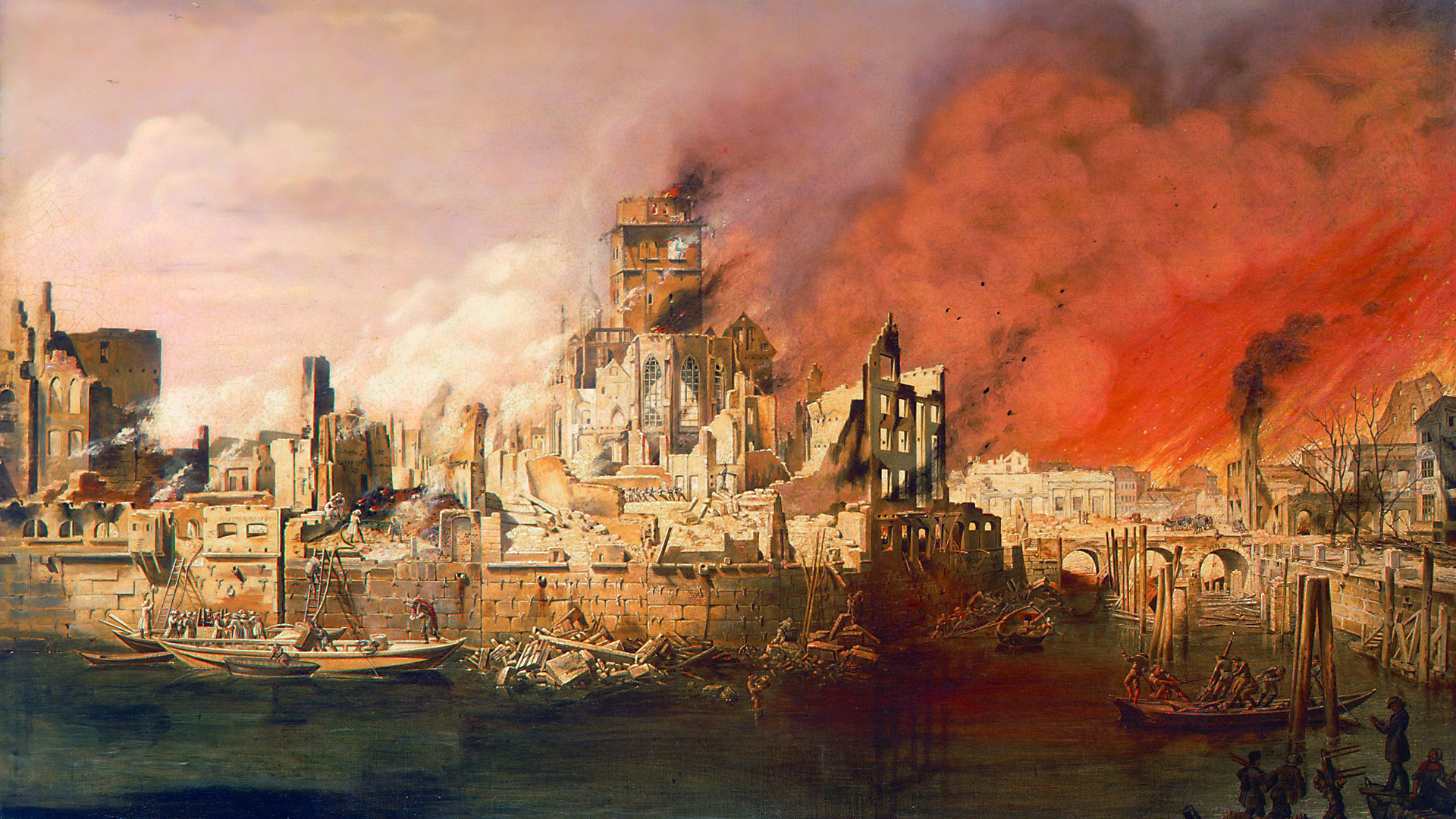
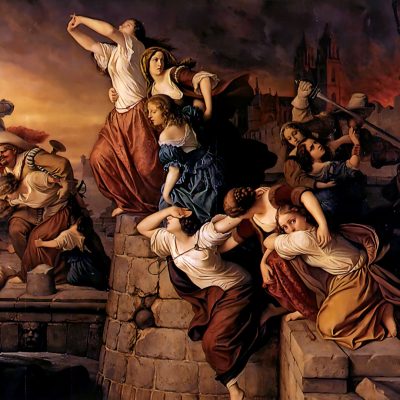
![Lithografie von Johann Nepomuk Heinemann [koloriert], nach Ölgemälde von Feodor Dietz (Foto: LABW, GLAK)](https://www.deutschlandmuseum.de/wp-content/uploads/2025/02/02031689_Zerstoerung_Heidelbergs-400x400.jpg "Lithografie von Johann Nepomuk Heinemann [koloriert], nach Ölgemälde von Feodor Dietz (Foto: LABW, GLAK)")


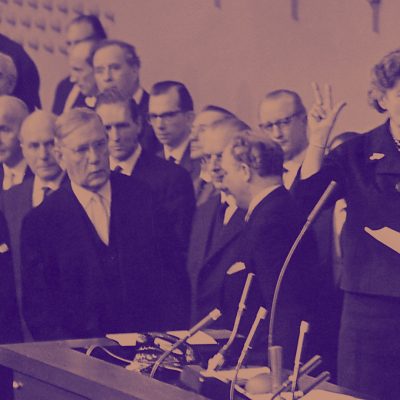
![Unter den Unterzeichnern sind die Nobelpreisträger Otto Hahn, Werner Heisenberg und Max Born [digital koloriert] (Quelle: Landesarchiv BW Staatsarchiv Freiburg, CC-BY-SA)](https://www.deutschlandmuseum.de/wp-content/uploads/2025/04/12041957_Göttinger_Erklärung-400x400.jpg "Unter den Unterzeichnern sind die Nobelpreisträger Otto Hahn, Werner Heisenberg und Max Born [digital koloriert] (Quelle: Landesarchiv BW Staatsarchiv Freiburg, CC-BY-SA)")

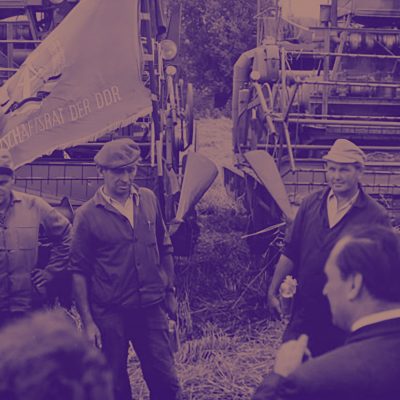


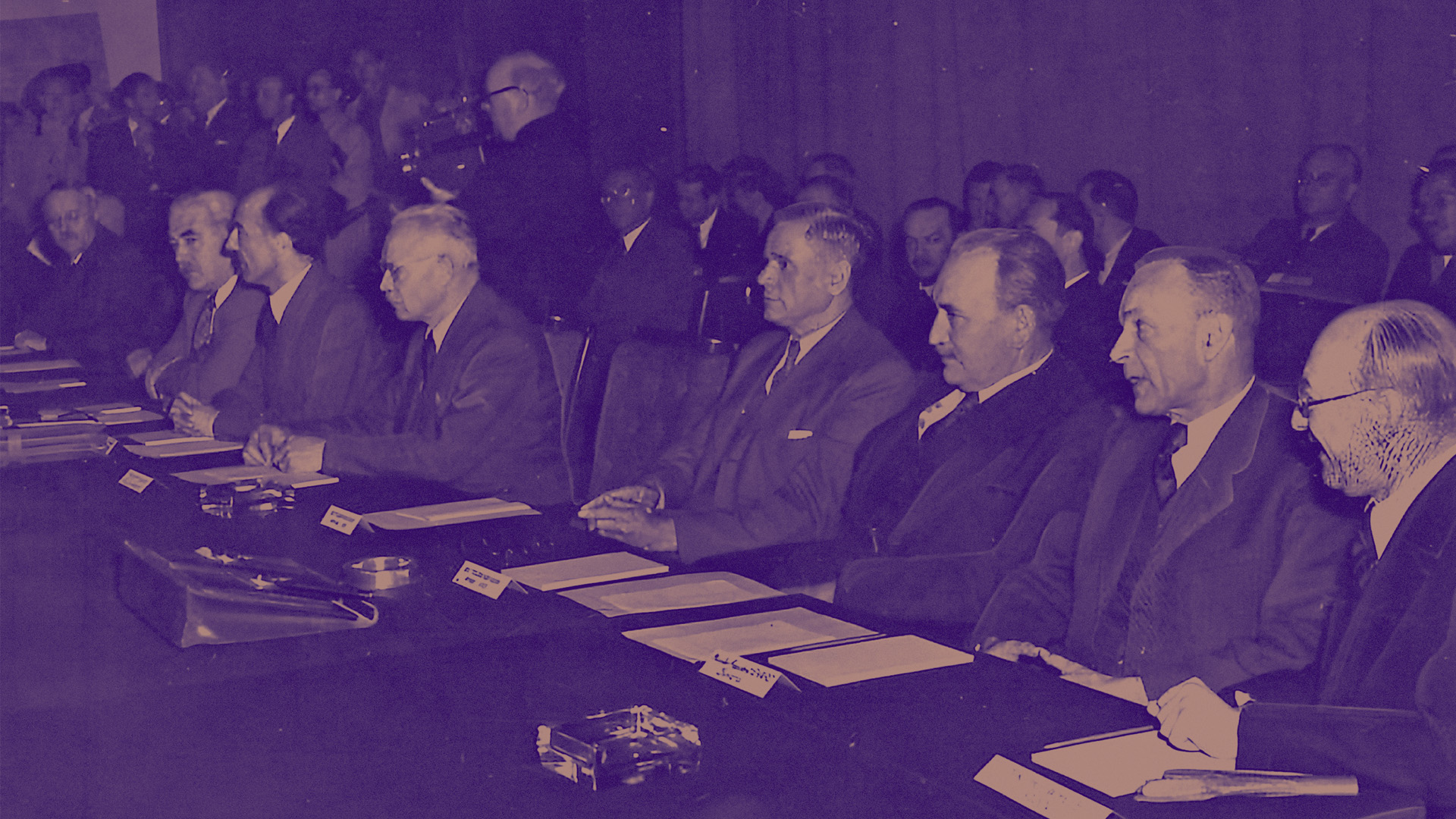
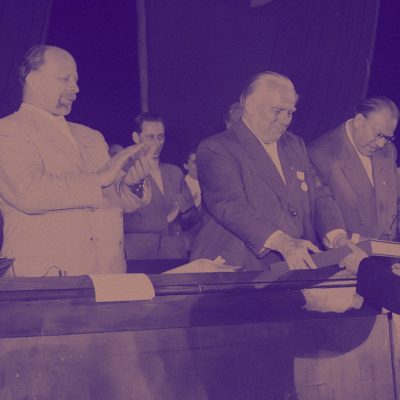
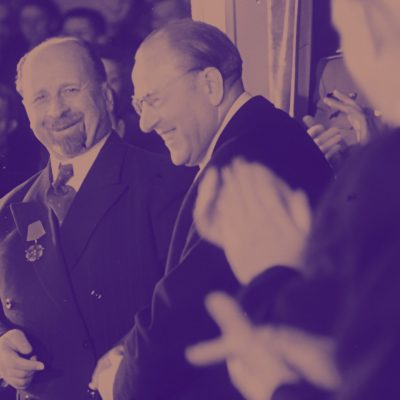
](https://www.deutschlandmuseum.de/wp-content/uploads/2025/04/21041946_SED_Gründung-1-400x400.jpg "Vereinigungsparteitag von KPD und SPD zur SED [digital koloriert](Quelle: Deutsche Fotothek, CC BY-SA 3.0 DE)")






![Alexander von Humboldt [Ausschnitt], Gemälde von Friedrich Georg Weitsch (Quelle: Alte Nationalgalerie)](https://www.deutschlandmuseum.de/wp-content/uploads/2025/09/14091769_Humboldt-400x400.jpg "Alexander von Humboldt [Ausschnitt], Gemälde von Friedrich Georg Weitsch (Quelle: Alte Nationalgalerie)")



![Albert Einstein im Patentamt Bern, 1905 [digital koloriert] (Quelle: ETH-Bibliothek Zürich)](https://www.deutschlandmuseum.de/wp-content/uploads/2025/09/26091905_Einstein_koloriert-400x400.jpg "Albert Einstein im Patentamt Bern, 1905 [digital koloriert] (Quelle: ETH-Bibliothek Zürich)")