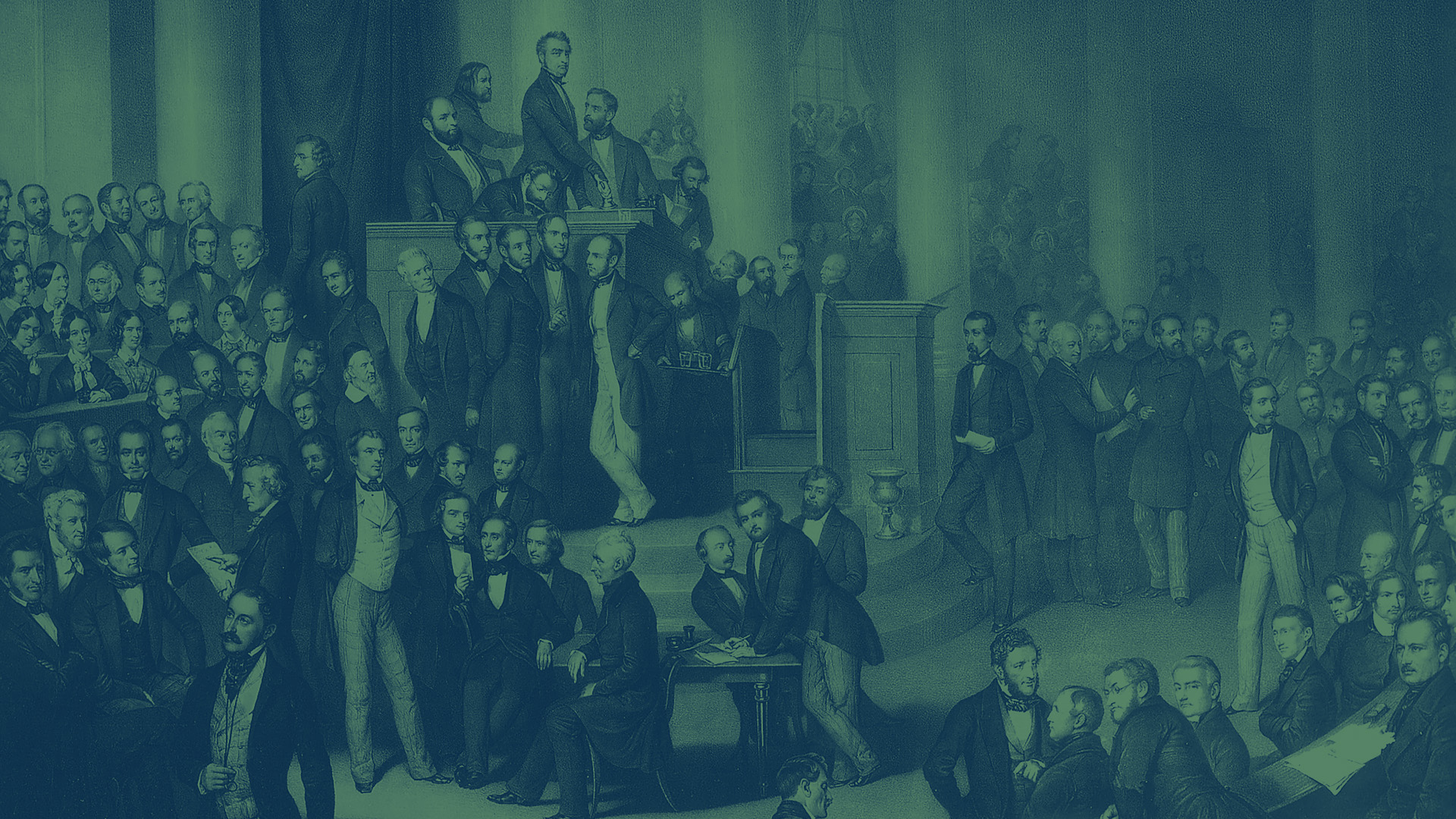

The Frankfurt National Assembly adopts the first democratic constitution in Germany
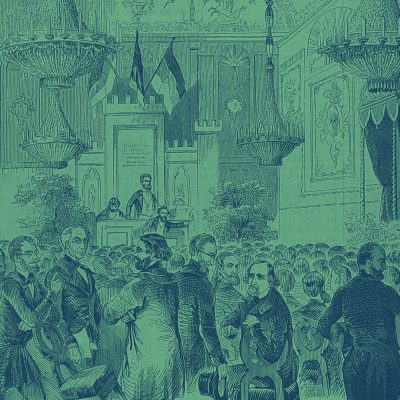
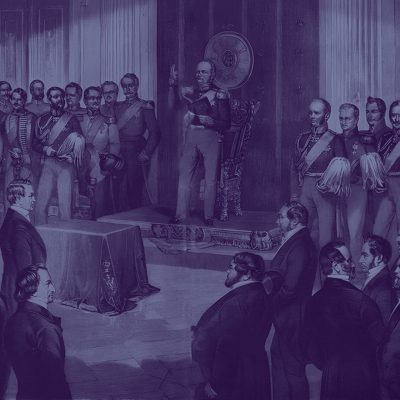
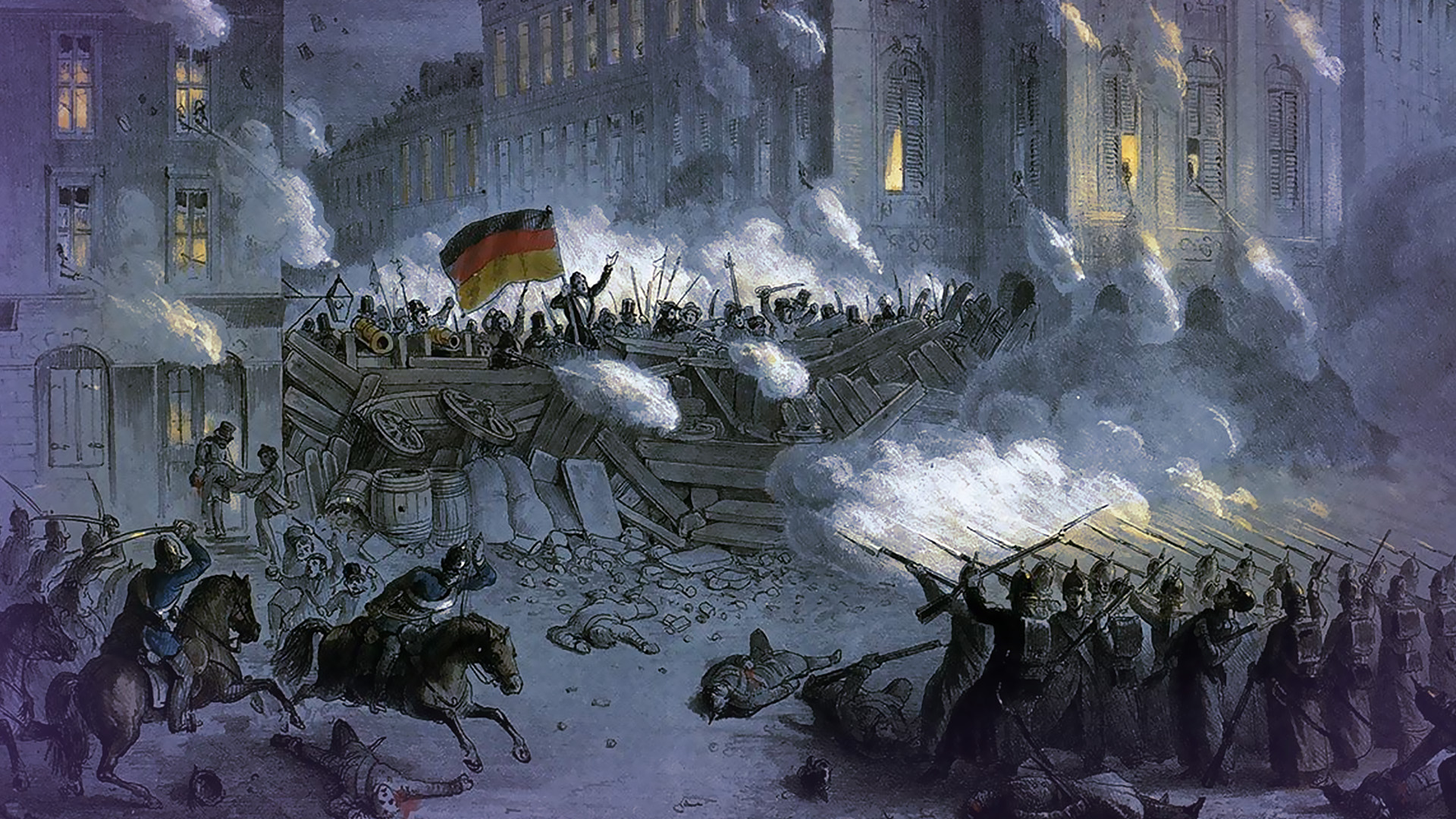
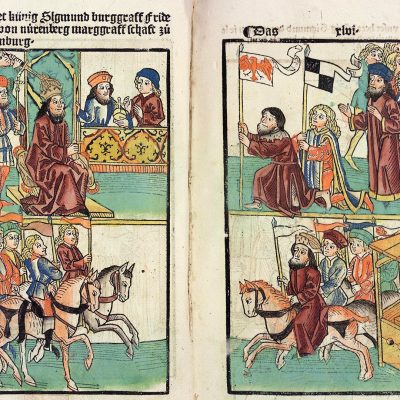
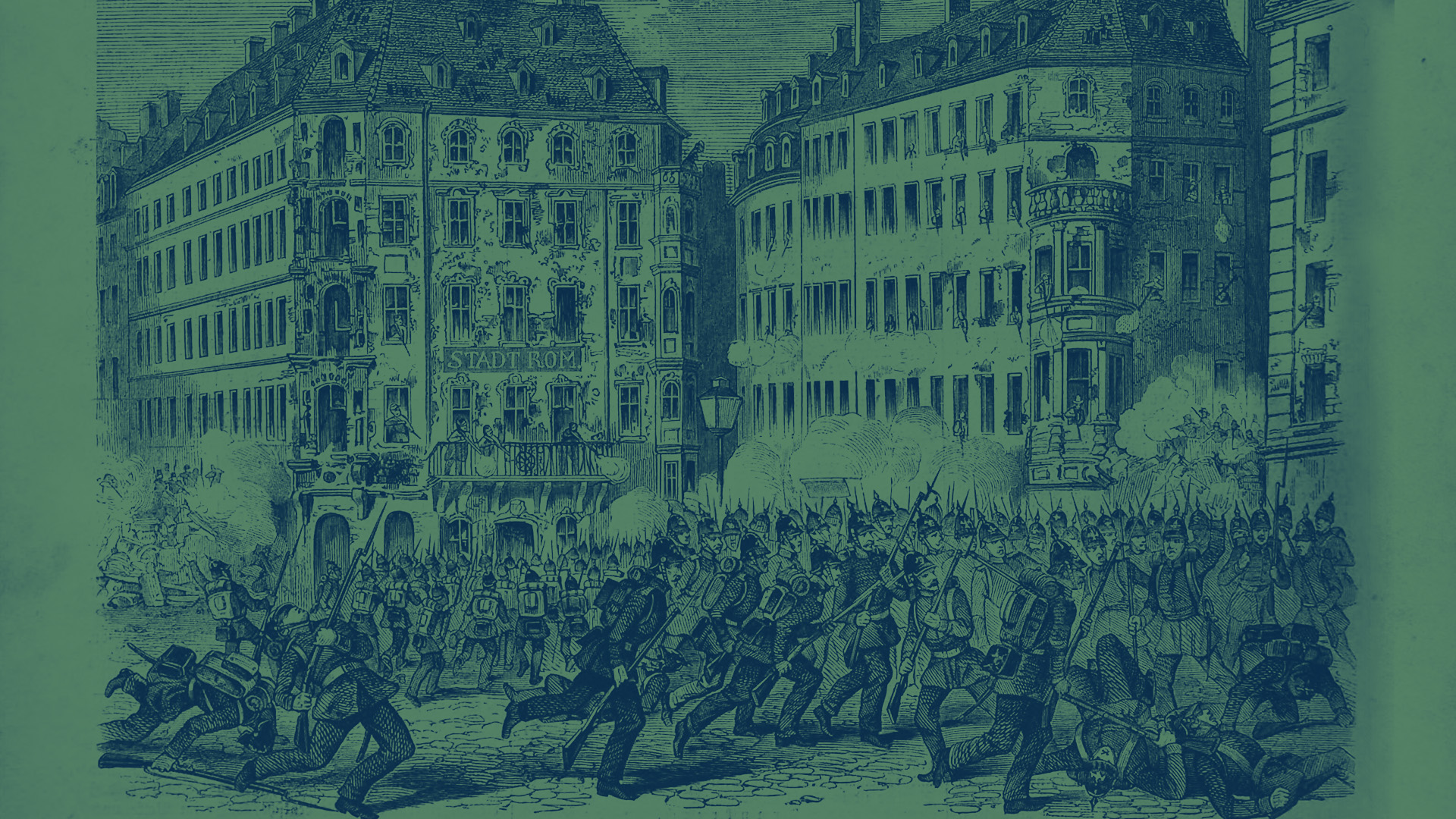
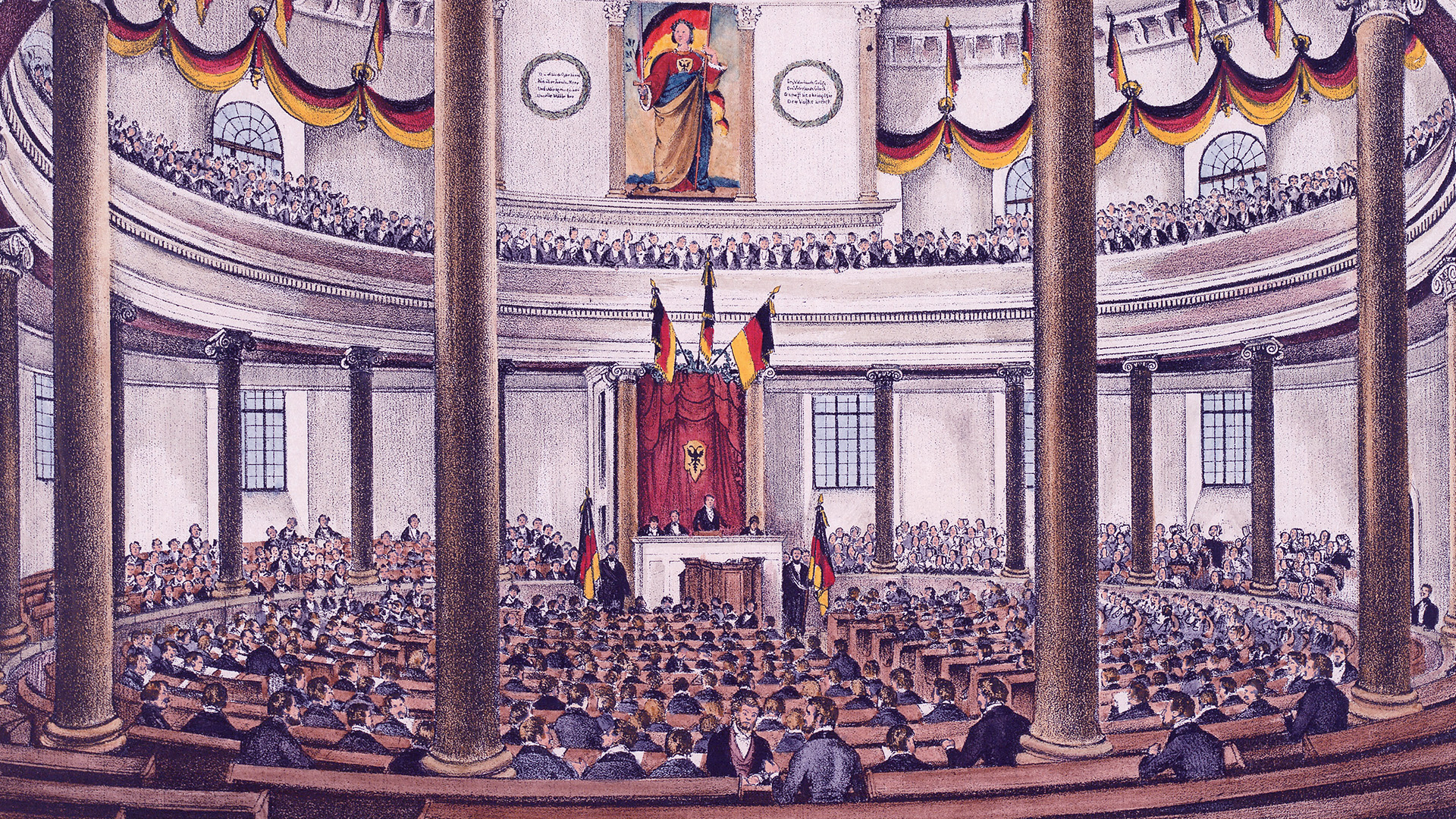
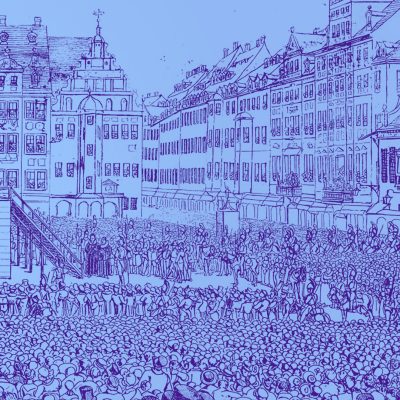
In the final phase of the revolution of 1848/49, the newly elected National Assembly convened in St Paul’s Church in Frankfurt and published a constitution for a united Germany on 27 March 1849. Providing for a constitutional monarchy presided over by a hereditary emperor, the constitution stipulated that the government was to be appointed by the ruler, whilst laws would be passed by parliament. The Reichstag was to be established as a bicameral body with a House of the People elected by universal suffrage and the House of States consisting of representatives from the individual states. The constitution also stipulated a catalogue of fundamental rights that were to be enforceable by an Imperial Court.
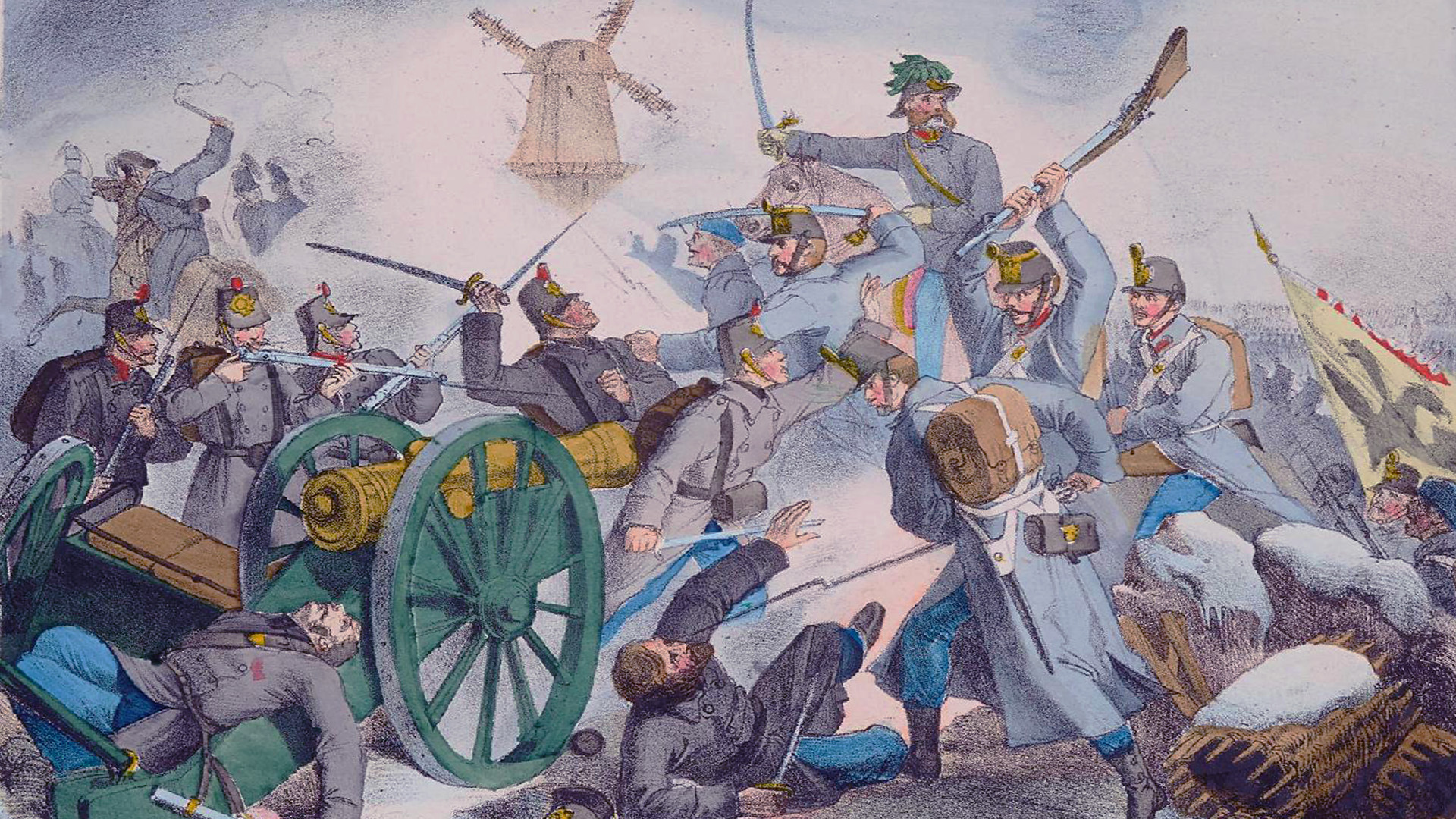
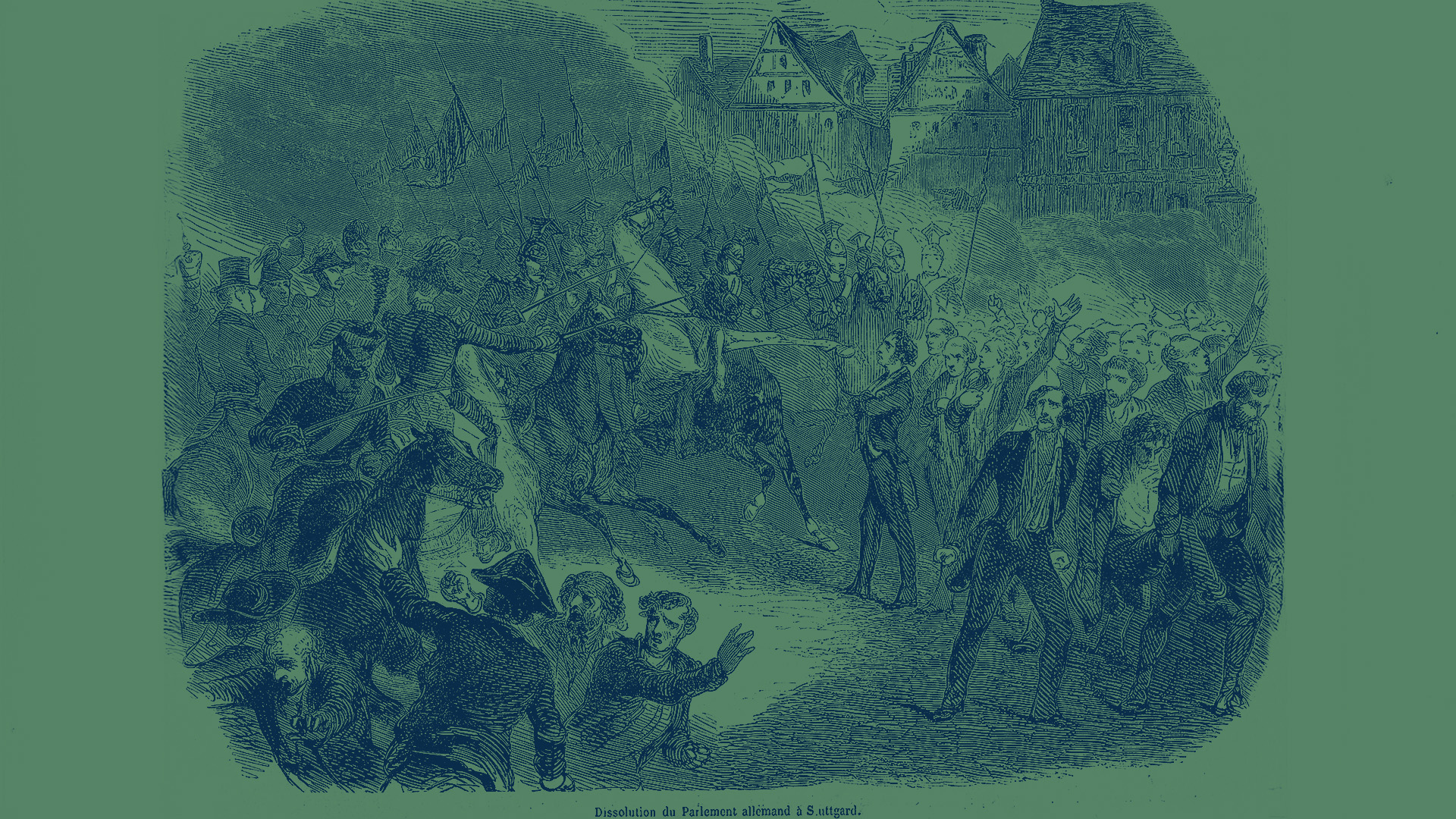
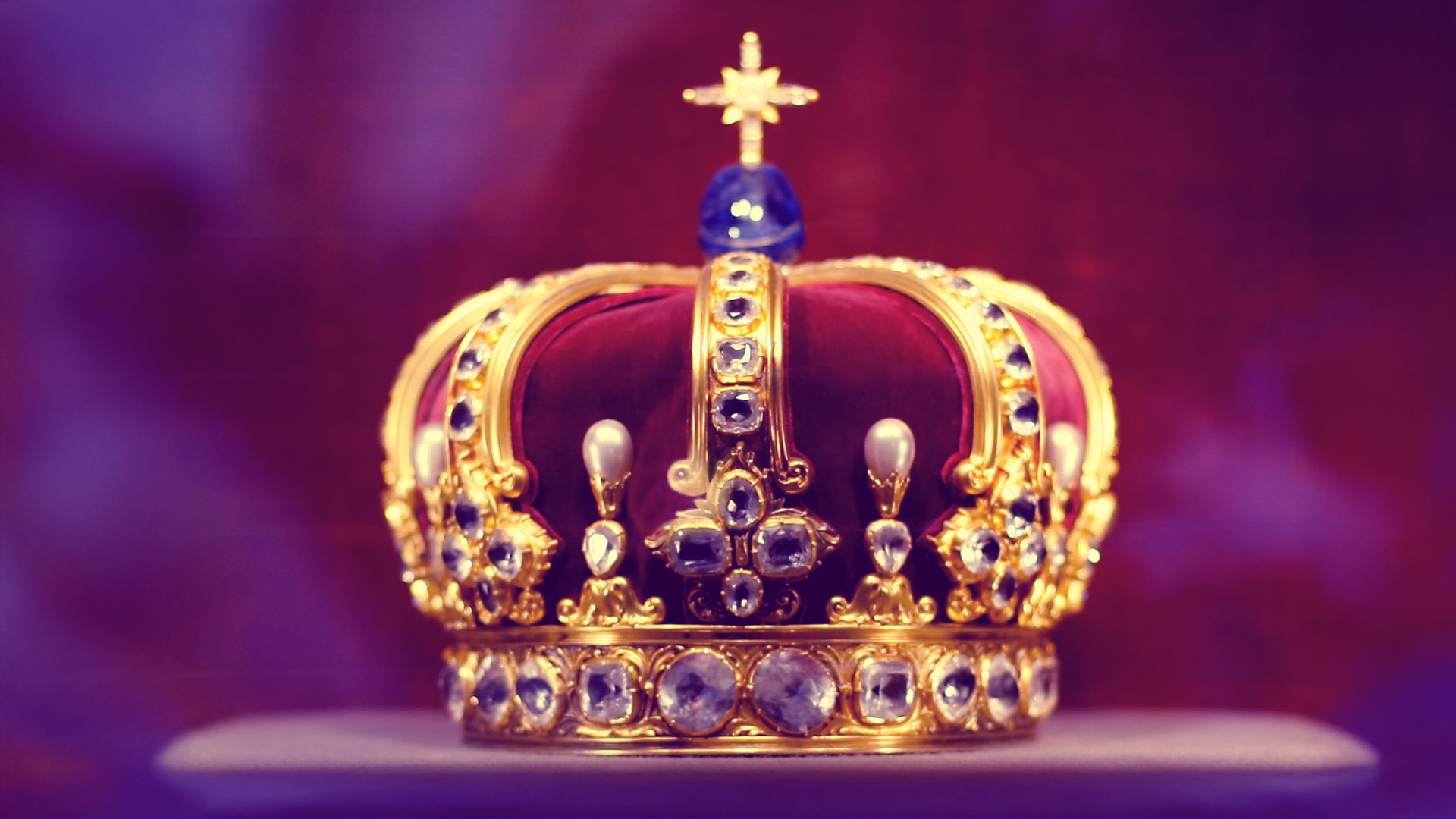
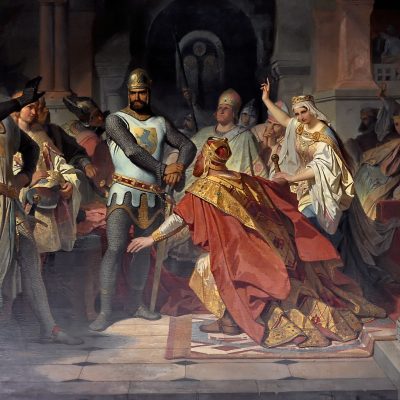
As the Austrian multi-ethnic state of the Habsburgs was not prepared to relinquish its non-German territories, the National Assembly decided to appoint the Prussian King as Emperor. Frederick William IV of Prussia , however, saw himself as a ruler by the grace of God and was disturbed by the “stink of revolution” emanating from the new setup. After consulting with his brother princes, he ordered his army to disperse the National Assembly and consign the new constitution to the history books.


The whole year at a glance















![Lithografie von Johann Nepomuk Heinemann [koloriert], nach Ölgemälde von Feodor Dietz (Foto: LABW, GLAK)](https://www.deutschlandmuseum.de/wp-content/uploads/2025/02/02031689_Zerstoerung_Heidelbergs-400x400.jpg "Lithografie von Johann Nepomuk Heinemann [koloriert], nach Ölgemälde von Feodor Dietz (Foto: LABW, GLAK)")













![Unter den Unterzeichnern sind die Nobelpreisträger Otto Hahn, Werner Heisenberg und Max Born [digital koloriert] (Quelle: Landesarchiv BW Staatsarchiv Freiburg, CC-BY-SA)](https://www.deutschlandmuseum.de/wp-content/uploads/2025/04/12041957_Göttinger_Erklärung-400x400.jpg "Unter den Unterzeichnern sind die Nobelpreisträger Otto Hahn, Werner Heisenberg und Max Born [digital koloriert] (Quelle: Landesarchiv BW Staatsarchiv Freiburg, CC-BY-SA)")





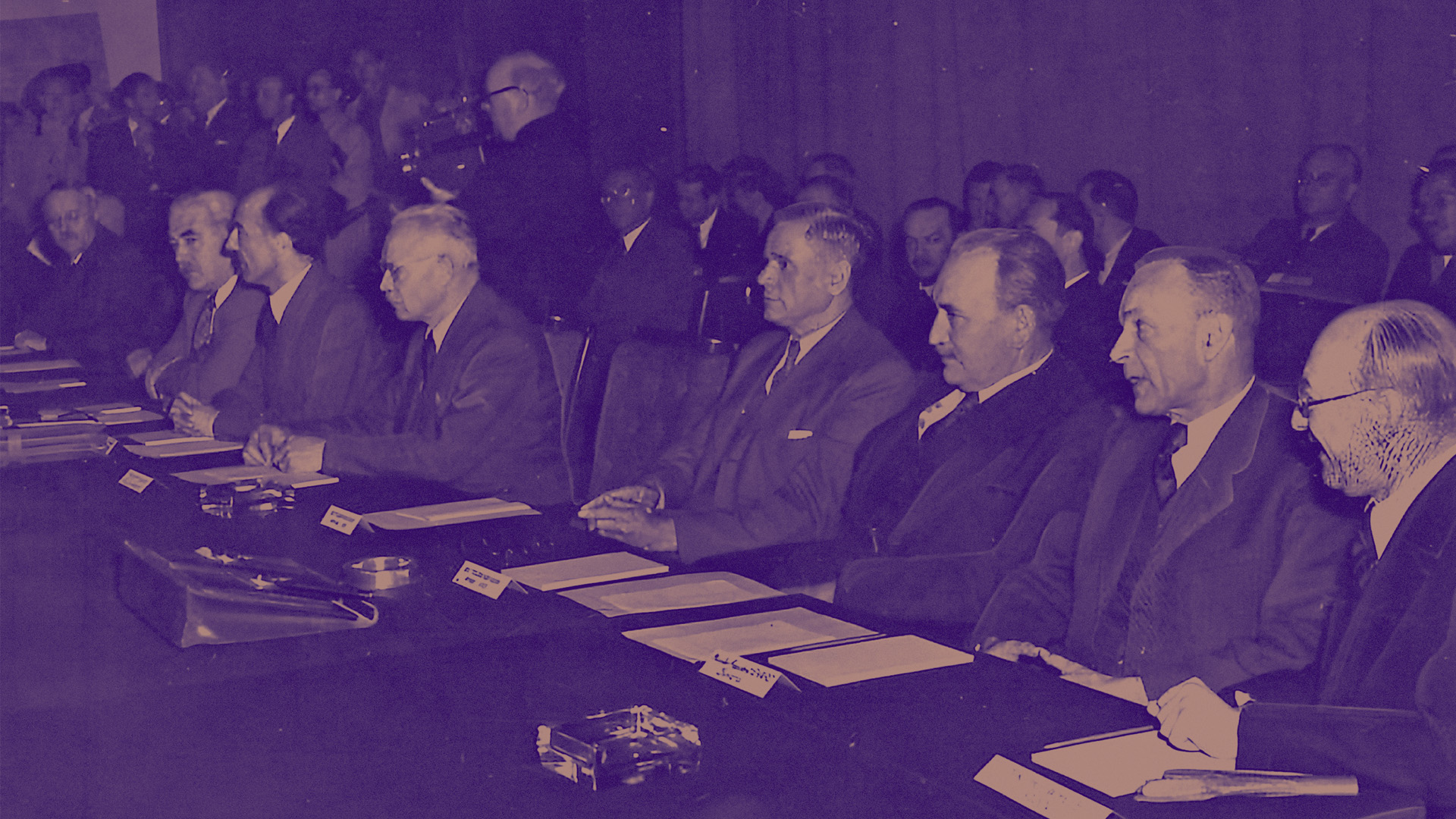
](https://www.deutschlandmuseum.de/wp-content/uploads/2025/04/21041946_SED_Gründung-1-400x400.jpg "Vereinigungsparteitag von KPD und SPD zur SED [digital koloriert](Quelle: Deutsche Fotothek, CC BY-SA 3.0 DE)")































![Alexander von Humboldt [Ausschnitt], Gemälde von Friedrich Georg Weitsch (Quelle: Alte Nationalgalerie)](https://www.deutschlandmuseum.de/wp-content/uploads/2025/09/14091769_Humboldt-400x400.jpg "Alexander von Humboldt [Ausschnitt], Gemälde von Friedrich Georg Weitsch (Quelle: Alte Nationalgalerie)")



![Albert Einstein im Patentamt Bern, 1905 [digital koloriert] (Quelle: ETH-Bibliothek Zürich)](https://www.deutschlandmuseum.de/wp-content/uploads/2025/09/26091905_Einstein_koloriert-400x400.jpg "Albert Einstein im Patentamt Bern, 1905 [digital koloriert] (Quelle: ETH-Bibliothek Zürich)")