
Imperial Germany adopts a single currency
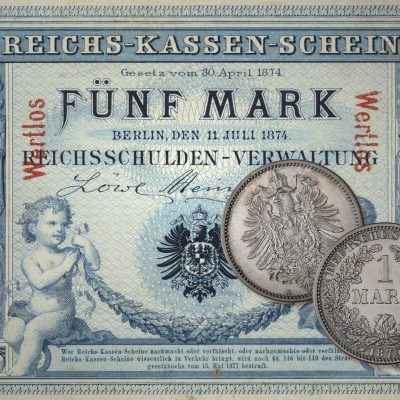
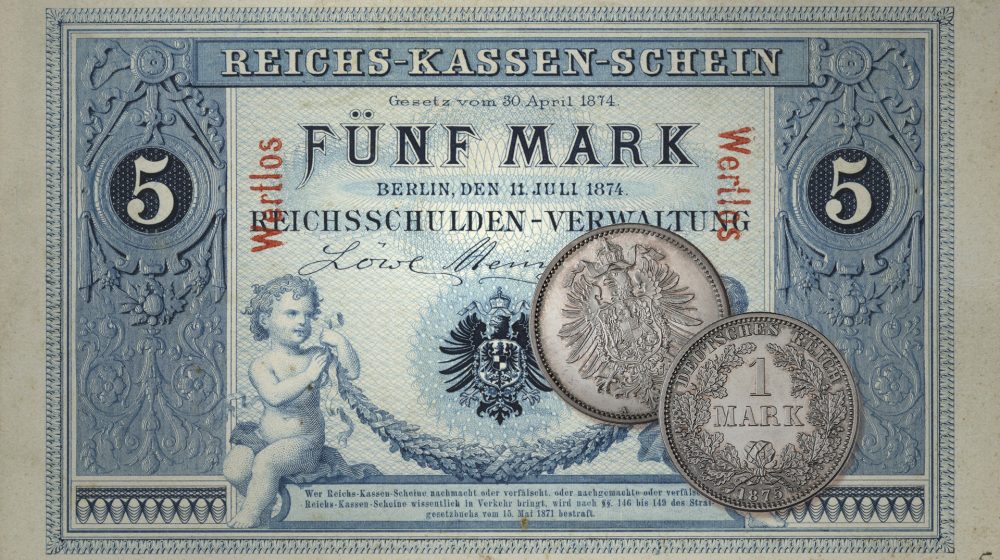
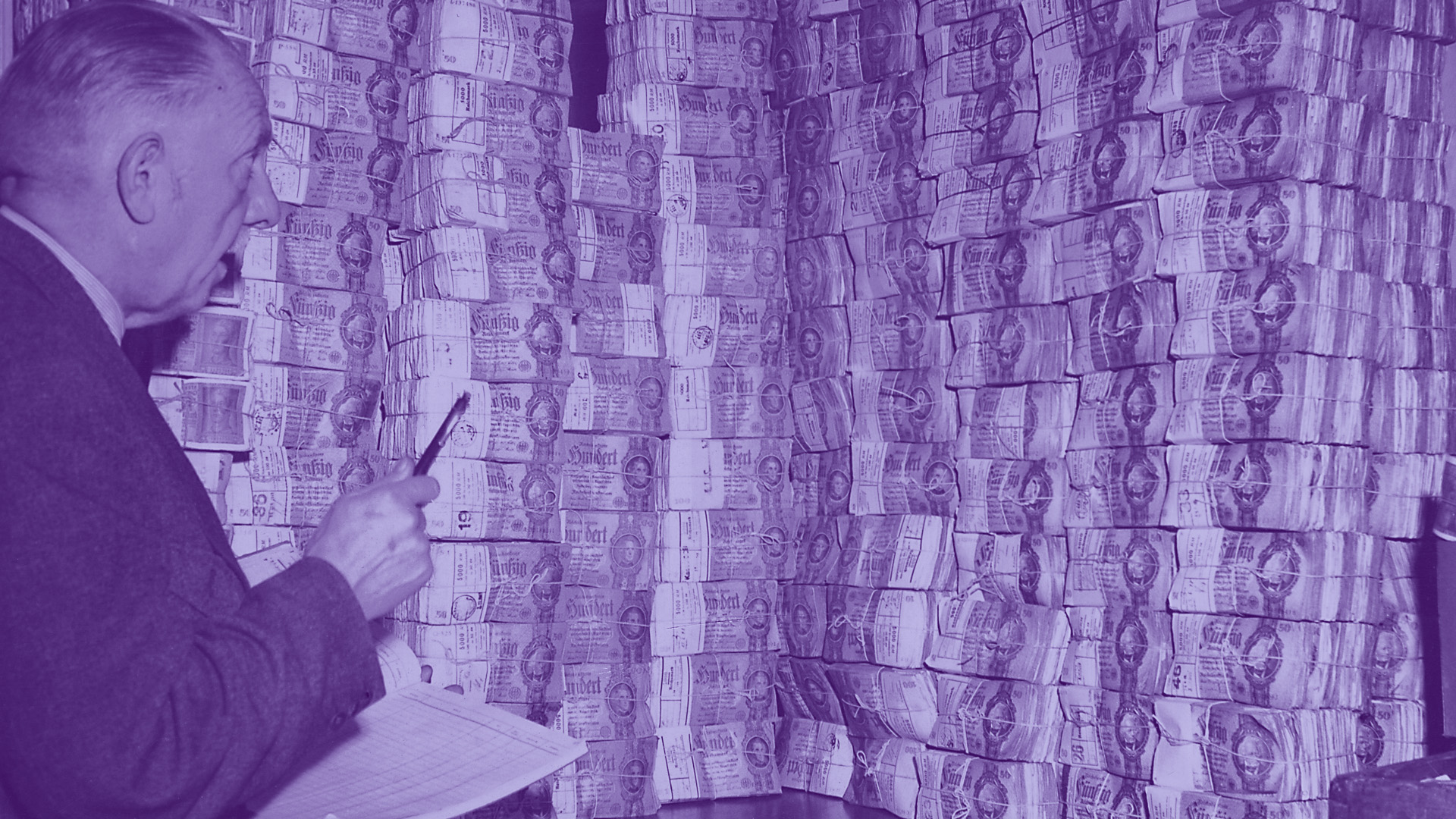
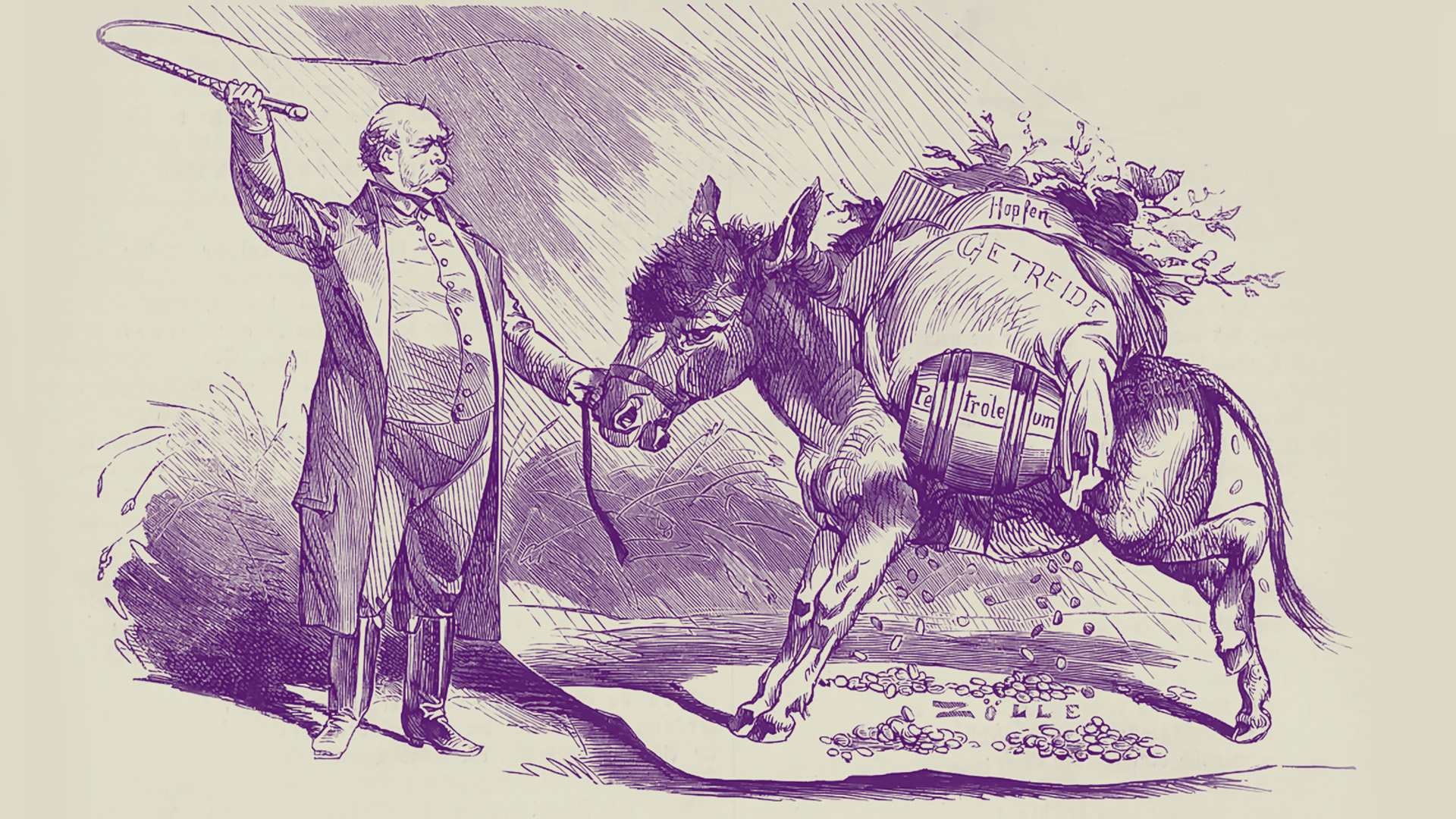
The various states of the German Confederation all had different currencies, and people could pay in thalers and guilders, which had different values in different countries. Small transactions involving pfennigs, kreuzers, groschen and hellers could also be confusing because they all had different values depending on the state in which the purchase was made. There were repeated attempts to standardize the currency, but nothing ever came of them. Realizing that the new German state formed in 1871 required a single “gold-backed” currency that would maintain the same value, measured in gold whether in Freiburg, Frankfurt or Danzig. The only decision left to be made was what to call this new currency. The mark was a traditional Germanic unit of weight and was later adopted as the name for the currency of the Hanseatic League, a network of cities spread across northern Germany and Europe in the High Middle Ages. On 4 December 1871, the Imperial Coinage Act established the Reichsmark, divided into one hundred pfennigs, as the sole unit of currency with which people could buy their weekly beer, sausages and the occasional Pickelhaube.
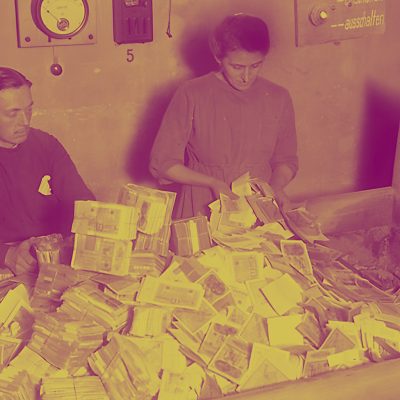
This did not put an end to the currency confusion, as earlier coins, some of which were a hundred years old, continued to be valid for a transitional period. During the hyperinflation of the early Weimar Republic, the purchasing power of the paper Reichsbank notes issued during the First World War declined, prompting customers to hark back to the previous “gold mark” era before the advent of the “paper mark”. The Reichsmark – stabilized at the end of 1923 – remained in circulation until after the Second World War when it depreciated in value. A currency reform in 1948 established the Deutsche Mark (DM) as the only legal tender in the three western zones of occupation, which was soon followed by the East German Deutsche Mark. This was later replaced by the DDR Mark. Following reunification in 1990, the DM became the only valid currency in Germany, but it was itself supplanted by the euro in 2002.
The whole year at a glance










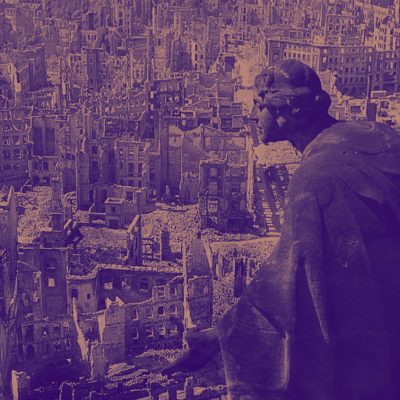
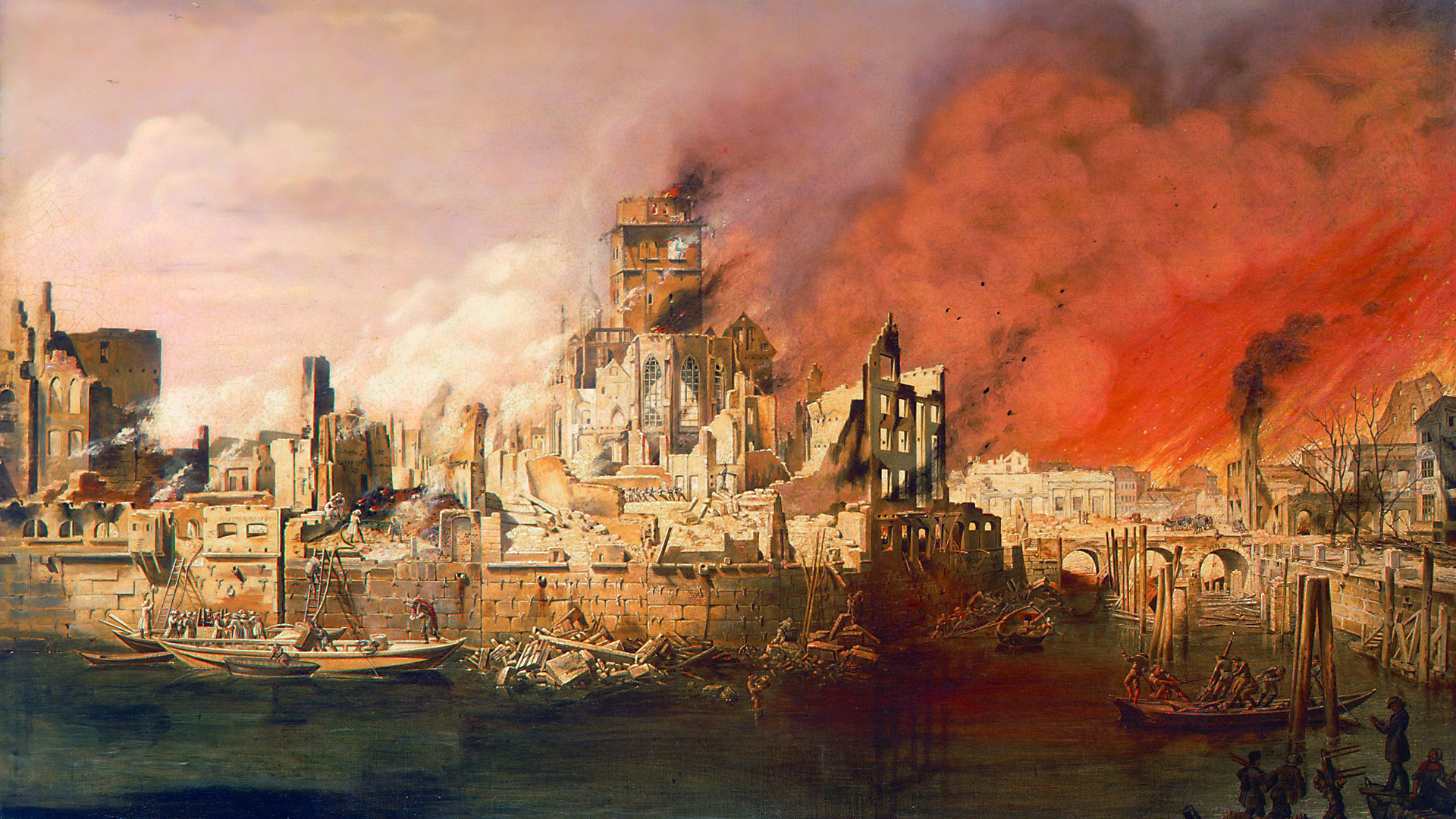
![Lithografie von Johann Nepomuk Heinemann [koloriert], nach Ölgemälde von Feodor Dietz (Foto: LABW, GLAK)](https://www.deutschlandmuseum.de/wp-content/uploads/2025/02/02031689_Zerstoerung_Heidelbergs-400x400.jpg "Lithografie von Johann Nepomuk Heinemann [koloriert], nach Ölgemälde von Feodor Dietz (Foto: LABW, GLAK)")




![Unter den Unterzeichnern sind die Nobelpreisträger Otto Hahn, Werner Heisenberg und Max Born [digital koloriert] (Quelle: Landesarchiv BW Staatsarchiv Freiburg, CC-BY-SA)](https://www.deutschlandmuseum.de/wp-content/uploads/2025/04/12041957_Göttinger_Erklärung-400x400.jpg "Unter den Unterzeichnern sind die Nobelpreisträger Otto Hahn, Werner Heisenberg und Max Born [digital koloriert] (Quelle: Landesarchiv BW Staatsarchiv Freiburg, CC-BY-SA)")





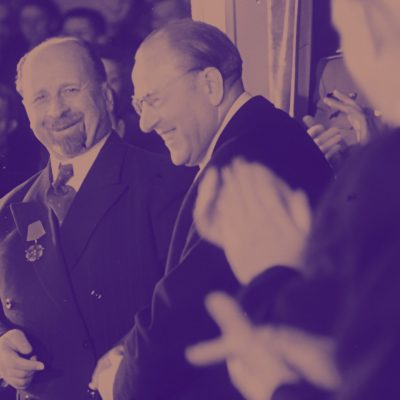
](https://www.deutschlandmuseum.de/wp-content/uploads/2025/04/21041946_SED_Gründung-1-400x400.jpg "Vereinigungsparteitag von KPD und SPD zur SED [digital koloriert](Quelle: Deutsche Fotothek, CC BY-SA 3.0 DE)")













![Alexander von Humboldt [Ausschnitt], Gemälde von Friedrich Georg Weitsch (Quelle: Alte Nationalgalerie)](https://www.deutschlandmuseum.de/wp-content/uploads/2025/09/14091769_Humboldt-400x400.jpg "Alexander von Humboldt [Ausschnitt], Gemälde von Friedrich Georg Weitsch (Quelle: Alte Nationalgalerie)")


![Albert Einstein im Patentamt Bern, 1905 [digital koloriert] (Quelle: ETH-Bibliothek Zürich)](https://www.deutschlandmuseum.de/wp-content/uploads/2025/09/26091905_Einstein_koloriert-400x400.jpg "Albert Einstein im Patentamt Bern, 1905 [digital koloriert] (Quelle: ETH-Bibliothek Zürich)")