
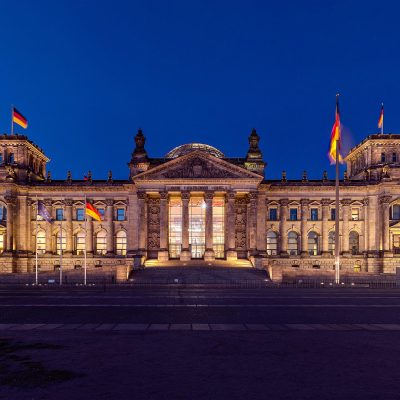
The Reichstag passes the Old Age and Invalidity Insurance Act
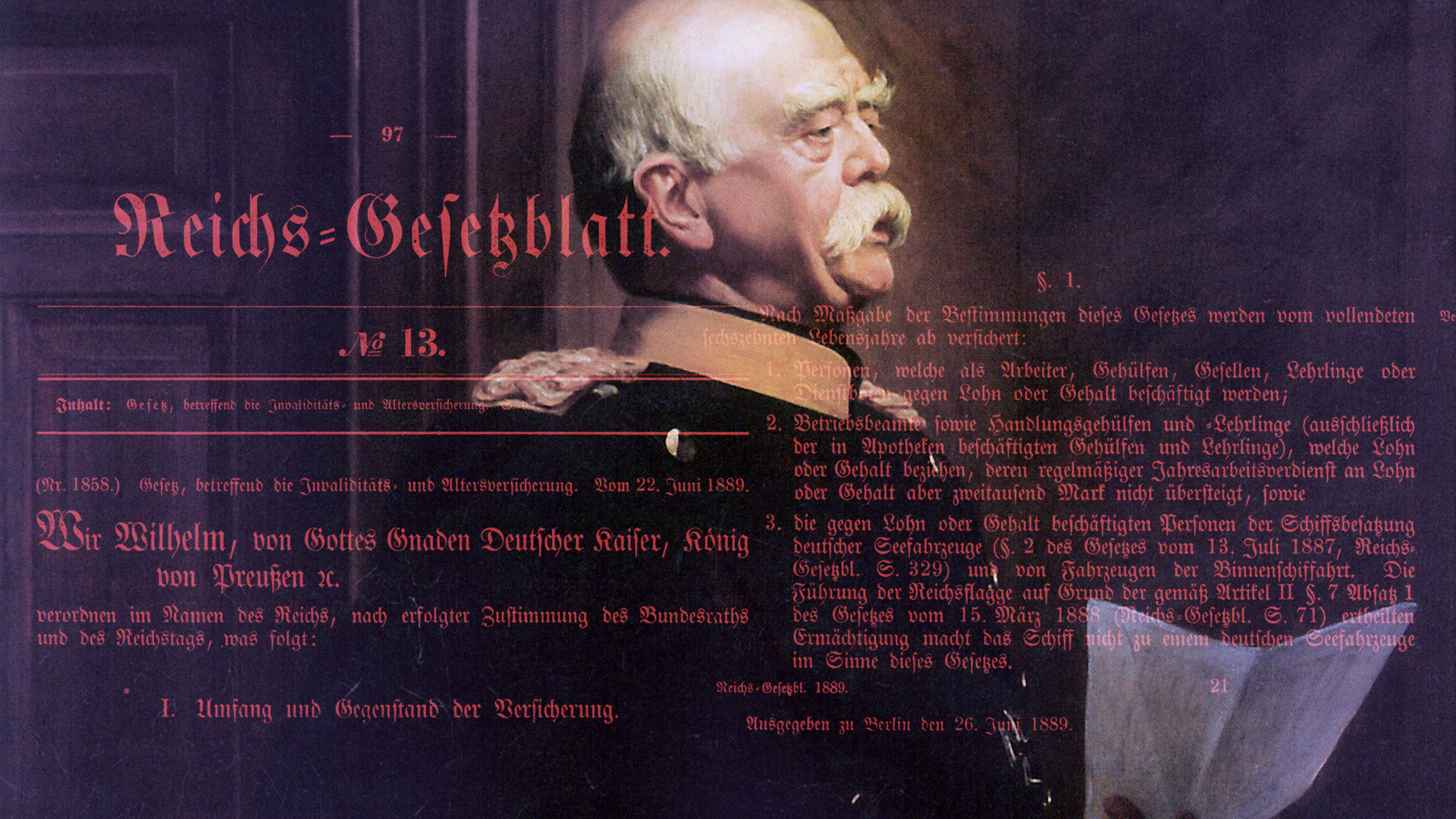
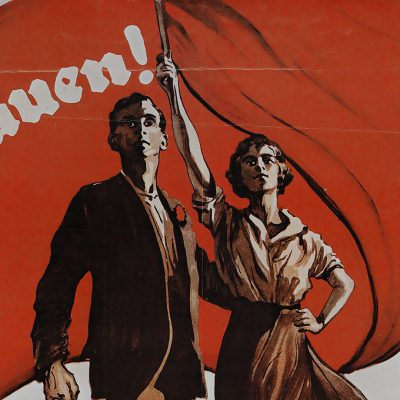
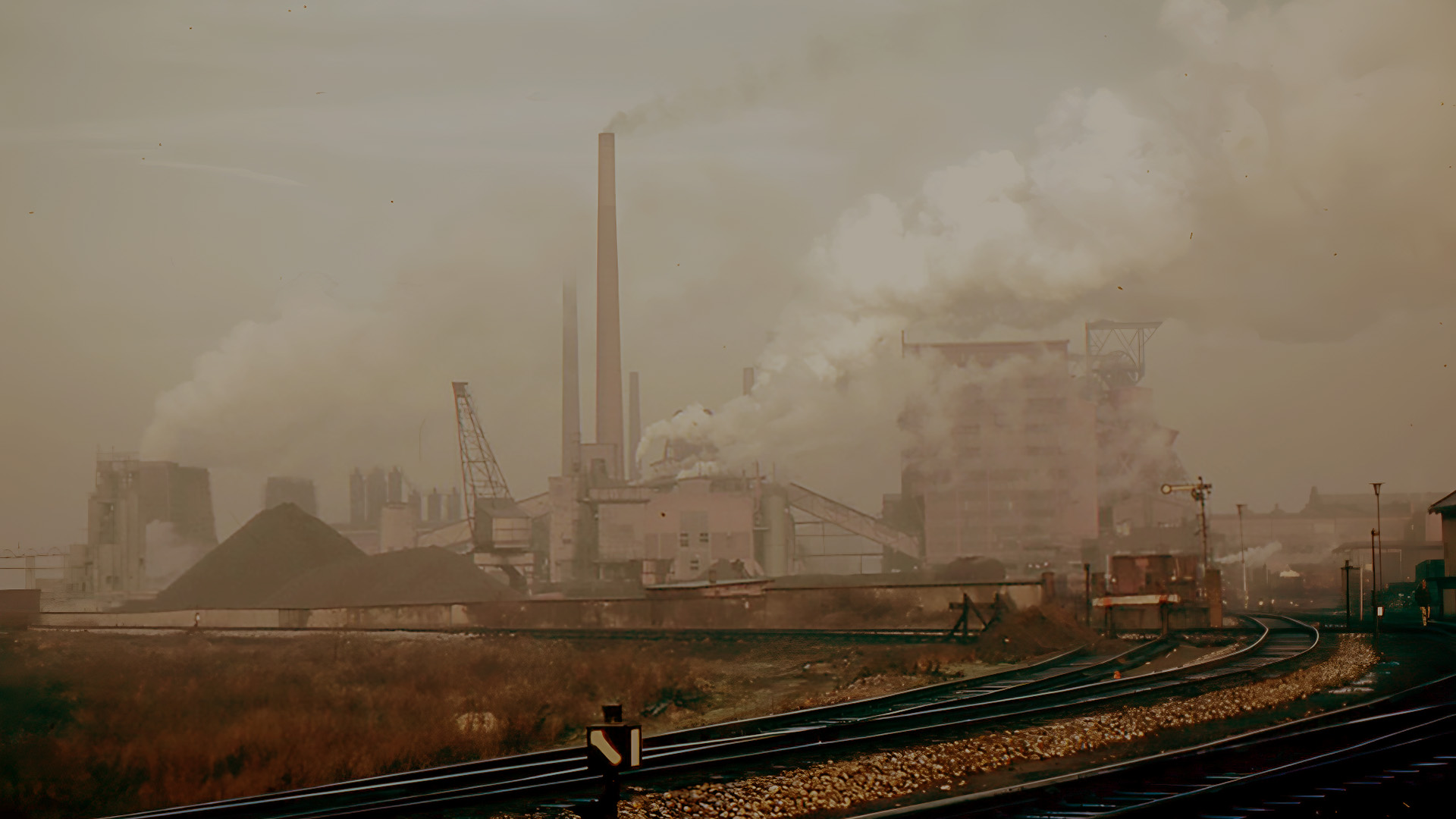
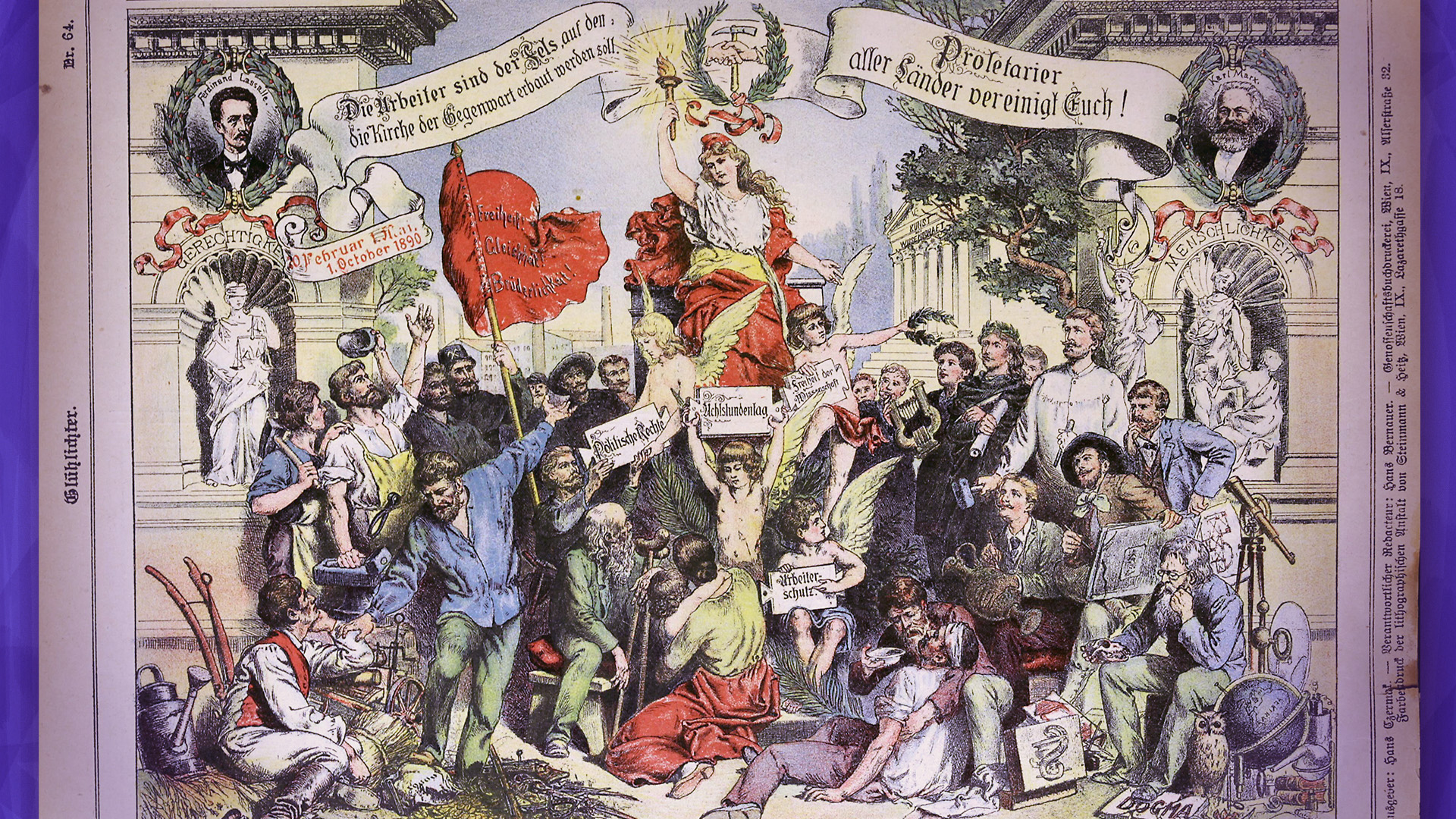
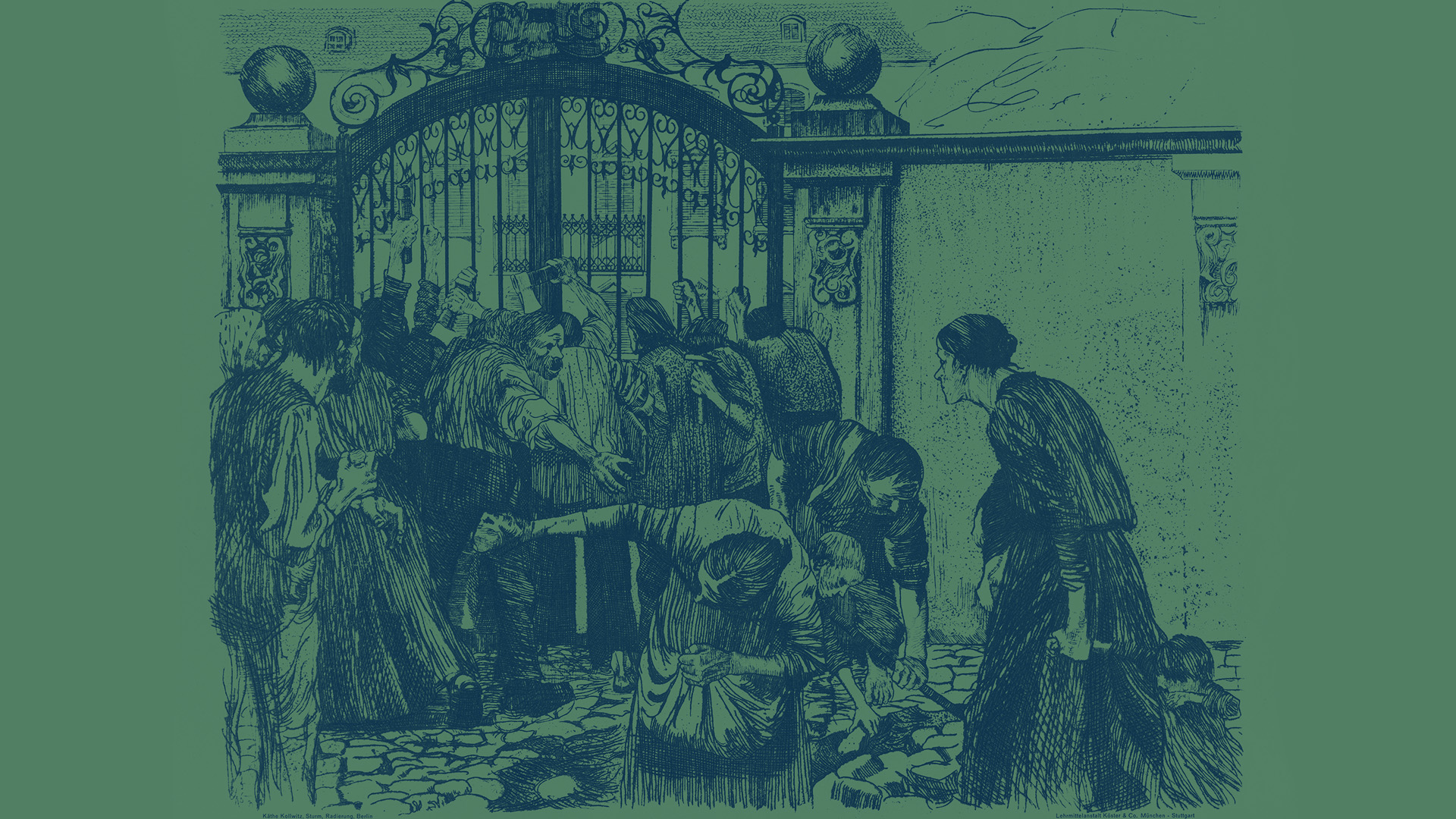
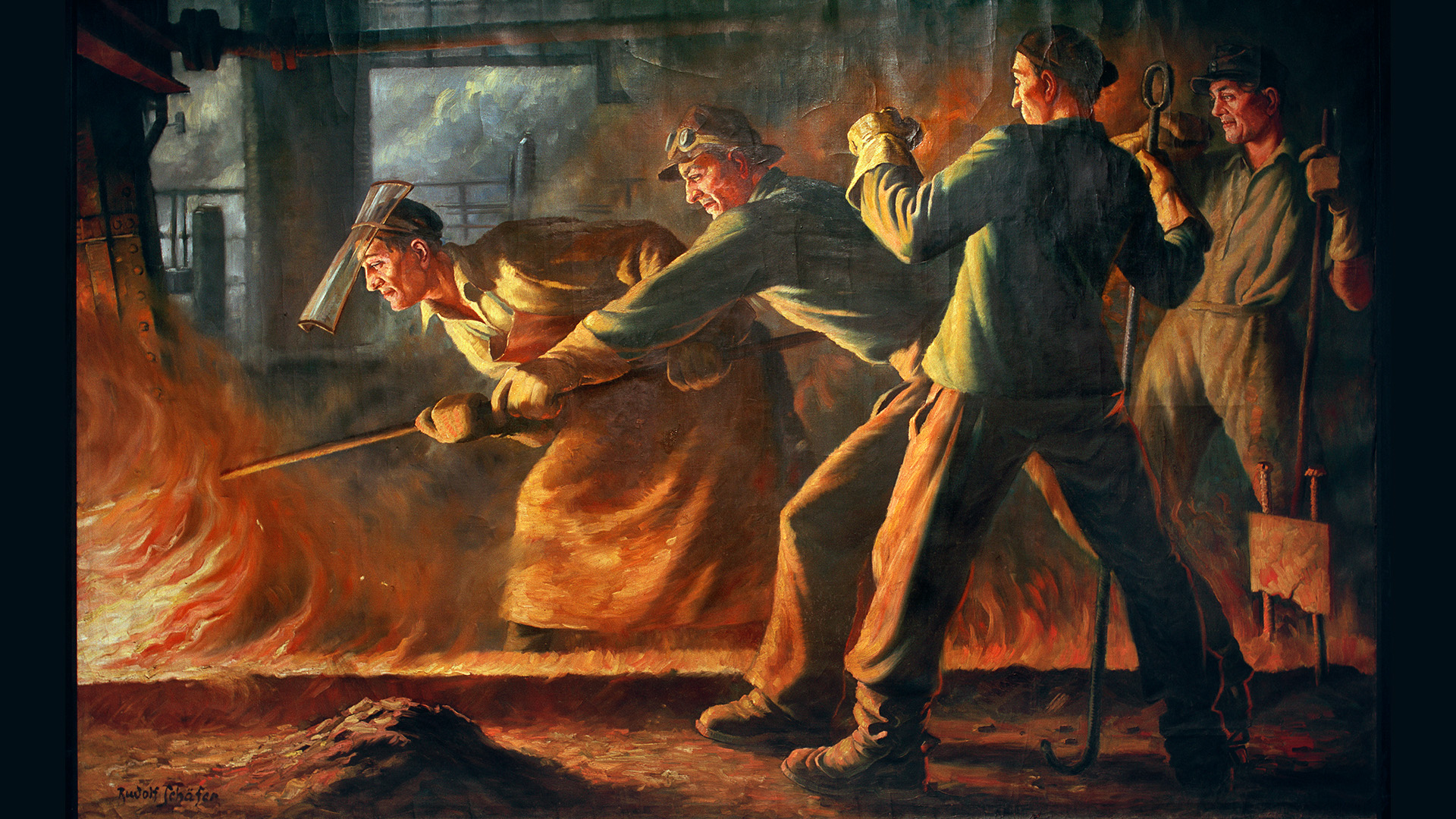
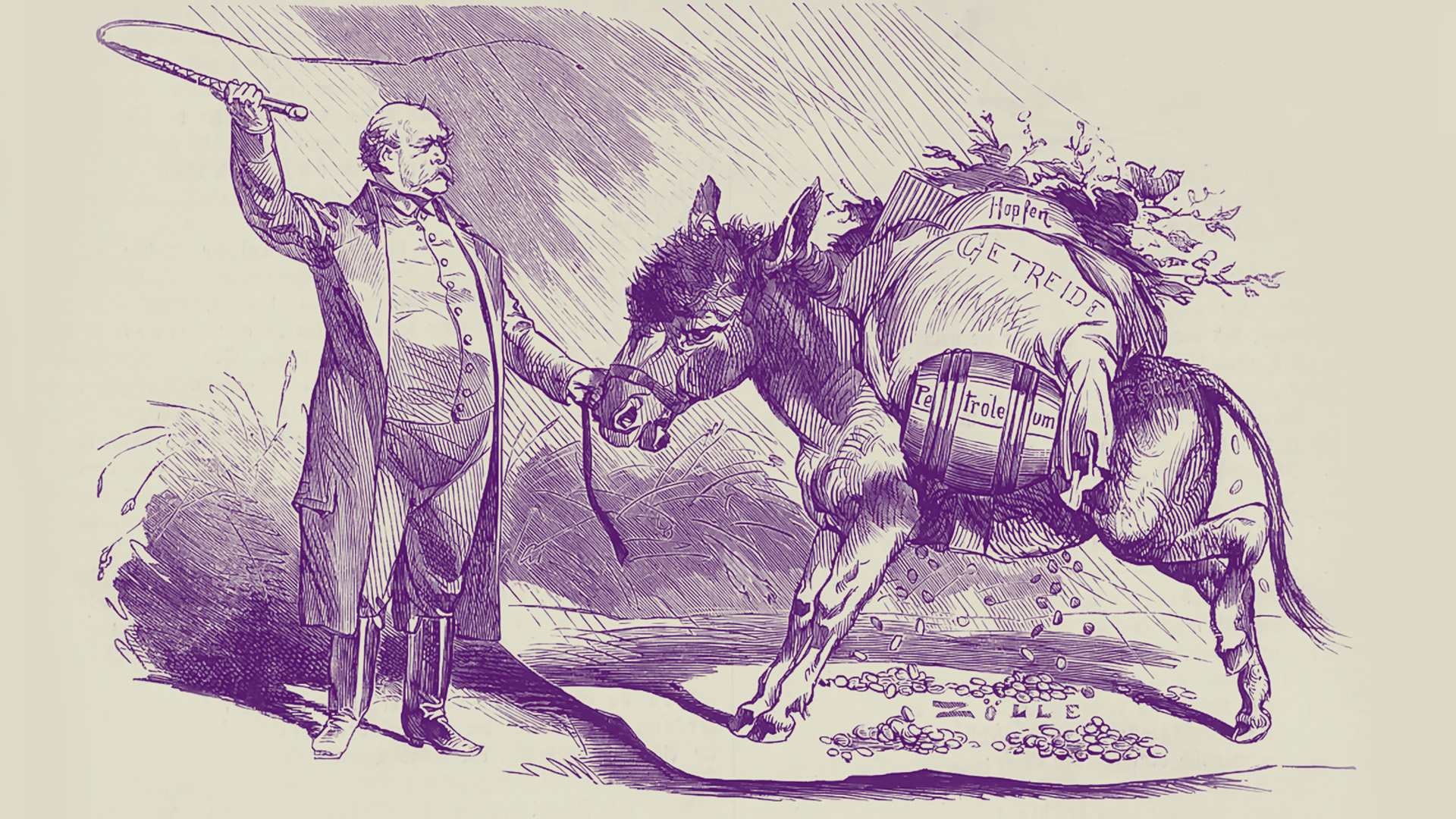
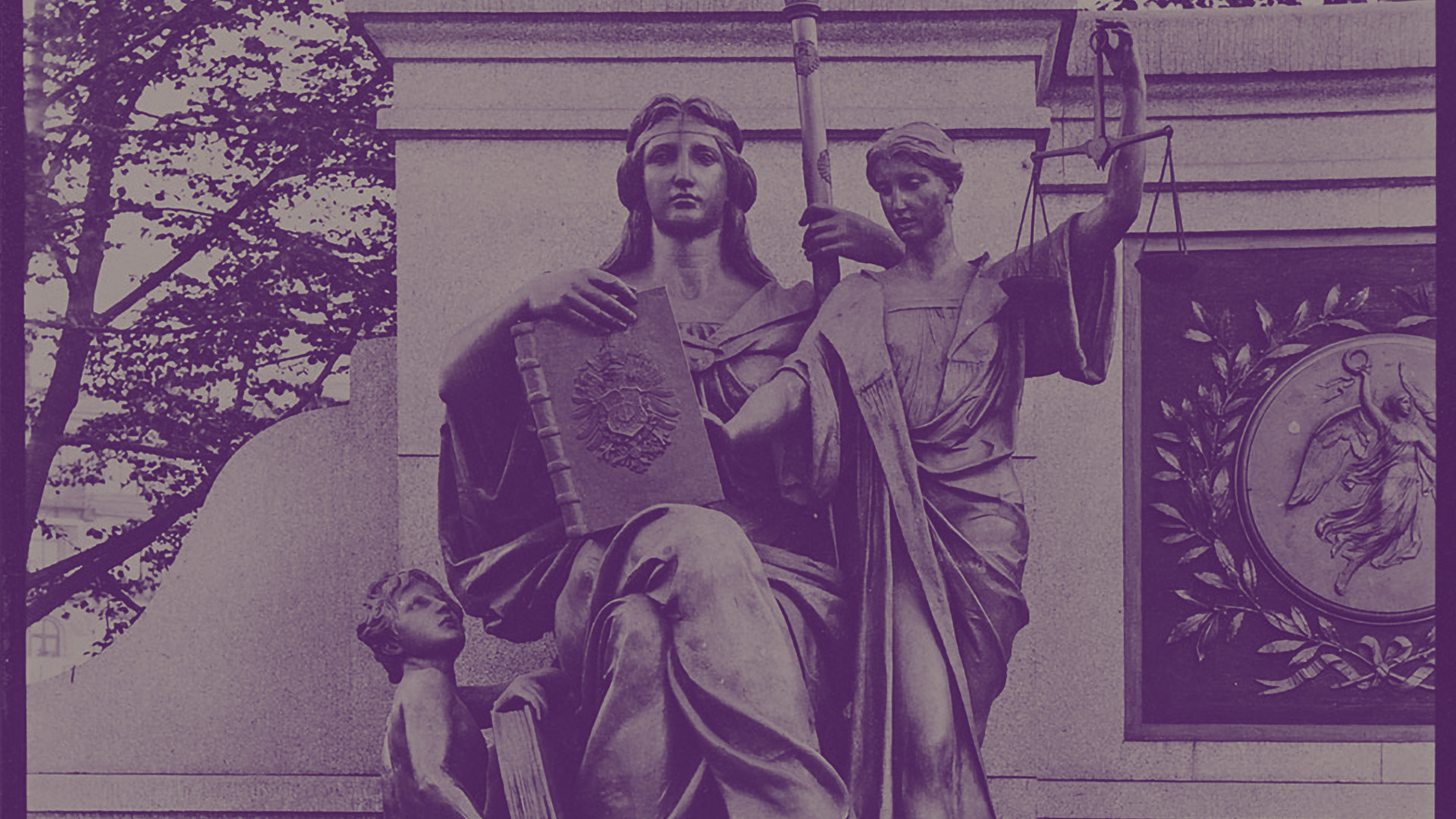
The industrialization of Germany from the 1830s caused not only a rapid increase in the size of the industrial working class but also widespread social misery. Seeking to combat the growth of the militant labour movement after German unification, Chancellor Bismarck saw that in addition to the stick of repressive legislation, he would also have to take action to ease social suffering and thereby integrate the working classes into the social and political fabric of the new nation. To this end, he dangled the carrot of social legislation before the eyes of the discontented masses.
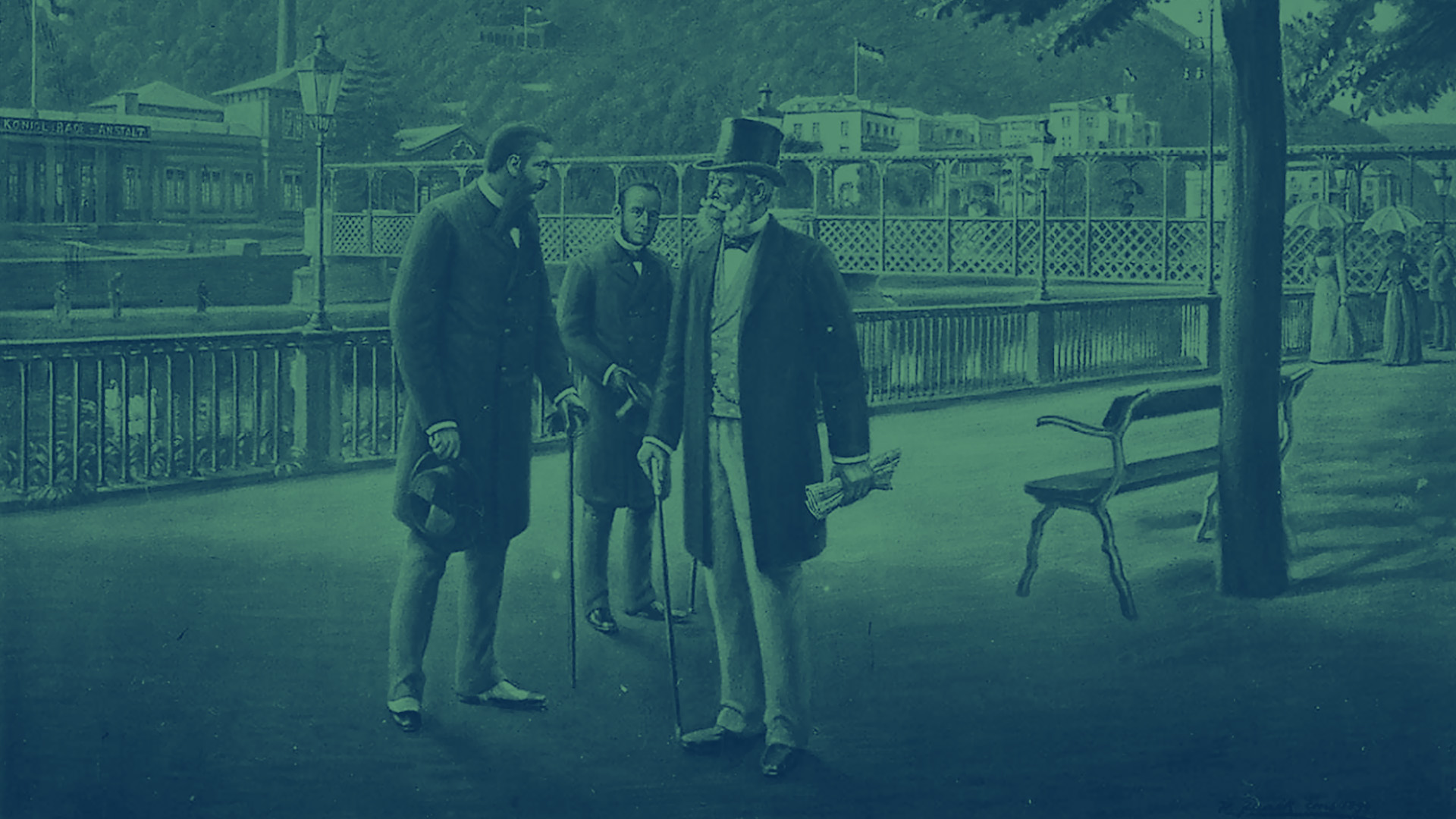
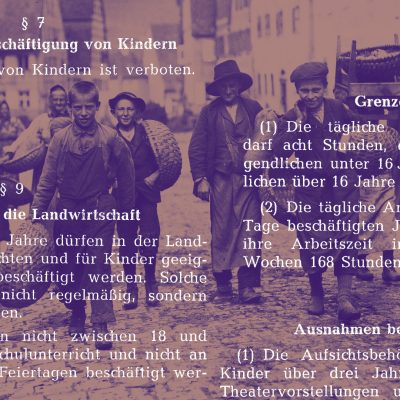
24 May 1889 saw the Reichstag pass laws regulating invalidity and old-age insurance. These acts contained provisions for the payment of a disability pension to those incapacitated by industrial accidents, and an old-age pension from the age of 70. This may have sounded generous, but as average life expectancy stretched only as far as 40, few people lived long enough to collect it. Coming into force in 1891, the insurance schemes compelled employees, employers and the state to split the costs of the contributions – amounting to 1.7% of wages – equally. Workers hoping to qualify for a pension were required to work a standard 60-hour week for 30 years.


The whole year at a glance






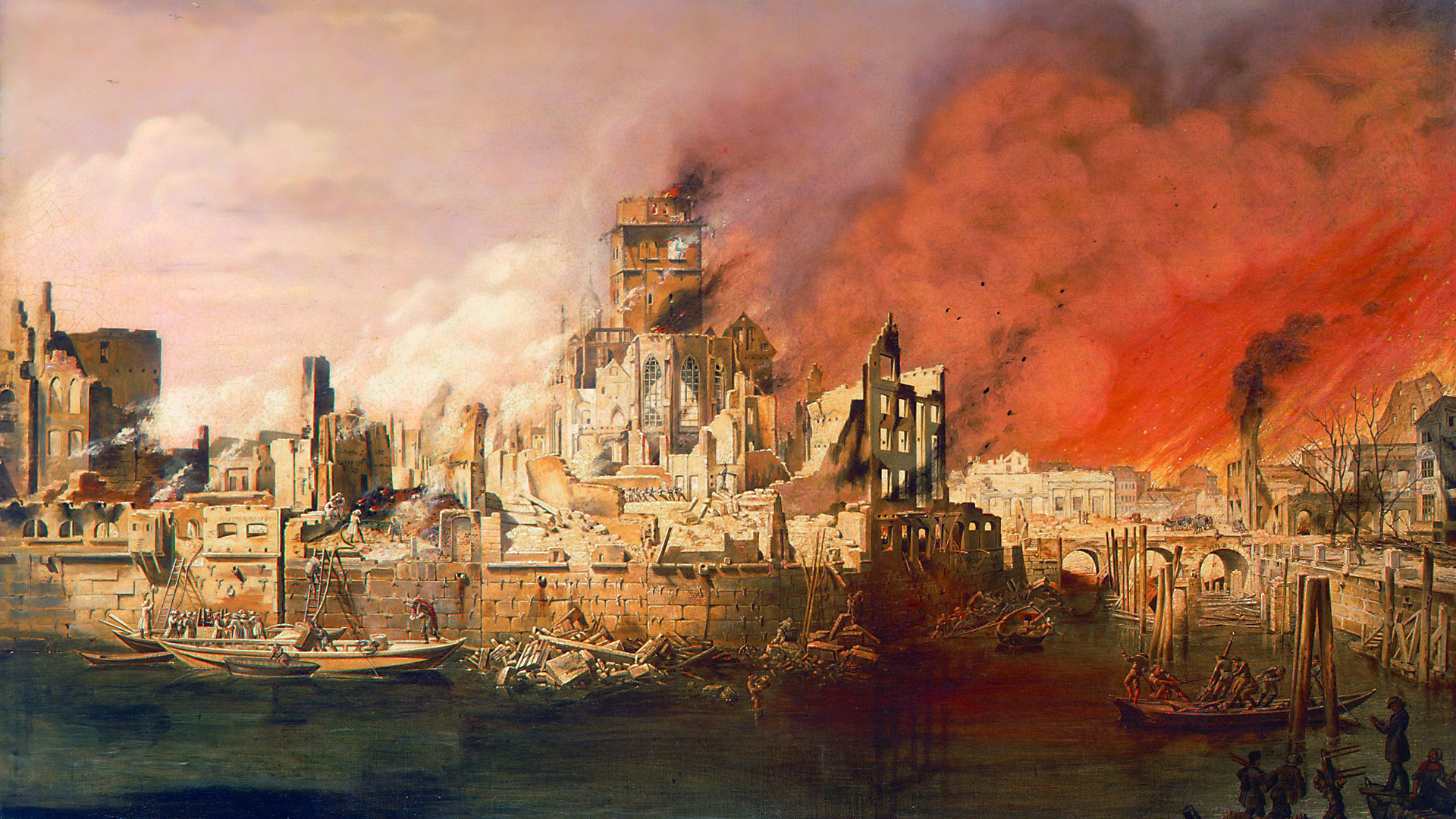
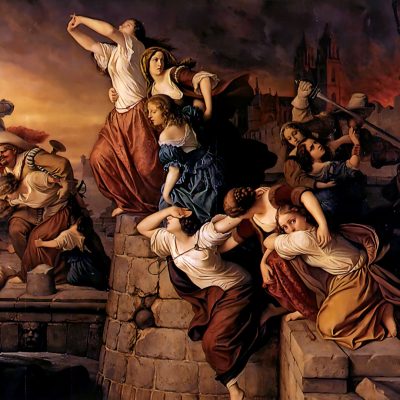
![Lithografie von Johann Nepomuk Heinemann [koloriert], nach Ölgemälde von Feodor Dietz (Foto: LABW, GLAK)](https://www.deutschlandmuseum.de/wp-content/uploads/2025/02/02031689_Zerstoerung_Heidelbergs-400x400.jpg "Lithografie von Johann Nepomuk Heinemann [koloriert], nach Ölgemälde von Feodor Dietz (Foto: LABW, GLAK)")





![Unter den Unterzeichnern sind die Nobelpreisträger Otto Hahn, Werner Heisenberg und Max Born [digital koloriert] (Quelle: Landesarchiv BW Staatsarchiv Freiburg, CC-BY-SA)](https://www.deutschlandmuseum.de/wp-content/uploads/2025/04/12041957_Göttinger_Erklärung-400x400.jpg "Unter den Unterzeichnern sind die Nobelpreisträger Otto Hahn, Werner Heisenberg und Max Born [digital koloriert] (Quelle: Landesarchiv BW Staatsarchiv Freiburg, CC-BY-SA)")




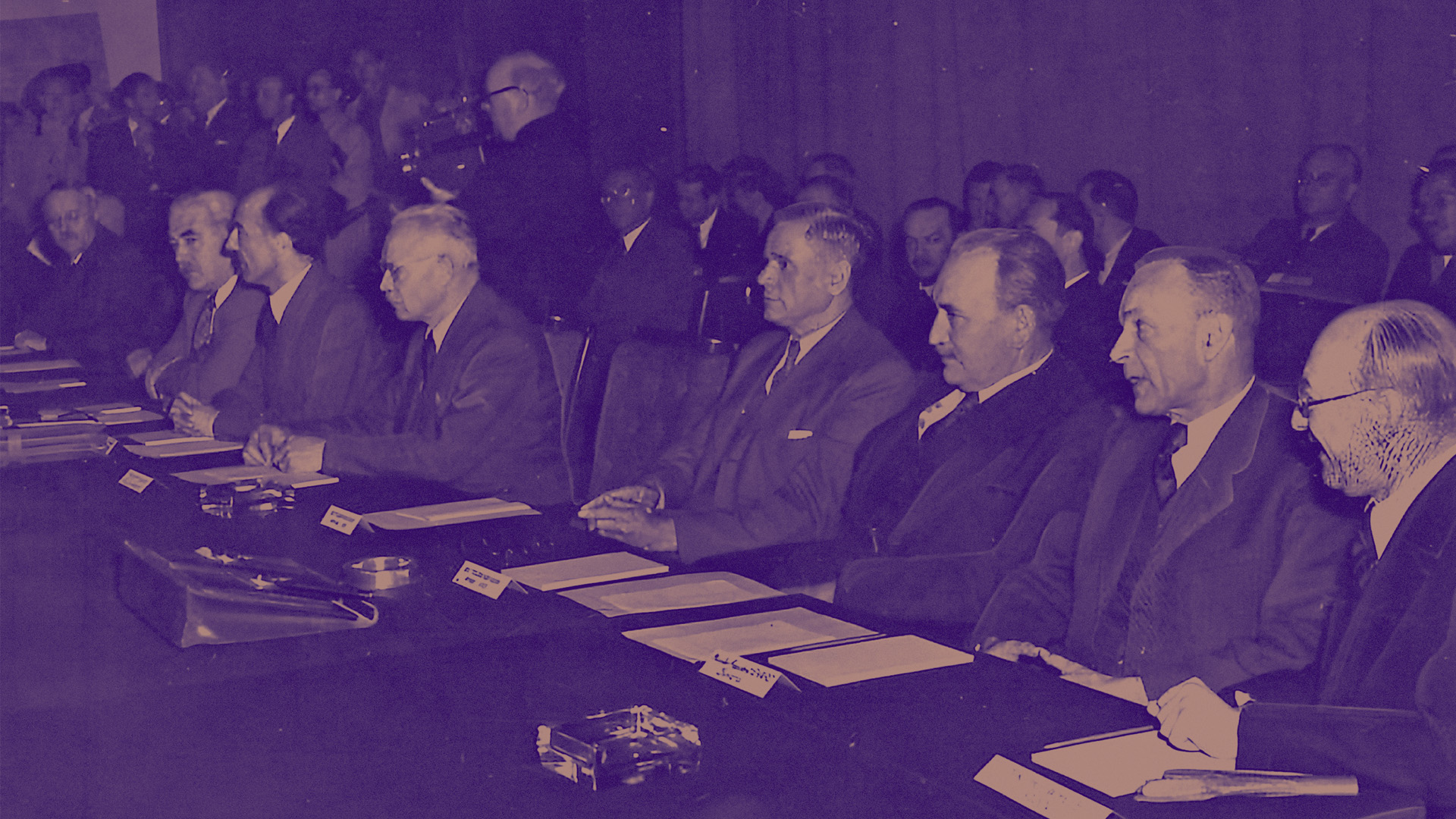
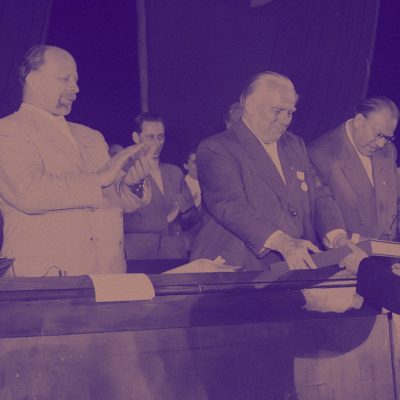
](https://www.deutschlandmuseum.de/wp-content/uploads/2025/04/21041946_SED_Gründung-1-400x400.jpg "Vereinigungsparteitag von KPD und SPD zur SED [digital koloriert](Quelle: Deutsche Fotothek, CC BY-SA 3.0 DE)")














![Alexander von Humboldt [Ausschnitt], Gemälde von Friedrich Georg Weitsch (Quelle: Alte Nationalgalerie)](https://www.deutschlandmuseum.de/wp-content/uploads/2025/09/14091769_Humboldt-400x400.jpg "Alexander von Humboldt [Ausschnitt], Gemälde von Friedrich Georg Weitsch (Quelle: Alte Nationalgalerie)")



![Albert Einstein im Patentamt Bern, 1905 [digital koloriert] (Quelle: ETH-Bibliothek Zürich)](https://www.deutschlandmuseum.de/wp-content/uploads/2025/09/26091905_Einstein_koloriert-400x400.jpg "Albert Einstein im Patentamt Bern, 1905 [digital koloriert] (Quelle: ETH-Bibliothek Zürich)")