
Strikes and demonstrations fill May Day
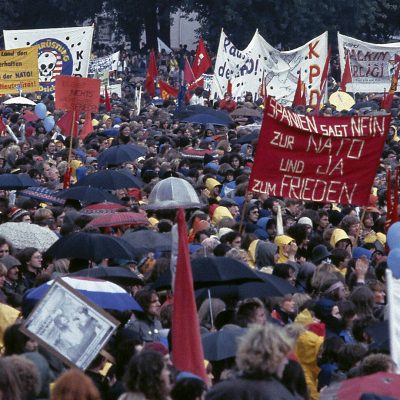
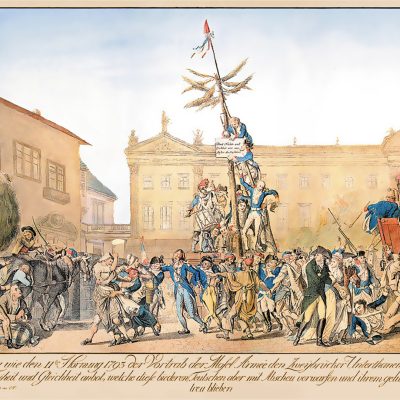
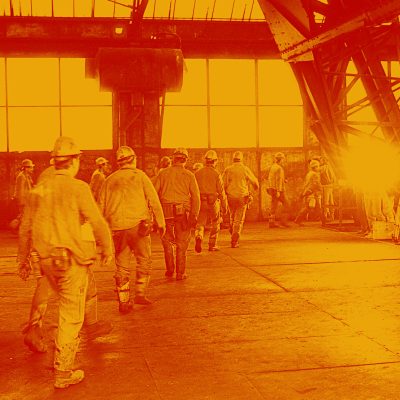
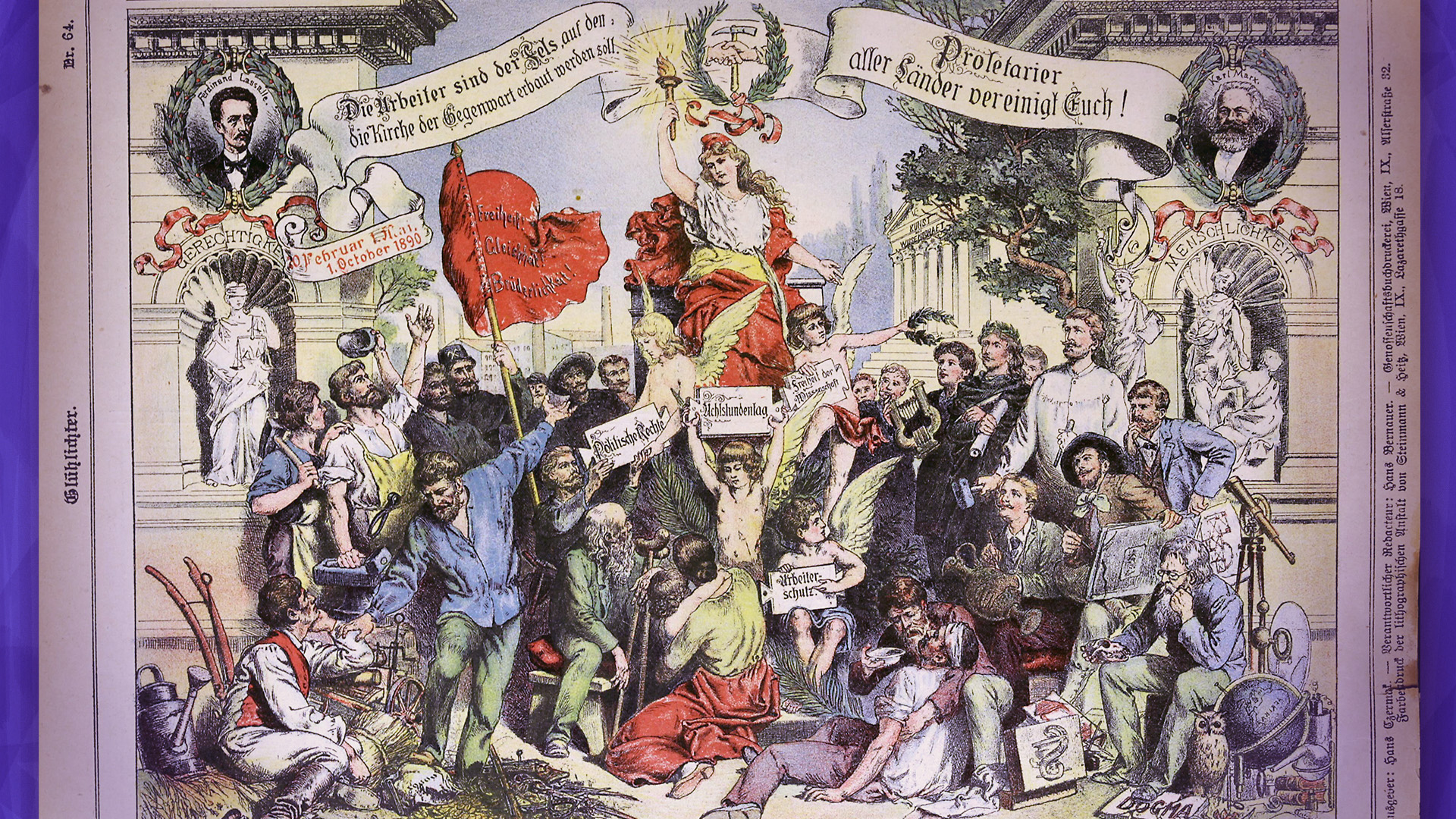
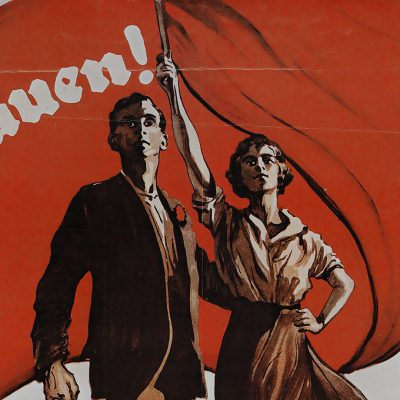
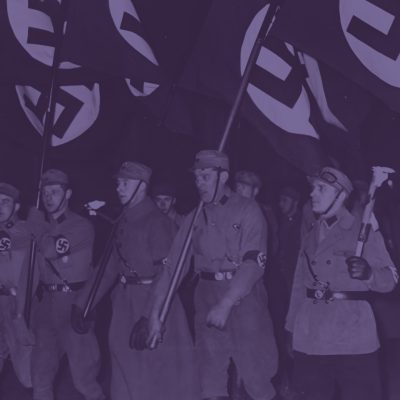
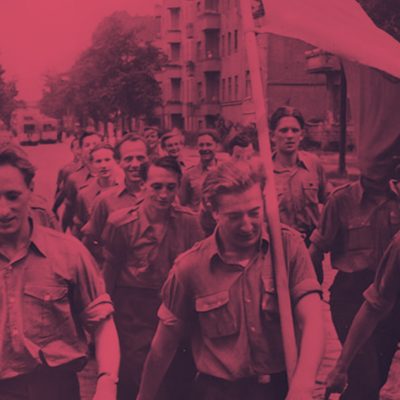
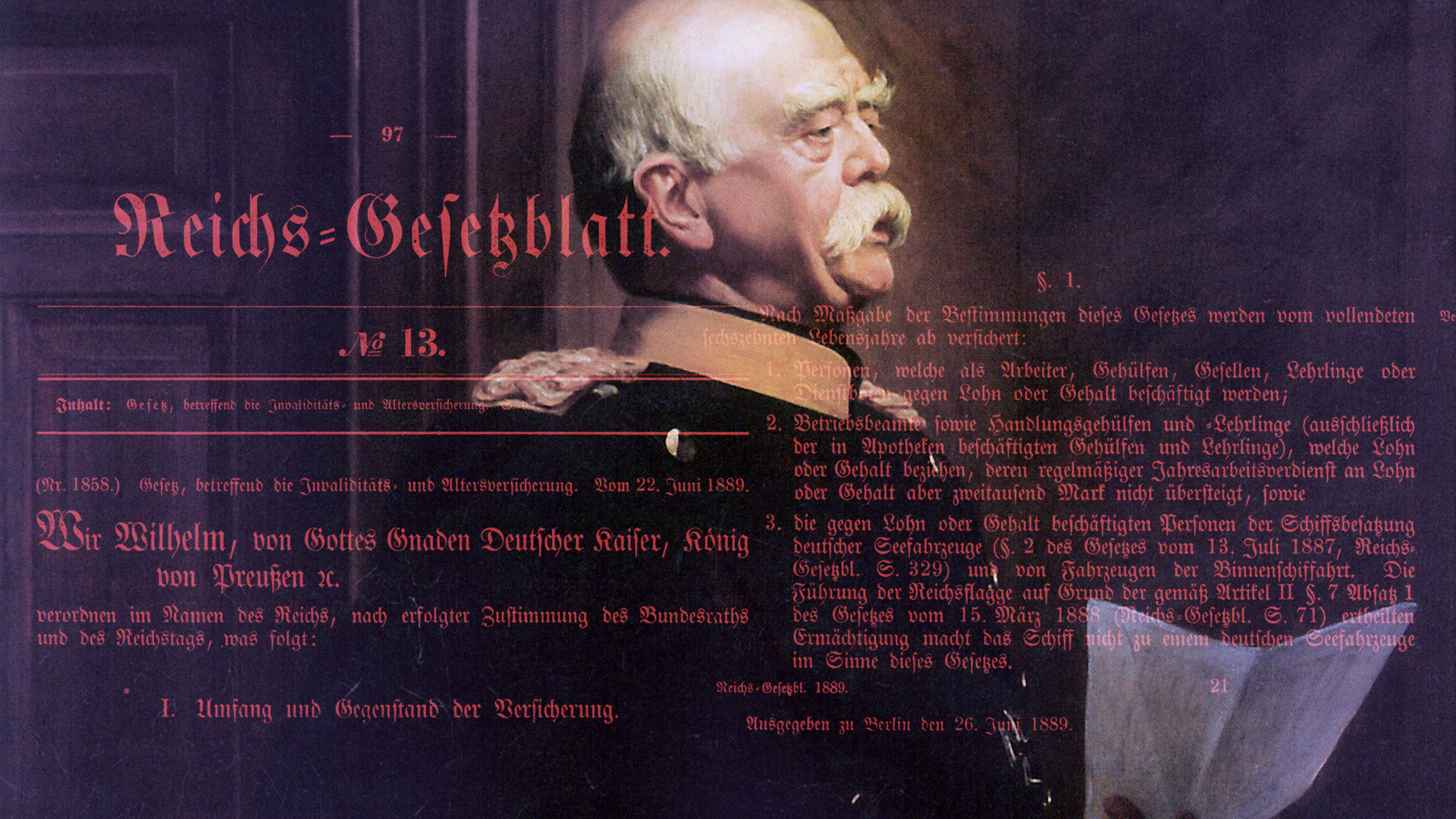
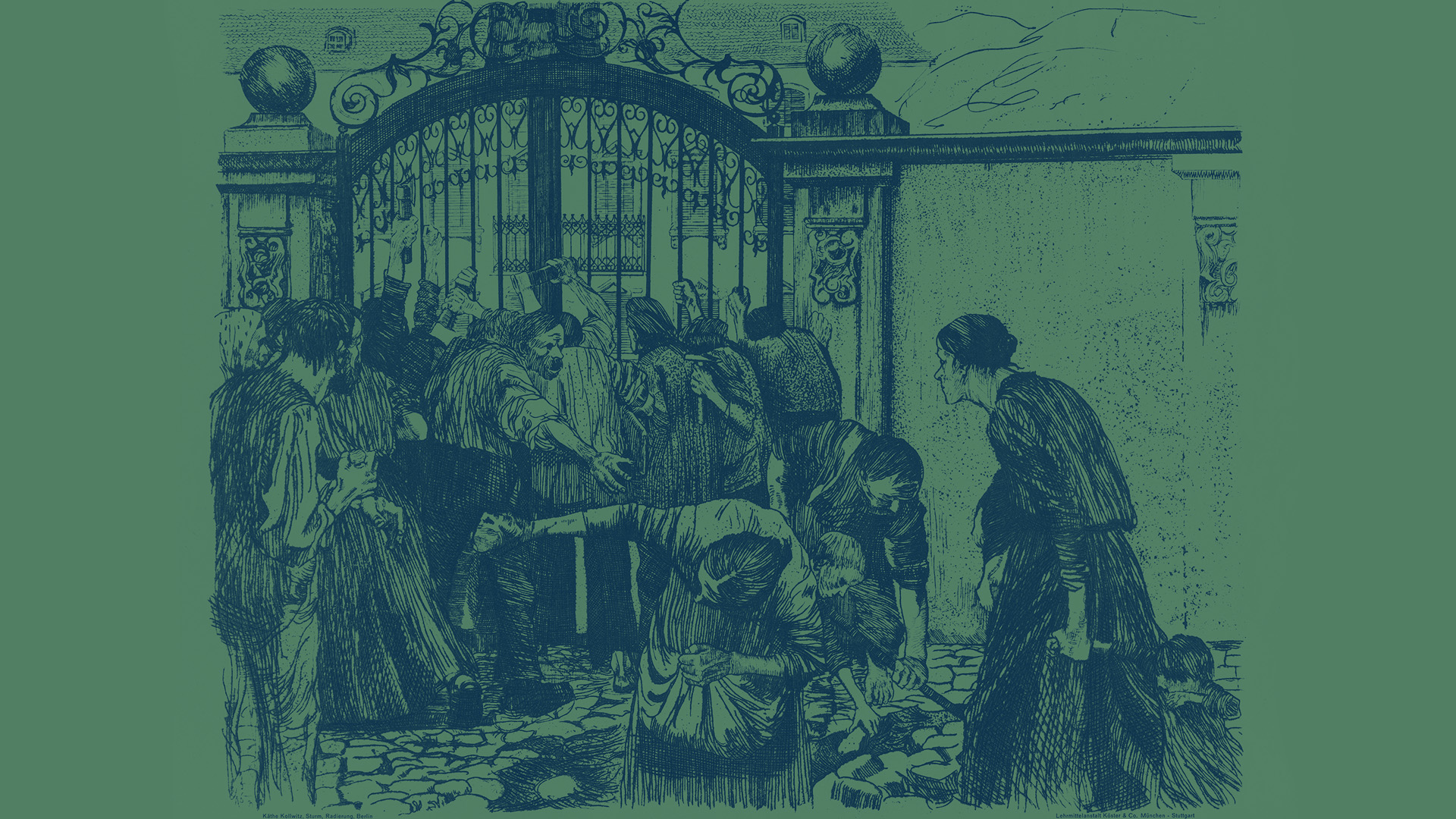
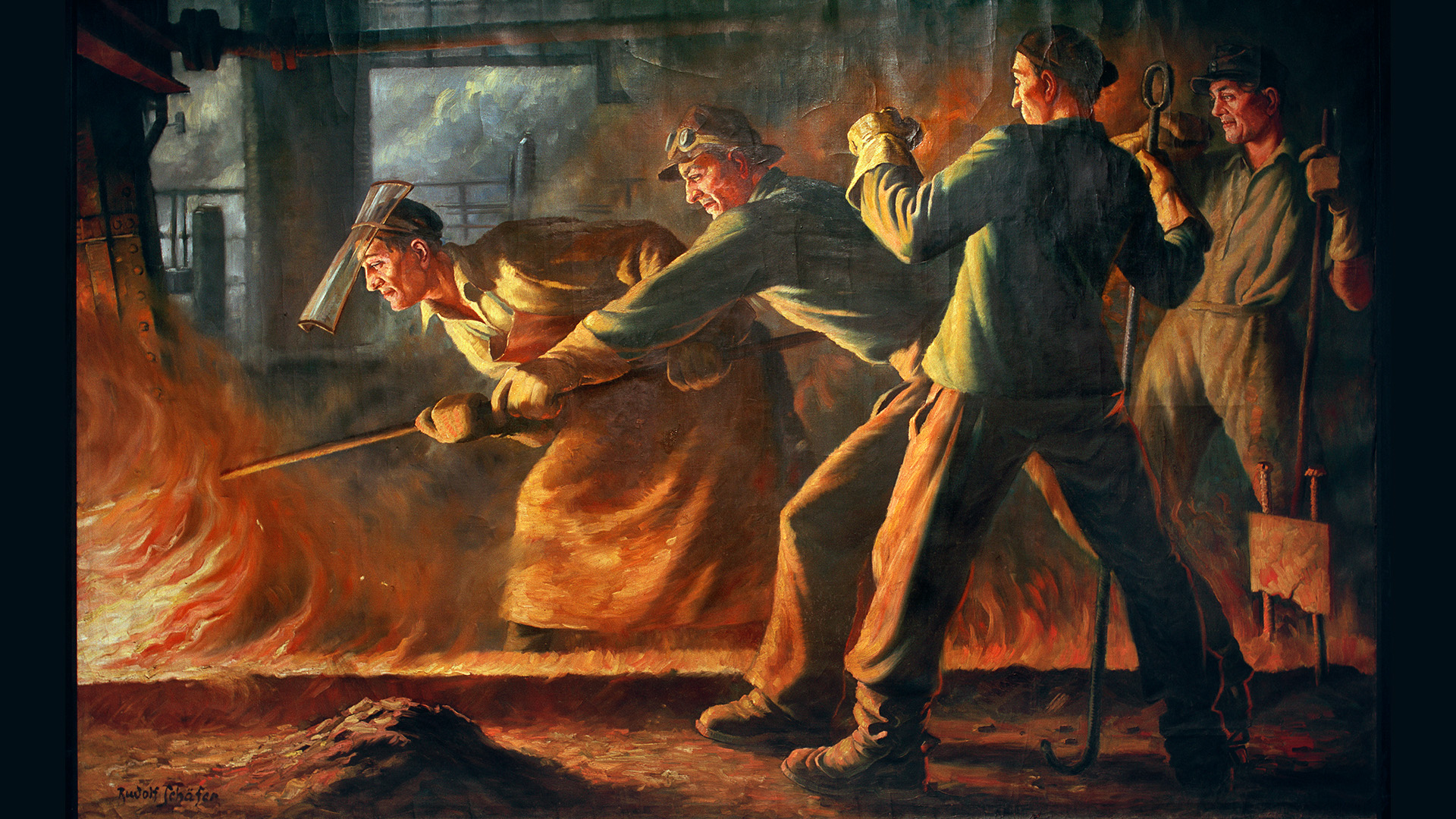
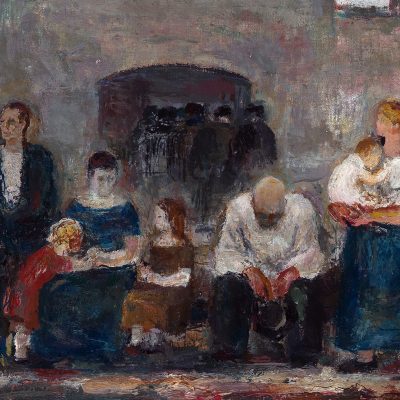
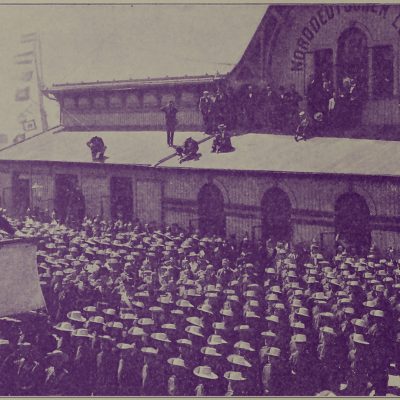
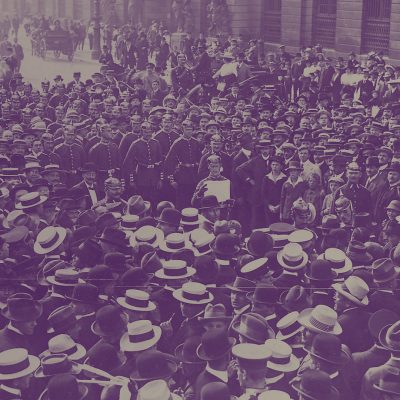
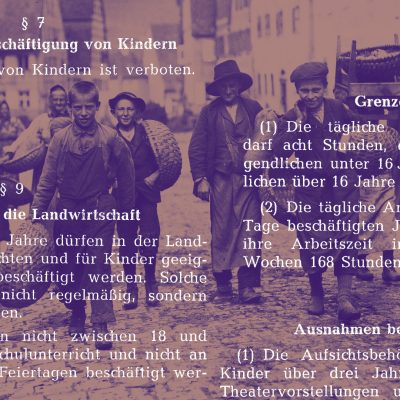
At its inaugural congress in Paris in 1889, the Second International – an international association of socialist parties, labour representative organizations and trade unions – declared its intention to establish 1 May as a “day of struggle for the working class”. The date was chosen to mark the killing of workers by the Chicago police in 1886. Although the German labour movement sought to make May Day a day of strikes and demonstrations, Bismarck‘s 1878 laws banning the German Socialist Party (SPD) and other labour groups prevented the effective organization of strikes. Only 100,000 workers downed tools to attend the first May Day demonstrations held in 1890. Those who did manage to get together did so under the legal cover of organizing a mass outing to a pub. Despite such legal manoeuvrings, the strikes and demonstrations staged across Germany on 1 May remained limited, as mass absences that smacked of political organization could bring serious consequences: lockouts, dismissals and blacklists that would prevent workers from switching to another company in the region.
The fruits of the first May Day were meagre. Although the unions asked only for a nine-hour working day (instead of the eight hours demanded in Paris), employers expected workers to carry on putting in a ten-hour shift, six days a week. The labour movement did however achieve the right to organize. The ban on the SPD was lifted, and the unions formed a joint organization to coordinate their demands. Fearing a return to repression, the Social Democrats shied away from making more radical demands, and the eight-hour working day was introduced in Germany only during the November Revolution of 1918.

The whole year at a glance



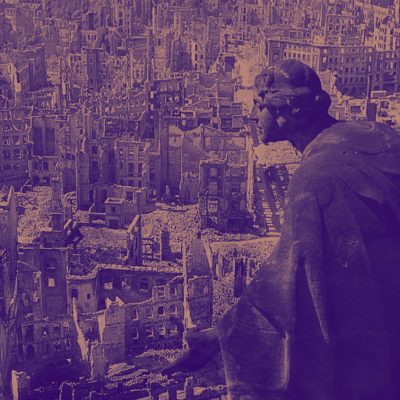
![Lithografie von Johann Nepomuk Heinemann [koloriert], nach Ölgemälde von Feodor Dietz (Foto: LABW, GLAK)](https://www.deutschlandmuseum.de/wp-content/uploads/2025/02/02031689_Zerstoerung_Heidelbergs-400x400.jpg "Lithografie von Johann Nepomuk Heinemann [koloriert], nach Ölgemälde von Feodor Dietz (Foto: LABW, GLAK)")

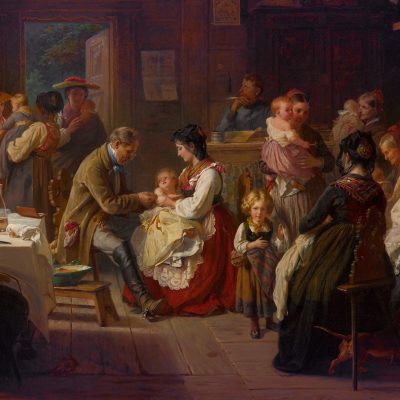

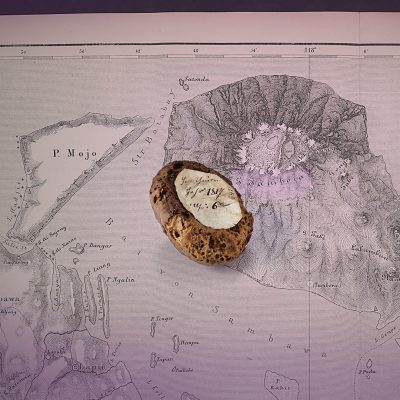
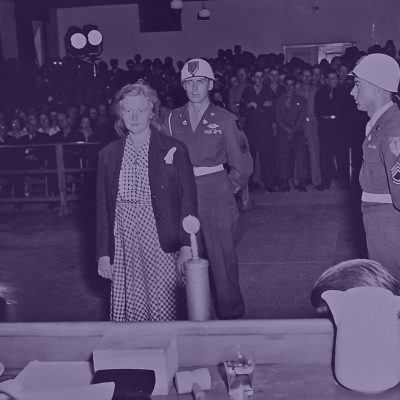
![Unter den Unterzeichnern sind die Nobelpreisträger Otto Hahn, Werner Heisenberg und Max Born [digital koloriert] (Quelle: Landesarchiv BW Staatsarchiv Freiburg, CC-BY-SA)](https://www.deutschlandmuseum.de/wp-content/uploads/2025/04/12041957_Göttinger_Erklärung-400x400.jpg "Unter den Unterzeichnern sind die Nobelpreisträger Otto Hahn, Werner Heisenberg und Max Born [digital koloriert] (Quelle: Landesarchiv BW Staatsarchiv Freiburg, CC-BY-SA)")

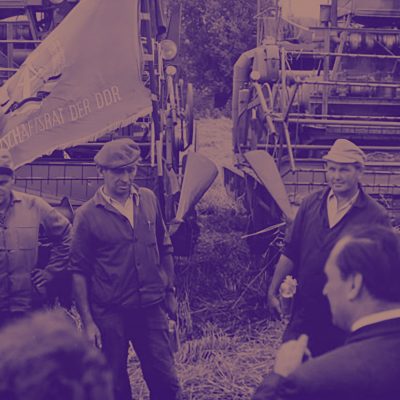

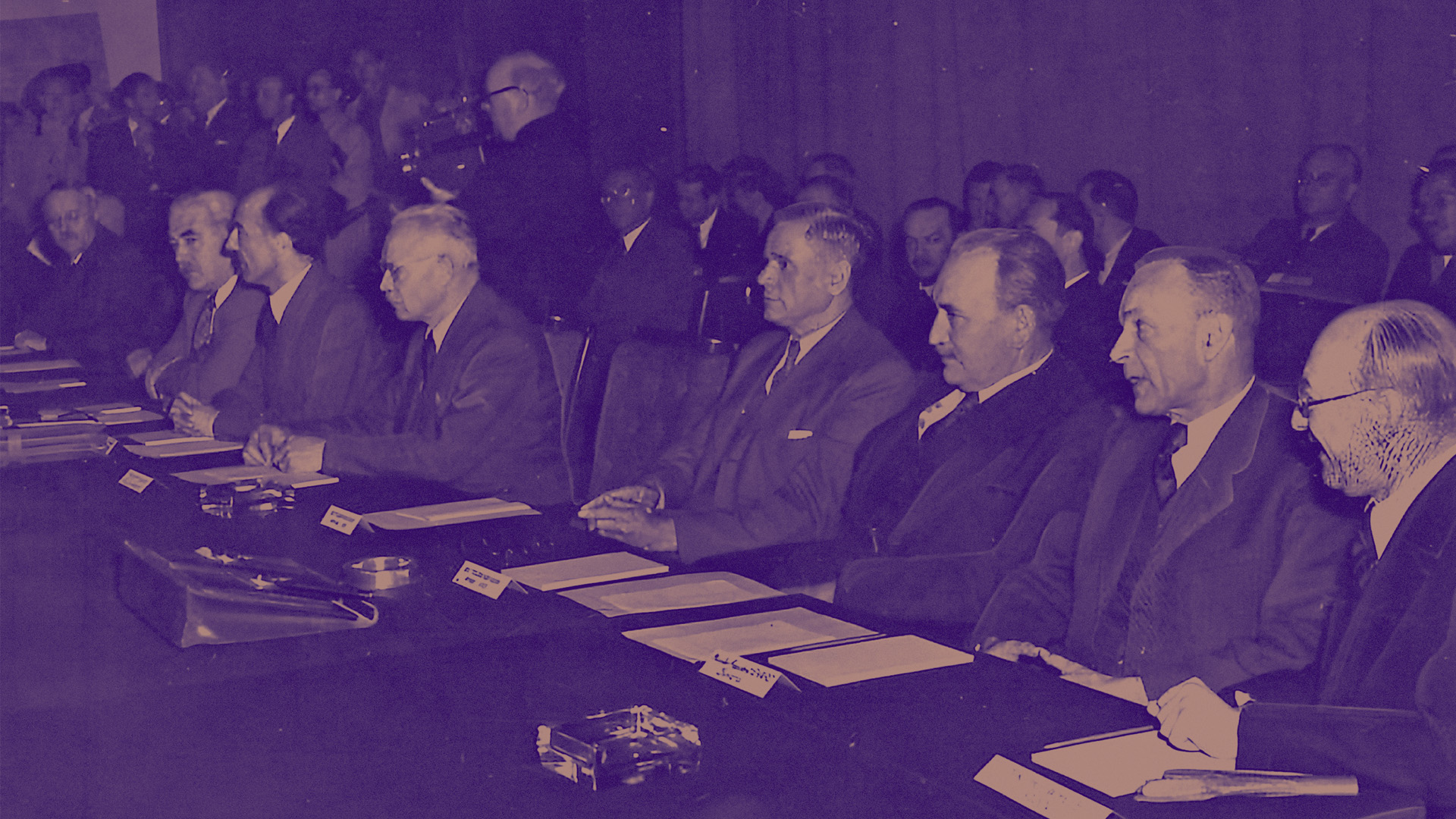
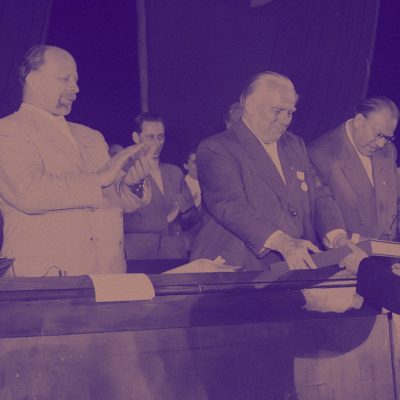
](https://www.deutschlandmuseum.de/wp-content/uploads/2025/04/21041946_SED_Gründung-1-400x400.jpg "Vereinigungsparteitag von KPD und SPD zur SED [digital koloriert](Quelle: Deutsche Fotothek, CC BY-SA 3.0 DE)")






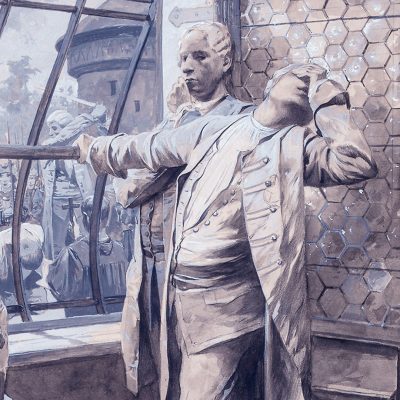
![Alexander von Humboldt [Ausschnitt], Gemälde von Friedrich Georg Weitsch (Quelle: Alte Nationalgalerie)](https://www.deutschlandmuseum.de/wp-content/uploads/2025/09/14091769_Humboldt-400x400.jpg "Alexander von Humboldt [Ausschnitt], Gemälde von Friedrich Georg Weitsch (Quelle: Alte Nationalgalerie)")


![Albert Einstein im Patentamt Bern, 1905 [digital koloriert] (Quelle: ETH-Bibliothek Zürich)](https://www.deutschlandmuseum.de/wp-content/uploads/2025/09/26091905_Einstein_koloriert-400x400.jpg "Albert Einstein im Patentamt Bern, 1905 [digital koloriert] (Quelle: ETH-Bibliothek Zürich)")