

The shoemaker Friedrich Voigt becomes the world’s most famous impostor
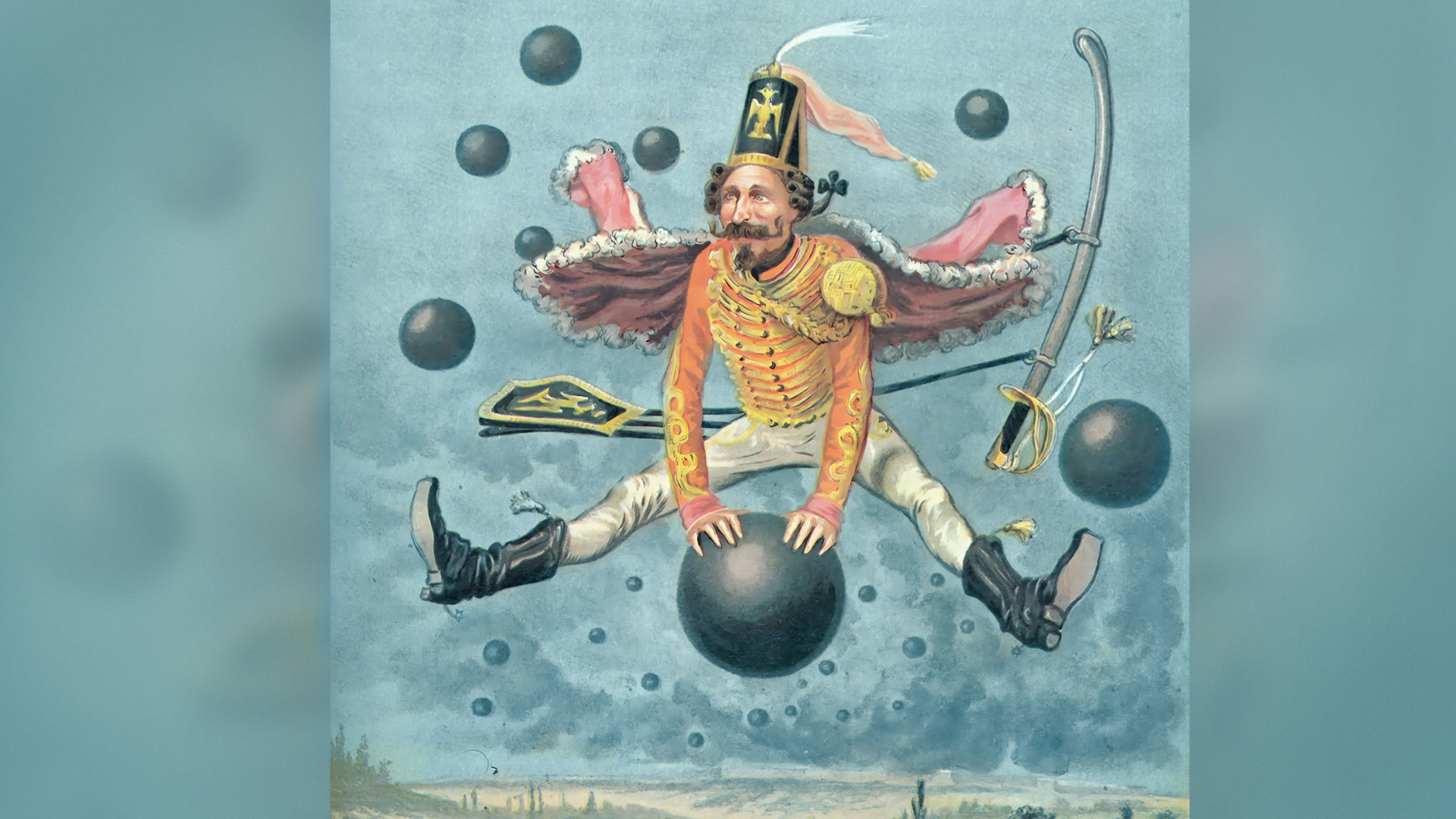
Friedrich Wilhelm Voigt, a shoemaker from Tilsit in East Prussia, was first imprisoned for theft and document forgery at the age of 14. He was in and out of prison for many years thereafter. Following his release from a 15-year sentence for attempting to break into a court cash register, the now 56-year-old Voigt attempted to settle in Wismar and then Berlin, but was denied a residence permit in both places. After his second rejection, he lived illegally in Berlin and worked for a while in a shoe factory, but without proper papers, he had little chance of finding long-term employment. Desperation moved him to attempt his most ambitious crime.
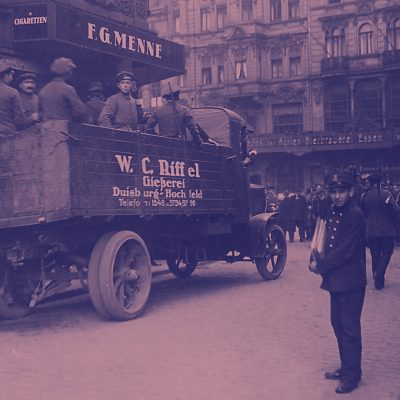
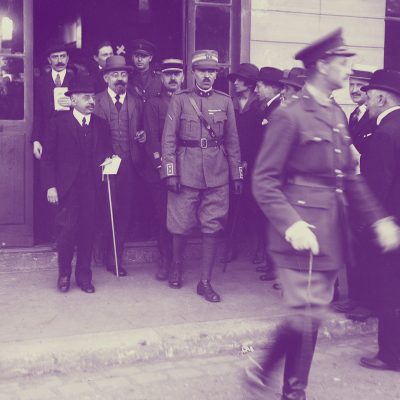
On 16 October 1906, Voigt appeared at a barracks in north Berlin wearing the uniform of a captain in the Prussian army and commandeered a section of soldiers. Together they boarded a train for the town of Köpenick, to the south of Berlin, where they arrested the town mayor and corporation and took control of the town hall. Passing police officers were ordered to cordon off the area. Voigt ordered “his men” to seize the town treasury. Leaving orders to his soldiers to maintain control of the town hall, Voigt took his loot to the railway station, drank a beer and boarded the train to Berlin. Once in the German capital, he discarded his disguise and found new accommodation. Arrested a week and a half later, Voigt was sentenced to only four years in prison, but was pardoned by the Kaiser after serving just two. Wilhelm II had been amused by the incident and had even described Voigt as a “brilliant fellow”. The whole of Germany laughed at the prank, and journalists from all over the world covered his trial. Voigt’s actions had demonstrated how Wilhelmine society was ingrained with militarism and subservience to anyone in a uniform. Voigt cashed in on his international notoriety after his release. He moved to Luxembourg, where he died 15 years after the events in Köpenick at the age of 72.

The whole year at a glance



![Lithografie von Johann Nepomuk Heinemann [koloriert], nach Ölgemälde von Feodor Dietz (Foto: LABW, GLAK)](https://www.deutschlandmuseum.de/wp-content/uploads/2025/02/02031689_Zerstoerung_Heidelbergs-400x400.jpg "Lithografie von Johann Nepomuk Heinemann [koloriert], nach Ölgemälde von Feodor Dietz (Foto: LABW, GLAK)")



![Unter den Unterzeichnern sind die Nobelpreisträger Otto Hahn, Werner Heisenberg und Max Born [digital koloriert] (Quelle: Landesarchiv BW Staatsarchiv Freiburg, CC-BY-SA)](https://www.deutschlandmuseum.de/wp-content/uploads/2025/04/12041957_Göttinger_Erklärung-400x400.jpg "Unter den Unterzeichnern sind die Nobelpreisträger Otto Hahn, Werner Heisenberg und Max Born [digital koloriert] (Quelle: Landesarchiv BW Staatsarchiv Freiburg, CC-BY-SA)")





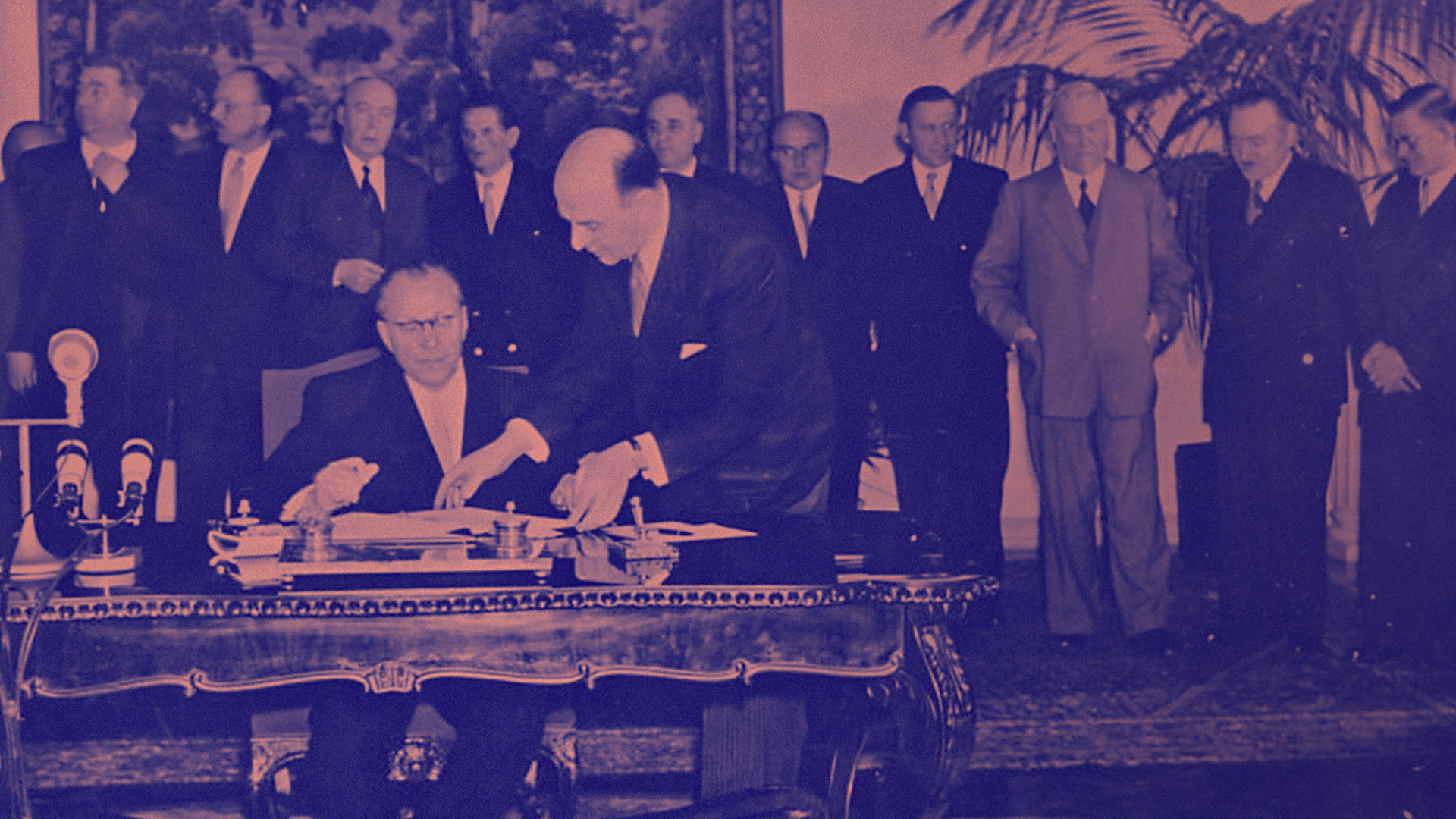
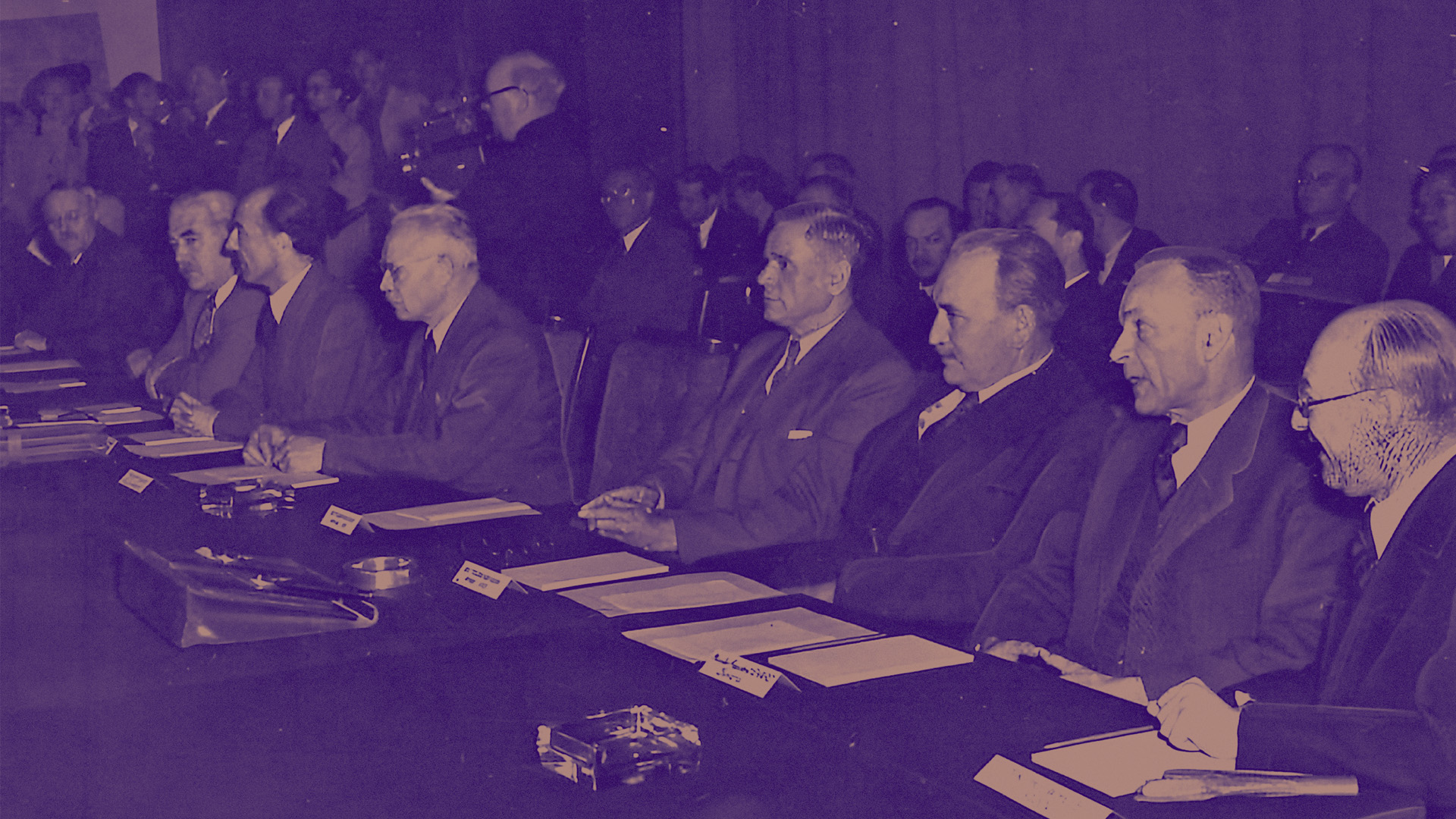
](https://www.deutschlandmuseum.de/wp-content/uploads/2025/04/21041946_SED_Gründung-1-400x400.jpg "Vereinigungsparteitag von KPD und SPD zur SED [digital koloriert](Quelle: Deutsche Fotothek, CC BY-SA 3.0 DE)")










![Alexander von Humboldt [Ausschnitt], Gemälde von Friedrich Georg Weitsch (Quelle: Alte Nationalgalerie)](https://www.deutschlandmuseum.de/wp-content/uploads/2025/09/14091769_Humboldt-400x400.jpg "Alexander von Humboldt [Ausschnitt], Gemälde von Friedrich Georg Weitsch (Quelle: Alte Nationalgalerie)")



![Albert Einstein im Patentamt Bern, 1905 [digital koloriert] (Quelle: ETH-Bibliothek Zürich)](https://www.deutschlandmuseum.de/wp-content/uploads/2025/09/26091905_Einstein_koloriert-400x400.jpg "Albert Einstein im Patentamt Bern, 1905 [digital koloriert] (Quelle: ETH-Bibliothek Zürich)")