
The SPD allies with the army during the November Revolution
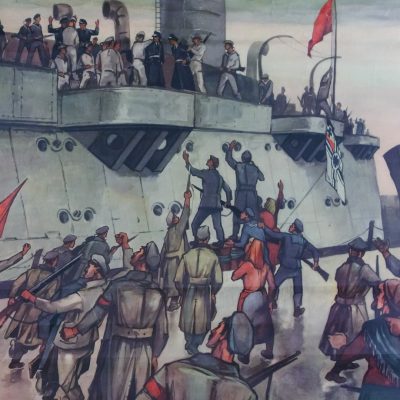
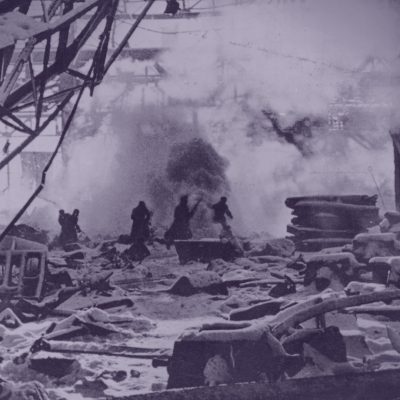
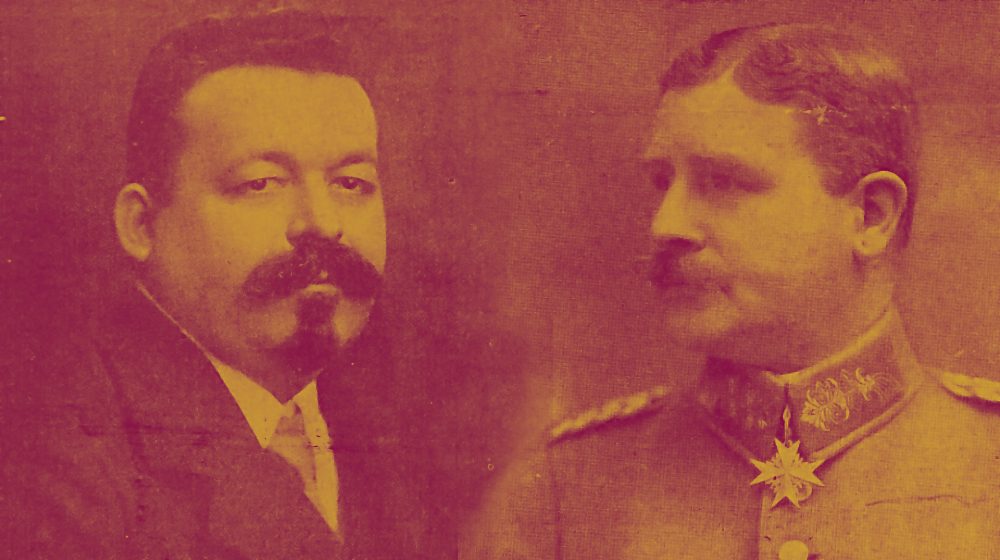
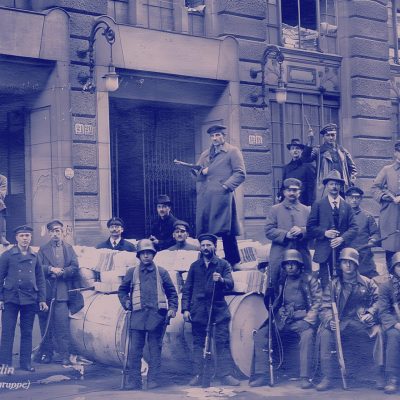
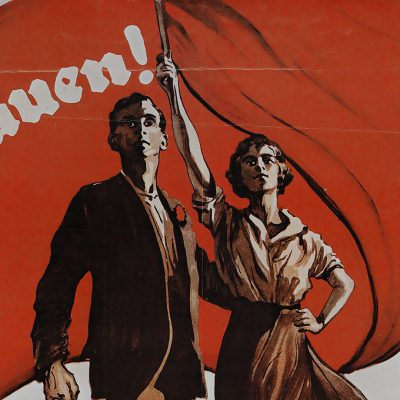
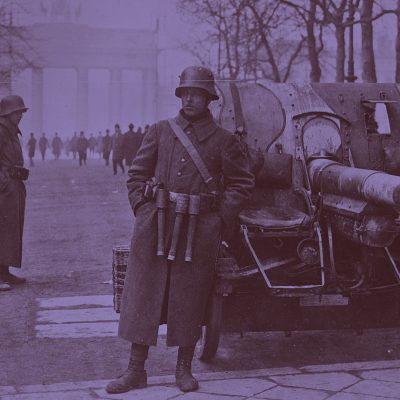
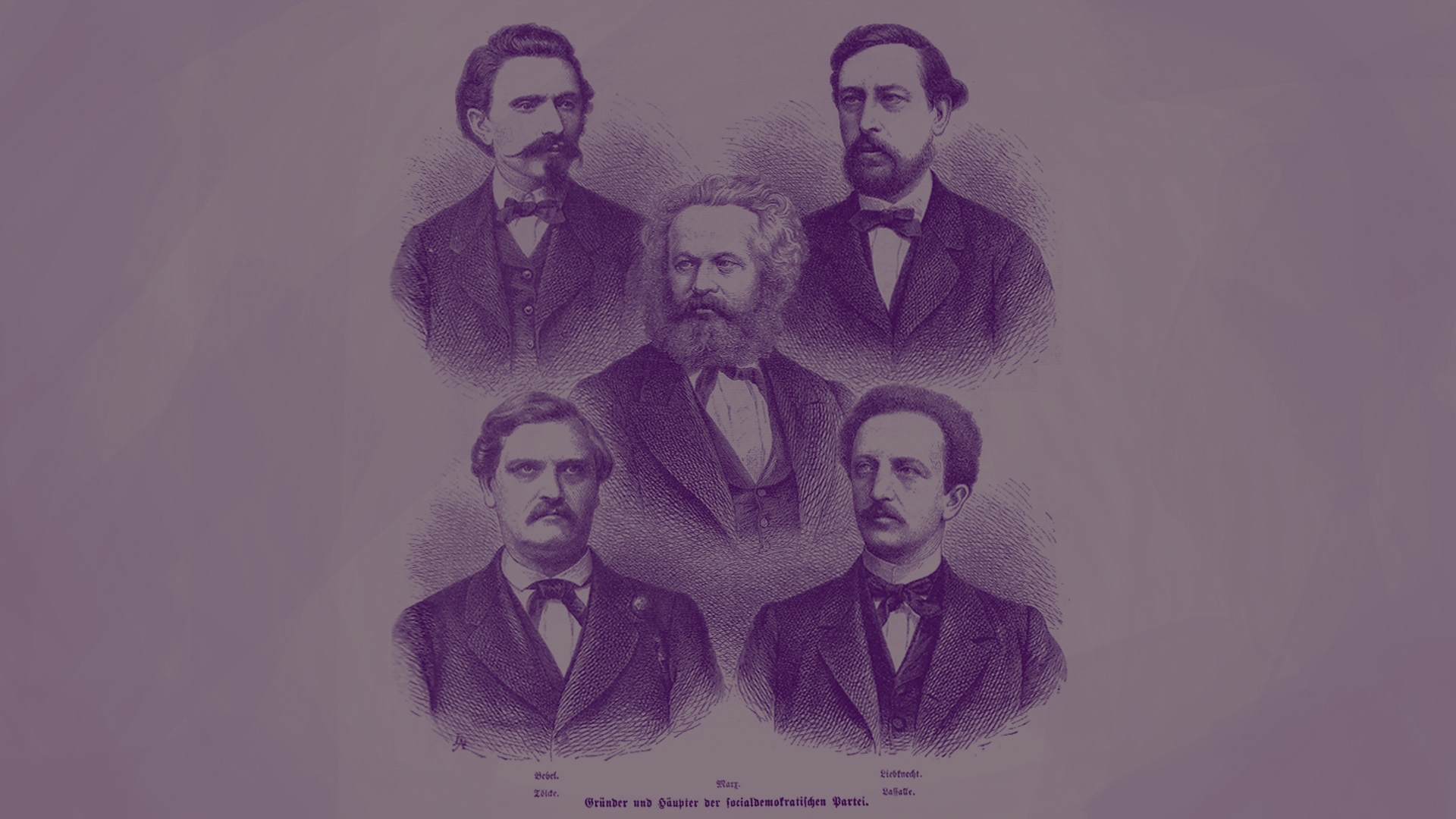
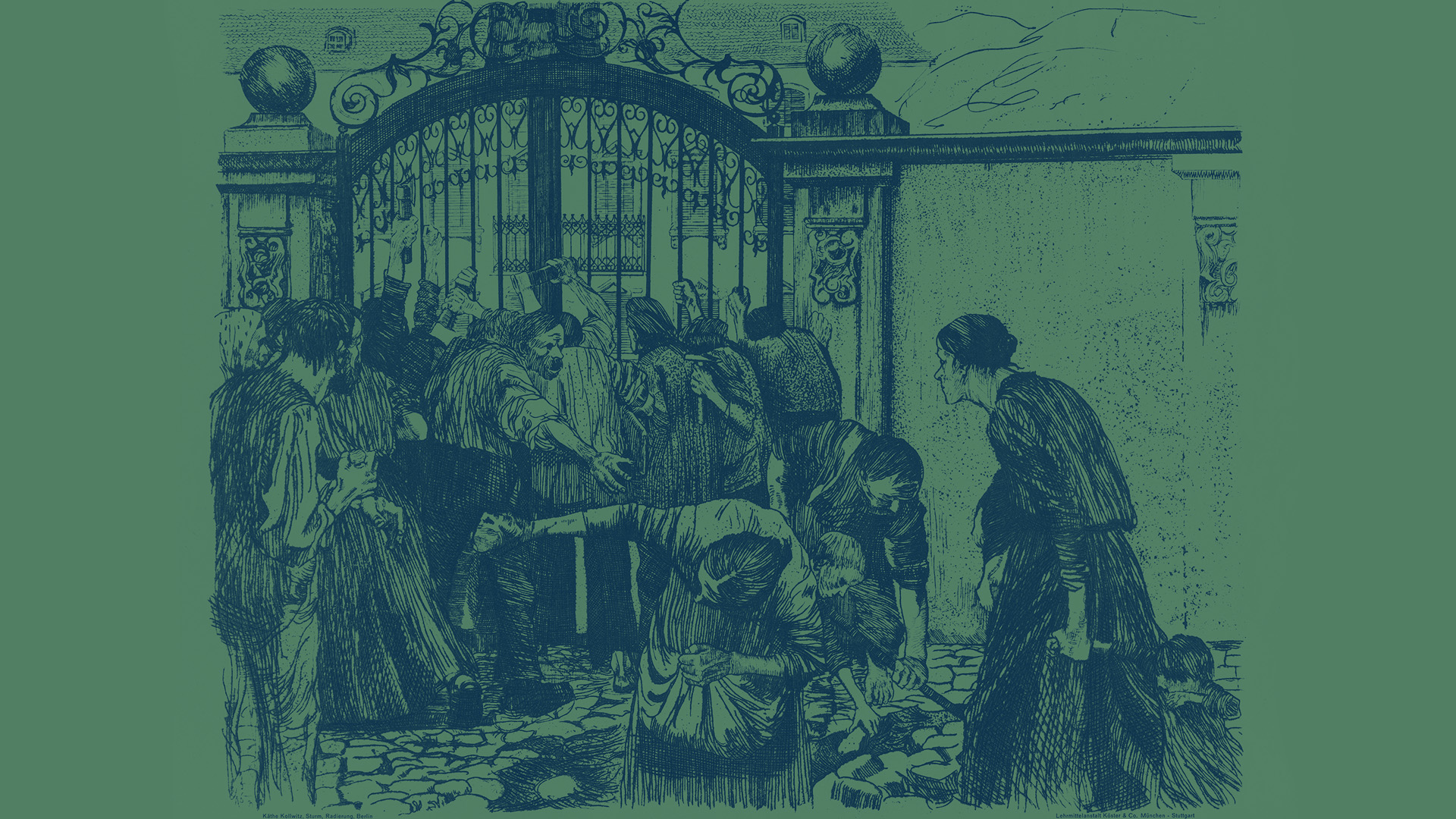
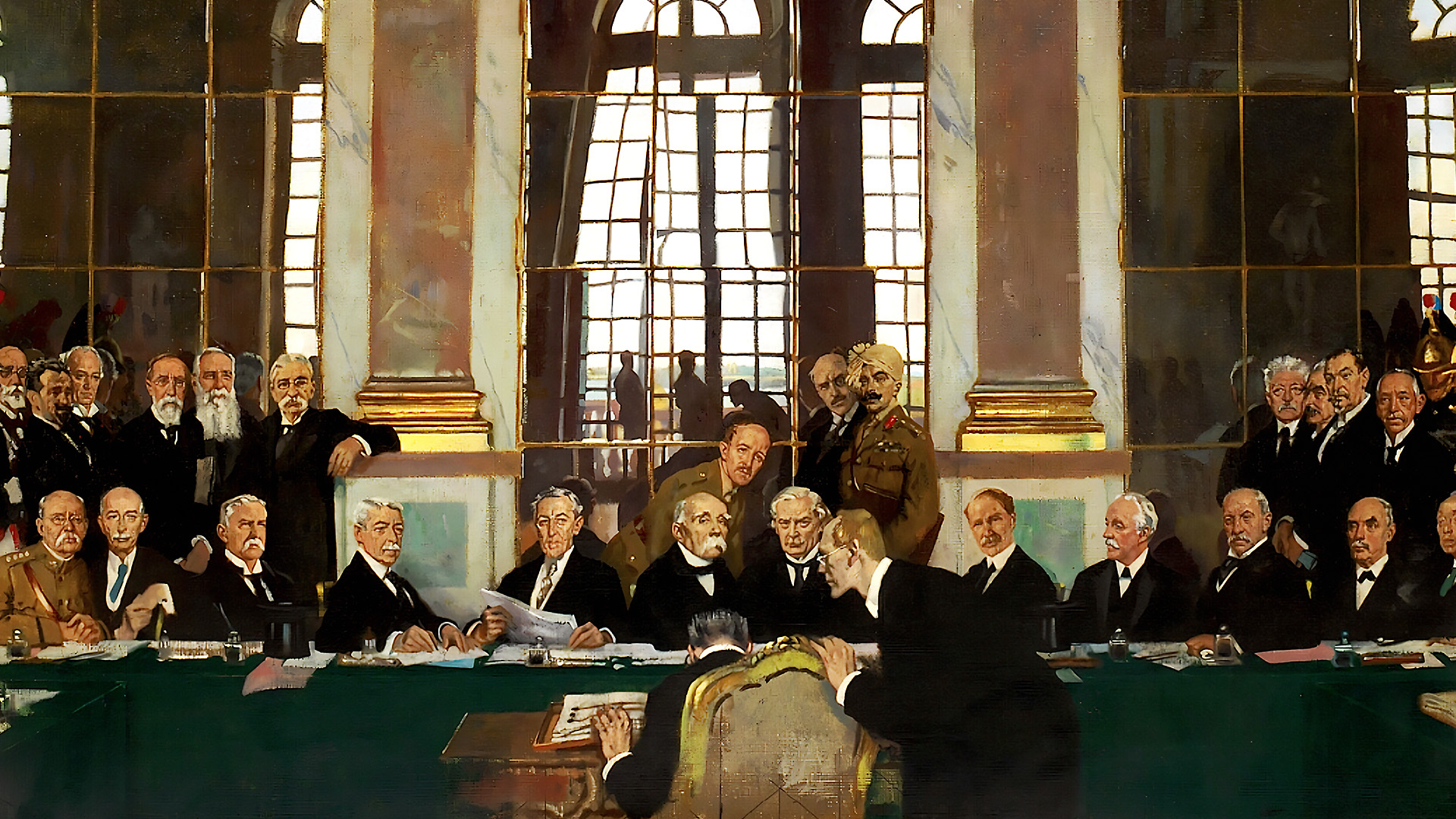
The collapse of Imperial Germany led to unrest and revolution in November 1918. Although the moderate Social Democratic Party (SPD) and their radical former comrades from the Independent SPD (USPD) both sat on the Council of People’s Representatives set up to shape the revolution, they both pursued fundamentally different goals. The USPD wanted to continue the revolution, expropriate key industries and large estates, and establish a socialist council republic. The SPD on the other hand, sought to stabilize the situation and establish a parliamentary democracy. This involved working with the old elites from the monarchy.
Friedrich Ebert, the leader of the SPD, forged a pact with General Wilhelm Groener of the Supreme Army Command: the Reichswehr would put down any attempts at revolution, whilst maintaining its independence. In the short term, the alliance prevented a major civil war and enabled the establishment of the Weimar Republic. In the long term, however, the brutality with which irregular paramilitary groups proceeded alienated many workers from the SPD. This meant that an increasingly radicalized proletariat faced off against the old anti-democratic elites. This was not a recipe for stability.

The whole year at a glance



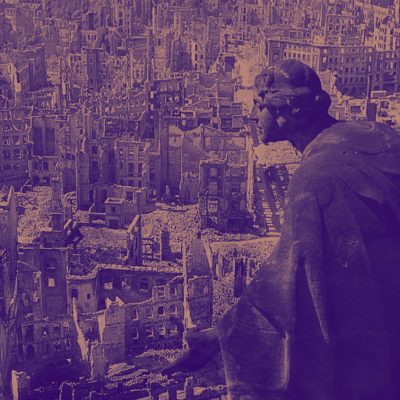
![Lithografie von Johann Nepomuk Heinemann [koloriert], nach Ölgemälde von Feodor Dietz (Foto: LABW, GLAK)](https://www.deutschlandmuseum.de/wp-content/uploads/2025/02/02031689_Zerstoerung_Heidelbergs-400x400.jpg "Lithografie von Johann Nepomuk Heinemann [koloriert], nach Ölgemälde von Feodor Dietz (Foto: LABW, GLAK)")


![Unter den Unterzeichnern sind die Nobelpreisträger Otto Hahn, Werner Heisenberg und Max Born [digital koloriert] (Quelle: Landesarchiv BW Staatsarchiv Freiburg, CC-BY-SA)](https://www.deutschlandmuseum.de/wp-content/uploads/2025/04/12041957_Göttinger_Erklärung-400x400.jpg "Unter den Unterzeichnern sind die Nobelpreisträger Otto Hahn, Werner Heisenberg und Max Born [digital koloriert] (Quelle: Landesarchiv BW Staatsarchiv Freiburg, CC-BY-SA)")


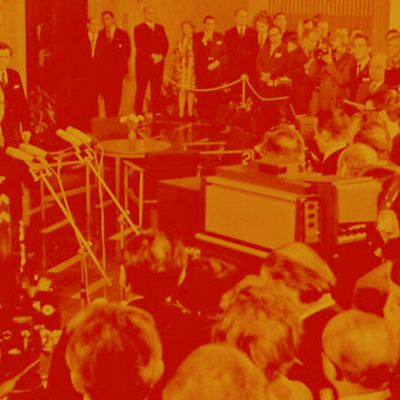
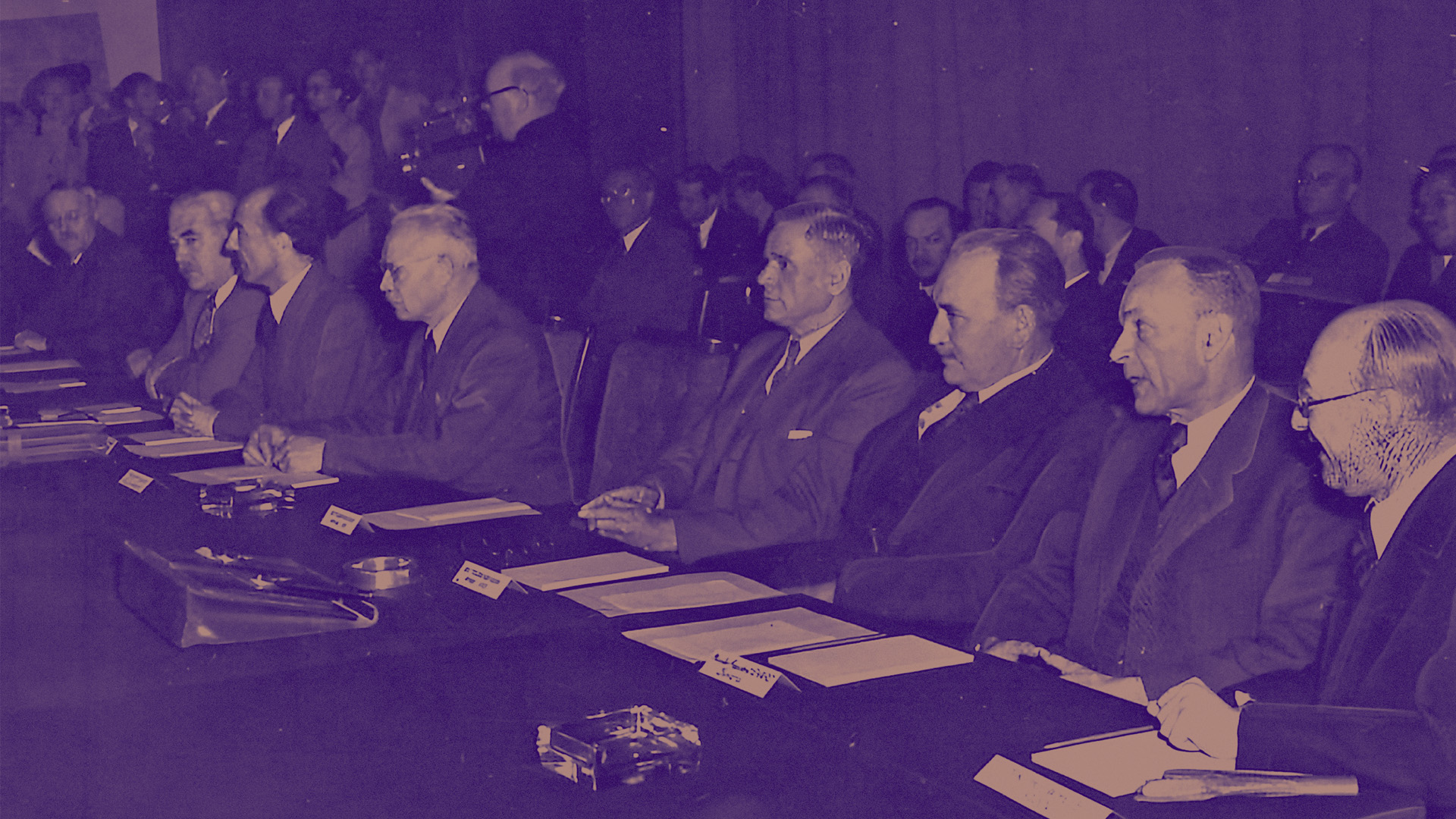
](https://www.deutschlandmuseum.de/wp-content/uploads/2025/04/21041946_SED_Gründung-1-400x400.jpg "Vereinigungsparteitag von KPD und SPD zur SED [digital koloriert](Quelle: Deutsche Fotothek, CC BY-SA 3.0 DE)")





![Alexander von Humboldt [Ausschnitt], Gemälde von Friedrich Georg Weitsch (Quelle: Alte Nationalgalerie)](https://www.deutschlandmuseum.de/wp-content/uploads/2025/09/14091769_Humboldt-400x400.jpg "Alexander von Humboldt [Ausschnitt], Gemälde von Friedrich Georg Weitsch (Quelle: Alte Nationalgalerie)")



![Albert Einstein im Patentamt Bern, 1905 [digital koloriert] (Quelle: ETH-Bibliothek Zürich)](https://www.deutschlandmuseum.de/wp-content/uploads/2025/09/26091905_Einstein_koloriert-400x400.jpg "Albert Einstein im Patentamt Bern, 1905 [digital koloriert] (Quelle: ETH-Bibliothek Zürich)")