
The Weimar Republic passes its first central law on the protection of minors
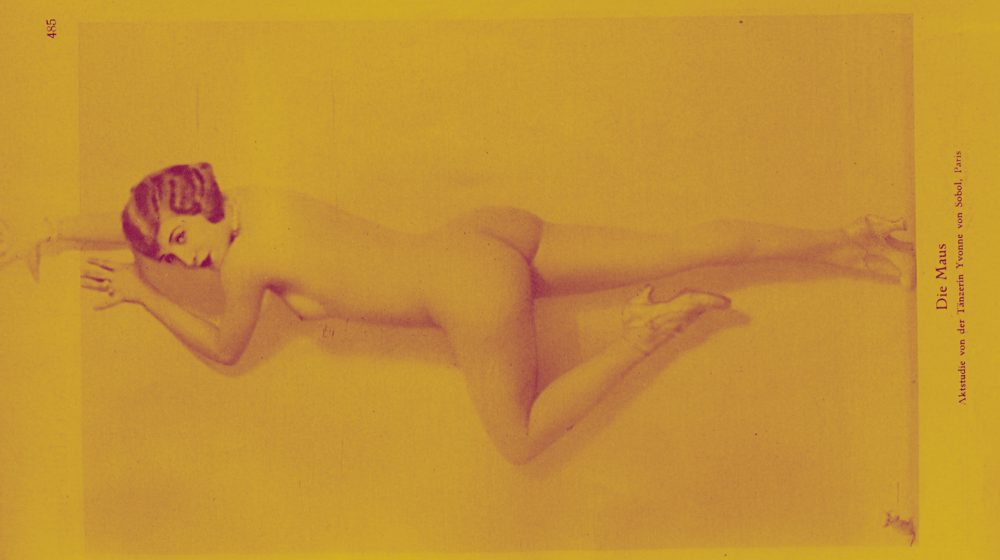
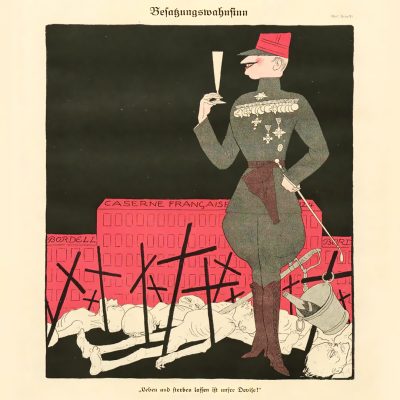
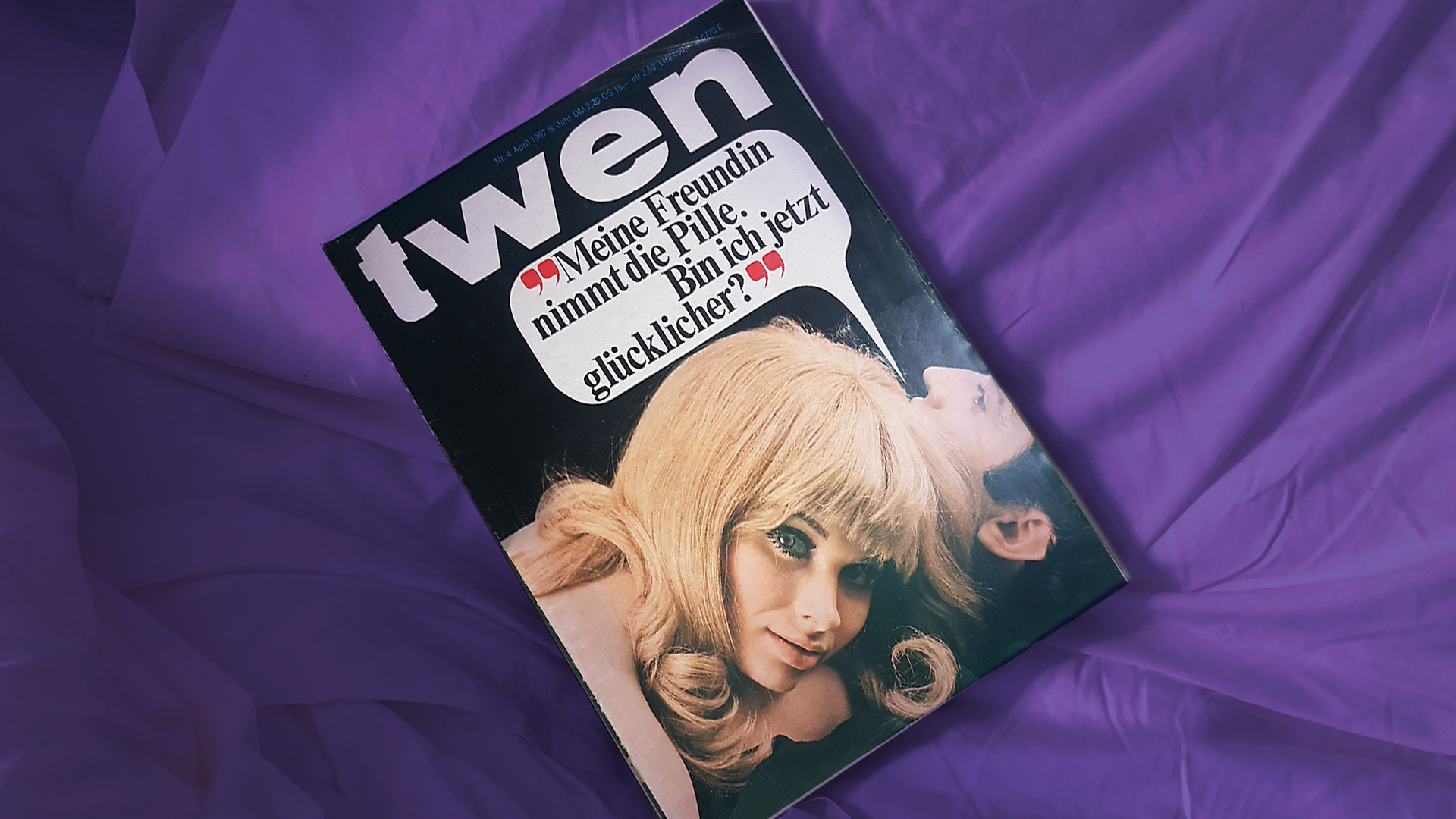
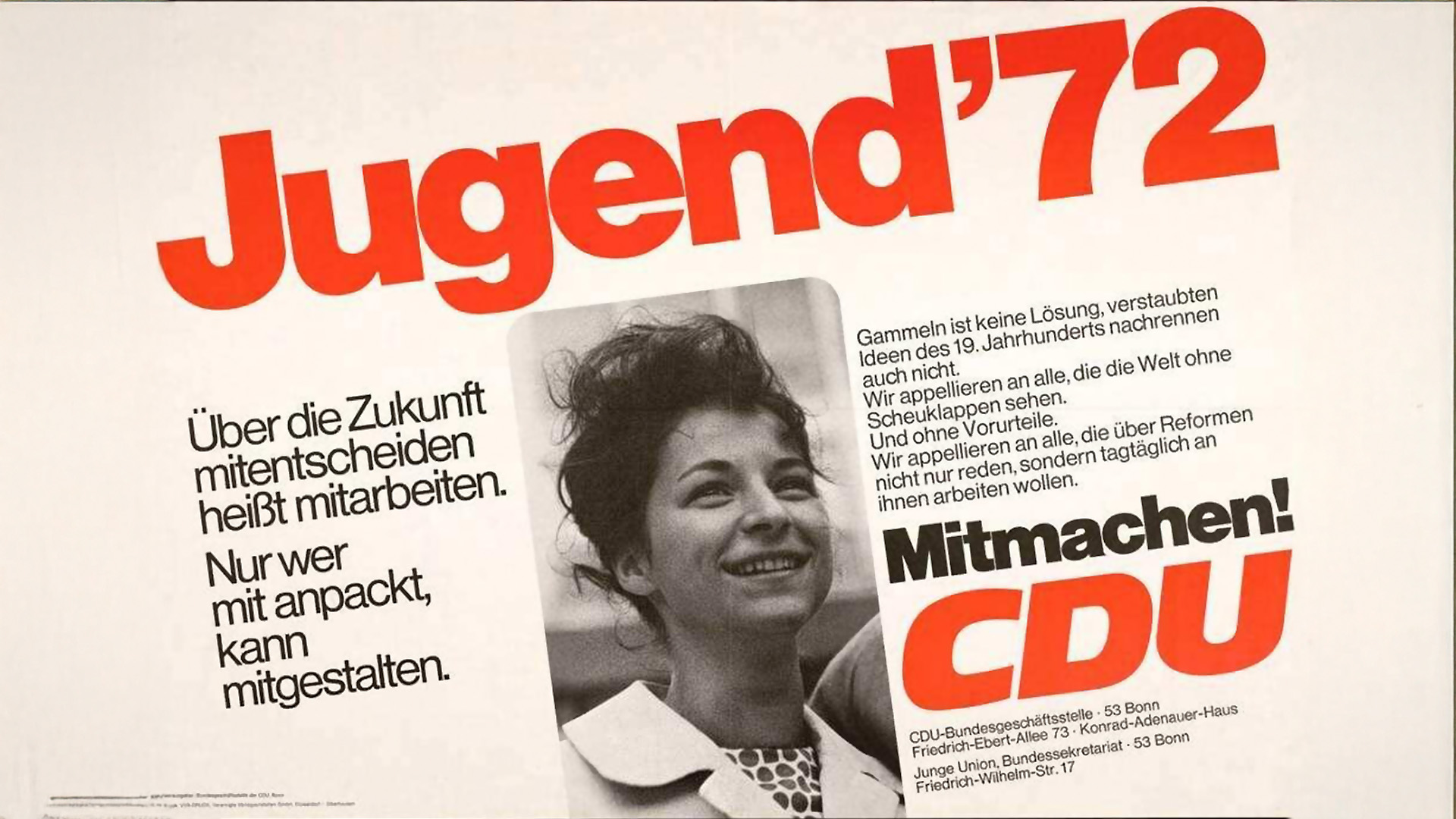
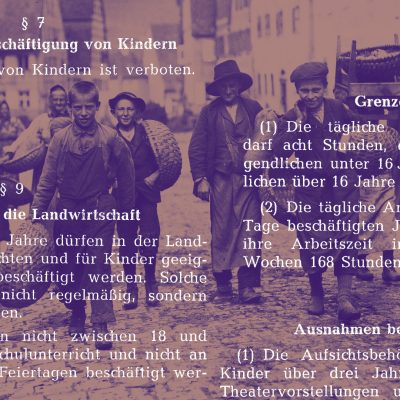
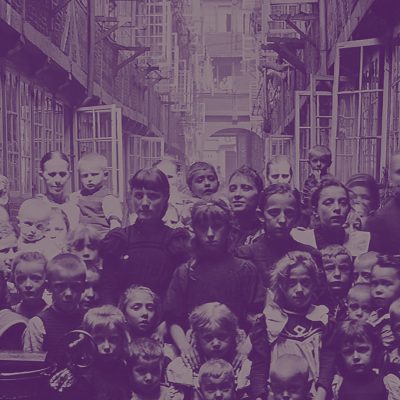
At the beginning of the 20th century, there was strong tension between artistic freedom and the need to protect the innocence of young people. Whilst conservative and right-wing parties pointed to the constitutional requirement to protect young people from “moral, mental or physical depravity”, liberal and left-wing political parties were keen to avoid censorship. Enacted on 18 December 1926, the Law for the Protection of Youth from Obscene and Indecent Publications set up review boards to decide which works should be placed on a list of publications to be subject to restrictions. Whilst expressions of political and religious opinion were not to be suppressed, no criteria were specified as to which films and texts should be banned. In practice, censorship was exercised over erotic literature, penny dreadfuls, crime stories and magazines catering to a gay or lesbian readership. Publications on the list could not be advertised, displayed in public or sold to customers under the age of 18, but were not banned.
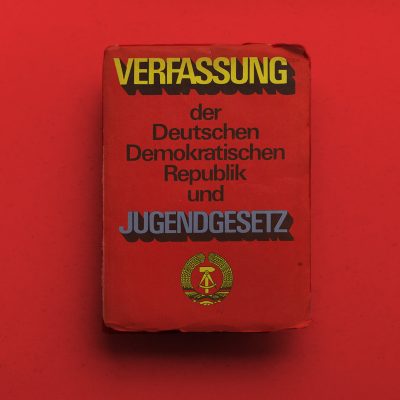
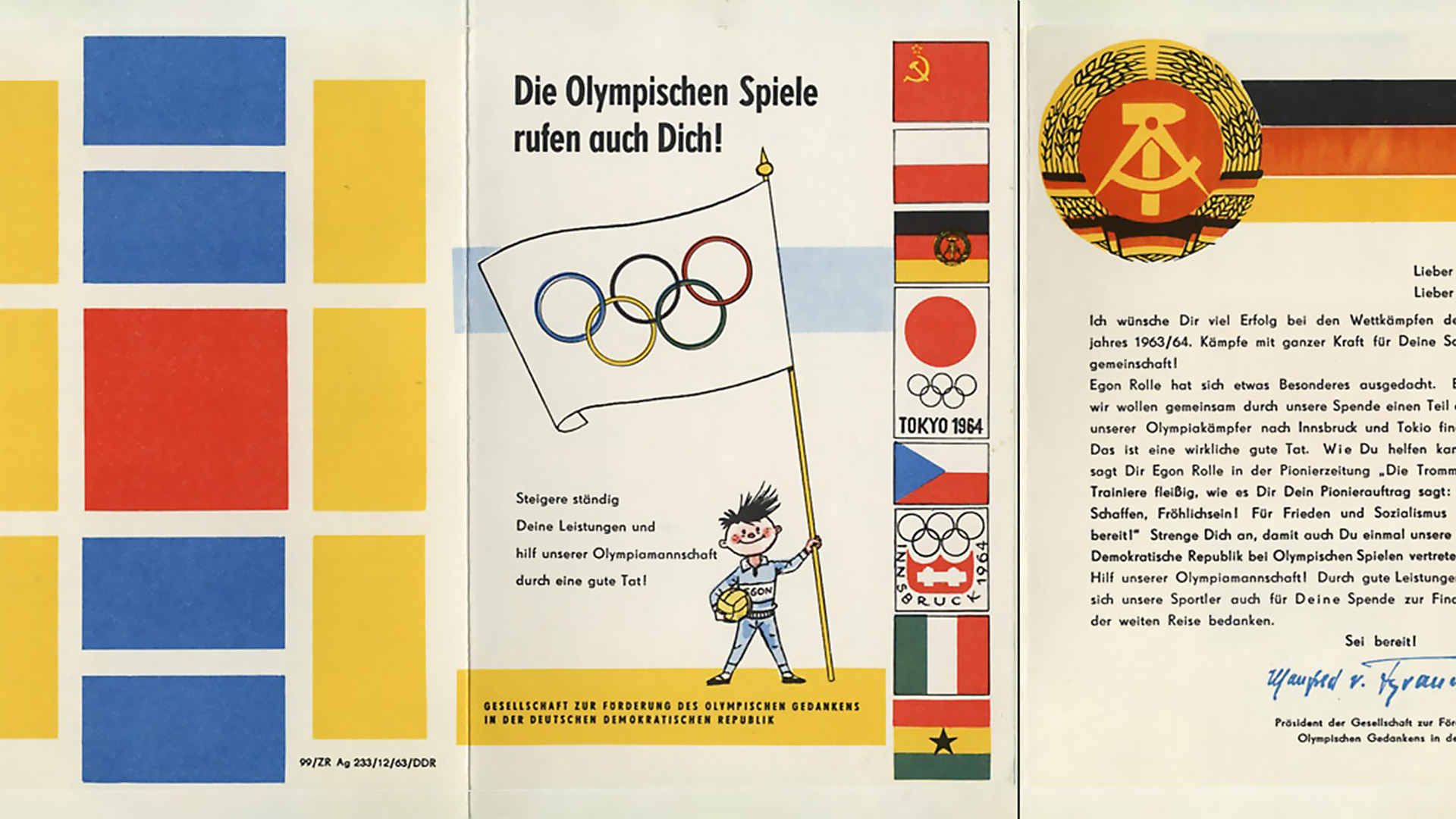
This legislation was repealed in 1933 and replaced with more comprehensive controls exercised by the Reich Chamber of Literature. Whilst individual states of the Federal Republic reintroduced legislation to “combat filth and trash”, a federal law on the distribution of publications harmful to young people was not passed until 1953. In the DDR, the 1955 Youth Protection Ordinance outlined the duty of the socialist state to combat “worthless trash”, including “mendacious-sentimental” romance novels and “morally dangerous” stories, such as gangster novels. For a time, teachers in the DDR were even required to check school bags to enforce the ban.


The whole year at a glance













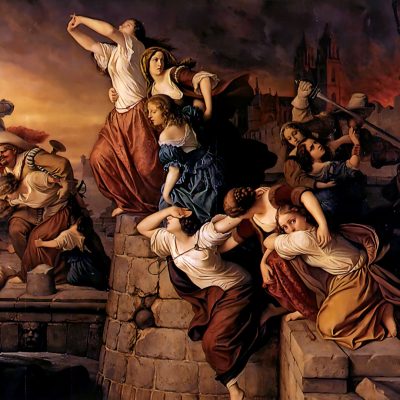
![Lithografie von Johann Nepomuk Heinemann [koloriert], nach Ölgemälde von Feodor Dietz (Foto: LABW, GLAK)](https://www.deutschlandmuseum.de/wp-content/uploads/2025/02/02031689_Zerstoerung_Heidelbergs-400x400.jpg "Lithografie von Johann Nepomuk Heinemann [koloriert], nach Ölgemälde von Feodor Dietz (Foto: LABW, GLAK)")











![Unter den Unterzeichnern sind die Nobelpreisträger Otto Hahn, Werner Heisenberg und Max Born [digital koloriert] (Quelle: Landesarchiv BW Staatsarchiv Freiburg, CC-BY-SA)](https://www.deutschlandmuseum.de/wp-content/uploads/2025/04/12041957_Göttinger_Erklärung-400x400.jpg "Unter den Unterzeichnern sind die Nobelpreisträger Otto Hahn, Werner Heisenberg und Max Born [digital koloriert] (Quelle: Landesarchiv BW Staatsarchiv Freiburg, CC-BY-SA)")





](https://www.deutschlandmuseum.de/wp-content/uploads/2025/04/21041946_SED_Gründung-1-400x400.jpg "Vereinigungsparteitag von KPD und SPD zur SED [digital koloriert](Quelle: Deutsche Fotothek, CC BY-SA 3.0 DE)")




























![Alexander von Humboldt [Ausschnitt], Gemälde von Friedrich Georg Weitsch (Quelle: Alte Nationalgalerie)](https://www.deutschlandmuseum.de/wp-content/uploads/2025/09/14091769_Humboldt-400x400.jpg "Alexander von Humboldt [Ausschnitt], Gemälde von Friedrich Georg Weitsch (Quelle: Alte Nationalgalerie)")



![Albert Einstein im Patentamt Bern, 1905 [digital koloriert] (Quelle: ETH-Bibliothek Zürich)](https://www.deutschlandmuseum.de/wp-content/uploads/2025/09/26091905_Einstein_koloriert-400x400.jpg "Albert Einstein im Patentamt Bern, 1905 [digital koloriert] (Quelle: ETH-Bibliothek Zürich)")