
A milestone in the history of industrial relations
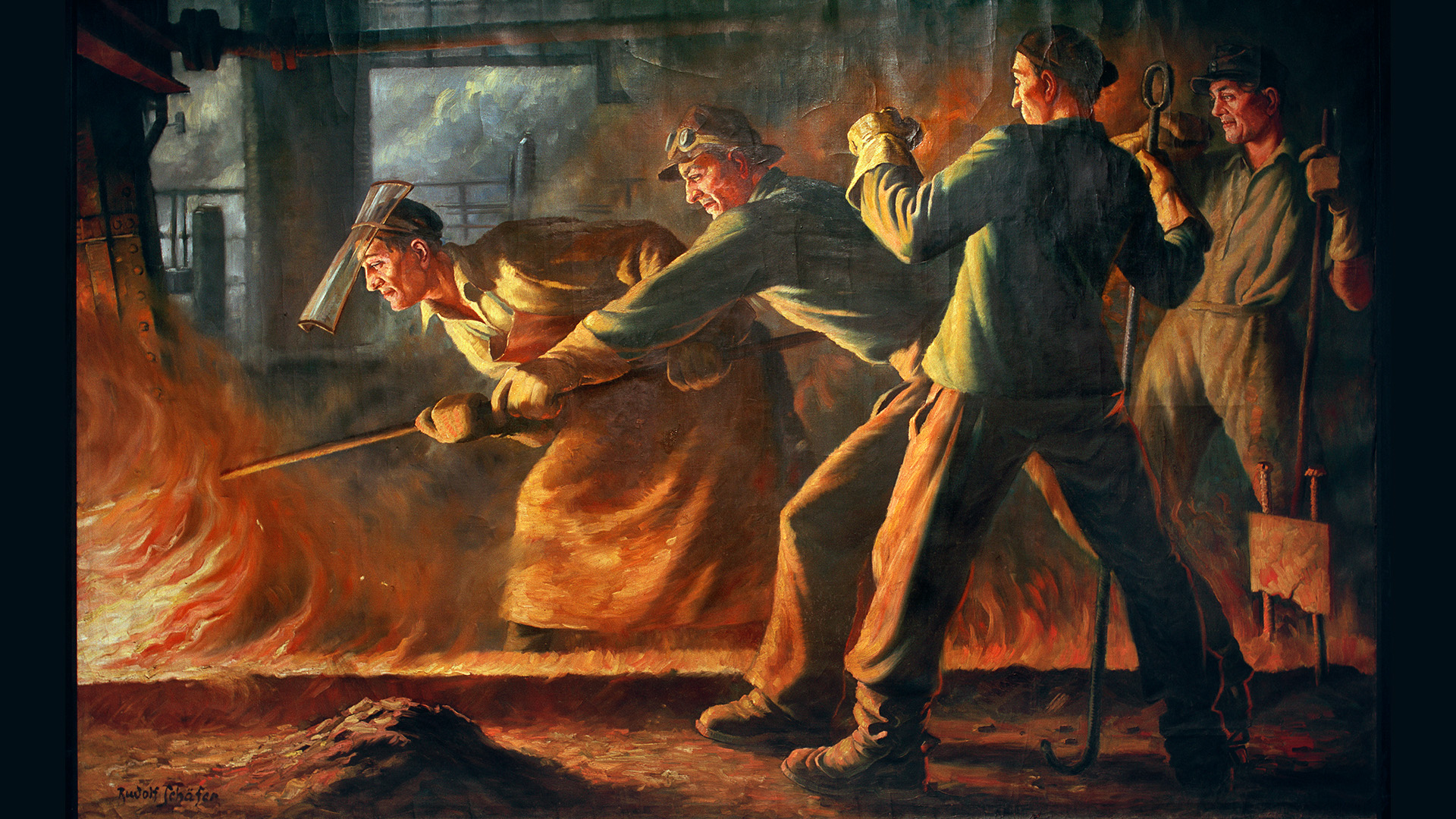
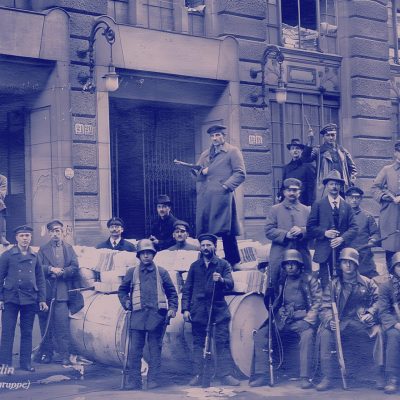
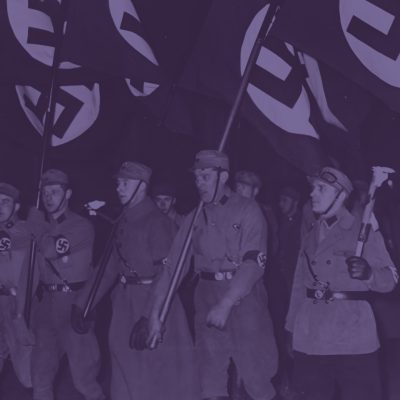
Committees had been established to represent workers’ interests in companies before the First World War, although their powers were limited. During the Weimar Republic, legislation from 1920 obliged companies with 20 or more employees to elect a works council. These worked to ensure that the bosses knew what their workers were thinking, but they did not give the rank and file any influence over company decisions. Such minor advances were abolished by the Third Reich in 1934.
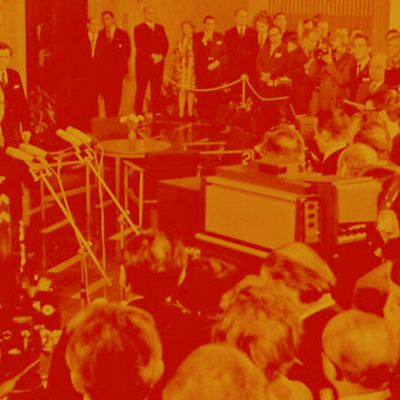
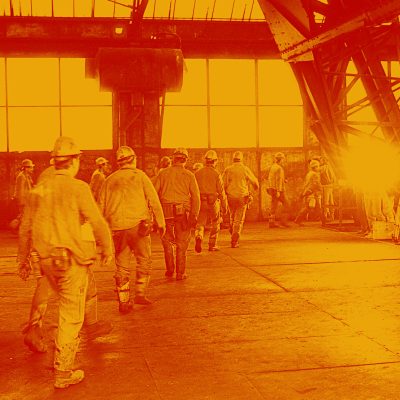
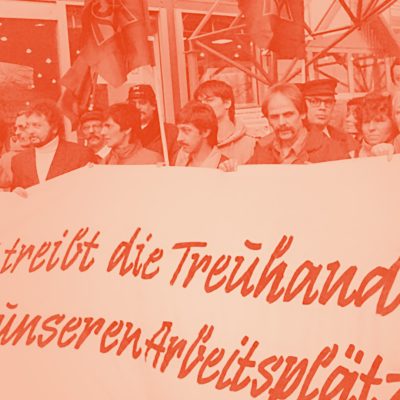
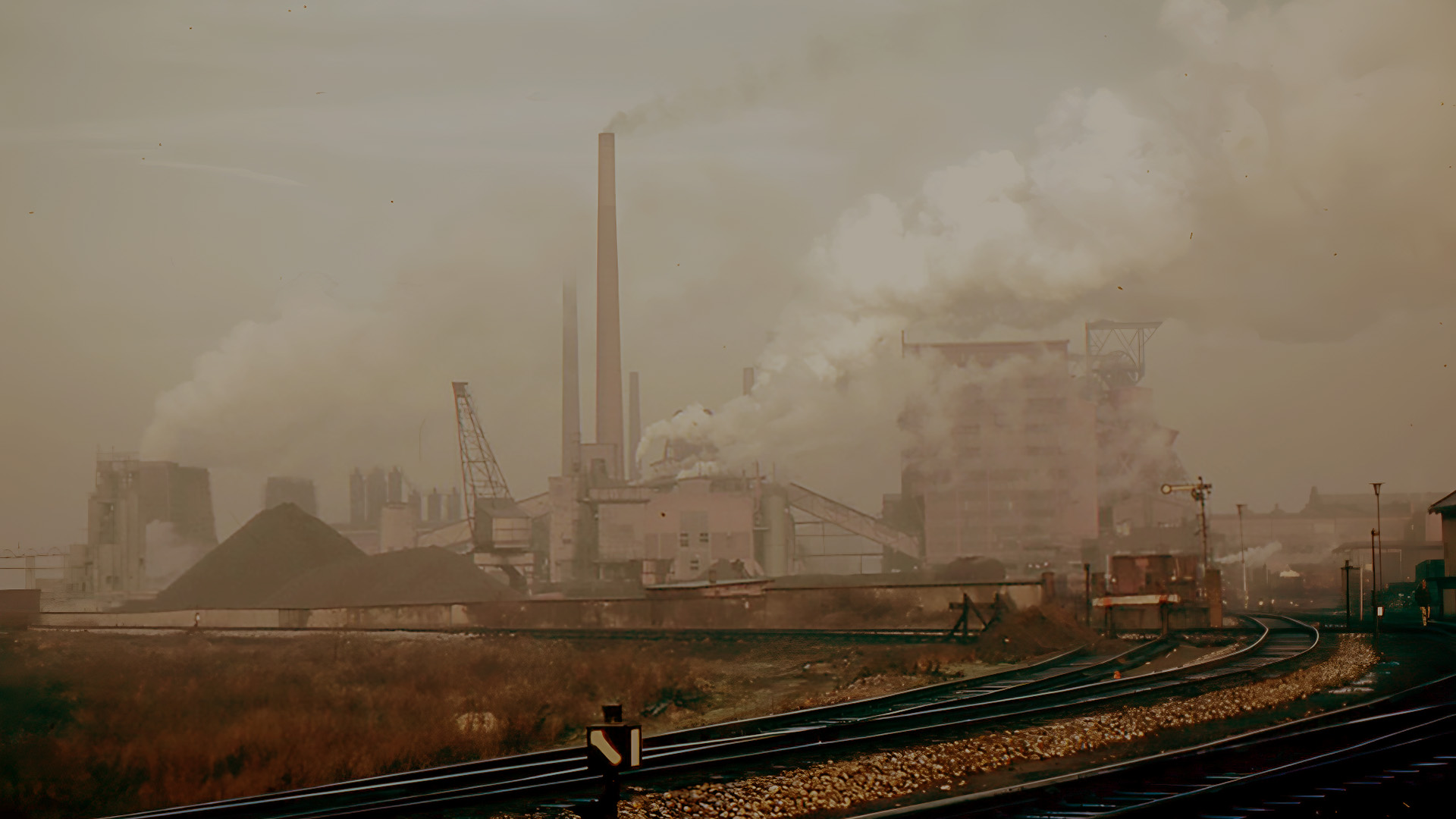
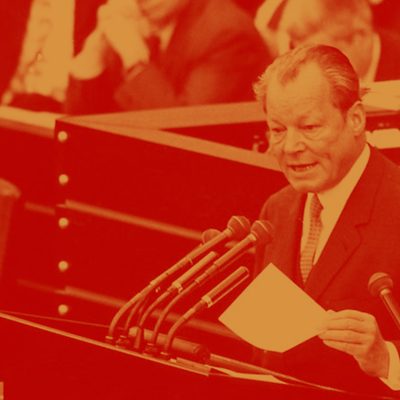
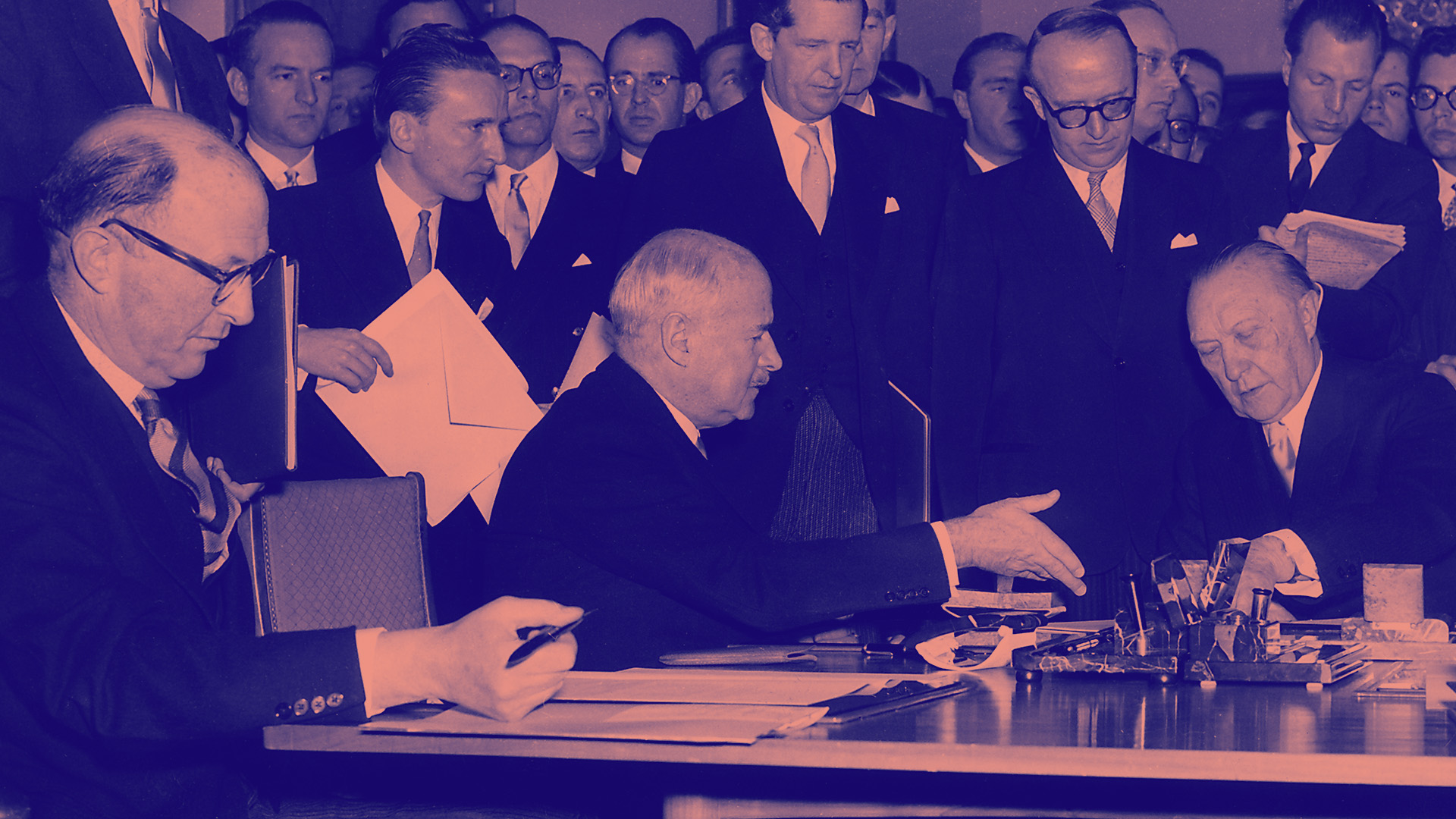
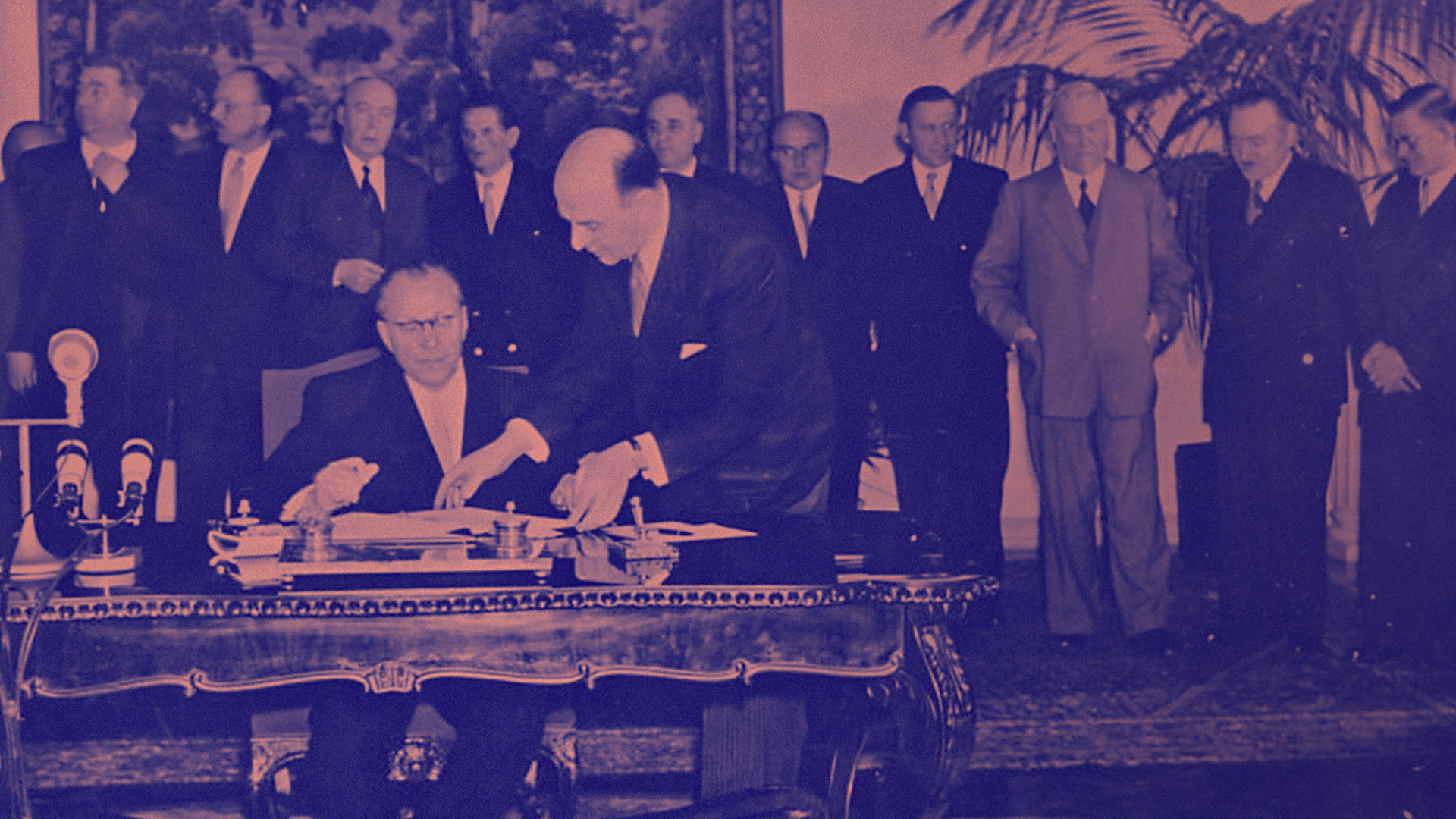
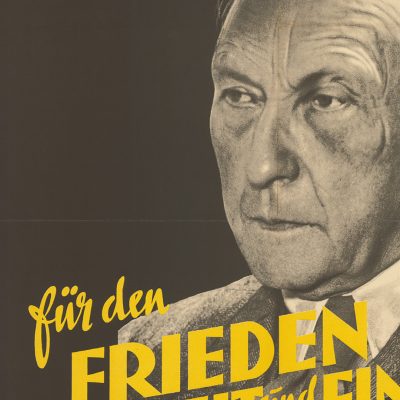
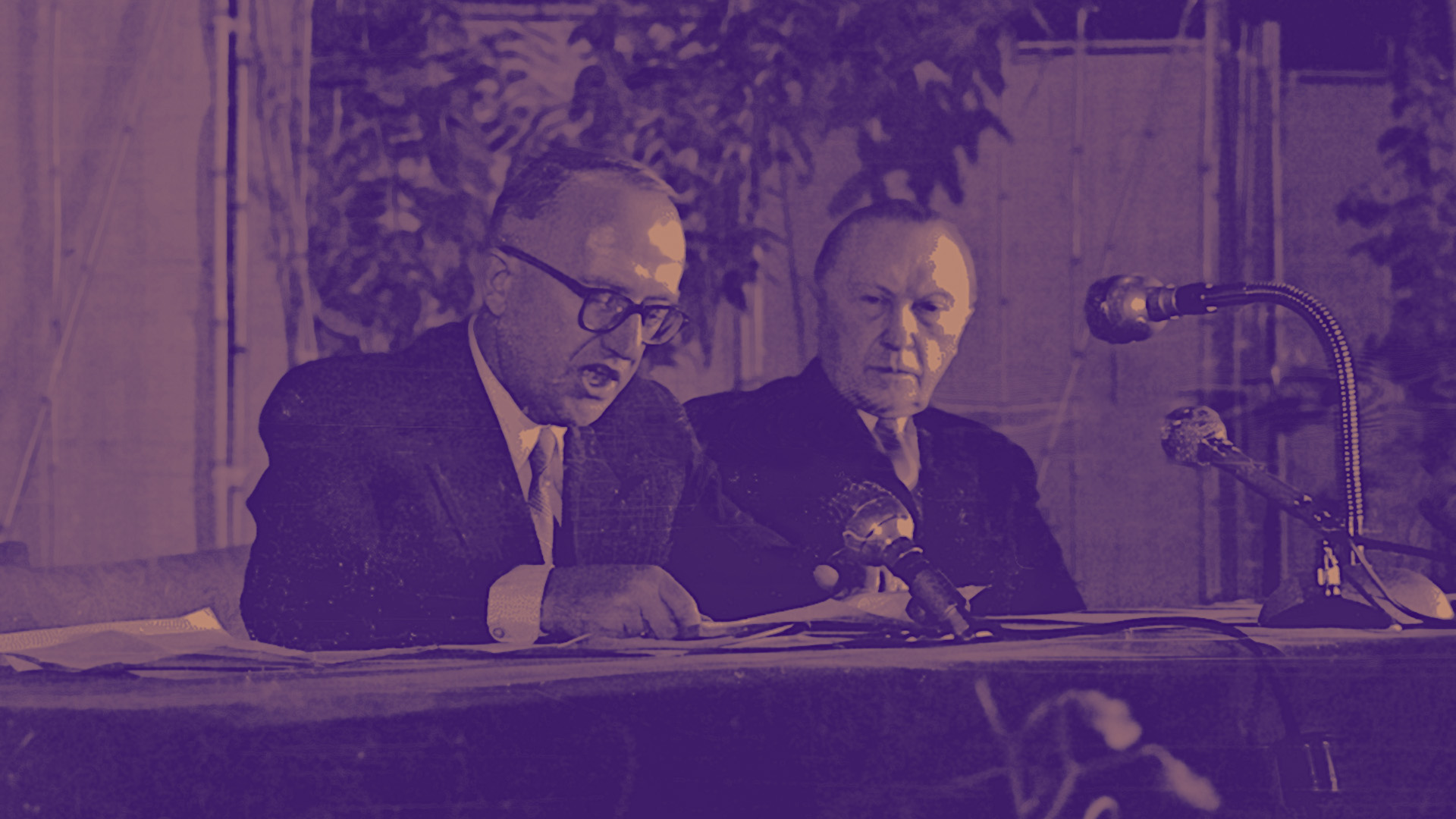
In 1945, the Allied Control Council permitted the formation of works councils. This was followed on 7 June 1951 by the decision of the West German government to pass the Coal and Steel Co-Determination Act, which stipulated equal voting rights for shareholders and workers in decisions taken by the supervisory boards of companies with more than 1,000 employees in the mining, iron and steel industries. This move to establish the equal status of capital and labour is considered to be a milestone in the history of co-determination. The government went even further in 1976, when it passed the Co-Determination Act, extending co-determination to the supervisory boards of corporations with more than 2,000 employees in all industries.

The whole year at a glance






![Lithografie von Johann Nepomuk Heinemann [koloriert], nach Ölgemälde von Feodor Dietz (Foto: LABW, GLAK)](https://www.deutschlandmuseum.de/wp-content/uploads/2025/02/02031689_Zerstoerung_Heidelbergs-400x400.jpg "Lithografie von Johann Nepomuk Heinemann [koloriert], nach Ölgemälde von Feodor Dietz (Foto: LABW, GLAK)")



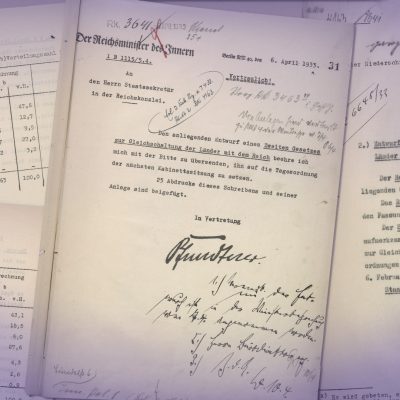
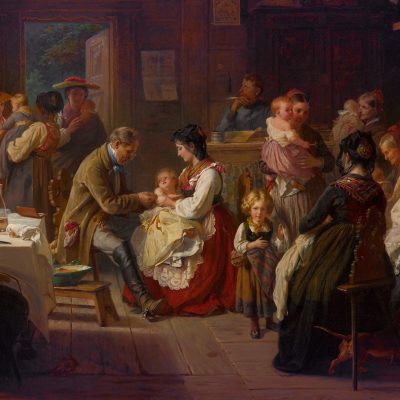

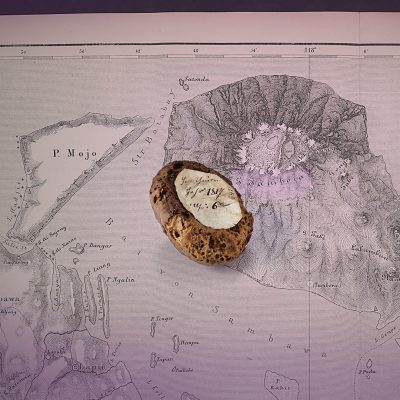
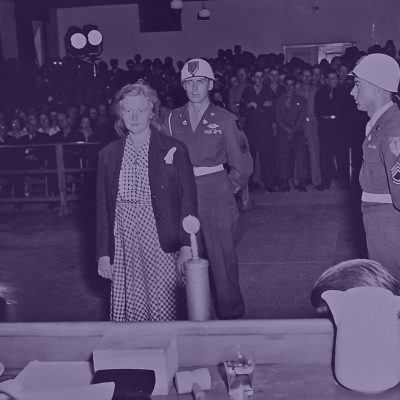
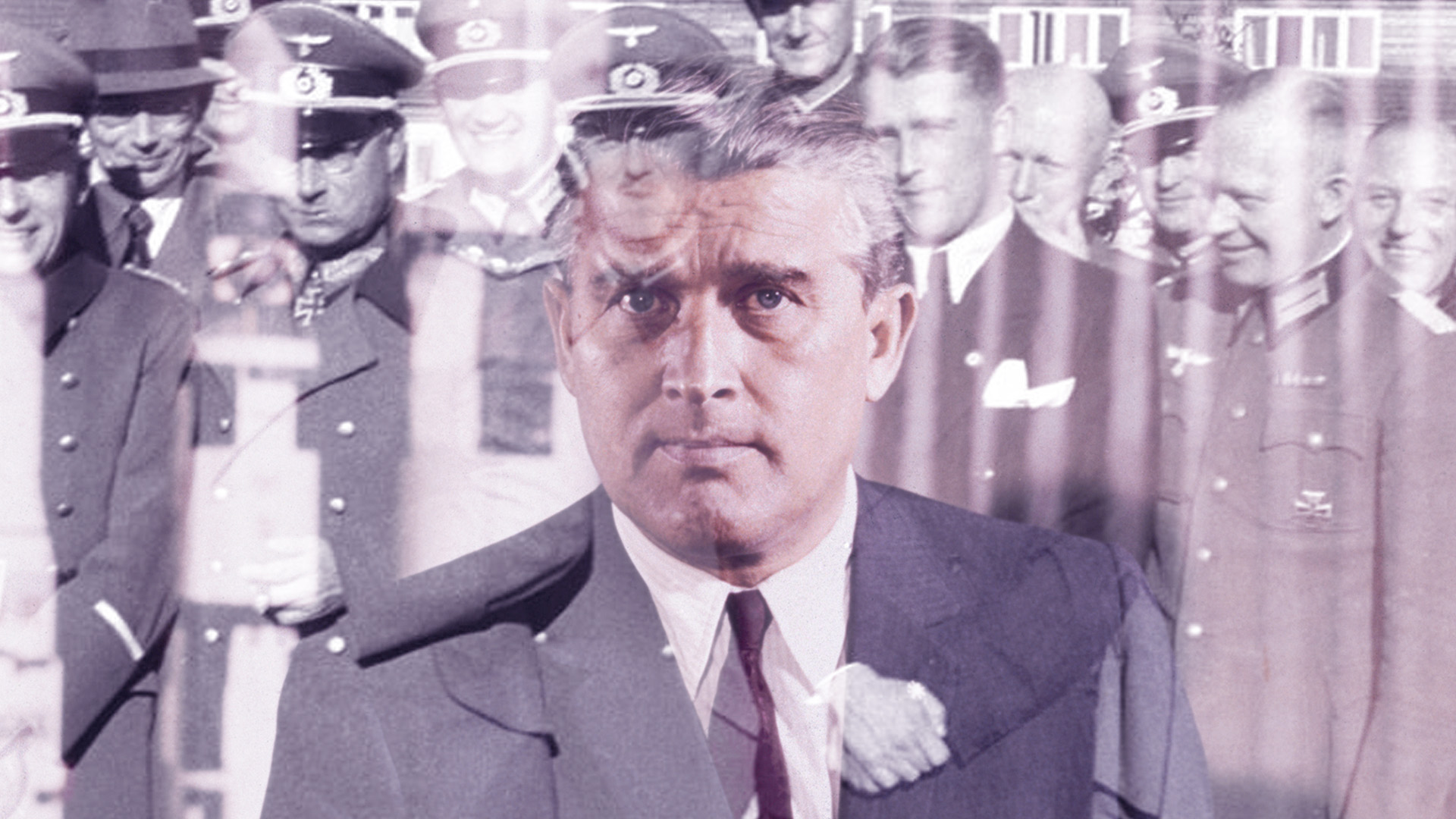
![Unter den Unterzeichnern sind die Nobelpreisträger Otto Hahn, Werner Heisenberg und Max Born [digital koloriert] (Quelle: Landesarchiv BW Staatsarchiv Freiburg, CC-BY-SA)](https://www.deutschlandmuseum.de/wp-content/uploads/2025/04/12041957_Göttinger_Erklärung-400x400.jpg "Unter den Unterzeichnern sind die Nobelpreisträger Otto Hahn, Werner Heisenberg und Max Born [digital koloriert] (Quelle: Landesarchiv BW Staatsarchiv Freiburg, CC-BY-SA)")



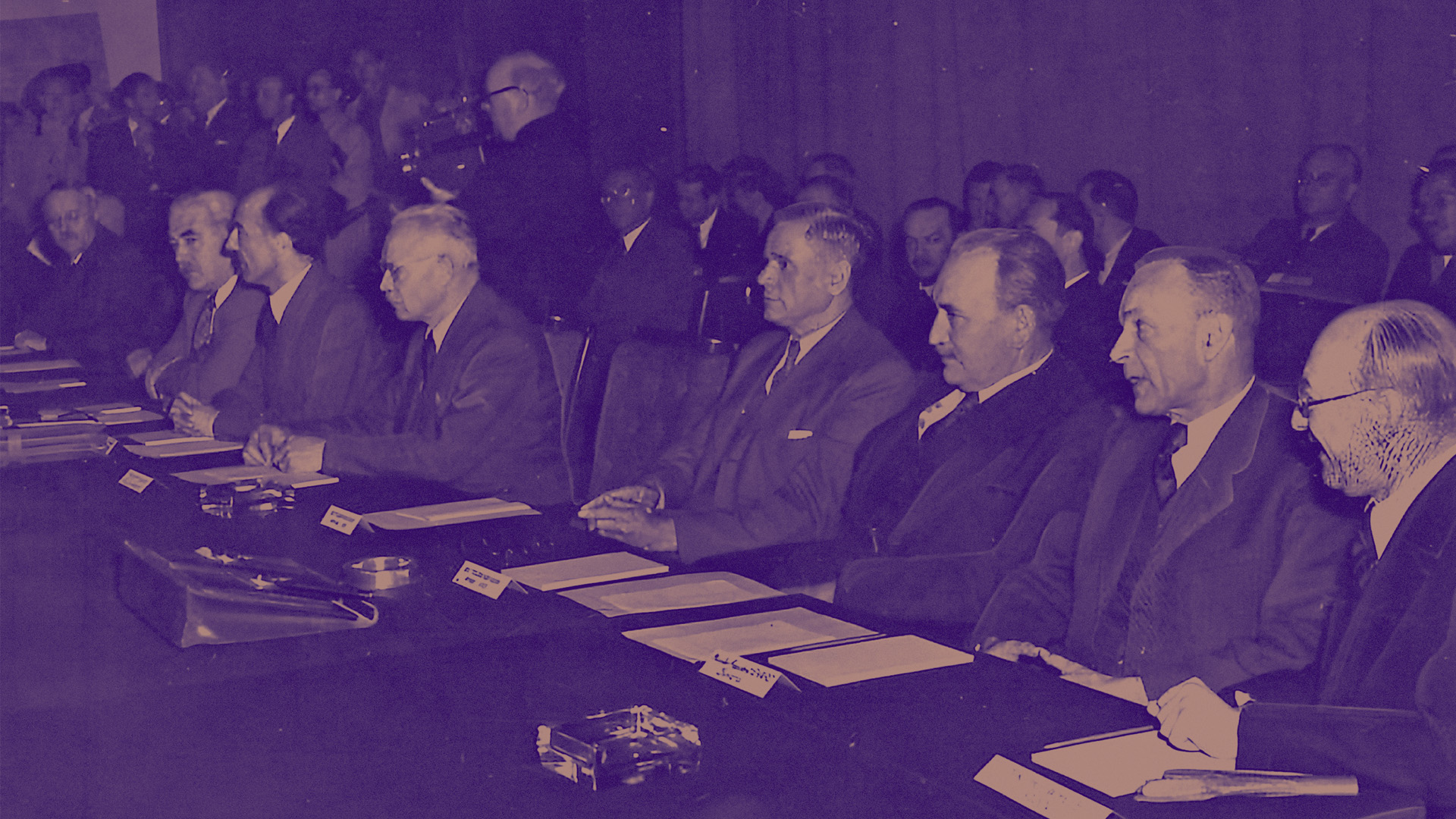
](https://www.deutschlandmuseum.de/wp-content/uploads/2025/04/21041946_SED_Gründung-1-400x400.jpg "Vereinigungsparteitag von KPD und SPD zur SED [digital koloriert](Quelle: Deutsche Fotothek, CC BY-SA 3.0 DE)")












![Alexander von Humboldt [Ausschnitt], Gemälde von Friedrich Georg Weitsch (Quelle: Alte Nationalgalerie)](https://www.deutschlandmuseum.de/wp-content/uploads/2025/09/14091769_Humboldt-400x400.jpg "Alexander von Humboldt [Ausschnitt], Gemälde von Friedrich Georg Weitsch (Quelle: Alte Nationalgalerie)")



![Albert Einstein im Patentamt Bern, 1905 [digital koloriert] (Quelle: ETH-Bibliothek Zürich)](https://www.deutschlandmuseum.de/wp-content/uploads/2025/09/26091905_Einstein_koloriert-400x400.jpg "Albert Einstein im Patentamt Bern, 1905 [digital koloriert] (Quelle: ETH-Bibliothek Zürich)")