

Corporal punishment for trainees comes to an end
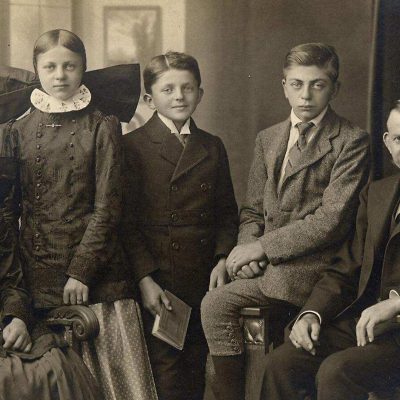
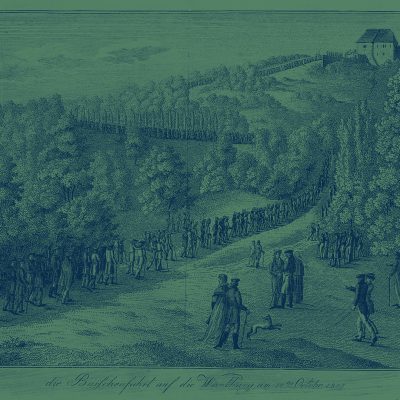
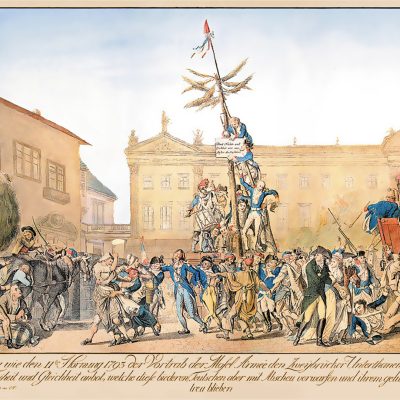
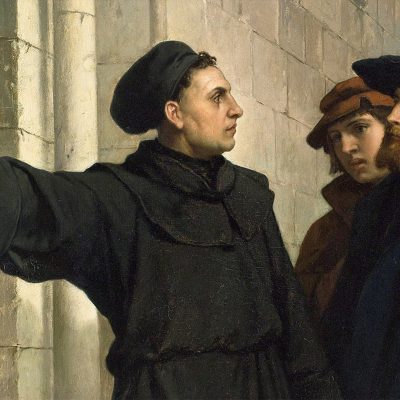
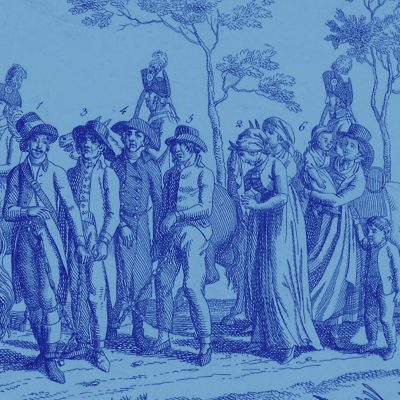
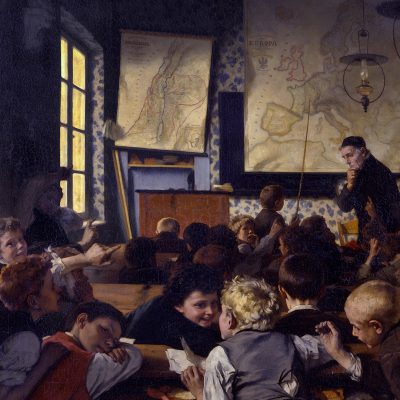
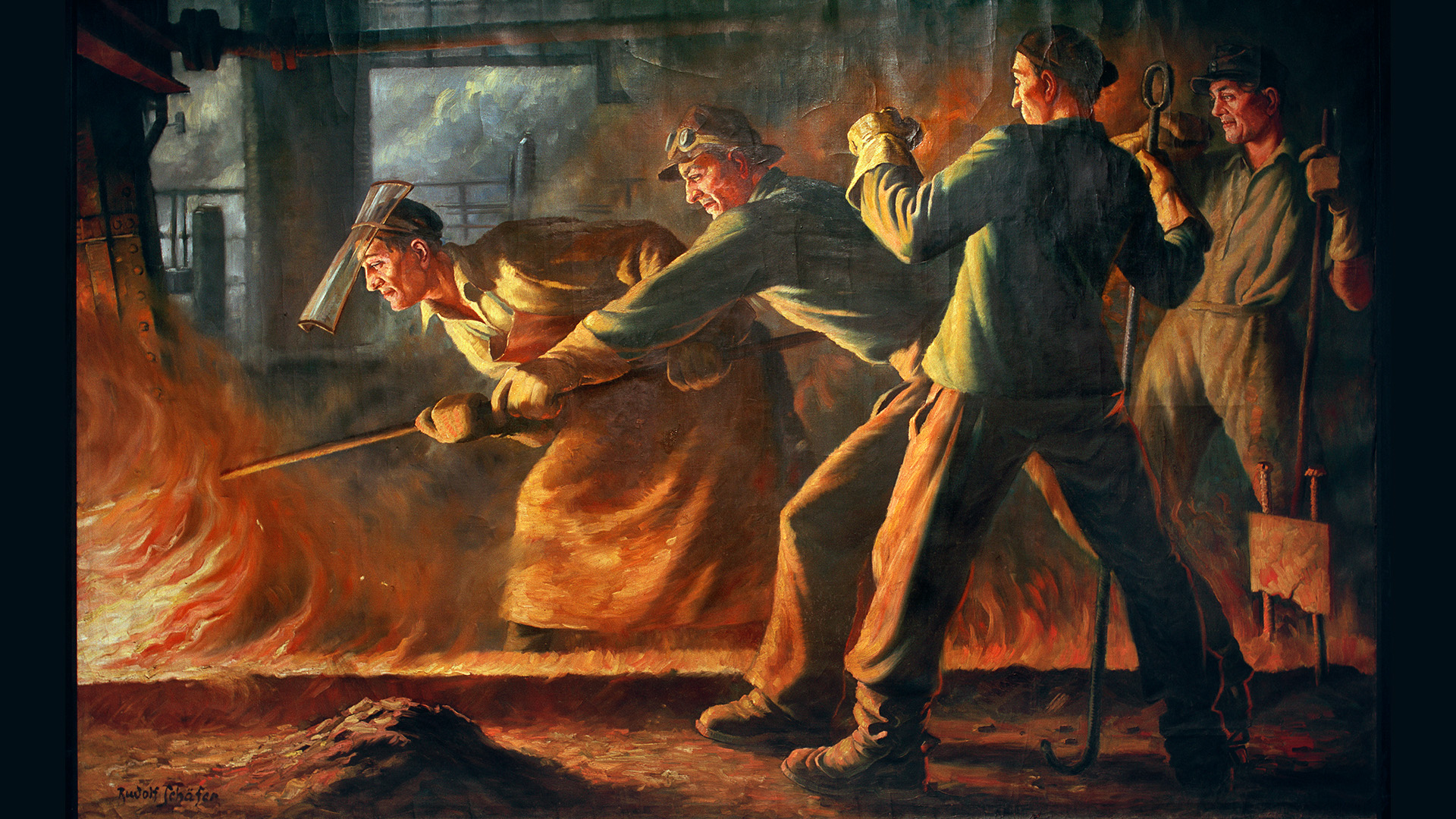
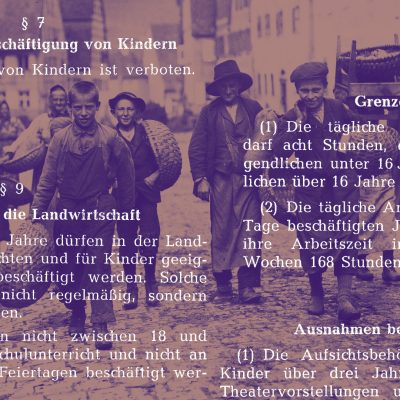
Germany used to see a lot of corporal punishment. Martin Luther recommended that teachers place a rod next to an apple, a specifically Lutheran take on the traditional combination of carrot and stick. As 19th-century primary school teachers were often former soldiers, they thought nothing of whacking their pupils freely, for which they had a selection of canes or rods at their disposal. It was not as if they had not experienced any violence themselves: soldiers were often required to do something called “running the gauntlet”, which meant making their way between two lines of comrades, who did their best to bash and biff them as they ran past. Leaving school did not end the pain. Given simple, repetitive and often unpleasant tasks from which to learn their trade, apprentices feared the wrath of their master following a mistake; established by law in the position in loco parentis, the master was permitted to beat them if they did something wrong. Although the Civil Code of 1900 abolished the right of employers to chastise domestic or farm servants, apprentice masters continued to exercise “paternal discipline” until 27 December 1951, when the Trade Regulation Act was revised in West Germany and prohibited “corporal punishment or any treatment that endangers the health of the apprentice”. Nevertheless, the practice of beating apprenticeships continued, just off the books.
Whilst East German teachers were not permitted to beat the boys and girls under their care, their West German counterparts kept their collection of canes and rods in good working order well into the early 1970s. Even though corporal punishment was proscribed in Bavaria towards the end of that decade, a court affirmed the right of a primary school teacher to smack unruly pupils. In 1957, homes became venues of “equal opportunities violence” when the Equal Rights Act rescinded the primacy of the father in enforcing discipline: now both parents had the right to box their children’s ears. Corporal punishment was only brought to an end in 2000 when the Act on the Prohibition of Violence in Education established a child’s right to a non-violent upbringing.


The whole year at a glance












![Lithografie von Johann Nepomuk Heinemann [koloriert], nach Ölgemälde von Feodor Dietz (Foto: LABW, GLAK)](https://www.deutschlandmuseum.de/wp-content/uploads/2025/02/02031689_Zerstoerung_Heidelbergs-400x400.jpg "Lithografie von Johann Nepomuk Heinemann [koloriert], nach Ölgemälde von Feodor Dietz (Foto: LABW, GLAK)")








![Unter den Unterzeichnern sind die Nobelpreisträger Otto Hahn, Werner Heisenberg und Max Born [digital koloriert] (Quelle: Landesarchiv BW Staatsarchiv Freiburg, CC-BY-SA)](https://www.deutschlandmuseum.de/wp-content/uploads/2025/04/12041957_Göttinger_Erklärung-400x400.jpg "Unter den Unterzeichnern sind die Nobelpreisträger Otto Hahn, Werner Heisenberg und Max Born [digital koloriert] (Quelle: Landesarchiv BW Staatsarchiv Freiburg, CC-BY-SA)")



](https://www.deutschlandmuseum.de/wp-content/uploads/2025/04/21041946_SED_Gründung-1-400x400.jpg "Vereinigungsparteitag von KPD und SPD zur SED [digital koloriert](Quelle: Deutsche Fotothek, CC BY-SA 3.0 DE)")




























![Alexander von Humboldt [Ausschnitt], Gemälde von Friedrich Georg Weitsch (Quelle: Alte Nationalgalerie)](https://www.deutschlandmuseum.de/wp-content/uploads/2025/09/14091769_Humboldt-400x400.jpg "Alexander von Humboldt [Ausschnitt], Gemälde von Friedrich Georg Weitsch (Quelle: Alte Nationalgalerie)")



![Albert Einstein im Patentamt Bern, 1905 [digital koloriert] (Quelle: ETH-Bibliothek Zürich)](https://www.deutschlandmuseum.de/wp-content/uploads/2025/09/26091905_Einstein_koloriert-400x400.jpg "Albert Einstein im Patentamt Bern, 1905 [digital koloriert] (Quelle: ETH-Bibliothek Zürich)")