
A constitutional amendment seeks to bring greater political stability
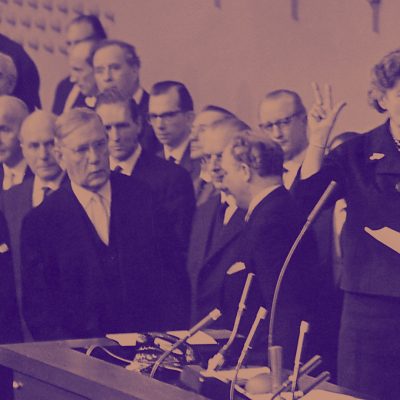
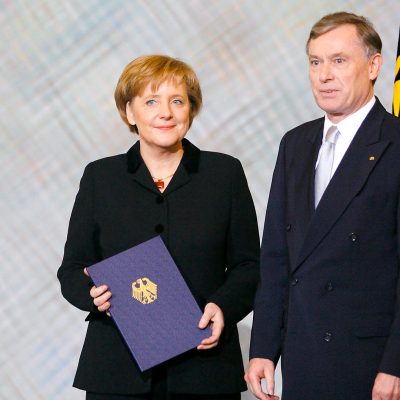
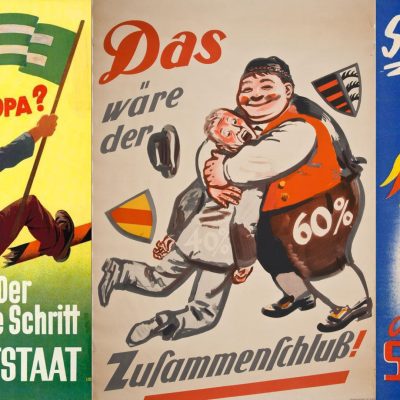
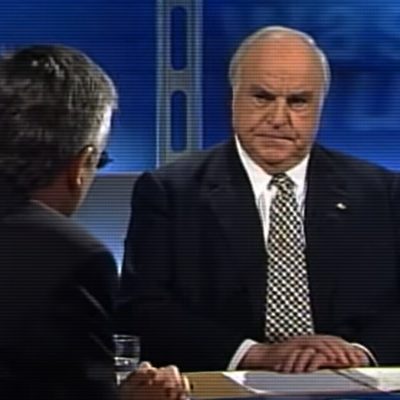
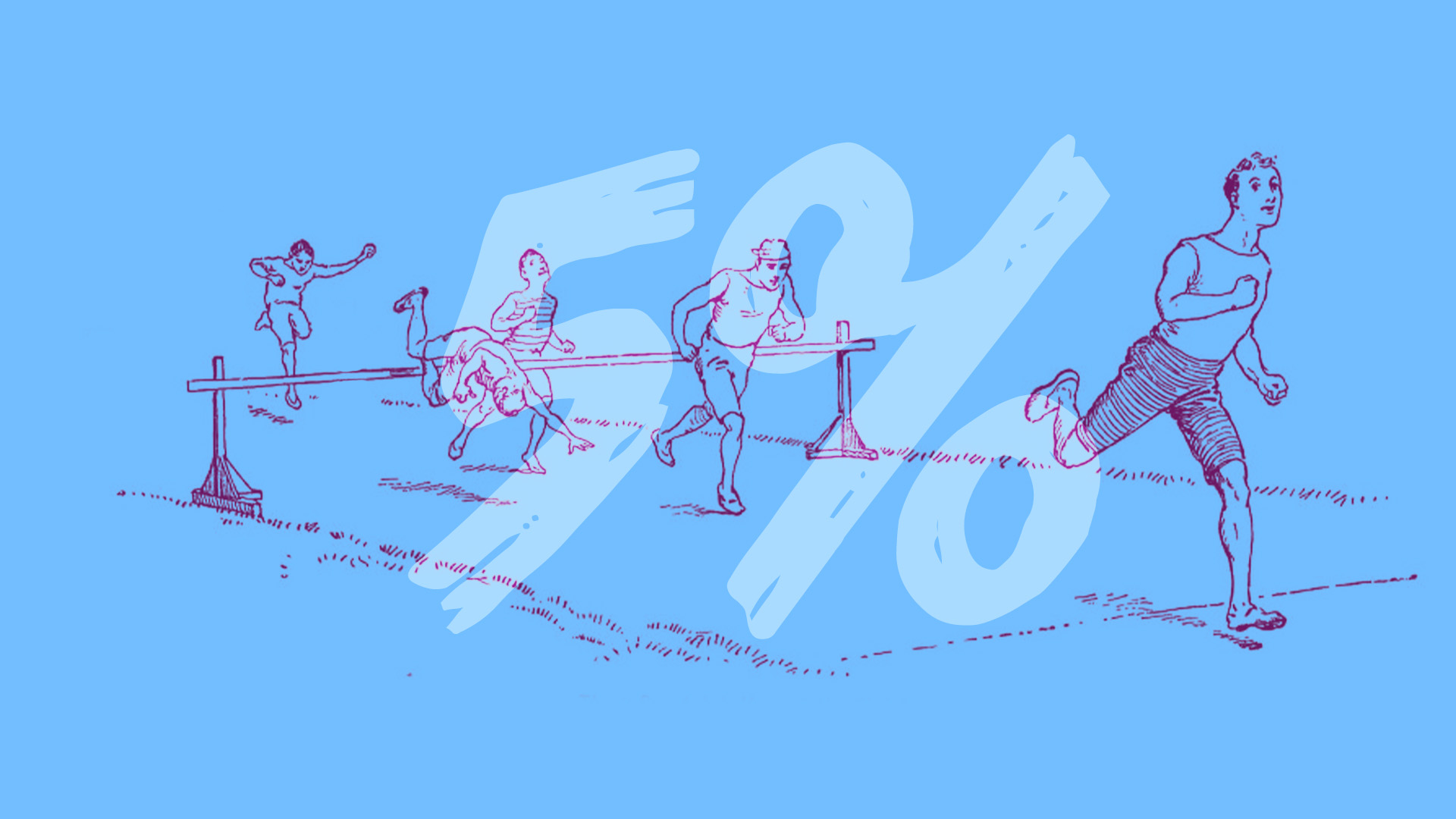
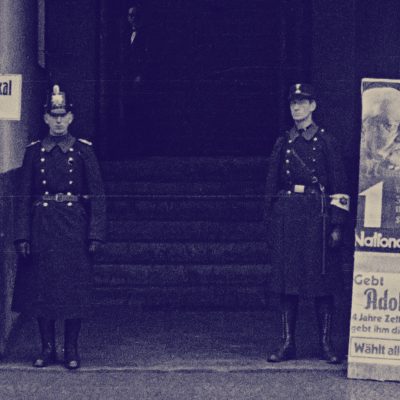
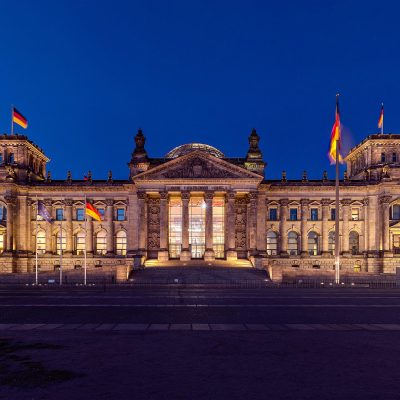
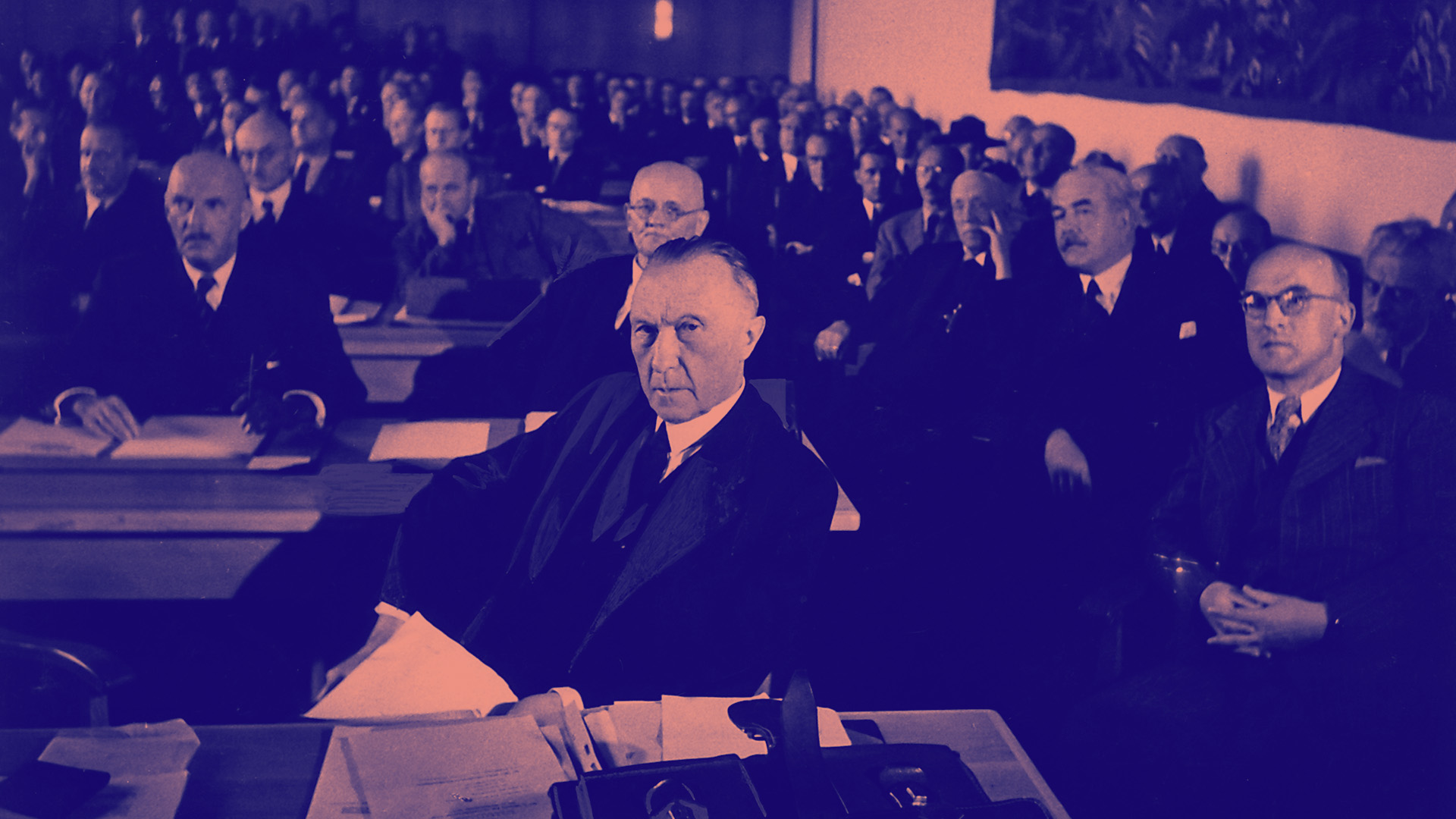
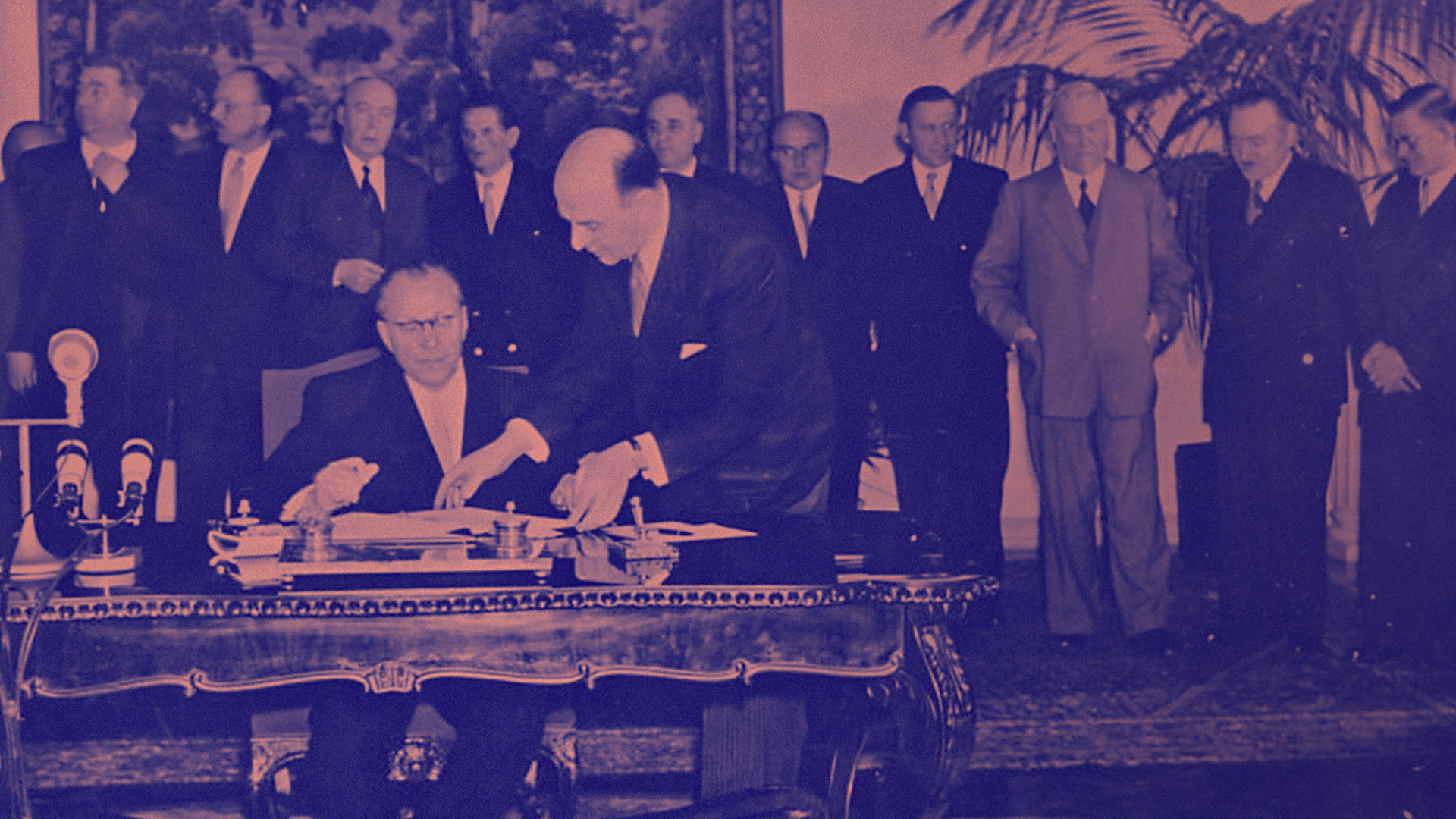
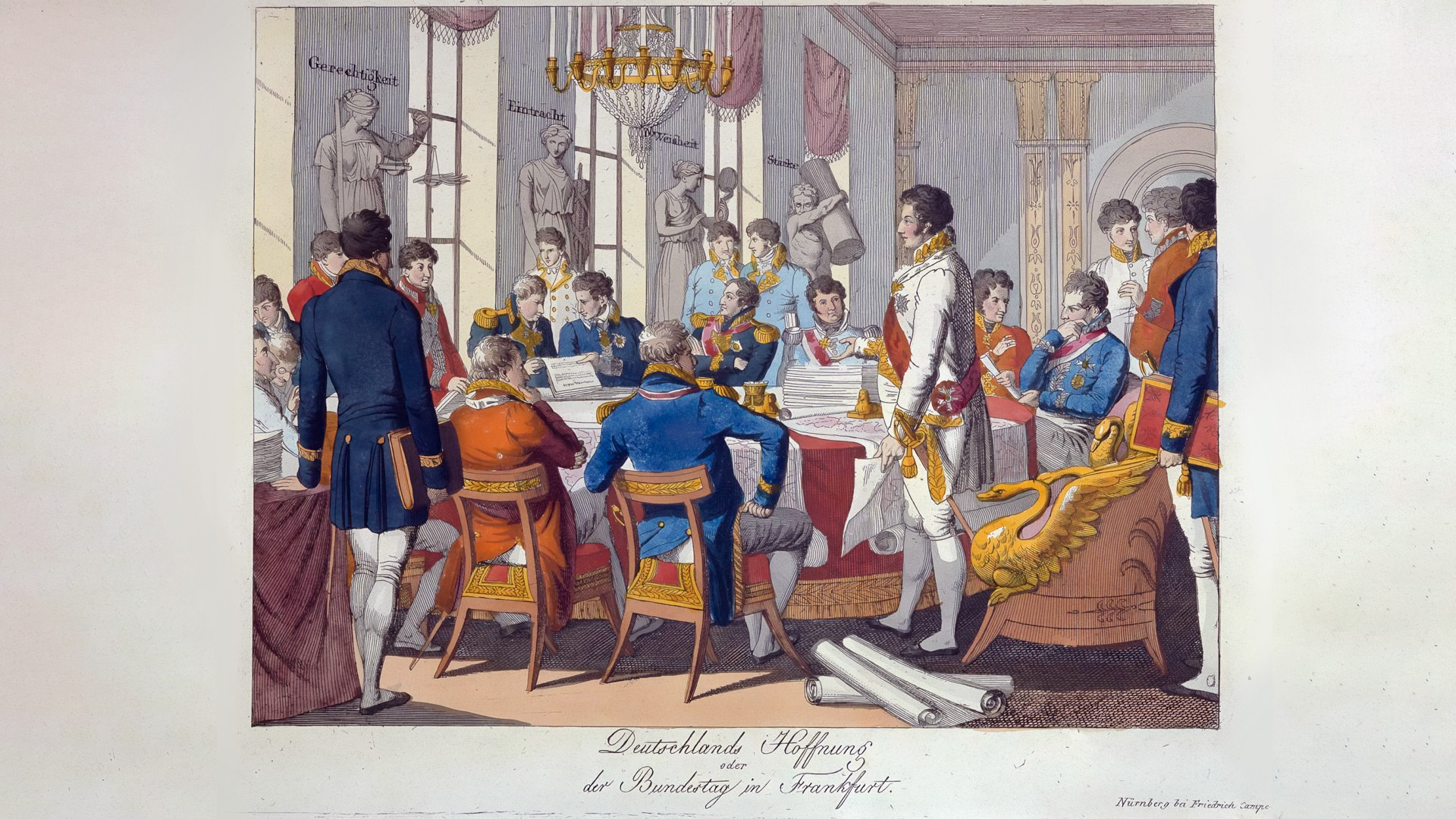
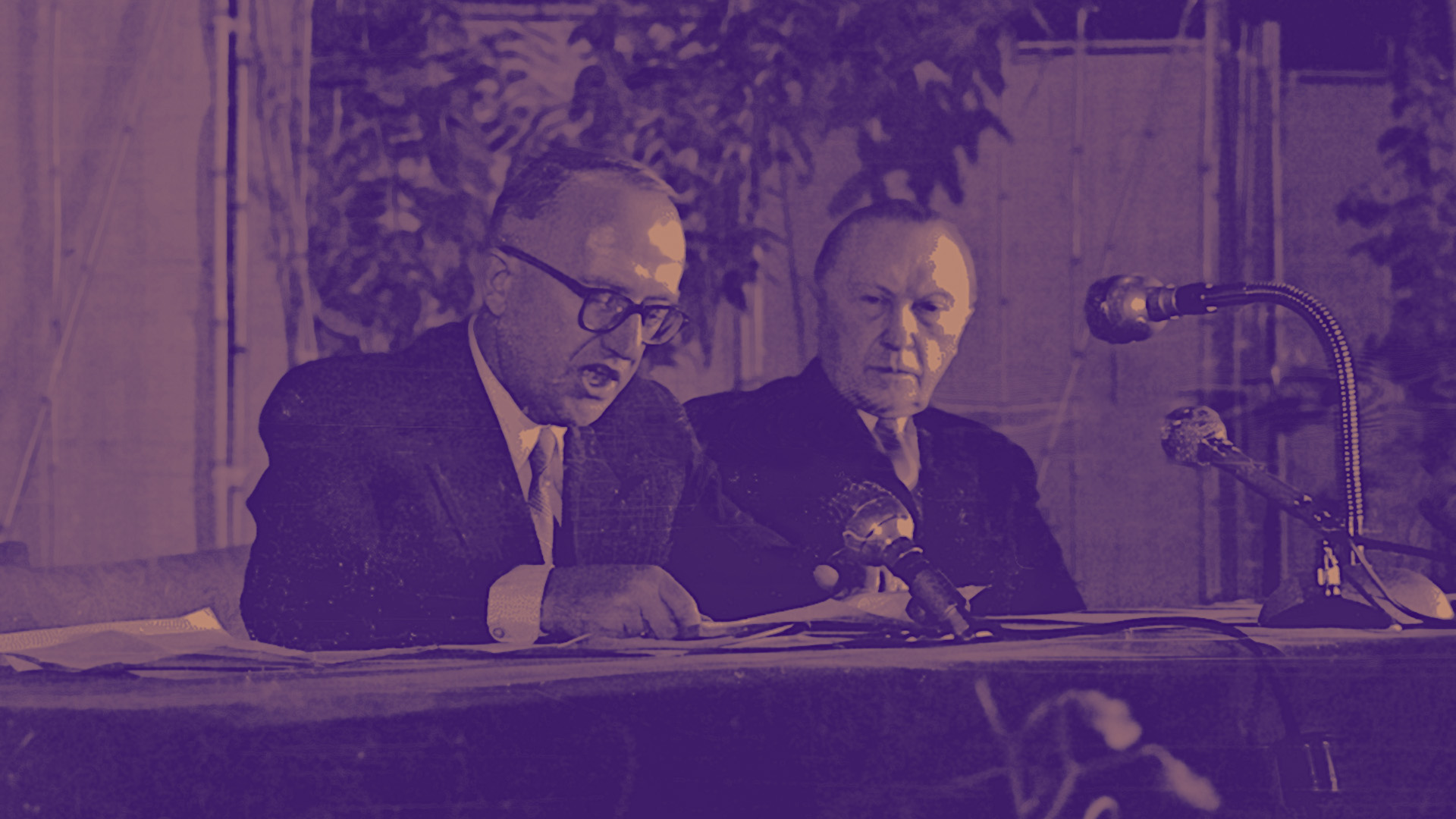
The first West German federal election of 1949 was a complicated affair. If a party achieved 5% of the vote in just one of the 11 federal states – but none of the others – it was still able to send representatives to parliament in accordance with its national vote tally. This produced a Bundestag in which ten different parties were represented. Recognizing that such a situation would not favour the creation of stable governments and fearing a repeat performance of the Weimar Republic – which saw a total of 16 governments in its first 12 years – the Bundestag passed a new electoral law on 23 June 1953. From then on, the 5%-threshold was applied nationwide. Certain exceptions were made for parties representing national minorities in regional parliaments and those winning a minimum of three direct mandates to the national parliament.
Although it produced greater political stability, the move has brought clear disadvantages. If several parties fall just short of the hurdle, the new parliament fails to represent a significant segment of opinion. For example, the 2013 federal election disregarded 6.8 million or 15.7% of the votes. In such cases, it is possible for a governing coalition to amass an absolute majority with less than half of the votes, which poses questions of democratic legitimacy.


The whole year at a glance







![Lithografie von Johann Nepomuk Heinemann [koloriert], nach Ölgemälde von Feodor Dietz (Foto: LABW, GLAK)](https://www.deutschlandmuseum.de/wp-content/uploads/2025/02/02031689_Zerstoerung_Heidelbergs-400x400.jpg "Lithografie von Johann Nepomuk Heinemann [koloriert], nach Ölgemälde von Feodor Dietz (Foto: LABW, GLAK)")






![Unter den Unterzeichnern sind die Nobelpreisträger Otto Hahn, Werner Heisenberg und Max Born [digital koloriert] (Quelle: Landesarchiv BW Staatsarchiv Freiburg, CC-BY-SA)](https://www.deutschlandmuseum.de/wp-content/uploads/2025/04/12041957_Göttinger_Erklärung-400x400.jpg "Unter den Unterzeichnern sind die Nobelpreisträger Otto Hahn, Werner Heisenberg und Max Born [digital koloriert] (Quelle: Landesarchiv BW Staatsarchiv Freiburg, CC-BY-SA)")




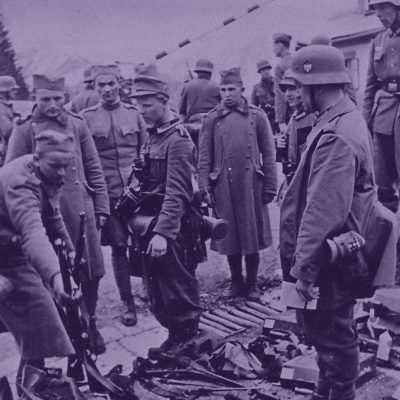
](https://www.deutschlandmuseum.de/wp-content/uploads/2025/04/21041946_SED_Gründung-1-400x400.jpg "Vereinigungsparteitag von KPD und SPD zur SED [digital koloriert](Quelle: Deutsche Fotothek, CC BY-SA 3.0 DE)")












![Alexander von Humboldt [Ausschnitt], Gemälde von Friedrich Georg Weitsch (Quelle: Alte Nationalgalerie)](https://www.deutschlandmuseum.de/wp-content/uploads/2025/09/14091769_Humboldt-400x400.jpg "Alexander von Humboldt [Ausschnitt], Gemälde von Friedrich Georg Weitsch (Quelle: Alte Nationalgalerie)")



![Albert Einstein im Patentamt Bern, 1905 [digital koloriert] (Quelle: ETH-Bibliothek Zürich)](https://www.deutschlandmuseum.de/wp-content/uploads/2025/09/26091905_Einstein_koloriert-400x400.jpg "Albert Einstein im Patentamt Bern, 1905 [digital koloriert] (Quelle: ETH-Bibliothek Zürich)")