
West Germany attempts to prevent international recognition of the DDR
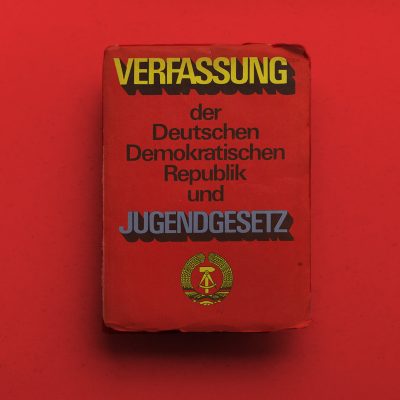
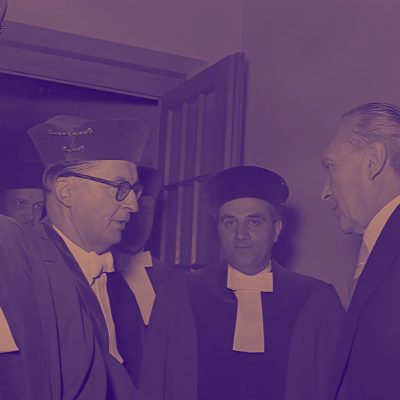
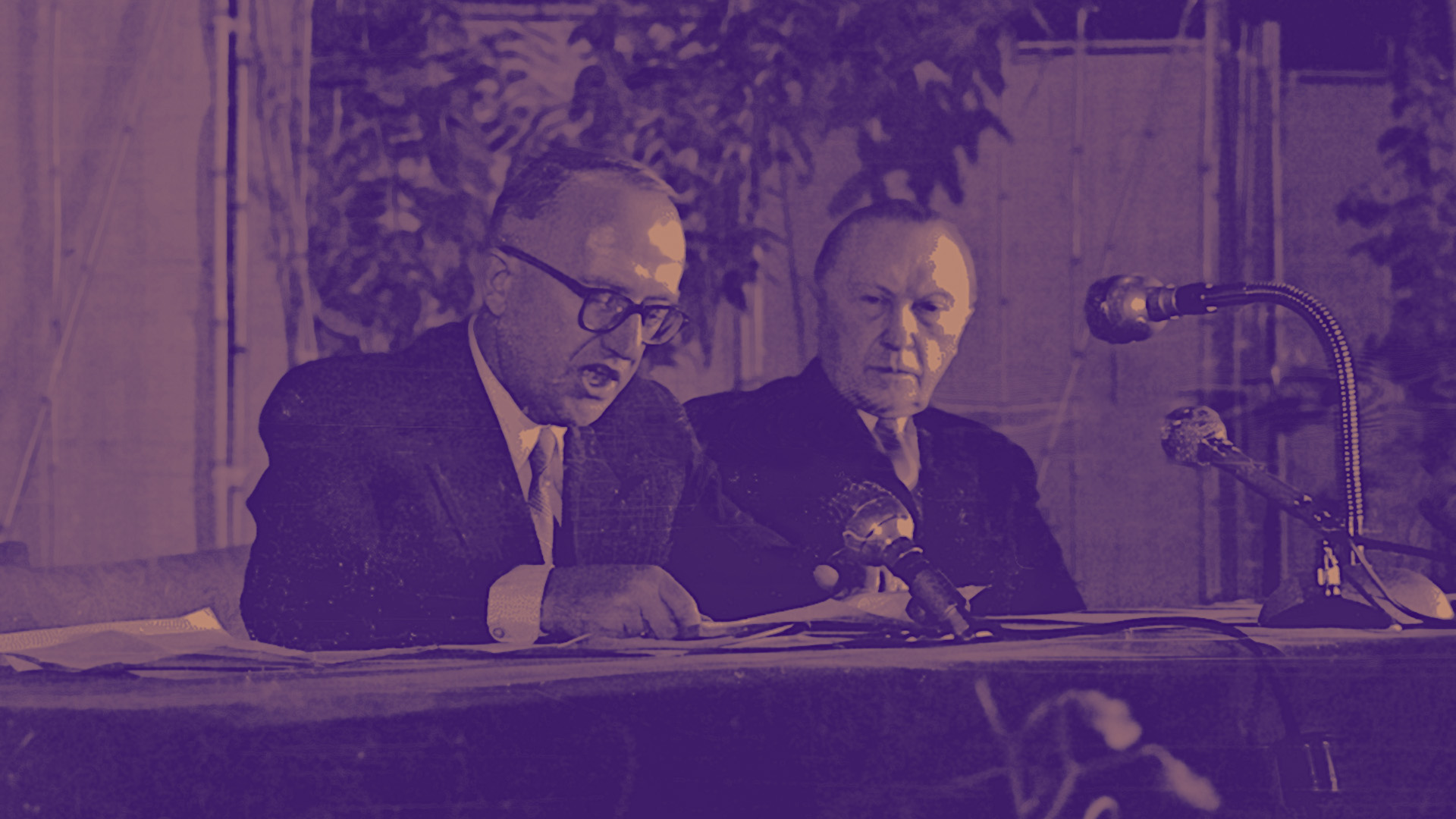
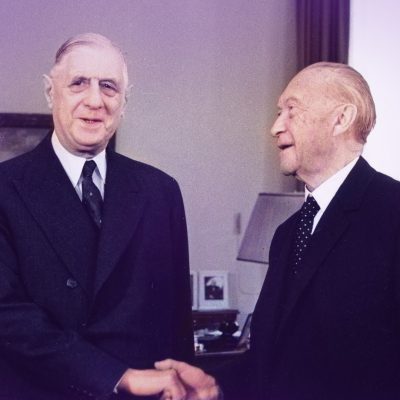
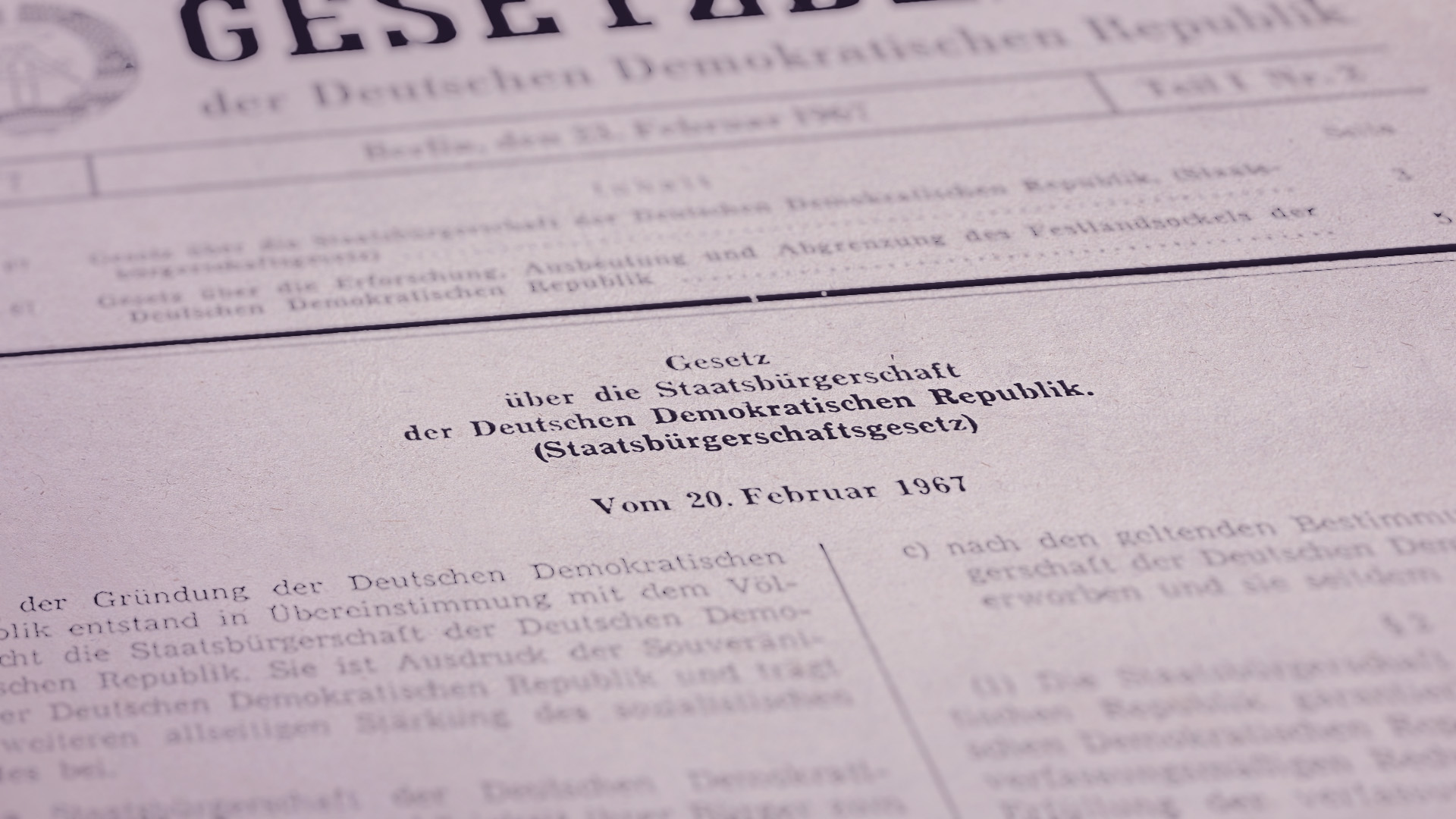
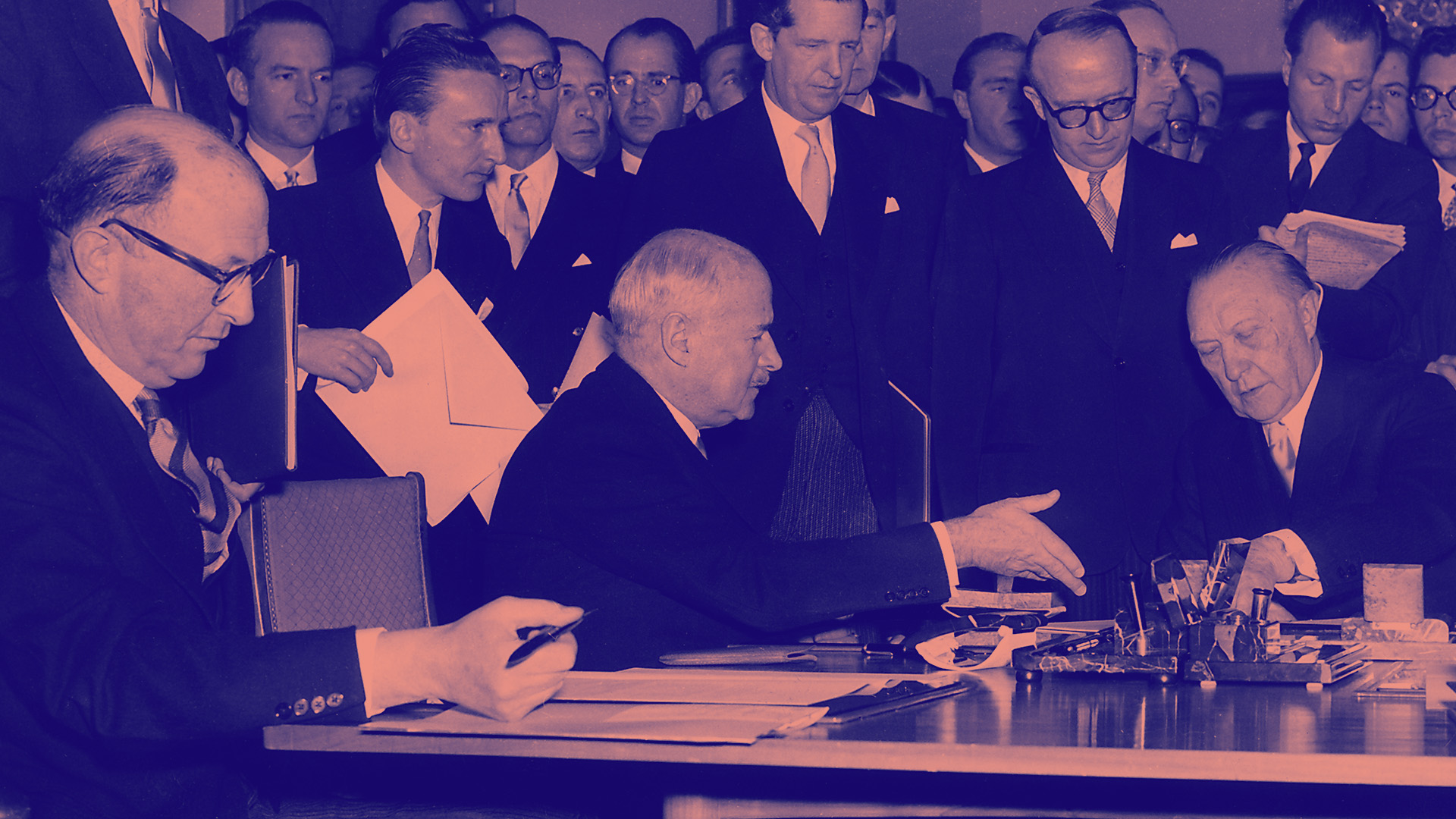
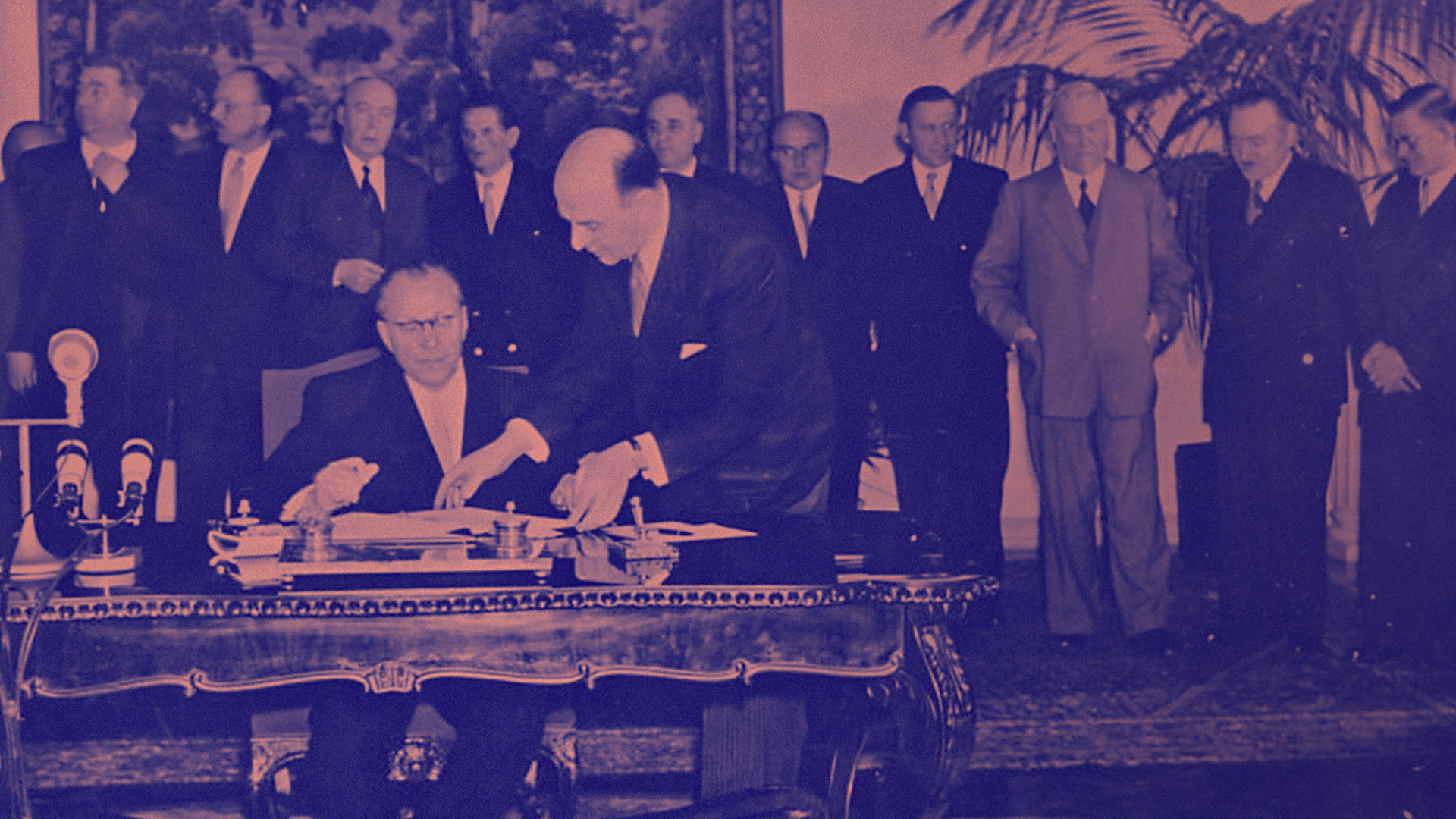
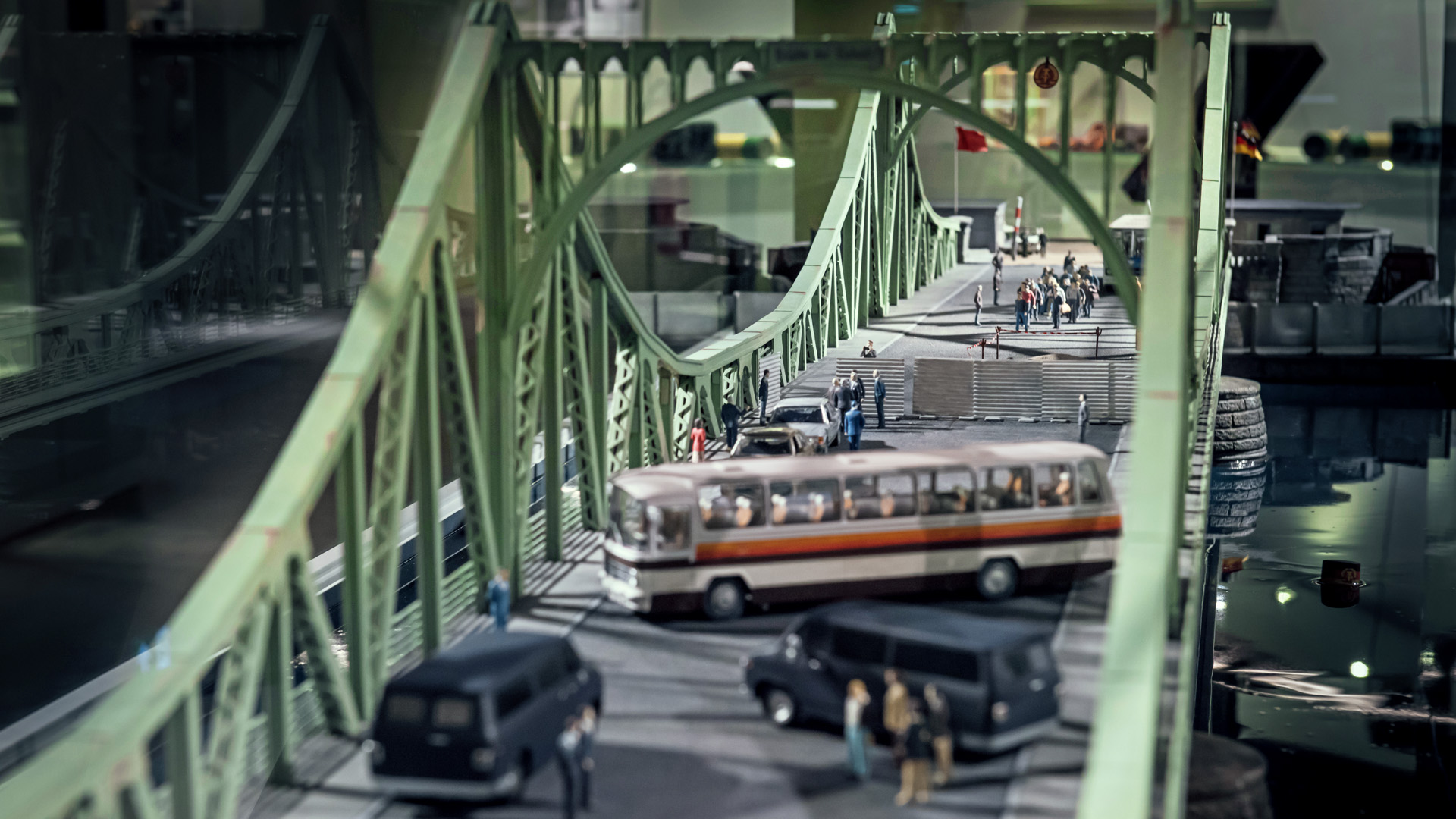
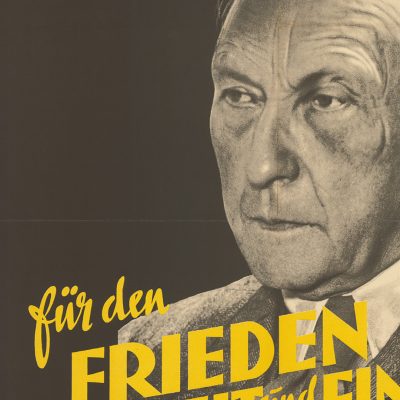
Soon after his appointment to the Chancellorship in 1949, Konrad Adenauer made clear his view that West Germany was the only legitimate successor state to the defeated German Reich. He justified this stance by arguing that despite its name – German Democratic Republic – the East German state did not hold free and fair elections and was therefore not democratically legitimate. Consequently, West Germany did not recognize East Germany’s statehood and refused to exchange ambassadors with any of the Eastern Bloc states, which he also described as dictatorships. Although the Soviet Union was also a “people’s democracy”, i.e. a socialist dictatorship, it was too powerful to be ignored and Adenauer made sure to establish diplomatic relations with it during his state visit to Moscow in September 1955.
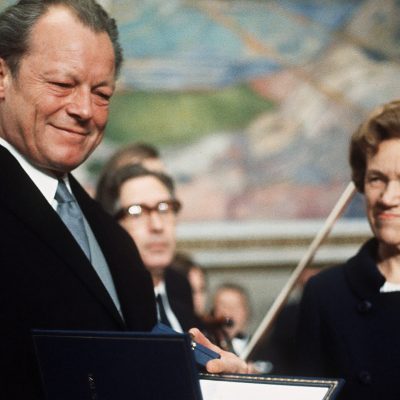
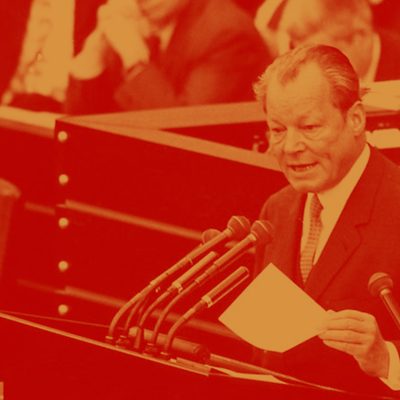
Adenauer gave unequivocal expression to this policy on 23 September 1955 in a public statement. If a state that maintained official relations with the Federal Republic were to establish diplomatic relations with the DDR, Bonn would regard this as an “unfriendly act” and respond accordingly. What subsequently became known as the Hallstein Doctrine – named after an official in the West German Foreign Ministry – was intended to prevent international recognition of the DDR. The consequences of violating this doctrine were made clear: not only would West Germany break off diplomatic relations with any state that recognized the DDR, but it would also bring its considerable economic might to bear in the shape of sanctions. The Hallstein Doctrine remained in force until the end of the 1960s, but became increasingly unsustainable after the launch of the policy of détente. It was finally abandoned after the advent of Willi Brandt’s new Eastern policy during the 1970s.

The whole year at a glance







![Lithografie von Johann Nepomuk Heinemann [koloriert], nach Ölgemälde von Feodor Dietz (Foto: LABW, GLAK)](https://www.deutschlandmuseum.de/wp-content/uploads/2025/02/02031689_Zerstoerung_Heidelbergs-400x400.jpg "Lithografie von Johann Nepomuk Heinemann [koloriert], nach Ölgemälde von Feodor Dietz (Foto: LABW, GLAK)")






![Unter den Unterzeichnern sind die Nobelpreisträger Otto Hahn, Werner Heisenberg und Max Born [digital koloriert] (Quelle: Landesarchiv BW Staatsarchiv Freiburg, CC-BY-SA)](https://www.deutschlandmuseum.de/wp-content/uploads/2025/04/12041957_Göttinger_Erklärung-400x400.jpg "Unter den Unterzeichnern sind die Nobelpreisträger Otto Hahn, Werner Heisenberg und Max Born [digital koloriert] (Quelle: Landesarchiv BW Staatsarchiv Freiburg, CC-BY-SA)")




](https://www.deutschlandmuseum.de/wp-content/uploads/2025/04/21041946_SED_Gründung-1-400x400.jpg "Vereinigungsparteitag von KPD und SPD zur SED [digital koloriert](Quelle: Deutsche Fotothek, CC BY-SA 3.0 DE)")

















![Alexander von Humboldt [Ausschnitt], Gemälde von Friedrich Georg Weitsch (Quelle: Alte Nationalgalerie)](https://www.deutschlandmuseum.de/wp-content/uploads/2025/09/14091769_Humboldt-400x400.jpg "Alexander von Humboldt [Ausschnitt], Gemälde von Friedrich Georg Weitsch (Quelle: Alte Nationalgalerie)")



![Albert Einstein im Patentamt Bern, 1905 [digital koloriert] (Quelle: ETH-Bibliothek Zürich)](https://www.deutschlandmuseum.de/wp-content/uploads/2025/09/26091905_Einstein_koloriert-400x400.jpg "Albert Einstein im Patentamt Bern, 1905 [digital koloriert] (Quelle: ETH-Bibliothek Zürich)")